


Here's a realistic breakdown of what a full gut renovation costs, what drives the price up or down, and how to plan a budget that won't blow up halfway through.
What "Gut Renovation" Actually Means
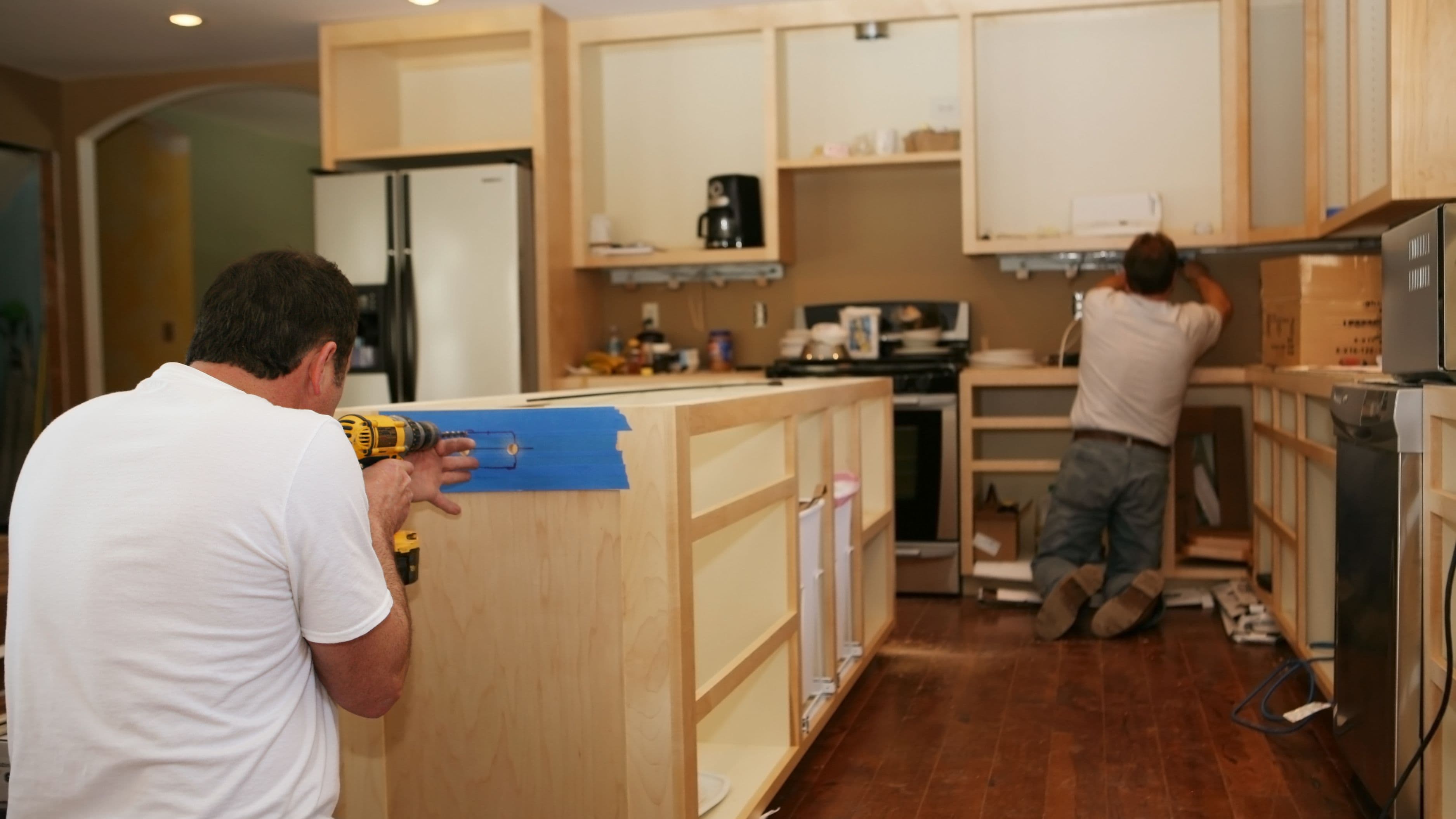
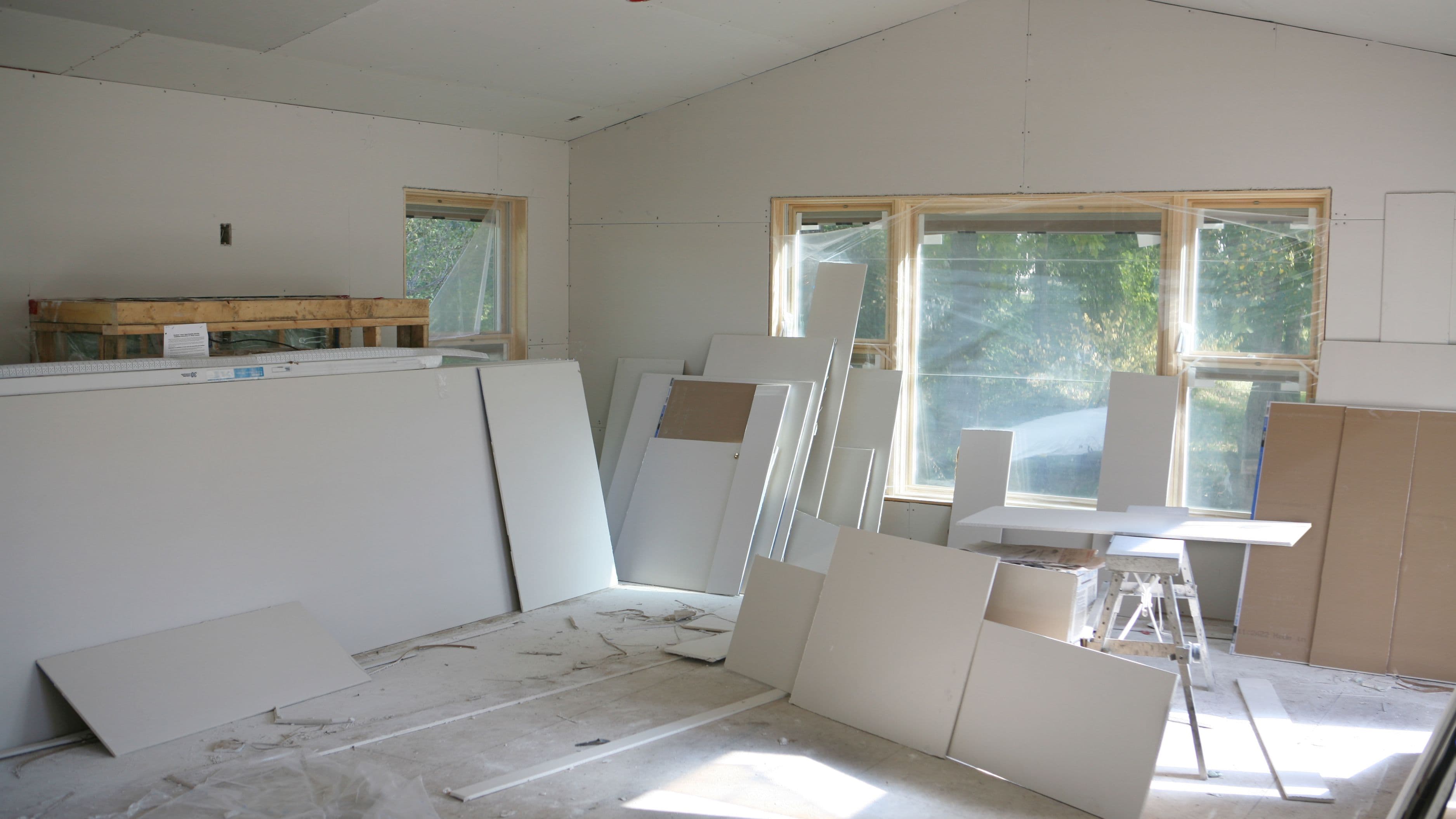
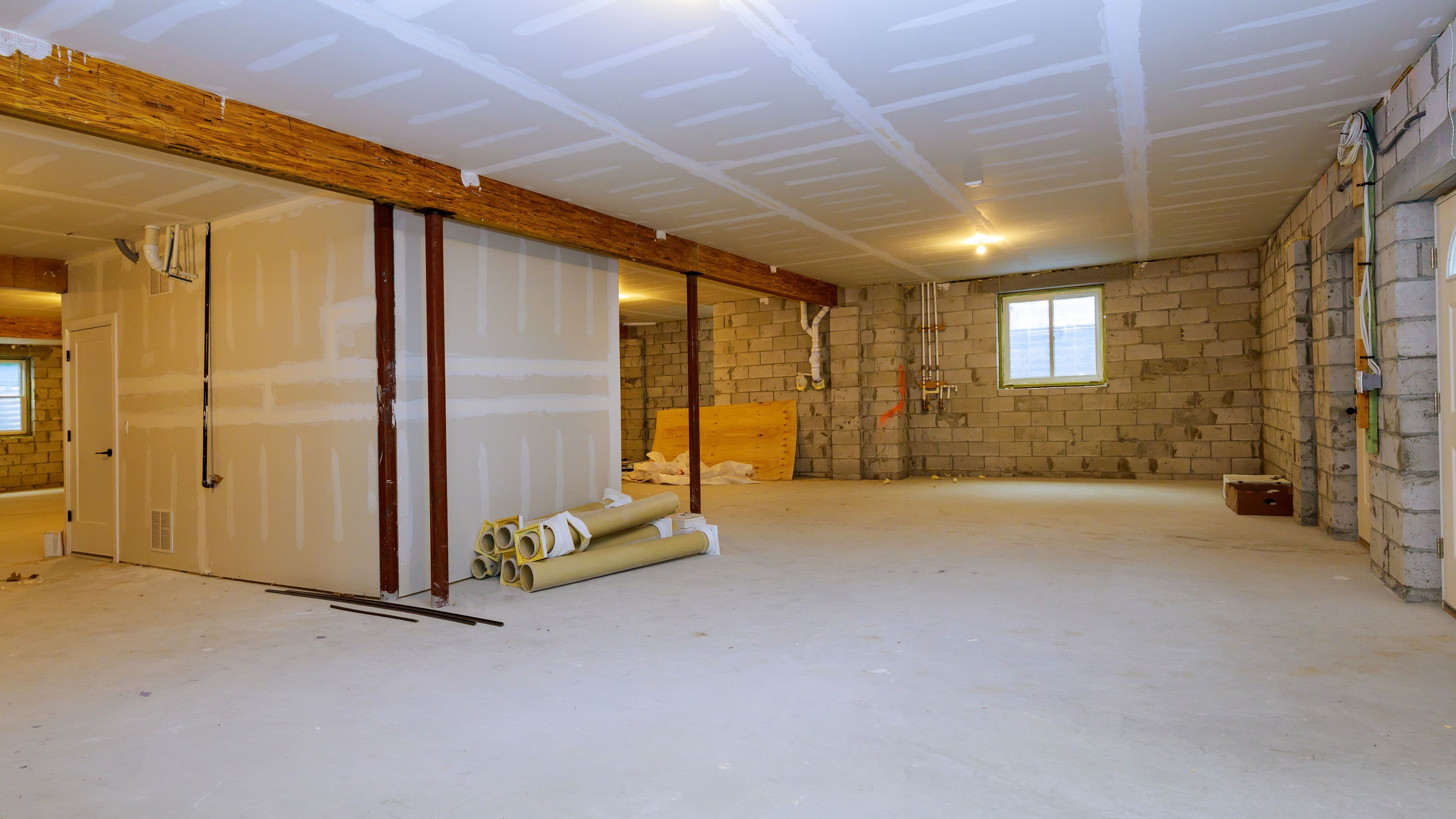
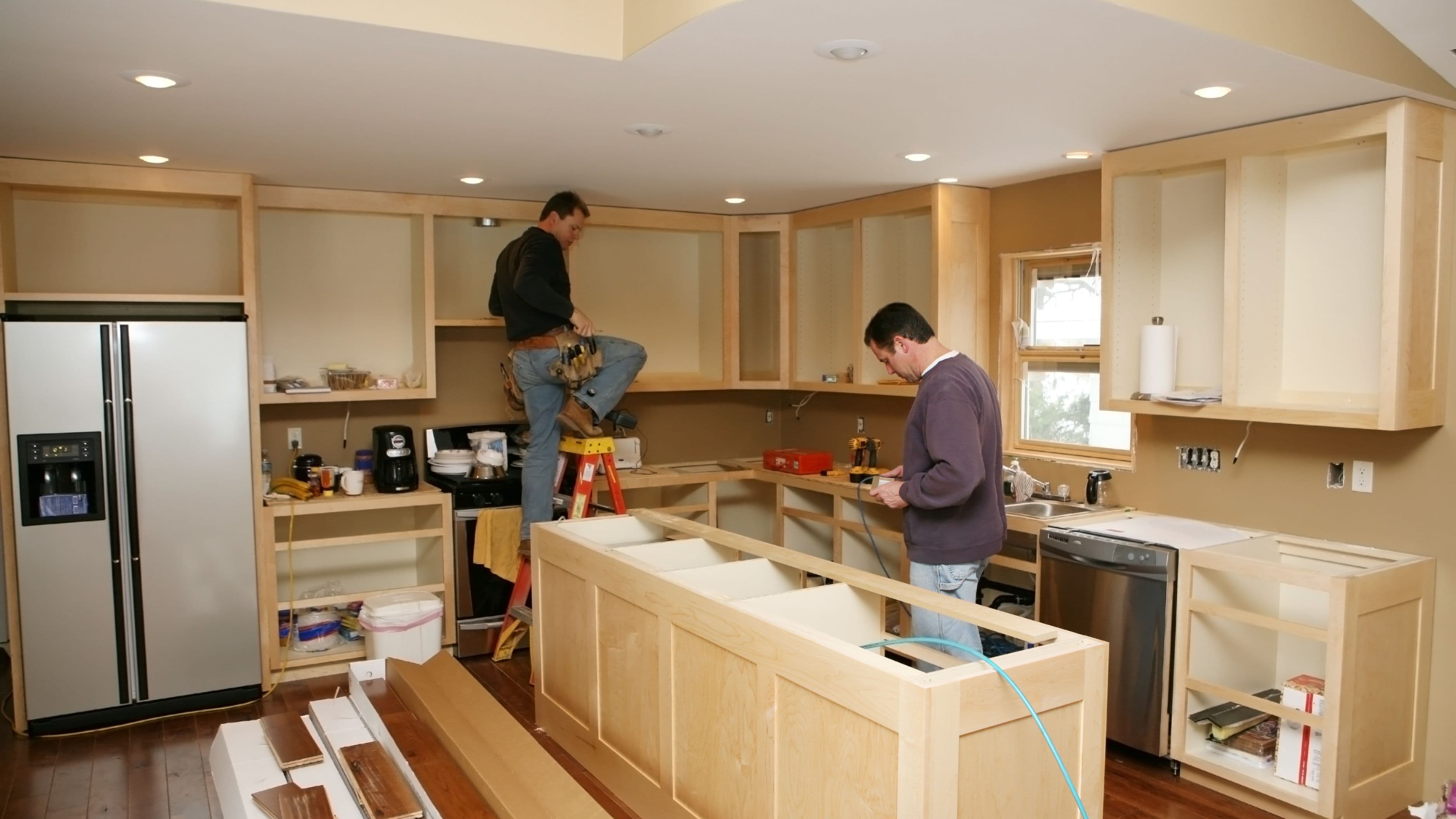
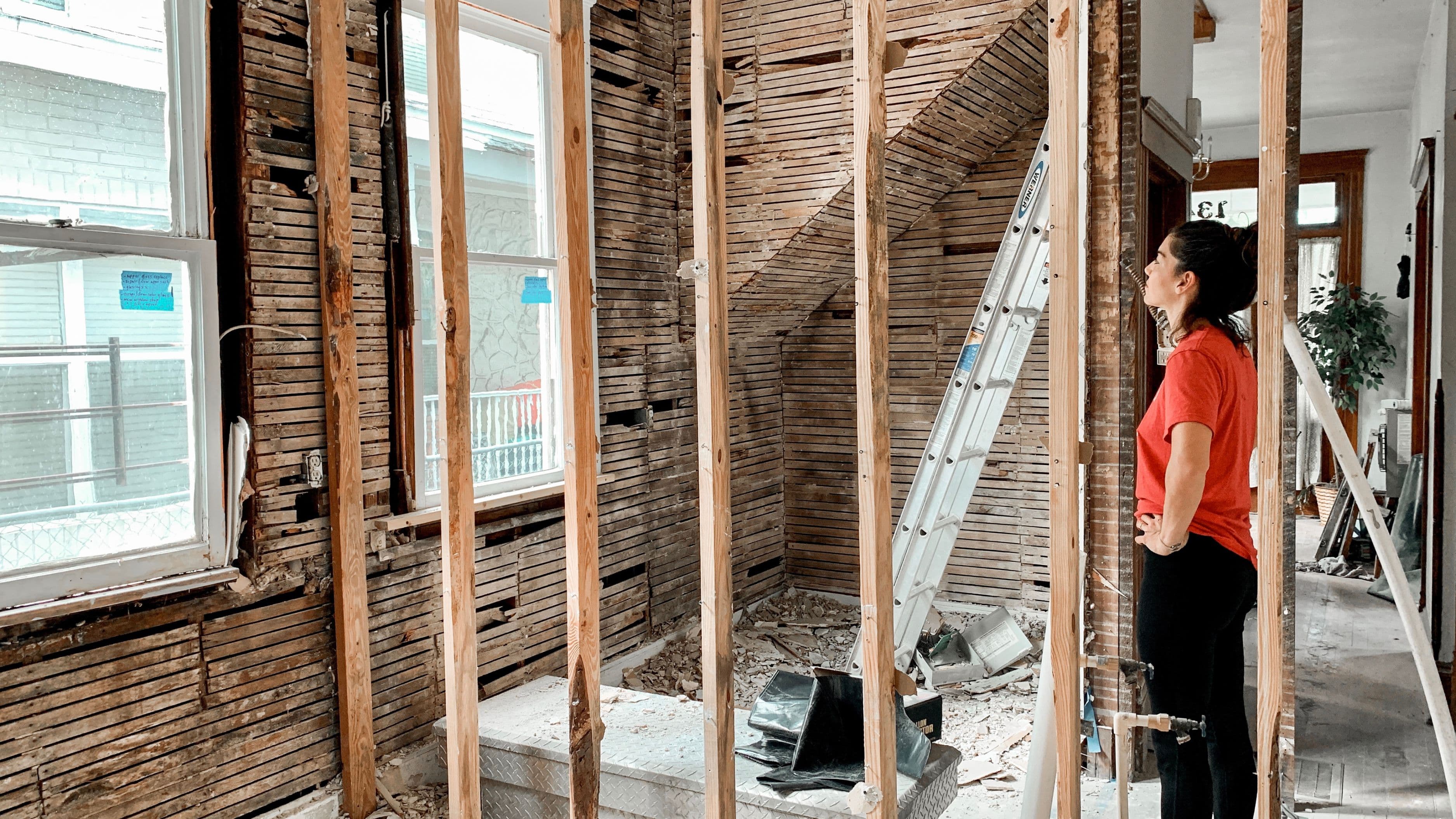
A gut renovation means removing everything down to the studs and subfloor – cabinets, countertops, flooring, and often the plumbing and electrical behind the walls – then rebuilding from that blank slate. This is different from a cosmetic update, where existing cabinets get painted or refaced, countertops get swapped, and the layout stays the same. A gut job is the right call when the layout itself isn't working, when plumbing or electrical systems are outdated, or when the existing structure has damage that a surface-level update can't fix.
The Real Cost Breakdown
National average range: A full kitchen gut renovation typically runs $35,000 to $75,000 for a mid-range project, with high-end renovations (premium materials, custom cabinetry, structural changes) climbing to $100,000 or more. Budget-conscious versions can come in lower, but rarely much below $25,000 once demo, plumbing, and electrical work are genuinely included rather than skipped.
Demolition and disposal (5–8% of budget): Tearing out old cabinets, countertops, flooring, and sometimes walls, plus hauling away debris, typically runs $2,000 to $6,000 depending on kitchen size and whether asbestos or lead paint testing is needed in older homes.
Cabinetry (25–35% of budget): This is usually the single biggest line item. Stock cabinets run $5,000 to $15,000 for a standard kitchen, semi-custom cabinets run $15,000 to $30,000, and fully custom cabinetry can exceed $40,000 depending on materials and finish quality.
Countertops (10–15% of budget): Laminate is the budget option at $20 to $50 per square foot installed, quartz and granite typically run $50 to $100 per square foot, and higher-end natural stone or specialty materials can go well beyond that.
Plumbing and electrical (15–20% of budget): Relocating a sink, adding an island with plumbing or electrical, updating wiring to code, and adding proper ventilation for a range hood are where gut renovations often exceed initial estimates, since this work is largely invisible until it's opened up and inspected. Expect $5,000 to $15,000 for this category, more if the home's existing systems need significant updates to meet current code.
Flooring (8–12% of budget): Mid-range flooring options like tile or engineered hardwood typically run $8,000 to $15,000 installed for an average kitchen footprint, with luxury materials pushing higher.
Appliances (10–20% of budget): A mid-range appliance package (range, refrigerator, dishwasher, microwave) runs $5,000 to $12,000, while high-end appliance packages can exceed $20,000.
Labor (varies, often bundled into above categories): General contractor labor typically adds 15–20% on top of materials, though this varies significantly by region and whether you're managing subcontractors yourself versus hiring a full general contractor.
What Drives the Cost Up (or Down)
Layout changes are the single biggest cost driver beyond material choices. Moving plumbing or gas lines to relocate a sink or stove, or removing a wall to open the kitchen to an adjacent room, adds significant cost – often $5,000 to $15,000 or more depending on whether the wall is load-bearing and what's involved in rerouting utilities. Keeping the existing footprint and layout, even in a full gut renovation, keeps costs meaningfully lower than reconfiguring the space.
Regional labor costs vary substantially, with renovations in major metro areas often running 20–40% higher than the same project in a smaller market, largely driven by labor rates and permitting costs rather than material prices. Home age also plays a role that's easy to underestimate – older homes often reveal outdated wiring, deteriorated subflooring, or plumbing that doesn't meet current code once walls are opened, and addressing those issues is not optional once they're discovered, regardless of the original budget.
How to Plan a Budget That Actually Holds
Start by getting quotes from at least three contractors, since pricing for the same scope of work can vary meaningfully between contractors even in the same market. Once you have a baseline number, add a contingency fund of 15–20% on top of the estimated total specifically for a gut renovation, since opening up walls in an older home reveals problems a cosmetic renovation would never encounter. This isn't overly cautious padding – it's a realistic reflection of how often gut renovations uncover issues that weren't visible during initial planning.
Decide early which categories matter most to you and where you're willing to save, since cabinetry and countertops offer the widest price range and the most room to adjust the budget up or down without compromising the renovation's core function. Appliances and plumbing fixtures are easier to upgrade later if budget is tight now, while structural and system-level work (plumbing, electrical, ventilation) isn't something to cut corners on, since it's both harder and more expensive to fix after the fact.
Common Mistakes to Avoid
Underestimating the plumbing and electrical budget is one of the most common ways gut renovations go over budget, since this work is largely hidden until walls are opened and it's rarely optional once a problem is found. Skipping the contingency fund entirely, assuming the initial quote will hold exactly as estimated, leaves no room for the inevitable surprises that come with opening up an older structure. And choosing cabinetry or countertops before finalizing the layout can lead to costly rework if the final floor plan doesn't match what was already ordered.
Realistic Expectations
Cost level: High – a full gut renovation is one of the more expensive home projects a homeowner can take on.
Timeline: Typically 8 to 12 weeks for a full gut renovation, though this can extend to several months if structural changes, permitting delays, or supply chain issues affect material availability.
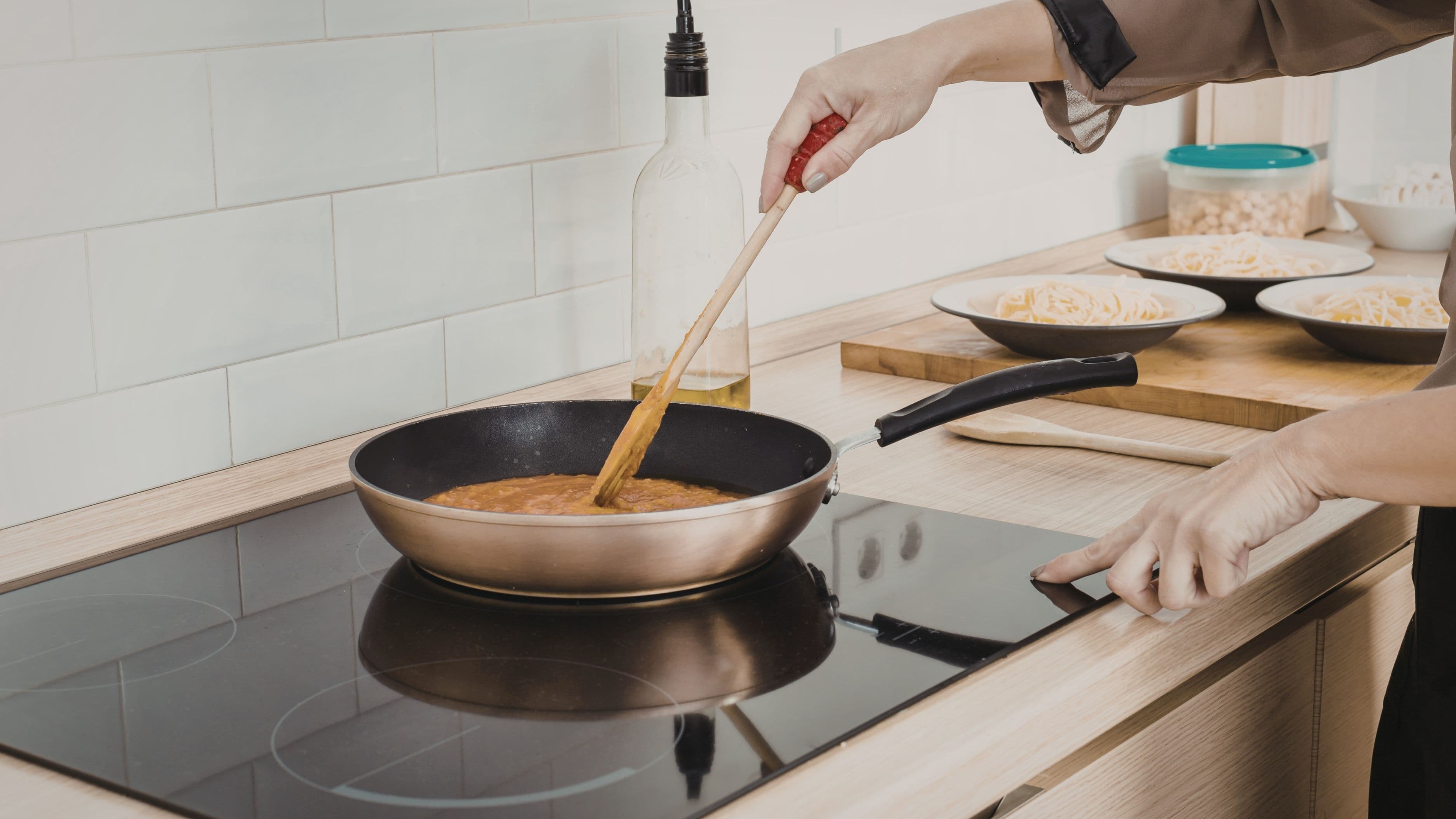
Effort: Significant – expect to be without a functional kitchen for most of the project timeline, and budget for temporary cooking arrangements during that period.
FAQ
Can I do a gut renovation for under $30,000? It's possible with a smaller kitchen footprint, stock cabinetry, and mid-range finishes, but plumbing, electrical, and demo costs make it difficult to go much lower while still including all the components of a genuine gut renovation.
What typically causes the biggest budget overruns? Hidden plumbing, electrical, or structural issues discovered once walls are opened are the most common source of overruns, which is exactly why a contingency fund matters more in a gut renovation than in a cosmetic update.
Is it worth moving my kitchen's layout during a gut renovation? It depends on whether the current layout is genuinely limiting how you use the space. If it is, a gut renovation is the right time to fix it, since the walls and systems are already open. If the layout works fine, keeping it in place keeps costs meaningfully lower.
How long does a full kitchen gut renovation typically take? Most projects run 8 to 12 weeks, though layout changes, permitting requirements, or material delays can extend that timeline further.
📚 Sources
National Association of Home Builders – Remodeling Cost Data, https://www.nahb.org/
This Old House – Kitchen Renovation Cost Guide, https://www.thisoldhouse.com/kitchens/21017699/kitchen-remodel-cost
U.S. Department of Housing and Urban Development – Home Renovation Planning, https://www.hud.gov/
-jhajrFUGfI3zCQGjpAWcxuNPi1zUTB.jpg&w=3840&q=75)