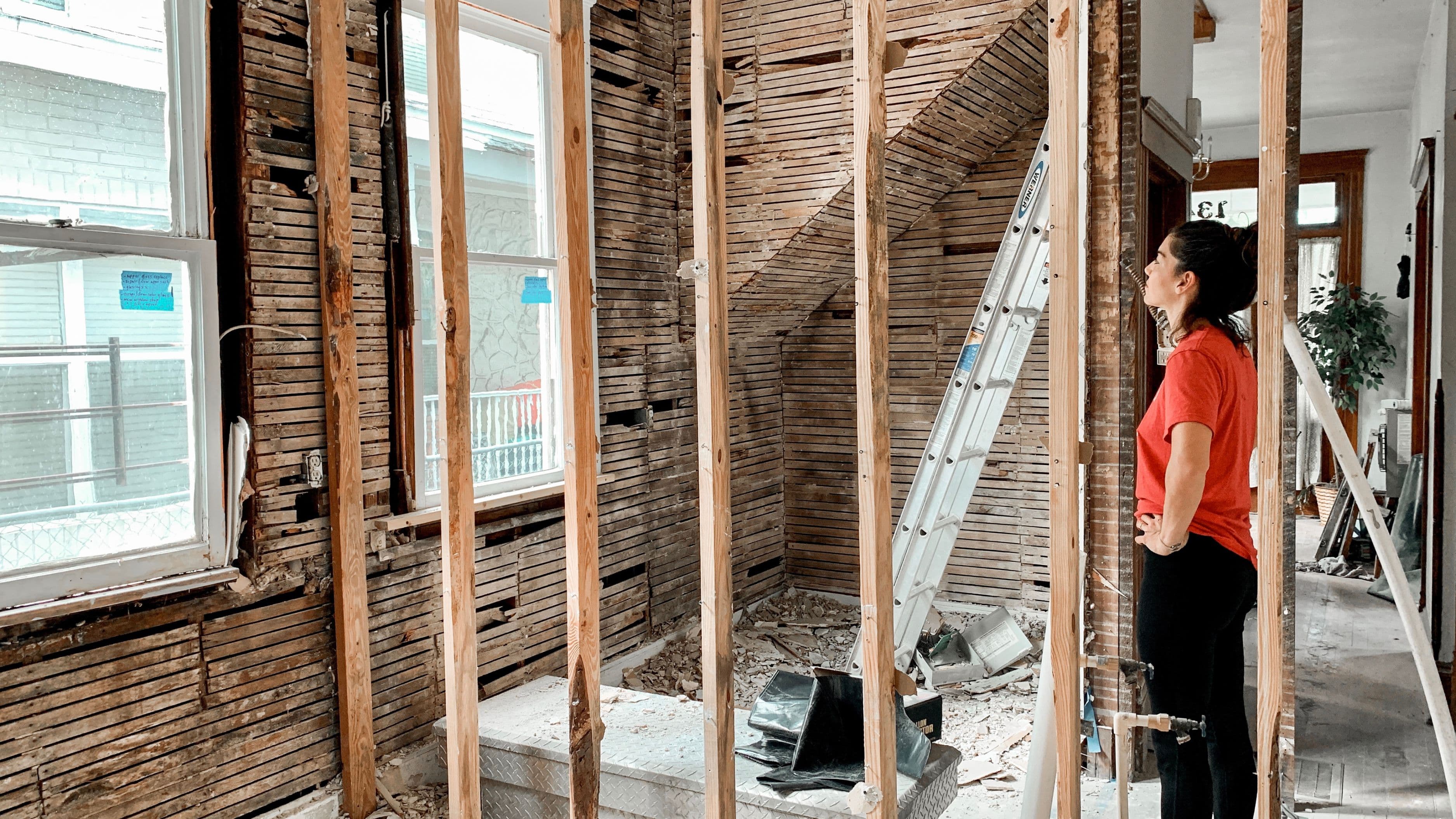

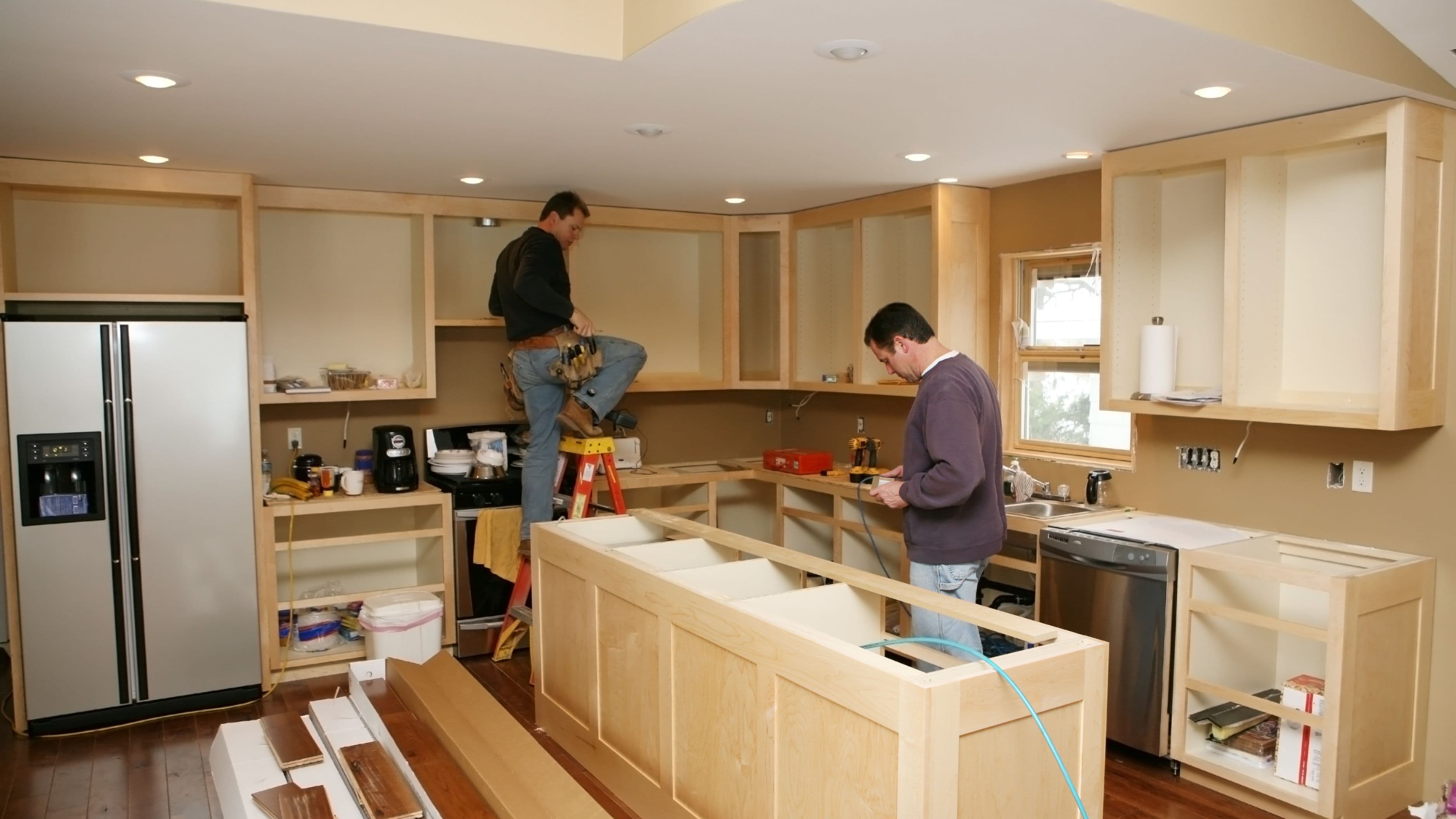
Before you commit to tearing out a kitchen, here's what the data says – and what experienced sellers and agents actually recommend.
The ROI Reality on Full Kitchen Remodels
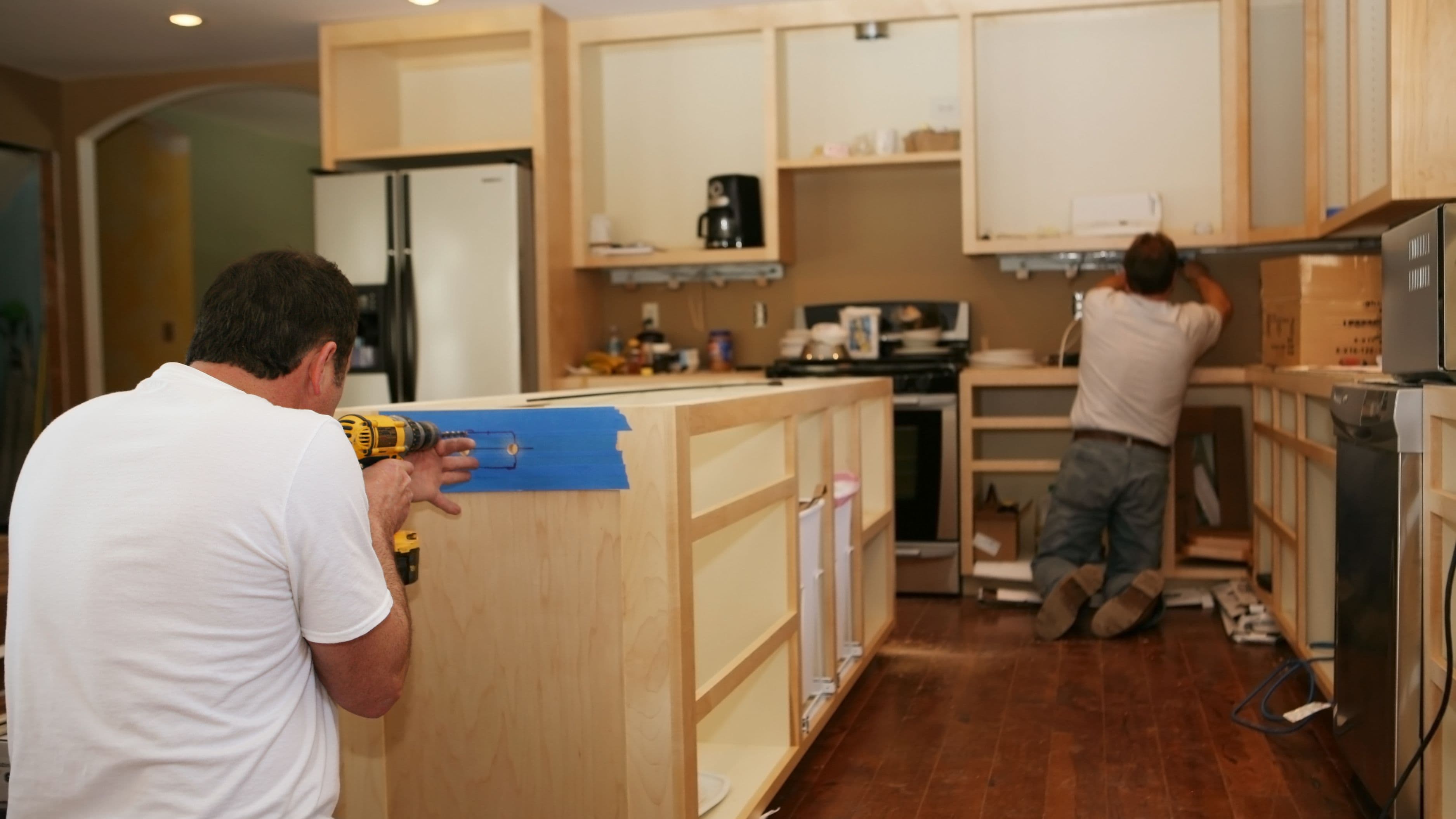
Remodeling Magazine's annual Cost vs. Value Report is the most cited source on renovation ROI, and the numbers for kitchen remodels are instructive without being encouraging. A major upscale kitchen remodel – the kind that involves custom cabinetry, high-end appliances, stone countertops, and a full layout overhaul – typically costs between $80,000 and $150,000 in most US markets. The average return at resale? Around 54–60% of the project cost. That means you spend $100,000 and recoup roughly $54,000–$60,000 in added home value. The remaining $40,000–$46,000 doesn't come back.
A mid-range major kitchen remodel – still significant, with new semi-custom cabinets, standard appliances, and new countertops, typically costing $45,000–$75,000 – returns around 59–67%. Better, but still a net loss on the renovation investment itself when measured purely as a resale tool. The only scenario where a full remodel reliably pays off at sale is when the existing kitchen is genuinely dysfunctional or so far below the neighbourhood standard that buyers are discounting the asking price significantly to account for the work they'd have to do themselves.
This doesn't mean you shouldn't renovate. It means the question "will this increase my sale price?" is different from "will I recoup what I spend?" and both questions deserve honest answers before you start demolition.
When a Full Remodel Before Selling Actually Makes Sense
There are specific situations where a full kitchen remodel before listing is defensible and sometimes genuinely smart.
The kitchen is a structural problem, not just dated. If the layout is genuinely impractical – insufficient counter space, no island in a market where buyers expect one, a galley kitchen in a home priced for families – buyers will discount heavily and the home may sit. A strategic layout improvement that makes the kitchen functional for the price point can unlock buyer interest that cosmetic updates alone won't fix.
The home is significantly below the neighbourhood standard. If every comparable home in your price range has an updated kitchen and yours hasn't been touched since the 1990s, your home is likely already being priced below what it would otherwise command. In this case, bringing the kitchen up to neighbourhood standard doesn't add luxury – it removes a barrier. The ROI conversation is different when you're not improving above market, you're catching up to it.
You have time for the market to respond. Buyers who tour a freshly remodelled kitchen during a spring listing period in a competitive market respond differently than buyers who tour an older kitchen and factor the remodel cost into their offer. If you have the time and budget to renovate six months before listing – rather than renovating and listing immediately – you avoid the rush-job problem and give the renovation its best chance of influencing sale price.
Your price point is high enough to absorb the cost. In luxury markets where kitchen quality is a primary purchase driver, a high-end remodel matters more than it does in entry-level markets where buyers are already stretching for affordability. If you're selling a $1.5M home where buyers will inspect every detail, a tired kitchen is a negotiating liability. If you're selling a $300,000 starter home, buyers may not place the same premium on kitchen finishes.
When a Full Remodel Is Almost Certainly the Wrong Move
In most situations, a full kitchen remodel before selling is a poor investment of time and money compared to alternatives.
When your timeline is short. A rushed kitchen renovation before a listing creates multiple problems: higher contractor costs because you're paying for urgency, shortcuts that experienced buyers or inspectors will notice, and the stress of managing a major project while simultaneously preparing to sell. If you're listing within 60–90 days, a full remodel is very rarely the right call.
When the rest of the home needs work too. Spending $80,000 on a kitchen while the bathrooms, flooring, and exterior are still dated doesn't create the cohesive impression buyers respond to. Buyers experience a home as a whole, and an island of luxury in a sea of dated finishes is a strange combination that can actually make the disparity more obvious. If you have a budget for improvements, spreading it across the home's overall presentation almost always outperforms concentrating it in one room.
When the neighbourhood doesn't support the price increase. Pricing a home above what comparables in the area are selling for – regardless of how impressive the kitchen is – results in the home sitting on the market. Real estate is comparative. If the neighbourhood ceiling is $450,000, a $90,000 kitchen remodel won't push your sale price to $540,000. Buyers will simply buy the comparable home down the street.
When buyers in your market prefer to personalise. In some markets and price points, buyers expect to renovate after purchase and factor that into their offers. They may not want your design choices – even expensive ones – and they won't pay a premium for finishes they'd replace anyway. In these markets, a cosmetically dated but structurally sound kitchen may actually sell better as a "blank slate."
The Smarter Alternative: Strategic Minor Updates
For most sellers, the highest-ROI approach isn't a full remodel – it's a targeted set of updates that make the kitchen look significantly better for a fraction of the cost. These don't require permits, rarely need contractors for every task, and can be completed in weeks rather than months.
Cabinet refresh instead of replacement. Replacing cabinet boxes and doors is one of the most expensive components of a kitchen remodel and one of the least necessary if the existing cabinets are structurally sound. Repainting cabinets in a contemporary neutral, replacing hardware, and adding soft-close hinges costs $500–$3,000 for a typical kitchen and produces a visual transformation that photographs well and shows well. Buyers often can't distinguish between new and refreshed cabinets in person if the work is done cleanly.
Countertop replacement without full demo. If countertops are visibly dated or damaged, replacing them alone – without changing cabinets or layout – is one of the better-targeted investments. Quartz or butcher block countertops at mid-range price points ($3,000–$8,000 installed for a typical kitchen) update the most visible surface buyers evaluate without the cost of a full overhaul.
Appliance upgrades selectively. A mismatched set of appliances in different finishes is an easy visual fix. Replacing a clearly outdated refrigerator or range with stainless equivalents at mid-range price points costs $1,500–$4,000 and removes a common buyer objection. You don't need professional-grade appliances to make a kitchen show well; you need appliances that are consistent in finish and appearance.
Lighting, hardware, and fixtures. Under-cabinet lighting, a new pendant over an island, updated faucet and sink hardware – these small-ticket items change how a kitchen photographs and how it reads on a showing. Combined, they rarely exceed $1,000–$2,500 and they produce immediate, visible results.
Deep clean and staging. This sounds obvious, but a professionally deep-cleaned kitchen with decluttered countertops, fresh caulk on the backsplash, and a few well-placed accessories performs dramatically better in photos and showings than an objectively nicer kitchen that looks lived-in and cluttered. A professional cleaning service and a few hours of prep can cost $200–$400 and affects how buyers feel about a space at a level that's hard to overstate.
How to Decide What's Right for Your Situation
The framework for this decision is simpler than it might seem. Start by getting a pre-listing consultation with a local real estate agent who knows your specific market – not a general opinion, but someone who can tell you what comparable homes are selling for and what buyers in your price range are expecting in a kitchen. Ask specifically whether your kitchen, as-is, would cause buyers to offer below asking or walk away, or whether it's an acceptable baseline for your market.
If the agent tells you the kitchen is actively costing you sale price or market time, ask what specific changes would have the most impact. Their answer will usually point toward a targeted list of updates rather than a full remodel. If the agent says your kitchen is dated but functional for your price point, the cosmetic updates described above will likely be sufficient.
Get at least two contractor quotes if any work is needed, and compare the cost against the agent's estimate of the likely sale price increase. If the numbers don't close a clear gap, the budget is better spent on staging, photography, and pre-listing preparation than on renovation.
What to Avoid
Avoid renovating to your personal taste rather than the market's. A kitchen you love may have design choices that polarise buyers – bold colour choices, very specific tile patterns, or bespoke features that appeal strongly to some and put off others. Pre-sale renovations should aim for broadly appealing, not personally satisfying. Neutral, clean, and functional will outperform distinctive every time as a sale preparation strategy.
Avoid over-improving for the neighbourhood. Every market has a price ceiling, and renovation spending above that ceiling doesn't return at sale. Know what comparable homes are selling for before committing to any budget.
Avoid renovation debt if you're already stretched. Taking on a home equity loan or dipping into savings for a pre-sale renovation that doesn't recoup its cost is a financial loss disguised as a home improvement decision. The best pre-sale kitchen strategy is usually the most cost-effective one, not the most ambitious one.
FAQ
What's the average cost of a full kitchen remodel in the US? Minor remodels average $10,000–$25,000. Mid-range major remodels run $45,000–$75,000. Upscale remodels with custom features often exceed $80,000–$150,000. Costs vary significantly by region, labour rates, and material choices.
Does a renovated kitchen sell a home faster? A kitchen that's visually updated and well-staged typically helps a listing show better and photograph better, which can reduce time on market. But a full remodel doesn't guarantee a faster sale – accurate pricing, good marketing, and overall home condition matter more than any single room.
Should I renovate before or after getting an agent? Get the agent first. A good listing agent will give you a realistic pre-listing assessment of what your kitchen needs (if anything), and their advice is grounded in actual buyer behaviour in your specific market. Acting before that conversation risks spending money on changes that don't matter to your buyer pool.
What kitchen updates offer the best return before selling? Cabinet painting or refacing, countertop replacement, appliance updates for consistency, new hardware and fixtures, and professional staging consistently outperform full remodels in cost-to-return ratio for pre-sale purposes.
How long before listing should I complete kitchen updates? At least 4–6 weeks for minor updates to allow for contractor scheduling, touch-ups, and proper staging. For larger projects, 3–6 months is more realistic. Rushing a renovation to meet a listing date usually shows in the quality of the work.
📚 Sources
Remodeling Magazine – Cost vs. Value Report 2024: https://www.remodeling.hw.net/cost-vs-value/2024/
National Association of Realtors – Remodeling Impact Report: https://www.nar.realtor/research-and-statistics/research-reports/remodeling-impact
Zillow – What Home Improvements Add the Most Value: https://www.zillow.com/learn/home-improvements-that-add-value/
HomeAdvisor – Kitchen Remodel Cost Guide: https://www.homeadvisor.com/cost/kitchens/remodel-a-kitchen/
Consumer Reports – Kitchen Renovation Guide: https://www.consumerreports.org/home-garden/kitchen-renovations/
Bankrate – Kitchen Remodel ROI: https://www.bankrate.com/homeownership/kitchen-remodel-roi/
-jhajrFUGfI3zCQGjpAWcxuNPi1zUTB.jpg&w=3840&q=75)