Why Landscaping ROI Is Different From Interior Renovations
Landscaping tends to have a different return profile than interior projects like kitchen or bathroom remodels, largely because it shapes the very first impression a buyer forms before they've even walked through the front door. Real estate agents consistently point to this first-impression effect as a meaningful driver of both showing turnout and initial buyer perception of a home's overall condition and value.
That said, landscaping ROI isn't uniform across every type of project. Simple, well-executed maintenance and modest upgrades tend to show strong returns relative to cost, while large-scale, highly personalized landscaping investments often return less of their cost at sale, since buyer taste in outdoor spaces varies more than basic maintenance expectations.
High-ROI Landscaping Improvements
Basic lawn care and yard maintenance – mowing, edging, removing dead plants, and general tidiness – consistently rank among the highest-return improvements relative to their low cost, since an unkempt yard signals neglect that buyers often (rightly or wrongly) extend to their assumptions about the rest of the property's maintenance. This is a low-cost category that pays off disproportionately well simply because it's inexpensive to execute and directly shapes first impressions.
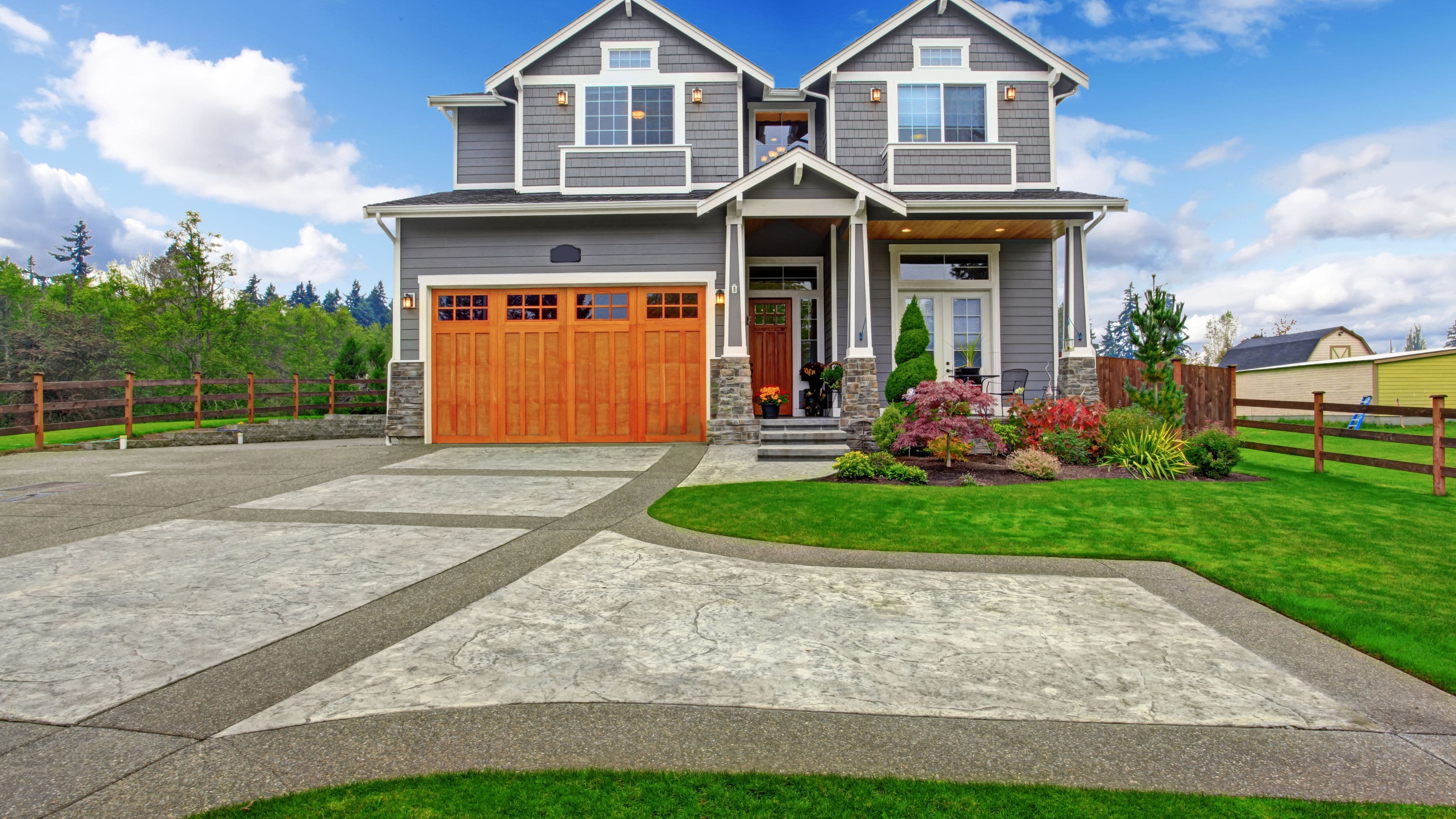
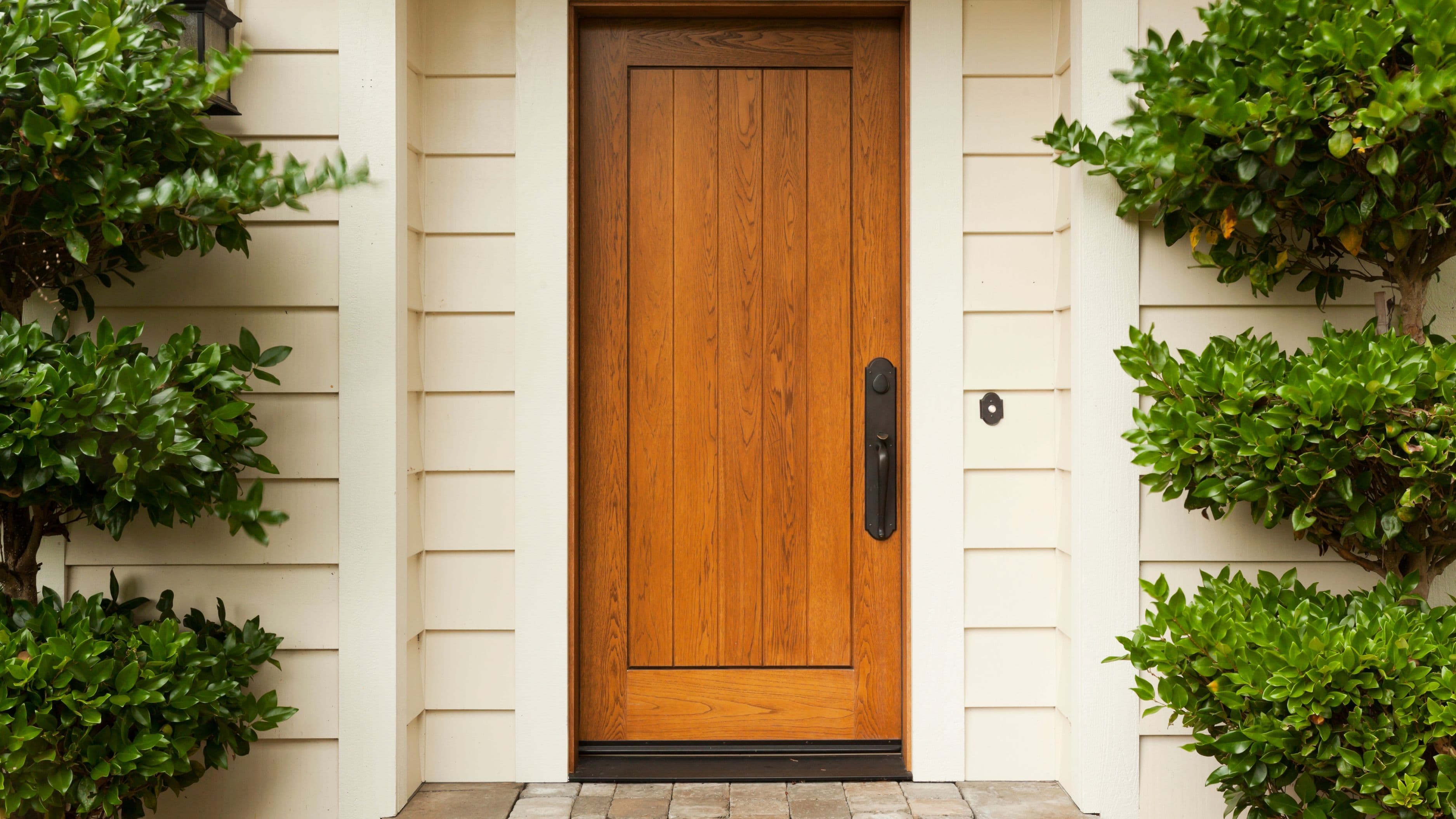
Fresh mulch, defined garden beds, and simple foundation plantings around the entry also tend to show strong returns, largely because they're moderate in cost and effort while substantially improving the visual polish of a home's exterior. A well-maintained, simply designed front entry with some greenery reliably outperforms an elaborate but higher-maintenance-looking landscape design in terms of buyer perception relative to cost.
Tree and shrub trimming, particularly around windows and entryways, is another relatively low-cost improvement with a meaningful visual impact, since overgrown foliage can make a home look neglected or make interior rooms feel darker during showings, even when the underlying home condition is fine.
Lower-ROI Landscaping Investments
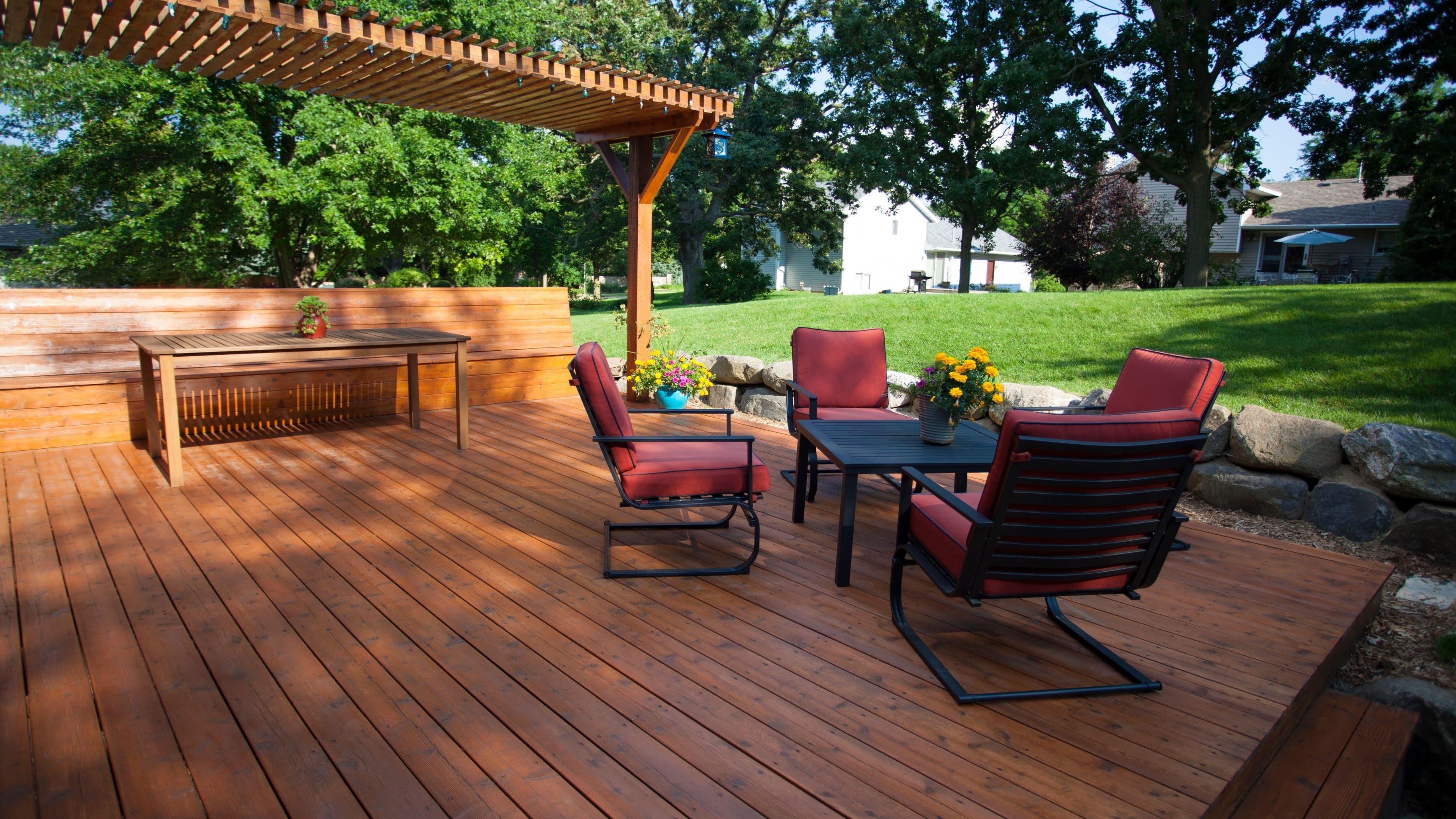
Large, highly customized garden designs – elaborate water features, extensive hardscaping, or unusual plant selections reflecting a specific personal aesthetic – tend to show weaker returns relative to their cost, since buyer taste varies significantly and what one owner finds beautiful, a buyer may see as extra maintenance burden rather than added value. These projects can still bring personal enjoyment while you own the home, but they shouldn't be undertaken primarily with resale value as the justification.
Elaborate irrigation systems and high-maintenance landscaping features can also work against resale value in some cases, since buyers evaluating ongoing maintenance costs and effort may view these as a downside rather than a selling point, particularly buyers who aren't especially interested in yard work themselves.
What This Means for Your Renovation Budget
If your primary goal is maximizing resale value, the most cost-effective approach is prioritizing tidiness, basic maintenance, and simple, broadly appealing improvements over large or highly personalized landscaping projects. A modest budget spent on mulch, defined beds, basic plantings, and general yard cleanup tends to outperform a much larger budget spent on elaborate, highly specific garden design, purely in terms of return relative to cost.
For sellers with more time before listing, addressing any larger structural landscaping issues – like drainage problems, dying or diseased large trees, or damaged hardscaping – is worth prioritizing over purely cosmetic upgrades, since these issues can actively concern buyers and inspectors in ways that cosmetic landscaping choices simply don't.
Timing Your Landscaping Investment Before Listing
Landscaping improvements generally need lead time to look established rather than freshly installed – newly planted flowers or shrubs can look thin and unconvincing if planted the week before listing photos are taken. Planning landscaping updates several weeks to a couple of months before listing, depending on the season and plant type, gives the yard time to look settled and cared for rather than obviously staged for a quick sale.
Seasonal timing also matters meaningfully – spring and early summer listings generally benefit most from active landscaping investment, since plants are in their most visually appealing state, while a winter listing may benefit more from hardscaping and structural cleanup than from planting investments that won't show well until the following season.
What to Avoid
Avoid investing heavily in landscaping styles that reflect a very specific personal taste rather than broad buyer appeal, since highly customized designs often don't return their cost at sale even when they're genuinely well executed. It's also worth avoiding neglecting basic maintenance while focusing budget on larger additions – an elaborate new garden bed surrounded by an unmowed, patchy lawn won't create the cohesive impression that actually drives buyer perception and offers.
Realistic Expectations
Basic yard cleanup, mulching, and simple plantings are a lower cost-level investment that reliably supports faster showings and stronger first impressions, though it's difficult to isolate landscaping's exact dollar contribution to a final sale price, since it works alongside the home's overall condition and market conditions. Larger landscaping projects can still be worthwhile for your own enjoyment while living in the home, but they shouldn't be primarily justified as a guaranteed resale investment, since buyer response to elaborate outdoor spaces varies considerably more than response to basic tidiness and maintenance.
FAQ
How far in advance of listing should I do landscaping work? Ideally several weeks to a couple of months before listing, giving plants time to establish and look settled rather than freshly installed, though basic cleanup and mulching can be done just before listing photos with good results.
Does a vegetable garden or unusual plant selection hurt resale value? It can, if buyers perceive it as high-maintenance or overly specific to your personal taste – converting these areas to simpler, lower-maintenance plantings before listing is often a reasonable tradeoff for broader buyer appeal.
Is it worth hiring a landscaping professional before selling? For basic cleanup and simple improvements, many homeowners can handle this themselves at lower cost, but for larger structural issues like drainage or dying trees, a professional assessment is worth the investment to avoid buyer concerns during inspection.
📚 Sources
National Association of Realtors – Remodeling Impact Report
University Extension Programs – Landscaping for Home Value
🔍 Explore Related Topics




-jhajrFUGfI3zCQGjpAWcxuNPi1zUTB.jpg&w=3840&q=75)