
Why Rug Layering Goes Wrong So Often
The most common mistake isn't choosing bad rugs, it's choosing rugs that compete with each other instead of working together. When two patterns, colors, or textures fight for attention, the eye doesn't know where to settle, and the room reads as cluttered even if each individual rug is attractive on its own.
The other frequent issue is proportion. Layering a small rug on top of another small rug in a large room creates an awkward, disconnected look rather than a cohesive one, since neither rug has enough visual weight to anchor the space properly.
Start With a Large, Neutral Base Layer
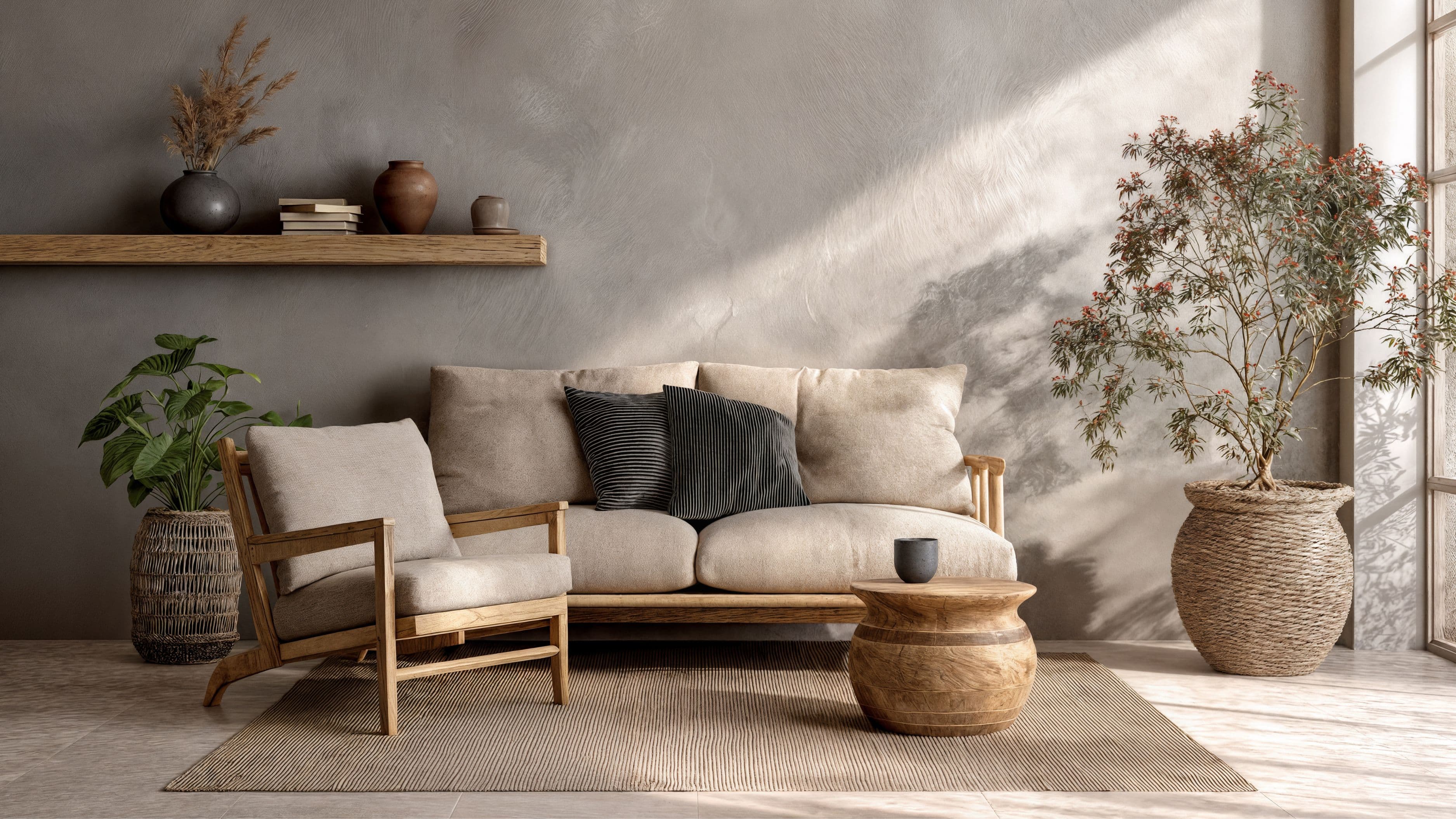
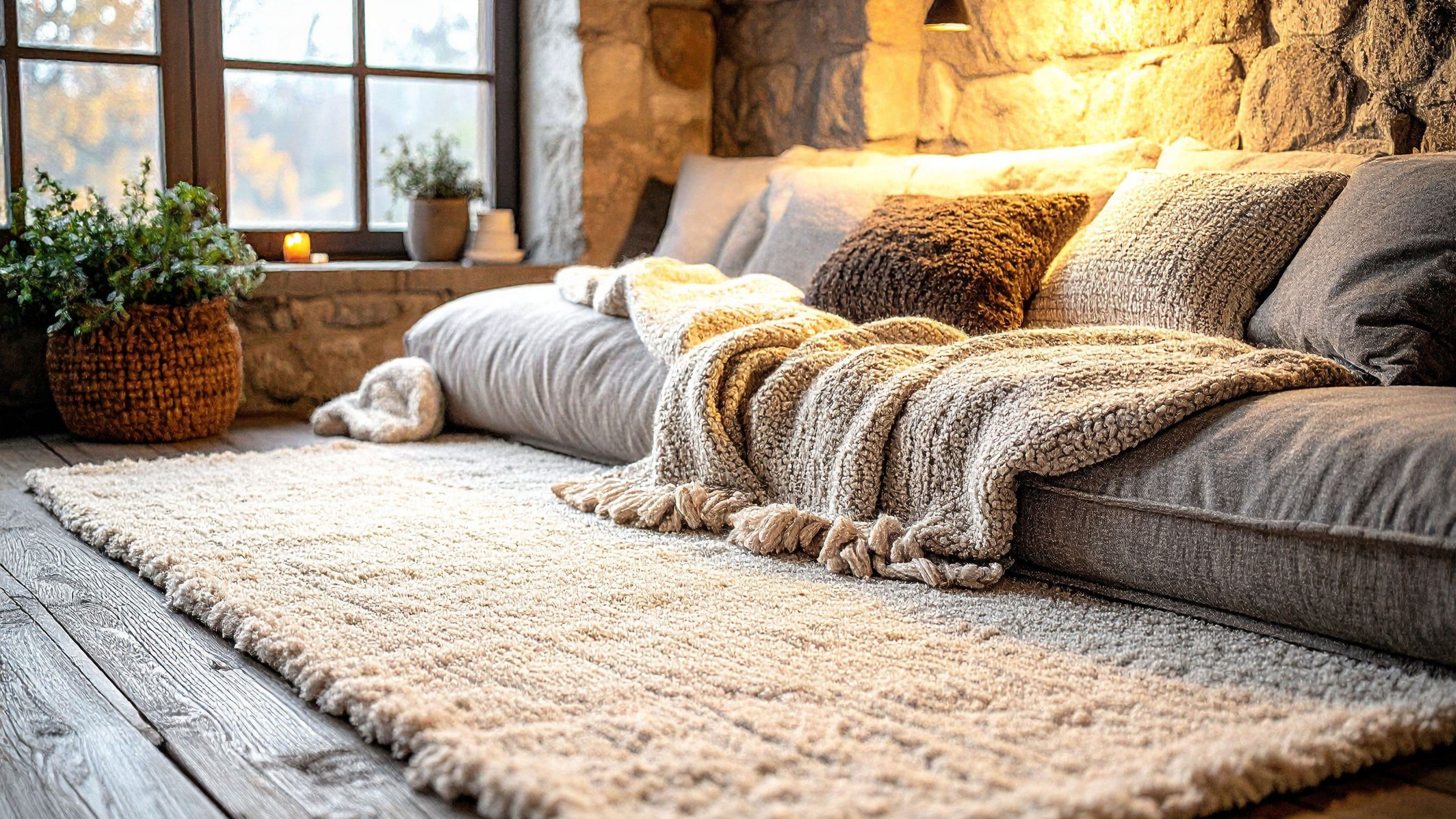
The foundation of successful rug layering is almost always a larger, simpler base rug, typically a natural fiber option like jute, sisal, or a low-pile wool in a neutral tone. This base layer should be sized generously enough to extend well under the main furniture pieces in the room, creating a grounded, intentional foundation rather than a rug that looks like it's floating in the middle of the space.
Natural fiber rugs work particularly well as a base layer because their texture and neutral coloring provide visual interest without competing with whatever pattern or color you layer on top. A jute or sisal base under a living room seating area, sized to extend at least a few inches beyond the front legs of your sofa and chairs, gives you a solid, well-proportioned foundation to build from.
Cost: Low to medium ($100-400 depending on size and material)
Impact: High – this single choice does more to prevent a cluttered look than any other step
Choose a Smaller Accent Rug With Intentional Contrast
The top layer is where you can introduce pattern, color, or a different texture, but the key is intentional contrast rather than randomness. If your base layer is neutral and textured, your accent rug can carry more pattern or color, since it won't be competing with a busy base underneath it.
A general guideline that works well: if one layer has a bold pattern, the other should stay relatively simple. Two heavily patterned rugs layered together is one of the fastest ways to create visual chaos, even if each rug individually looks great in isolation.
Cost: Low to medium ($50-250 depending on size and material)
Impact: High – this is where most of the room's personality comes through
Get the Proportions Right
A common rule of thumb is sizing your accent rug to roughly two-thirds the width of your base rug, positioned centrally or slightly offset toward a focal point like a coffee table or fireplace. This proportion creates a sense of intentional layering rather than looking like a smaller rug was simply placed on top without much thought.
Avoid centering a very small accent rug in the middle of a large base rug, since this tends to look more like an accident than a design choice. The accent layer should feel substantial enough to hold its own visual weight within the space, without so closely matching the base rug's size that the layering effect becomes hard to notice at all.
Cost: No additional cost – this is a placement and planning consideration
Impact: Medium to high – proper proportion significantly affects how intentional the final look feels
Anchor the Layers With Furniture
Layered rugs read as more cohesive and less cluttered when furniture legs interact with both layers, rather than sitting entirely off the rugs or entirely on top of just one. A coffee table centered on the accent rug, with the front legs of a sofa resting on the base rug just beyond the accent rug's edge, creates a natural visual transition between the two layers.
This furniture placement does double duty: it makes the room feel more grounded overall, and it reinforces the sense that the rug layering was a deliberate design decision tied to the room's actual function, not just a decorative afterthought.
Stick to a Cohesive Color Palette
Layered rugs work best when they pull from a shared or complementary color palette, rather than introducing entirely unrelated colors that compete with each other and with the rest of the room's existing decor. This doesn't mean the colors need to match exactly, but they should feel like they belong to the same overall design story.
A practical approach is choosing your accent rug's color palette based on an existing element already in the room, like a piece of art, a set of throw pillows, or a color already present in your base rug's natural fiber tones, which helps tie the layered look into the broader space rather than making it feel like a separate, disconnected feature.
Where Layered Rugs Work Best (and Where to Be Cautious)
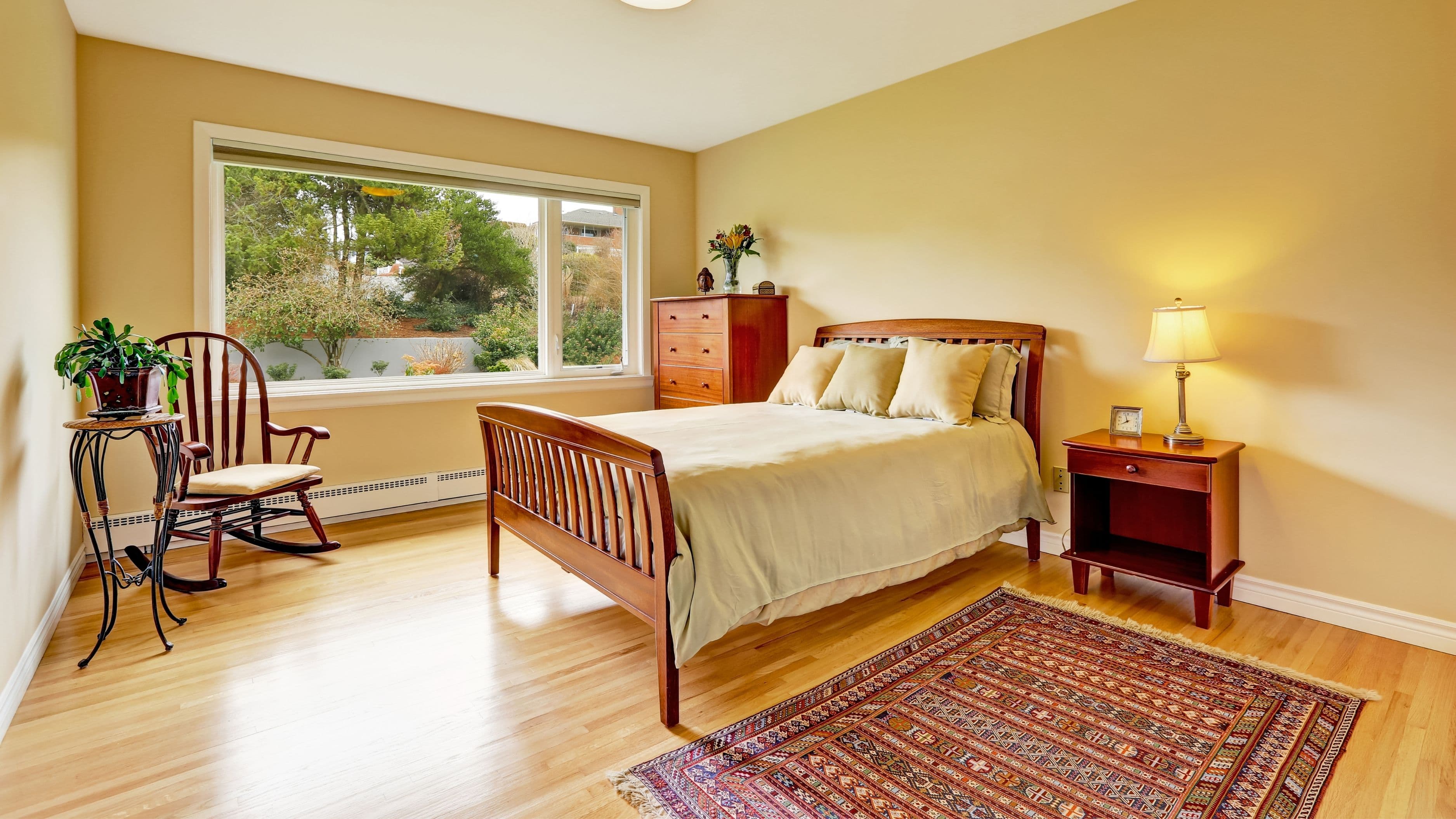
Living rooms and bedrooms tend to be the most forgiving spaces for rug layering, since both typically have larger furniture pieces that provide natural visual anchors for the layered look. High-traffic areas, like entryways or hallways, are trickier, since layered rugs can create tripping hazards or shift out of place more easily with frequent foot traffic, and may require a rug pad or non-slip backing specifically designed to keep both layers securely in place.
Small rooms benefit from more restraint. In tighter spaces, a single well-chosen rug often works better than a layered approach, since the layering technique relies on having enough floor space to establish clear proportional relationships between the two rugs.
What to Avoid
Avoid layering two rugs of similar size, since this tends to look like a mistake rather than an intentional design choice, without enough visual distinction between the layers. Skip pairing two heavily patterned or brightly colored rugs together, which almost always creates visual competition rather than the layered depth you're going for. And be cautious with layering rugs in high-traffic walkways without securing both layers properly, since shifting rugs create a genuine trip hazard, particularly for households with young children or older adults.
Realistic Expectations
Rug layering is a relatively low-cost, low-effort way to add visual depth and coziness to a room, typically achievable in an afternoon once you've selected the right rugs. It won't dramatically transform a room's overall function or layout, but it's an effective way to add warmth and a sense of intentional design to spaces that otherwise feel a bit flat or unfinished.
FAQ
Do layered rugs need a rug pad? Yes, particularly for the base layer, since a rug pad prevents both slipping and excessive wear from the accent rug shifting against the base layer over time.
Can I layer more than two rugs? It's possible, but significantly harder to execute well, since each additional layer increases the risk of visual clutter. Most successful layered rug looks stick to exactly two layers.
Does rug layering work in small apartments? It can, but requires more restraint with sizing and pattern than in a larger room, since there's less floor space available to establish clear proportional separation between the layers.
📚 Sources
This Old House – Rug Selection and Placement Guide – https://www.thisoldhouse.com/rugs
National Association of Realtors – Home Design Trends – https://www.nar.realtor/research-and-statistics