


Here's how to navigate the material choices, room by room and category by category, without overcomplicating the process or blowing your budget.
Step 1: Understand What VOCs Are and Why They Matter
VOCs are carbon-based chemicals that evaporate at room temperature and enter the air as gases. They're found in a wide range of building and finishing materials – paint solvents, carpet backing, plywood adhesives, vinyl flooring, caulks, sealers, and wood finishes among them. Common VOCs include formaldehyde, benzene, toluene, and xylene, and they've been linked to a range of health effects from eye and respiratory irritation to headaches and, at high exposures, more serious long-term concerns.
The tricky part is that off-gassing doesn't stop when the renovation dust settles. New paint continues releasing compounds for days to weeks. Engineered wood products and composite materials can off-gas for months or longer. In a newly renovated home where multiple sources are releasing VOCs simultaneously, the cumulative effect can be significant – particularly in tightly insulated homes where ventilation is limited. Low-VOC and zero-VOC materials reduce this load without requiring you to compromise on performance or appearance.
Step 2: Start With Paint – the Easiest Win
Paint is the most straightforward category to address and the one with the most widely available low-VOC options at competitive prices. Conventional paints can contain 150 to 400 grams of VOCs per liter. Low-VOC paints contain 50 grams per liter or less. Zero-VOC paints push that under 5 grams per liter.
Major manufacturers including Benjamin Moore, Sherwin-Williams, Behr, and Farrow & Ball all offer low-VOC or zero-VOC lines across a full range of colors and finishes. The performance gap between conventional and low-VOC paints has largely closed over the past decade – coverage, durability, and washability are comparable. The price premium is generally modest, often $5 to $10 more per gallon.
One important note: colorants added to white base paints at the store can introduce additional VOCs even into otherwise zero-VOC formulations. If you're going for the lowest possible VOC content, ask specifically for zero-VOC colorants when having paint tinted, which most quality retailers stock.
Step 3: Flooring – the Category With the Most Complexity
Flooring is where VOC considerations get more complex, because the concern isn't just the flooring material itself but the adhesives, underlayment, and finishes used during installation.
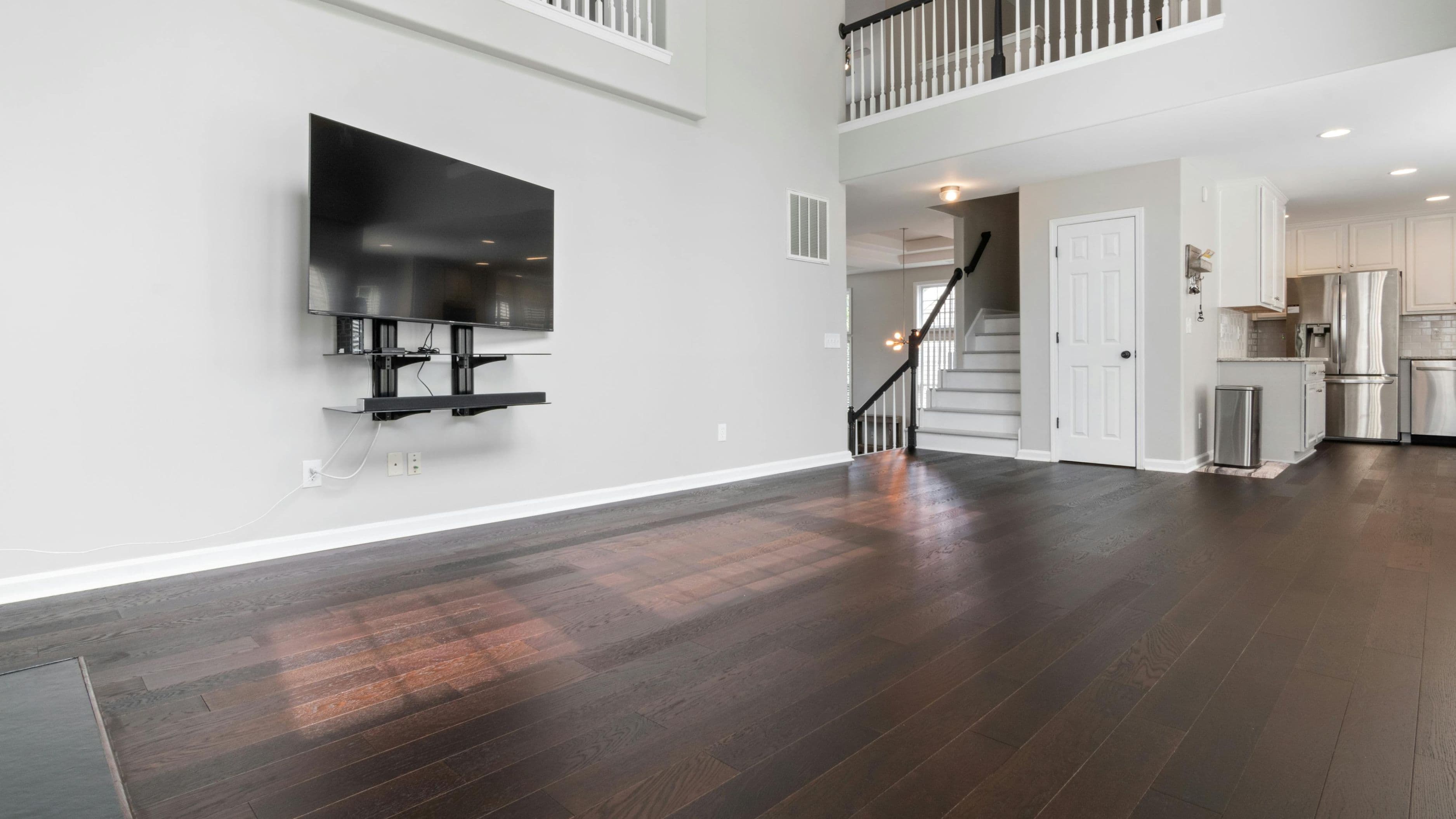
Solid hardwood is one of the lowest-VOC flooring options available, particularly if it's unfinished and finished on-site with a water-based, low-VOC floor finish. Pre-finished hardwood eliminates the on-site finishing step and typically uses low-VOC factory-applied coatings. Look for finishes with FloorScore or Greenguard Gold certification, which verify low emissions.
Engineered hardwood and laminate are more complex. Many products use composite wood cores bonded with formaldehyde-based adhesives, which can off-gas for extended periods. Look for products that meet California Air Resources Board (CARB) Phase 2 standards, which set some of the strictest formaldehyde emission limits in the industry. The CARB Phase 2 designation is widely used as a benchmark even outside California and will be labeled on compliant products.
Luxury vinyl plank (LVP) has become a renovation staple, but quality varies significantly. Lower-end vinyl products can contain phthalates and emit VOCs over time. Higher-quality LVP products carry FloorScore certification and phthalate-free designations – look for these specifically rather than assuming all LVP is equivalent.
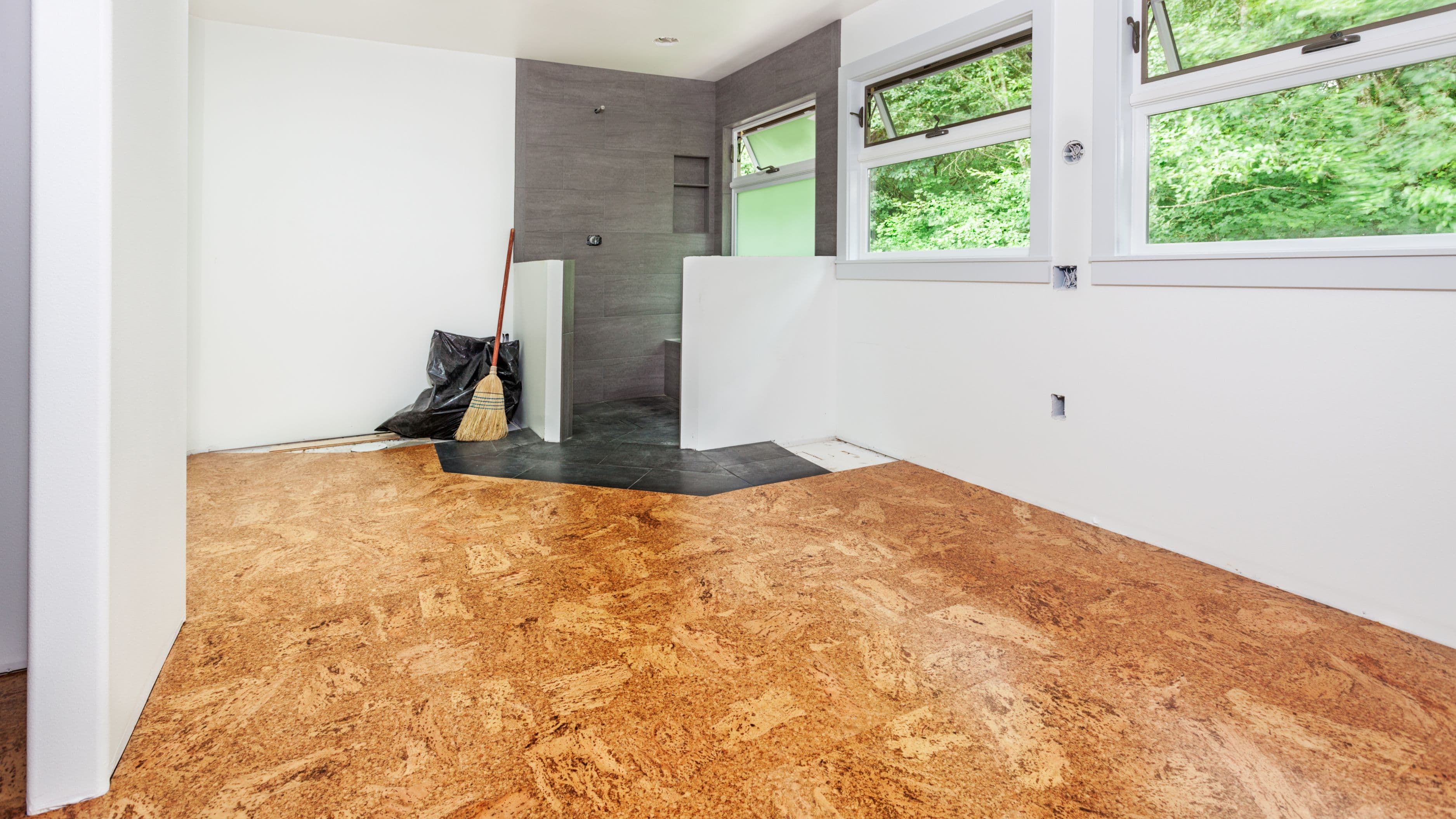
Natural alternatives including cork, bamboo, and linoleum (not vinyl – natural linoleum is made from linseed oil, cork, and wood flour) are inherently low-emission options when installed with low-VOC adhesives. Cork is particularly practical for bedrooms and home offices where comfort underfoot matters.
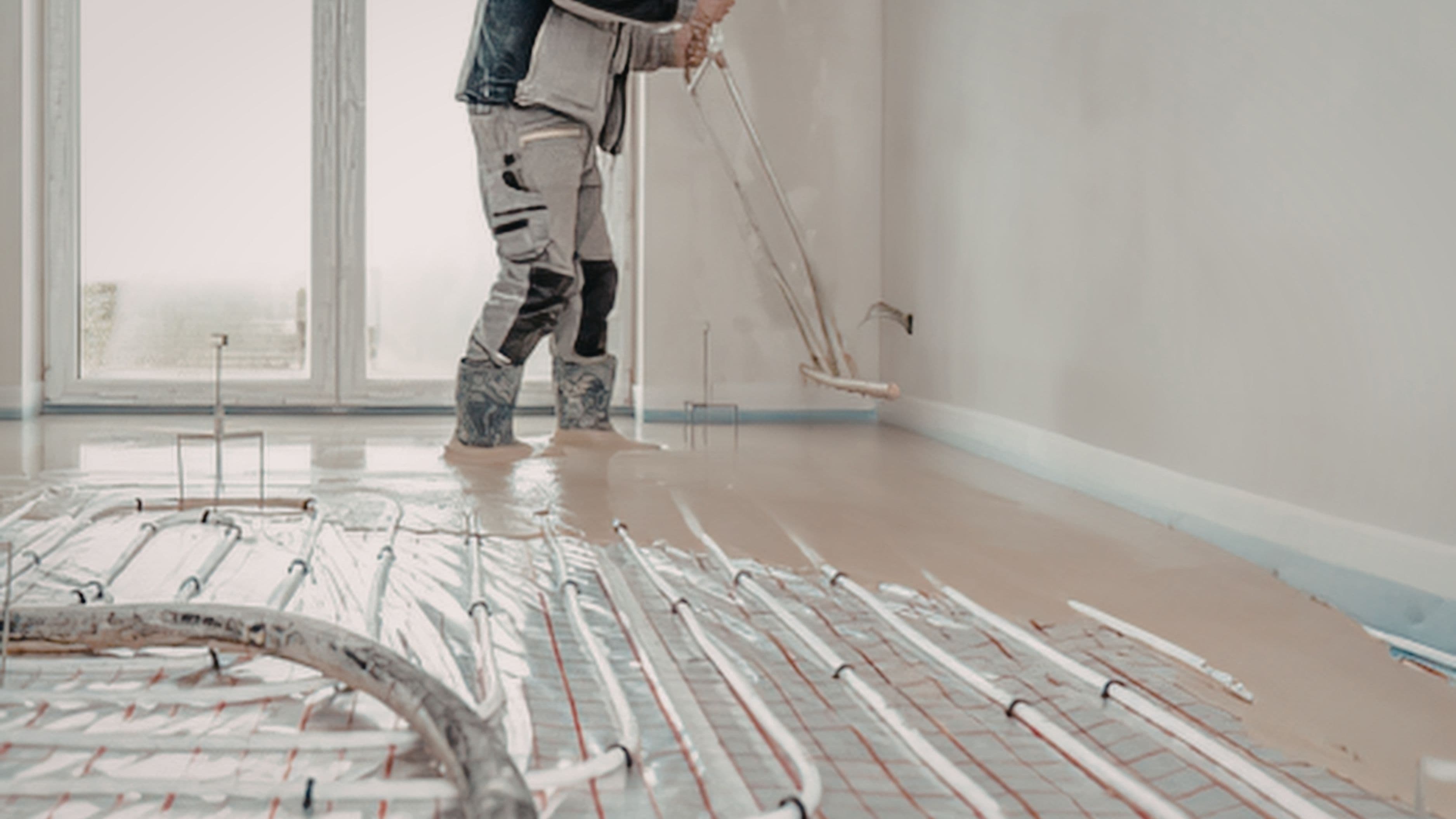
Regardless of flooring type, the adhesive used for installation is a significant VOC source. Water-based adhesives have dramatically lower VOC content than solvent-based alternatives. If your installer defaults to solvent-based products, it's worth specifying water-based adhesives explicitly.
Step 4: Cabinetry and Built-Ins
Kitchen and bathroom cabinetry is one of the highest-risk categories for formaldehyde emissions because most stock and semi-custom cabinets use particleboard or medium-density fiberboard (MDF) cores bonded with urea-formaldehyde resins. In an enclosed space like a kitchen or bathroom, this off-gassing can be concentrated.
The lowest-emission options are solid wood cabinets, which are significantly more expensive, or cabinet boxes made with formaldehyde-free sheet goods such as Purebond plywood from Columbia Forest Products, which uses a soy-based adhesive system and is available at many home improvement retailers. IKEA's cabinet carcasses have met CARB Phase 2 standards for several years, making them a more accessible option for budget-conscious renovators who still want to minimize emissions.
If you're using a cabinetmaker, specify CARB Phase 2 or formaldehyde-free sheet goods for all interior surfaces including box sides, shelves, and drawer bottoms – not just the visible faces. The interior is where the largest surface area of unfinished or lightly finished wood product is in contact with your indoor air.
Finishing cabinetry with a low-VOC sealer adds a barrier layer that significantly reduces ongoing off-gassing from the substrate. Water-based polyurethane is the most practical option for DIY application and carries much lower VOC content than oil-based finishes.
Step 5: Insulation and Drywall
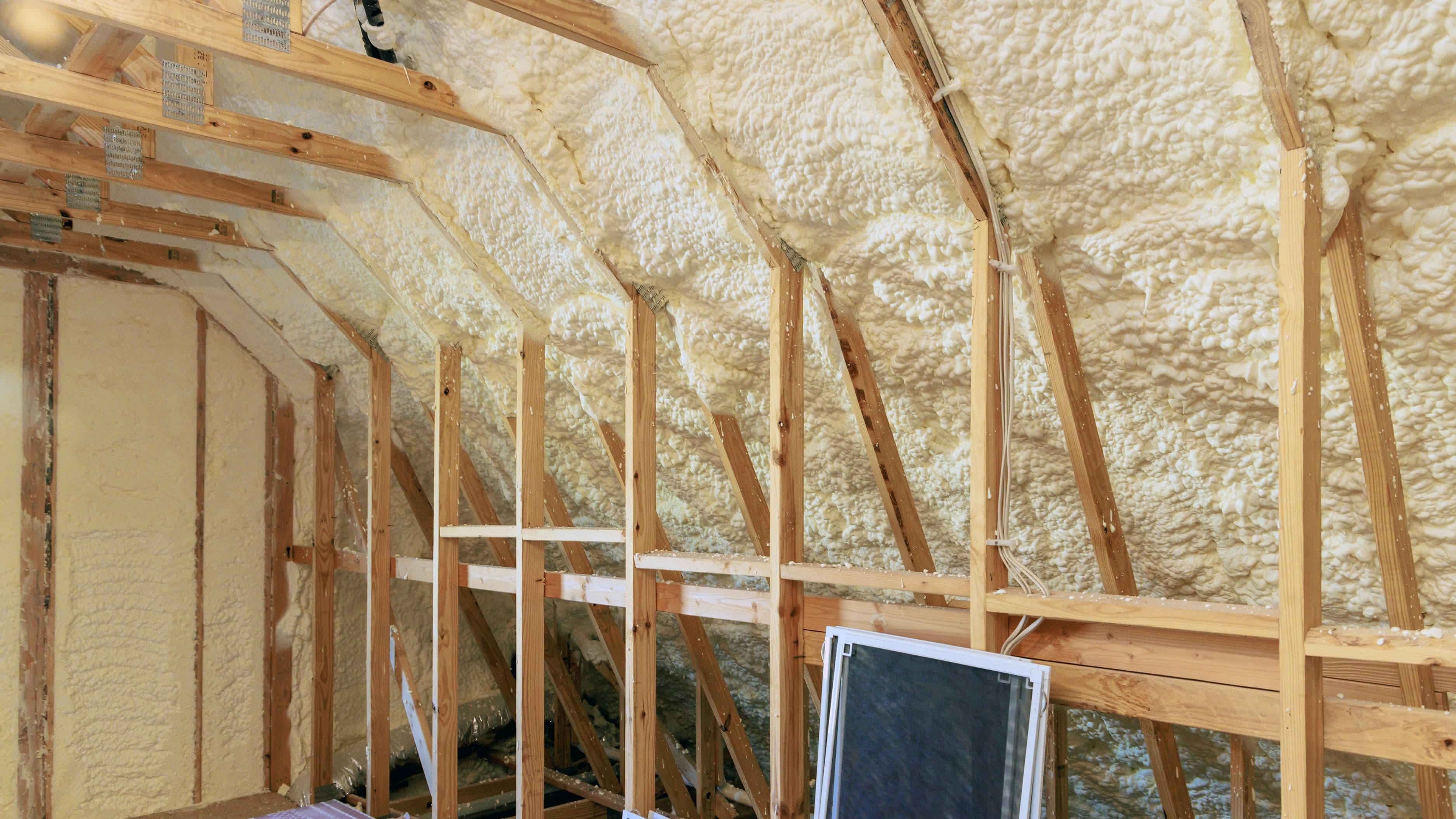
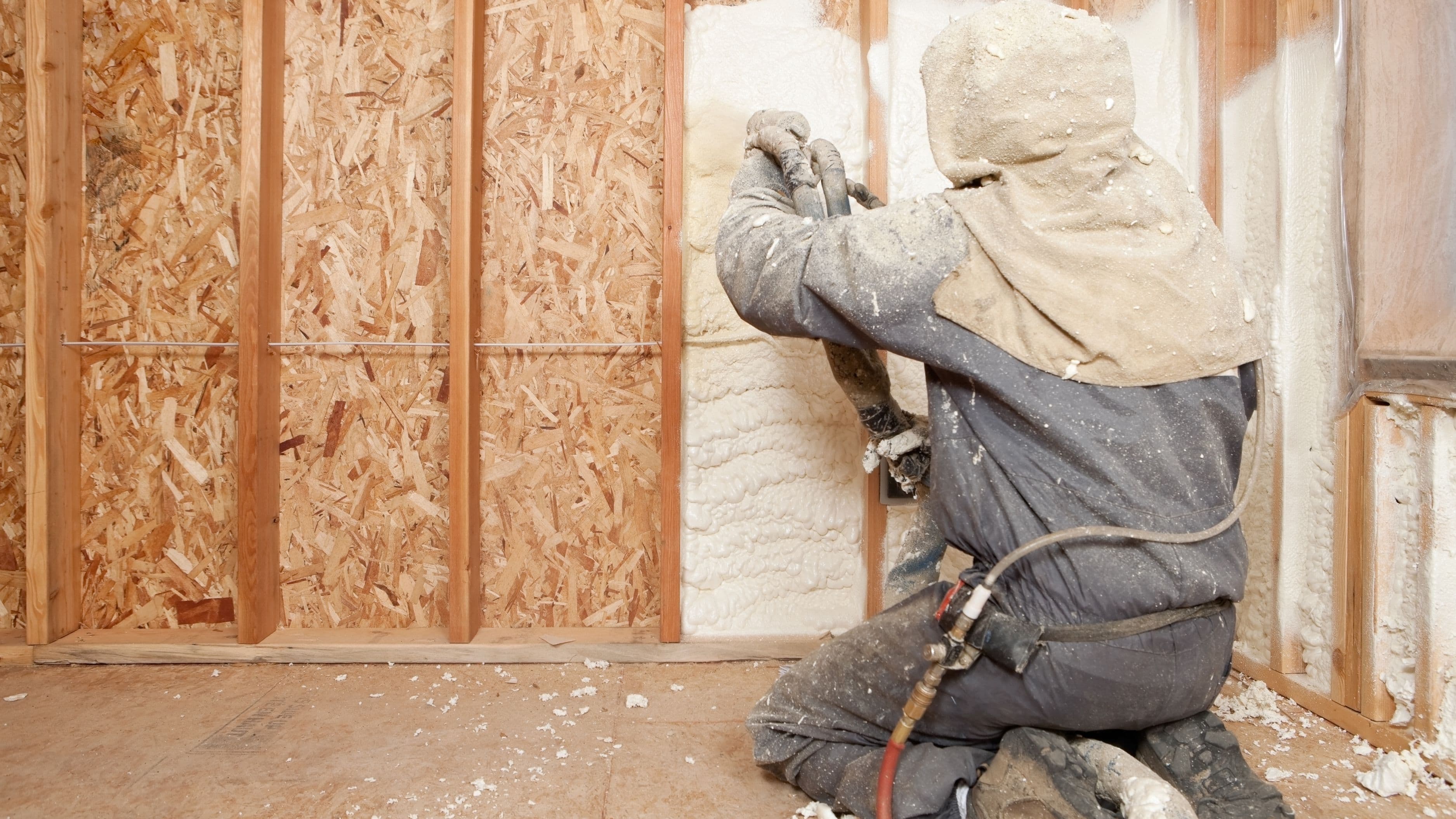
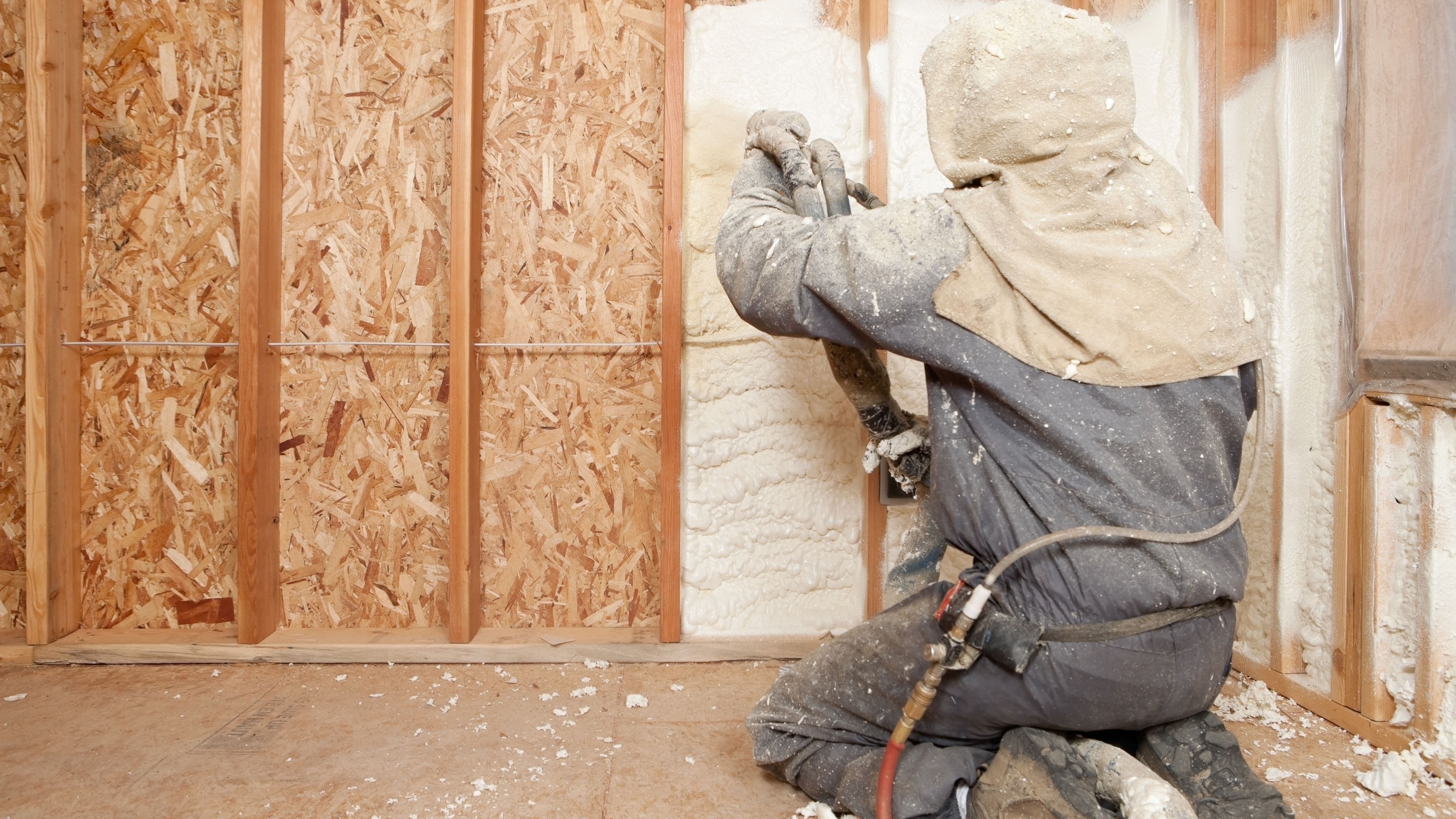
Insulation choices affect VOC levels more than most homeowners expect. Traditional fiberglass batts are relatively inert once installed, but spray foam insulation is a mixed category. Open-cell spray foam can off-gas for several days after application and requires proper ventilation during and after installation. Closed-cell spray foam off-gasses more quickly and is generally considered lower-risk long-term, but the installation itself involves chemicals that require professional handling and ventilation.
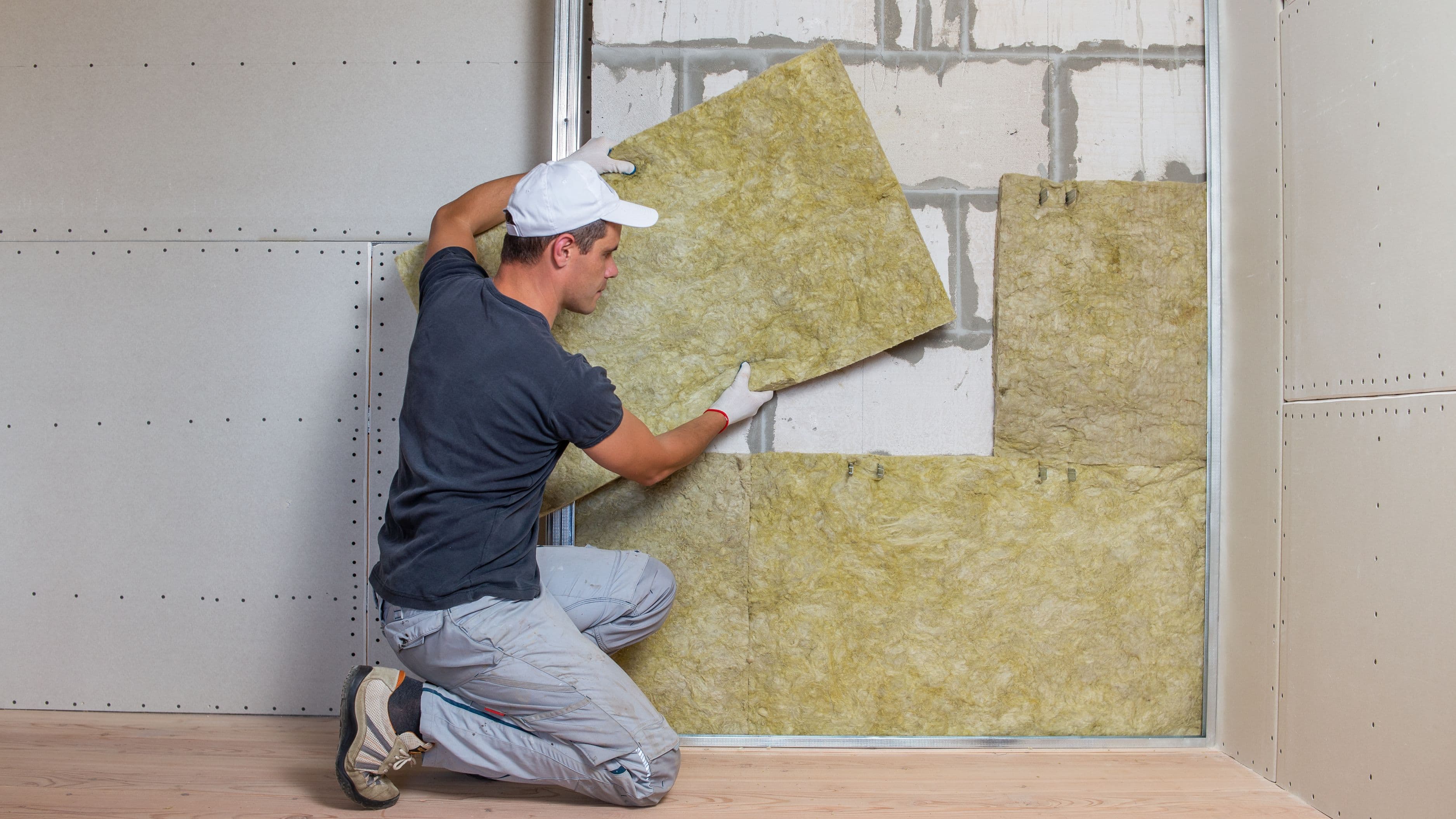
Natural insulation alternatives including recycled denim (cotton batting), sheep's wool, and cellulose (recycled paper fiber) have very low VOC profiles and perform well for thermal and acoustic insulation in appropriate applications. Mineral wool (Rockwool) is another low-emission option with excellent fire resistance and moisture management properties.
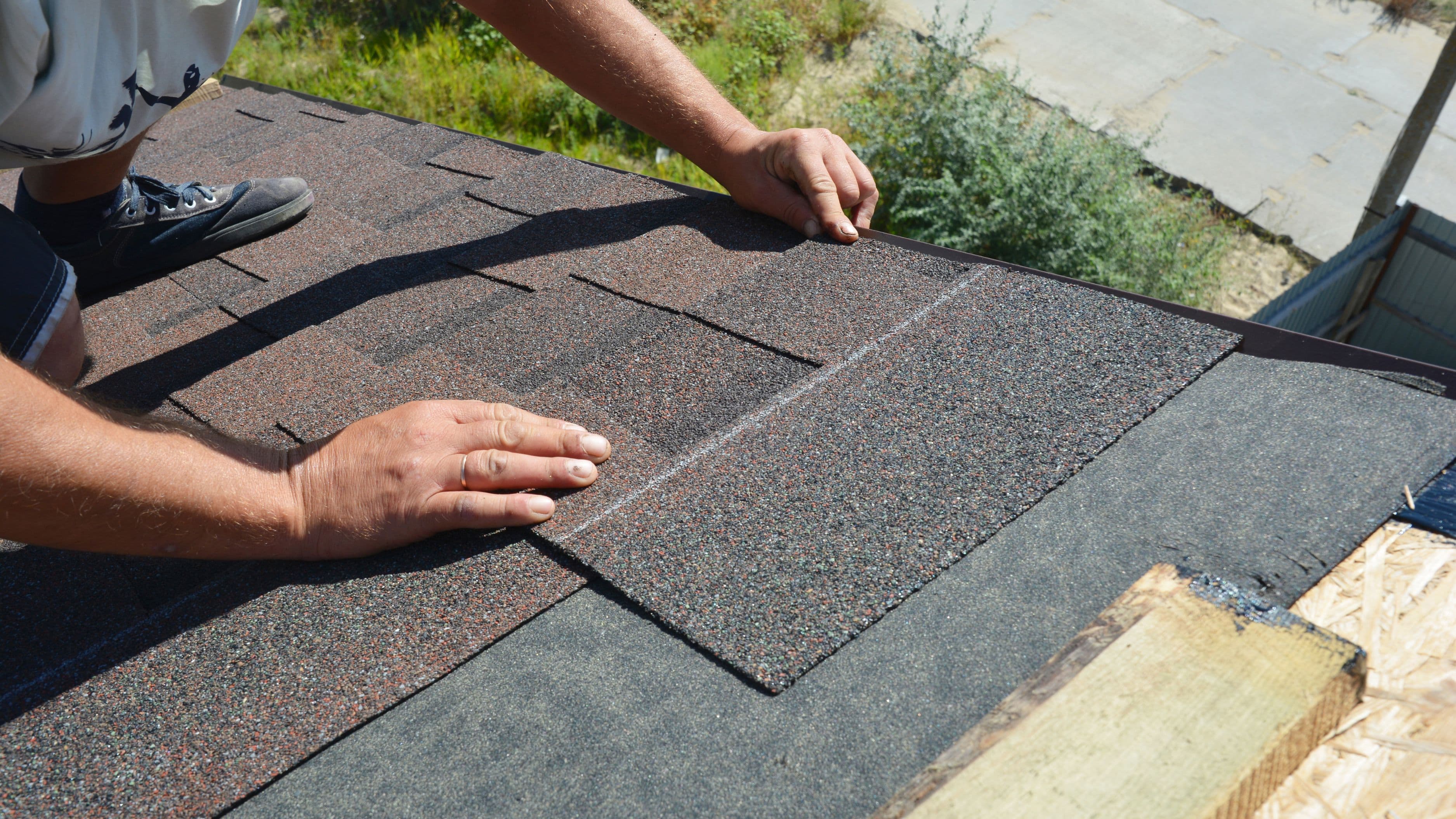
Standard drywall is relatively low-VOC on its own, but joint compound and primers contain VOCs that matter during installation. Low-VOC joint compounds and primers are available from most manufacturers and are worth specifying when working with contractors.
Step 6: Adhesives, Caulks, and Sealants
These categories are easy to overlook because they represent small volumes compared to paint or flooring, but they're used extensively throughout a renovation and can contribute meaningfully to total VOC load. Solvent-based construction adhesives, some silicone caulks, and solvent-based contact cements are among the higher-VOC products routinely used in renovation work.
Water-based construction adhesives are available for most applications and perform well for tasks that don't require the immediate high-strength bond of solvent-based products. LOCTITE and Titebond both offer low-VOC options for framing, subfloor, and trim applications. For tile and stone installation, latex-modified thin-set mortars are inherently low-VOC alternatives to solvent-based mastics.
For caulking, 100% silicone caulks are lower in VOCs than many acrylic-latex options and provide superior durability in wet areas. Check the product label or technical data sheet for VOC content if you're comparing specific products.
Step 7: Ventilation During and After Renovation
Even with all low-VOC materials, off-gassing from new installations peaks in the first days to weeks. Maximizing ventilation during and immediately after renovation dramatically reduces the concentration of any compounds that are released. Open windows whenever weather permits, run bathroom and kitchen exhaust fans continuously, and consider a temporary HEPA air purifier with an activated carbon filter during the most intensive phases of renovation.
After the renovation is complete, the EPA recommends maintaining ventilation for several days to weeks to allow initial off-gassing to clear. This is especially important in tightly sealed, well-insulated homes where natural air exchange is limited. If you have a heat recovery ventilator (HRV) or energy recovery ventilator (ERV), running it continuously during this period is effective.
Cost Expectations
Choosing low-VOC materials across an entire renovation adds a modest premium compared to conventional options. As a rough benchmark:
Low-VOC paint typically costs $5–$15 more per gallon than standard paint. FloorScore-certified LVP or engineered hardwood may cost $0.50–$1.50 more per square foot than uncertified alternatives. Formaldehyde-free cabinet materials add approximately 10–20% to the cabinet cost over standard particleboard. Low-VOC adhesives and caulks are often within $2–$5 of their conventional counterparts per unit.
Across a full home renovation, the premium for consistent low-VOC material selection is typically 3–8% of total material cost – meaningful
but not prohibitive, and offset by the long-term benefit of a healthier indoor environment that you're living in for years or decades.
What to Avoid
Don't assume "natural" automatically means low-VOC. Some natural oils and finishes have significant VOC content, and certain wood species naturally off-gas compounds that affect indoor air quality. Always check third-party certification labels rather than relying on product marketing language.
Don't skip the adhesive and underlayment categories. They're easy to overlook and frequently the source of significant VOC load in flooring and cabinetry installation. Specifying low-VOC primary materials and then using conventional adhesives partially defeats the purpose.
Don't rely solely on the contractor to make these decisions. Most contractors default to whatever products are familiar and readily available. If low-VOC materials matter to you, specify them explicitly in the project scope and ask to review the material data sheets before installation begins.
Key Certifications to Know
When evaluating products, these third-party certifications are the most reliable indicators of low-VOC content:
Greenguard Gold (formerly Greenguard Children & Schools) is one of the most rigorous certifications for chemical emissions and covers a wide range of building materials. FloorScore is specific to hard surface flooring and adhesives and is widely recognized in the industry. CARB Phase 2 sets formaldehyde emission limits for composite wood products and is the baseline standard for engineered wood in responsible renovations. OEKO-TEX Standard 100 applies to textiles and carpet and covers VOC and harmful substance content.
FAQ
Is zero-VOC paint really zero VOC? "Zero-VOC" means under 5 grams per liter by EPA and California Air Resources Board standards, not literally zero. The base paint may qualify, but added colorants can introduce VOCs unless you specifically request zero-VOC tints. For the lowest possible content, ask for zero-VOC colorants when having paint tinted.
How long do renovation materials off-gas? It varies by material. Paint off-gasses most heavily in the first 24–72 hours and substantially reduces within a week. Composite wood products and some adhesives can continue at lower levels for months. Maximizing ventilation in the first few weeks after renovation captures the period of highest emission concentration.
Are low-VOC materials noticeably lower quality? For most categories, no. Low-VOC paints, adhesives, and flooring products perform comparably to conventional alternatives. There are some applications – like high-traffic industrial floor coatings – where VOC content correlates with certain performance characteristics, but in residential renovation this gap is largely not a practical concern.
Do I need to disclose low-VOC requirements to my contractor? Yes. Contractors default to familiar products, and substituting low-VOC alternatives may require sourcing from different suppliers or allowing slightly longer cure times for some products. Addressing it early in the planning process avoids last-minute substitutions at higher cost.
Is it worth getting air quality testing after renovation? For a whole-home renovation where air quality is a priority, post-renovation air quality testing provides useful confirmation that off-gassing is within safe limits. Testing is available through certified indoor air quality professionals and some labs that provide DIY test kits. It's most valuable if someone in the household has asthma, chemical sensitivities, or other respiratory conditions that make indoor air quality especially critical.
📚 Sources
U.S. Environmental Protection Agency – Volatile Organic Compounds' Impact on Indoor Air Quality: https://www.epa.gov/indoor-air-quality-iaq/volatile-organic-compounds-impact-indoor-air-quality
California Air Resources Board – Composite Wood Products Regulation (CARB Phase 2): https://ww2.arb.ca.gov/our-work/programs/composite-wood-products-program
Greenguard Certification – UL Environment: https://www.ul.com/resources/greenguard-certification
FloorScore Certification – Scientific Certification Systems: https://www.scscertified.com/floorscore/
Columbia Forest Products – PureBond Formaldehyde-Free Plywood: https://www.columbiaforestproducts.com/product/purebond/
U.S. Department of Energy – Home Ventilation Best Practices: https://www.energy.gov/energysaver/ventilation
EPA – Indoor Air Quality and Building Materials: https://www.epa.gov/indoor-air-quality-iaq/building-materials
OEKO-TEX – Standard 100 Certification Overview: https://www.oeko-tex.com/en/our-standards/oeko-tex-standard-100
This Old House – Low-VOC Paint Guide: https://www.thisoldhouse.com/painting/21017018/low-voc-paint
American Lung Association – Indoor Air Pollution and Health: https://www.lung.org/clean-air/indoor-air/indoor-air-pollutants/volatile-organic-compounds