
Matte and satin are the two most commonly used interior sheens, and they behave very differently in the real world. Getting this choice right affects how your walls look in different lighting, how easily they clean, how long the finish lasts, and how much of the surface imperfections you're stuck looking at.
What Sheen Actually Means
Paint sheen refers to how much light the dried surface reflects. At one extreme, flat or matte paints absorb light and produce a non-reflective, chalky appearance. At the other, high-gloss paints bounce light sharply and produce a hard, mirror-like surface. Everything in between – eggshell, satin, semi-gloss – sits on that reflectivity spectrum.
Sheen affects more than aesthetics. Higher sheen means a harder, denser paint film once cured, which translates to better washability and more resistance to moisture, abrasion, and staining. Lower sheen means a softer film with more tooth – it holds texture well and hides surface flaws by diffusing light rather than reflecting it. Those practical differences are what drive the room-by-room logic.
Matte Finish: What It Does Well
Matte paint – sometimes labeled "flat" at the lowest end of the spectrum or "matte" at a slightly elevated version – has essentially no reflectivity. It absorbs light evenly, which creates a smooth, velvety appearance that many designers prefer for its depth and richness. Colors tend to look truer in matte finish because there's no sheen competing with the pigment.
Its strongest practical attribute is hiding imperfections. Drywall seams, roller texture, minor dings, patches, and uneven surfaces all but disappear under a matte finish because the light-scattering surface diffuses the shadows that reveal those flaws. In rooms with older plaster walls or any walls that have been repaired and patched, matte is almost always the better choice because it doesn't advertise the imperfections the way any reflective finish would.
The limitation is durability. Matte paints are more porous and softer than higher-sheen finishes, which means they're harder to clean without leaving marks or dulling the surface. Wiping a matte wall with a damp cloth often leaves a shiny spot where the paint film has been compressed – a phenomenon called burnishing. In high-touch, high-traffic areas, matte finish requires more frequent repainting to maintain its appearance.
Cost level: Low to medium – matte paints are available at most price points, and the lack of sheen-enhancing additives generally makes them less expensive than satin or gloss at equivalent quality levels.
Satin Finish: What It Does Well
Satin sits roughly in the middle of the sheen spectrum – noticeably more reflective than matte or eggshell but without the sharp reflectivity of semi-gloss. The finish has a soft, pearl-like appearance that catches and moves light in a way that adds a subtle liveliness to walls without calling attention to the sheen itself. It's a more forgiving finish than semi-gloss in terms of how it reveals application marks, roller lines, and brush strokes.
The practical advantage of satin is durability and cleanability. The denser paint film resists moisture, handles repeated wiping without burnishing, and holds up well in rooms with physical activity and higher touch frequency. Grease marks, handprints, and scuffs wipe off satin walls in ways they don't off matte walls, which is why satin became the standard recommendation for kitchens, bathrooms, and children's rooms.
Satin does have one meaningful limitation: it's more unforgiving of surface imperfections than matte. The reflectivity that makes it easier to clean also picks up and reflects light in ways that highlight underlying wall texture, drywall seams, and patches. On walls that aren't in excellent condition, satin can make the surface look worse rather than better.
Cost level: Medium – satin typically costs slightly more than matte at the same brand and quality tier, reflecting the additional durability additives in the formula.
Room-by-Room: Which Finish to Use Where
Living Room and Dining Room
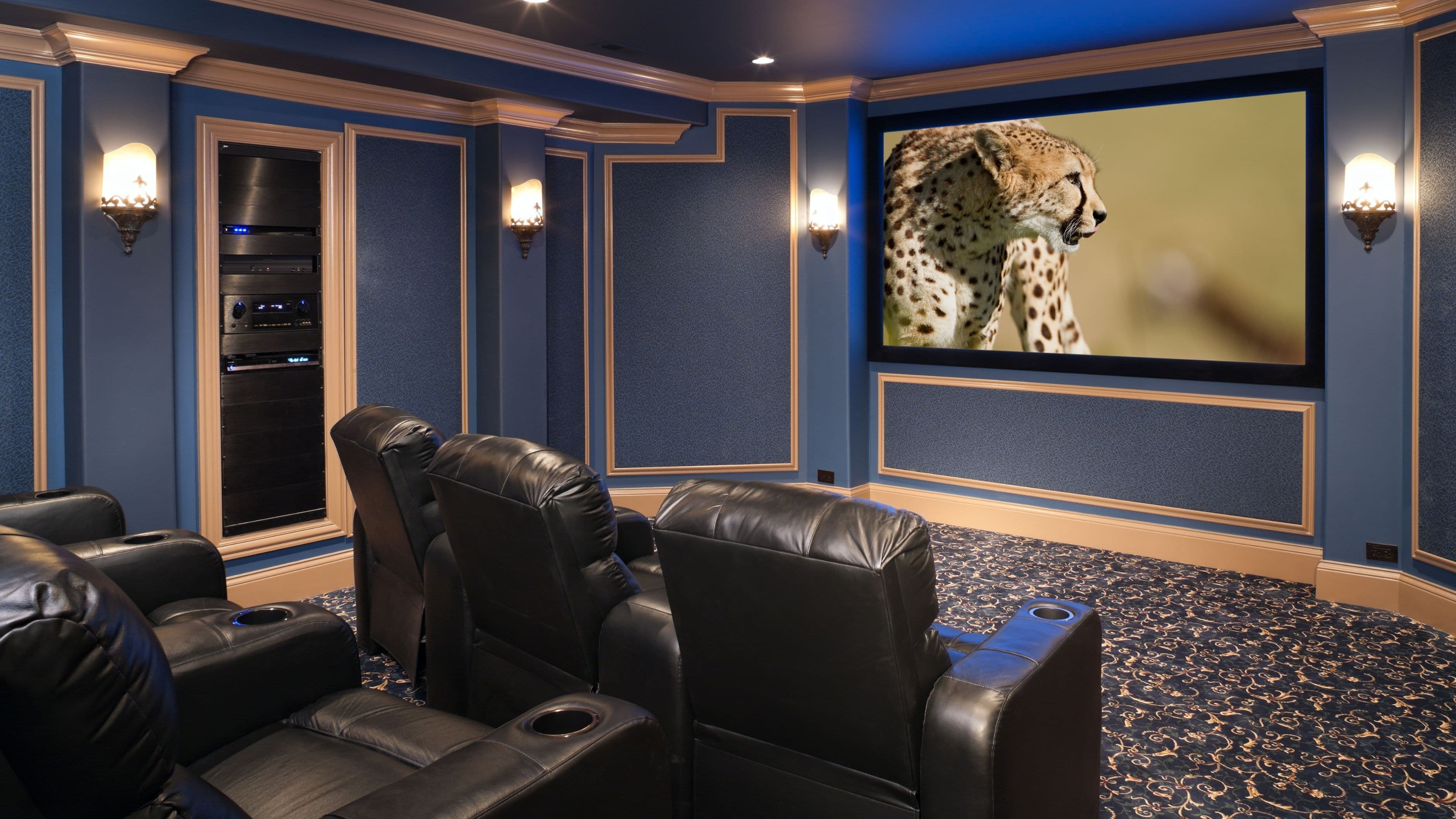
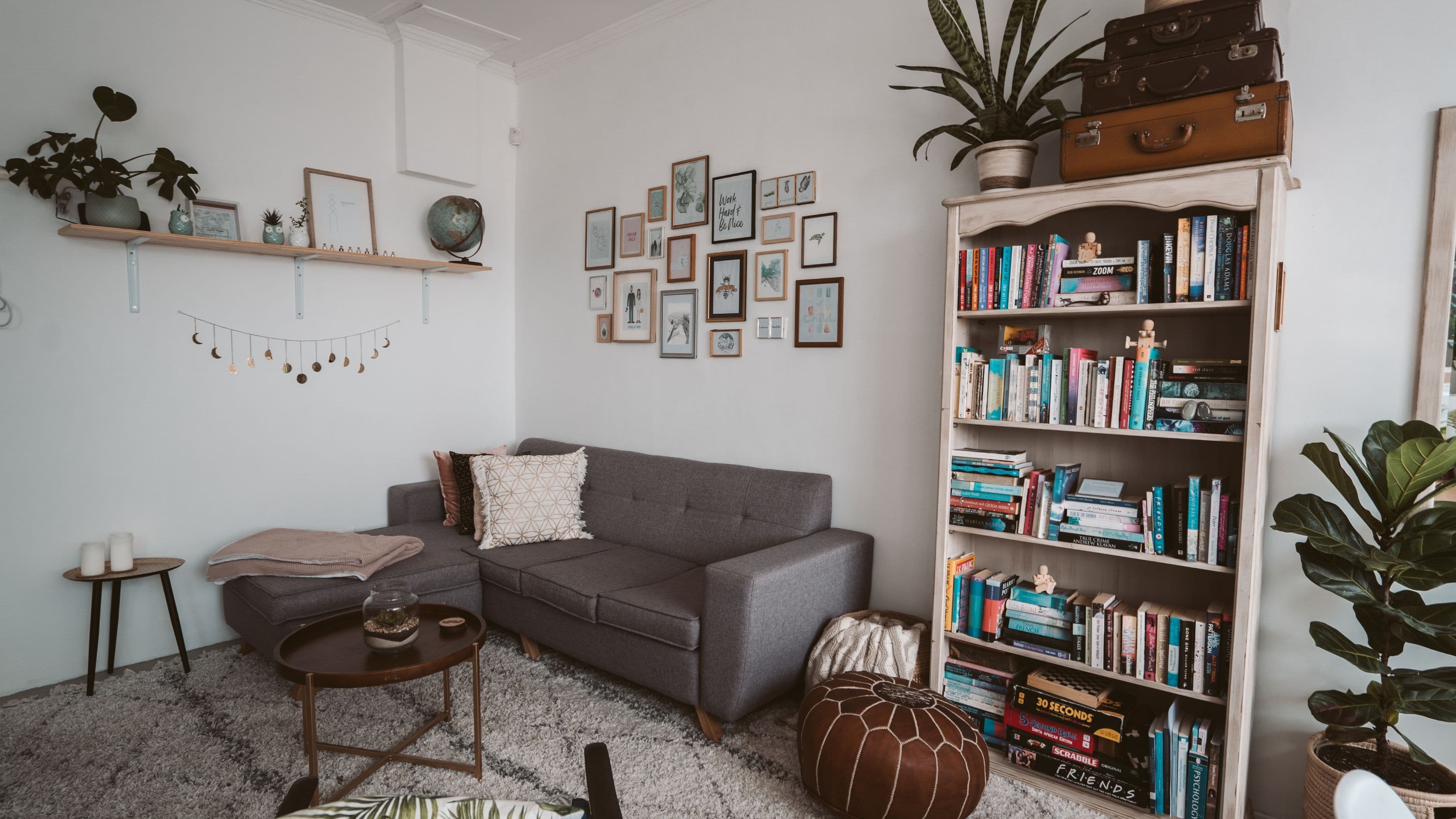
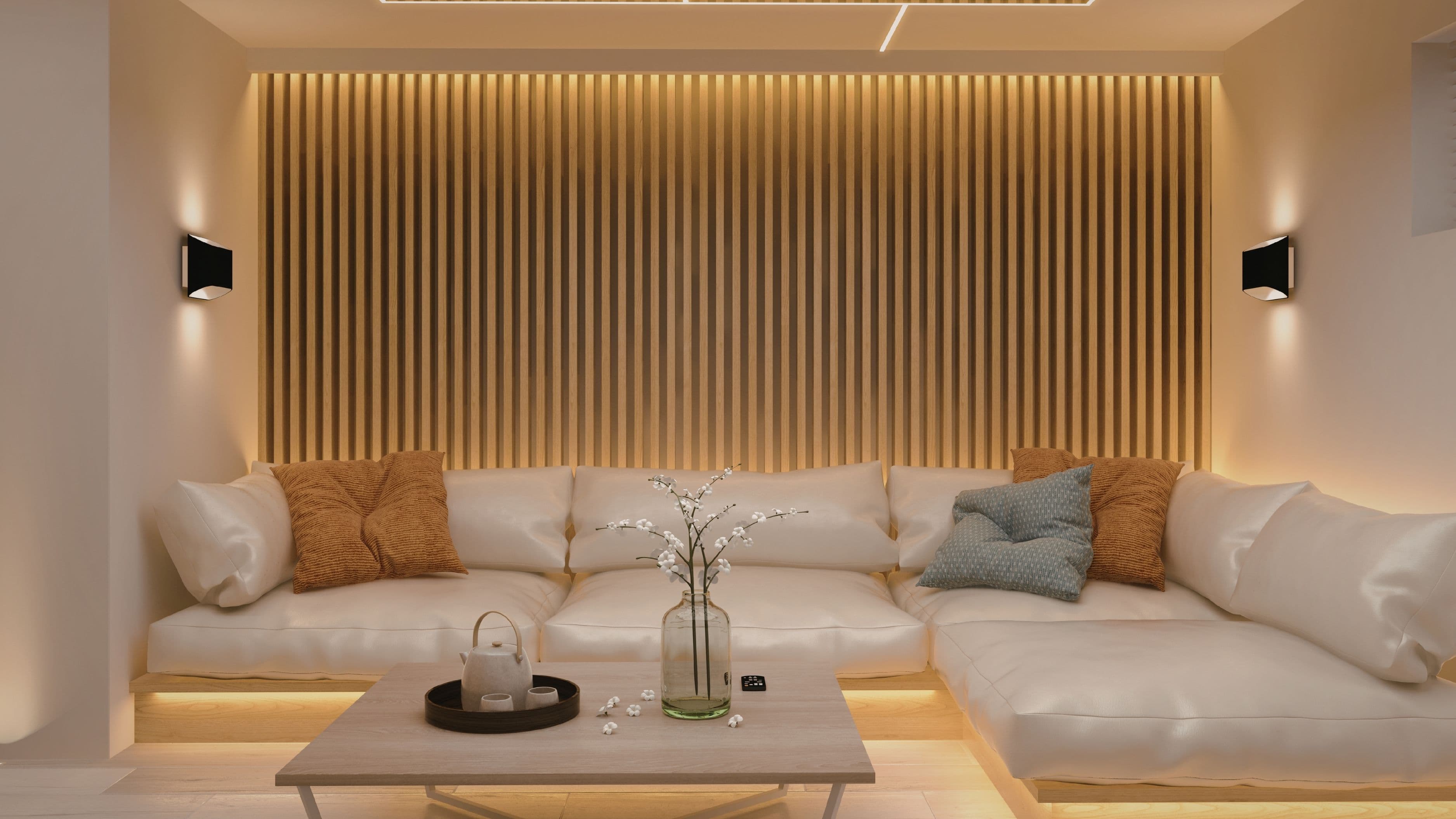
These are the rooms where appearance matters most and scrubability matters least. Walls in living and dining spaces typically don't accumulate grease, moisture, or constant hand contact. The priority is how the finish looks under ambient and accent lighting – and matte or low-sheen eggshell consistently wins that comparison for walls. The depth and richness of color in a flat or matte finish reads better in candlelight and warm lamp light, which is exactly the lighting condition living and dining spaces are often designed around.
Satin is worth considering for living rooms only if you have young children or pets that regularly contact the walls, or if the walls are in very good condition and you want the slight luminosity satin provides. For most situations, matte or eggshell is the right call for living room walls.
Kitchen
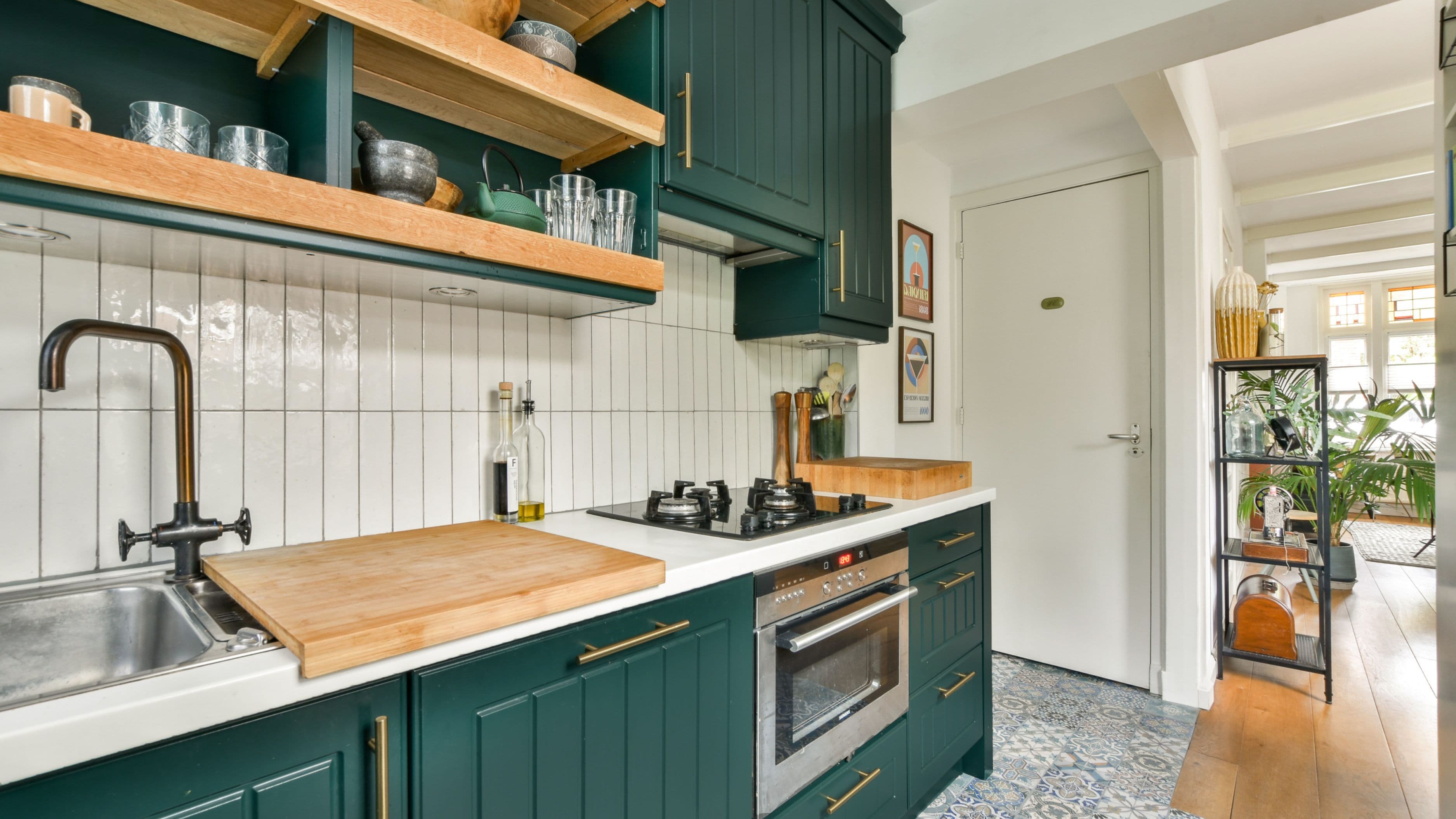
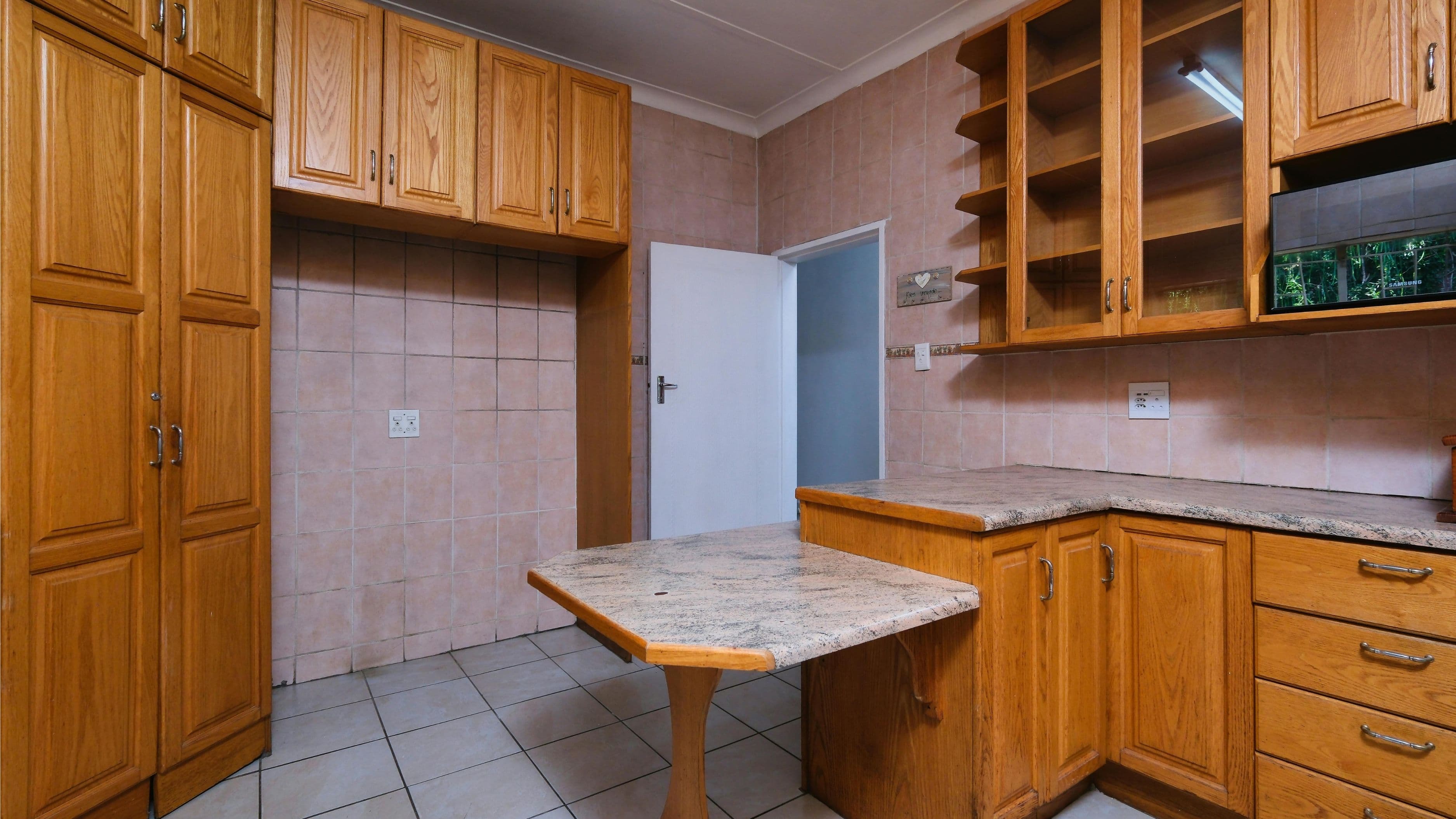
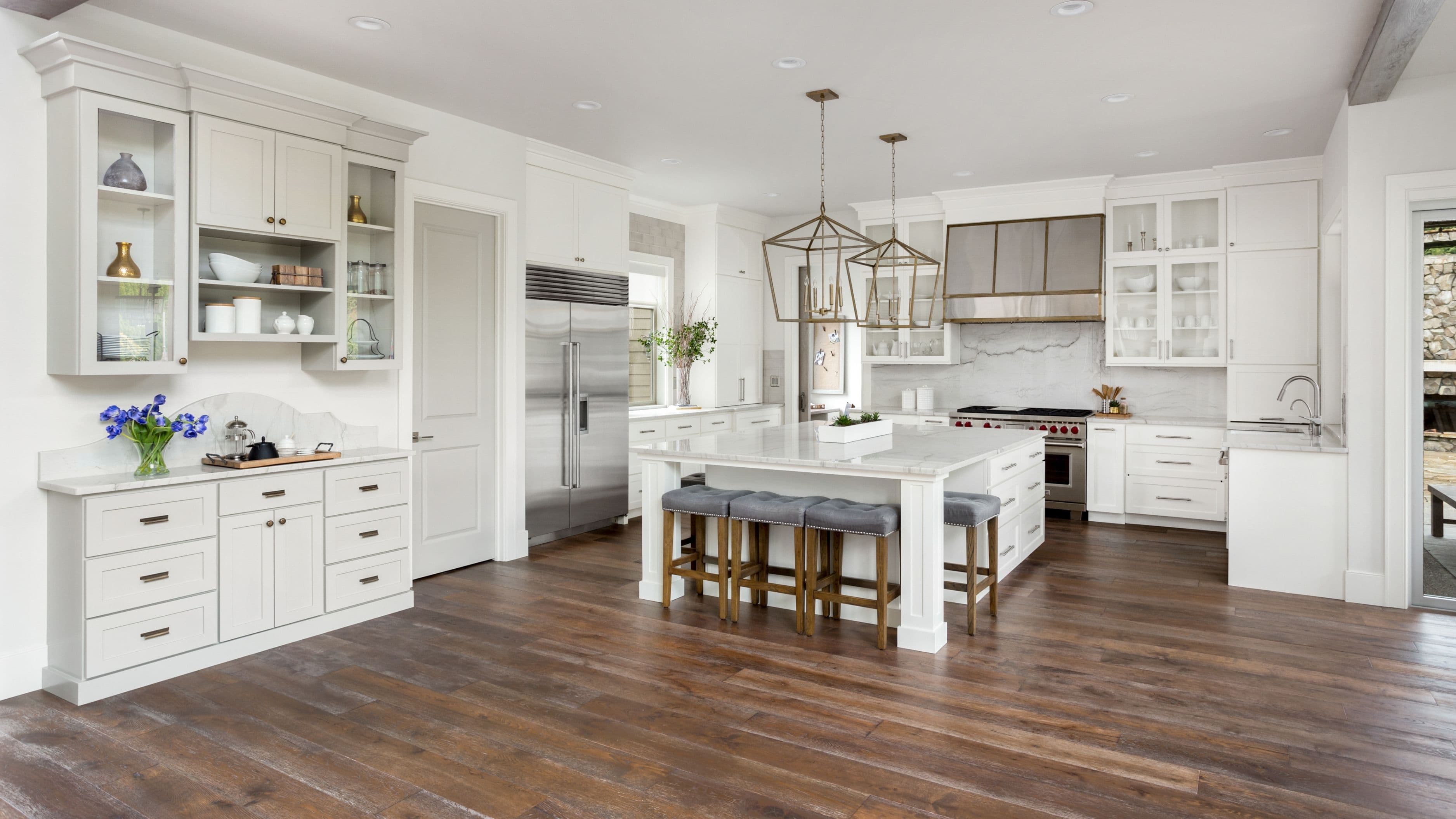
The kitchen is where satin earns its keep. Cooking produces grease, moisture, and steam that settle on walls over time. Food and liquid splatter happens, especially near the stove and sink. Walls need to be wipeable with reasonable regularity, and matte finish will not hold up to that kind of use without degrading quickly. Satin is the practical minimum for kitchen walls. Semi-gloss is an equally valid choice, particularly on walls immediately surrounding the stove, where the cleaning demands are highest.
Cabinets are a different question from walls. Cabinet fronts take more contact and more cleaning than walls, and most painters and cabinet manufacturers recommend semi-gloss or high-gloss for cabinet surfaces – the additional durability justifies the increased reflectivity at that application.
Bathroom
Bathrooms are the most moisture-intensive rooms in the house. Humidity from showers, splashing water, and condensation make moisture resistance the primary decision driver. Matte paint in a bathroom absorbs moisture rather than repelling it, which creates ideal conditions for mildew growth within the paint film over time. Satin is the appropriate minimum for bathroom walls, and semi-gloss is a better choice for small bathrooms with poor ventilation where moisture levels are consistently high.
Look for paints specifically formulated with mildew-resistant additives, which are available in both satin and semi-gloss. This isn't optional in bathrooms – it's a meaningful difference in how well the paint holds up over years rather than months.
Estimated repaint cycle: Bathroom walls painted with a quality satin or semi-gloss and mildew-resistant formula typically last 3–5 years before showing significant deterioration. Matte paint in a bathroom often needs repainting within 1–2 years.
Bedrooms
Bedrooms are relatively low-traffic, low-moisture, and low-touch environments. Adult bedrooms are typically excellent candidates for matte finish, which provides the best color depth and the most flattering light behavior in a space designed for rest and relaxation. Matte also handles the occasional mark more forgivingly in terms of visual appearance – a small scuff on a matte wall is less visible than the same scuff on a satin wall.
Children's bedrooms are a different scenario. Kids' rooms see more wall contact, more marks, and more cleaning than adult bedrooms. Satin is a more practical choice for rooms that are actively used by young children, where the priority is keeping the walls looking clean with minimal repainting.
Hallways and Entryways
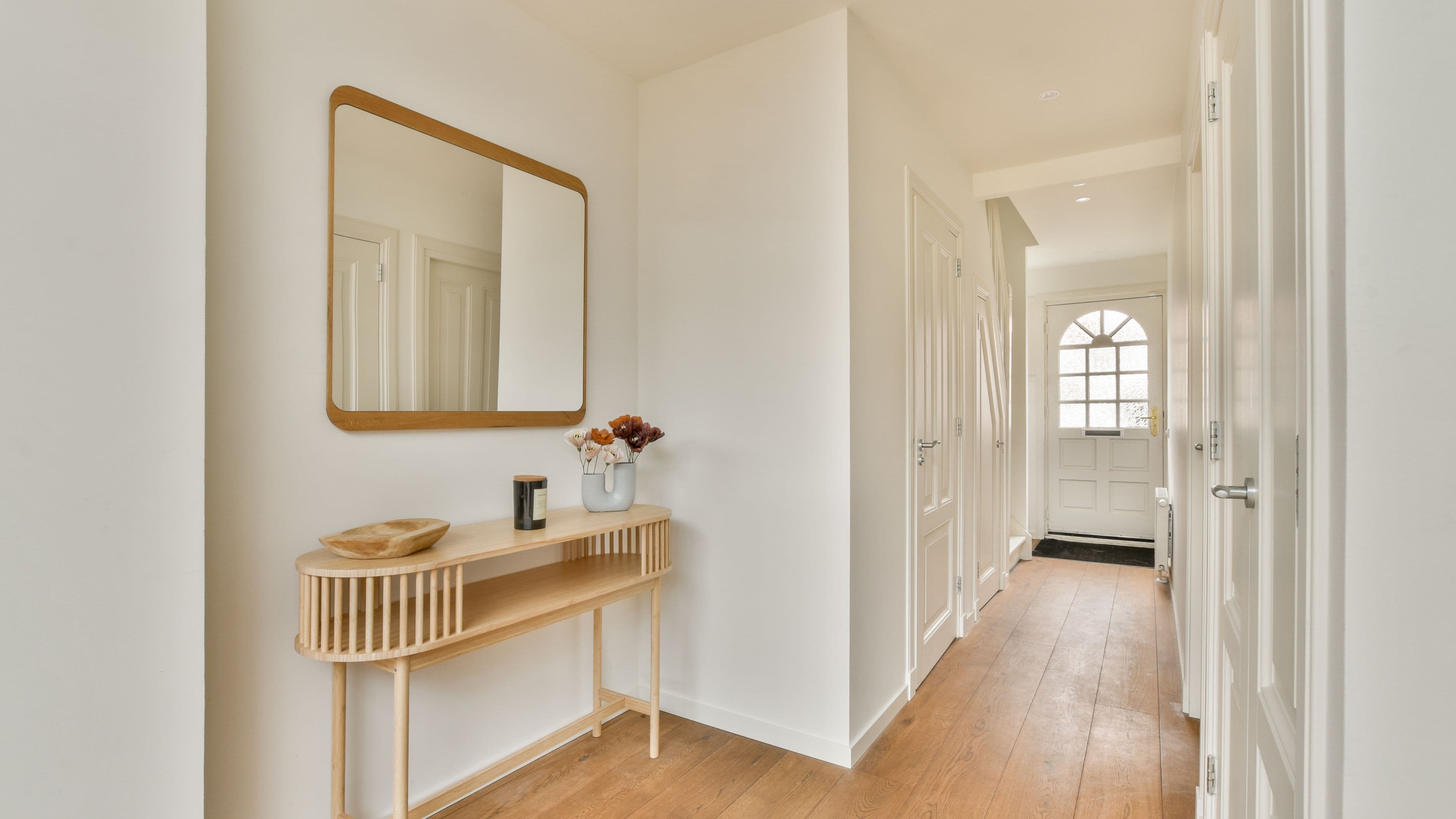
Hallways and entryways take more physical contact than nearly any other room in the house. Shoulders brush walls, bags clip corners, hands touch light switches and door frames. This is high-abrasion territory, and matte finish will show the wear disproportionately. Satin is the right call for hallway walls. The slight additional reflectivity also works in narrow hallways by bouncing light around and making the space feel less confined.
Ceilings
Flat or matte is almost universally the right choice for ceilings, regardless of what's on the walls. Ceilings are viewed at an angle where any reflectivity creates glare and visually lowers the perceived height of the room. Flat ceiling paint also does the best job hiding the texture, seams, and occasional imperfections that are typically present on ceiling surfaces. Most major paint brands offer dedicated ceiling formulas in flat sheen for exactly this reason.
Trim, Doors, and Woodwork
Trim, doors, and baseboards typically take more impact and contact than walls and benefit from higher sheen. Semi-gloss is the standard recommendation for trim and doors, providing durability, ease of cleaning, and a slight visual distinction from wall color that reads as intentional rather than accidental. High-gloss is an option for trim in spaces where a more formal or dramatic look is appropriate, though it highlights any surface imperfections in the wood.
What to Avoid
Using matte in the kitchen or bathroom without understanding the trade-off. It can be done with frequent repainting and disciplined cleaning habits, but it shortens the life of the finish significantly and creates real mildew risk in high-humidity spaces.
Using high-sheen finishes on walls that aren't in great condition. Semi-gloss and gloss sheens ruthlessly reveal drywall texture, patches, and roller marks. If walls need significant prep work, invest the time in a good skim coat or thorough sanding before using any reflective finish.
Applying the same sheen to walls and trim. Differentiating walls and trim through sheen (typically matte or satin on walls, semi-gloss on trim) creates a visual separation that reads as finished and deliberate. Painting both in the same sheen, even different colors, tends to flatten the contrast between surfaces.
Skipping primer on previously painted walls when changing sheen levels significantly. Going from a matte finish to satin, or from satin to matte, on an existing wall without a quality primer coat can cause adhesion problems and uneven sheen. A bonding primer seals the surface evenly and gives the new sheen a consistent base to adhere to.
FAQ
Can I mix sheens in the same room? Yes, and it often looks better than using the same sheen throughout. Matte walls with semi-gloss trim is a classic combination. In a bathroom, matte might be used above the tile line and semi-gloss below. The contrast in sheen level creates visual definition between surfaces.
Is eggshell the same as satin? No, though they're often confused. Eggshell sits between matte and satin on the sheen spectrum – slightly more reflective than flat matte, slightly less than satin. It's a good middle-ground choice for rooms where you want just a touch more durability than matte provides but prefer a lower-key sheen than satin. Bedrooms and low-traffic living spaces are common eggshell applications.
Does sheen affect how dark or light a color appears? Yes. Higher sheen reflects more light, which can make a color appear slightly lighter and more vibrant than the same color in a matte finish. Matte makes colors appear richer and slightly deeper. If you're color-matching between rooms or between a paint chip and the wall, keep in mind that the sheen you choose will shift the apparent color slightly from the sample.
How long does satin finish typically last compared to matte? In comparable conditions, satin holds up longer in high-use areas because the harder paint film resists abrasion and cleaning better than matte. In low-traffic spaces where cleaning is infrequent, the difference is negligible. In kitchens and bathrooms, satin can easily last twice as long as matte before requiring repainting.
Is there a premium satin paint that performs more like semi-gloss? Some higher-end satin formulas – including options from Sherwin-Williams, Benjamin Moore, and Behr's premium lines – come close to semi-gloss durability while maintaining the lower visual reflectivity of satin. These are worth considering for high-traffic rooms where you want durability without the sharp glare of semi-gloss.
Outro
The right sheen isn't about preference alone – it's about matching the finish to the demands of the space. Matte delivers rich color and forgiveness on imperfect surfaces in low-traffic rooms. Satin delivers durability and cleanability in rooms that take daily use and moisture. Get that match right and the paint lasts longer, looks better, and requires less maintenance. Get it wrong and you're repainting sooner than you should be.
📚 Sources
Sherwin-Williams – Paint Sheen Guide: https://www.sherwin-williams.com/en-us/color/paint-sheen-guide
Benjamin Moore – Choosing the Right Paint Finish: https://www.benjaminmoore.com/en-us/paint-and-primers/choosing-right-paint-finish
Behr – Paint Sheen and Finish Guide: https://www.behr.com/consumer/inspiration/paint-sheen-guide
This Old House – How to Choose Paint Finish: https://www.thisoldhouse.com/painting/21017610/how-to-choose-paint-finish