
What Each Style Actually Means
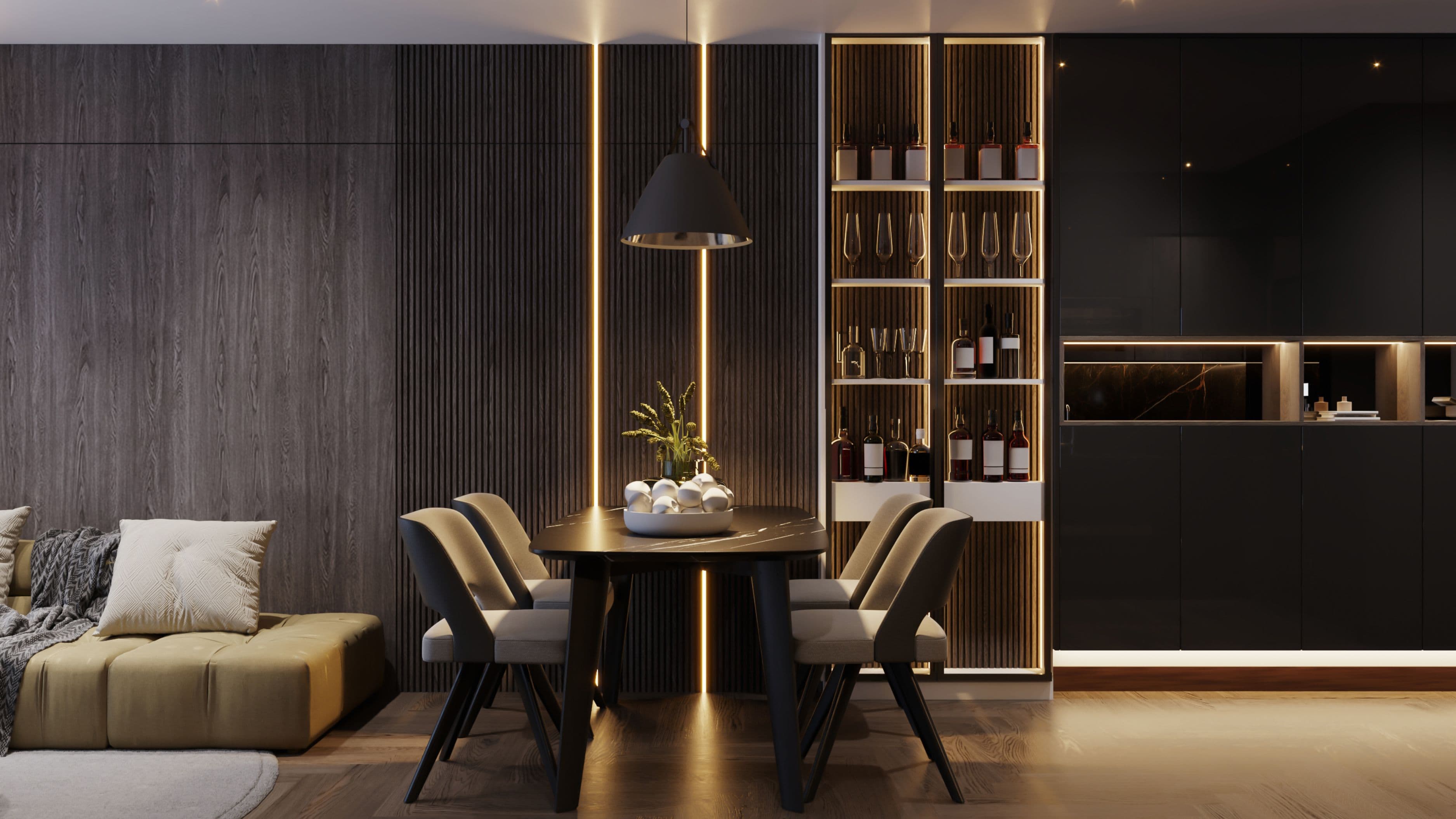
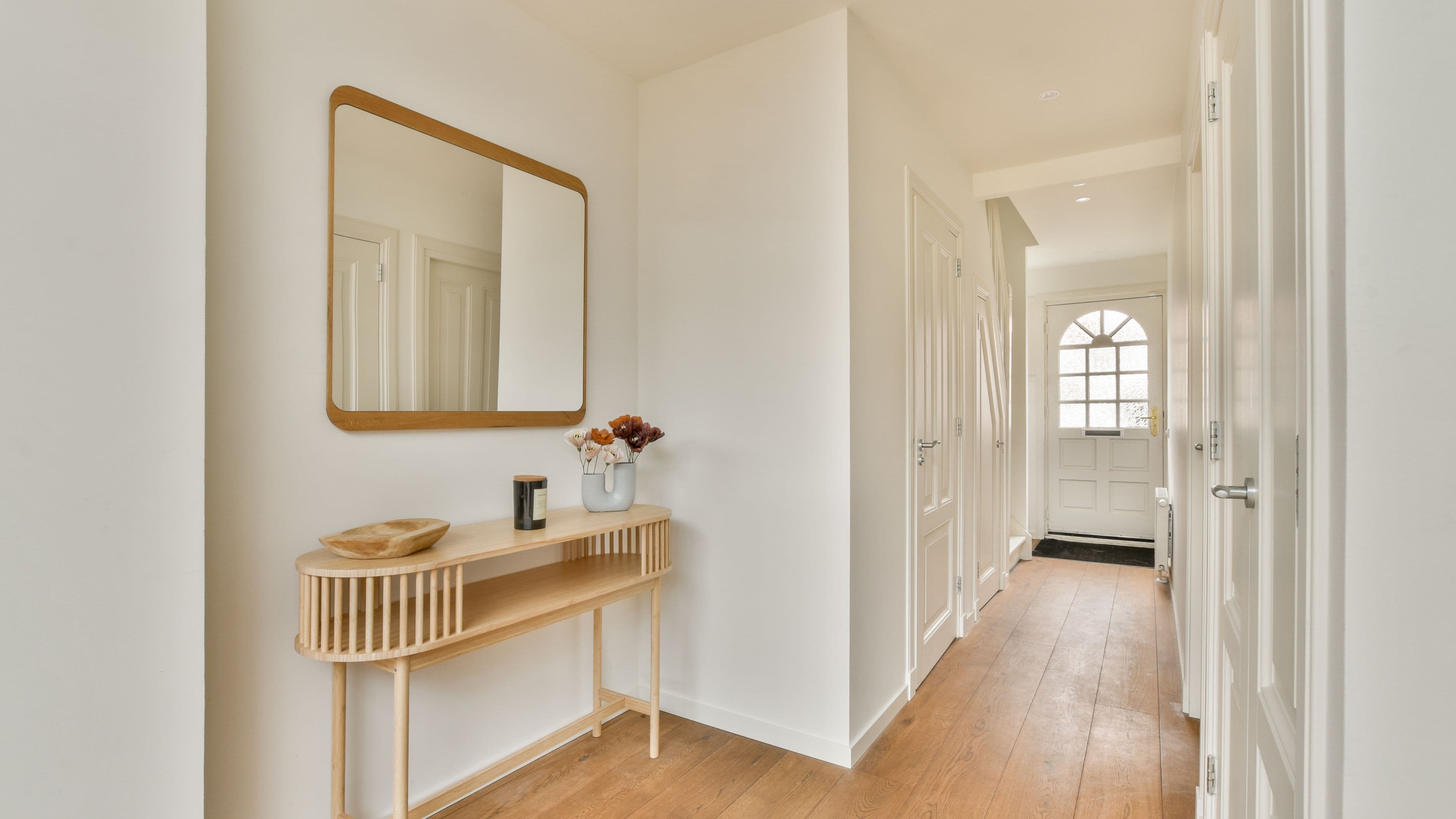
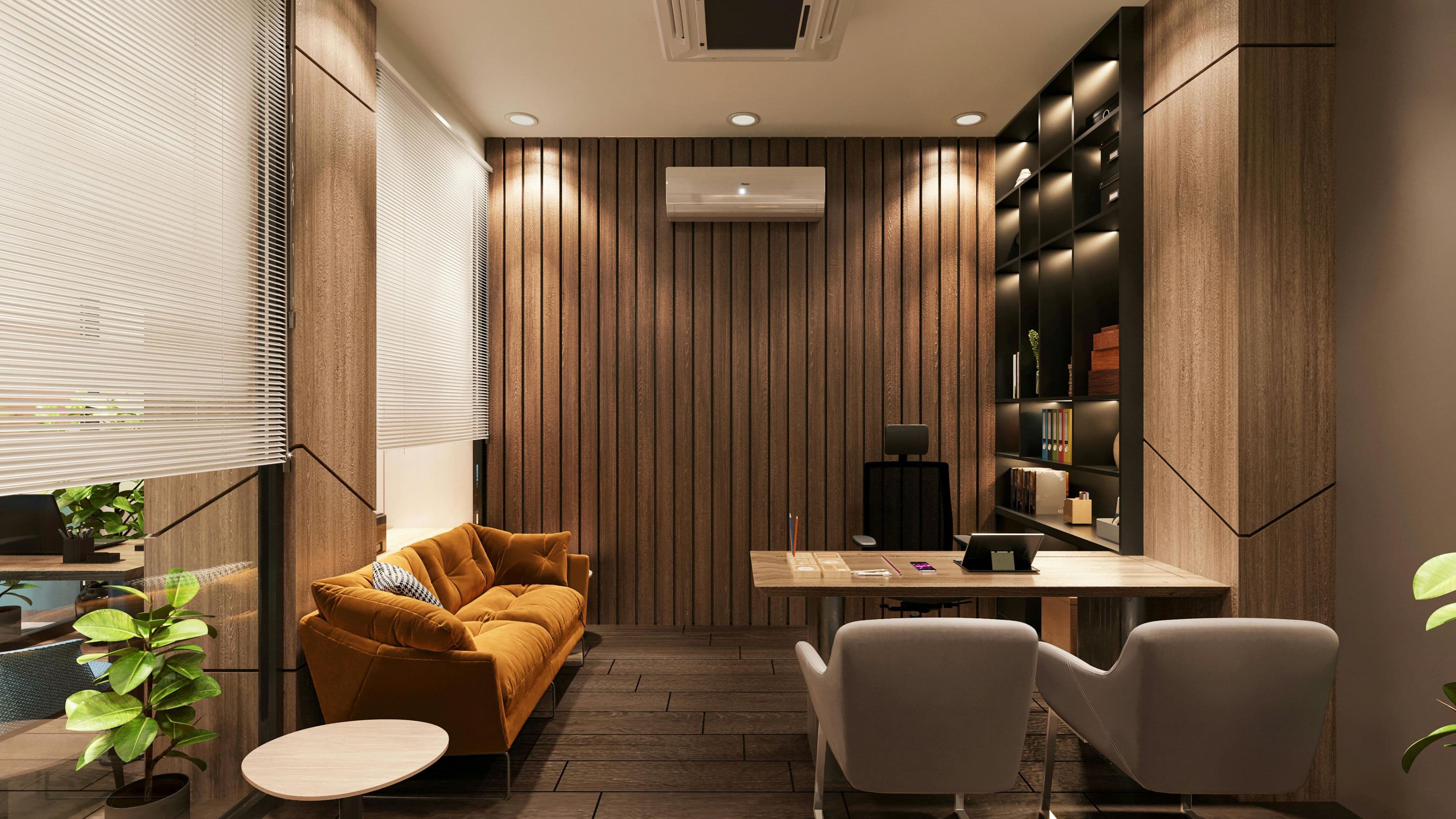
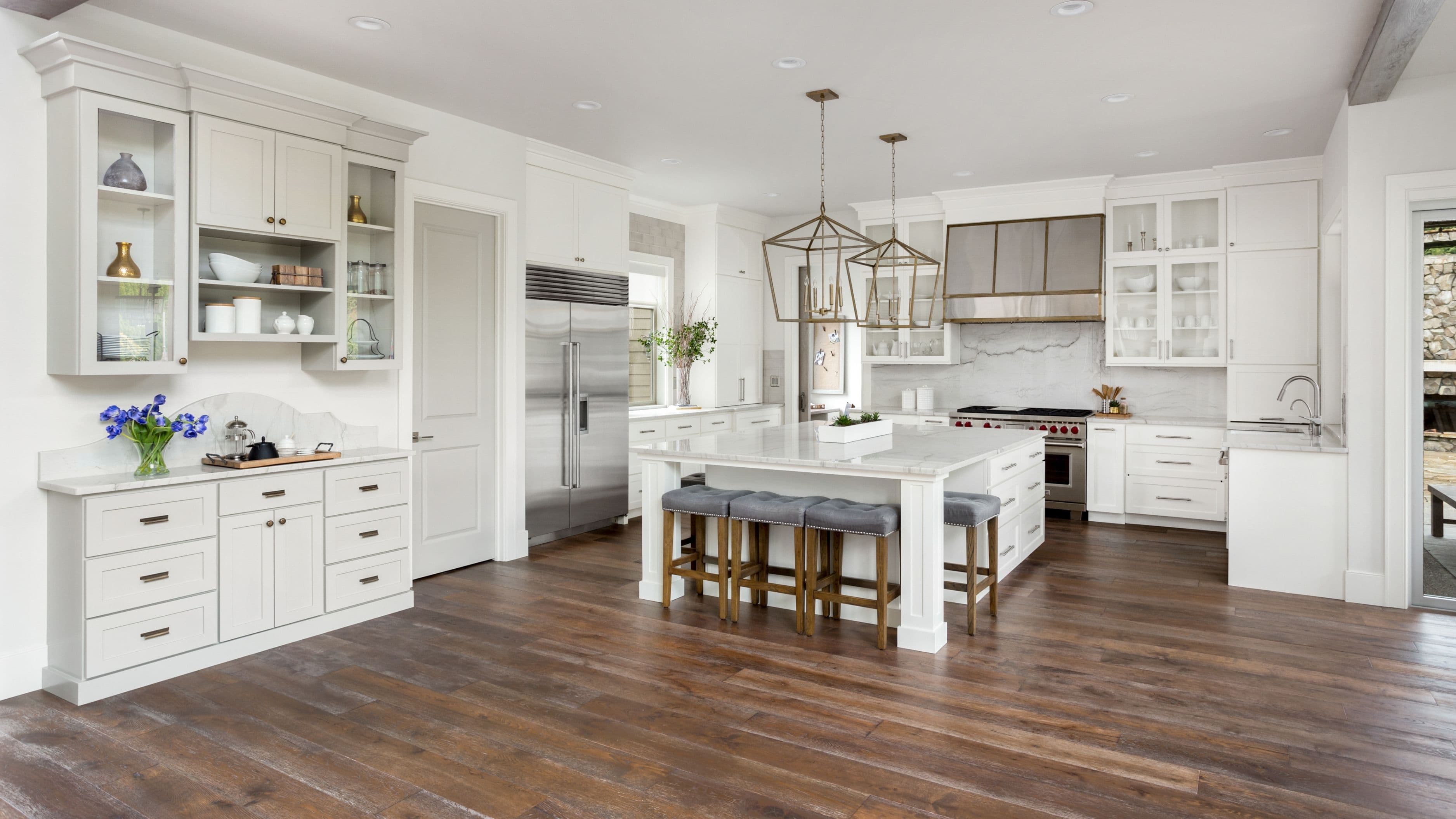
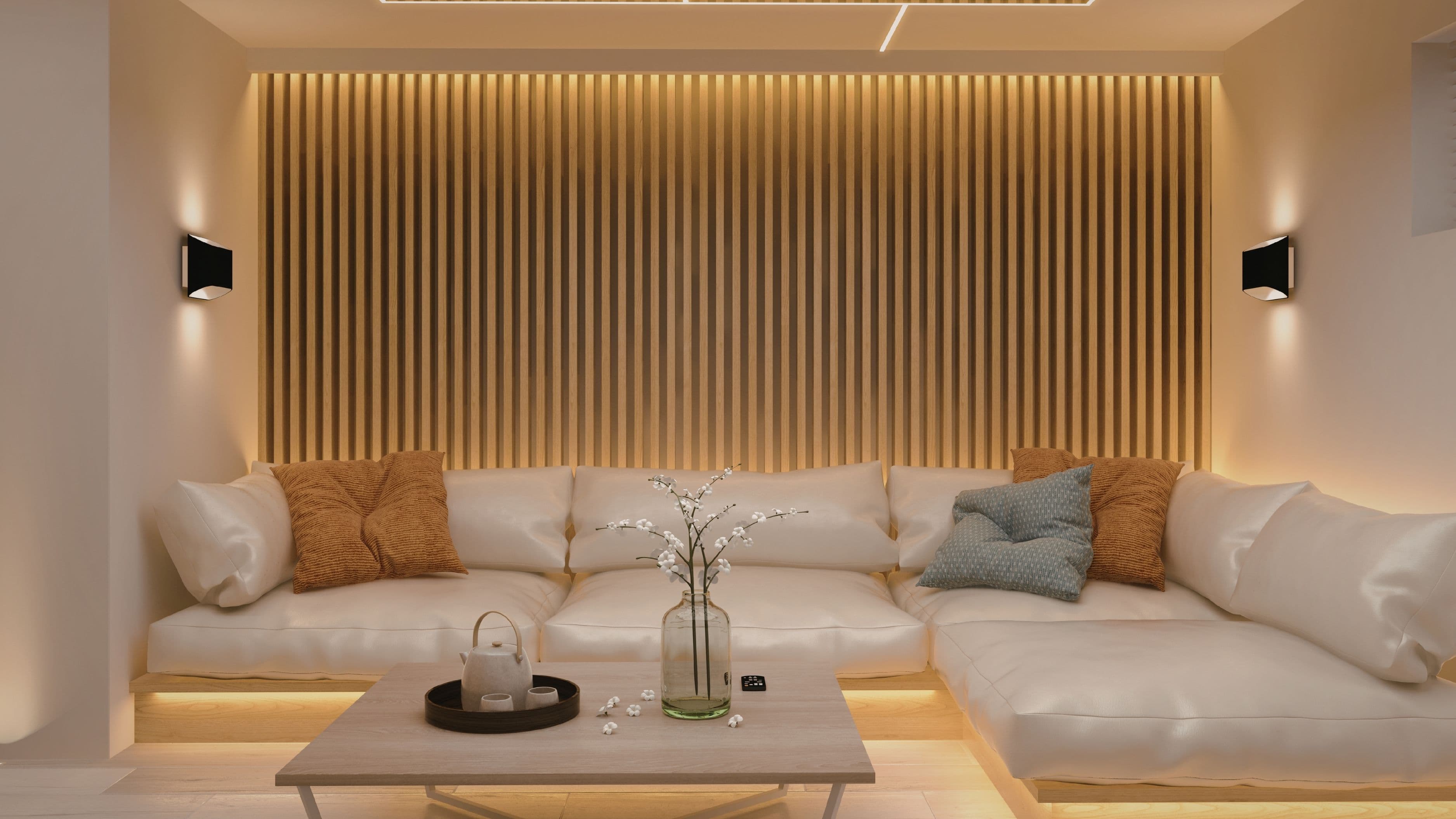
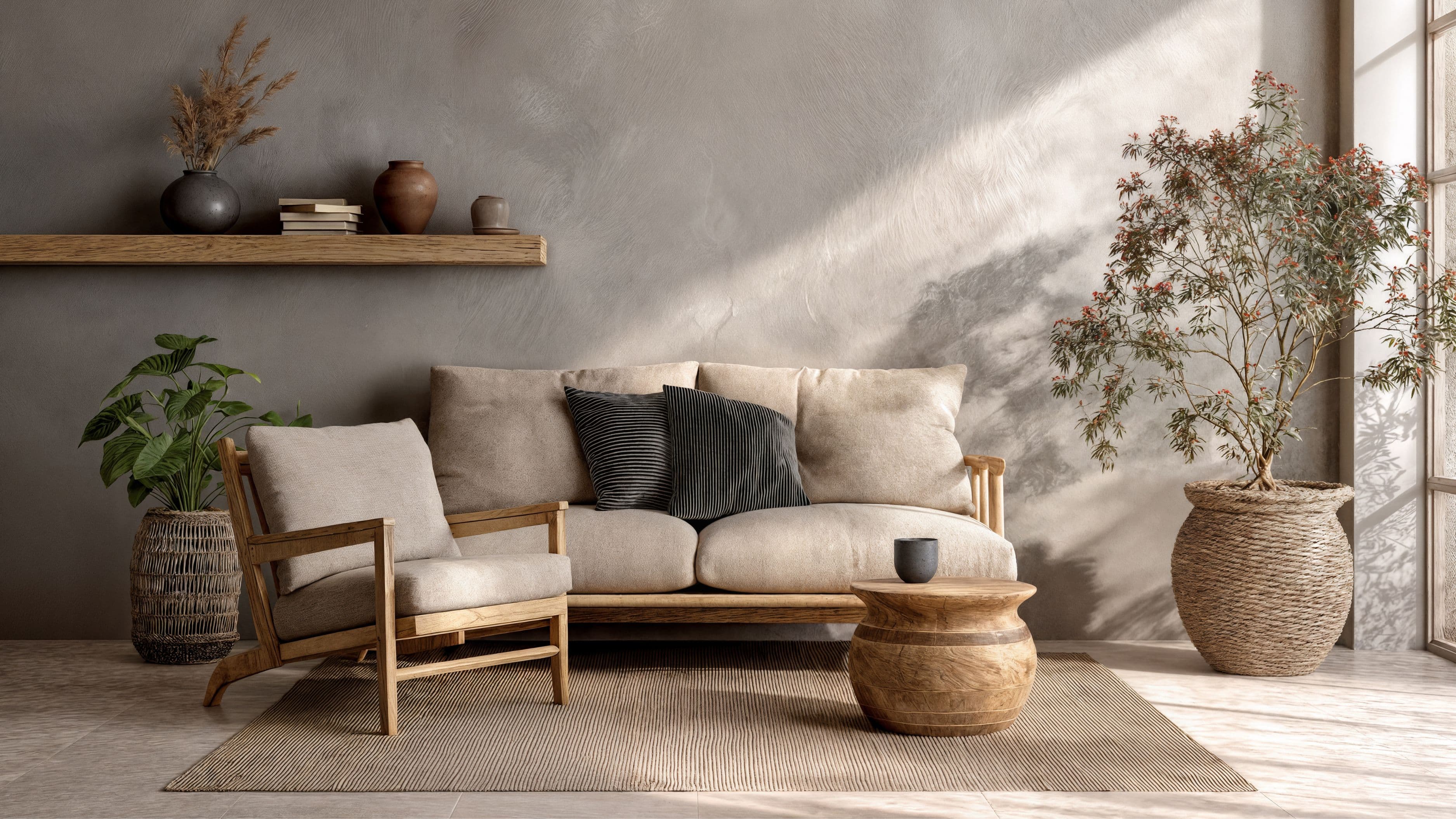
Minimalism, as a design approach, prioritizes negative space, a limited color palette, and a curated number of well-chosen pieces over quantity. It's not about having an empty, sterile room – it's about being deliberate, keeping only what serves a clear function or genuinely matters to you, and letting each piece have room to be noticed rather than competing with a dozen others.
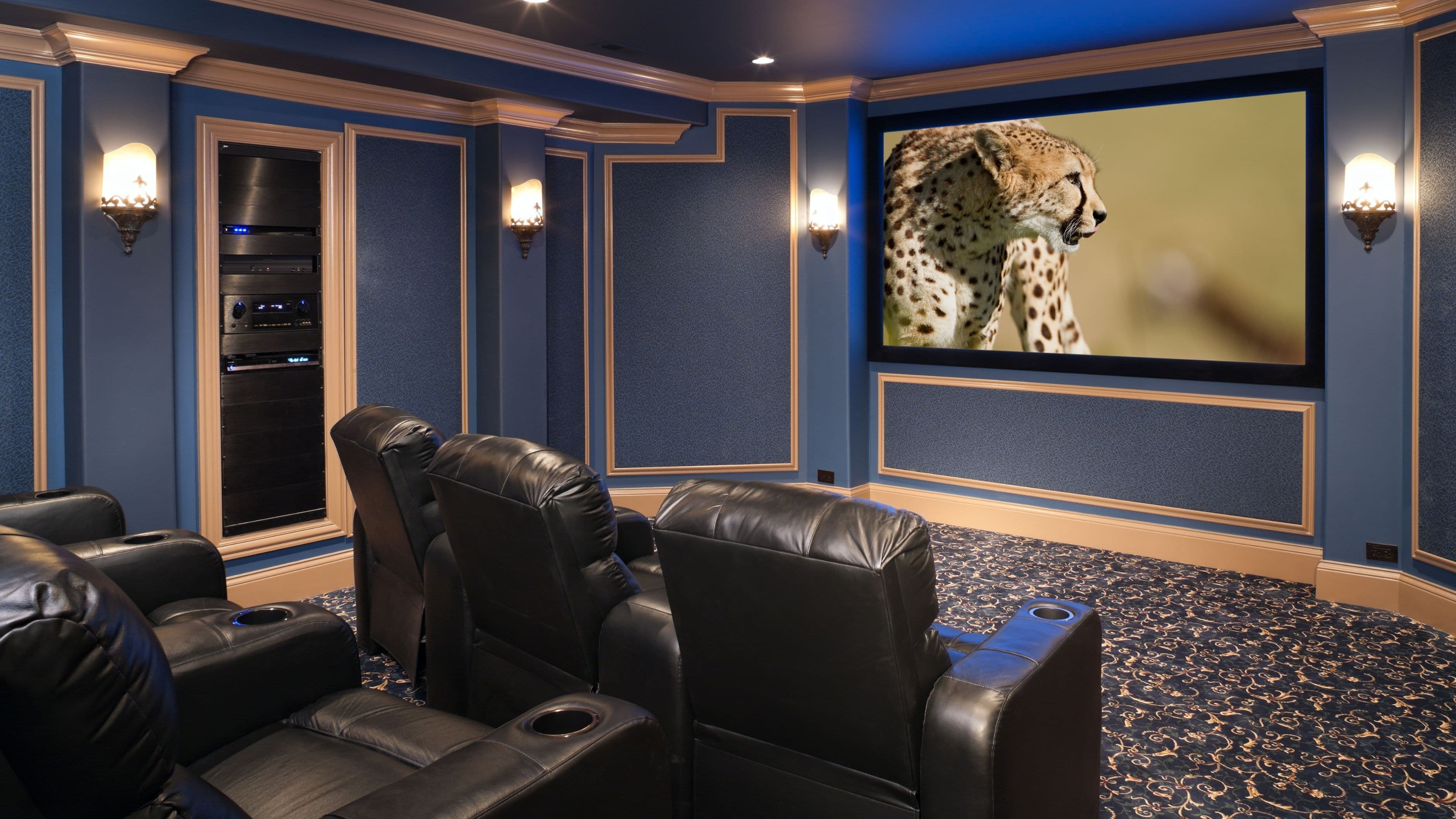
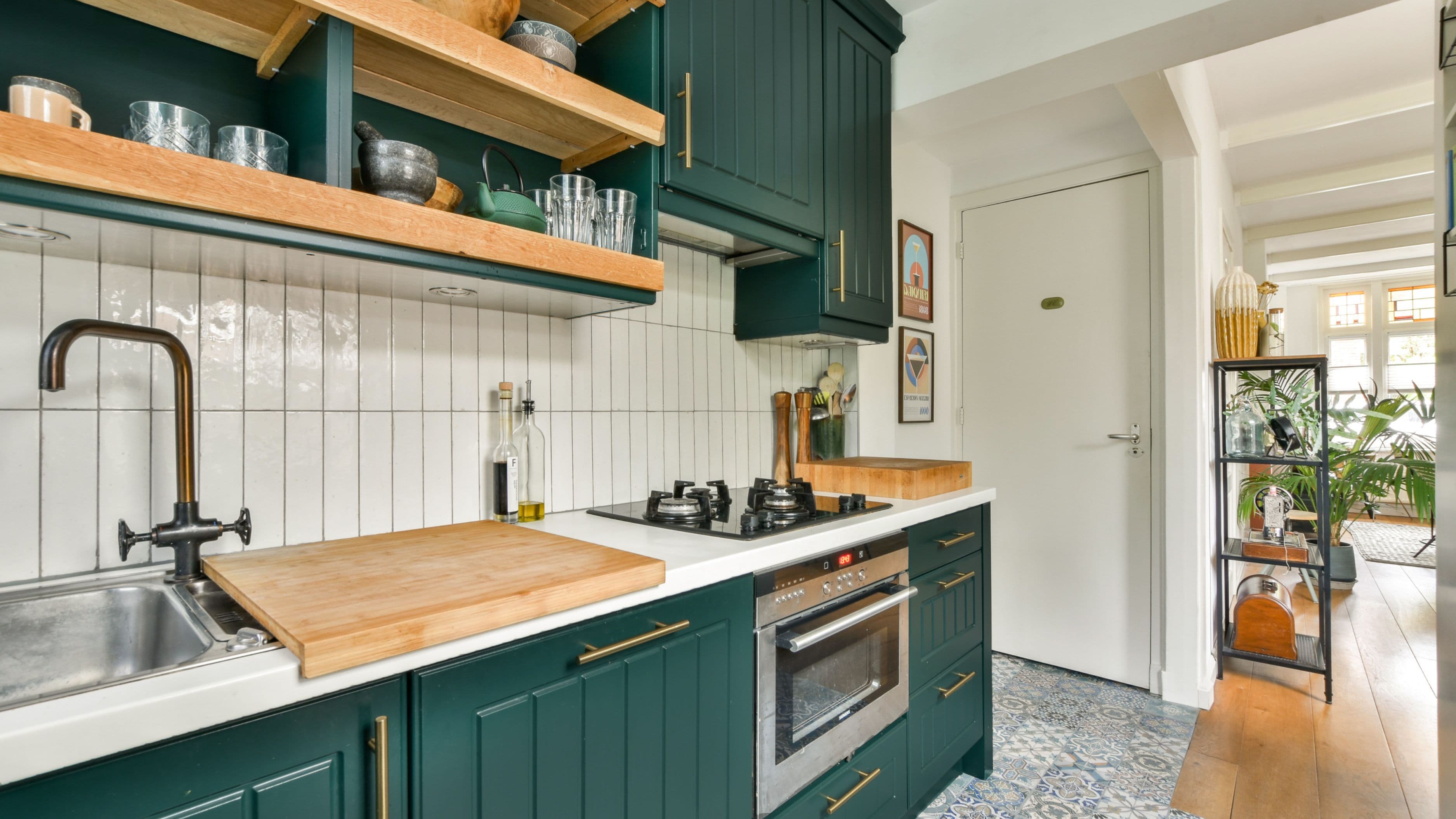
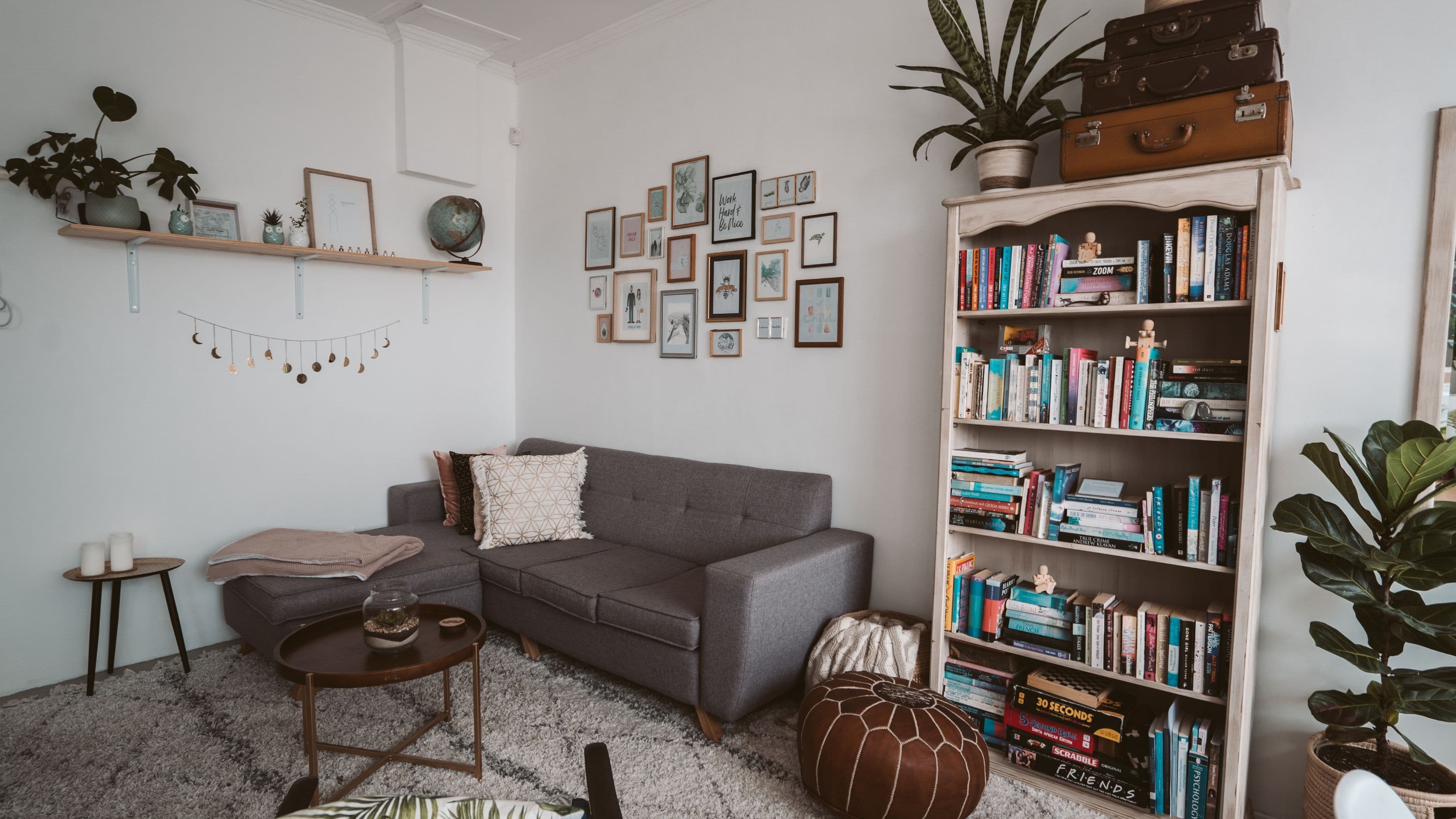
Maximalism goes the opposite direction, embracing layered patterns, bold color combinations, collected objects, and a "more is more" philosophy that treats a room as an evolving expression of personality rather than a restrained composition. Done well, maximalism isn't the same thing as clutter – it's intentional layering, where each element is chosen and placed with the same care a minimalist applies to their single statement piece, just at a much higher volume.
Lifestyle Fit: The Real Deciding Factor
This comparison isn't really about which look you find more beautiful in photos – it's about which approach matches your actual daily habits, because both styles come with real maintenance and lifestyle demands that go beyond the initial design choice.
Minimalism tends to fit well if: you already gravitate toward tidiness and find visual clutter mentally draining rather than energizing, you move or renovate somewhat often and don't want to be weighed down by a large volume of belongings, or you're managing a busy schedule and want a home that requires less daily tidying to look put-together. A minimalist space, once set up, is generally faster to clean and easier to keep looking intentional, since there's simply less to manage and put back in place.
Maximalism tends to fit well if: you enjoy collecting meaningful objects – art, books, travel finds, family pieces – and want your home to visibly reflect that over time, you find a lot of visual stimulation energizing rather than overwhelming, or you like design as an ongoing, evolving project rather than a "finished" state you're maintaining. Maximalist spaces do require more regular upkeep to avoid tipping from "curated" into "cluttered," since more objects mean more surfaces to dust, arrange, and periodically edit down.
Neither answer is right or wrong, and plenty of households land somewhere in between – a mostly minimalist base layer with a few maximalist moments in one room, for example, rather than committing fully to either extreme throughout the whole home.
Cost Considerations
Minimalism – Cost level: Low to Medium. Because minimalist design relies on fewer pieces, the philosophy can actually save money over time if approached correctly – you're buying less overall. That said, minimalist design often leans on quality over quantity, meaning the individual pieces you do choose (a well-made sofa, solid wood furniture, a few pieces of real art) tend to cost more per item than what you'd spend furnishing a maximalist room with a wider mix of budget and splurge pieces. The savings come from restraint, not from buying everything cheap.
Maximalism – Cost level: Medium to High. Maximalist rooms can be built gradually and inexpensively if you're sourcing from thrift stores, flea markets, and collected finds over time, which is how a lot of genuinely great maximalist spaces actually come together. But if you're trying to achieve a fully maximalist look quickly – wallpaper, patterned textiles, a large volume of decor and furniture all at once – the upfront cost adds up faster than a comparably sized minimalist room, simply due to sheer volume of items and materials like wallpaper or upholstery.
Maintenance and Long-Term Practicality
A minimalist home is generally quicker to clean day to day, since there are fewer surfaces cluttered with objects and less to move, dust, or reorganize. The tradeoff is that minimalist spaces show flaws and inconsistencies more visibly – a single scuff, stain, or messy pile stands out far more starkly in a room with little else competing for attention, so it demands a bit more consistency in upkeep to avoid looking neglected rather than intentional.
A maximalist home takes more regular time to maintain simply due to volume – more objects to dust, arrange, and periodically edit as your taste or collection evolves. The advantage is that small imperfections tend to blend into the visual richness rather than standing out, and there's more forgiveness for a slightly messy day, since the room's identity doesn't rely on pristine emptiness the way a minimalist space does.
Making It Work in a Renovation
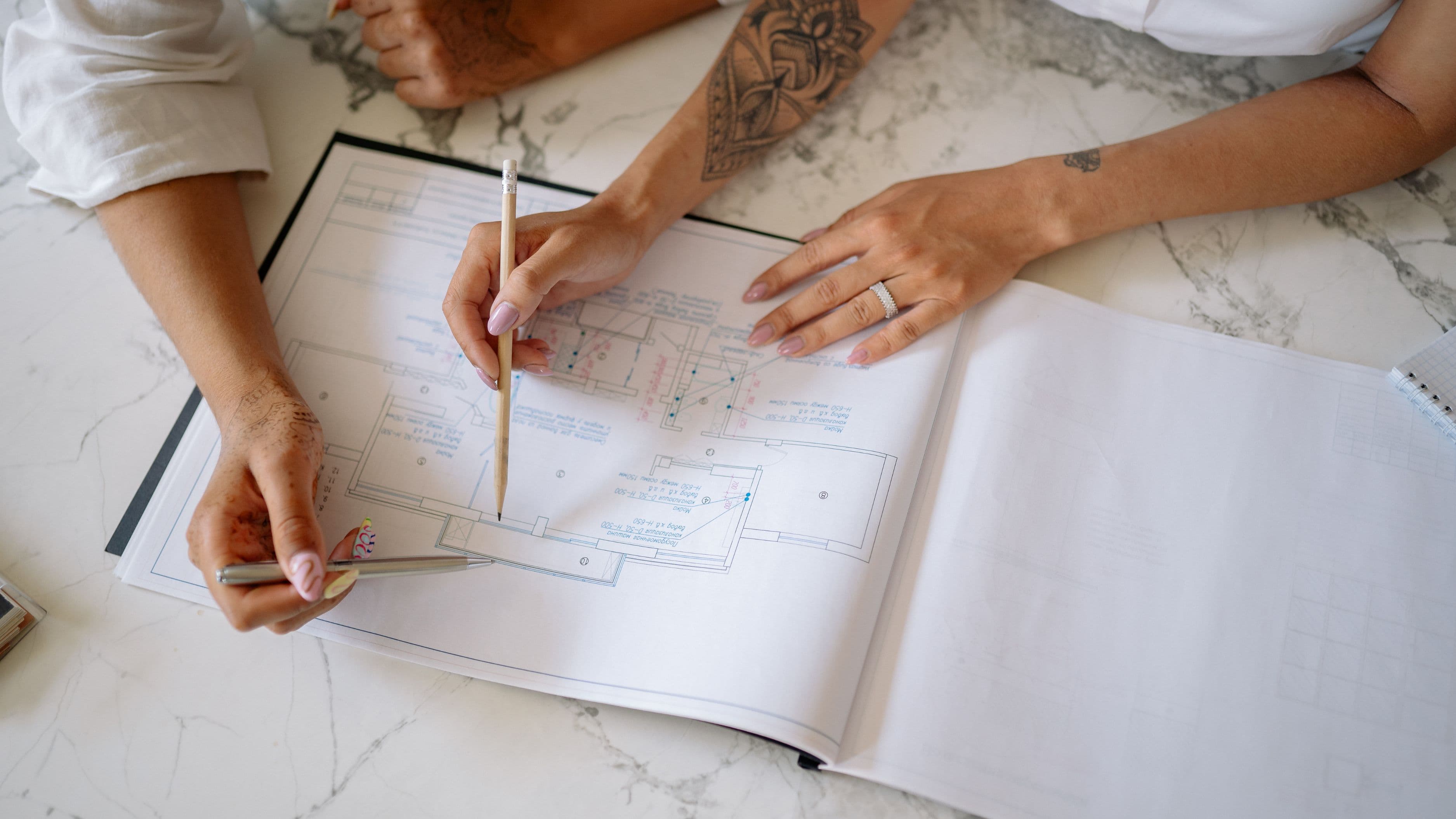
If you're renovating with minimalism in mind, prioritize built-in storage and closed cabinetry during the renovation phase itself – hidden storage is what allows a minimalist room to stay visually calm without actually forcing you to own fewer practical items than you need. Skimping on storage during a minimalist renovation often backfires, since everyday items end up visible on counters and surfaces regardless of how sparse your decor choices are.
If you're renovating with maximalism in mind, think about durable, higher-quality surfaces and finishes in high-traffic areas, since a maximalist room with heavy pattern and color can actually hide a lot – but underlying material quality still matters for how well the space holds up over years of layered use. It's also worth planning lighting carefully during a maximalist renovation, since layered decor and pattern can visually compete for attention, and good, flexible lighting helps guide the eye rather than letting every element fight for focus at once.
What to Avoid
The most common minimalist mistake is confusing "empty" with "minimal" – a room that's simply under-furnished, without enough seating or storage to actually function well, isn't minimalist design, it's just an unfinished room. True minimalism still needs to fully support how you live; it's edited, not incomplete.
The most common maximalist mistake is adding volume without any unifying thread – color, theme, or material connecting the pieces – which is what separates intentional layering from actual clutter. A maximalist room that feels overwhelming rather than energizing is usually missing that connective thread, not suffering from having "too much" in some absolute sense.
FAQ
Can I mix minimalist and maximalist styles in the same home? Yes, and many well-designed homes do exactly this – a calm, minimalist living room paired with a bolder, more layered dining or bedroom space, for example. The key is intentional contrast between rooms rather than an inconsistent mix within the same room.
Which style is easier for a beginner to pull off in a renovation? Minimalism is generally more forgiving for a first attempt, since the restrained color palette and fewer decisions involved leave less room for visual missteps. Maximalism can look stunning but typically benefits from either strong natural instinct for color and pattern or more deliberate planning to avoid it reading as cluttered.
Does one style add more resale value than the other? Neutral, flexible spaces – which tend to lean closer to minimalist in practice – are generally considered safer for resale, since they allow a wider range of buyers to imagine their own style in the space. A heavily maximalist, highly personalized room can be a selling point to the right buyer but is a narrower appeal overall.
📚 Sources
"The Psychology of Clutter and Its Effect on Wellbeing" – American Psychological Association, apa.org
"Home Staging Statistics and Buyer Preferences" – National Association of Realtors, nar.realtor