
The Core Difference at a Glance
Asphalt shingles are the default roofing material in North America for one primary reason: they're cheap upfront. They're widely available, quick to install, and familiar to virtually every roofing contractor. Metal roofing costs more to install but lasts significantly longer, requires less maintenance, and delivers advantages in energy efficiency and weather resistance that compound over time.
The comparison isn't simply "expensive but good" versus "cheap but adequate." It's a fundamentally different time horizon decision, and the right answer depends on how long you plan to stay in the home, your climate, your financing situation, and what you're willing to manage over the years.
Upfront Cost Comparison
Asphalt shingles are the more affordable option at installation. For a standard architectural (dimensional) asphalt shingle roof, expect to pay in the range of $3.50 to $6.50 per square foot installed, depending on your location, roof complexity, and contractor. On a 2,000 square foot roof, that puts the total installed cost between roughly $7,000 and $13,000.
Three-tab shingles sit at the lower end of that range but have largely fallen out of favor due to their shorter lifespan and lower wind resistance. Architectural shingles are the current standard. Premium designer shingles – impact-resistant, Class 4 rated – can push costs toward the top of the range and sometimes beyond.
Metal roofing costs substantially more upfront. Standing seam metal roofing – the premium option with concealed fasteners and the longest lifespan – typically runs $10 to $17 per square foot installed, putting a 2,000 square foot roof at $20,000 to $34,000 or more depending on the metal type (steel, aluminum, copper) and roof complexity. Metal shingle systems, which mimic the look of asphalt or tile but with metal's durability, fall in the middle of that range at roughly $7 to $12 per square foot installed.
The initial cost gap is real and significant. For a straightforward budget comparison, asphalt wins the upfront round by a wide margin.
Lifespan: Where the Math Starts to Shift
This is where the comparison gets interesting. The lifespan difference between asphalt and metal roofing is not marginal – it's categorical.
A standard architectural asphalt shingle roof, well-installed and properly maintained, lasts 20 to 30 years in temperate climates. In harsher environments – extreme heat, frequent freeze-thaw cycles, high wind or hail exposure – that range compresses toward the lower end. Many homeowners in demanding climates are re-roofing every 15 to 20 years.
Metal roofing, by contrast, carries manufacturer warranties of 40 to 70 years, and standing seam systems in good condition routinely last 50 years or longer. There are metal roofs in operation that are approaching a century with no replacement.
Run the numbers over a 50-year horizon and the comparison changes dramatically. Two asphalt roofs (at today's prices, adjusting for inflation and the cost of removal and replacement labor) typically exceed the cost of one metal roof installed today. That calculation depends on future material and labor costs, which trend upward, which further favors the one-time higher metal investment.
If you plan to stay in the home for 30 years or more, the long-term math generally favors metal. If you plan to sell in the next 10 to 15 years, the case for the premium installation is weaker.
Maintenance Requirements
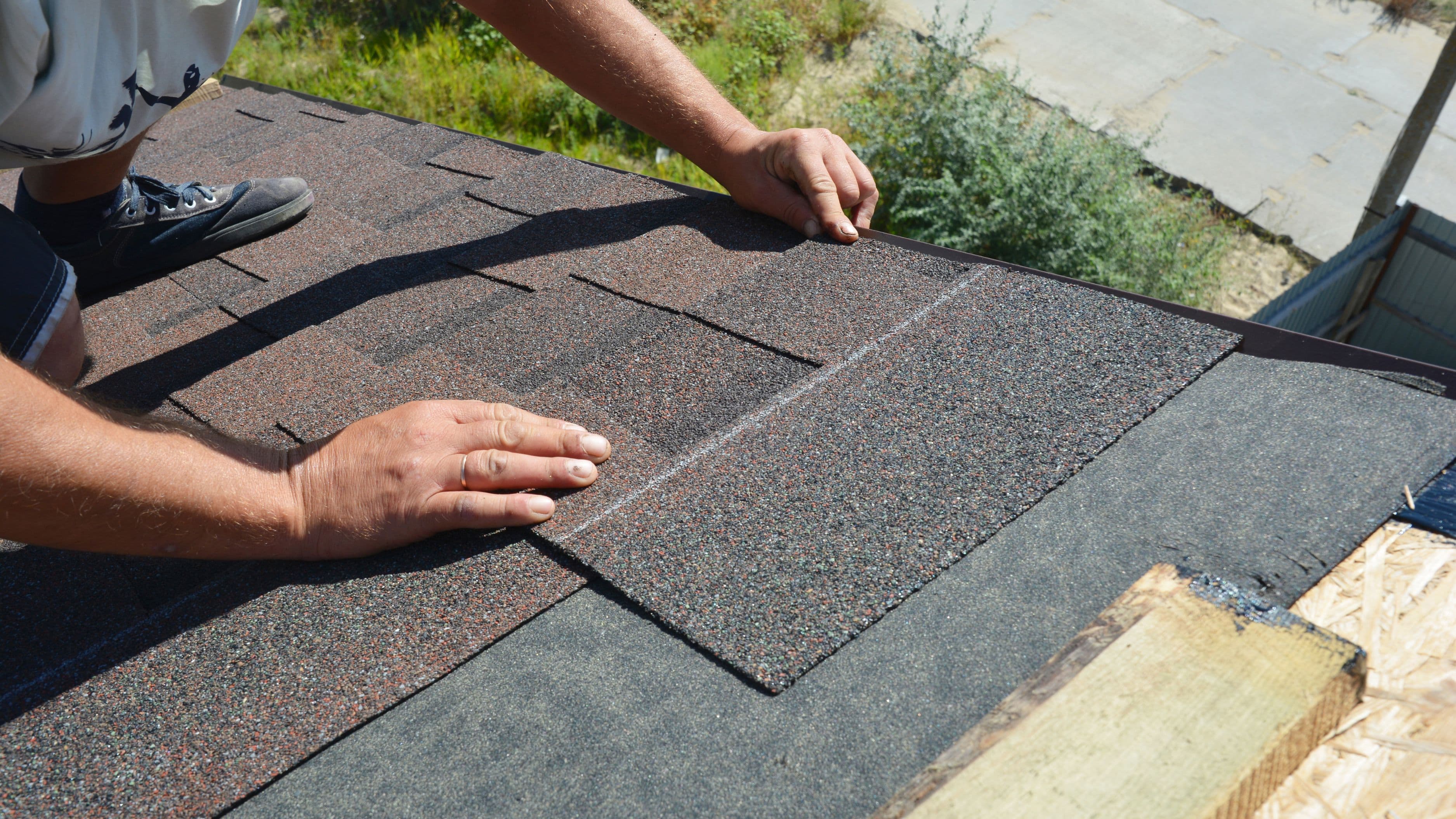
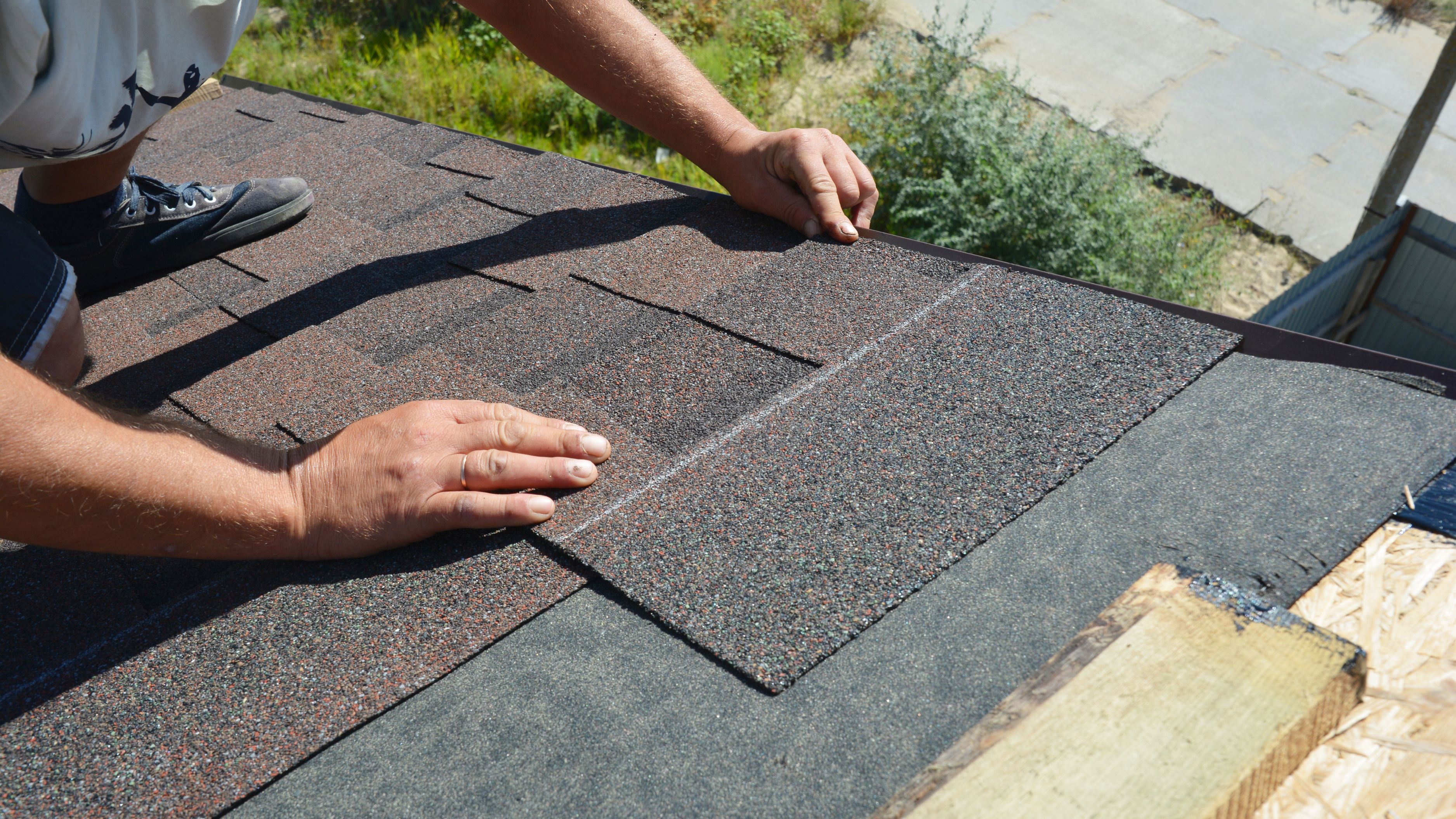
Asphalt shingles require more active attention over their lifespan than metal roofing does. Shingles can lose granules over time (particularly on south-facing slopes with intense sun exposure), become brittle, crack, or blow off in high wind. Individual shingles can be replaced, but an aging asphalt roof that's approaching the end of its lifespan typically requires a full replacement rather than ongoing patchwork repairs. Moss and algae growth on asphalt shingles – common in humid climates – requires treatment and can accelerate deterioration if left unaddressed.
Metal roofing requires minimal maintenance in comparison. Exposed fastener metal panels should have fasteners checked and resealed periodically, but standing seam systems with concealed fasteners have virtually no fastener maintenance requirement. Metal roofs don't support moss or algae growth in the same way asphalt does, and they're significantly more resistant to storm damage, with most products wind-rated to 130 mph or higher.
For homeowners who want a roof they genuinely don't have to think about, metal is the lower-maintenance option over its full lifespan.
Energy Efficiency
Metal roofing reflects solar radiation rather than absorbing it, which can meaningfully reduce cooling loads in warm and hot climates. Cool-metal roofing products with Energy Star certification can reduce roof surface temperatures significantly compared to dark asphalt shingles, with some studies showing cooling energy savings of 10 to 25% depending on climate, roof color, and attic conditions.
Asphalt shingles absorb heat and transfer it into the attic space, which increases the cooling load on the home's HVAC system. Impact-resistant architectural shingles in lighter colors perform better than dark shingles in hot climates, but they don't match the reflectivity of metal.
In cold climates, the energy efficiency advantage of metal is less pronounced. What matters more in cold climates is proper attic insulation and air sealing, which applies equally to both roofing types.
For homeowners in hot or mixed climates, the energy savings from metal roofing provide a real ongoing return that helps offset the higher upfront cost – estimated at $100 to $500 per year depending on home size, climate, and current energy costs.
Weather and Impact Resistance
Metal roofing outperforms asphalt across most severe weather categories. Class 4 impact-rated metal products are among the most hail-resistant roofing materials available, and many insurers offer premium discounts of 20% to 30% for Class 4 impact-rated roofing in hail-prone regions. Standing seam metal handles heavy snow loads effectively, and its slick surface sheds snow more readily than asphalt, reducing ice dam risk.
Asphalt shingles, even premium architectural products, are more vulnerable to hail, wind-driven rain, and ice dam damage. Class 4 impact-resistant asphalt shingles exist and earn similar insurance discounts in hail-prone areas, but they have shorter lifespans than metal alternatives in comparable conditions.
If you're in a climate with significant hail, hurricane, or snow load exposure, the durability advantage of metal roofing is not theoretical – it directly reduces the likelihood of damage claims and mid-lifespan repairs.
Home Resale Value
Metal roofing typically adds more to resale value than asphalt, though the return varies by market and buyer expectations. A 2024 Remodeling magazine Cost vs. Value report estimated that metal roofing recouped approximately 48 to 61% of its cost at resale, compared to roughly 56 to 68% for architectural asphalt shingles – narrower numbers, but metal's higher base cost means the absolute dollar value added can be comparable or higher.
In markets where buyers are sophisticated about long-term maintenance costs and energy efficiency, a metal roof is a genuine selling point. In markets where buyers are primarily focused on short-term purchase price, the premium is harder to recover at sale. Your local real estate market's norms matter more here than national averages.
Trade-offs and Limitations
Metal roofing is noisier in heavy rain, though this is largely addressed with proper solid sheathing and insulation beneath the panels. Expansion and contraction with temperature change is a real consideration for exposed fastener systems and needs to be accounted for in installation. Repair of a damaged metal panel is more complex than replacing asphalt shingles, though it's rarely needed. Denting from very large hail is possible, though most Class 4 products resist standard hail well.
Asphalt shingles have a significantly shorter lifespan, require more maintenance attention, and perform less well in extreme weather. The cumulative cost of two or three replacements over the life of a metal roof, plus disposal of old shingles (a significant landfill contributor), is a real environmental and financial consideration.
The Bottom Line: Which Is More Cost-Effective?
For long-term cost-effectiveness, metal roofing wins – with an important condition. That advantage only materializes if you're in the home long enough to benefit from the extended lifespan, and only if the higher upfront cost doesn't create financial strain that outweighs the future savings.
The practical decision framework:
If you're staying in the home 30+ years and have the capital or financing to absorb the higher upfront cost, metal roofing delivers better long-term value in most climates. The savings come from fewer replacements, lower maintenance costs, potential insurance premium reductions, and energy savings over time.
If you're planning to sell within 10 to 15 years, or if cash flow makes the higher upfront investment impractical, quality architectural asphalt shingles are a sensible and cost-appropriate choice. Upgraded to a Class 4 impact-resistant product in hail-prone areas, they offer a solid balance of performance and cost.
If you're in a climate with severe weather exposure – hail, high wind, heavy snow – the durability advantage of metal shifts the calculation further toward metal even at shorter time horizons.
What to Avoid
Don't install the cheapest asphalt shingles available as a short-term fix if you're staying in the home for more than 15 years. The cost difference between basic and architectural shingles is modest, but the lifespan difference is meaningful.
Don't assume all metal roofing is equal. Exposed fastener corrugated metal panels are inexpensive but require more maintenance than standing seam. The "metal roofing" category spans a wide range of products and installation quality – get multiple quotes and ask specifically about the warranty and fastener system.
Don't ignore your attic insulation and ventilation when replacing a roof of either type. A new roof on a poorly ventilated attic will underperform regardless of what it's made of, and attic work is far more cost-effective to address at the same time as a roofing project than as a separate job later.
FAQ
Can metal roofing be installed over existing asphalt shingles? In many cases, yes – adding metal over existing shingles avoids tear-off costs and adds a layer of additional insulation. However, this approach requires verifying the structural capacity of the roof deck to handle the additional load, and local building codes vary on whether overlays are permitted. Consult a structural engineer or experienced roofing contractor before going this route.
Does metal roofing increase lightning risk? No – this is a persistent myth. Metal roofing does not attract lightning any more than any other roofing material. Metal is non-combustible, so if lightning does strike, the roof doesn't catch fire, which is actually an advantage over asphalt shingles.
What metal types are available and how do they compare? Steel (Galvalume-coated) is the most common and cost-effective option, performing well in most climates. Aluminum is preferred in coastal areas because it doesn't rust. Copper and zinc are premium options with exceptional longevity but much higher cost – typically reserved for architectural applications or heritage homes.
How does metal roofing affect home insurance premiums? Most insurers recognize metal roofing's durability and weather resistance by offering lower premiums, particularly in hail or wind-prone regions. Class 4 impact-rated metal products can qualify for discounts of 20–30% in some markets. Check with your insurer before installation to confirm what credits apply.
Is metal roofing suitable for low-slope roofs? Standing seam metal is suitable for low-slope applications down to approximately 1:12 pitch with proper installation details. Asphalt shingles are generally not suitable for slopes below 2:12 and require special installation measures between 2:12 and 4:12. For very low-slope roofs, consult a roofing professional to confirm the appropriate system.
📚 Sources
National Roofing Contractors Association – Roofing Materials Guide: https://www.nrca.net/roofing-knowledge-base
Metal Roofing Alliance – Benefits of Metal Roofing: https://www.metalroofing.com/why-metal/benefits
U.S. Department of Energy – Energy Star Roofing Products: https://www.energystar.gov/products/building_products/roof_products
Insurance Institute for Business & Home Safety – Impact-Resistant Roofing: https://ibhs.org/fortified/impact-resistant-roofing/
Remodeling Magazine – Cost vs. Value Report 2024: https://www.remodeling.hw.net/cost-vs-value/2024/
EPA – Roofing and the Environment: https://www.epa.gov/heat-islands/using-cool-roofs-reduce-heat-islands
This Old House – Metal Roofing vs. Asphalt Shingles: https://www.thisoldhouse.com/roofing/21018234/metal-roof-vs-asphalt-shingles
Oak Ridge National Laboratory – Residential Metal Roofing Field Study: https://web.ornl.gov/sci/buildings/docs/Petrie-2001-Roofing.pdf
Family Handyman – How Long Does a Roof Last: https://www.familyhandyman.com/article/how-long-does-a-roof-last/
GAF – Architectural vs. Three-Tab Shingles: https://www.gaf.com/en-us/roofing-products/residential-roofing/shingles/timberline