This isn't a question with a universal answer. The right choice depends on how long you plan to stay, what the space actually needs to do, and what your budget realistically allows. Here's an honest comparison of both options so you can make the call with full information.
What Each Option Actually Is
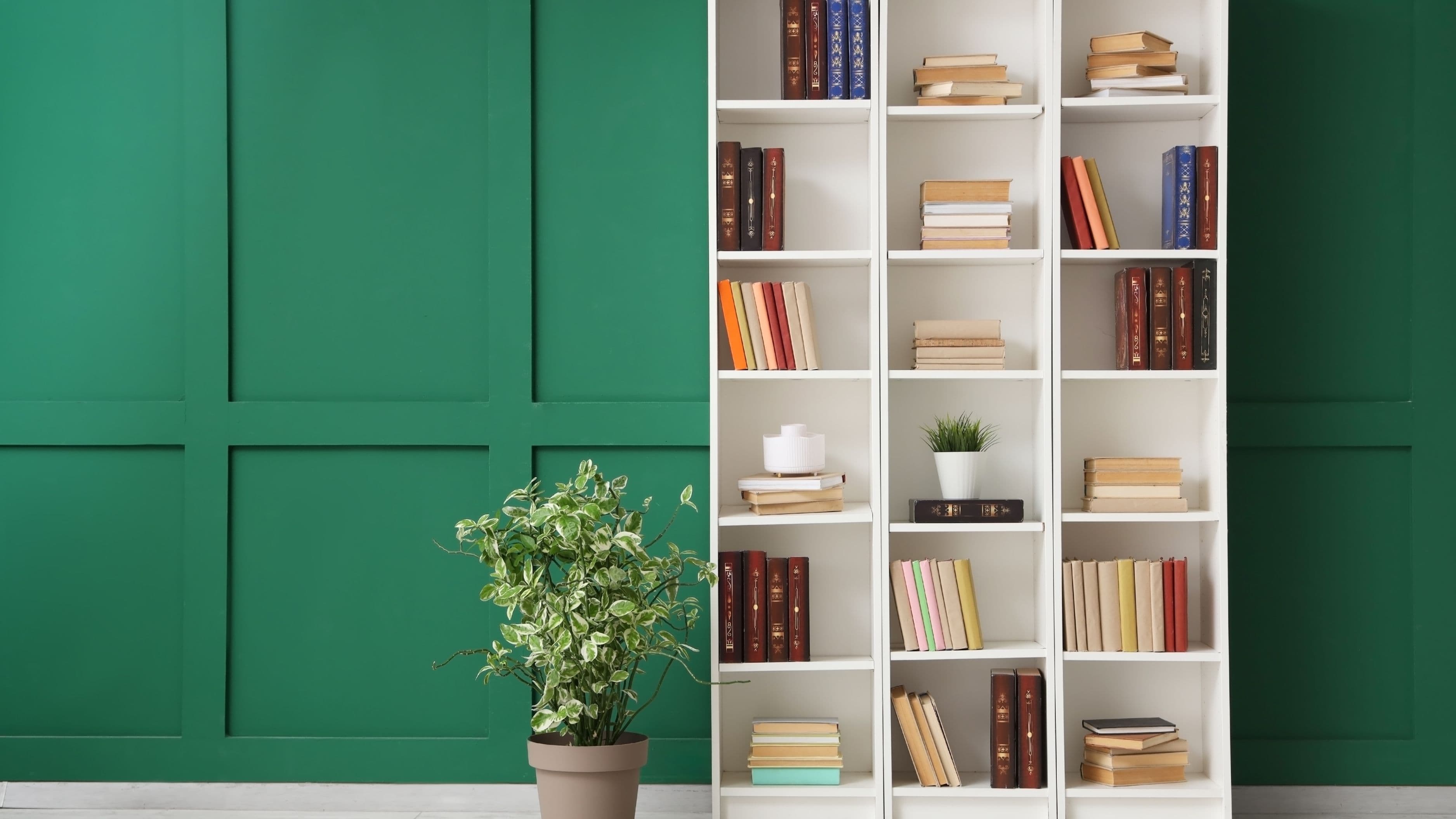
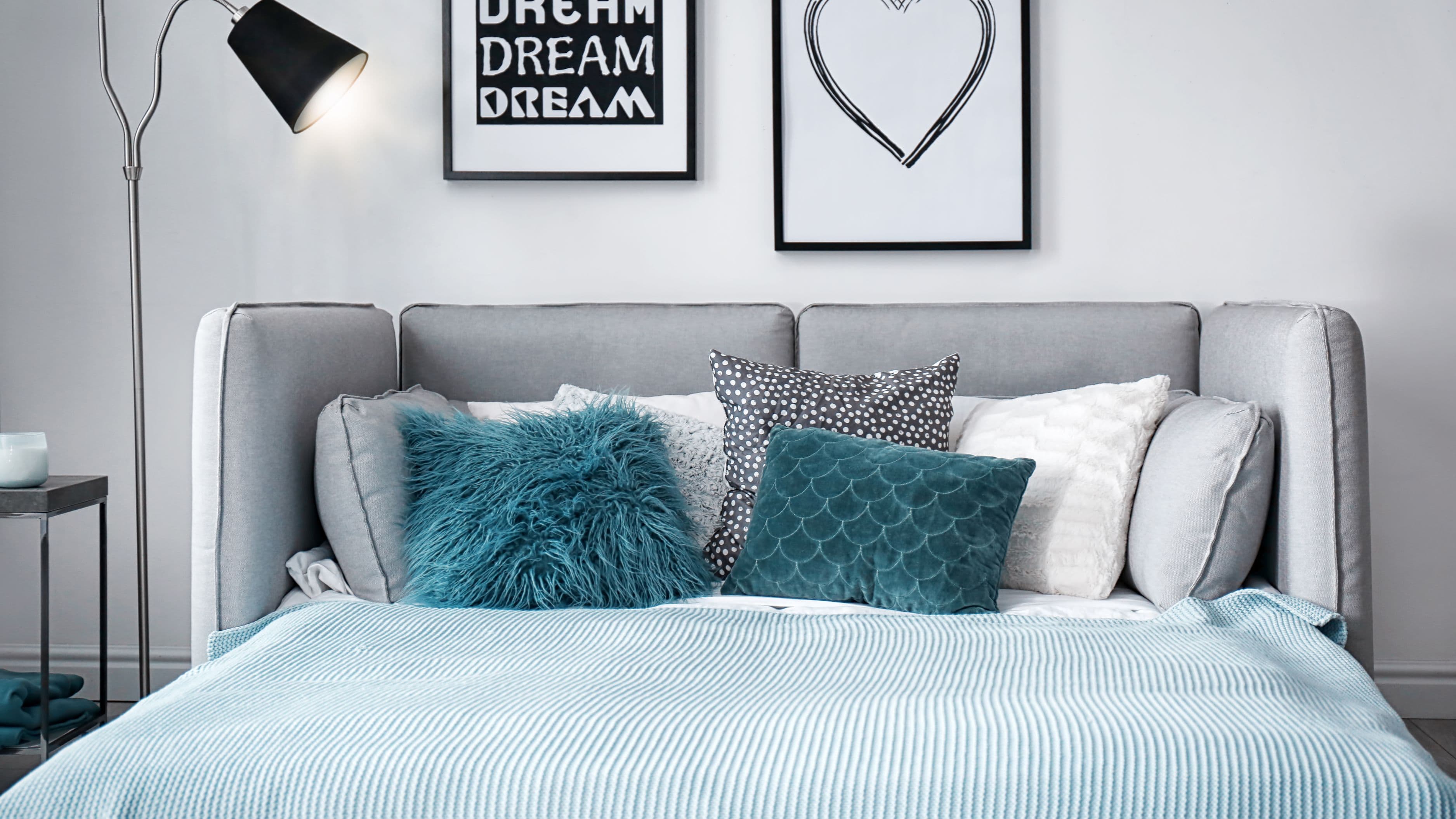
Modular furniture refers to freestanding, reconfigurable pieces designed to work in combination – shelving systems, modular sofas, stackable storage units, and similar products. IKEA's PAX wardrobes, KALLAX shelving, and comparable systems from brands like String, VITSŒ, and USM Haller are classic examples. The defining characteristic is flexibility: units can be rearranged, added to, removed, or taken with you when you move.
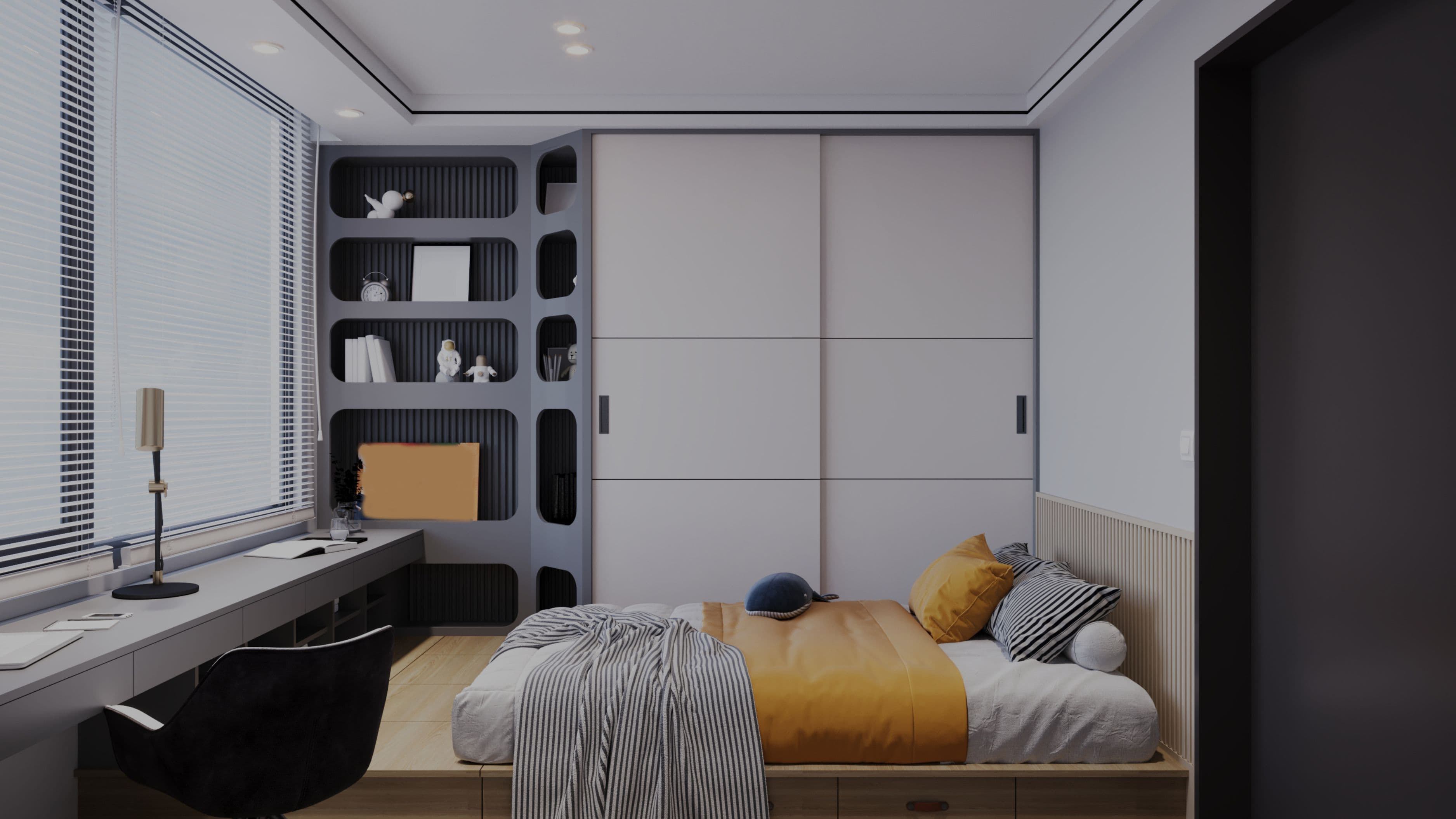
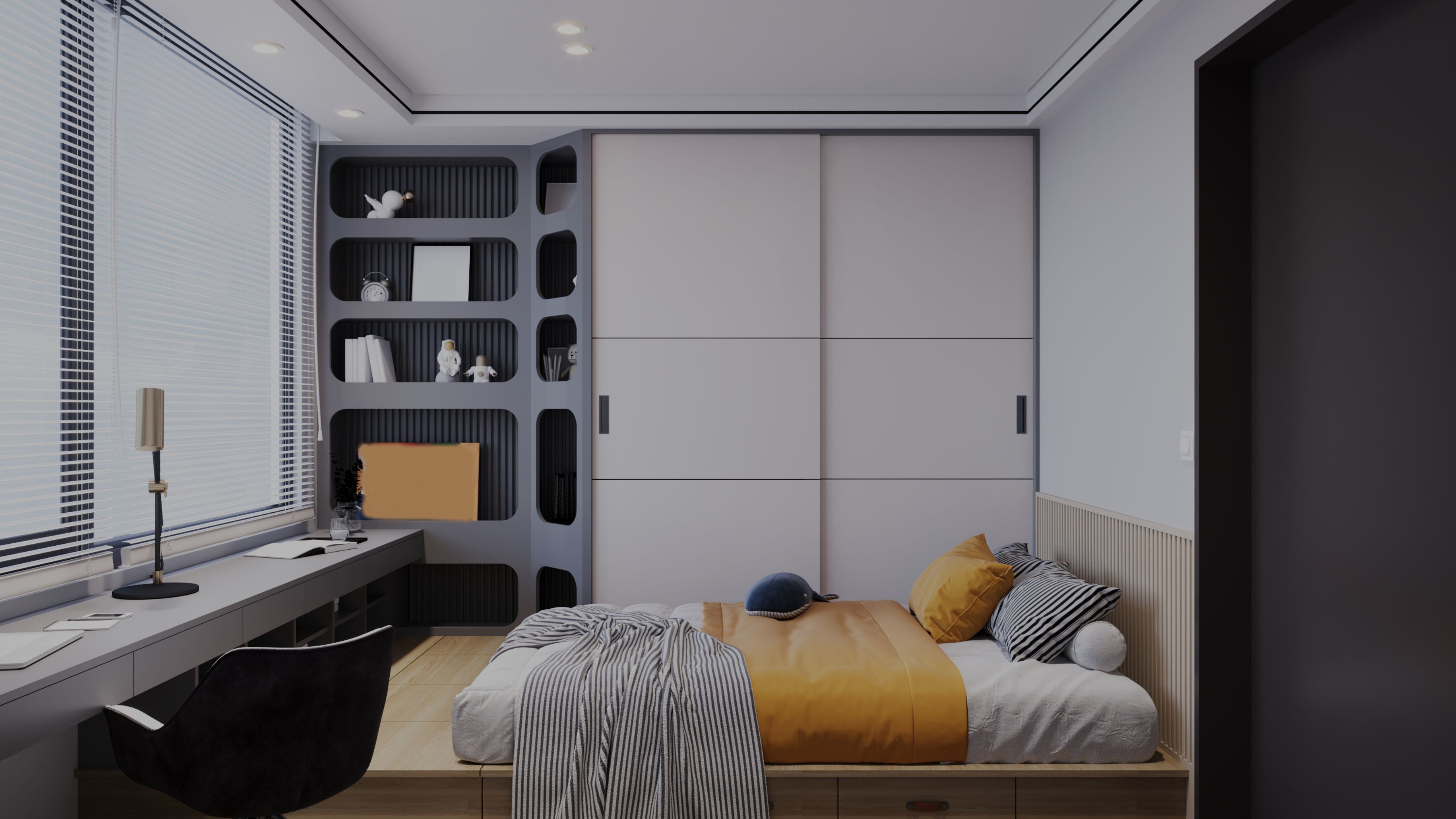
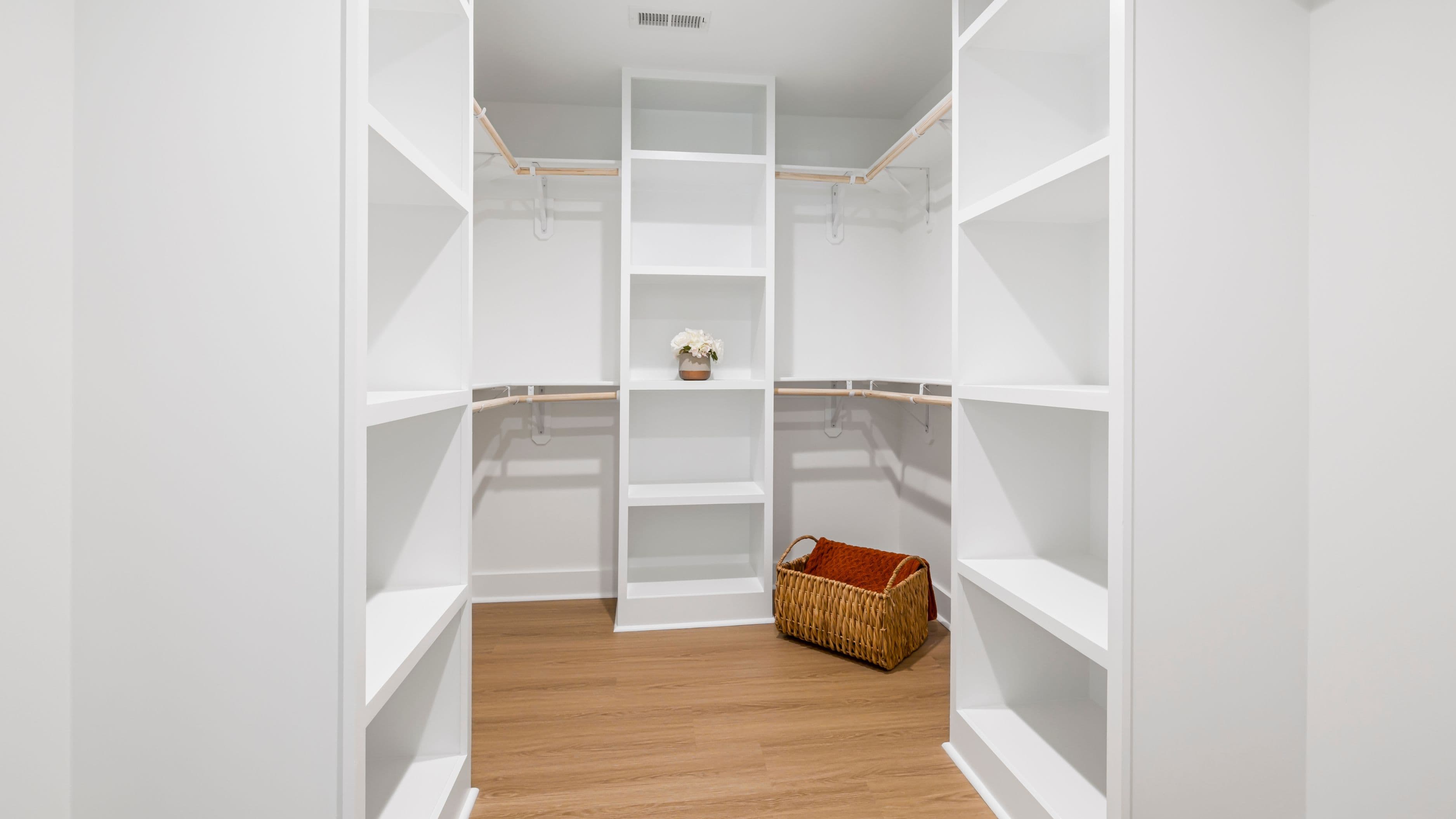
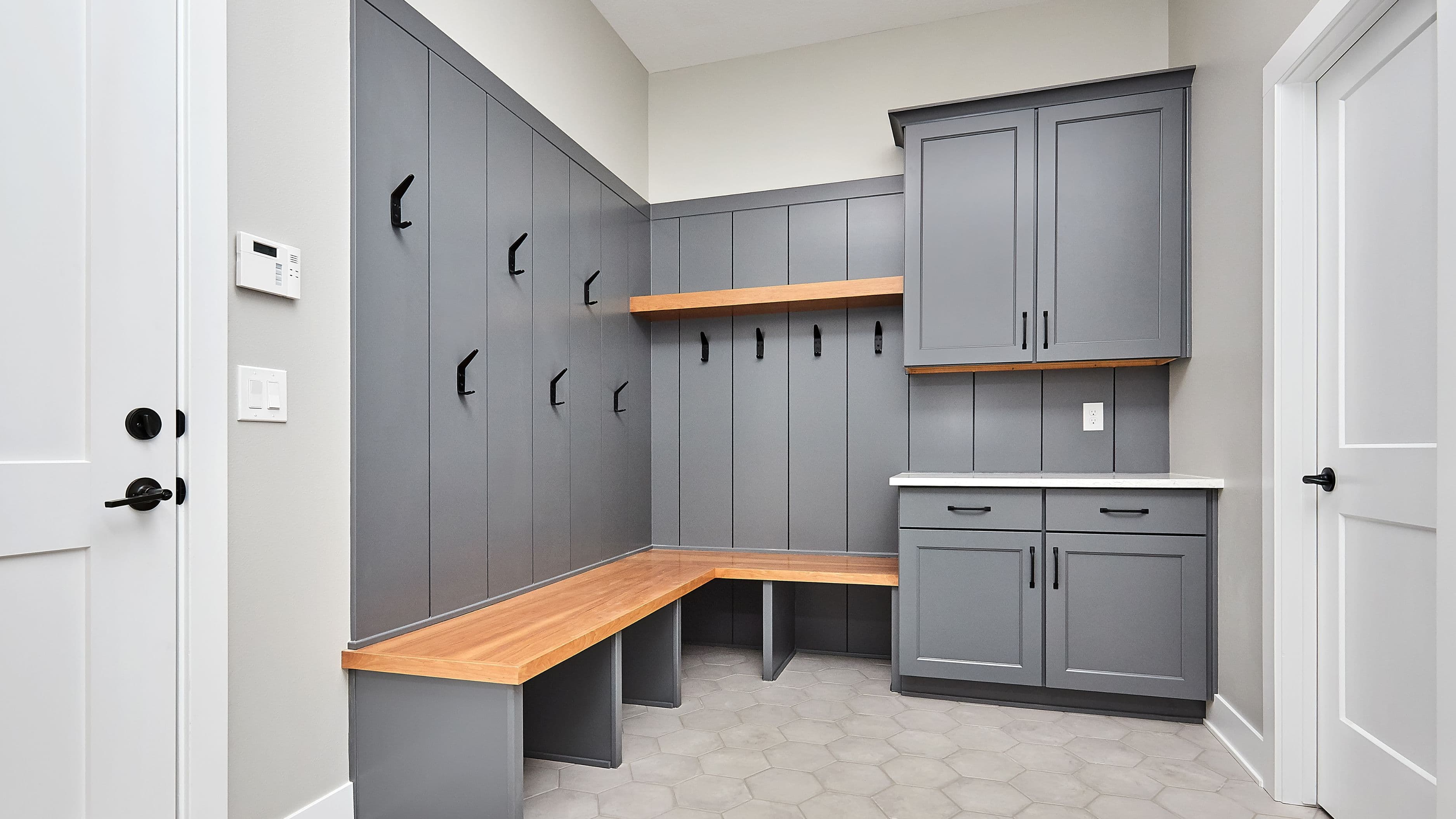
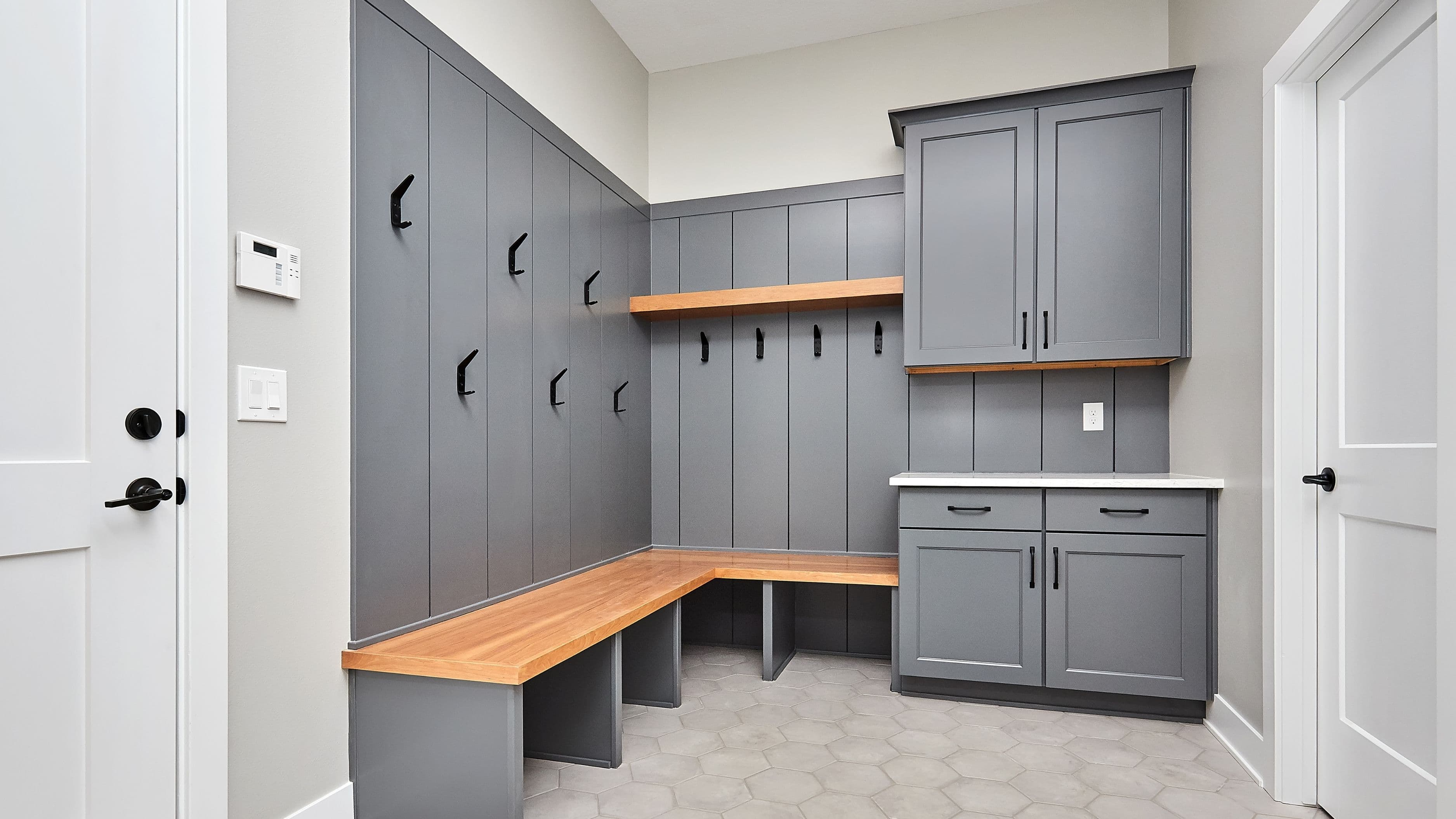
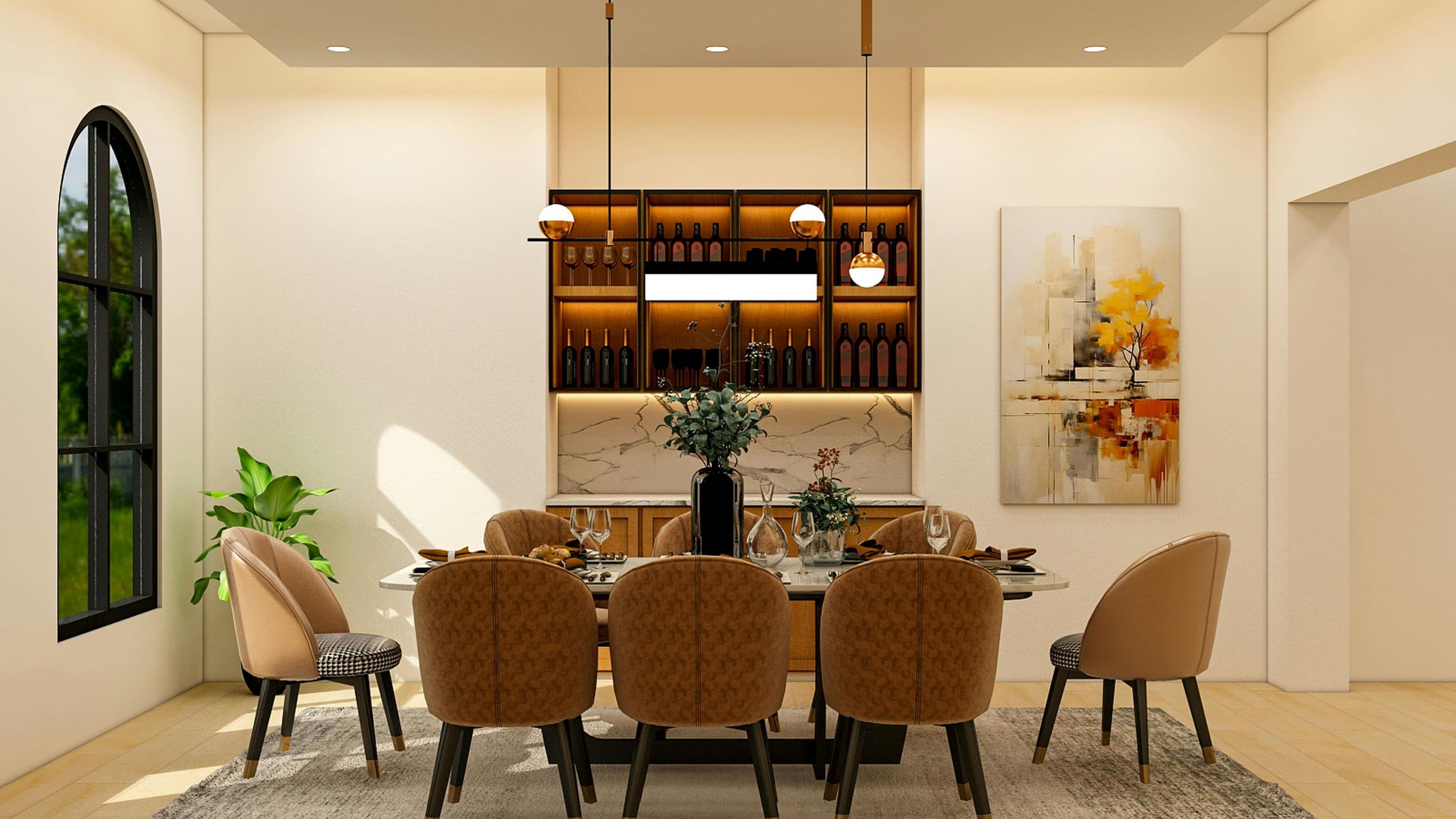
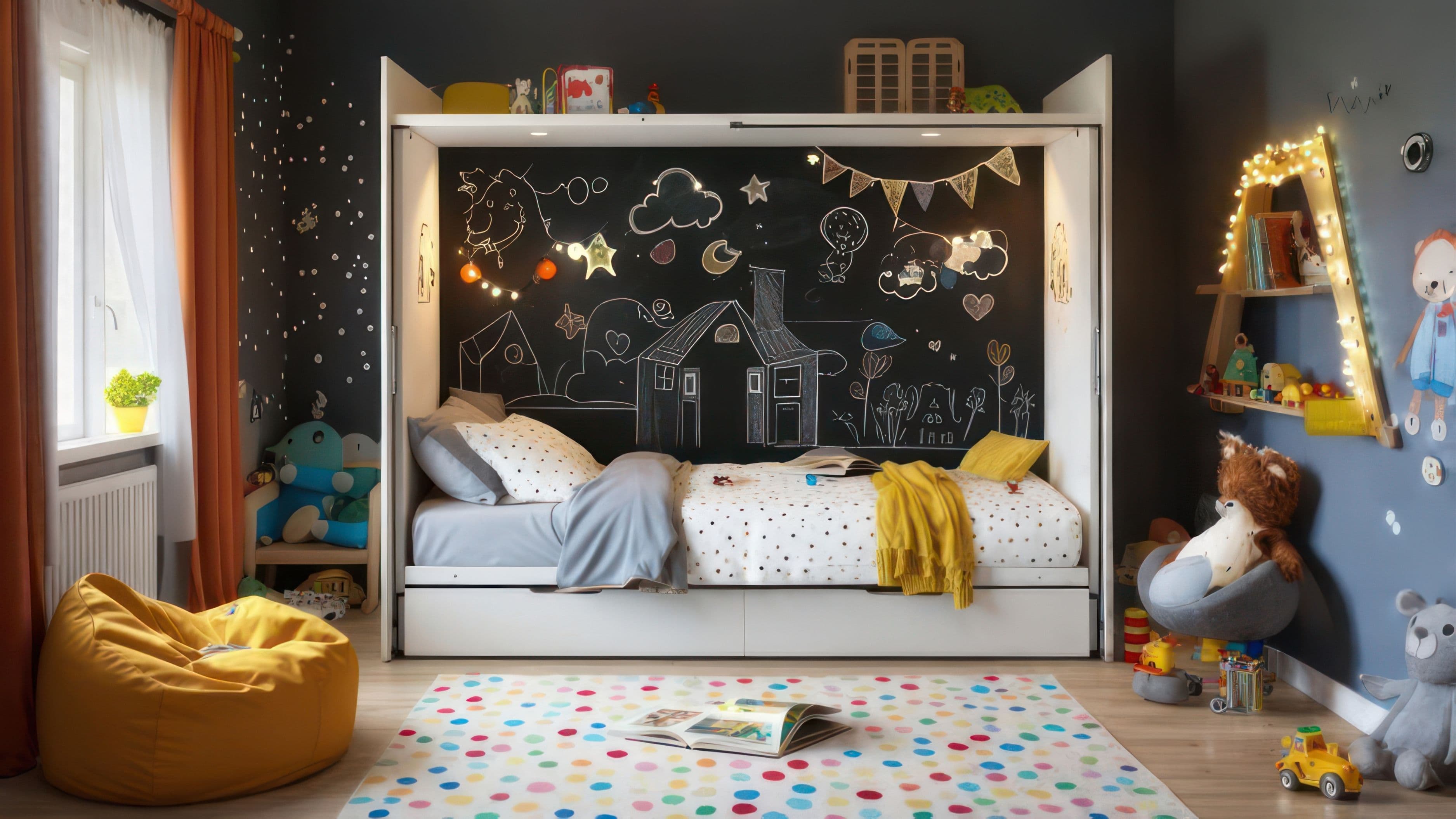
Built-ins are custom or semi-custom furniture and storage permanently attached to the home's structure – integrated bookshelves flanking a fireplace, a window seat with storage drawers beneath, floor-to-ceiling cabinetry built to the exact dimensions of an alcove, or a Murphy bed with surrounding cabinets framed into a wall. The defining characteristic is precision: built-ins are designed specifically for the space they occupy, using dimensions and configurations that off-the-shelf products can't match.
Both options exist on a spectrum. There are high-end modular systems that cost more than basic built-ins, and there are affordable semi-custom built-in solutions that cost far less than full custom cabinetry. The comparison isn't simply cheap versus expensive – it's about fit, flexibility, and permanence.
Where Modular Furniture Wins
Flexibility is the headline advantage. If your life is likely to change in the next few years – a new job requiring a move, a growing family needing a room to serve different functions, a rental property where tenant needs vary – modular furniture lets you adapt without losing your investment. You can add shelving units when you need more storage, remove a section when the layout changes, or pack everything up and bring it to your next home.
Lower upfront cost is the other major draw. A well-configured IKEA PAX wardrobe system for a small bedroom can run $800–$1,500 fully outfitted. A comparable built-in wardrobe custom-made for the same space starts around $3,000–$5,000 and goes up significantly depending on materials and complexity. The cost differential is real and matters if your budget is constrained or if you're uncertain how long you'll occupy the space.
Reversibility matters for renters and for homeowners who want to preserve optionality. Modular furniture leaves walls intact and doesn't require patching, painting, or structural repair when it's removed. For renters, this is often decisive – no landlord approval needed, no deposit concerns, no restoration costs at move-out.
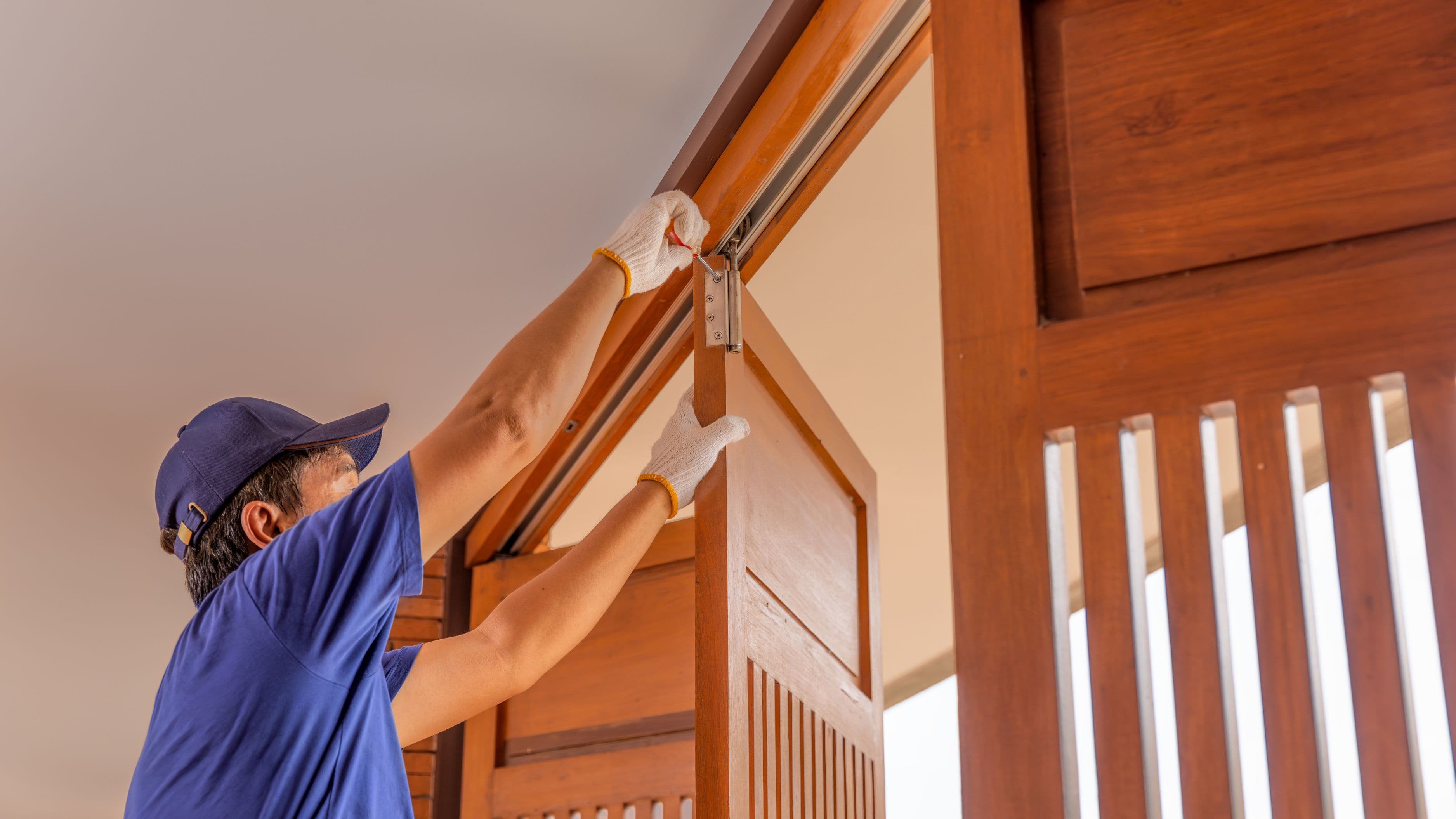
Installation is within DIY reach. Most modular shelving and storage systems are designed for self-assembly and don't require professional installation. This isn't true of every system – larger configurations benefit from at least one extra pair of hands – but the barrier to getting started is far lower than any built-in solution.
The practical limitation of modular furniture in small spaces is the gap problem. Freestanding units almost never fit a space perfectly. A shelving unit designed in standard increments will leave awkward dead space next to walls, above units that don't reach the ceiling, or beside doors and windows. In a small room, these gaps accumulate. A 2-inch gap between a wardrobe and the wall isn't just aesthetically untidy – it's wasted space that a small room can't afford. Filler panels, trim pieces, and scribing techniques can close some of these gaps, but the result rarely looks as integrated as a purpose-built solution.
Where Built-Ins Win
Precision is the defining advantage of built-ins. A built-in is designed to occupy exactly the space available – floor to ceiling, wall to wall, fitting around outlets, vents, and architectural features that modular units either ignore or bump awkwardly against. In a small space, eliminating those gaps and making every cubic foot of storage count is the difference between a room that works and one that feels cluttered despite having "enough" furniture.
Ceiling-height built-ins visually expand small rooms. When shelving or cabinetry runs from floor to ceiling, it draws the eye upward and uses vertical space that freestanding furniture typically wastes. A room with floor-to-ceiling built-ins on one wall often feels larger and more cohesive than the same room furnished with standard-height pieces, even though the square footage hasn't changed.
Built-ins add permanent value to the home. A well-executed built-in bookcase, window seat with storage, or bedroom wardrobe system is a genuine selling feature that adds to the appraised and perceived value of the property. Modular furniture leaves with you; built-ins stay and contribute to what the next buyer sees and values.
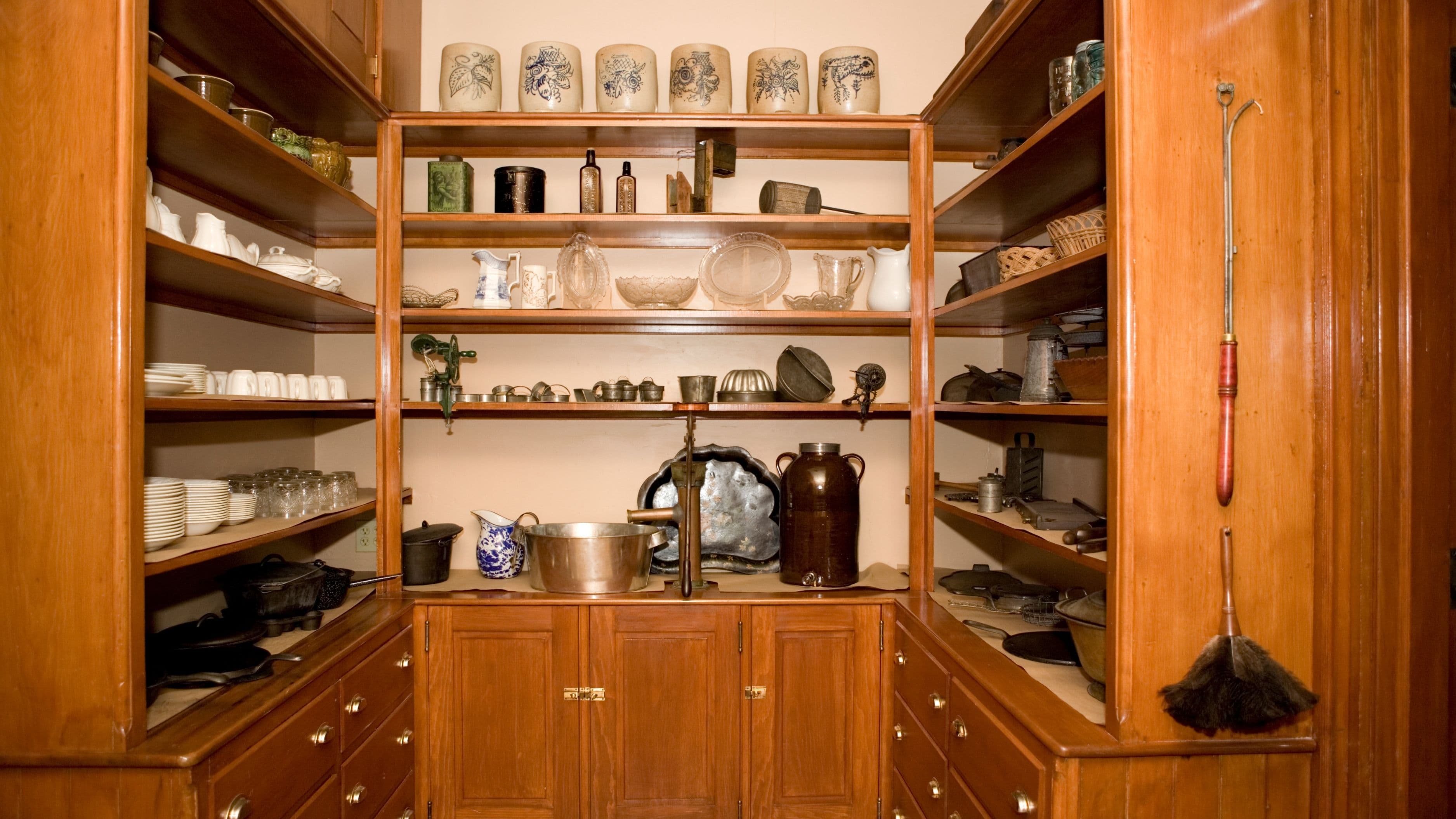
Custom dimensions unlock storage options that don't exist in any standard product. An alcove that measures 38.5 inches wide and 11 feet tall has no modular solution that fills it cleanly. A built-in designed to those exact dimensions does. In older homes with non-standard proportions, irregular ceiling heights, or structural features that interrupt walls, built-ins are often the only way to use difficult spaces productively.
The limitations are equally significant. Built-ins are expensive – custom cabinetry and joinery for a single room can run $5,000–$20,000+ depending on materials, complexity, and market. They're permanent in ways that limit future flexibility. And a poorly executed built-in – bad design, cheap materials, visible gaps or misaligned joints – is harder to undo than swapping out a freestanding piece of furniture. The commitment is real.
Cost Comparison: What You're Actually Looking At
Understanding the cost ranges for each option prevents the two most common budgeting mistakes: assuming built-ins are always out of reach, and assuming modular systems are always the cheap option.
Modular furniture costs range from $500–$3,000 for a well-configured small-room storage system from mainstream retailers. Premium modular systems (String, VITSŒ, USM Haller) can run $3,000–$8,000+ for a comparable configuration. These prices typically include no professional installation costs, though complex configurations may warrant a carpenter's help for wall anchoring – add $200–$500 for that.
Semi-custom built-ins using flat-pack cabinet components (IKEA Sektion, Home Depot Hampton Bay, or similar) with custom trim, a finished top, and professional installation can produce a built-in look at $2,000–$5,000 for a single wall. This approach uses standard cabinet boxes modified and installed by a skilled carpenter – it's a middle path that many renovation-savvy homeowners don't know exists.
Custom built-ins from a cabinetmaker or carpenter run $300–$600 per linear foot at the low-to-mid end for painted MDF construction, and $500–$1,000+ per linear foot for hardwood, veneer, or high-end finishes. A 10-foot wall of floor-to-ceiling built-in bookshelves would run roughly $5,000–$10,000 fully installed at mid-range quality. A bedroom closet system or built-in wardrobe with doors, drawers, and shelving runs $4,000–$12,000 depending on complexity.
The semi-custom approach is worth exploring seriously for budget-conscious homeowners who want the integrated look of built-ins without full custom pricing. A carpenter who regularly installs IKEA kitchens and modifications can often execute a convincing built-in result using standard components at roughly half the cost of full custom work.
How to Decide: The Right Questions to Ask
How long are you staying? If you're in a home you plan to own for five or more years, built-ins are a reasonable investment whose permanence is an advantage, not a constraint. If you're renting or likely to move within two to three years, modular furniture protects your investment.
Is the space architecturally irregular? Older homes with alcoves, non-standard ceiling heights, and unusual wall configurations are natural candidates for built-ins because standard products simply don't fit. New construction with standard proportions gives modular systems a better chance of fitting cleanly.
What's the primary function? Bedroom storage, home office organization, and living room bookshelves are all strong candidates for built-ins in a permanent home because they're used daily and benefit significantly from precision fit. Temporary setups – a home office you might repurpose, a child's room that will need to change as they grow – suit modular systems better.
What's your actual budget? Be honest about this. A $2,000 budget points clearly toward modular furniture. A $6,000–$8,000 budget opens the semi-custom and entry-level custom built-in category. A $12,000–$20,000 budget opens full custom work in most markets.
Will you be selling in the foreseeable future? Built-ins read as upgrades to buyers in most markets and can meaningfully differentiate a listing. If you're renovating with resale in mind, a well-designed built-in storage wall or window seat with storage adds visible, tangible value that a modular system won't.
The Middle Path: Semi-Custom Built-Ins
The choice between modular and custom doesn't have to be binary. The semi-custom approach – using standard cabinet boxes as the structural core, then adding custom trim, shelving, crown molding, and paint to create an integrated look – produces most of the visual and functional benefits of custom built-ins at 40–60% of the cost.
The technique works by installing standard kitchen or storage cabinet boxes (IKEA Sektion, IKEA Billy with modifications, or contractor-grade box cabinets) and having a carpenter build out the surround: scribing the unit to the wall and ceiling, adding a finished top, building a face frame, installing custom shelving above, and trimming the whole assembly with molding that matches the room's existing millwork. Painted in the same color as the walls, the result reads as a true built-in.
This approach does require a skilled carpenter who's comfortable with trim work and finish carpentry. It's not a standard IKEA flat-pack install – the custom trim and scribing work is what makes it look built-in rather than assembled. But many experienced carpenters and finish contractors do this work regularly, and getting quotes for this specific approach is worth the time if your budget sits between a high-end modular system and full custom cabinetry.
Common Mistakes to Avoid
Buying modular furniture in pieces over time without a plan. Accumulating storage units individually, with no coordinated layout, produces cluttered results in small spaces. If you're going the modular route, design the full configuration on paper before purchasing anything.
Choosing built-ins for a space you may repurpose. A custom built-in Murphy bed with surrounding shelving is an excellent investment if the room will be a long-term guest room or home office. It's a liability if the room's function is likely to change. Permanence cuts both ways.
Underestimating built-in lead times. Custom cabinetry and carpentry is in high demand in most markets. Lead times of 8–16 weeks from quote to installation are common for custom work. Plan ahead – a built-in you order in the spring may not be installed until fall.
Neglecting wall anchoring on modular shelving. Tall, freestanding shelving units in small rooms must be anchored to wall studs for safety, especially in homes with children. An unanchored KALLAX or similar unit is a tip hazard. This is a safety issue, not just a tidiness one.
FAQ
Can modular furniture look as good as built-ins? With careful planning, quality components, and attention to how units meet the ceiling and walls, high-end modular systems can look impressively integrated. The visual gap between a well-configured modular system and a built-in narrows significantly when you add scribing panels, crown molding details, and consistent paint. That work requires either additional cost or DIY skill, but it's achievable.
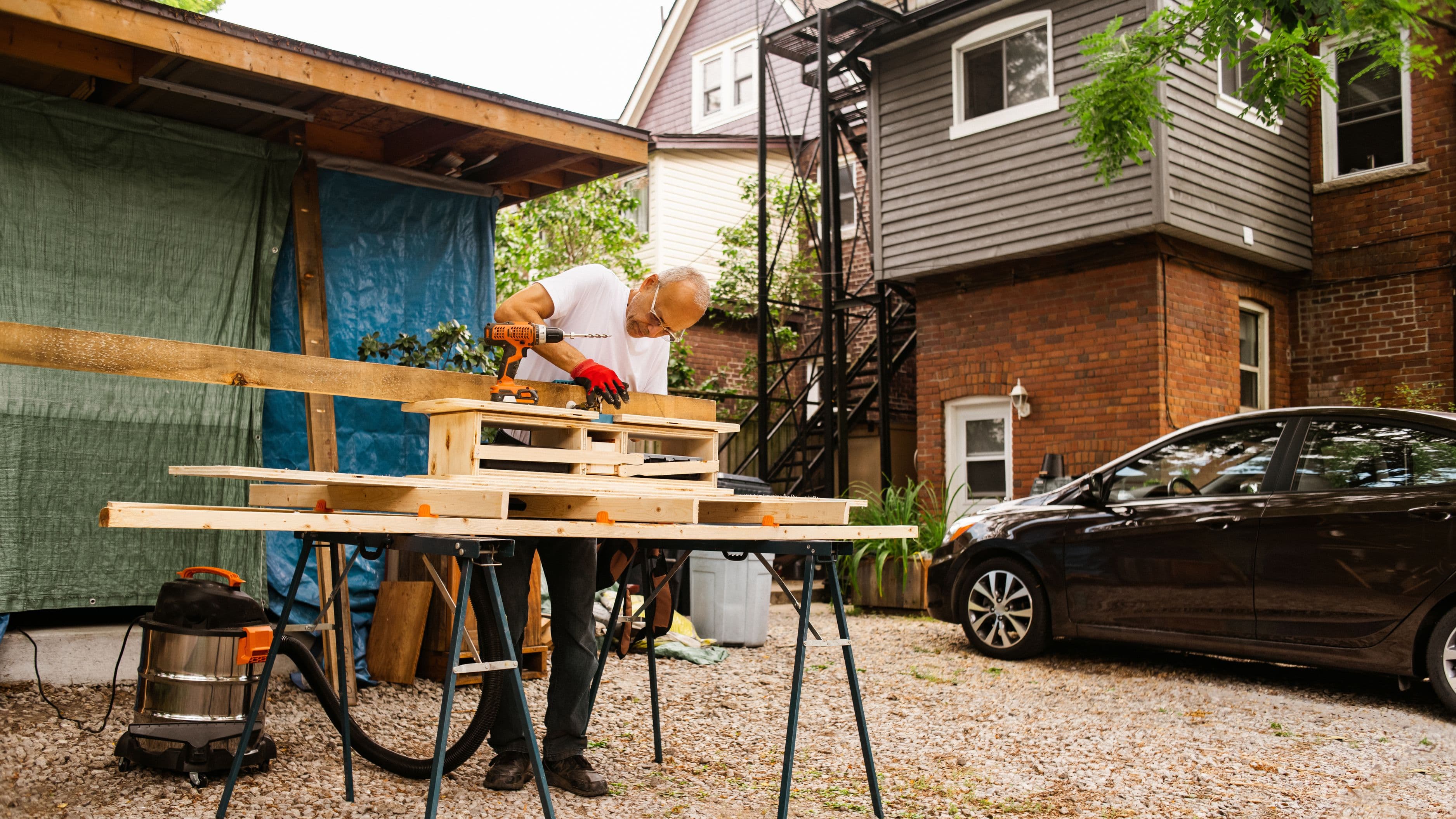
Do built-ins always require a contractor? Not always. A confident DIYer with finish carpentry skills can install IKEA-based semi-custom built-ins with quality results. Full custom built-ins involving face framing, hardwood construction, and complex joinery are beyond beginner DIY territory and benefit from professional execution. The risk of a poor-quality built-in is higher than a poor-quality modular system, because it's harder to undo.
How do I find a carpenter for semi-custom built-in work? Ask for referrals from neighbors or local home renovation communities. Search specifically for "finish carpenter" or "trim carpenter" rather than general contractors – finish carpentry is a specialty, and carpenters who do it regularly will have portfolio photos of similar projects. Get at least three quotes and ask to see examples of comparable work.
What rooms benefit most from built-ins in a small home? Living rooms with dedicated reading or media walls, home offices where floor-to-ceiling storage creates functional workspace, bedroom closets where custom dimensions maximize hanging and shelf space, and under-stair storage areas all benefit significantly from built-in treatment. Kitchens are already built-in by default. Bathrooms benefit from built-in vanities and medicine cabinets. The highest-return built-in investment in a small home is typically the living room or primary bedroom.
The Decision, Simplified
For renters, frequent movers, or anyone on a constrained budget: modular furniture, planned carefully, configured completely upfront, and anchored properly is the practical choice. For homeowners planning to stay, in spaces with unusual dimensions, or where permanent storage is the primary need: built-ins – whether semi-custom or full custom – will serve the space better over time. When budget allows and the space warrants it, the semi-custom middle path offers most of the upside of both options without the full cost of either.
In a small space, the furniture that fits precisely is almost always the furniture that serves you best. Plan for your situation, not the idealized version of it.
📚 Sources
National Association of Home Builders. Remodeling market and cost data. – https://www.nahb.org/news-and-economics/housing-economics/remodeling
Houzz. Cost guide: Built-in shelving and cabinetry. – https://www.houzz.com/costs/built-in-shelving-cost-guide
IKEA. BILLY bookcase and PAX wardrobe systems. – https://www.ikea.com/us/en/cat/shelving-units-bookcases-10326/
This Old House. How to build built-in bookshelves. – https://www.thisoldhouse.com/storage/21016786/built-in-bookshelves
Apartment Therapy. How to make IKEA furniture look built-in. – https://www.apartmenttherapy.com/how-to-make-ikea-furniture-look-built-in-36674949
National Kitchen and Bath Association. Cabinet cost benchmarks and market data. – https://nkba.org/research/
🔍 Explore Related Topics