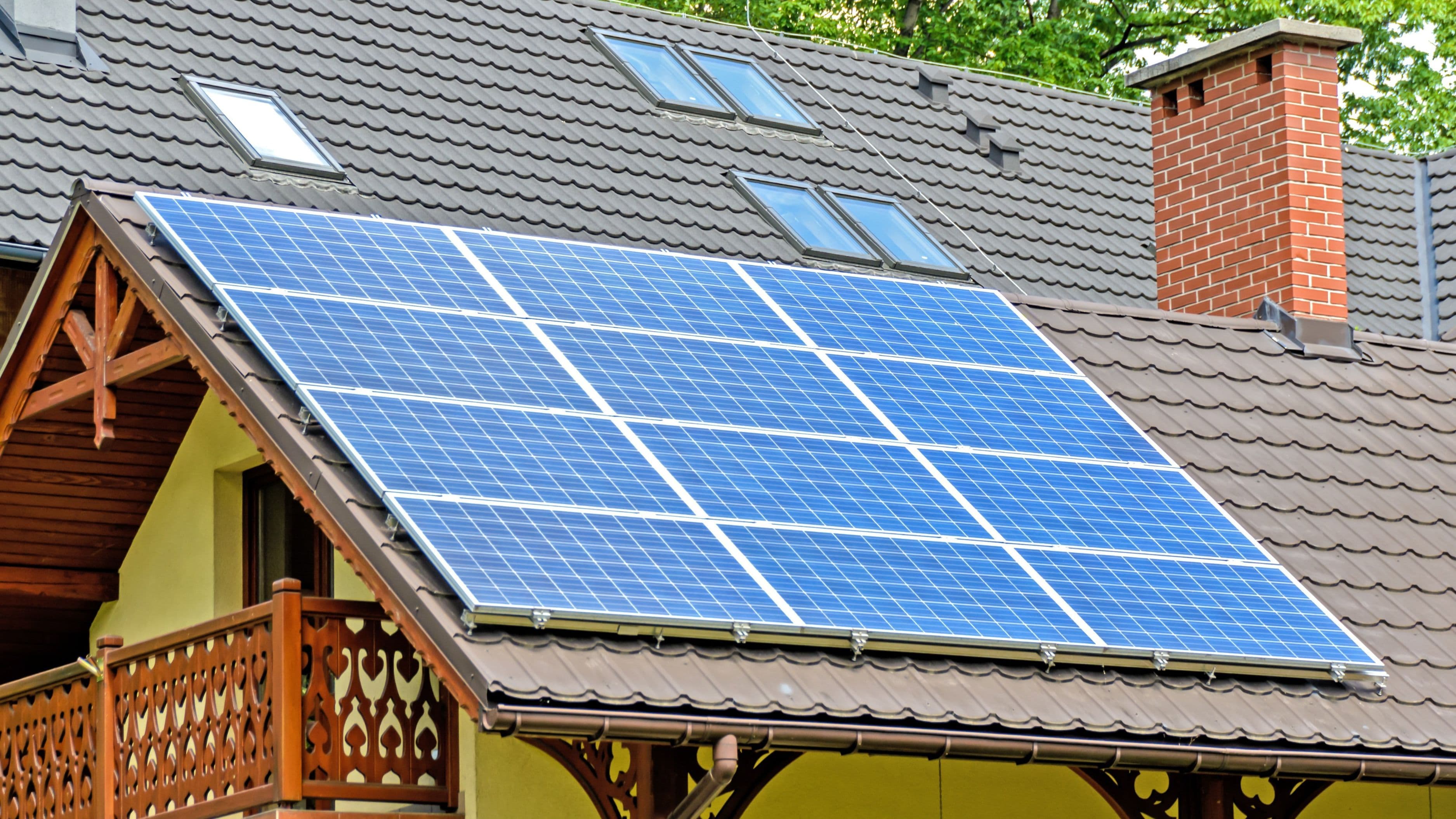


If you've noticed more houses sporting sleek solar panels, you're witnessing a genuine revolution. Your neighbors aren't just jumping on a fad; they're making calculated moves that could transform their financial future. Here's what's really happening behind those gleaming rooftops and why you might want to join the solar surge.
1. Your Electric Bill Becomes Your Paycheck
The most mind-blowing realization hit me when Jim showed me his negative electric bill. Instead of paying the utility company, they were cutting him a check for the excess energy his panels generated. Solar panels don't just reduce your electricity costs – they can eliminate them entirely and turn your roof into a revenue-generating asset. During peak sunlight hours, your system produces more energy than your household consumes, feeding the surplus back into the grid.
This process, called net metering, essentially runs your electric meter backward. Imagine watching those numbers decrease instead of climbing month after month. Many homeowners report saving $20,000 to $50,000 over the lifetime of their solar system, with some earning additional income through renewable energy certificates and local incentive programs.
2. Technology Got Ridiculously Good (And Cheap)
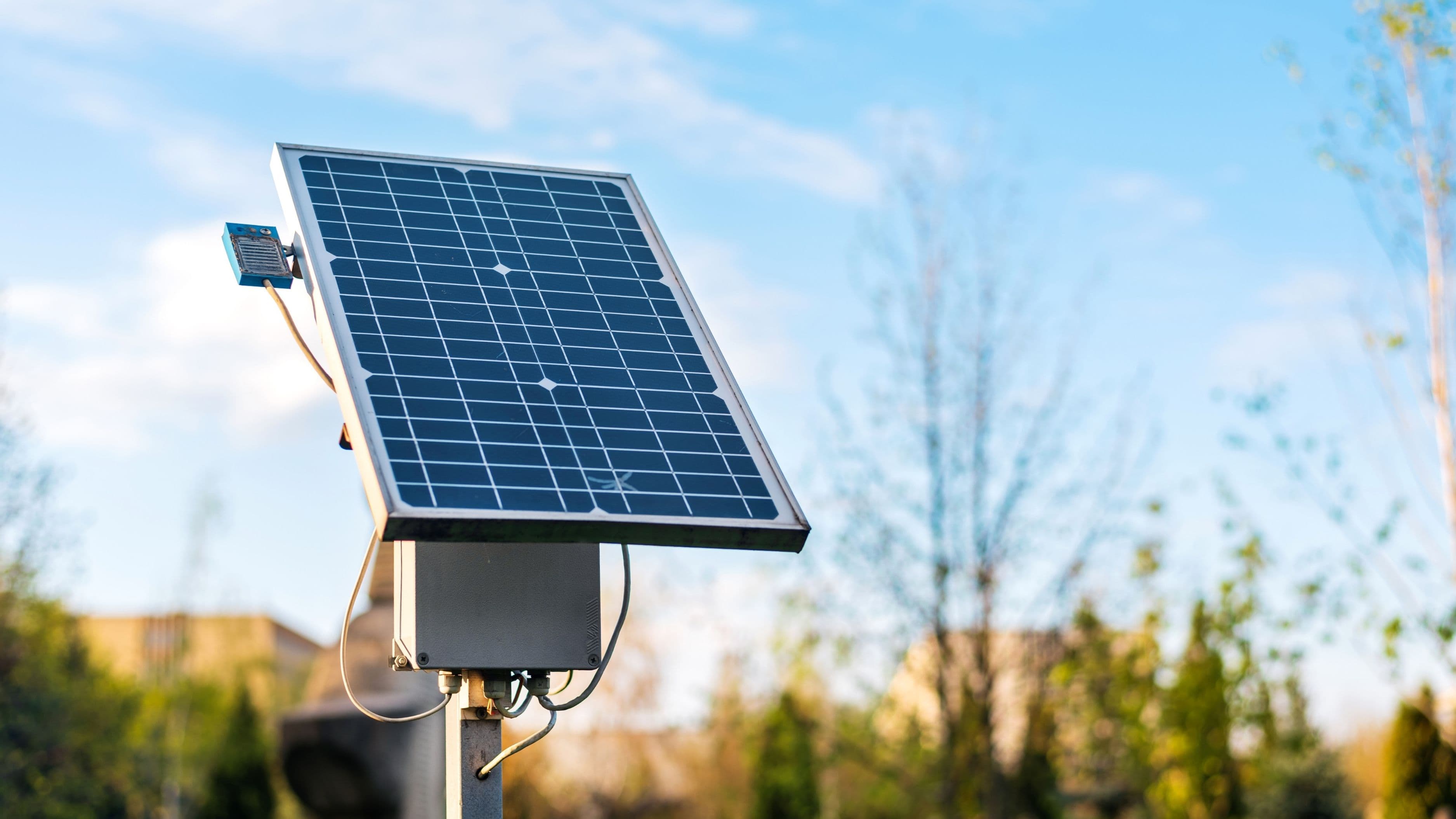
Solar technology has evolved dramatically over the past decade, making today's systems more efficient and affordable than ever before. Modern panels convert sunlight to electricity at rates exceeding 20%, compared to just 6% efficiency in early models. The cost of solar installations has plummeted by over 70% since 2010, making what once seemed like a luxury accessible to middle-class families.
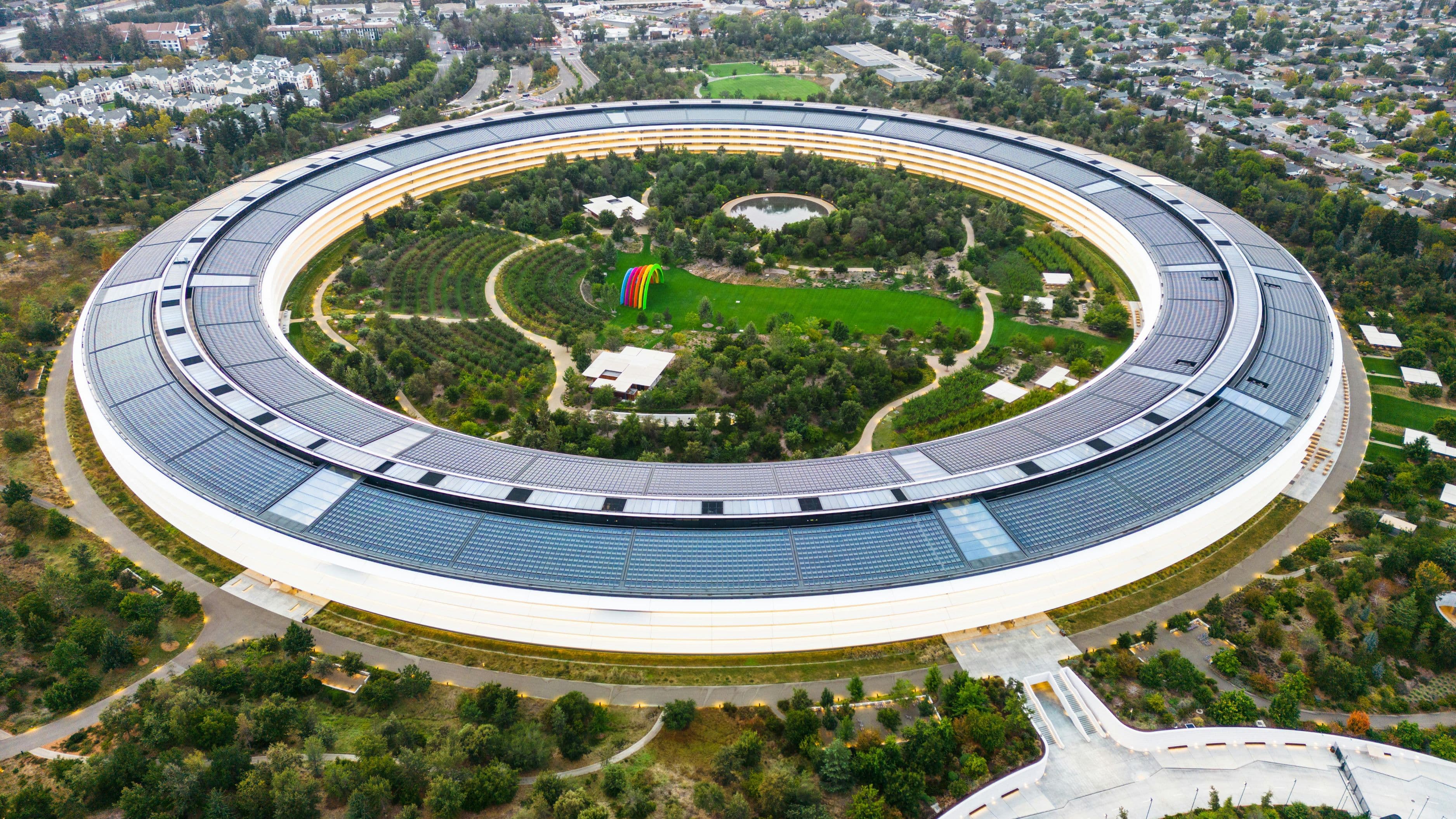
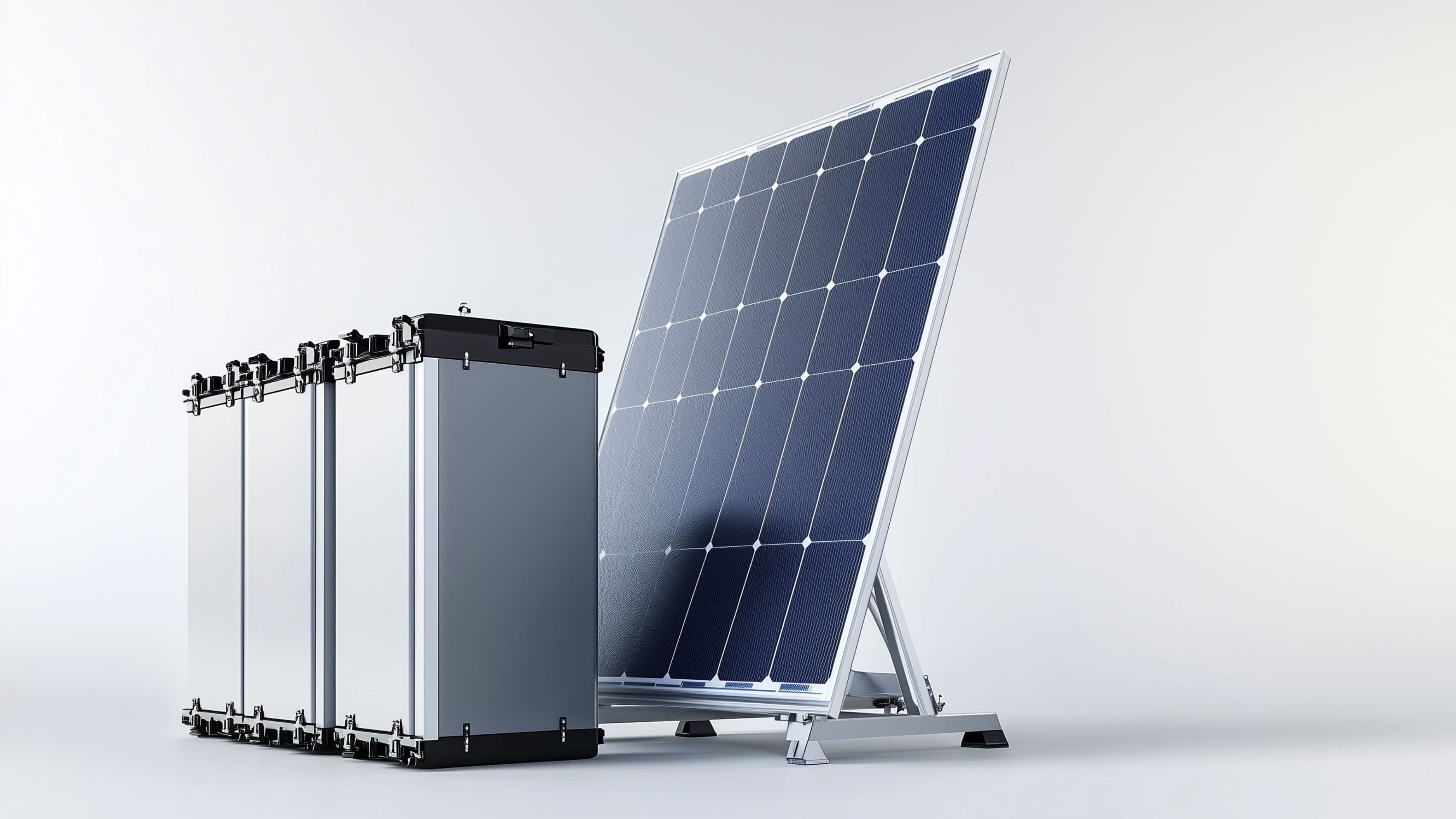
Today's solar panels come with 25-year warranties and often last 30-40 years with minimal maintenance. Smart inverters and battery storage systems have revolutionized energy independence, allowing homeowners to power their homes even during grid outages. The technology has become so reliable that major corporations and utility companies are investing billions in solar infrastructure.
3. Uncle Sam Wants to Pay for Your Solar
Federal tax incentives make going solar surprisingly affordable, with the Investment Tax Credit (ITC) covering 30% of your total installation costs. This isn't a deduction – it's a direct credit that reduces your tax liability dollar for dollar. For a typical $20,000 solar installation, you'd receive a $6,000 tax credit, effectively reducing your system cost to $14,000.
Many states offer additional rebates, tax exemptions, and performance-based incentives that can slash costs even further. Some utilities provide upfront cash rebates or ongoing credits for solar energy production. These incentives won't last forever – the federal credit is scheduled to decrease in coming years, creating urgency for homeowners considering the switch.
4. Your Home Value Skyrockets
Solar panels add significant value to your property, with studies showing homes with solar systems sell for approximately 4% more than comparable homes without them. This translates to an average increase of $15,000 for a median-priced home, often exceeding the net cost of the solar installation after incentives. Real estate agents report that solar-equipped homes sell faster and attract more qualified buyers.
The investment pays dividends both while you live in the home and when you sell it. Unlike other home improvements that may become outdated, solar systems continue generating value throughout their decades-long lifespan. Buyers increasingly view solar panels as essential infrastructure rather than optional upgrades, similar to how central air conditioning became standard in many regions.
5. Energy Independence Feels Amazing
There's something deeply satisfying about generating your own clean energy and reducing dependence on utility companies. Solar homeowners describe a sense of empowerment and security knowing their electricity comes from an abundant, renewable source. During power outages or grid instabilities, homes with battery storage systems maintain power while neighbors sit in darkness.
This independence extends beyond individual benefits. Communities with high solar adoption reduce strain on the electrical grid, particularly during peak demand periods when electricity is most expensive to produce. You become part of a distributed energy network that enhances overall grid resilience and stability.
6. The Planet Thanks You (And So Do Your Kids)
Every solar installation represents a meaningful contribution to environmental protection and climate change mitigation. A typical residential solar system prevents approximately 100,000 pounds of carbon dioxide emissions over 20 years – equivalent to planting 2,500 trees. Your roof becomes a mini power plant that generates clean energy without pollution, noise, or ongoing environmental impact.
Children of solar homeowners often develop greater environmental awareness and pride in their family's sustainability efforts. You're modeling responsible stewardship while creating a cleaner world for future generations. The collective impact of neighborhood solar adoption creates visible change that inspires others to consider renewable energy.
7. Installation Is Surprisingly Simple
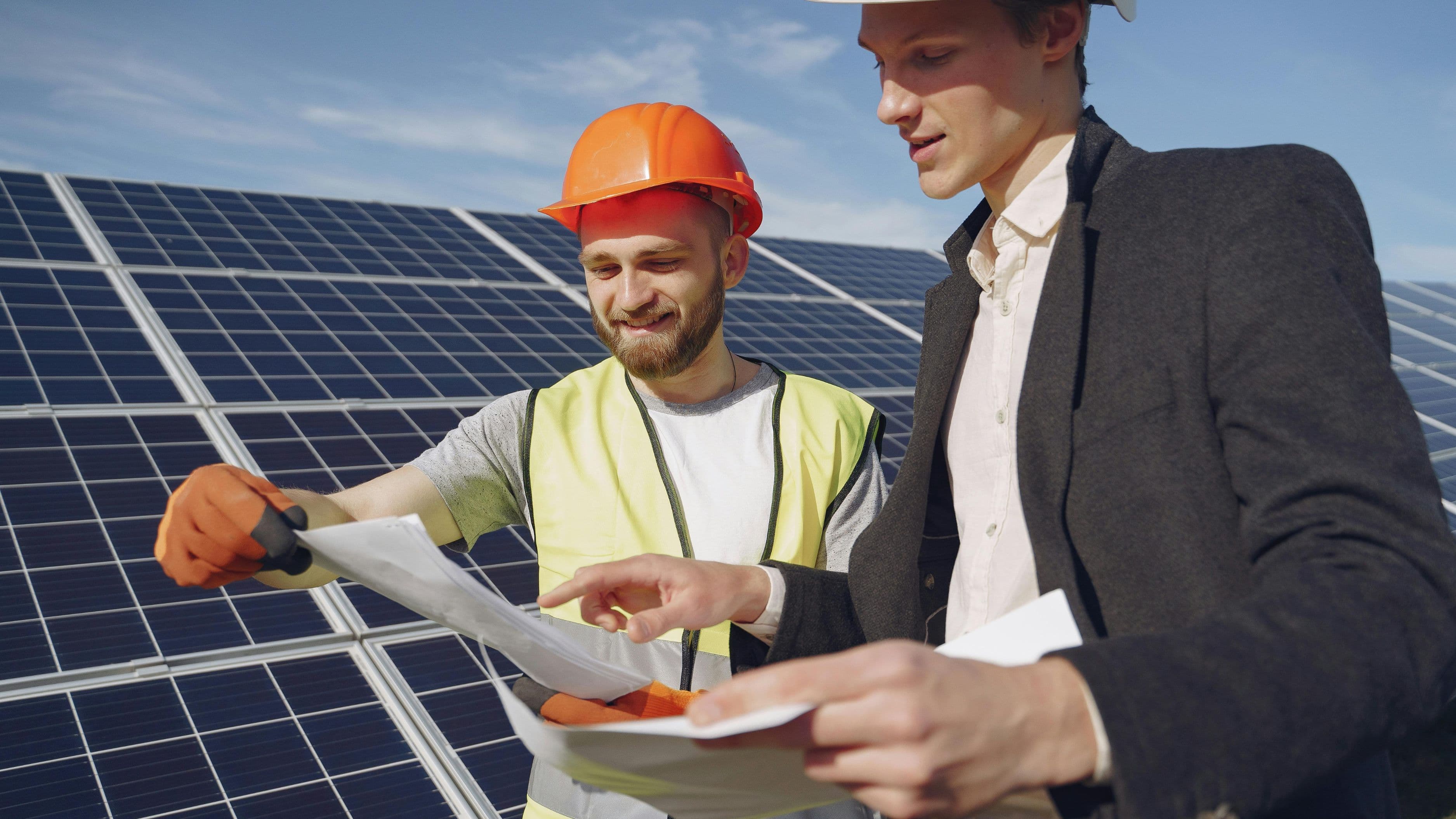
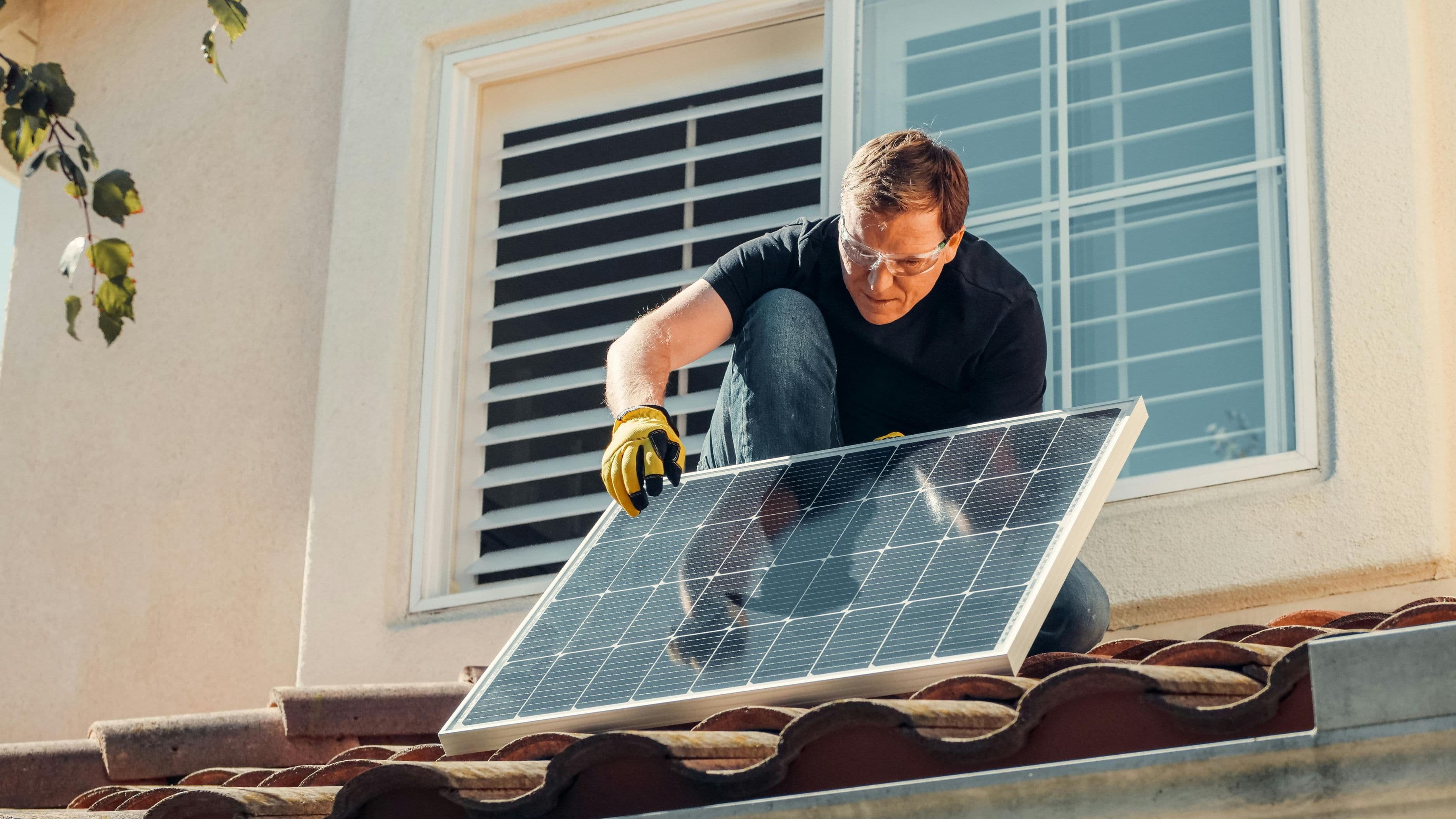
Modern solar installations typically take just one to three days, with most of the timeline consumed by permitting and utility interconnection processes rather than actual construction. Professional installers handle everything from initial assessment through final activation, making the process remarkably hands-off for homeowners. Most companies offer turnkey solutions that include design, permitting, installation, and system monitoring.
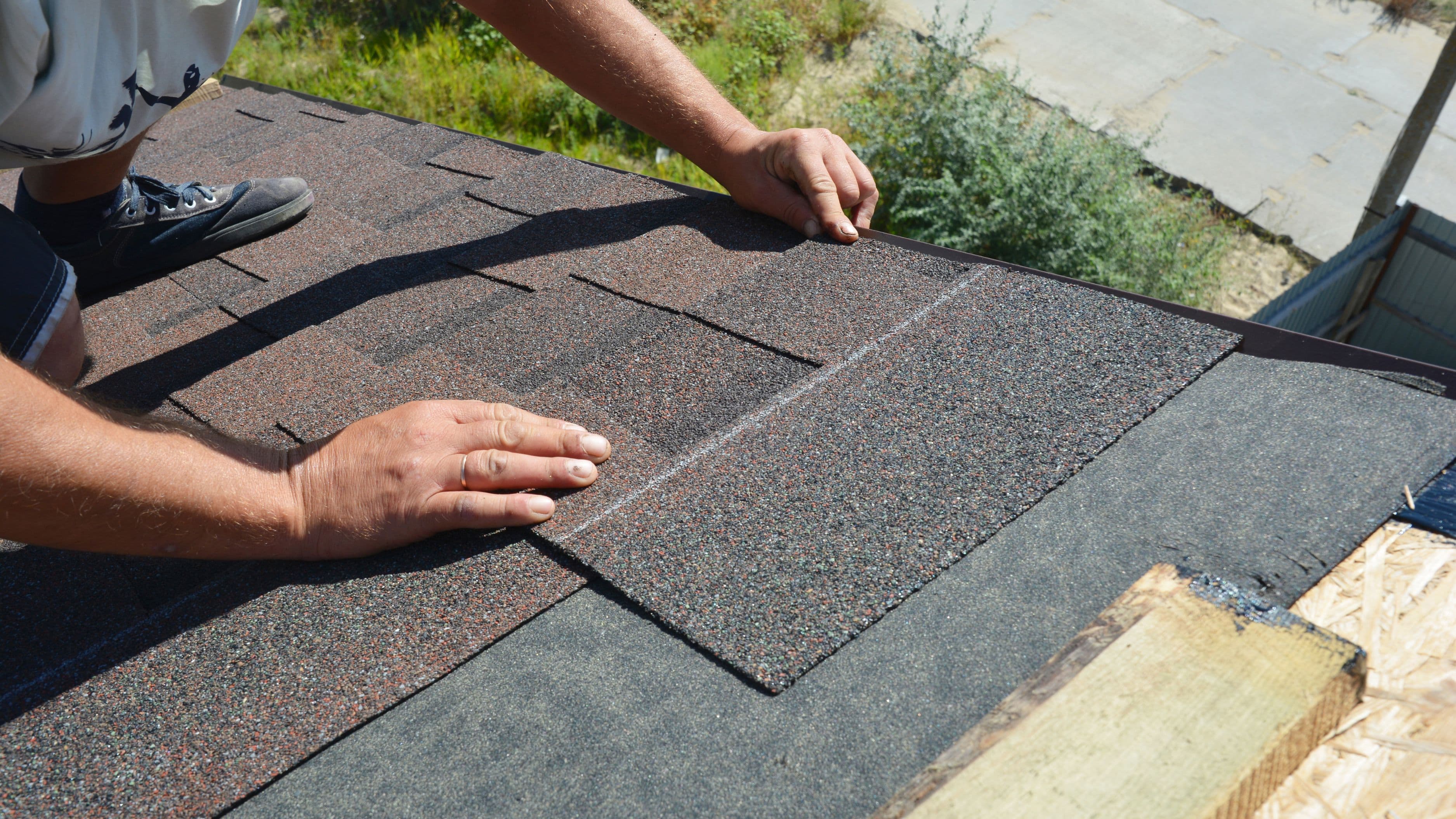
The physical installation involves mounting rails to your roof structure, attaching panels to the rails, and connecting the system to your electrical panel and utility meter. Reputable installers carry comprehensive insurance and provide workmanship warranties that protect your investment. Many companies offer financing options that allow you to go solar with little or no money down.
8. Maintenance Is Almost Nonexistent
Solar panels are incredibly low-maintenance, requiring only occasional cleaning and annual inspections to ensure optimal performance. Most systems come with monitoring apps that alert you to any performance issues, though problems are rare with quality installations. Rain naturally cleans panels in most climates, and the lack of moving parts means there's little to break or wear out.
Professional maintenance visits typically cost less than $200 annually and often aren't necessary for systems in good condition. The inverter may need replacement after 10-15 years, but this is usually covered under warranty or costs significantly less than ongoing utility bills. Compare this minimal upkeep to the rising costs and complexity of traditional electricity sources.
The solar revolution spreading through your neighborhood isn't just about being trendy or environmentally conscious – it's about making smart financial decisions that pay dividends for decades. Your neighbors are positioning themselves for energy independence, increased home values, and substantial long-term savings while contributing to a cleaner future.
The question isn't whether solar makes sense anymore; it's whether you can afford to wait while electricity rates continue climbing and incentives potentially decrease. Every day without solar is a day of missed savings and environmental impact. Your roof is already there, the sun shines for free, and the technology works beautifully. The only thing missing is your decision to join the millions of Americans who've already made the switch to clean, affordable solar power.
📚 Sources
1. National Renewable Energy Laboratory (NREL). "Solar Power Purchase Agreement (PPA) Prices." 2023.
2. Solar Energy Industries Association (SEIA). "Solar Market Insight Report." 2023.
3. Lawrence Berkeley National Laboratory. "Selling Solar: An Analysis of Property Value Impacts." 2019.
4. U.S. Environmental Protection Agency. "Greenhouse Gas Equivalencies Calculator." 2023.