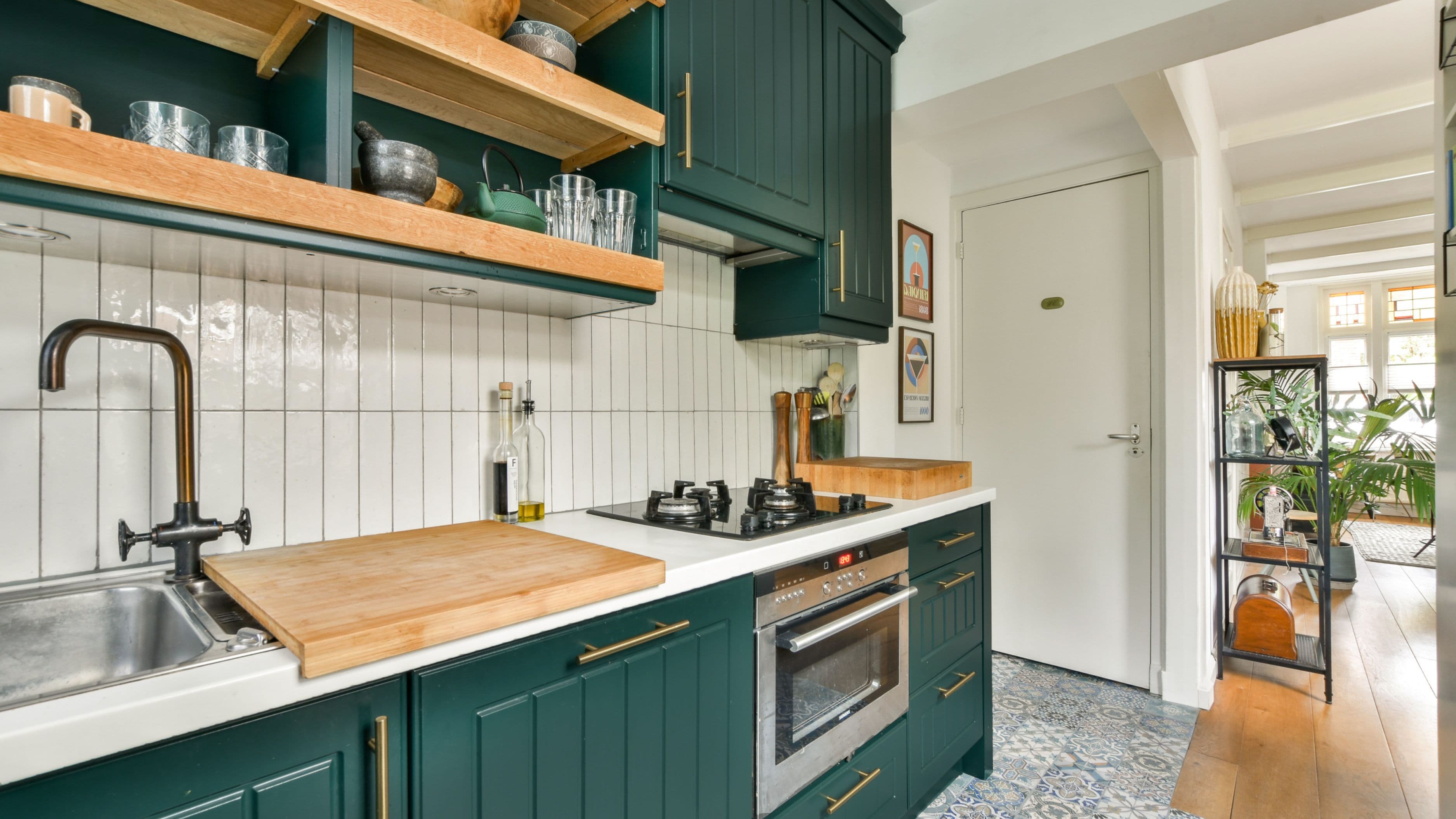

The truth is that neither option is universally better. They serve different functions, suit different households, and perform very differently depending on how a kitchen actually gets used day to day. Here's an honest side-by-side to help you figure out which one actually fits your life.
What You're Really Choosing Between
Before getting into comparisons, it's worth being clear about what each option actually involves.
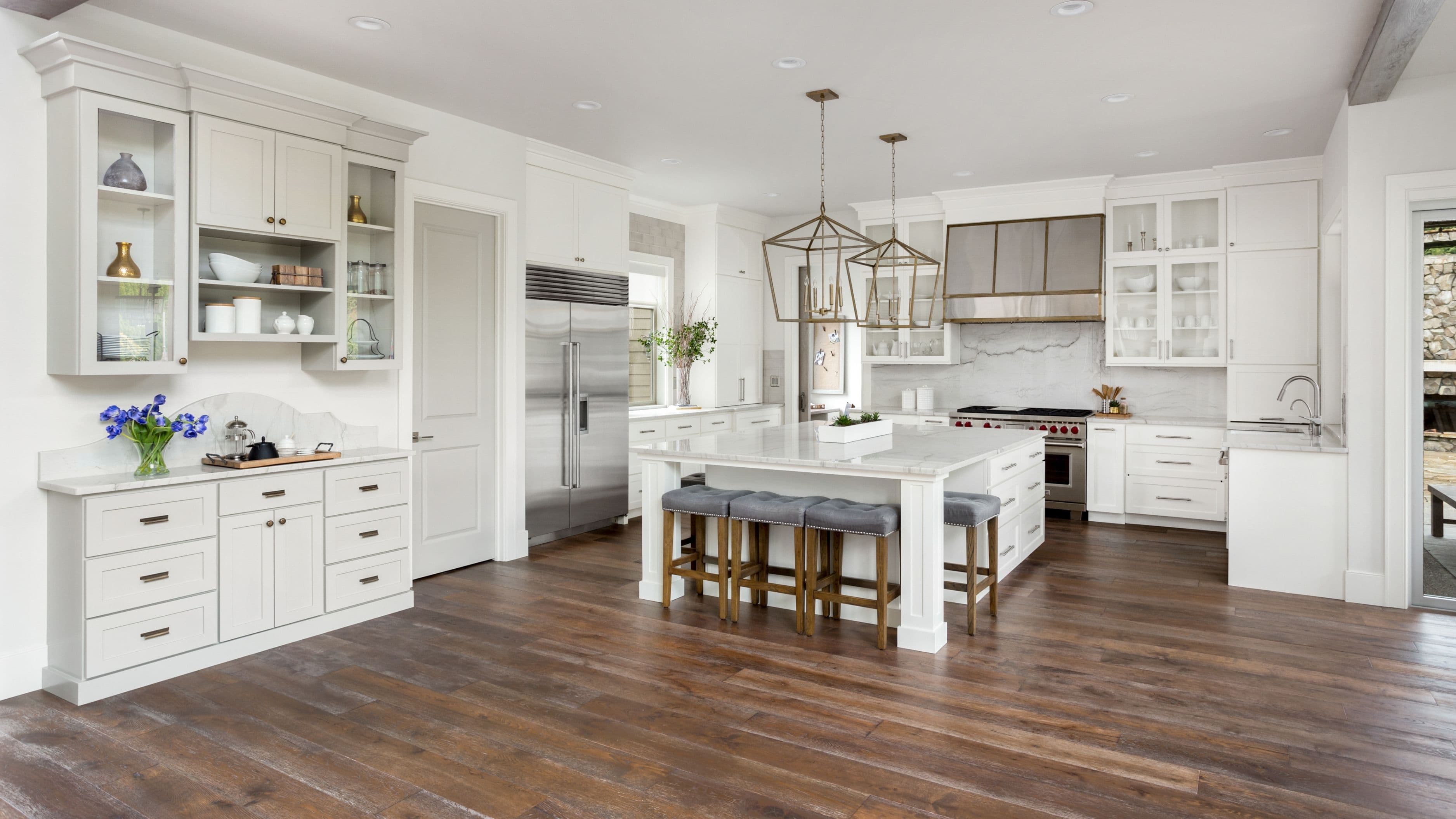
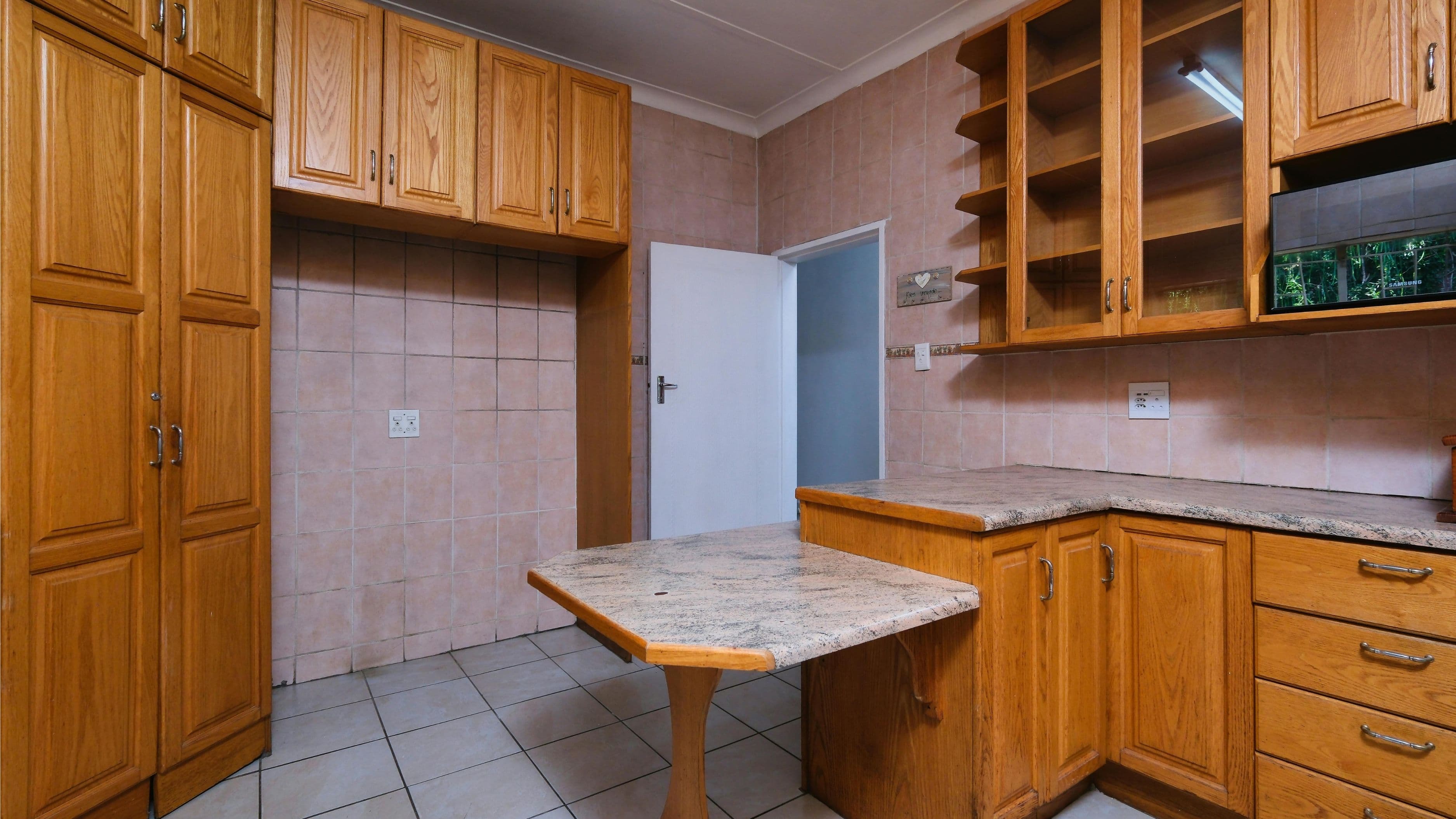
Upper cabinets are the enclosed storage units mounted above the countertop, typically running from roughly 18 inches above the counter to the ceiling or to a soffit. They have doors — shaker, flat-front, glass-front, or otherwise — that conceal everything inside. They've been the standard kitchen configuration for decades because they maximize enclosed storage and protect contents from dust and grease.
Open shelving replaces those cabinets entirely with floating shelves — brackets and boards, or cantilevered systems — mounted at the same height. Everything stored on them is permanently visible. Some kitchens use a hybrid approach: open shelves in one section, cabinets in another, or open shelves on one wall with full upper cabinets on the rest.
The hybrid is worth keeping in mind throughout this discussion, because it's often the most practical resolution to the debate.
The Case for Open Shelving
It Makes a Small Kitchen Feel Larger
Removing upper cabinets opens up the sightlines in a kitchen significantly. When there's nothing between the countertop and the ceiling except wall and shelves, the space reads as taller and more open. In a narrow galley kitchen or a small urban apartment kitchen, this can be a genuine visual improvement — the room stops feeling like a corridor with boxes on either side.
This effect is most pronounced when the shelves are relatively sparse. The moment they're fully loaded, much of the visual breathing room disappears. The open feeling that made the design choice appealing depends on either having less stuff or curating what's on display carefully.
It Creates Easy, One-Handed Access
Reaching into an upper cabinet requires opening a door, moving things around to find what you need, and closing the door again. Open shelves eliminate all of that. Frequently used items — everyday plates, glasses, cooking oils, the coffee gear — are grab-and-go without any additional steps. For households that cook heavily and move quickly in the kitchen, this accessibility is a real functional benefit.
It Suits Renters or Temporary Situations
If you're renting or planning to move within a few years, open shelving can be installed without the commitment or cost of full cabinetry. Floating shelves are relatively inexpensive, can be installed with basic tools, and can be removed without major wall damage if you choose the right mounting hardware. For a rental where you want to improve the kitchen without a significant investment, shelves are a practical interim solution.
Cost: Open Shelving Is Significantly Cheaper
A set of floating shelves for a kitchen wall — materials and hardware — runs $100–$400 depending on the material (pine, oak, walnut, metal brackets) and the number of shelves. Professional installation adds $150–$400. The total for an open-shelf wall is typically $300–$800.
Upper cabinets, by contrast, run $100–$300 per linear foot for stock cabinets, and $300–$600 per linear foot for semi-custom or custom. A single 6-foot upper cabinet run in a modest kitchen can cost $600–$2,000 in materials alone before installation. Open shelving wins on cost by a significant margin.
The Case for Upper Cabinets
They Contain the Reality of How Most Kitchens Look
Here's the honest version of the open shelving conversation: most kitchens, used by real people for actual cooking, don't look like the styled versions in renovation photos. There are mismatched containers, half-used bags of pasta, random appliances, odds and ends that don't have a better home. Cabinets contain all of that behind a door. Open shelves put it on permanent display.
The households where open shelving looks great long-term tend to be ones that own a curated, consistent set of dishware, actively edit what's on the shelves, and don't accumulate the typical kitchen clutter. That describes fewer kitchens than the design magazines suggest. For everyone else, enclosed cabinets are more forgiving of how real life actually looks.
They Protect Contents From Grease, Dust, and Steam
A kitchen is a grease and steam environment. Cooking produces airborne particles that settle on every horizontal surface — which, on open shelves, means directly on your plates, glasses, and whatever else is stored there. If you cook frequently with high heat or fry anything, the film that builds up on open-shelf items is real and requires regular cleaning.
Upper cabinets create an enclosed environment that largely protects contents from this accumulation. Items inside cabinets stay cleaner between uses and require significantly less maintenance than items on open shelves in an active kitchen. This matters more than it sounds like it does until you've experienced it.
They Store More Usable Volume
A standard upper cabinet provides substantially more enclosed storage than open shelves in the same wall footprint, for one simple reason: you can stack inside a cabinet without worrying about how it looks. Two stacks of mixing bowls, a row of canned goods behind a row of spices, an awkwardly shaped appliance in the back corner — all of that is invisible inside a cabinet and would be a visual disaster on open shelves.
Open shelves work best for a specific category of items: attractive, consistent, regularly used dishware and glasses that look intentional in rows. They don't work well for the rest of what most kitchens need to store.
Resale Value and Broad Appeal
If you're planning to sell in the next few years, upper cabinets are the safer choice. Open shelving is a strong aesthetic preference — buyers who love it will respond enthusiastically, but buyers who don't (or who are simply uncertain) may see it as a future project to undo. Upper cabinets, particularly in a clean, contemporary style, have broad appeal and don't require buyers to imagine a modification before feeling comfortable with the space.
Head-to-Head Comparison
Storage capacity: Upper cabinets win. They store significantly more total volume, especially for irregular or less-photogenic items.
Visual openness: Open shelving wins, particularly in small or narrow kitchens where every visual inch matters.
Maintenance: Upper cabinets win. Enclosed storage requires less regular cleaning in a cooking environment.
Access to frequently used items: Open shelving wins for quick, one-handed reach. Cabinets require door operation.
Aesthetic flexibility: A draw, depending on your style. Open shelves suit minimalist, Scandinavian, and rustic aesthetics well. Cabinets suit traditional, transitional, and contemporary styles equally well.
Cost: Open shelving wins substantially. Roughly one-fifth to one-tenth the cost of equivalent upper cabinetry.
Resale value: Upper cabinets win on broad appeal and market neutrality.
Practicality for active cooks: Upper cabinets win for households that cook heavily, fry food, or accumulate significant kitchen inventory.
When the Hybrid Approach Is the Smart Move
For most kitchens, the answer isn't either/or — it's where each approach goes.
Open shelves work best in the areas where you store your most-used, most-attractive items and where visual openness has the most impact: beside the range hood, above the counter where you prep coffee, or flanking a window where the natural light will highlight the contents. These are display zones as much as storage zones.
Upper cabinets work best for the areas doing heavy lifting: above the refrigerator, flanking the range, or anywhere you need to store less photogenic items — pantry staples, cleaning supplies, appliances you don't use daily. These are working zones where concealment serves a real purpose.
A common hybrid configuration uses open shelves on one wall (often the wall opposite the range or an end wall with good light) while maintaining upper cabinets everywhere else. This gives you the visual benefit and accessible storage of open shelves without sacrificing the practical capacity and concealment that upper cabinets provide. It also reduces the maintenance burden — you're only keeping one wall looking curated rather than the entire kitchen.
Mistakes to Avoid
Installing open shelves without a realistic plan for what goes on them. Before any brackets go into the wall, inventory what you actually want to display versus what you'll need to store elsewhere. If you can't confidently fill two or three shelves with items that look intentional together, open shelving will look sparse or chaotic rather than styled.
Going open shelving in a kitchen with heavy daily cooking. The grease and steam accumulation in an active cooking kitchen is significant. If you cook every day, fry regularly, or use the stovetop intensively, the cleaning burden of open shelving becomes a real daily maintenance task rather than an occasional wipe-down.
Removing upper cabinets before solving the storage problem elsewhere. Every linear foot of upper cabinet you remove needs to be replaced with storage somewhere — in a pantry, in lower cabinets, in a freestanding unit. Removing cabinets without a clear plan for where the contents go creates a kitchen that looks better but functions worse.
Choosing open shelving to save money without understanding the trade-off. Open shelving is less expensive, but if the practical limitations don't suit how you use your kitchen, you'll end up paying twice — once for the shelves and once to replace them with cabinets.
Installing upper cabinets that are too shallow or too high. Standard upper cabinet depth is 12 inches, which can feel visually heavy if the ceiling is low. Upper cabinets work best when there's either a clear visual break to the ceiling (ending at a soffit or leaving deliberate space above) or running full height to the ceiling for a built-in look. Awkward 6-inch gaps above upper cabinets are the hardest space to keep clean and the least useful storage.
FAQ
Can I mix open shelving and upper cabinets in the same kitchen? Yes, and for most kitchens it's the most practical solution. The hybrid approach lets you capture the visual benefits of open shelving where it's most impactful while keeping enclosed storage where it serves a functional purpose. The key is treating the open-shelf zones as intentional display areas rather than overflow storage.
Will open shelving make my small kitchen look bigger? It can, if implemented with restraint. Sparse, well-organized open shelving with visual breathing room between items creates a more open feeling than closed cabinets. But overloaded open shelves in a small kitchen can create more visual noise than enclosed cabinets would — the effect depends entirely on discipline with what's stored there.
How do I style open shelves so they don't look cluttered? The most effective approach is consistency: matching or complementary dishware in a single color family, a limited palette of materials (white ceramics, natural wood, clear glass), and deliberate spacing between items. Avoid mixing too many colors, textures, or sizes on the same shelf. Tall, vertical elements (a vase, a tall bottle) break up horizontal rows and add visual interest without clutter.
Is open shelving harder to keep clean than cabinets? In an active cooking kitchen, yes meaningfully. Grease, steam, and dust settle on open shelves and the items stored on them. Weekly wiping of shelves and periodic washing of displayed items is realistic in a kitchen used daily. Enclosed cabinet interiors require cleaning much less frequently because contents are protected from airborne particles.
What shelf material holds up best in a kitchen? Solid hardwood (oak, maple, walnut) is the most durable and handles kitchen humidity well with proper finishing. Avoid MDF or particleboard shelves in kitchen environments — they swell and degrade with moisture exposure over time. Metal or steel brackets with wood boards are a common and durable combination that holds weight well and is easy to clean.
The Verdict
Upper cabinets win on practicality, storage capacity, and maintenance for most households and most kitchens. Open shelving wins on cost, visual openness, and accessibility for a specific category of users — those with a curated, manageable kitchen inventory who cook in a way that doesn't generate significant grease or steam.
The most useful question isn't which looks better — it's which one suits how your kitchen actually gets used every day. For the majority of households, that answer is either upper cabinets or a thoughtful hybrid that captures the visual benefits of open shelving without sacrificing the practical function that enclosed storage provides.
📚 Sources
This Old House – Kitchen cabinet planning guide: https://www.thisoldhouse.com/kitchens/21014966/kitchen-cabinet-planning-guide
Architectural Digest – Open shelving in kitchens: pros, cons and design ideas: https://www.architecturaldigest.com/story/open-shelving-kitchen
National Kitchen and Bath Association – Kitchen design standards and storage guidelines: https://nkba.org/resources/kitchen-bath-planning-guidelines/
Family Handyman – How to install floating shelves: https://www.familyhandyman.com/project/how-to-install-floating-shelves/
Houzz – Kitchen storage trends and survey data: https://www.houzz.com/magazine/2023-us-houzz-kitchen-trends-study-stsetivw-vs~161580084