
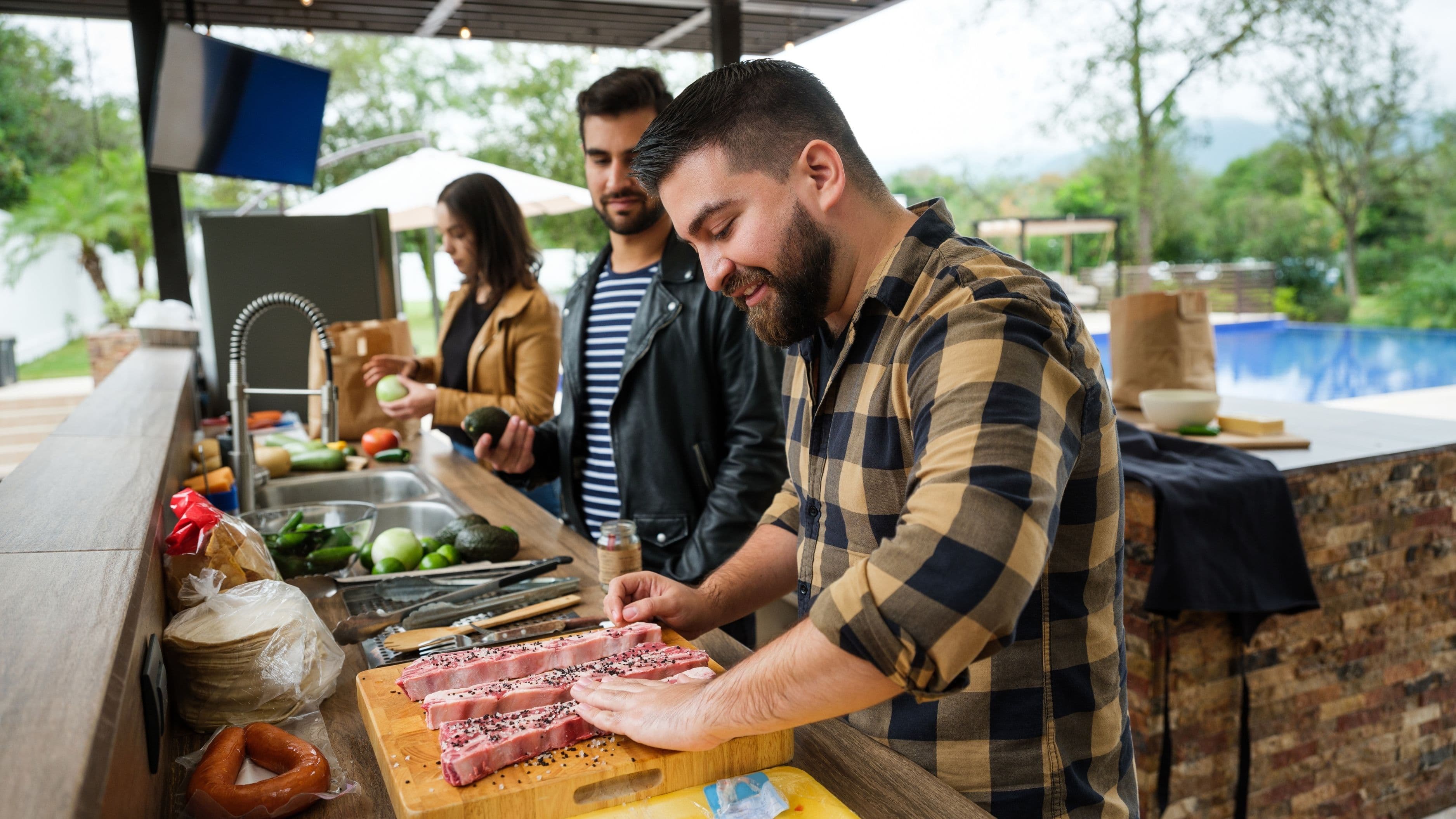
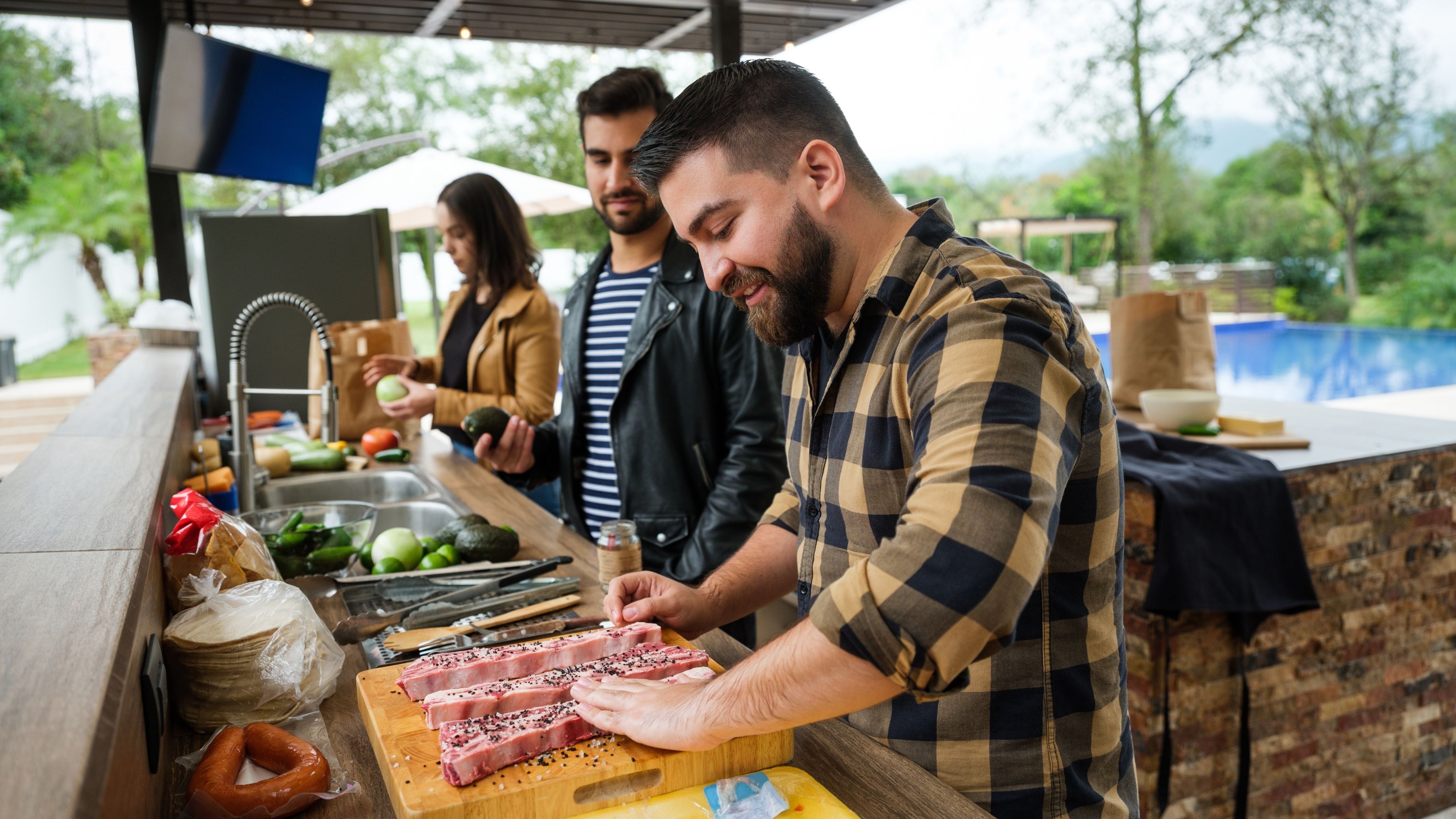
This guide walks you through how to plan an outdoor kitchen on a real budget — starting with the questions that matter, moving through the decisions that drive cost, and ending with a setup that actually works for how you cook and live outside.
Step 1: Define What "Outdoor Kitchen" Actually Means for You
The phrase "outdoor kitchen" covers everything from a built-in grill with a stone counter to a portable cart setup with a folding prep table. Before you look at a single product or price, get honest about what you're actually building and how often you'll use it.
If you grill a few times a week from May to October, your needs are different from someone who wants a full outdoor dining and entertaining hub used year-round. If your outdoor space is a small urban deck, your constraints are different from a sprawling backyard patio. Write down two or three things your current outdoor setup can't do that you want it to — that list becomes your functional brief, and it keeps you from overbuilding in the wrong areas and underbuilding in the ones that actually matter.
Step 2: Pick Your Approach — Freestanding, Modular, or Built-In
This single decision drives more of your budget than almost anything else, so get it right before you start pricing components.
Freestanding setups use standalone equipment — a quality gas or charcoal grill, a freestanding side burner, a prep cart or outdoor table — arranged into a functional cooking zone. This is the most flexible and lowest-cost approach, typically ranging from $1,000 to $4,000 for a well-equipped setup. Nothing is permanent, which means you can add, swap, or upgrade components over time. The trade-off is aesthetic — freestanding setups look less "kitchen-like" and usually lack the counter and storage integration of built-in designs.
Modular systems are pre-made outdoor kitchen cabinets and components designed to assemble into a built-in-looking layout without custom construction. Brands like Coyote, Lynx, and several big-box options offer modular units in powder-coated steel, polymer, or concrete that are weatherproof and stackable. A mid-range modular setup with a grill, side burner, and refrigeration runs $4,000 to $10,000 installed. You get a polished result with less labor than a fully custom build, and components can be rearranged or relocated if needed.
Built-in custom outdoor kitchens are constructed from masonry, concrete block, or steel framing with stone, tile, or concrete countertops. This is the most durable and highest-value option, but also the most expensive and least flexible — budget $8,000 to $30,000+ depending on size, materials, and whether you're doing any of the work yourself. Custom builds require the most planning upfront, including utility connections, permits in some jurisdictions, and careful layout decisions you can't easily undo.
For most homeowners working with a real budget, modular systems or a high-quality freestanding setup deliver 80% of the function at 30–50% of the cost of a custom build.
Step 3: Plan Your Layout Around the Work Triangle
Outdoor kitchens follow the same logic as indoor ones: efficient cooking means short distances between your grill (heat), prep surface (work), and food/beverage storage (supplies). This is a loose adaptation of the kitchen work triangle, and it applies even at modest scales.
Map out where your grill will sit relative to where you prep and where people will eat. The grill should have clearance from structures — most manufacturers recommend at least 3 feet from walls or overhead structures, and local codes may require more. Your prep surface should be adjacent to the grill so you're not carrying raw food across a long stretch. Storage or refrigeration should be within reach but not so close to the heat source that it creates a temperature management problem.
Think about traffic flow too. If people will be eating outside while you cook, you want a layout where the cooking area isn't in the middle of the seating zone. Keep the grill and hot surfaces at one end of the cooking area with guests on the other side. This both reduces congestion and keeps kids and guests away from hot equipment.
Step 4: Decide on Utilities — and Know What They Cost
Utilities — gas, electricity, water — are where budget outdoor kitchens often stay modest, because extending them adds cost and complexity that can quickly exceed the budget for the equipment itself.
Gas is the biggest utility question. Built-in gas grills require either a natural gas line connection or a propane tank setup. A natural gas line extension from the house typically runs $200 to $800 depending on distance and local labor rates, and requires a licensed plumber or gas fitter. Propane is simpler — no extension needed, just a tank — but you need to factor in the ongoing cost of refills and the logistics of storing and swapping tanks. For budget builds, a high-quality propane grill with a standard tank setup avoids the gas line cost entirely.
Electricity is needed if you want refrigeration, lighting, a power outlet for small appliances, or any smart outdoor technology. Running a new outdoor circuit from your electrical panel typically costs $200 to $500 for a straightforward run, and requires a licensed electrician. Outdoor refrigerators designed for uncovered or semi-covered spaces (look for "outdoor-rated" or "all-weather" models) run $300 to $800 for a quality unit. If electrical extension isn't in the budget, outdoor-rated extension cords with GFCI protection can handle occasional use cases, though they're not a permanent solution for built-in appliances.
Water is the most expensive utility to extend outdoors and often the most skippable. An outdoor sink is a genuine convenience for prep and cleanup, but connecting a water line and drain to an outdoor setup can cost $500 to $2,000+ depending on distance from the house and whether a drain connection is feasible. For most budget outdoor kitchens, a large outdoor-rated beverage cooler filled with ice and a hose connection nearby for cleanup achieves 90% of the functionality at a fraction of the cost.
Step 5: Choose the Grill and Equipment That Match Your Cooking
The grill is the center of the outdoor kitchen, and it's worth spending where it counts here rather than buying cheap and replacing in two years. That said, there's a wide range of quality at every price point, and "best grill" depends heavily on how you actually cook.
Gas grills are the most popular choice for outdoor kitchens because of convenience and temperature control. A solid mid-range 4-burner gas grill from Weber, Napoleon, or Broil King in the $400 to $800 range will outperform many "outdoor kitchen" grills twice the price from lesser brands. Look for stainless steel burners (not cast iron, which rusts faster in outdoor conditions), a porcelain-coated or stainless steel grill box, and a BTU output of at least 40,000–50,000 for reliable high-heat cooking.
Charcoal and kamado grills like the Big Green Egg or Kamado Joe are increasingly popular for outdoor kitchen setups because they double as smokers and can reach very high temperatures for pizza or searing. The kamado itself runs $400 to $1,500 for a quality mid-size unit, and modular table systems designed around them are a popular semi-built-in solution. The trade-off is longer startup time and more hands-on temperature management than gas.
Flat-top griddles (Blackstone and similar) have surged in popularity as a primary or secondary outdoor cooking surface. A quality 36-inch griddle runs $300 to $500 and handles breakfast, smash burgers, stir fry, and anything else that benefits from a large flat cooking surface. These pair well with a standard grill in a two-surface outdoor kitchen setup.
Beyond the primary cooking surface, the secondary equipment decisions depend on your priorities. A side burner ($100–$300 built-in, or a standalone propane burner for much less) handles pots and sauces. An outdoor-rated mini fridge ($300–$700) keeps drinks and prep ingredients cold without trips inside. A prep cart with a cutting board surface ($150–$400) adds functional workspace. Prioritize the pieces that address actual friction in how you currently cook outside.
Step 6: Plan for Shade, Shelter, and Surfaces
The cooking equipment gets the most attention, but the structure around it often determines how much the outdoor kitchen actually gets used. An exposed grill in direct afternoon sun is uncomfortable to cook at in summer. A cooking area with no overhead cover becomes unusable in light rain. These aren't design luxuries — they're functional requirements.
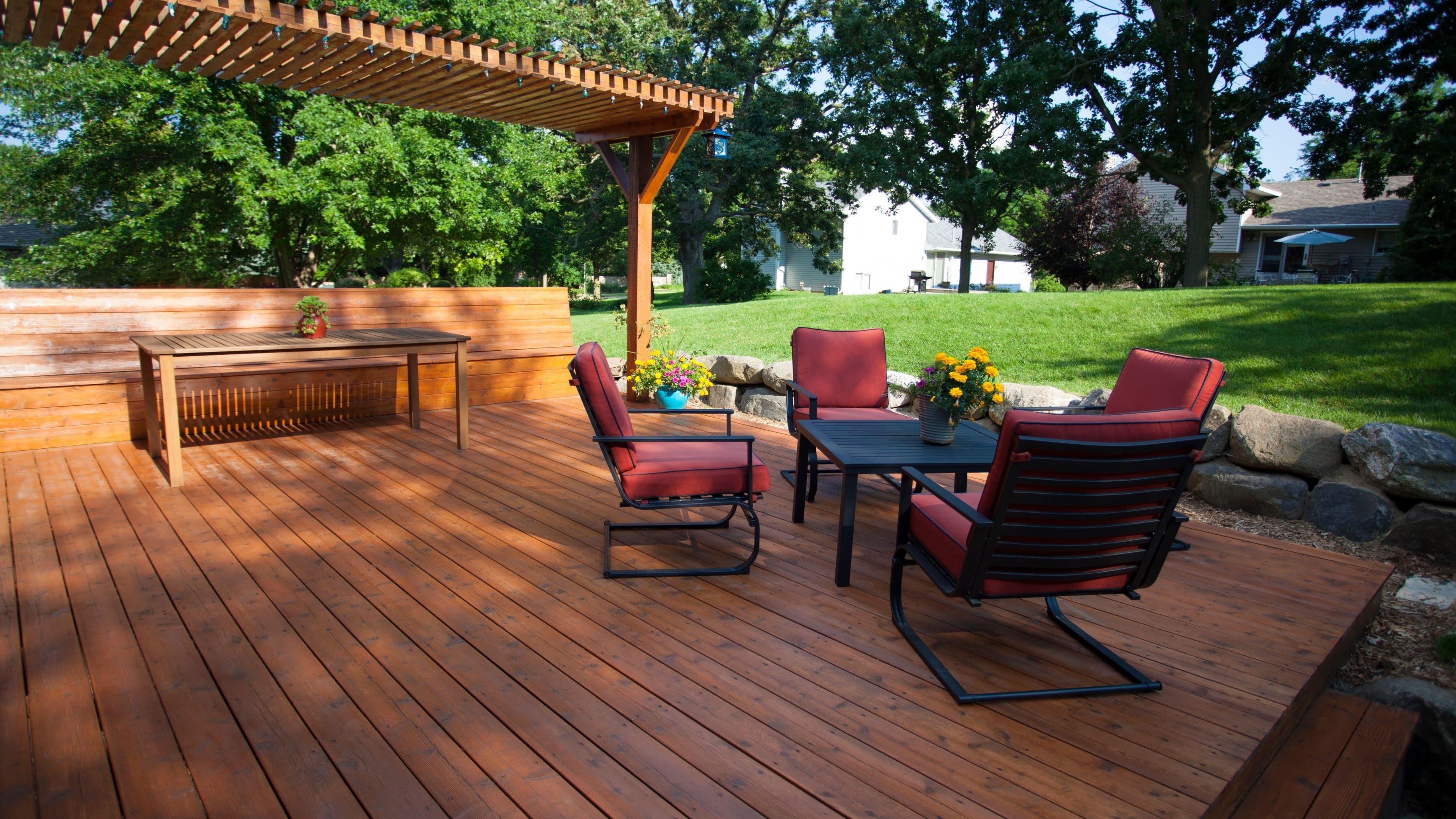
A pergola over the cooking and dining area can be built for $2,000 to $6,000 DIY, or purchased as a kit from suppliers like Yardistry or Sojag for $1,500 to $4,000. A simple canvas or polycarbonate shade structure over the grill area specifically can run as little as $300 to $800 and makes a meaningful difference in comfort. If a full overhead structure isn't in the current budget, shade sails on tension cables are an inexpensive interim solution.
For flooring, concrete pavers are the most practical and durable outdoor kitchen surface — they withstand heat, clean easily, and don't shift the way gravel or stepping stones do. A basic paver patio DIYed runs $4–$8 per square foot in materials; professional installation adds $8–$15 per square foot. Existing concrete slabs, composite decking (check your grill clearance requirements), or stone pavers all work as well.
Common Mistakes to Avoid
Buying cheap stainless steel that isn't rated for outdoor use. Not all stainless steel is equal — 304-grade stainless is the minimum for outdoor hardware and appliances. Lower grades will rust significantly faster in outdoor conditions, particularly in coastal or humid climates.
Skipping the overhead cover and then not using the space. If your summer afternoons are hot and sunny, or if you get regular afternoon showers, an uncovered outdoor kitchen is going to sit underused. Budget for some form of shade or shelter from the start, even if it's modest.
Overbuilding in layout before testing usage patterns. Before committing to a permanent built-in counter run, spend a season cooking outside with freestanding equipment. You'll learn more about where you actually want things positioned from three months of real use than from any amount of planning on paper.
Not checking local codes and HOA rules. Permanent outdoor structures, gas line extensions, and electrical work typically require permits in most jurisdictions, and HOAs may have restrictions on outdoor structures or appliances. Check before you build, not after.
Realistic Budget Ranges at a Glance
$1,000–$2,500: A quality freestanding gas or charcoal grill, a prep cart, and basic accessories. Functional and honest — the foundation of an outdoor cooking setup without any built-in infrastructure.
$2,500–$5,000: Add a modest modular base unit or DIY masonry structure for a more built-in look, an outdoor mini fridge, a shade sail or pergola kit, and pavers if the base surface needs work.
$5,000–$10,000: A mid-range modular outdoor kitchen system with grill, side burner, refrigeration, and storage; a pergola or shade structure; paver patio; and a natural gas connection or electrical outlet run.
$10,000+: Custom-built masonry or concrete outdoor kitchen with premium appliances, full utility connections, a permanent overhead structure, and professional installation.
Most homeowners building their first outdoor kitchen find the $3,000–$6,000 range hits the sweet spot — enough to build something genuinely functional and attractive without overcommitting to a layout or set of features they haven't tested yet.
FAQ
Do I need a permit for an outdoor kitchen? It depends on your jurisdiction and what the build involves. Gas line work, electrical connections, and permanent structures typically require permits. Freestanding setups and modular systems that don't involve utility connections usually don't. Check with your local building department before starting any structural or utility work.
What's the best grill brand for an outdoor kitchen setup? Weber, Napoleon, and Broil King consistently rank as the best value across quality, durability, and parts availability at mid-range price points. For built-in outdoor kitchen grills specifically, Coyote and Blaze offer excellent quality at a lower price than premium brands like Lynx or DCS.
How long does an outdoor kitchen project typically take? A freestanding setup can be assembled in a day or two. A modular system takes a weekend to a few days. A custom built-in project with utility work typically takes two to four weeks including planning, permitting, and construction, depending on complexity and contractor availability.
What materials hold up best outdoors? 304-grade stainless steel for appliances and hardware, powder-coated aluminum or polymer for cabinetry, concrete or porcelain tile for countertops, and concrete pavers or poured concrete for flooring. Teak and other treated hardwoods work well for accent surfaces but require annual maintenance.
Can I build an outdoor kitchen on a wood deck? Yes, but with important caveats. The grill must have clearance from deck surfaces per the manufacturer's guidelines and local fire codes — typically 18 inches minimum to combustible surfaces, more for some units. Use a grill mat beneath the cooking area. Composite decking manufacturers often have specific guidance about grill use; check yours before building.
📚 Sources
U.S. Department of Energy – Outdoor Home Improvement Guidance: https://www.energy.gov/energysaver/home-improvements
Weber Grills – Outdoor Kitchen Planning Guide: https://www.weber.com/US/en/blog/outdoor-kitchen-guide
This Old House – How to Build an Outdoor Kitchen: https://www.thisoldhouse.com/yards/21015260/how-to-build-outdoor-kitchen
NFPA – Outdoor Grilling Safety and Clearances: https://www.nfpa.org/Public-Education/Staying-safe/Safety-equipment/Grills
The Home Depot – Outdoor Kitchen Planning Center: https://www.homedepot.com/c/ab/outdoor-kitchen-ideas/9ba683603be9fa5395fab901c9a5fc
Houzz – Outdoor Kitchen Design and Cost Research: https://www.houzz.com/magazine/outdoor-kitchen-cost-stsetivw-vs~166397633
-jhajrFUGfI3zCQGjpAWcxuNPi1zUTB.jpg&w=3840&q=75)