
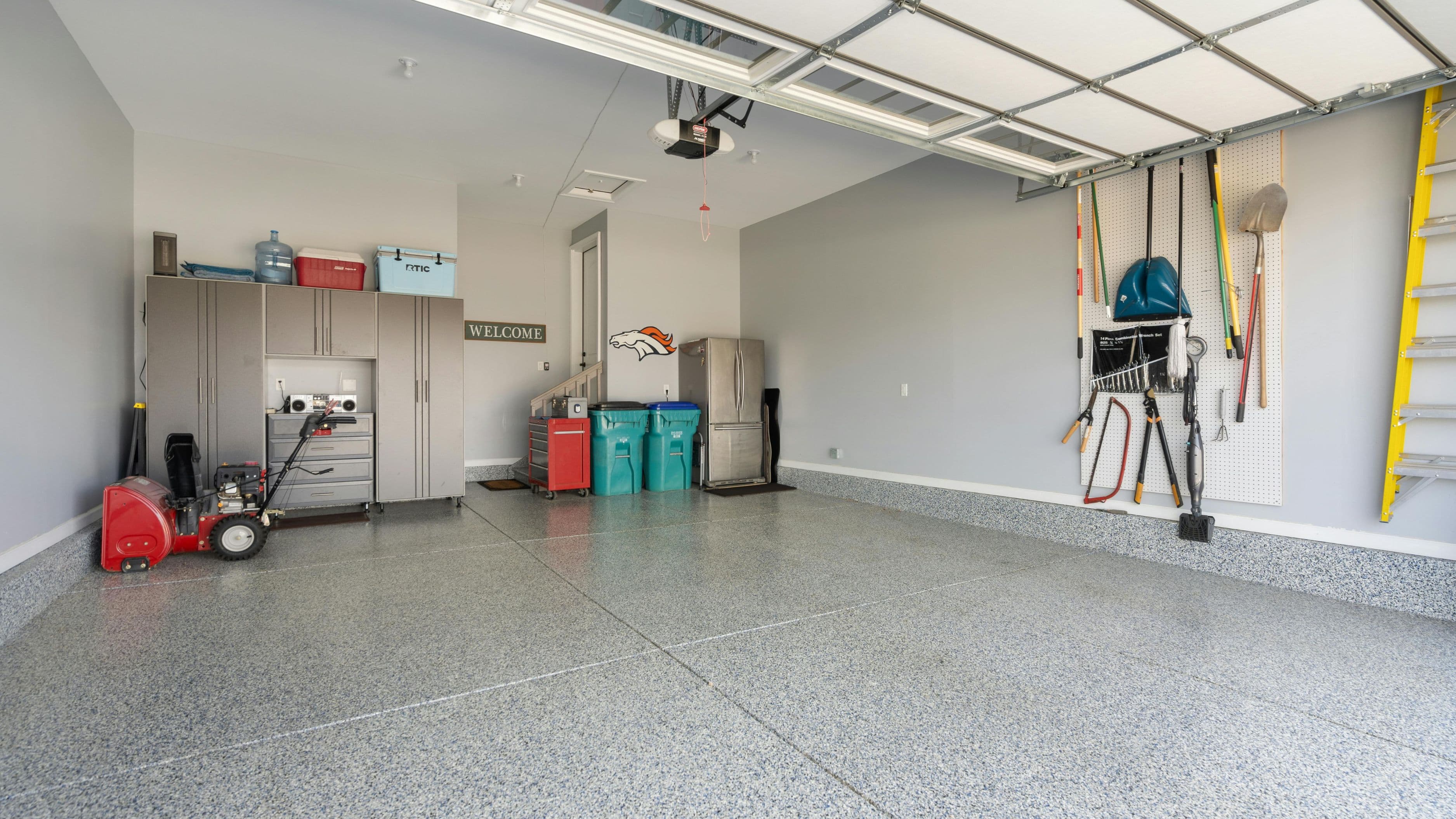
Choosing between them isn't just about price, it's about how you actually use your garage day to day, and getting this decision right upfront saves you from redoing the entire system a year later.
Quick Answer
For most homeowners on a budget who want flexible, simple tool storage, pegboard is the better starting point. For anyone wanting a more polished, heavy-duty system built for long-term durability and higher weight capacity, slatwall is worth the additional investment.
What Pegboard Actually Is
Pegboard is a perforated hardboard or metal panel with evenly spaced holes, into which you insert hooks, baskets, and shelves to hold tools and equipment. It's been a garage staple for decades because it's simple, affordable, and endlessly reconfigurable, moving a hook to a new hole takes seconds.
Standard pegboard panels typically cost $15 to $40 for a 4x8 foot sheet, with basic hook sets adding another $20 to $50 depending on how many accessories you need. Installation is straightforward for most DIYers, usually involving mounting the panel with a small standoff gap from the wall so hooks have room to seat properly.
What Slatwall Actually Is
Slatwall consists of horizontal grooved panels, typically made from MDF or PVC, into which specialized brackets, hooks, and shelving clip in and slide along the grooves. This system is commonly seen in retail store displays, which gives a sense of its polished, more structured appearance compared to pegboard's more utilitarian look.
Slatwall panels generally cost more upfront, running $30 to $80 per 4x8 foot panel, with accessory hooks and brackets often priced higher than pegboard equivalents, typically $10 to $30 per piece depending on the weight capacity and style.
Comparing the Two Systems
Weight Capacity and Durability
Slatwall generally supports significantly more weight than pegboard, particularly for heavier items like power tools or larger equipment, since its bracket system distributes weight more effectively along the horizontal grooves. Pegboard, especially thinner hardboard versions, can sag or the holes can wear out over time under heavier or frequently repositioned loads.
If your garage storage needs lean toward heavier power tools, larger equipment, or items you plan to hang and leave in place long-term, slatwall's higher weight tolerance offers a meaningful durability advantage.
Flexibility and Reconfiguration
Pegboard wins clearly here. Because holes are spaced closely and evenly across the entire panel, you can reposition hooks and accessories in small increments, making it easier to fine-tune a layout as your tool collection changes. Slatwall's horizontal groove system is more limited in vertical positioning flexibility, since you're generally working within the fixed horizontal lines rather than a full grid of options.
For a garage where your tool collection changes frequently, or you like to reorganize periodically, pegboard's flexibility tends to be more practical day to day.
Appearance and Finish
Slatwall has a noticeably more polished, finished appearance, closer to what you'd see in a retail display than a typical garage. If aesthetics matter to you, particularly if your garage doubles as a workshop space you spend significant time in, slatwall's cleaner look is a real consideration.
Pegboard's more utilitarian appearance isn't unattractive, but it doesn't offer the same finished, showroom feel that slatwall provides, which matters more to some homeowners than others depending on how the space is used.
Cost
Pegboard is meaningfully more budget-friendly both in initial panel cost and accessory pricing, making it the more accessible option for homeowners working with a limited renovation budget or those unsure how much wall storage they'll ultimately need.
Slatwall's higher cost reflects its increased durability, weight capacity, and finished appearance, which may be worth the investment for a garage you're setting up as a long-term, heavily used workspace rather than basic overflow storage.
Installation Effort
Both systems are DIY-friendly for most homeowners with basic tools, though slatwall panels are often slightly heavier and may benefit from an extra set of hands during installation. Pegboard's lighter weight and simpler mounting hardware generally make it the quicker, easier installation of the two.
Which One Actually Wins?
There isn't a universal winner, it depends on your specific priorities. If budget and flexibility matter most, and you're storing a mix of lighter tools and accessories, pegboard delivers strong functionality at a lower cost with easier reconfiguration. If you're storing heavier equipment, want a more polished finished look, and are willing to invest more upfront for long-term durability, slatwall is the stronger choice.
Some homeowners even combine both, using slatwall for heavier, frequently accessed power tools near a workbench area, and pegboard for lighter hand tools and accessories elsewhere in the garage, getting the strengths of each system where they matter most.
Common Mistakes to Avoid
Don't undersize your panel coverage to save money upfront. A garage organization system that only covers a small portion of usable wall space often leaves you right back where you started within a year, still short on storage.
Don't ignore weight ratings when choosing accessories, particularly for pegboard, since exceeding a hook's rated capacity can cause it to bend or fail, sometimes damaging stored tools in the process.
Don't mount either system directly against drywall without proper backing or standoff spacing where required, since improper mounting reduces the weight capacity and stability of the entire system regardless of which option you choose.
FAQ
Is slatwall worth the extra cost over pegboard? For heavier equipment storage or a garage you use as a dedicated workshop, the added durability and weight capacity often justifies the higher price. For basic, lighter tool storage on a budget, pegboard typically delivers comparable functionality for less.
Can I install pegboard or slatwall myself? Yes, both are generally DIY-friendly for someone comfortable with basic tools and wall mounting, though slatwall's heavier panels may be easier to install with a second person.
Can I mix pegboard and slatwall in the same garage? Yes, and many homeowners do, using each system where its specific strengths, flexibility for pegboard, weight capacity for slatwall, matter most for that particular area.
📚 Sources
"Garage Storage and Organization" – National Association of Home Builders – https://www.nahb.org/
"Home Workshop Safety Guidelines" – U.S. Consumer Product Safety Commission – https://www.cpsc.gov/
"Choosing Wall Materials for Home Projects" – U.S. Department of Energy – https://www.energy.gov/energysaver