

Why Phasing Works Better Than Waiting
Waiting to save the entire budget for a full renovation often means living with problems that get worse over time, an aging roof, inefficient windows, an outdated kitchen that slowly becomes harder to justify updating as other priorities pile up. Phasing lets you address the most pressing issues first while spreading cost over a manageable timeline, without putting your whole life on hold for a single massive project.
The trade-off is that phasing requires more upfront planning than a single big renovation, since decisions made in phase one need to work logically with what comes in phase three, even if phase three is still a couple of years away.
Start With a Master Plan, Even If You Can't Execute It All Yet
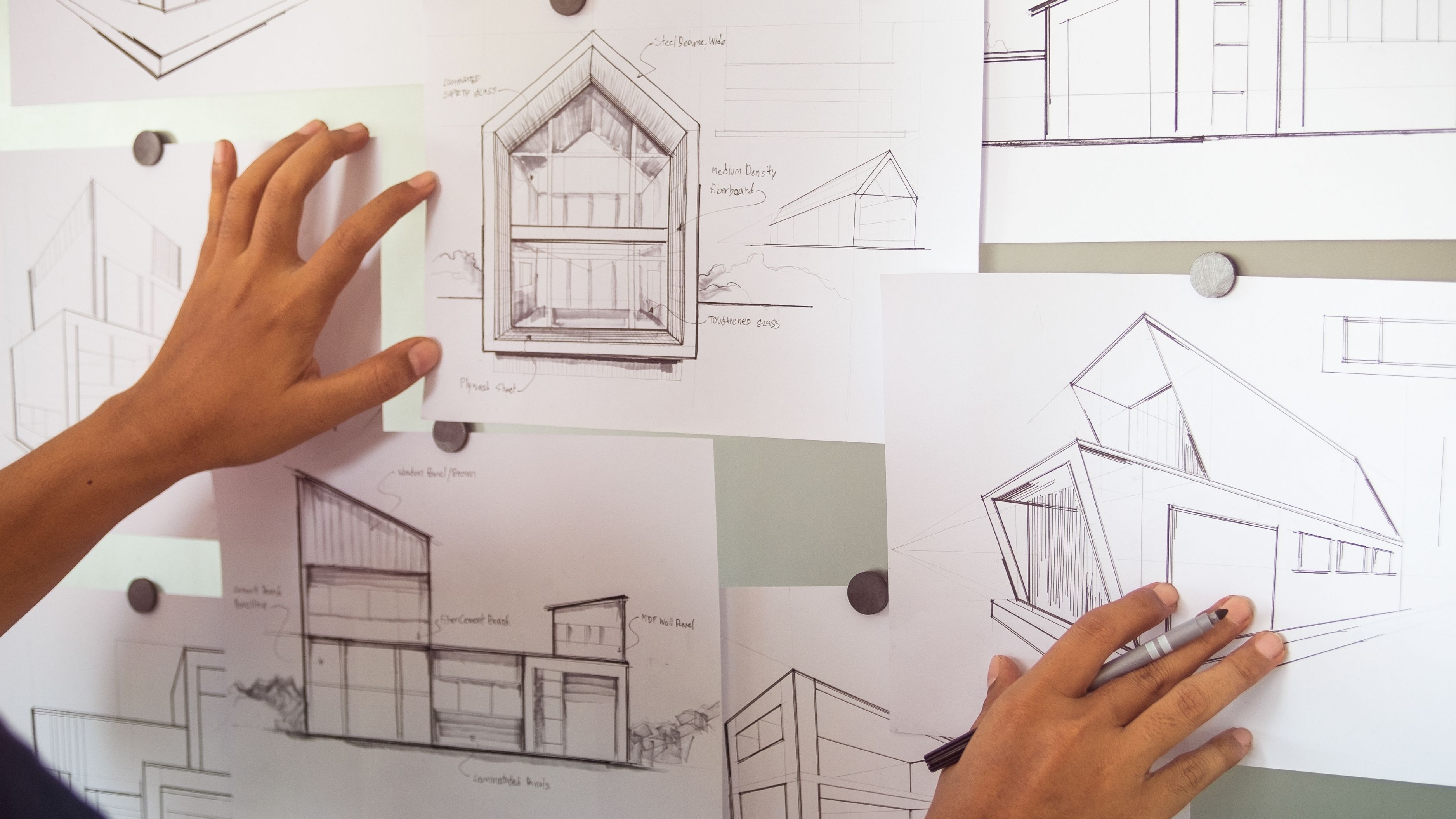
Before starting any individual phase, it's worth investing time, and sometimes a modest consultation fee with an architect or designer, to map out the full vision for your home even if you're only tackling one piece right now. This master plan becomes your reference point, ensuring that a kitchen renovation this year doesn't accidentally conflict with a planned addition two years from now.
This step is often skipped by homeowners eager to get started, but it's one of the most cost-effective investments in a phased renovation. Without it, you risk redoing work later because an earlier phase didn't anticipate a future change, a mistake that costs far more than the planning fee would have.
Sequence Phases by Structural Logic, Not Just Priority
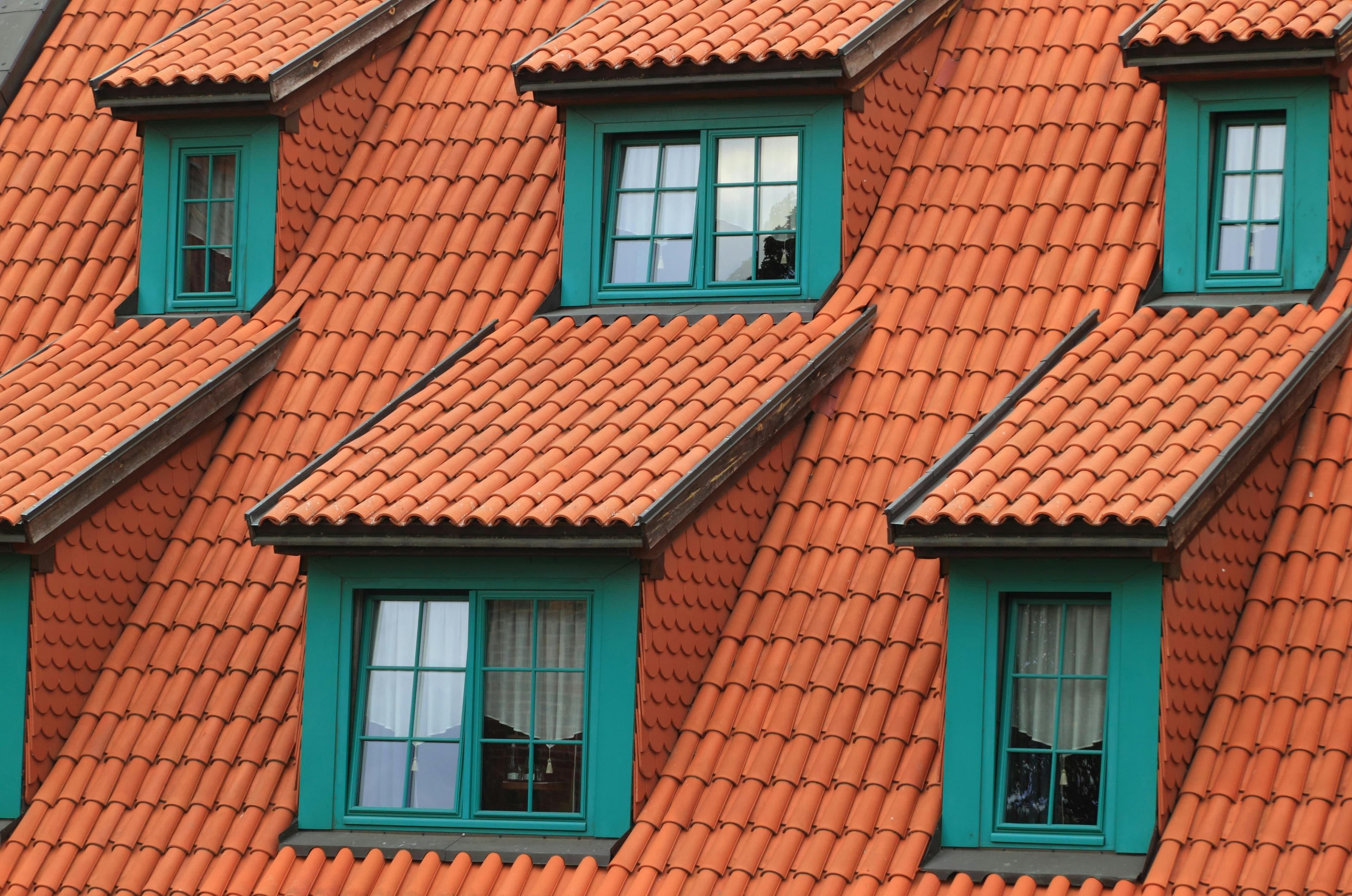
It's tempting to start with the room that bothers you most, but the smartest sequencing follows structural and systems logic. Address anything involving the building envelope, roof, foundation, structural issues, before cosmetic work, since these problems only get more expensive to fix the longer they're deferred, and can damage finished renovations completed in earlier phases if left unaddressed.
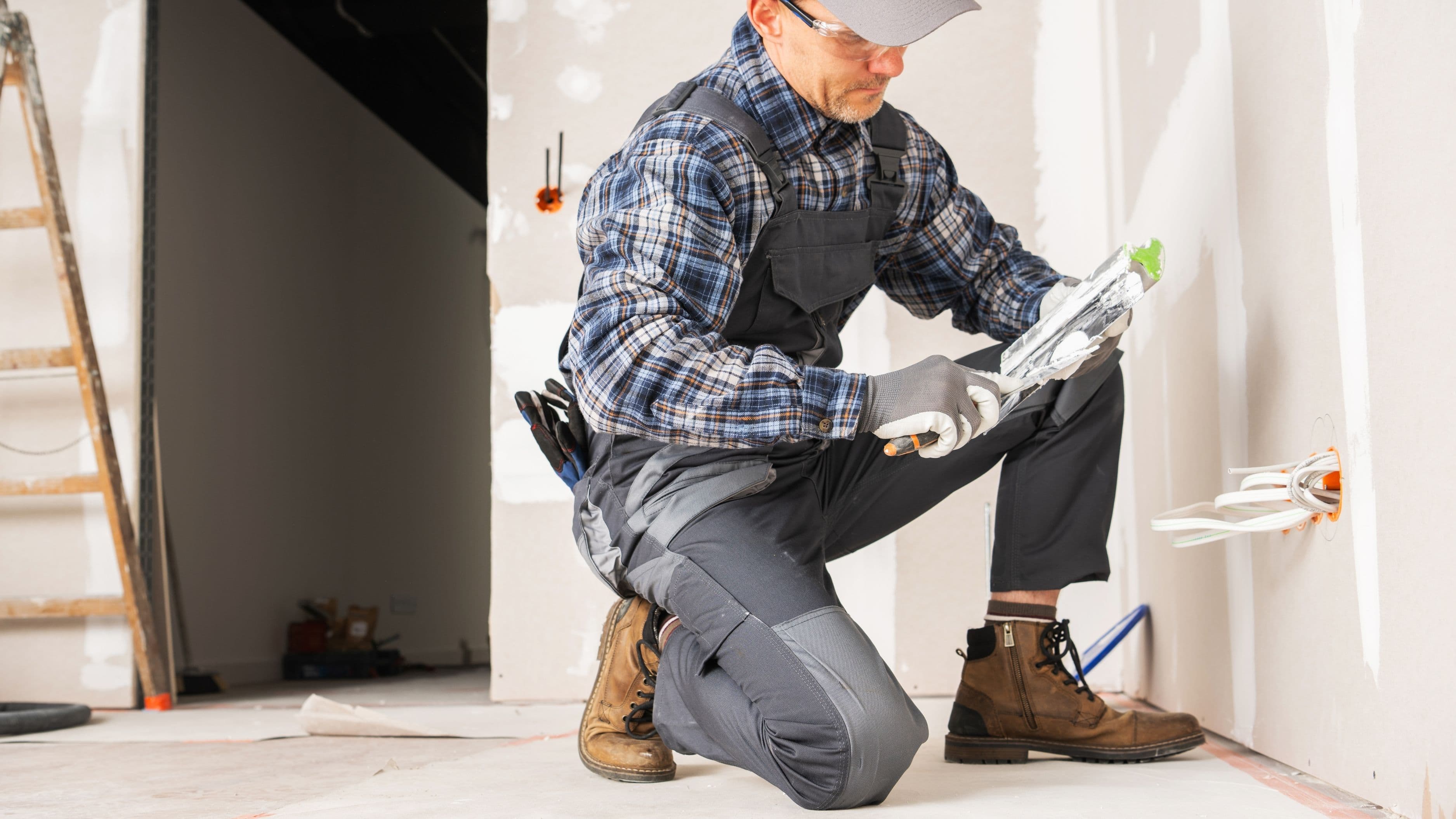
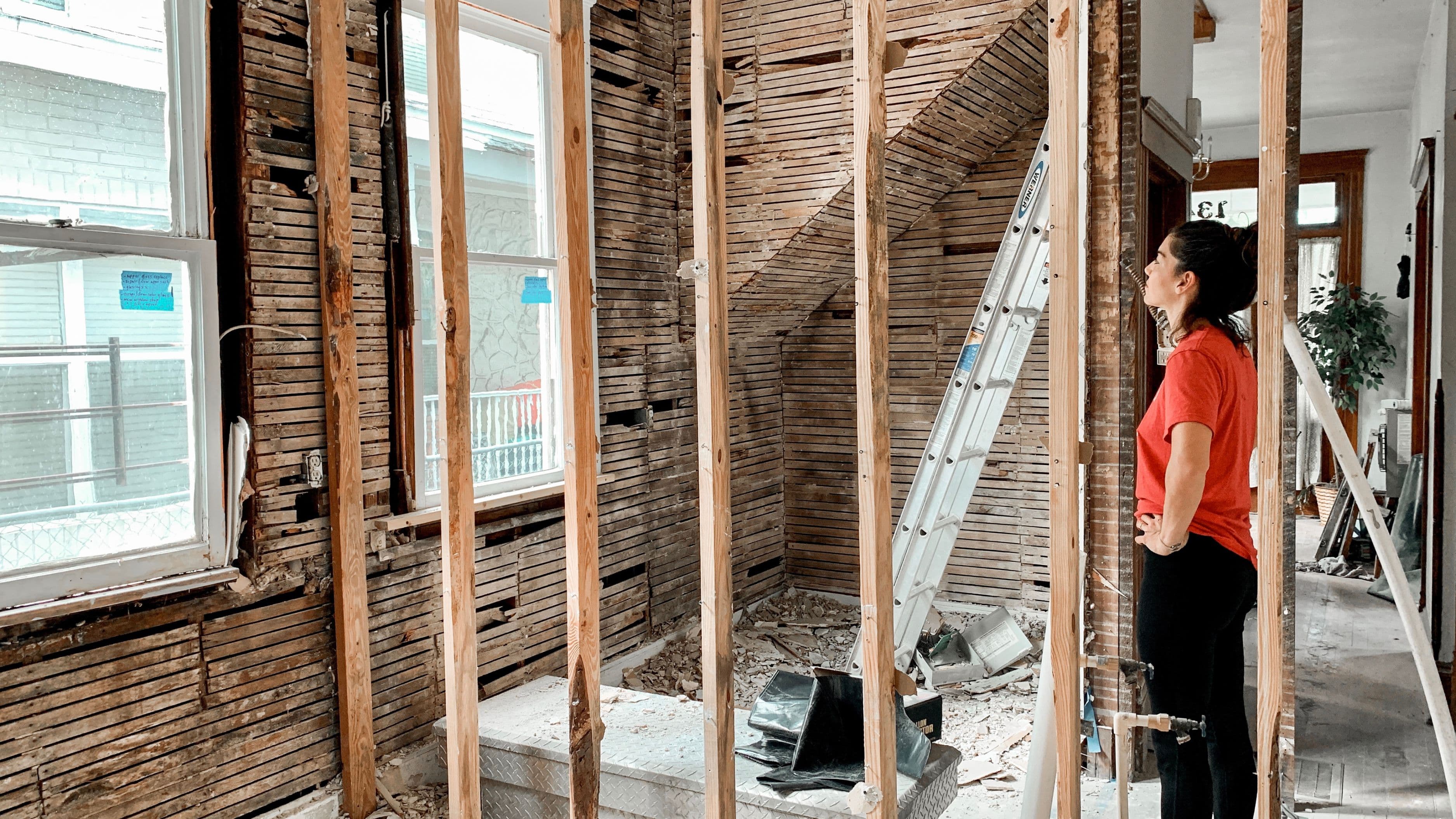
Similarly, electrical and plumbing work that affects multiple rooms is worth tackling early in a phased plan, even if it means opening up walls in areas you're not cosmetically renovating yet, since revisiting finished walls later to address systems issues adds unnecessary cost and disruption.
Budget Realistically for Each Phase
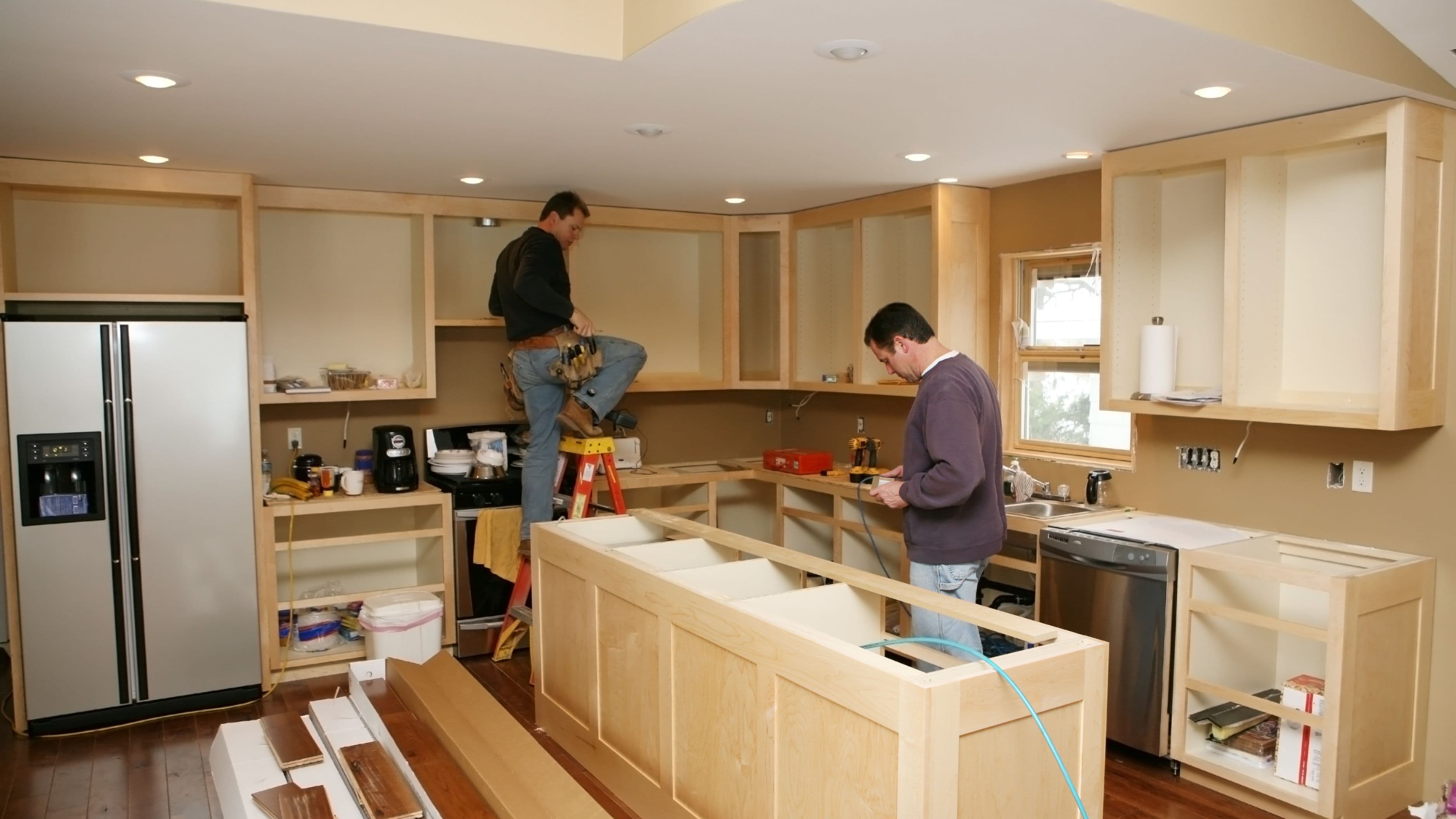
Estimated cost level: medium to high overall, depending on scope, though individual phases can be scaled to fit smaller budgets. A kitchen renovation phase alone often runs from $15,000 for a moderate refresh to $50,000 or more for a full remodel with structural changes, while a bathroom phase typically falls in the $8,000 to $25,000 range depending on finishes and layout changes.
Build a contingency of at least 10% to 15% into each individual phase's budget, since unexpected issues, outdated wiring behind a wall, water damage discovered during demolition, tend to surface once work begins, regardless of how well a phase was planned.
Time Each Phase Around Your Life, Not Just the Calendar
Phased renovations give you flexibility that single large projects don't, use it deliberately. Scheduling a kitchen phase during a period when you can manage without a full kitchen for several weeks, or timing exterior work around seasonal weather patterns in your region, reduces the disruption each phase causes to daily life.
It's also worth spacing phases with enough time between them to actually enjoy the completed work and reassess your priorities before committing to the next stage, rather than moving from one disruptive project straight into another without a breather.
Keep Design Continuity Across Phases
One of the biggest risks in phased renovation is ending up with a home that feels stitched together from different eras and styles because each phase was planned in isolation. Choosing a cohesive material and design palette upfront, even if you're not purchasing everything at once, helps ensure a kitchen renovated this year still feels intentional next to a living room renovated three years later.
Keep a simple reference document, even just photos and material samples, of key finishes and colors used in each completed phase so future phases can match or intentionally complement what's already been done.
What to Avoid
Don't skip the master planning step just to save time or money upfront, the cost of redoing work due to poor sequencing almost always exceeds the cost of proper planning. Avoid tackling cosmetic phases before addressing structural or systems issues that affect the whole house, since this sequencing mistake often means undoing finished work later. And resist scope creep within an individual phase, expanding a planned bathroom refresh into a full remodel mid-project tends to blow both budget and timeline for that phase and delays the rest of your overall plan.
FAQ
How many phases should a renovation typically have? This depends entirely on the scope of your overall plan and budget, but most homeowners phasing a whole-home renovation break it into three to six distinct stages spread over one to five years.
Should I hire the same contractor for every phase? Not necessarily required, but there are real benefits to continuity, a contractor familiar with your home's specific quirks and your overall master plan can often execute later phases more efficiently.
What if my budget or priorities change between phases? This is common and manageable as long as your master plan remains the reference point, adjustments to individual phases are far easier to absorb than changes to a single, monolithic renovation project.
The Bottom Line
A phased renovation isn't a compromised version of your dream home, it's a more sustainable path to it. With a solid master plan, logical sequencing, and realistic budgeting for each stage, you can transform your home over time without the financial strain or disruption of trying to do everything at once.
📚 Sources
National Association of Home Builders – Remodeling Cost vs Value Report – nahb.org
This Old House – Planning a Whole-House Renovation in Phases – thisoldhouse.com
U.S. Department of Housing and Urban Development – Home Renovation Planning Guide – hud.gov
-jhajrFUGfI3zCQGjpAWcxuNPi1zUTB.jpg&w=3840&q=75)