


Start With What's Actually Failing, Not What's Just Outdated
Before considering upgrades or aesthetic improvements, take an honest look at anything genuinely deteriorating: roofing issues, plumbing problems, electrical concerns, or structural wear. These aren't optional in the way a kitchen refresh is, since deferred maintenance in these categories tends to get more expensive the longer it's ignored, and some can create safety risks or additional damage if left unaddressed.
This is the category where "limited budget" arguments for delay tend to backfire. A small roof leak addressed now costs meaningfully less than the water damage, mold remediation, and structural repair that develops if it's left for another year or two waiting for a bigger renovation budget.
Rank Remaining Projects by Real Impact, Not Personal Excitement
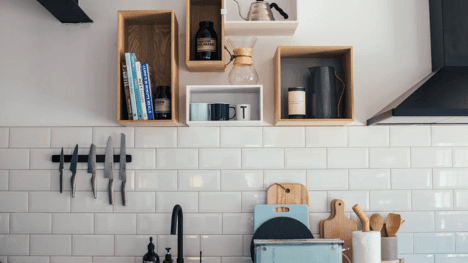
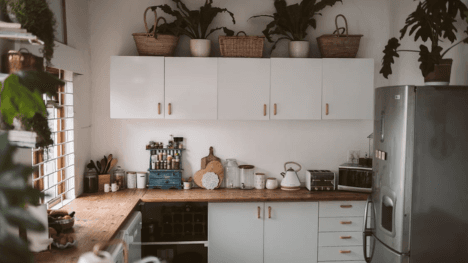
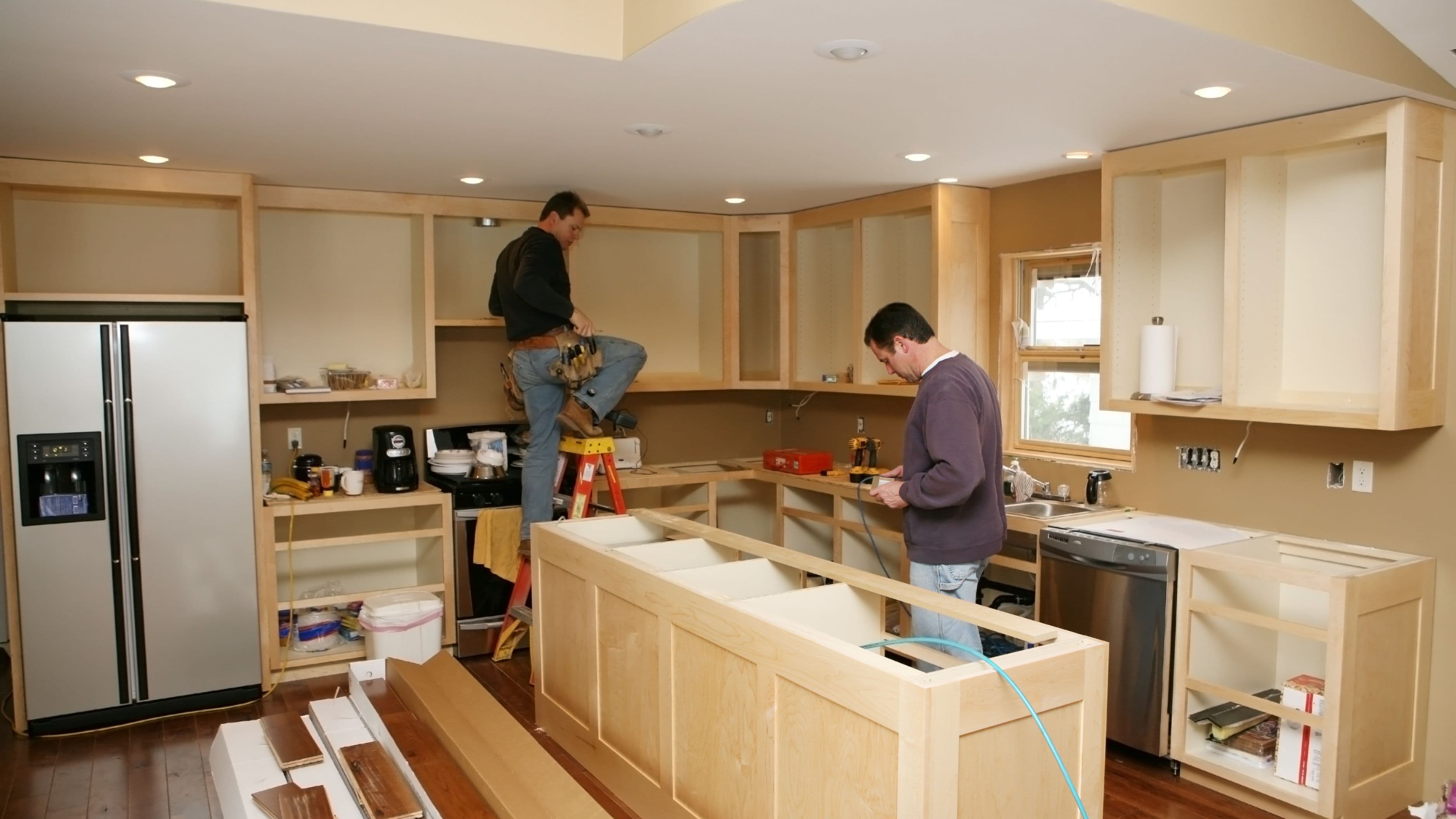
Once genuine maintenance needs are handled, the remaining wishlist, kitchen updates, bathroom refreshes, flooring, paint, needs to be ranked by actual impact rather than which project you're personally most excited about tackling. Impact here means a combination of daily usability improvement and reasonable value retention if you were to sell in the coming years, not just visual appeal.
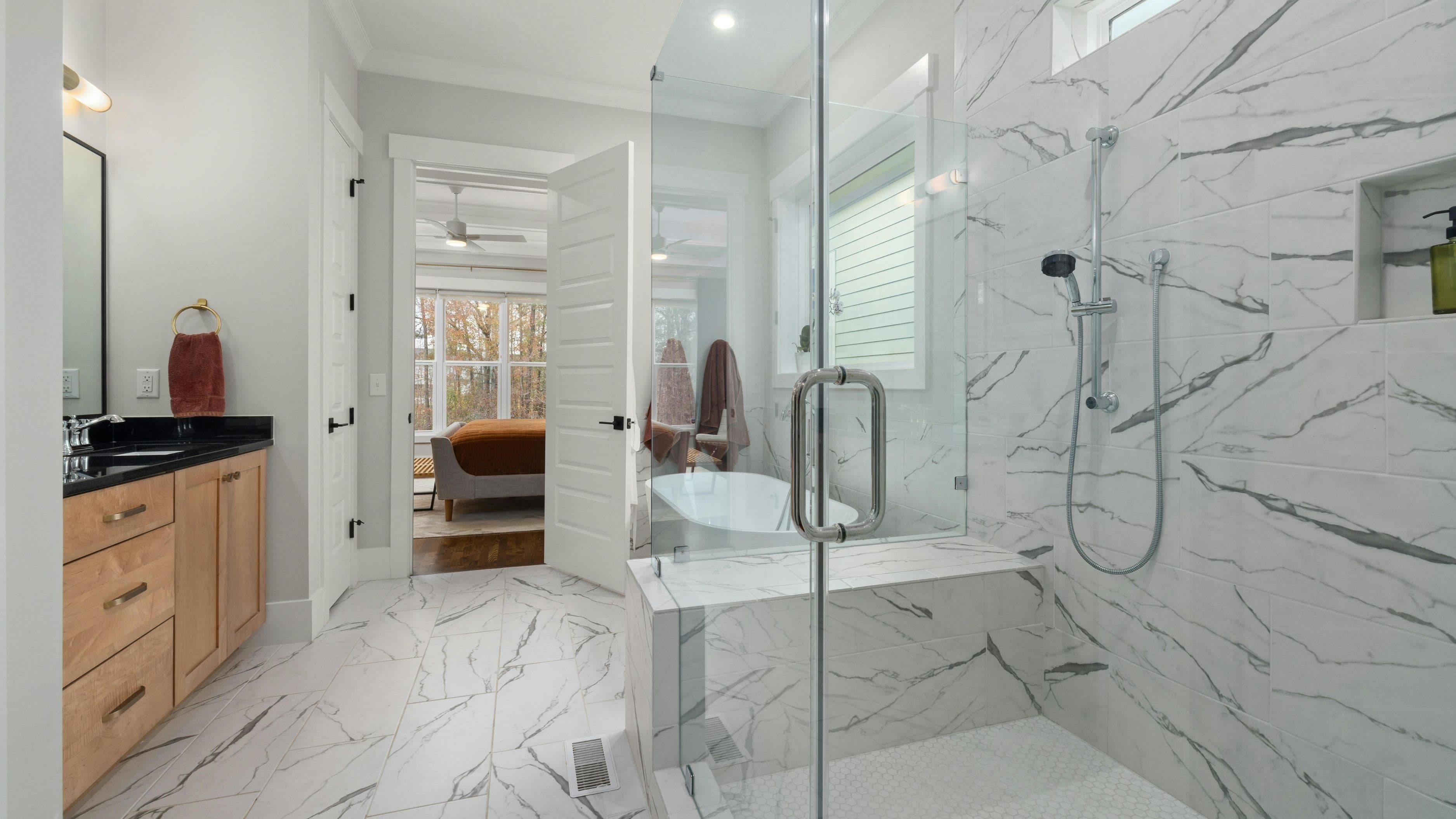
Kitchens and bathrooms consistently rank as high-impact spaces, both because they're used daily and because they carry outsized weight in how a home is perceived by future buyers if resale is ever a consideration. This doesn't mean every limited budget should go toward a kitchen, but it's worth weighing more heavily than, say, a purely cosmetic accent wall in a rarely used room.
Separate "Must Do Now" From "Can Wait a Cycle"
Not every project on your list needs to happen this year. Some upgrades, particularly cosmetic ones like updated light fixtures or a fresh coat of paint, hold their value as future projects reasonably well, meaning waiting a budget cycle doesn't cost you much in terms of missed opportunity. Structural, safety, or heavily-used-space projects generally don't hold up as well to delay.
Building an actual multi-year sequence, rather than trying to squeeze everything into a single budget cycle, tends to produce better results and less financial strain than attempting too much at once with a stretched budget that compromises quality on every individual project.
Factor In Cost-to-Impact Ratio, Not Just Total Cost
A $3,000 bathroom refresh that meaningfully improves daily usability might deliver more real value per dollar spent than a $15,000 partial kitchen remodel that only addresses part of what actually needs fixing. When budgets are limited, prioritizing projects with a strong cost-to-impact ratio, rather than simply the cheapest projects or the most expensive "statement" projects, tends to produce better overall satisfaction with limited renovation dollars.
Get rough estimates for your full wishlist before finalizing priorities. Costs for similar-sounding projects can vary significantly depending on your home's specific condition, so working from actual estimates rather than general online cost guides gives you a more accurate basis for comparison.
Consider DIY for Lower-Complexity Projects to Free Up Budget
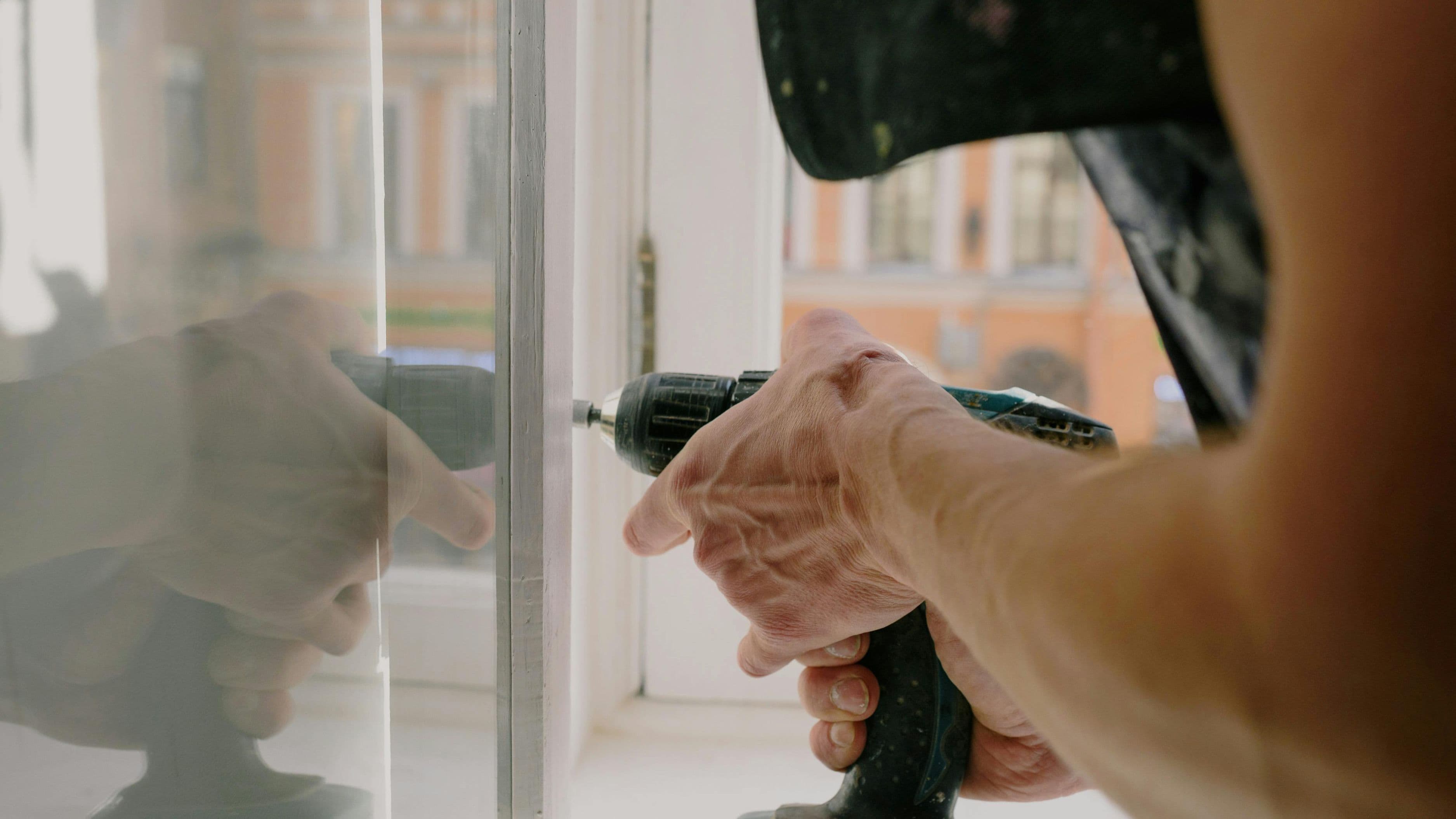
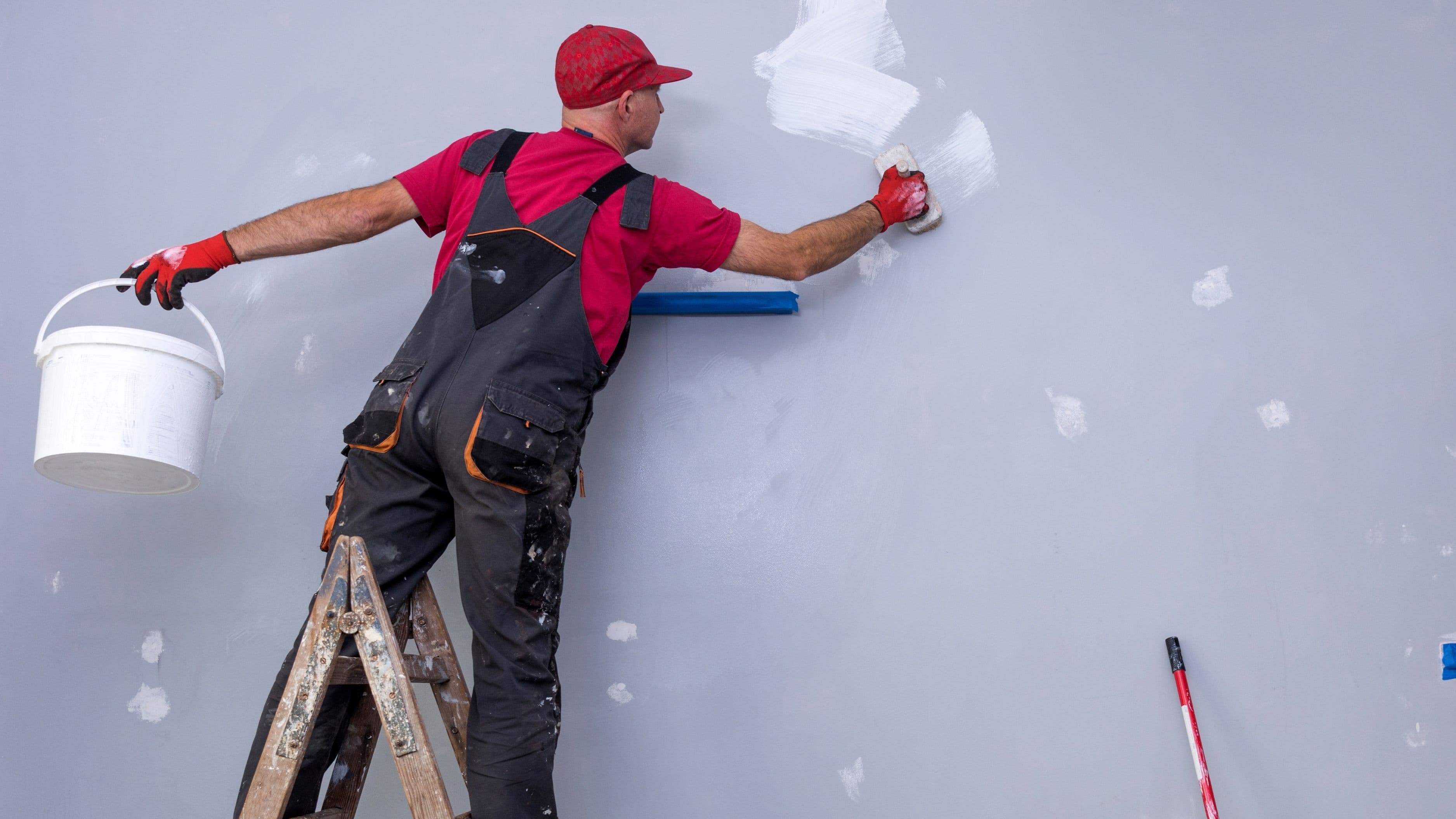
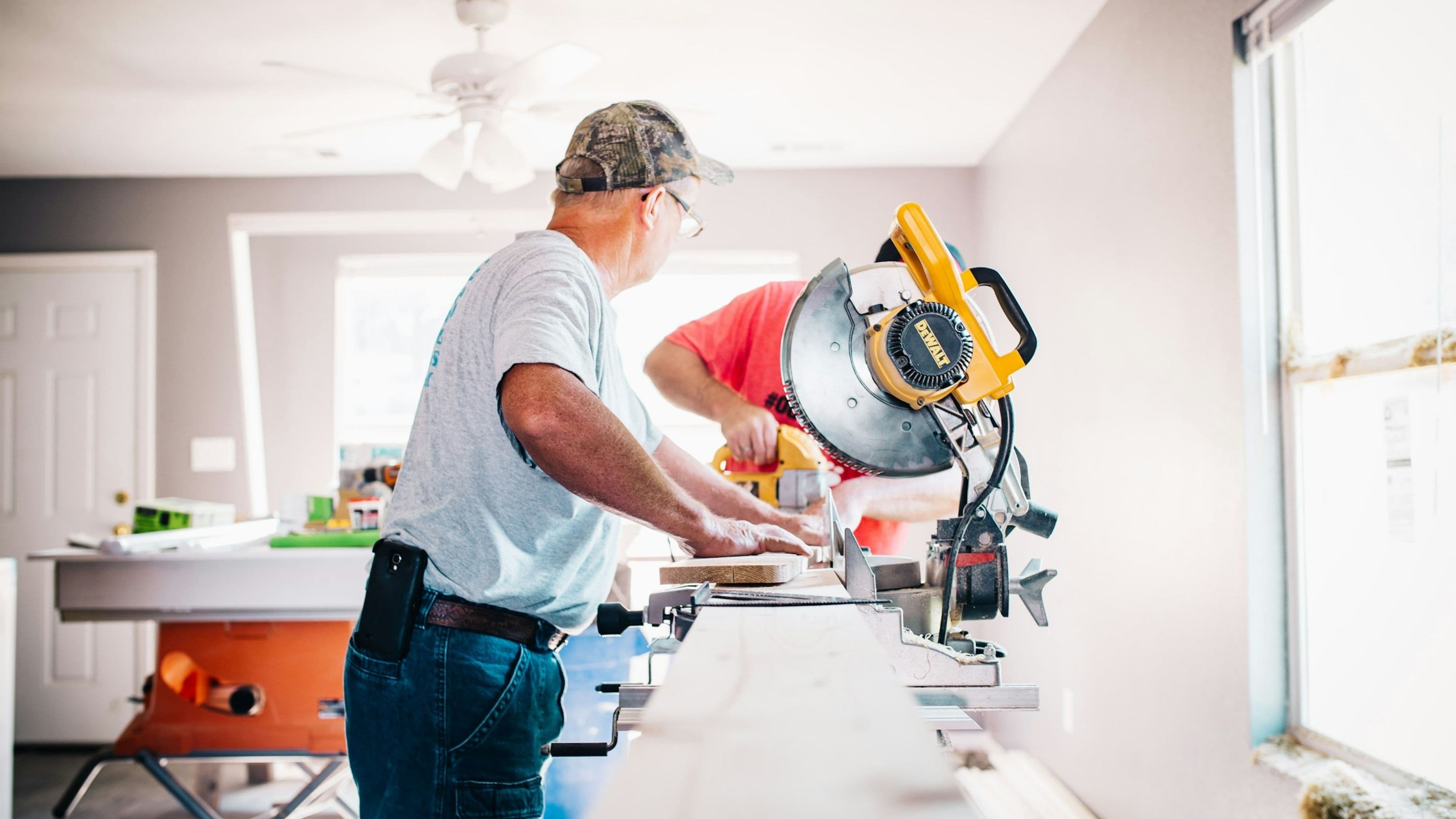
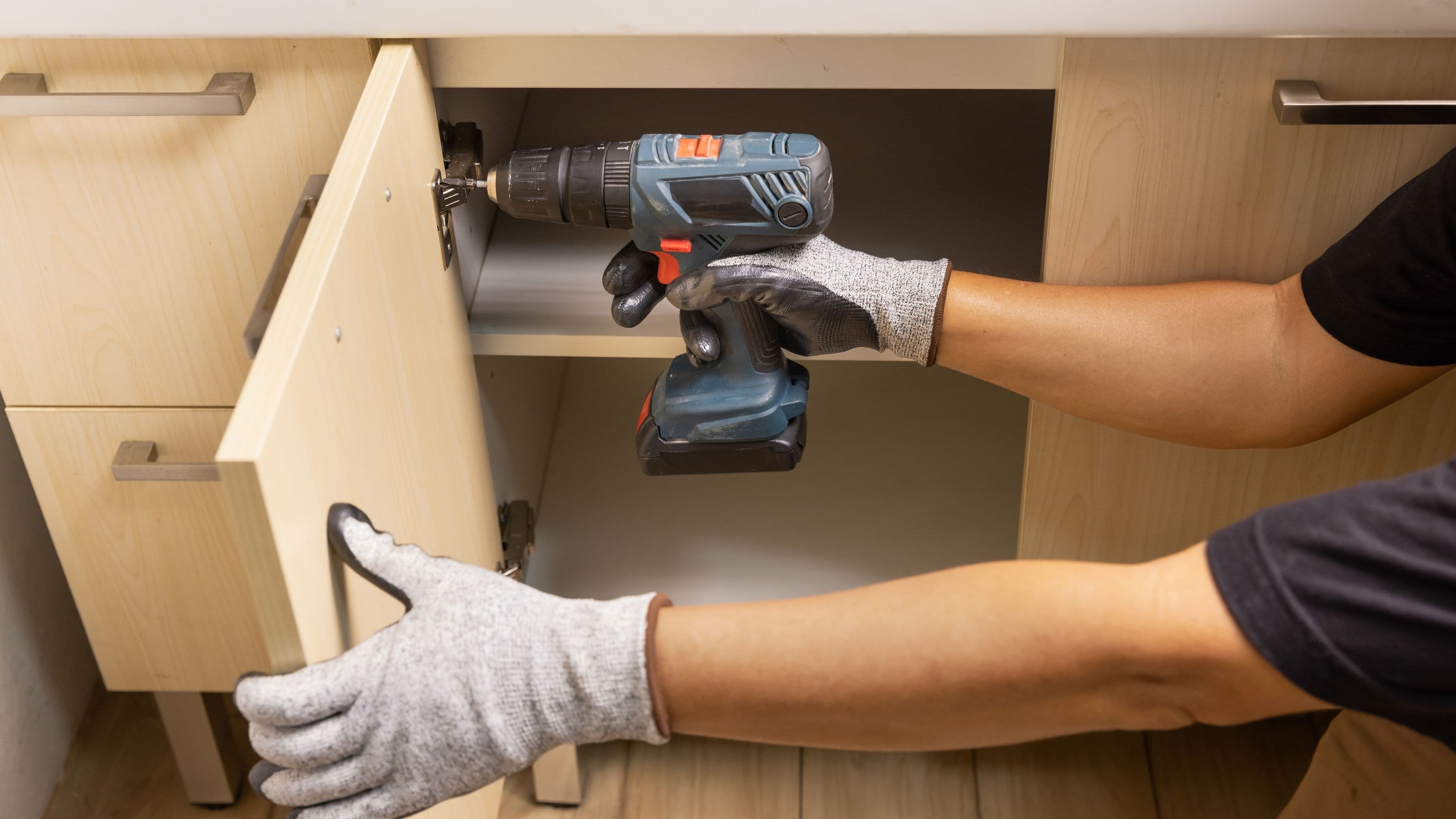
Painting, simple landscaping, basic fixture swaps, and some flooring installations are reasonable candidates for DIY if you have the time and reasonable comfort with the work involved, freeing up budget for projects that genuinely require licensed professionals, like electrical or plumbing work. This isn't about DIYing everything to save money regardless of skill level; poorly executed DIY work on visible or functional elements can actually reduce home value rather than preserve budget for other priorities.
What to Avoid
Don't let a single attractive financing offer or sale on materials dictate your project order. Buying discounted tile for a bathroom refresh doesn't matter much if your roof needs attention first; sequencing should follow actual priority, not opportunistic deals on unrelated projects.
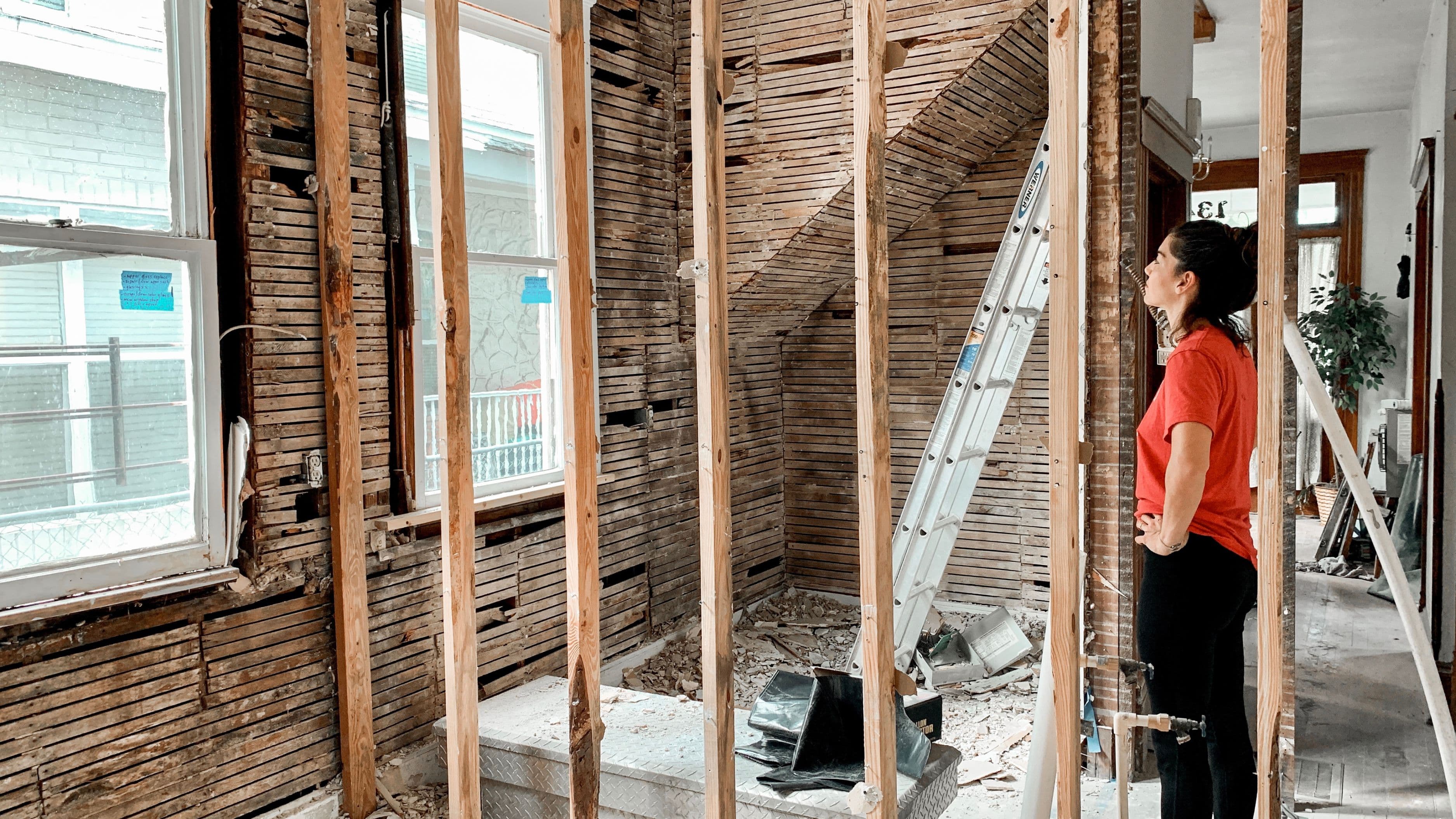
Don't underestimate how quickly project costs can exceed initial estimates once work begins, particularly for older homes where opening up a wall or floor sometimes reveals additional issues. Build a contingency buffer, typically 10–20% above your estimated project cost, into your budget planning rather than allocating every available dollar to the initial estimate.
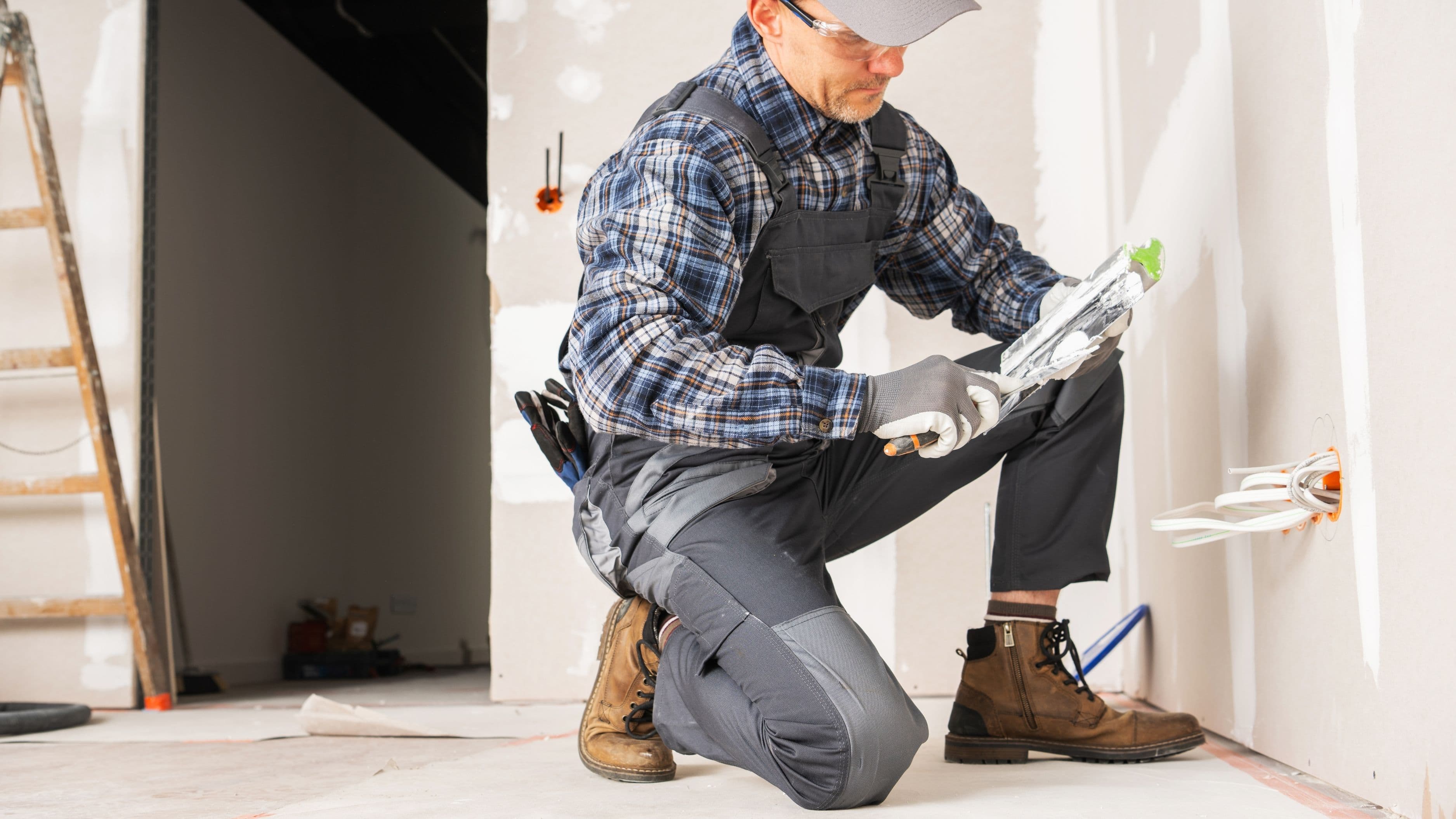
Don't ignore permits and code requirements to save money, particularly on electrical, plumbing, or structural work. Skipping required permits can create real problems later, including complications when selling the home or issues with insurance claims if something goes wrong with unpermitted work.
Realistic Expectations
Prioritizing renovation projects on a limited budget is a multi-year process for most homeowners, not a single planning exercise that gets everything handled at once. Expect to revisit and adjust your priority list as costs, needs, and circumstances shift over time, rather than treating an initial plan as fixed and final.
FAQ
Should I always fix maintenance issues before doing any upgrades? Generally yes for anything genuinely deteriorating or safety-related, since deferred maintenance tends to compound in cost. Purely cosmetic upgrades can reasonably wait behind these.
Is it better to do fewer projects well or spread a budget across more projects? Generally, doing fewer projects thoroughly produces better long-term satisfaction and value than spreading a limited budget too thin across many projects, which often results in compromised quality across the board.
How much should I budget for unexpected costs during a renovation? A contingency of 10–20% above your initial project estimate is a reasonable planning buffer, particularly for older homes where hidden issues are more likely to surface once work begins.
📚 Sources
Home renovation budgeting guidance – https://www.nahb.org/
Remodeling cost versus value data – https://www.remodeling.hw.net/cost-vs-value/
-jhajrFUGfI3zCQGjpAWcxuNPi1zUTB.jpg&w=3840&q=75)