Why It Matters
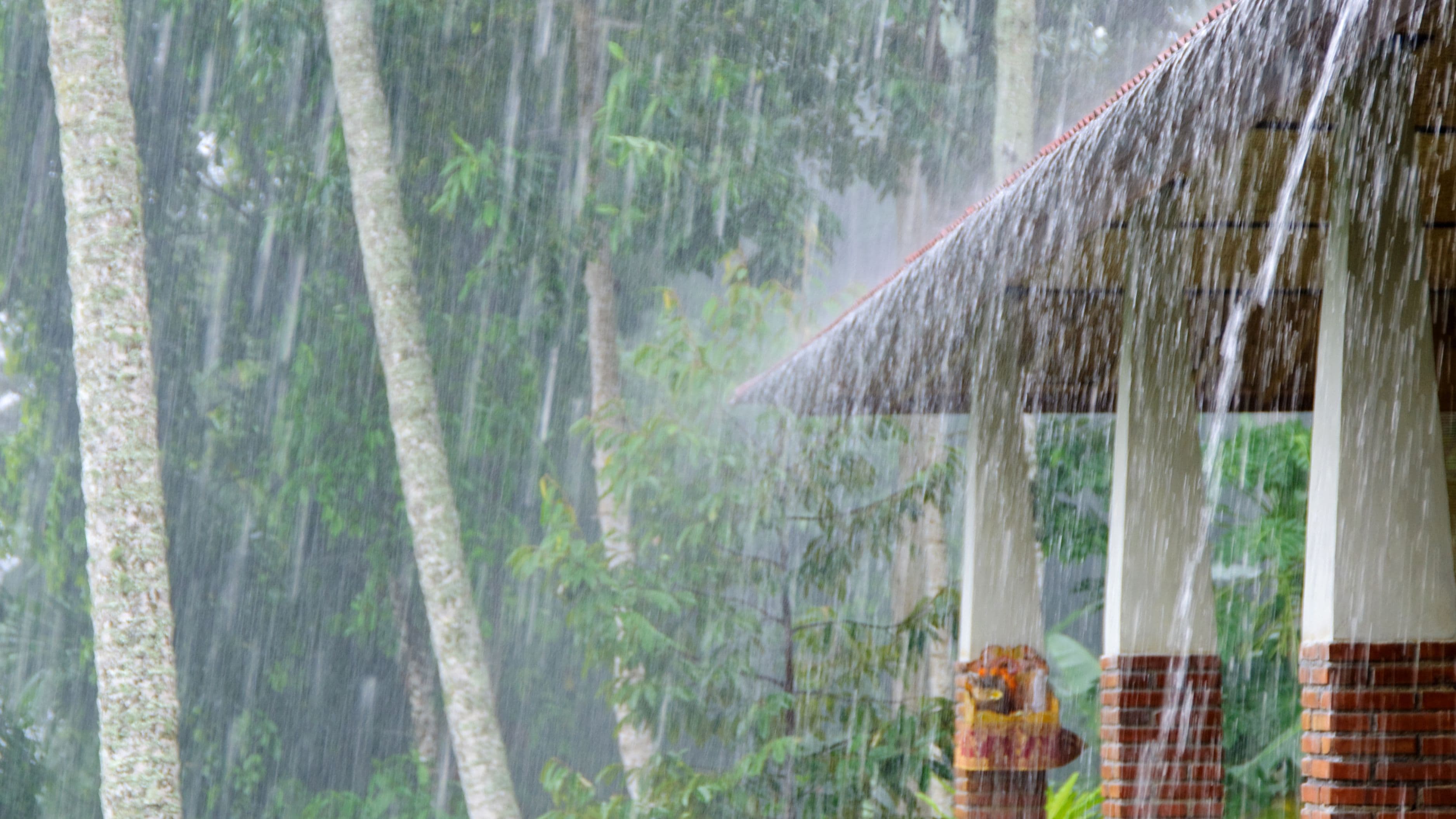
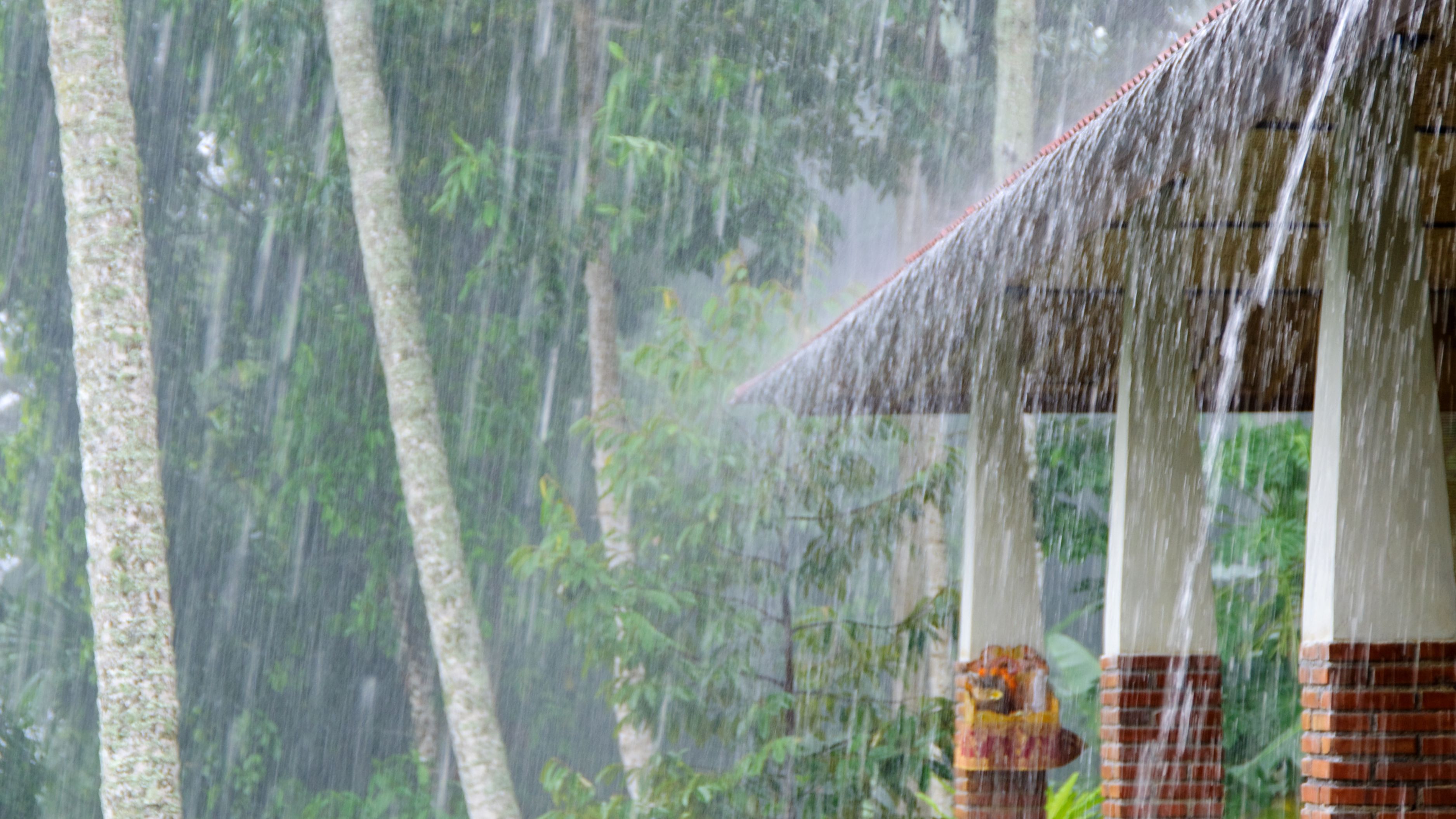
A well-designed system can meaningfully reduce outdoor water use, which for many households represents a significant chunk of total water consumption, especially during dry summer months. Beyond the cost savings, rainwater harvesting reduces strain on local stormwater infrastructure and can lessen erosion and runoff pollution in your immediate area, since less water is rushing off your property carrying debris and chemicals into storm drains.
Step-by-Step Process
Calculate your potential water collection
Start by figuring out how much water your roof can realistically capture. A basic formula multiplies your roof's square footage by the average annual rainfall in your area and a collection efficiency factor (typically around 0.8 to account for evaporation and system inefficiencies). A 1,500 square foot roof in an area with 30 inches of annual rainfall can theoretically capture tens of thousands of gallons a year, though your actual usable amount depends heavily on storage capacity and how consistently that rain falls throughout the year.
Choose your collection surface
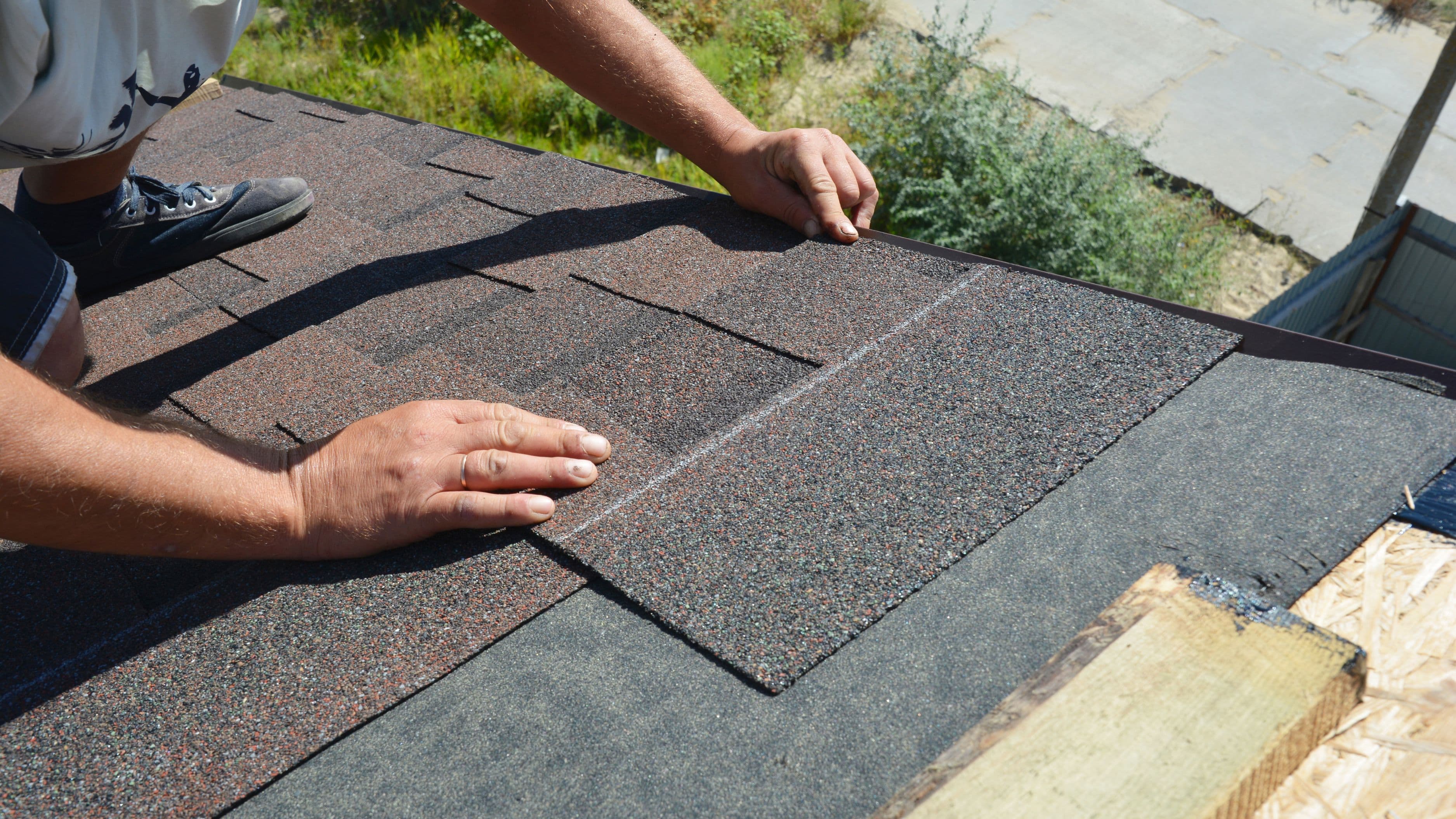
Not all roofing materials are equally suited for rainwater collection. Metal roofing is generally considered ideal because it sheds water cleanly with minimal contamination, while asphalt shingles can leach small amounts of chemicals and collect more debris over time. If your primary goal is irrigation rather than potable use, most standard residential roofing materials work fine, but this matters more if you're planning to eventually use the water indoors.
Select an appropriate storage system
Storage options range from simple rain barrels (50-100 gallons) suited for garden watering, to larger cisterns (500-10,000+ gallons) for households wanting meaningful capacity for irrigation or graywater-adjacent uses. Aboveground tanks are cheaper and easier to install, while underground cisterns preserve yard space and keep water cooler, reducing algae growth, but cost significantly more to install due to excavation requirements.
Install a first-flush diverter
A first-flush diverter directs the initial burst of runoff, which carries the most roof debris and contaminants, away from your storage tank before allowing cleaner water to flow in. This single component meaningfully improves the quality of water reaching your storage system and is a worthwhile addition regardless of your system's overall size or complexity.
Add filtration appropriate to your intended use
For garden and irrigation use, a basic mesh filter at the gutter downspout to catch leaves and debris is usually sufficient. If you're planning any indoor non-potable use, like toilet flushing or laundry, you'll need a more robust filtration setup, and if potable use is ever the goal, a full treatment system including UV disinfection becomes necessary and should be designed with guidance from a water treatment professional.
Plan your distribution system
Decide how water will move from storage to where it's needed – gravity-fed systems work for irrigation at a lower elevation than your tank, while a small pump is typically needed to distribute water uphill or through drip irrigation lines requiring consistent pressure. Factor pump costs and electricity use into your overall budget if your yard's layout requires one.
Check local regulations before installing
Rainwater harvesting rules vary significantly by state and municipality in the US, with some regions actively incentivizing collection through rebates, while a smaller number have historically restricted collection volumes tied to water rights concerns. A quick check with your local water authority or municipal building department before installation avoids costly surprises later.
Tips for Success
Size your storage capacity around your actual intended use rather than maximizing collection for its own sake – a system that collects far more water than you can realistically use for irrigation or other purposes represents money spent on unused storage capacity. It's also worth positioning your tank close to your primary usage point, whether that's a garden bed or an irrigation zone, to minimize the distribution plumbing required.
Common Mistakes
Skipping the first-flush diverter is one of the most common oversights, leading to sediment and debris buildup in storage tanks that shortens their usable life and can clog downstream filtration or irrigation equipment. Another frequent mistake is undersizing storage relative to roof collection potential, leaving significant captured water with nowhere to go once tanks fill during a heavy rain event, effectively wasting collection potential during the wettest, most valuable periods.
Cost and Time Expectations
Cost: Basic rain barrel setups run $100-$300 total. Mid-range cistern systems with first-flush diversion and basic filtration typically run $1,500-$5,000 depending on tank size and whether a pump is needed. Larger underground cistern systems with more extensive filtration can run $5,000-$15,000+.
Time: A basic rain barrel setup can be installed in an afternoon. A full cistern system with plumbing and filtration typically takes several days to a couple of weeks, depending on whether excavation is required.
FAQ
Is collected rainwater safe to drink? Not without proper filtration and disinfection systems specifically designed for potable use. Most residential systems are designed for irrigation and non-potable uses, and any plans for drinking water require a professional-grade treatment system.
Do I need a permit to install a rainwater harvesting system? This depends entirely on your local jurisdiction. Some areas require permits for larger cistern installations, particularly if they involve plumbing modifications, while simple rain barrel setups typically don't require any permitting.
How much money can I realistically save on my water bill? This varies significantly based on your local water rates, rainfall patterns, and how much of your water use is irrigation versus indoor use, but households in areas with meaningful rainfall and higher water costs often see a noticeable reduction in outdoor water expenses.
📚 Sources
EPA – WaterSense rainwater harvesting guidance – https://www.epa.gov/watersense
Texas Water Development Board – Rainwater Harvesting Manual – https://www.twdb.texas.gov/publications/reports/RainwaterHarvestingManual_3rdedition.pdf
American Rainwater Catchment Systems Association – https://arcsa.org/
🔍 Explore Related Topics