The five projects below aren't bad ideas across the board. Some make perfect sense if you're planning to stay long-term and use what you build. But as resale investments, they consistently underperform what sellers expect – and there are almost always smarter alternatives that cost less and return more.
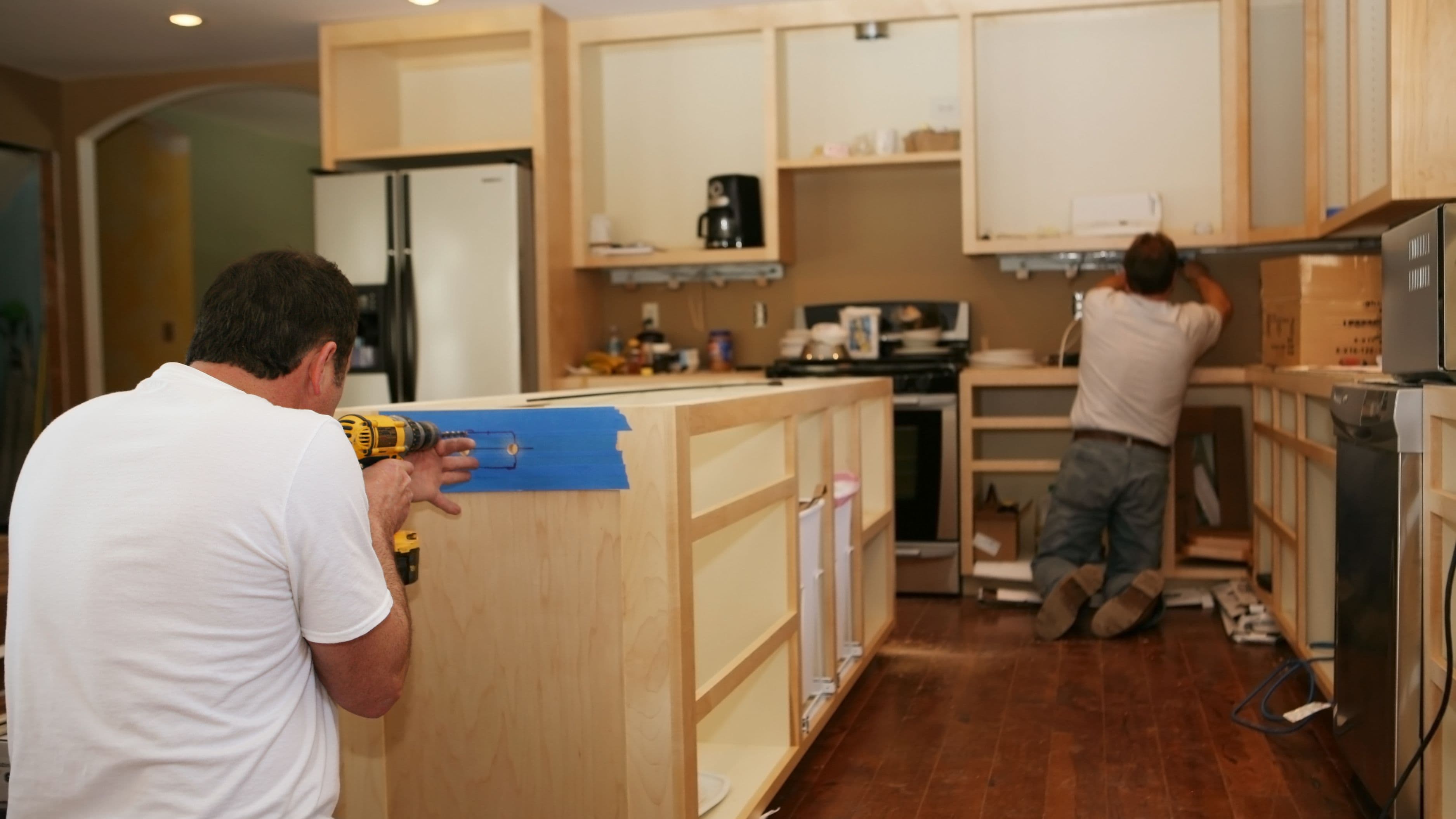
1. A Major Kitchen Remodel
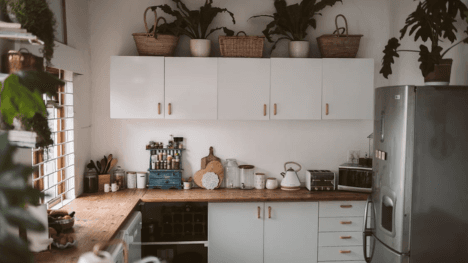
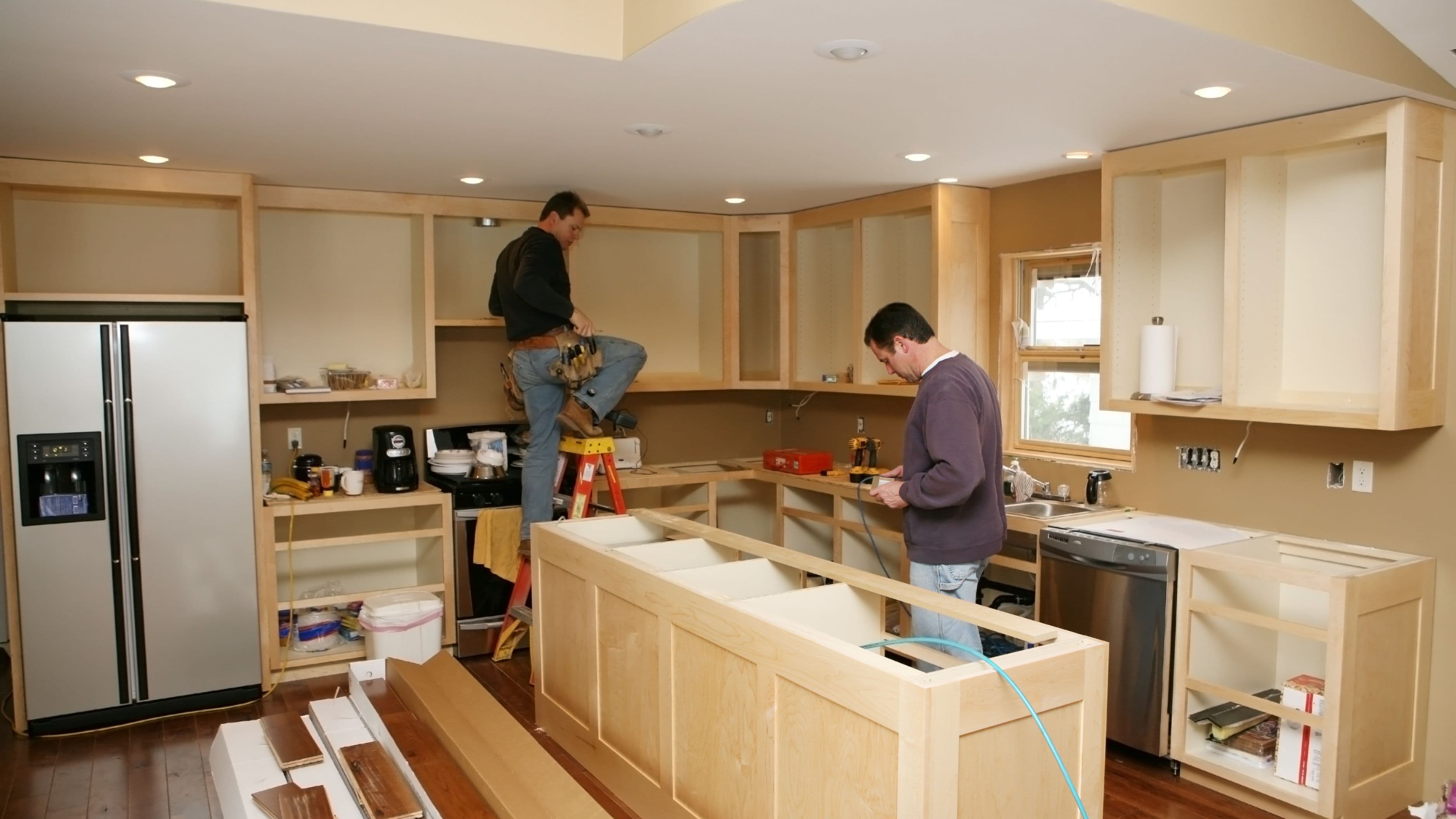
The kitchen is the room sellers most often over-invest in before listing. It feels like the right call – buyers love kitchens, real estate agents talk about kitchens constantly, and a renovation that transforms the space feels like it should come back in full. The data tells a different story.
According to Remodeling Magazine's annual Cost vs. Value report, a major upscale kitchen remodel returns roughly 38–54% of its cost at resale, depending on the market. That means a $60,000 kitchen renovation might add $25,000–$32,000 to your sale price – if you're lucky. The gap between what was spent and what comes back is one of the most reliably painful surprises sellers encounter at closing.
The problem isn't the kitchen itself – it's the scope. A full gut remodel involving new cabinets, countertops, appliances, flooring, plumbing relocation, and layout changes is expensive in ways that buyers don't proportionally price in. They see a nice kitchen. They don't see $60,000 worth of kitchen. And when their agent runs comps, the comparable homes in the neighborhood set a ceiling that a renovated kitchen often can't push through on its own.
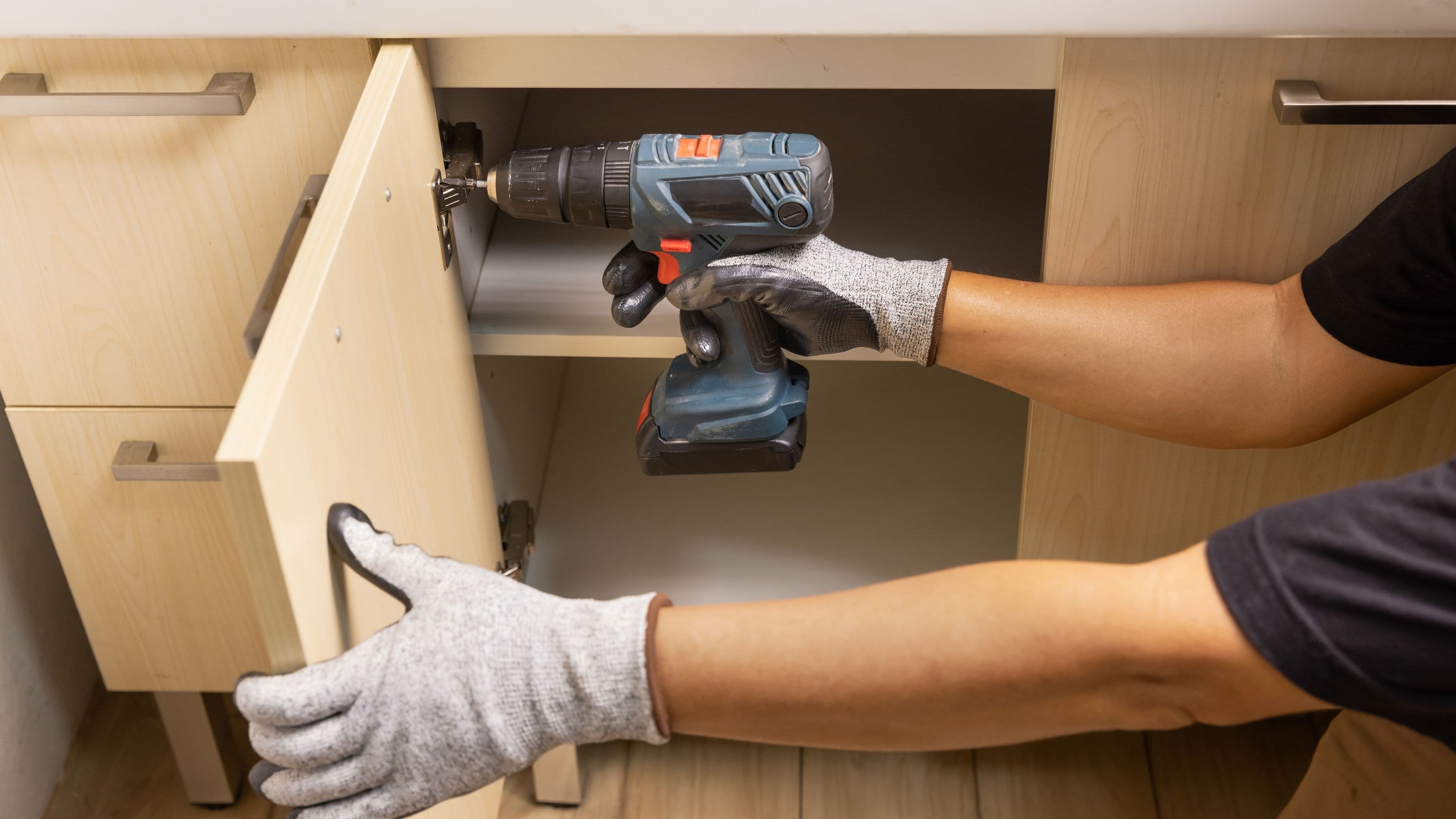
What to do instead: A targeted kitchen refresh returns significantly better. Painting or professionally refinishing existing cabinet fronts rather than replacing them ($1,500–$4,000 vs. $15,000–$30,000) transforms the look without the price tag. New hardware, updated light fixtures, a modern faucet, and fresh countertops if the current ones are genuinely worn give you most of the visual impact for a fraction of the cost. The goal is a kitchen that reads as clean and updated – not one that cost a fortune to renovate.
2. Adding a Swimming Pool
A backyard pool sounds like a premium upgrade, and in certain markets – high-end neighborhoods in warm climates like Arizona, Florida, or Southern California – it can be. For the majority of US homeowners, though, adding an in-ground pool is one of the worst pure-ROI decisions you can make before selling, or even while planning to stay.
Nationally, an in-ground pool costs $35,000–$65,000+ to install and returns somewhere between 5% and 15% of that cost at resale in most markets. In moderate climates where pools are usable three to four months of the year, buyers often view them as a maintenance cost and a liability concern rather than an asset. Families with small children may see it as a safety consideration that works against a sale. Buyers without children may simply not want the upkeep.
Beyond the resale math, there are ongoing costs that sellers often underestimate when evaluating whether to add one: $1,500–$4,000 per year in chemicals, equipment maintenance, and energy costs. If you're planning to sell within five years, those operating costs need to factor into the total picture alongside the installation cost and the limited resale recovery.
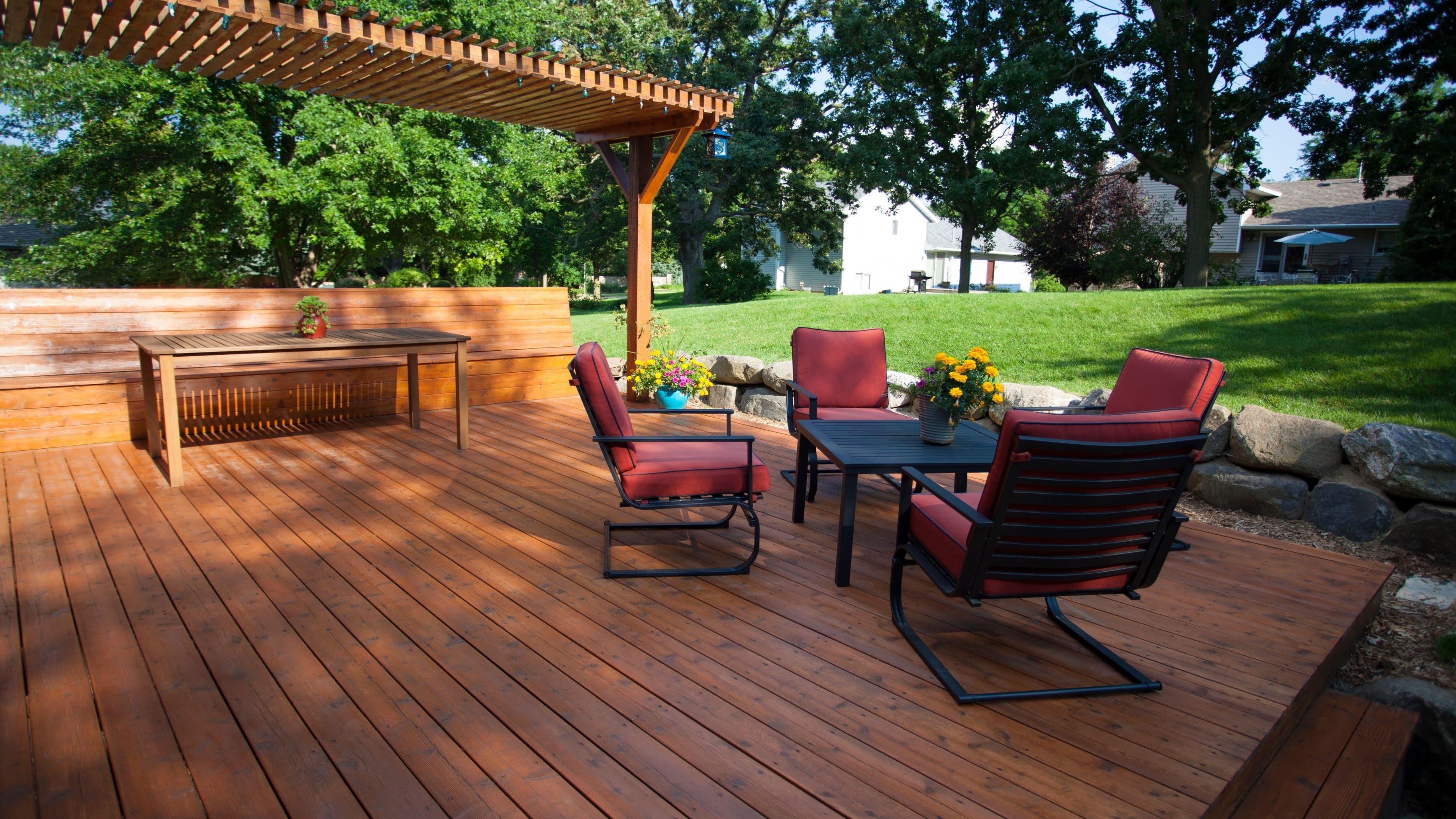
What to do instead: If outdoor living space is the goal – either for personal enjoyment or resale appeal – a well-designed deck or patio delivers much stronger ROI. A wood deck addition returns roughly 50–70% of cost at resale in most markets. A composite deck or stamped concrete patio is lower maintenance, photographs well, and appeals broadly. These improvements extend livable square footage in a way buyers universally value, without the operational complexity of a pool.
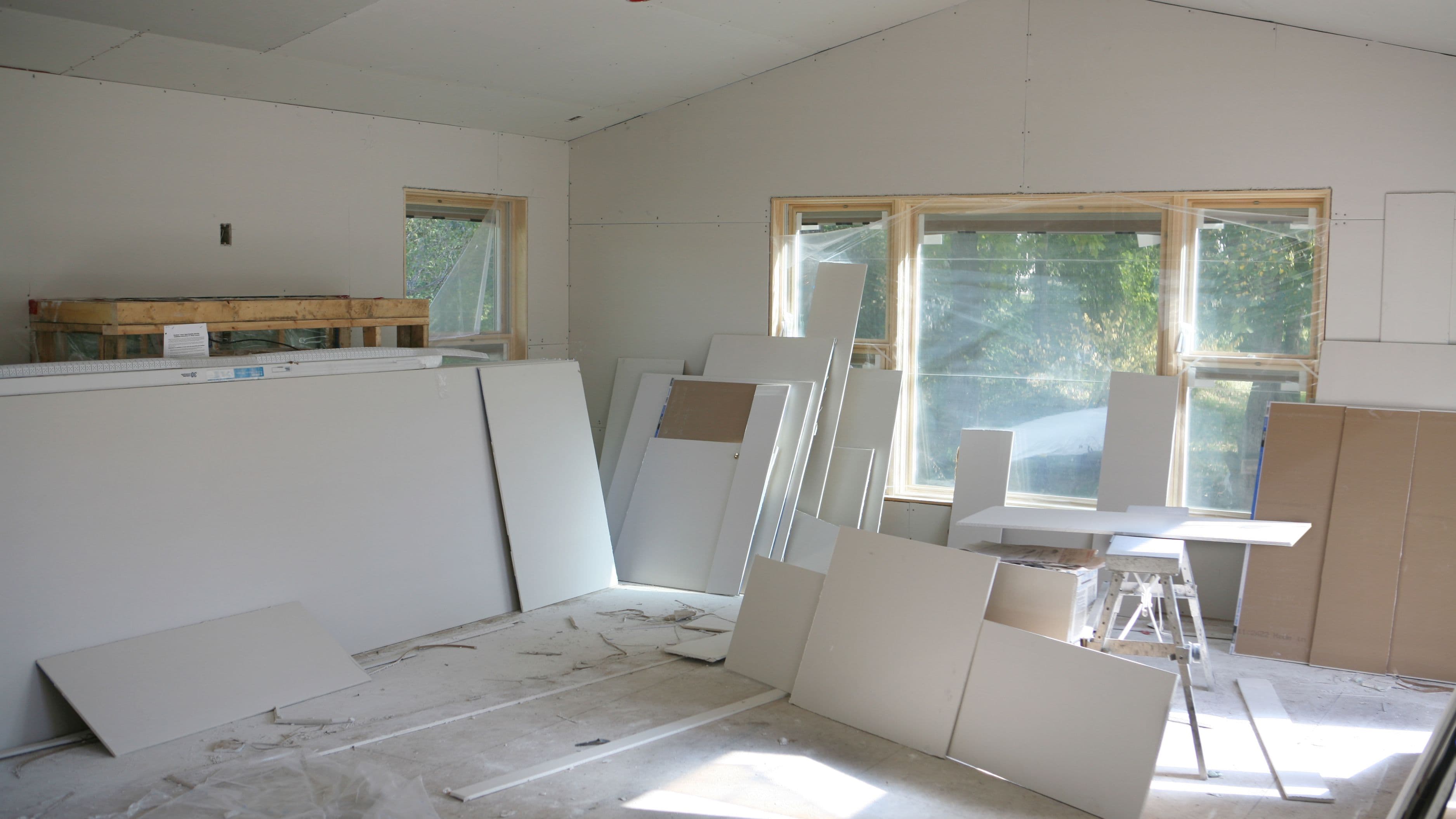
3. A Sunroom Addition
Adding a sunroom feels like a clear value-add: you're adding heated square footage and creating a distinctive feature that not every home in the neighborhood has. The execution reality is less optimistic. A sunroom addition typically costs $20,000–$75,000 depending on size and construction quality, and according to national Cost vs. Value data, it returns approximately 48–54% of that cost at resale.
The underlying issue is that sunrooms sit in an awkward category for buyers. In most climates, they're usable only part of the year. They're often the coldest room in the house in winter and the hottest in summer because they're thermally isolated from the main structure. They add square footage, but buyers and appraisers often value sunroom square footage less than conditioned living space in the main structure. And the features that make a sunroom distinctive – lots of glass, exposure to the elements – are also the features that create ongoing maintenance concerns around seals, condensation, and frame integrity.
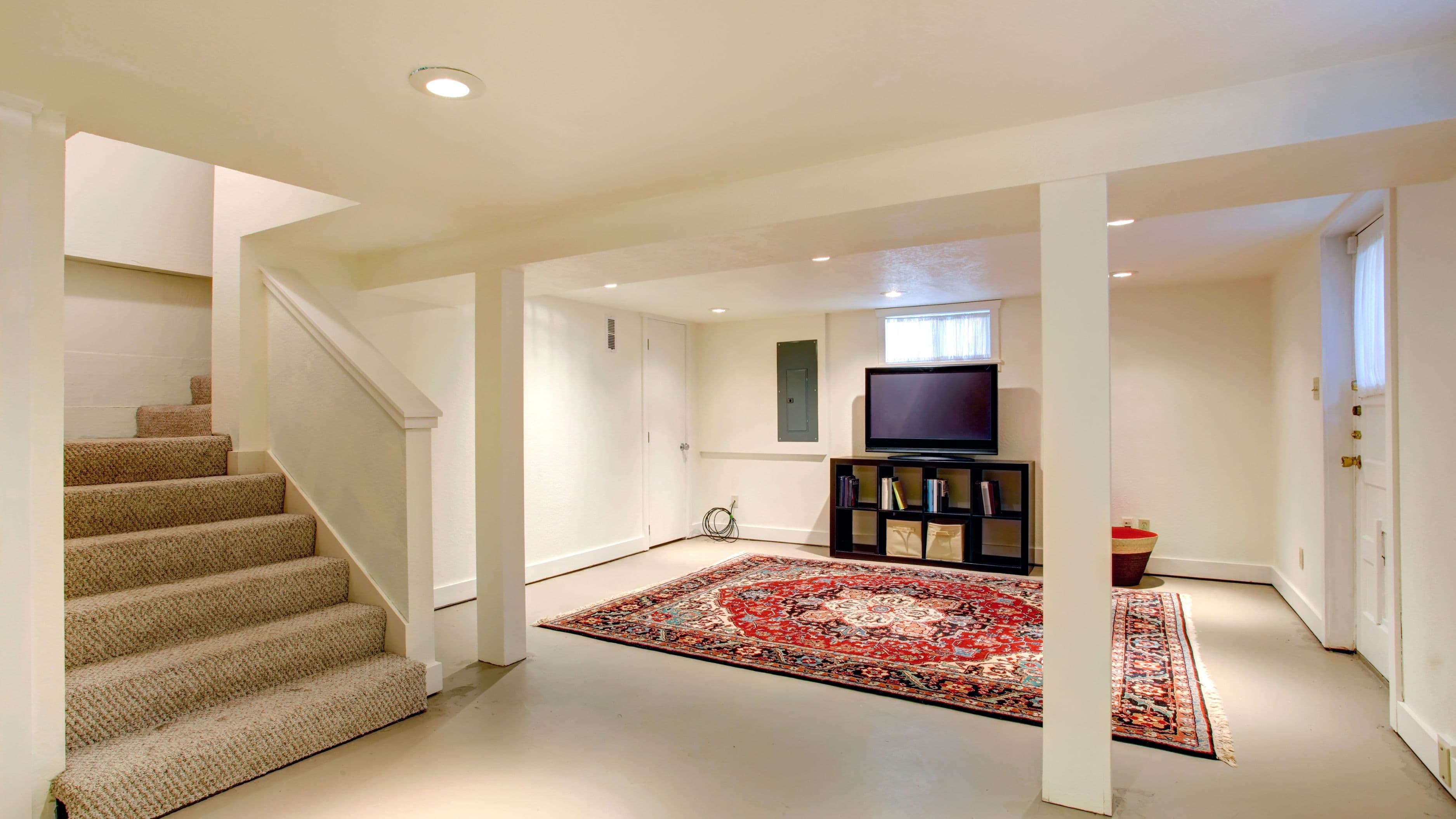
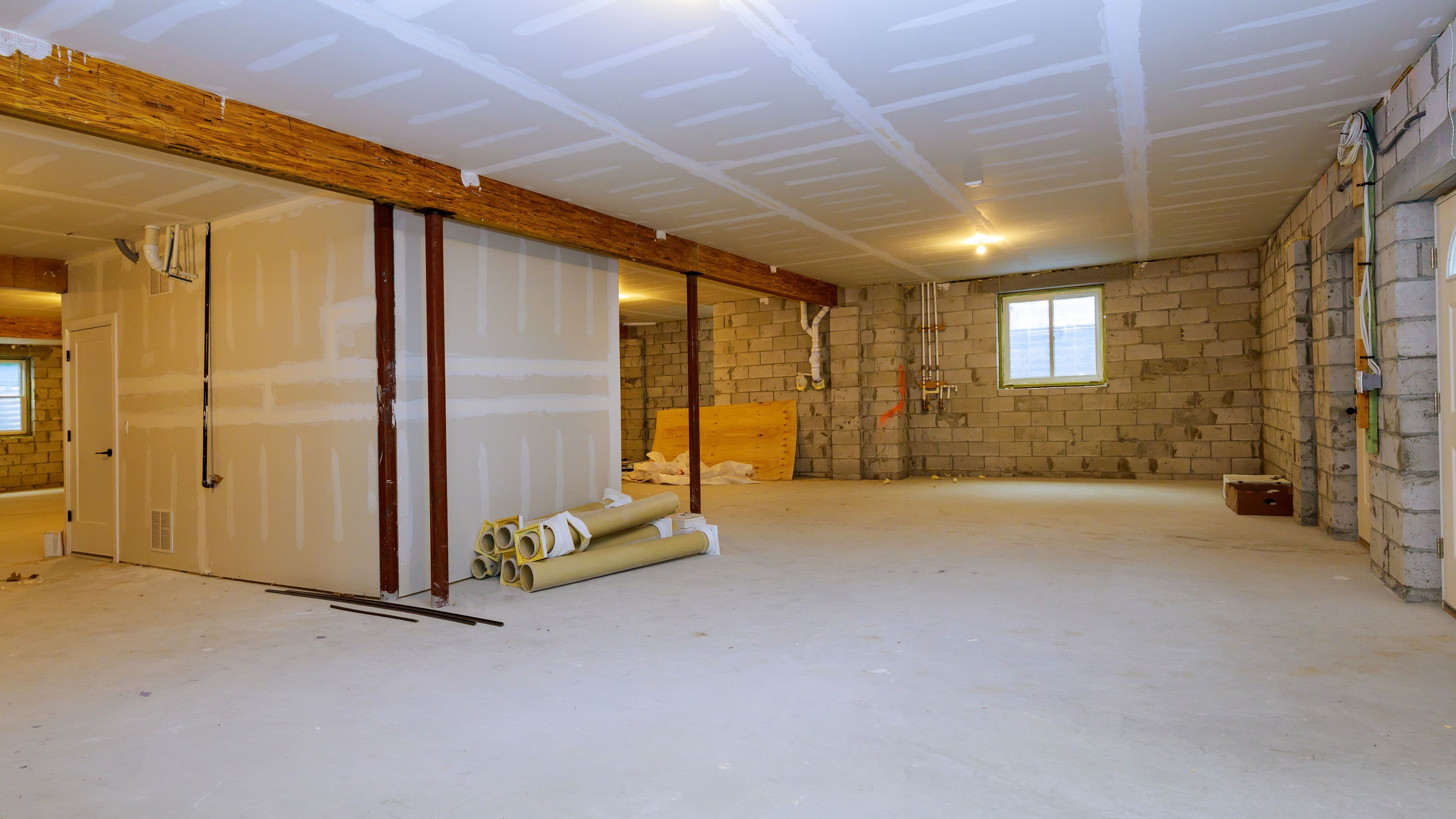
What to do instead: If the motivation is adding livable space, finishing existing unfinished square footage – a basement or bonus room above the garage – almost always delivers better ROI than adding a new structure. Finishing a basement costs $25–$50 per square foot on average and returns 70–75% at resale while adding genuinely usable conditioned space year-round. It also adds functional flexibility that buyers can imagine using in multiple ways.
4. A Luxury Bathroom Addition or Master Spa Upgrade
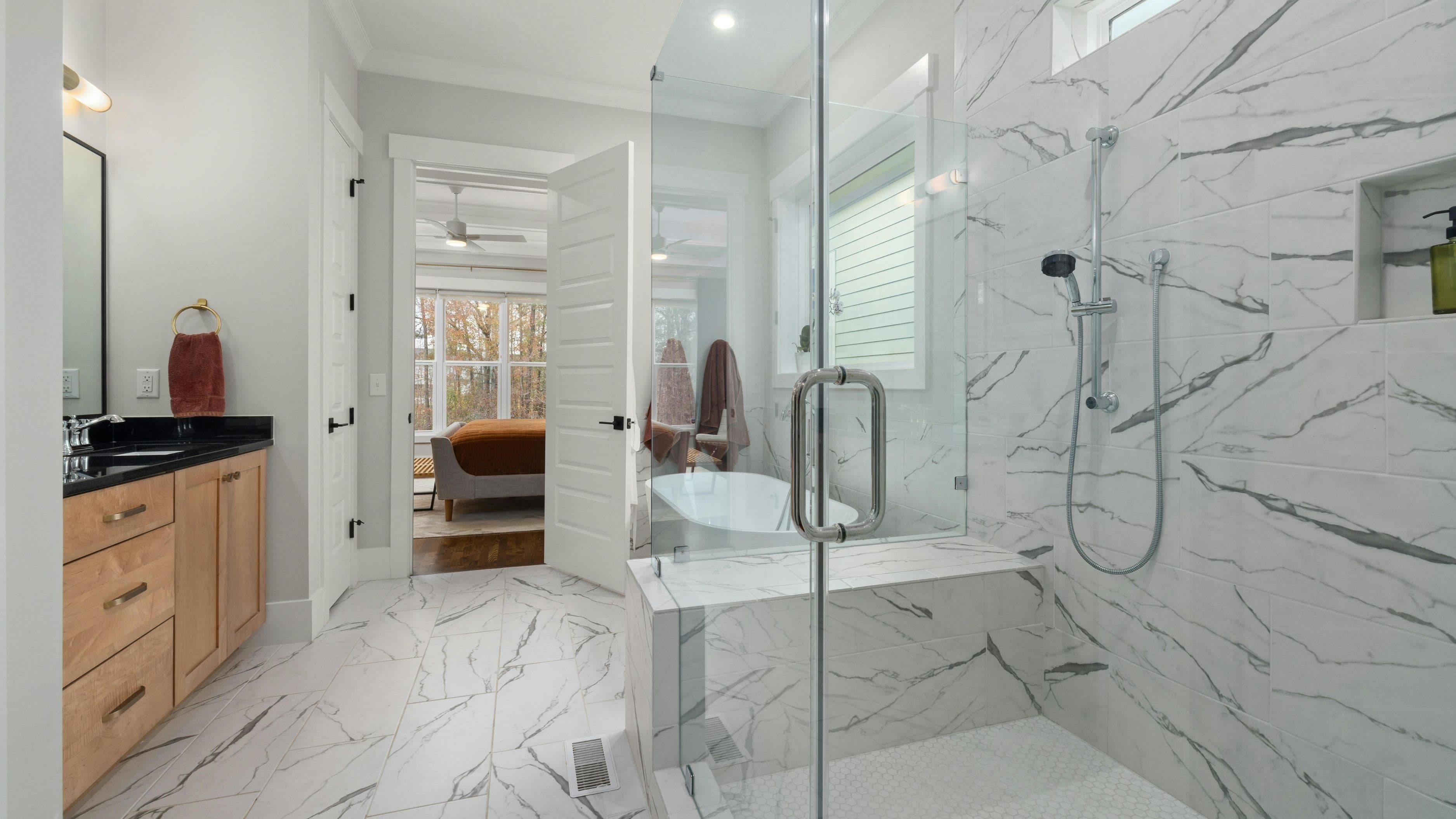
Bathroom renovations can deliver reasonable ROI when they're targeted and proportionate. When they cross into luxury territory – steam showers, heated floors, freestanding soaking tubs, custom tile work throughout – the returns drop significantly while the costs climb steeply.
An upscale bathroom remodel runs $40,000–$80,000 at the high end and returns roughly 37–55% of that cost nationally. The deeper problem is that luxury bathroom finishes are highly personal – the steam shower and heated floors you find indispensable may be features that a buyer considers nice-to-have rather than worth paying a premium for. And in most markets, buyers are again constrained by the ceiling set by comparable homes. A $60,000 luxury bathroom in a neighborhood where homes sell for $350,000 doesn't push the sale to $410,000.
Adding a bathroom where none exists – converting unused square footage to add a half bath or full bath – returns much better, roughly 60–70% of cost, because it addresses a functional gap rather than upgrading an existing feature.
What to do instead: A mid-range bathroom refresh that addresses visible wear and outdated elements delivers most of the impression at a fraction of the cost. Replace the vanity, fixtures, and lighting ($1,500–$3,500 total). Re-grout the shower and recaulk around the tub ($100–$300). Add a frameless shower door if the current one is dated ($500–$900 installed). These targeted changes transform how a bathroom reads to buyers without a five-figure renovation bill.
5. High-End Landscaping
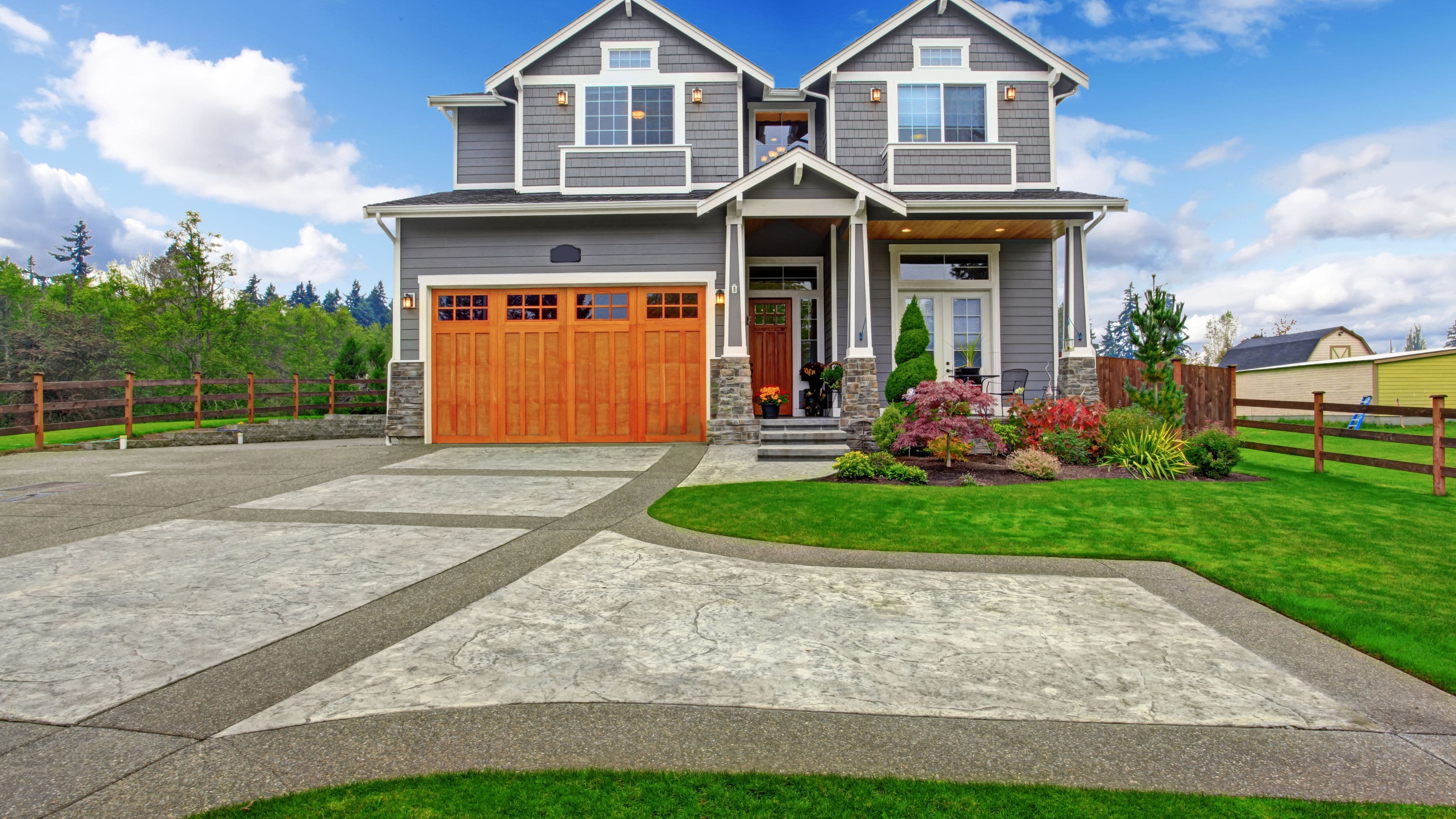
Curb appeal matters – genuinely and meaningfully. Fresh paint, a new front door, trimmed hedges, and clean walkways make a real first impression difference and cost relatively little. High-end landscaping is a different category entirely, and it's one where sellers frequently overspend relative to what comes back.
Professional landscape installations with custom stonework, mature planted trees, elaborate water features, built-in lighting systems, and designed garden beds can cost $20,000–$100,000+ and return 25–50% of that at resale in most markets. Part of the issue is that landscaping is seen by buyers as something they'll change anyway to suit their own preferences and how they actually use outdoor space. Elaborate, high-maintenance landscaping can even feel like a burden to certain buyers who don't want the upkeep associated with a designed garden.
There's also an appraisal challenge: landscaping is difficult to value precisely, and appraisers generally don't add its cost to a home's appraised value in proportion to what was spent. You might spend $30,000 on landscaping that adds $8,000 to your appraisal.
What to do instead: Basic, clean, and well-maintained landscaping is what actually moves buyers. Mow, edge, and reseed the lawn. Add a thick layer of fresh mulch to existing planting beds ($300–$600 for a typical front yard). Plant a few inexpensive seasonal annuals near the entry for color. Power wash the driveway and walkways. These steps – totaling $500–$1,500 in most cases – accomplish what matters for curb appeal without the expensive landscaping that doesn't come back at closing.
The Pattern Worth Recognizing
Looking across these five categories, the pattern is consistent: projects that are highly personal, highly expensive, or that push a home significantly above neighborhood comparables tend to return poorly. Buyers compare your home to what else is available in the same price range. Features that feel like indulgences rather than solutions – an elaborate pool, a spa bathroom, a custom garden – don't translate into proportional offers the way functional improvements do.
The renovations that return best are the ones that address visible deficiencies, bring a home up to the standard buyers expect in its price range, and do so efficiently. Paint over pool. Curb appeal over sunroom. Cabinet refresh over full kitchen gut. These less exciting choices consistently put more money in your pocket than the projects that feel like the obvious investments.
FAQ
How do I know if a renovation will pay off in my specific market? Talk to a local real estate agent before you start – not after. Agents who actively list homes in your neighborhood can tell you what buyers are currently prioritizing, what features have shown up in recent competitive offers, and what comparable homes look like. That local context is worth more than any national average.
What if I'm not selling anytime soon – do these ROI concerns still apply? Less so. If you're planning to stay in the home for ten or more years and you'll genuinely use and enjoy a pool, a remodeled kitchen, or an outdoor living space, the quality-of-life value has real worth that doesn't show up in resale data. The caution applies most strongly to homeowners making renovation decisions with resale in mind within a five-year window.
Is there a renovation that almost always pays off? Fresh paint and curb appeal consistently appear at the top of ROI rankings. Garage door replacement, front door replacement, and minor kitchen refreshes also return well. These aren't exciting, but they deliver.
What about renovations required to sell – not improvements, but fixes? Necessary repairs (roof condition, HVAC function, plumbing issues, electrical panel safety) have a different calculus than upgrades. Inspection findings in these categories create renegotiation pressure and price reductions that typically exceed what fixing them upfront would have cost. Deferred maintenance that surfaces in inspection almost always costs more than prevention.
Can I over-renovate a home for its neighborhood? Yes, and it's more common than most sellers realize. The ceiling on what a home can sell for is partly established by comparable sales in the immediate area. Significantly outspending that ceiling rarely produces a proportional return, regardless of renovation quality.
📚 Sources
Remodeling Magazine – Cost vs. Value Report 2024: https://www.remodeling.hw.net/cost-vs-value/2024/
National Association of Realtors – Remodeling Impact Report: https://www.nar.realtor/research-and-statistics/research-reports/remodeling-impact
HomeAdvisor – True Cost Guide (Pool, Deck, Sunroom): https://www.homeadvisor.com/cost/
U.S. Census Bureau – American Housing Survey: https://www.census.gov/programs-surveys/ahs.html
Angi – Average Cost of Landscaping and Renovation Projects: https://www.angi.com/articles/landscaping-cost.htm
🔍 Explore Related Topics




-jhajrFUGfI3zCQGjpAWcxuNPi1zUTB.jpg&w=3840&q=75)