
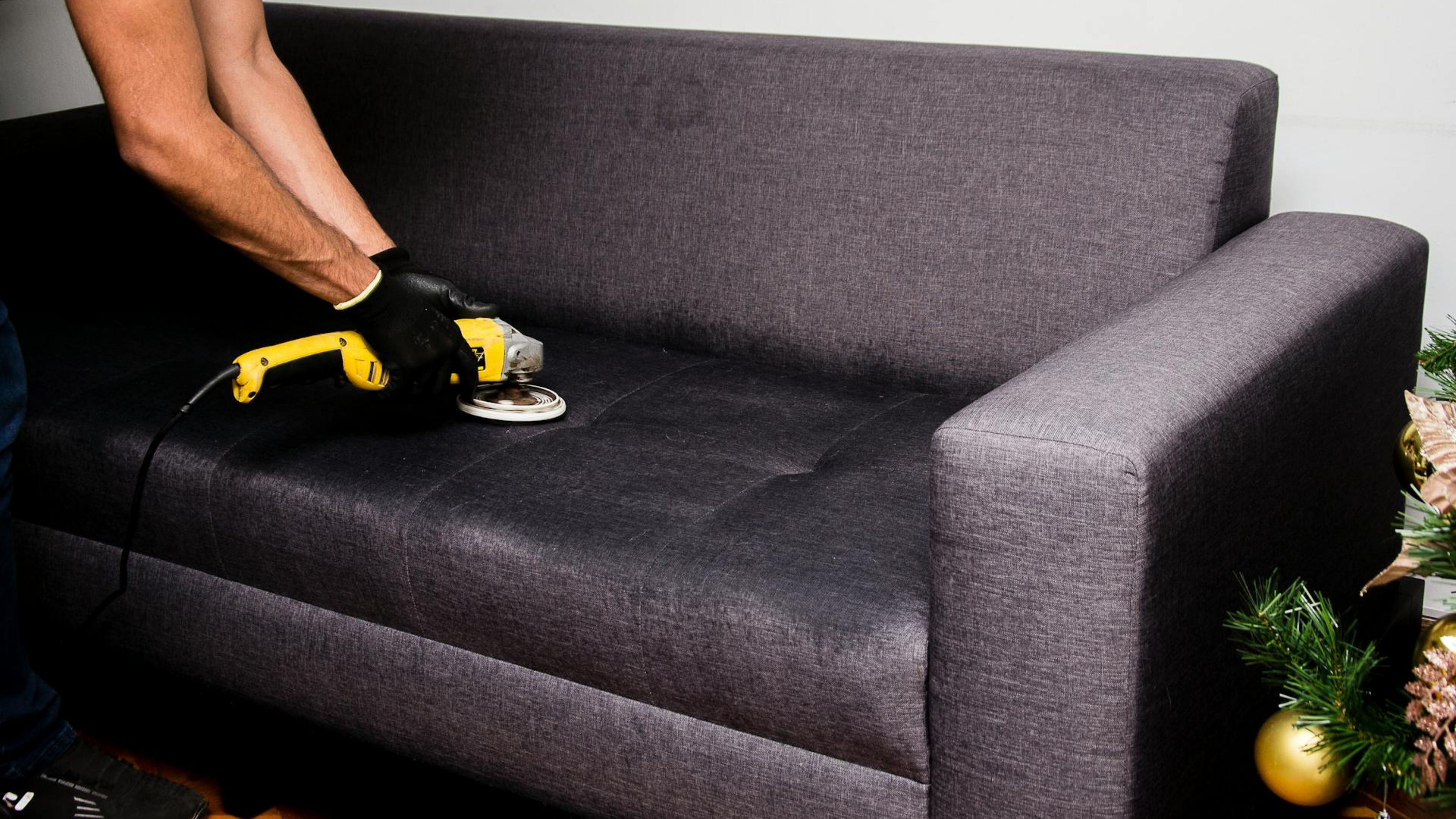
1. Sun damage doesn't mean game over
The harsh truth about sun-faded upholstery is that the UV rays have actually broken down the dye molecules in your fabric, but that doesn't mean you're stuck with it. Before you resign yourself to slipcovers or expensive reupholstering, understand that fabric dye can be refreshed, blended, and in many cases, completely restored. The key is identifying your fabric type first—cotton, polyester, velvet, and linen all respond differently to restoration methods.
Run your hand across the faded area and compare it to an unexposed section. If the texture feels the same and only the color has changed, you're dealing with pure UV damage rather than structural degradation. This is actually good news because the fabric fibers themselves are still intact. Take a photo of the faded area next to a color-true section so you can track your progress as you work through restoration techniques.
2. Fabric dye pens are your secret weapon
Here's something most people don't know: fabric markers and dye pens designed for touch-ups can work miracles on small to medium-sized faded areas. I discovered this technique by accident when trying to match the color of my chair's arm. These pens, available at craft stores for under twenty dollars, allow you to target specific faded spots without dyeing the entire piece. The trick is building up color gradually in light layers rather than trying to achieve full coverage in one pass.
Start by testing your chosen color on an inconspicuous area—the back bottom edge or underneath a cushion works perfectly. Apply the dye in long, even strokes following the fabric's grain, and let each layer dry completely before adding another. For my teal chair, I actually mixed two different pen colors to get the perfect shade, layering a deep blue base with a green-tinted topcoat. The blending created depth that looked even better than the original finish. This method works exceptionally well on cotton, linen, and cotton-blend fabrics, giving you precise control over the restoration process.
3. Commercial upholstery dye delivers professional results
When fabric pens won't cut it—say, when an entire couch cushion has faded—liquid upholstery dye becomes your best friend. Products like Rit DyeMore for synthetics or regular Rit dye for natural fibers can completely transform faded furniture for the cost of a nice dinner out. The application process requires some setup, but the results rival professional restoration services that charge hundreds of dollars.
Clear your workspace and protect surrounding areas with plastic sheeting because this process can get messy. Mix your dye according to package directions in a spray bottle for even application, or use a foam brush for more controlled coverage. Work in sections, applying thin coats and allowing proper drying time between layers—rushing this step leads to uneven color and potential transfer issues. I've successfully restored everything from dining chairs to an entire sectional sofa using this method, and guests consistently ask if I bought new furniture.
The ventilation factor matters more than most DIY guides mention. Open windows, run fans, and consider wearing a basic respirator mask during application. The fumes aren't toxic, but they can be overwhelming in enclosed spaces. Give your piece at least 48 hours to cure before using it, and run your hands over the surface to ensure the dye has fully set without any tackiness remaining.
4. Steam cleaning reverses some fading
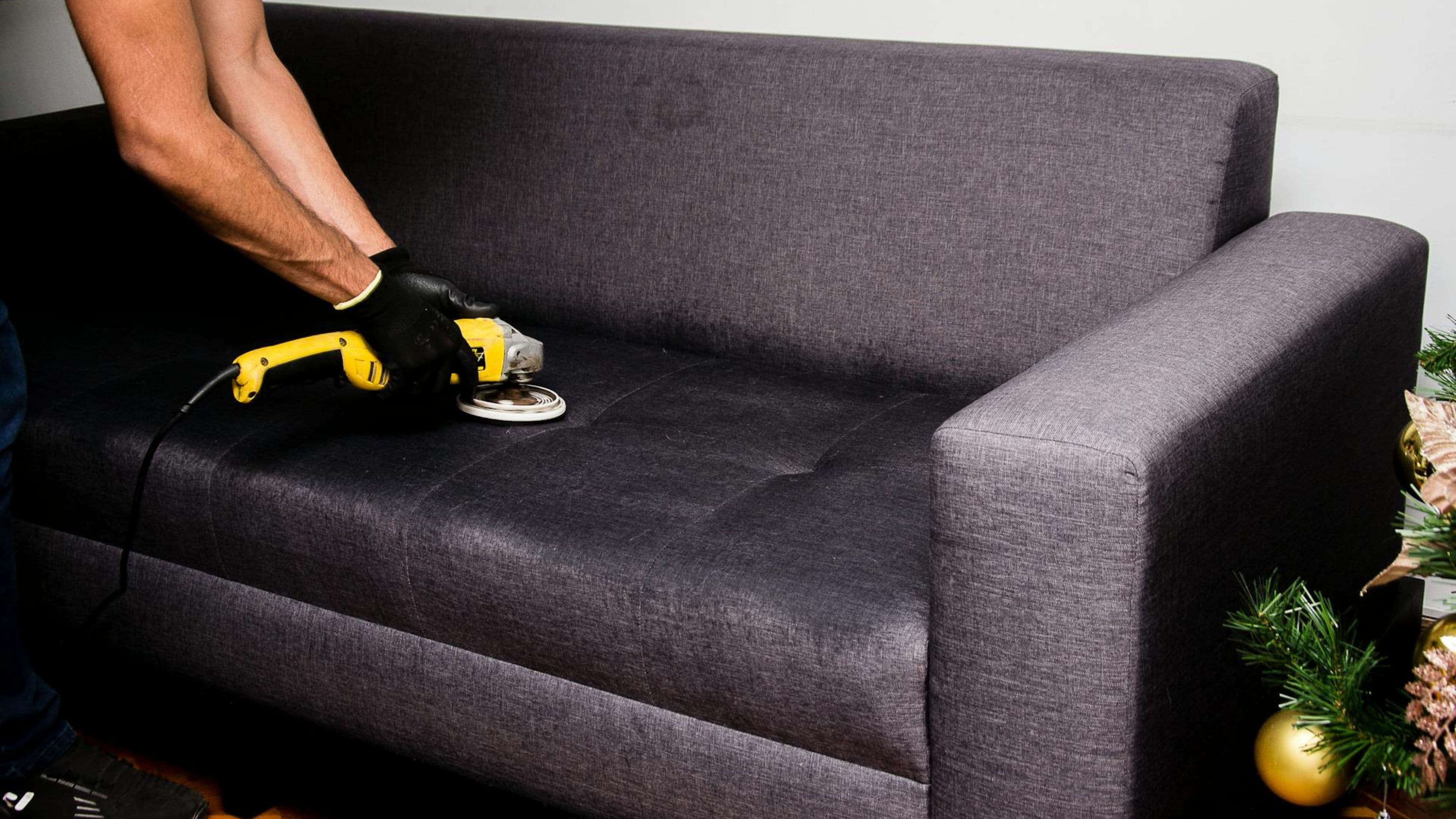
Sometimes what looks like fading is actually a buildup of dirt, dust, and oils that have dulled the fabric's original vibrancy. Before you commit to dyeing, rent or borrow a upholstery steam cleaner and give your furniture a deep clean. I've seen "faded" sofas regain 40-50% of their original color intensity after a thorough steam cleaning session, especially on darker fabrics where grime creates a gray film.
Use an upholstery cleaning solution specifically designed for your fabric type, and make multiple passes over each section. The hot water extraction pulls embedded dirt from deep within the fibers, and you'll be shocked at how dirty the water becomes even on furniture that looks relatively clean. Pay special attention to high-contact areas like armrests and seat cushions where body oils accumulate. After cleaning, position a fan to speed the drying process and prevent mildew formation in the damp fabric.
5. Fabric paint offers creative solutions
For bold patterns or furniture pieces where perfect color matching isn't critical, fabric paint opens up creative restoration possibilities. This technique works beautifully on pieces with geometric designs or where you can incorporate the fading into a new pattern. I transformed a sun-damaged floral ottoman by painting over the faded flowers with metallic gold fabric paint, creating an entirely new look that felt intentional rather than desperate.
The key to successful fabric painting is choosing the right paint consistency and application method. Thin fabric paint with textile medium to prevent stiffness, and use foam pouncer tools for textured effects or fine brushes for detailed work. Build your design in layers, allowing each to dry completely before adding the next. This approach requires more artistic confidence than straight restoration, but it can turn a fading problem into a custom design opportunity that actually increases your furniture's visual interest and value.
6. Color-depositing conditioners work on velvet
Velvet and velour upholstery present unique challenges because their pile structure makes traditional dyeing tricky. Here's an unconventional solution that saved my favorite chair: color-depositing hair conditioner. Yes, the same product people use to maintain vibrant hair color works on velvet furniture. Choose a conditioner in a shade close to your fabric color, test it in an hidden area, and apply it with a soft cloth using gentle circular motions.
The conditioner works by coating the surface fibers with temporary color molecules while simultaneously conditioning the fabric. This makes the velvet feel softer and look richer without the harsh chemicals found in permanent dyes. Reapply every few months as the color gradually fades with normal use. I keep a bottle specifically for my jewel-toned velvet pieces, and the maintenance takes less than fifteen minutes per furniture item. The conditioning properties also help protect against future UV damage by creating a subtle barrier on the fiber surface.
7. Fabric protector prevents future fading
Once you've restored your upholstery's color, prevention becomes your next priority. Fabric protector sprays like Scotchgard offer UV protection in addition to their stain-resistant properties. Apply a fresh coat every six months, especially on furniture positioned near windows or in rooms with strong natural light. This creates an invisible shield that deflects some UV rays before they can break down dye molecules.
Reposition furniture seasonally if possible, rotating pieces away from direct sunlight exposure. Use sheer curtains or UV-blocking window film to filter harsh afternoon sun while still maintaining natural light in your space. These preventive measures extend your restoration work and keep colors vibrant for years. According to research from the Smithsonian Museum Conservation Institute, UV-filtering window treatments can reduce fabric fading by up to 75% compared to unprotected exposure.
Consider the time of day when sunlight hits your furniture most intensely. Even shifting a couch six inches away from a window or angling it differently can significantly reduce UV exposure to one side. I rotate my chair cushions quarterly and flip them annually, ensuring even wear and sun exposure across all surfaces. This simple habit has kept my restored pieces looking fresh without requiring additional touch-ups.
8. Professional-grade color restoration sprays exist
The upholstery industry has professional-grade color restoration sprays that aren't widely advertised to consumers but are available online. Products like Leather Magic's fabric dye spray or Simply Spray's upholstery paint deliver airbrush-quality results without specialized equipment. These formulas are more durable and color-accurate than craft store options, though they cost slightly more.
The application technique matters enormously with spray dyes. Hold the can 10-12 inches from the fabric surface and use quick, light passes rather than concentrated spraying. Build color gradually through multiple thin coats rather than trying to achieve full coverage immediately. The professional formulas have better adhesion properties and flexibility, meaning they won't crack or peel with normal furniture use the way some cheaper alternatives might.
I splurged on professional spray dye for a mid-century modern sofa with complex curves that would have been impossible to dye evenly with brushes. The investment paid off immediately—the finish looked factory-fresh, and the color has held up perfectly through three years of daily use. Read reviews carefully before purchasing, as formulations vary significantly between brands in terms of coverage, durability, and color accuracy.
9. Natural dye methods provide eco-friendly options
For those committed to chemical-free solutions, natural plant-based dyes offer gentler restoration alternatives. Tea, coffee, turmeric, and various plant extracts can refresh faded natural fiber upholstery without synthetic chemicals. The color range is limited compared to commercial dyes, but for browns, tans, yellows, and muted earth tones, natural dyes work surprisingly well.
Brew extremely strong tea or coffee—we're talking ten bags per cup of water—and apply it to cotton or linen upholstery with a sponge. The tannins in tea darken fabric and can neutralize sun-bleached yellowing on cream or beige pieces. Turmeric mixed with water creates a vibrant yellow-gold dye that works beautifully on natural fibers, though it requires a vinegar fixative to prevent color bleeding. These methods require more experimentation and won't provide the precision of commercial products, but they're safe for homes with children and pets who frequently contact furniture surfaces.
The sustainability factor appeals to environmentally conscious homeowners who want to restore furniture without introducing harsh chemicals into their living spaces. Natural dyes also age gracefully, fading gradually and evenly rather than showing harsh demarcation lines between treated and untreated areas. Keep detailed notes about your formulas and application methods so you can recreate successful results when touch-ups become necessary.
10. Sometimes strategic covering beats restoration
Honesty moment: not every piece of faded upholstery is worth restoring. If your fabric shows structural damage, extreme brittleness, or fading combined with staining and wear, strategic covering might be your smartest move. High-quality throws, decorative pillows, or fitted furniture covers can refresh a piece's look while protecting it from further damage until you're ready to invest in reupholstering.
Choose covers in complementary colors that coordinate with your existing décor rather than trying to match the original fabric exactly. Textured weaves and patterns camouflage imperfections better than solid colors. I use this approach on a beloved reading chair that has sentimental value but isn't worth professional restoration—a chunky knit throw covers the worst fading while maintaining the chair's comfort and character.
The cover approach also buys you time to save for professional reupholstering if that's your ultimate goal. Quality slipcovers designed specifically for furniture types provide a polished look that doesn't scream "I'm hiding damage." This strategy works especially well for pieces with good bones and solid construction where the frame justifies future investment. Sometimes the most practical solution isn't fixing the problem but managing it creatively until circumstances change.
Saving my faded teal chair taught me that furniture doesn't have to be disposable. The piece that seemed destined for the curb has become my favorite reading spot again, and the restoration process gave me confidence to tackle other household projects I'd previously considered beyond my skill level. Your faded furniture holds similar potential—it just needs the right technique and a little determination.
The environmental impact of furniture disposal is staggering, with millions of tons ending up in landfills annually when simple restoration could extend their lifespan for years. Every piece you save is one less item in the waste stream and money kept in your pocket. These techniques democratize furniture restoration, making it accessible to anyone willing to invest a few hours and minimal cash into reviving their belongings.
Start with your least precious faded piece for practice, building your confidence before tackling statement furniture. Document your process with before and after photos—you'll be amazed at the transformation, and those images will motivate you through the messier moments of the restoration process. The skills you develop restore more than just furniture; they restore your confidence in your ability to solve problems creatively rather than throwing money at them.
📚 Sources
1. Smithsonian Museum Conservation Institute. "Protecting Museum Collections from Ultraviolet Radiation." Conservation and Scientific Research, 2019.
2. Environmental Protection Agency. "Facts and Figures about Materials, Waste and Recycling: Furniture." EPA Waste Reduction Data, 2023.