
White : The Ultimate Energy Champion
White roofs reflect up to 90% of sunlight, creating a natural cooling system that works 24/7. Your air conditioner will thank you as it takes longer breaks throughout the day. The Lawrence Berkeley National Laboratory found that white roofs can reduce cooling energy use by 10-30% in hot climates, translating to immediate savings on your monthly bills.
Light Gray : The Balanced Middle Ground
Light gray offers excellent heat reflection while hiding dirt and debris better than pure white. This color maintains its energy-saving properties without the stark appearance that some homeowners find too bold. You'll still capture significant cooling benefits while maintaining a more traditional aesthetic that won't raise eyebrows in conservative neighborhoods.
Cool Metal Roofing : The Long-Term Investment
Metal roofs in light colors create a double energy-saving punch through reflection and natural ventilation properties. These roofs can last 40-70 years compared to traditional asphalt's 15-25 years, making them a smart financial move beyond just monthly savings. The initial investment pays dividends through reduced replacement costs and consistent energy performance over decades.
Why Dark Roofs Are Energy Vampires
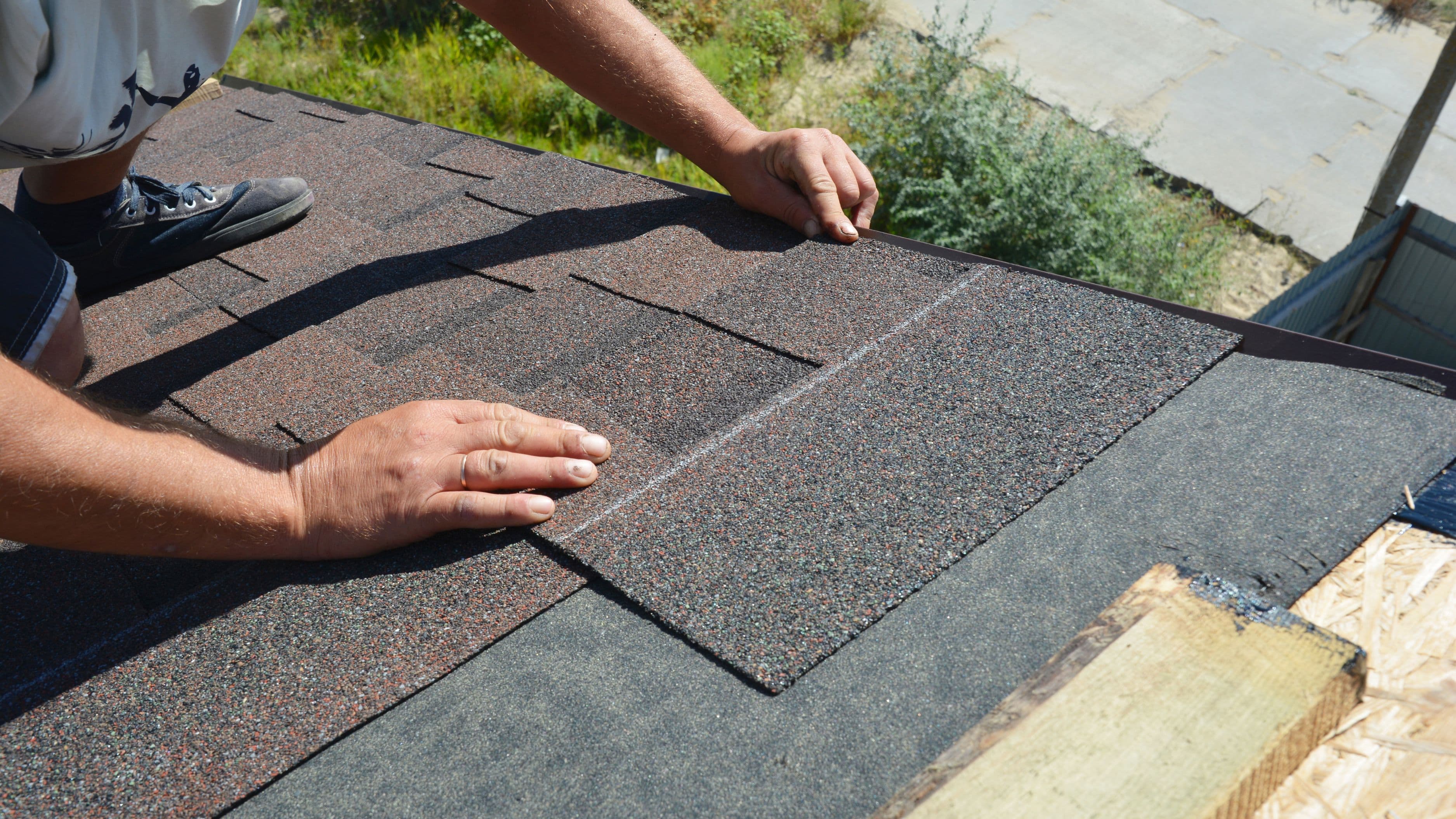
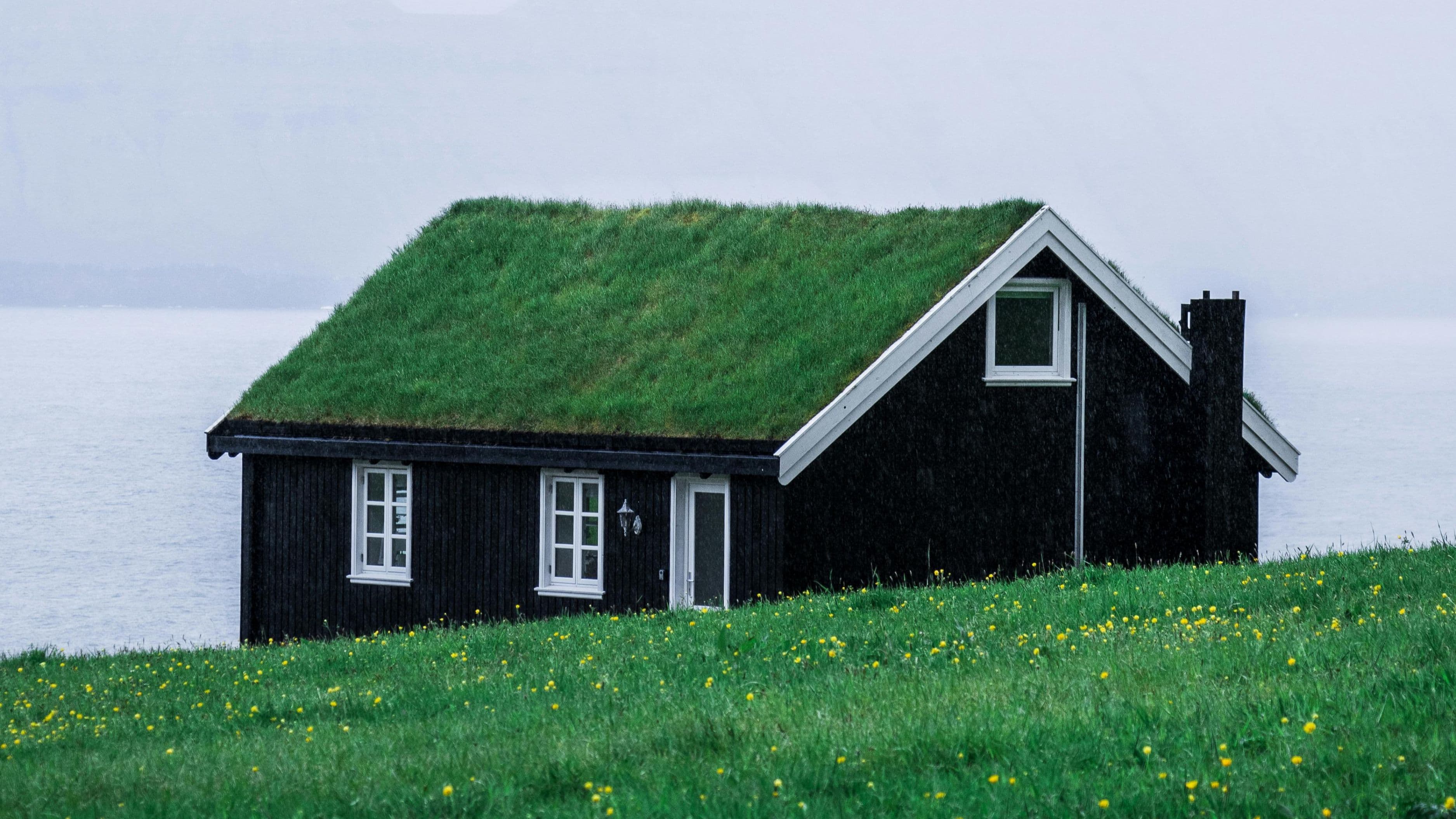
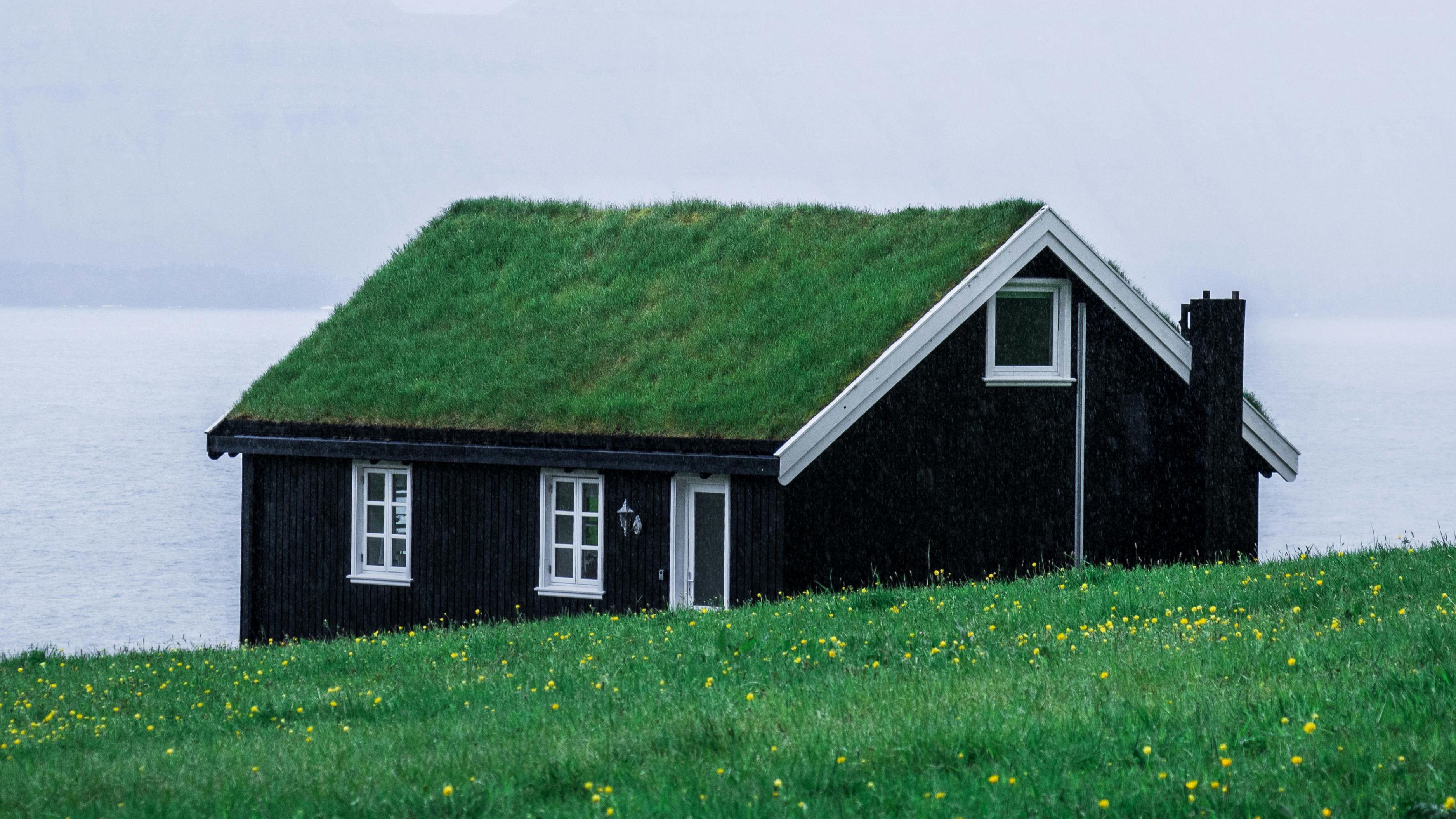
Black and dark brown roofs absorb up to 95% of solar radiation, turning your attic into a furnace that forces your AC to work overtime. Surface temperatures on dark roofs can reach 190°F on summer days, compared to just 110°F on white roofs. This temperature difference translates directly into your energy bills as your cooling system battles the trapped heat radiating down into your living space.
The Science Behind Cool Roofs
Solar reflectance and thermal emittance work together to create the cooling effect that saves you money. Reflectance bounces sunlight away before it can convert to heat, while emittance allows absorbed heat to escape back into the atmosphere. Materials with high ratings in both categories can reduce roof surface temperatures by 50-60°F compared to traditional dark materials.
Regional Considerations That Impact Savings
Hot, sunny climates like Arizona, Texas, and Florida see the most dramatic energy savings from light-colored roofs. Northern climates might benefit from darker roofs during winter months, but air conditioning costs typically outweigh heating savings in most regions. Coastal areas with high humidity can maximize benefits from reflective roofing that reduces both temperature and moisture buildup.
Beyond Color : Cool Roof Technologies
Reflective coatings can transform your existing dark roof into an energy-saving powerhouse without full replacement. These specialized paints and treatments contain ceramic particles that enhance reflectance while maintaining durability. Some coatings can increase solar reflectance by 50-70% over standard roofing materials, offering a budget-friendly path to energy savings.
The Maintenance Factor
Light-colored roofs require more frequent cleaning to maintain their reflective properties, but this small trade-off pays for itself through energy savings. Pressure washing once or twice yearly keeps reflectance at optimal levels and prevents dirt buildup from reducing cooling benefits. Consider this maintenance cost when calculating your overall return on investment.
Immediate Steps You Can Take
Start by measuring your current roof's temperature with an infrared thermometer on a sunny afternoon. Research local contractors who specialize in cool roofing systems and request multiple quotes for comparison. Check with your utility company about rebates for energy-efficient roofing upgrades, as many offer incentives that can offset installation costs by hundreds or thousands of dollars.
Making the Financial Case
Calculate your potential savings by reviewing your highest summer energy bills and applying the 10-30% reduction estimates. A household spending $200 monthly on summer cooling could save $20-60 per month, adding up to $240-720 annually. Over a roof's lifetime, these savings often exceed the additional cost of choosing energy-efficient materials.
Your roof color choice isn't just about curb appeal—it's about taking control of your energy costs through smart, science-backed decisions. Whether you're planning a full roof replacement or exploring coating options for your current roof, the path to lower energy bills starts with understanding how color affects your home's thermal performance. Pick one strategy from this list and research it today. Momentum starts small, but your energy savings will compound month after month, year after year.
📚 Sources
1. Lawrence Berkeley National Laboratory. "Cool Roofs." Heat Island Group Research.
2. U.S. Department of Energy. "Cool Roofs: Benefits, Costs, and Strategic Implementation."
3. Environmental Protection Agency. "Energy Star Cool Roof Products."