
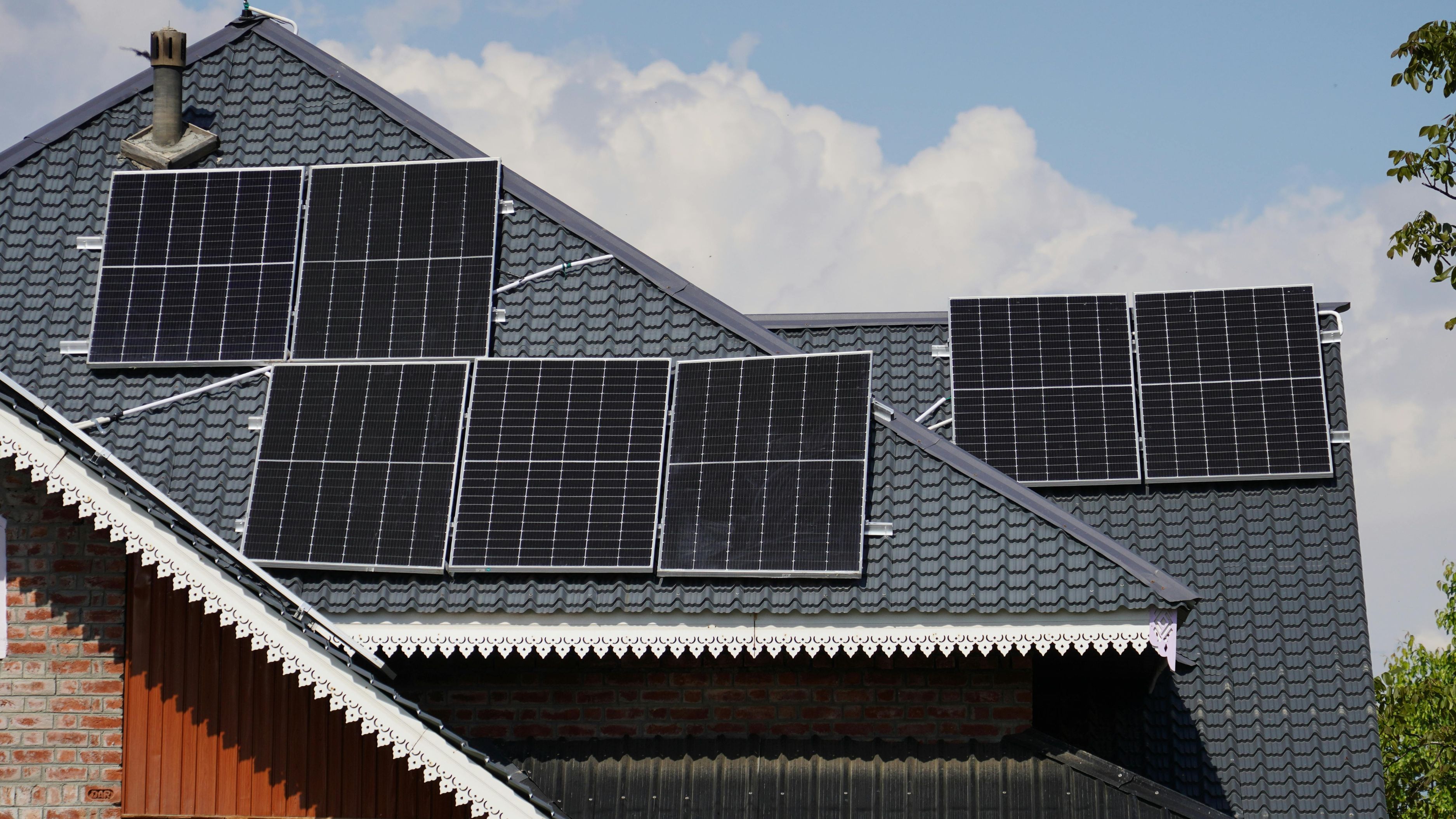
Here's how to actually approach a roof energy retrofit, what it involves, and what kind of results to realistically expect.
Step 1: Get an Energy Audit Before Doing Anything Else
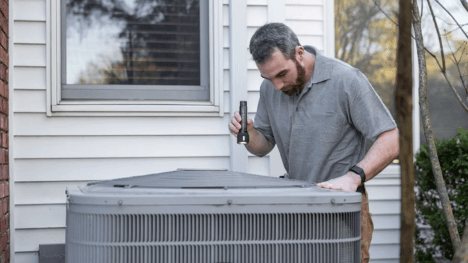
Before spending money on any specific fix, get a home energy audit, either through a professional energy auditor or your local utility company, many of which offer this service at low or no cost. An audit typically uses infrared imaging and blower door testing to pinpoint exactly where heat is escaping or entering through the roof and attic system, which prevents spending money on the wrong fix. Without this step, it's easy to assume insulation is the problem when the real issue is air sealing, or vice versa, and address the wrong thing first.
Step 2: Address Attic Insulation First
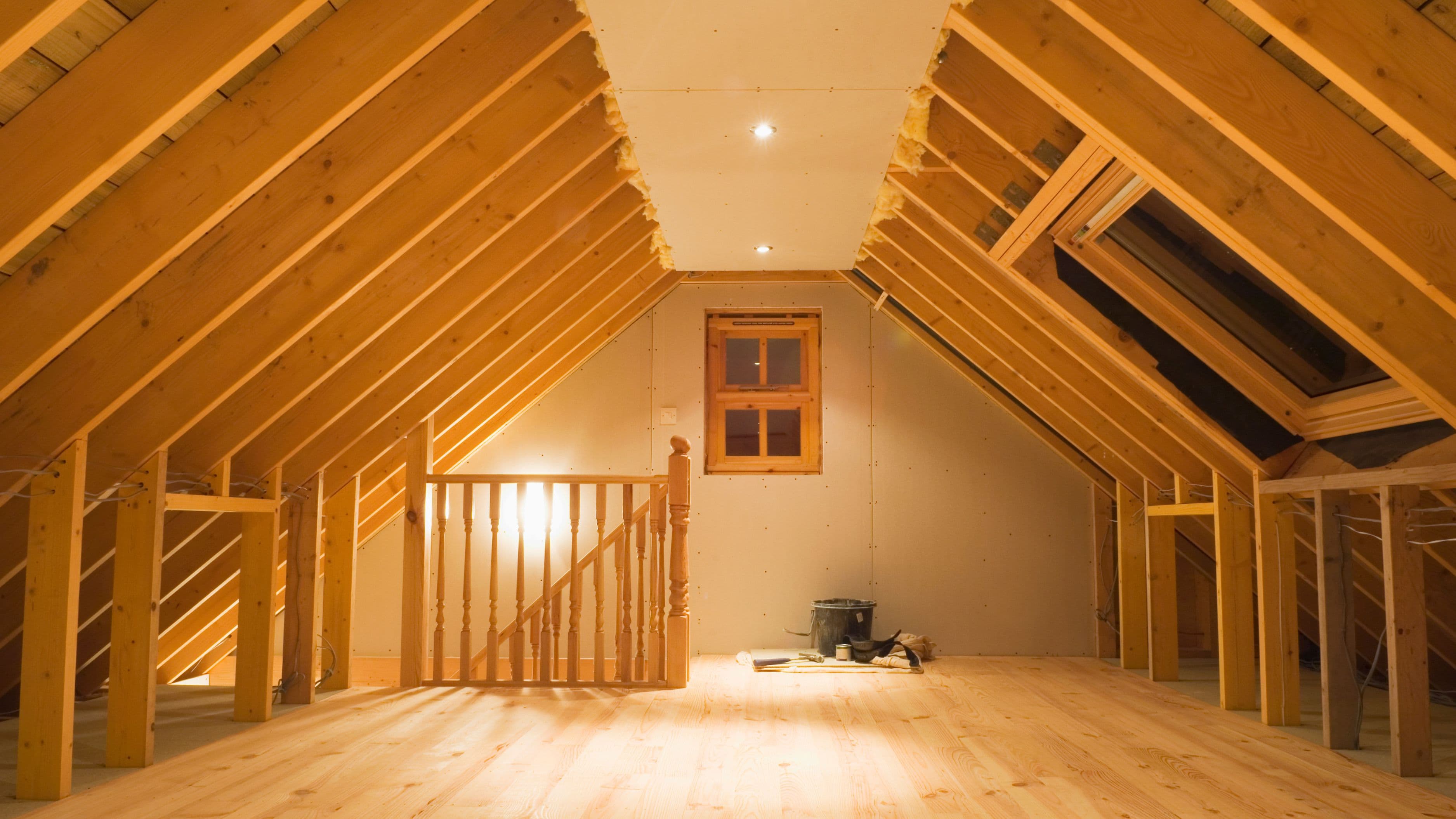
For most homes, attic insulation offers the single biggest energy improvement relative to cost, since heat loss through an under-insulated attic is one of the most common and significant sources of energy waste in older homes. Adding blown-in cellulose or fiberglass insulation to bring attic insulation up to current recommended levels (typically R-38 to R-60 depending on climate zone) is a relatively affordable retrofit that doesn't require touching the roofing material itself.
Cost level: Low to medium – typically $1,500 to $4,000 for an average attic, depending on square footage and current insulation levels.
Impact: High – this is often the highest-return item on this list, since inadequate attic insulation directly correlates with higher heating and cooling costs.
Step 3: Seal Air Leaks Around Roof Penetrations
Gaps around vent pipes, chimneys, recessed lighting fixtures, and attic access hatches let conditioned air escape and outside air infiltrate, undermining even well-installed insulation. Sealing these penetrations with spray foam or caulk, and adding weatherstripping to attic access points, is a low-cost fix that's often overlooked in favor of bigger, more visible projects.
Cost level: Low – typically $200 to $800 for a DIY approach with sealant and foam, more if hiring a professional for spray foam application around multiple penetrations.
Impact: Medium to high – air sealing works together with insulation, and skipping it undercuts the benefit of insulation upgrades done elsewhere.
Step 4: Improve Attic Ventilation
Proper attic ventilation regulates temperature and moisture, preventing heat buildup in summer that radiates down into living spaces and preventing moisture buildup in winter that can damage insulation and roofing materials over time. Adding or upgrading ridge vents, soffit vents, or a solar-powered attic fan improves airflow without requiring any changes to the roof's actual surface.
Cost level: Medium – typically $300 to $1,500 depending on the ventilation system chosen and whether existing vents need modification or replacement.
Impact: Medium – ventilation doesn't reduce energy loss the way insulation does, but it protects the insulation's effectiveness and can meaningfully reduce summer cooling loads in hot climates.
Step 5: Apply a Reflective Roof Coating
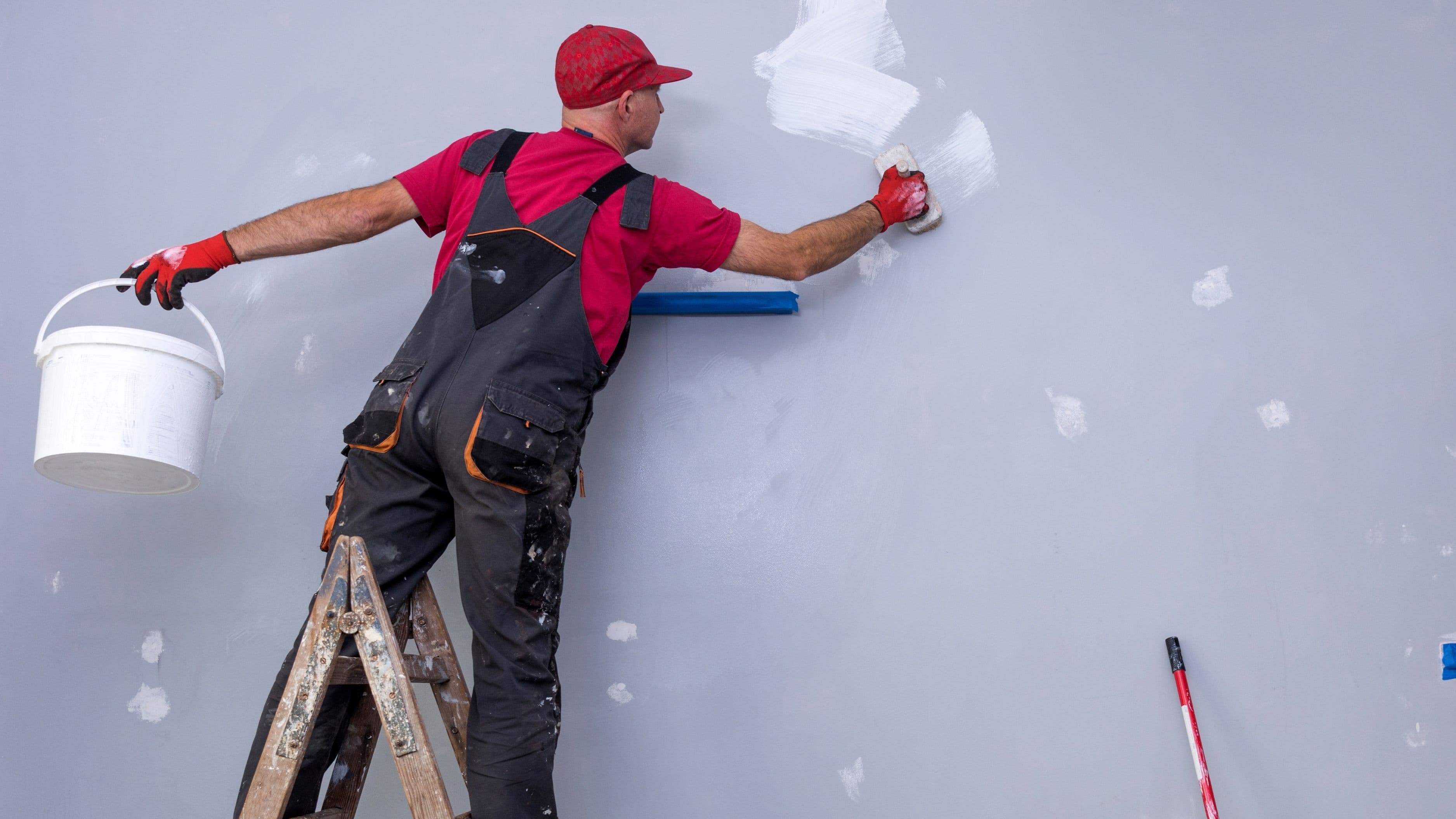
For homes with a roof in good structural condition but poor thermal performance in hot climates, a reflective (or "cool roof") coating can be applied directly over most existing roofing materials to reduce how much heat the roof absorbs and radiates into the home. This works particularly well on flat or low-slope roofs common on additions, garages, or certain home styles, and it's one of the few energy retrofits that directly modifies the roof surface without full replacement.
Cost level: Medium – typically $1 to $3 per square foot for coating application, meaning $1,500 to $4,000 for an average residential roof.
Impact: Medium to high in hot climates, lower impact in colder climates where reduced summer heat gain matters less than winter heat retention.
Step 6: Consider Radiant Barrier Installation
A radiant barrier – a reflective material installed under the roof deck in the attic – reflects radiant heat away before it transfers into the living space below, which is particularly effective in hot, sunny climates. This can typically be installed by stapling reflective sheeting to the underside of roof rafters without disturbing the roofing material itself, making it a genuinely non-invasive retrofit option.
Cost level: Low to medium – typically $1,000 to $2,500 for a DIY or professional installation in an average attic.
Impact: Medium to high in hot climates, minimal benefit in colder regions where the priority is retaining heat rather than blocking it.
Tips for Getting the Best Results
Layering these retrofits together produces meaningfully better results than any single fix in isolation, since insulation, air sealing, ventilation, and reflectivity each address a different part of the energy loss equation. Prioritizing insulation and air sealing first tends to deliver the best return relative to cost, since these two address the most common sources of energy waste before moving to more climate-specific upgrades like reflective coatings or radiant barriers.
Common Mistakes to Avoid
Adding insulation without addressing air sealing first often produces disappointing results, since air leaks can undermine a large percentage of insulation's effectiveness regardless of how much is added. Skipping the energy audit and guessing at the problem is one of the most common ways homeowners spend money on the wrong fix, particularly assuming insulation is the issue when air sealing or ventilation is actually the bigger factor. And choosing a reflective coating or radiant barrier without considering your specific climate can mean investing in an upgrade with limited real-world benefit for your region.
Realistic Expectations
Cost level: Low to medium overall, especially compared to a full roof replacement, which typically runs $8,000 to $20,000 or more depending on materials and roof size.
Timeline: Most of these retrofits can be completed within a few days to a week, depending on attic accessibility and whether professional installation is used for insulation or coating work.
Energy savings: Realistic expectations are a meaningful reduction in heating and cooling costs, often in the range of 10–20% depending on your home's starting condition and climate, rather than a dramatic transformation. Combining multiple retrofits tends to produce better cumulative results than expecting any single upgrade to solve the whole problem.
FAQ
Do I need a full roof replacement to improve energy efficiency? No. In most cases, if the roof is structurally sound, insulation, air sealing, ventilation, and surface treatments can meaningfully improve energy performance without replacing the roofing material itself.
Which retrofit offers the best return for the cost? Attic insulation typically offers the strongest return relative to cost for most homes, particularly older homes with inadequate existing insulation levels.
Is a reflective roof coating worth it in a cold climate? Its benefit is smaller in cold climates, since the main advantage is reducing summer heat gain. In colder regions, insulation and air sealing typically offer a better return than a reflective coating.
How do I know if my attic insulation is actually inadequate? A home energy audit will measure your current insulation level and compare it to the recommended level for your climate zone, giving you a clear answer rather than relying on guesswork.
📚 Sources
U.S. Department of Energy – Insulation Guide, https://www.energy.gov/energysaver/insulation
ENERGY STAR – Home Sealing (Insulation and Air Sealing), https://www.energystar.gov/saveathome/seal_insulate
U.S. Department of Energy – Cool Roofs, https://www.energy.gov/energysaver/cool-roofs
-jhajrFUGfI3zCQGjpAWcxuNPi1zUTB.jpg&w=3840&q=75)