


How Insurance Companies Actually Price Your Home
Insurance underwriters don't just look at your home's age and location. They're hunting for red flags that scream "future claim." A sagging roof tells them water damage is coming. Outdated electrical systems whisper "fire hazard." Cracked foundation? That's settlement issues waiting to happen. Every maintenance issue you fix removes ammunition from their pricing gun. When renewal time rolls around, documented improvements give you leverage to negotiate lower rates or qualify for discounts you didn't even know existed.
The Maintenance That Moves the Needle
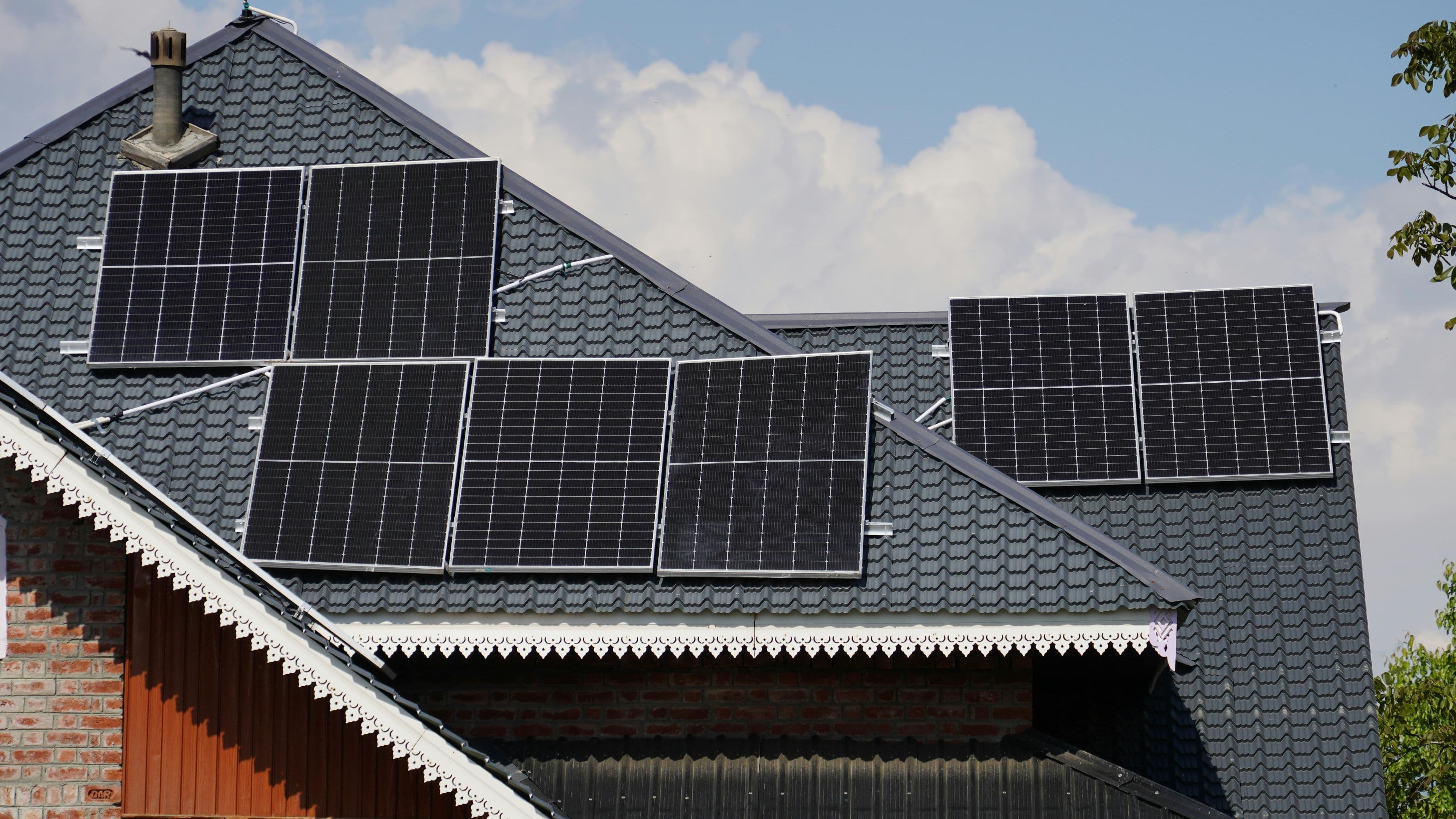
Roof repairs and replacements — Your roof is the single biggest factor in your premium calculation. Replace missing shingles immediately, not next season. Clean moss and debris every spring and fall. If your roof is over 15 years old, get a professional inspection and share the report with your insurer. Some companies offer discounts up to 20% for impact-resistant roofing materials.
Electrical system upgrades — Replace any aluminum wiring with copper, even if it means doing one room at a time. Update your breaker box if it's still using fuses. Install GFCI outlets in bathrooms and kitchens yourself for under $20 each. These changes directly reduce fire risk, and insurers notice. Take photos of the work and save receipts.
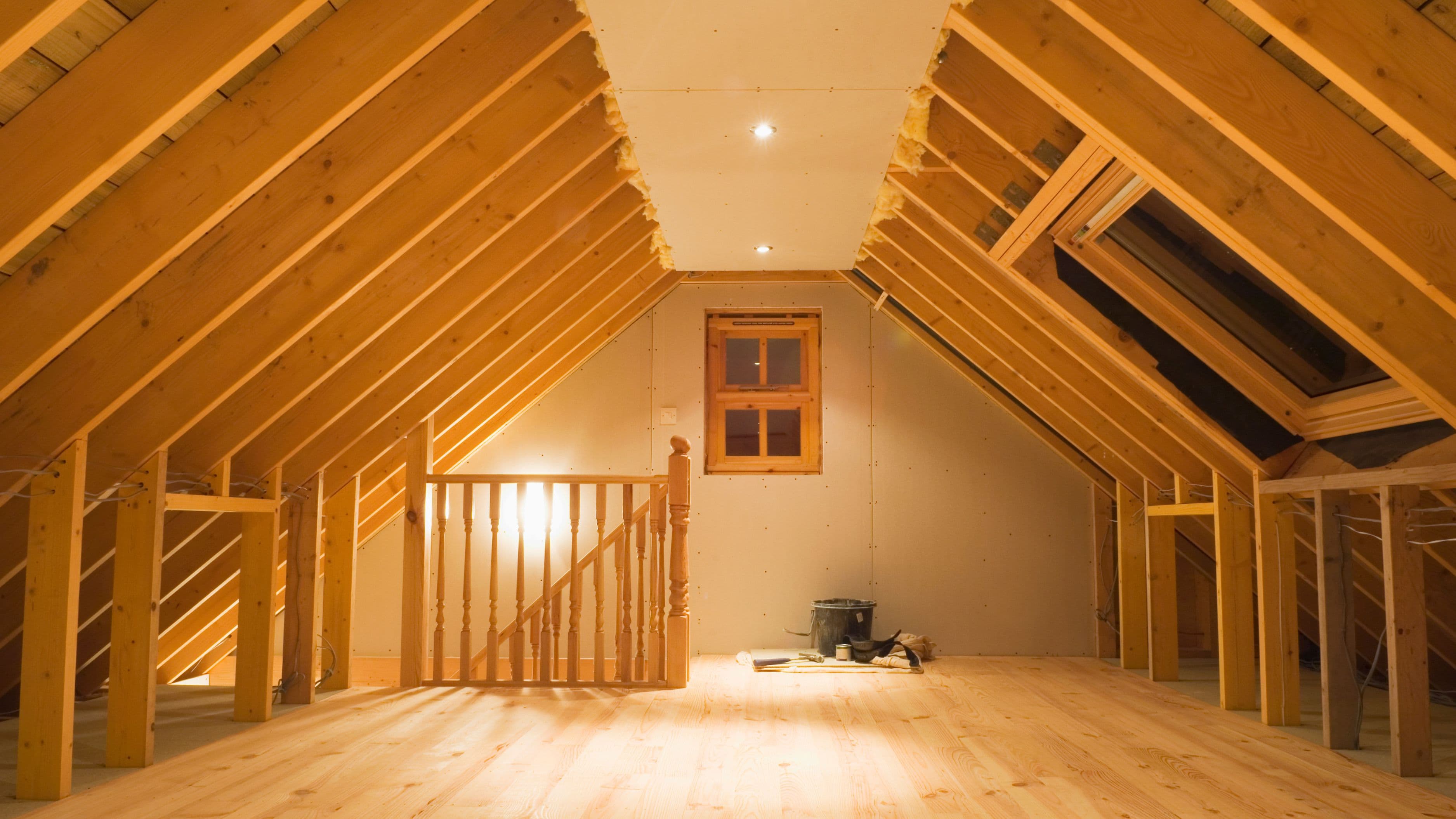
Plumbing leak prevention — Replace washing machine hoses with braided steel versions every five years. Insulate exposed pipes in crawl spaces and attics. Install water leak detectors under sinks and near water heaters for about $25 each. Water damage claims are insurance companies' nightmare, and these simple fixes prove you're serious about prevention.
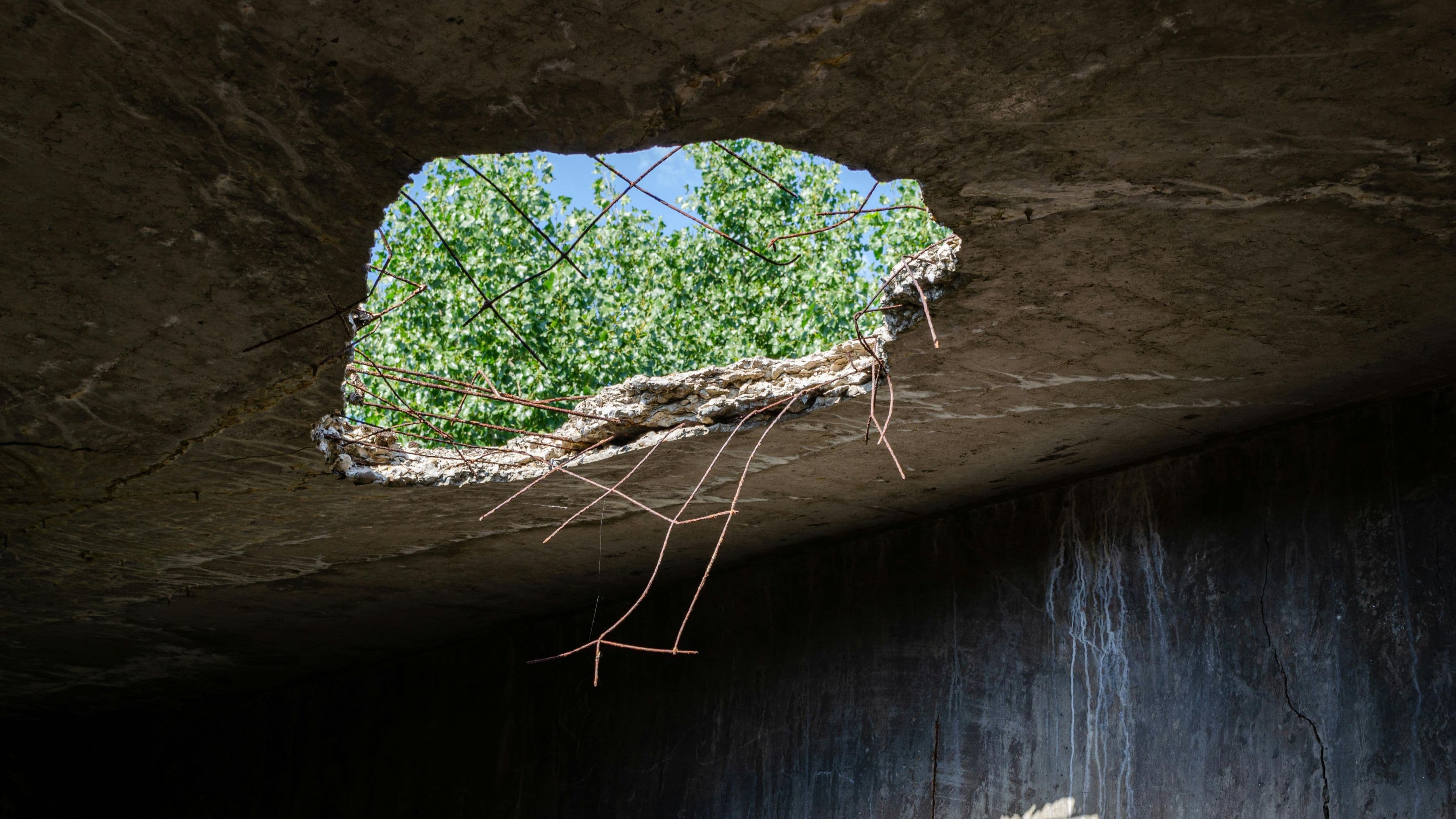
Foundation crack sealing — Small foundation cracks become big problems fast. Fill hairline cracks with epoxy injection kits from any hardware store. Monitor larger cracks with dated photographs. Address drainage issues that direct water toward your foundation by extending downspouts and regrading soil. Foundation claims are expensive and signal poor maintenance to underwriters.
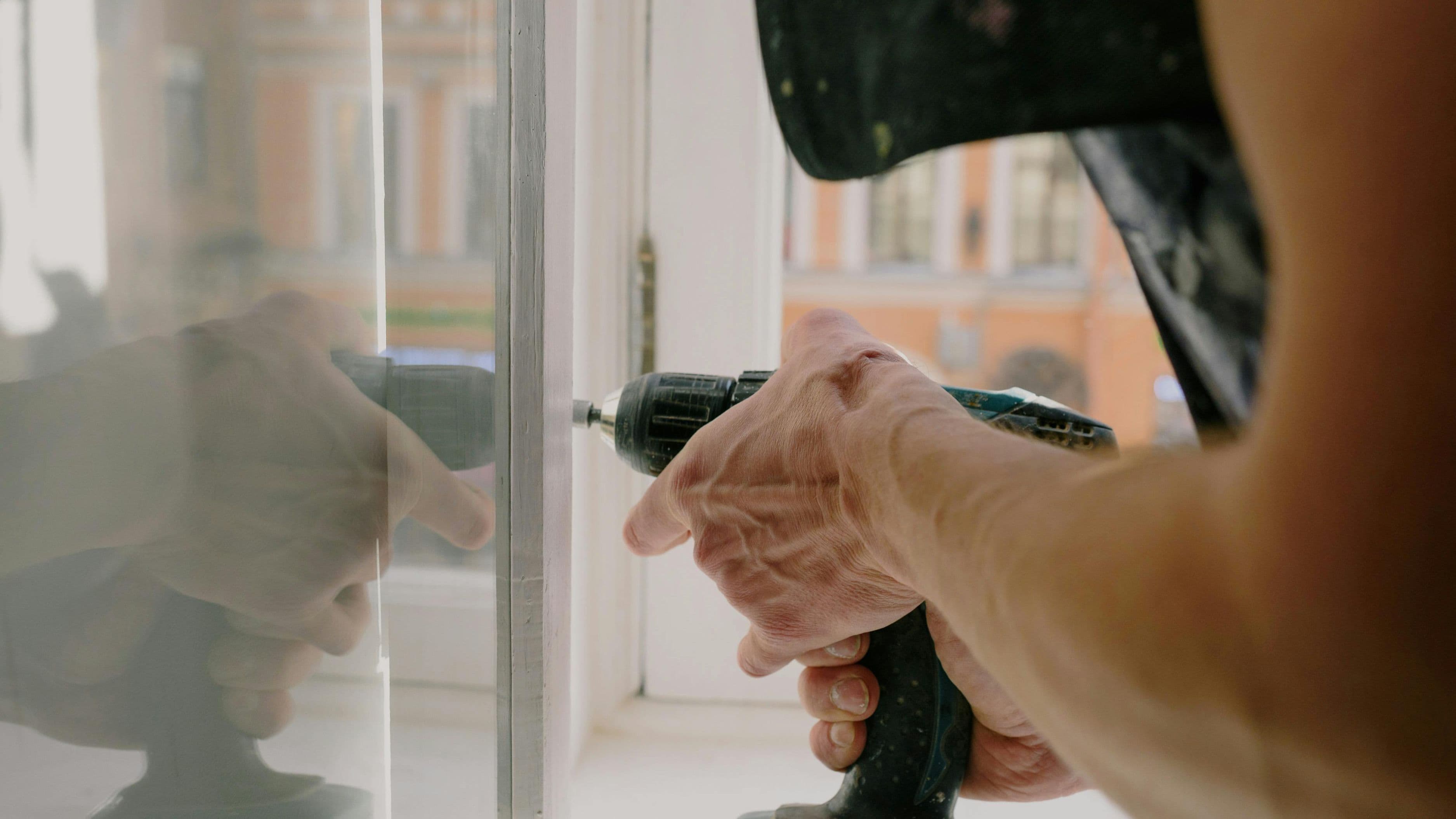
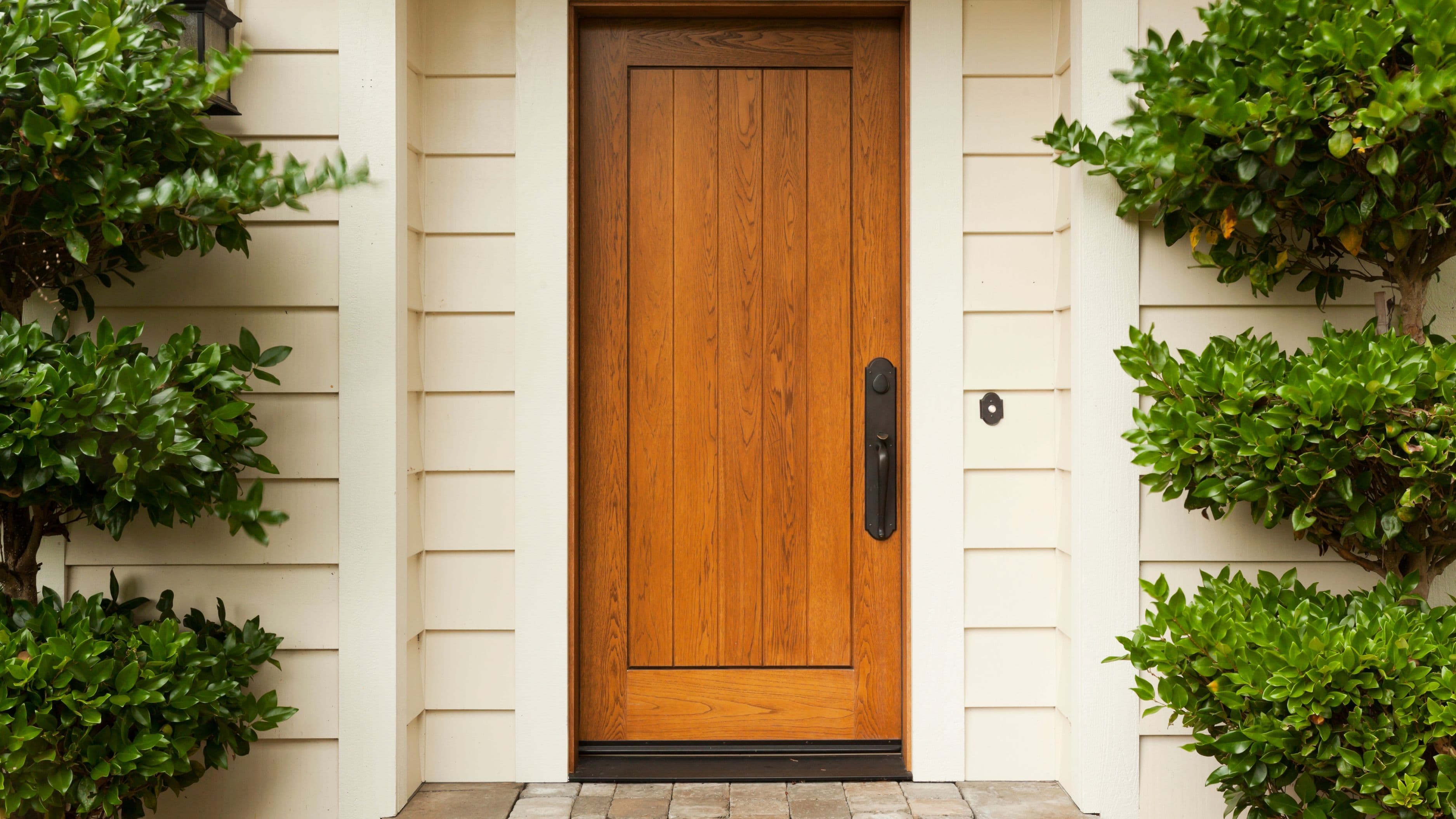
Window and door weatherproofing — Replace worn weatherstripping around doors and windows every two years. Recaulk exterior window frames when you see gaps or cracks. Install storm windows or upgrade to double-pane glass in stages. These improvements reduce wind and water intrusion during storms, making your home more resilient when weather hits.
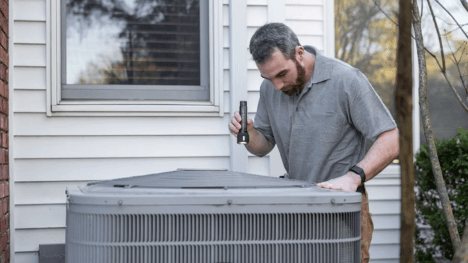
HVAC maintenance logs — Change furnace filters monthly, not quarterly. Clean your AC condenser coils every spring with a garden hose and coil cleaner. Keep a simple notebook logging every maintenance task with dates and costs. This documentation proves you're preventing the fires, carbon monoxide leaks, and system failures that lead to claims.
Chimney and fireplace upkeep — Inspect your chimney annually for cracks, missing mortar, or damaged flashing. Clean creosote buildup yourself with chimney brushes and chemical cleaners, or hire a sweep and keep the receipt. Install a chimney cap to prevent animal entry and water damage. Fireplace-related claims are surprisingly common and completely preventable.
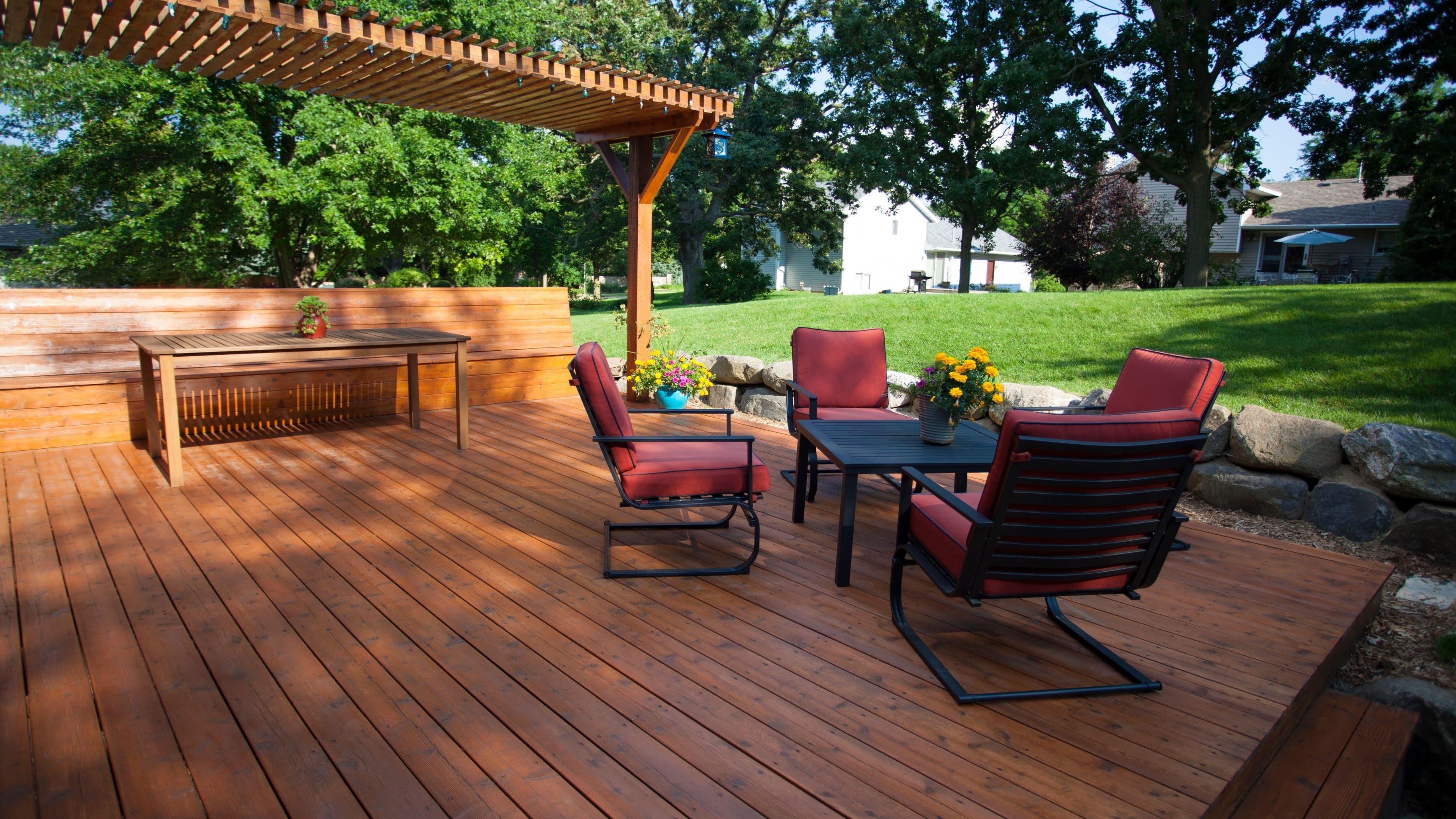
Deck and porch repairs — Replace rotted boards before someone falls through them. Tighten loose railings and balusters. Reseal wood surfaces every two years to prevent water penetration. These structures are liability magnets, and maintaining them shows insurers you're managing risk proactively.
Tree trimming and removal — Cut back branches hanging over your roof or within ten feet of your house. Remove dead trees before they fall. Trim branches that could reach power lines in a storm. Storm damage from trees is one of the most common homeowners claims, and prevention is mostly sweat equity.
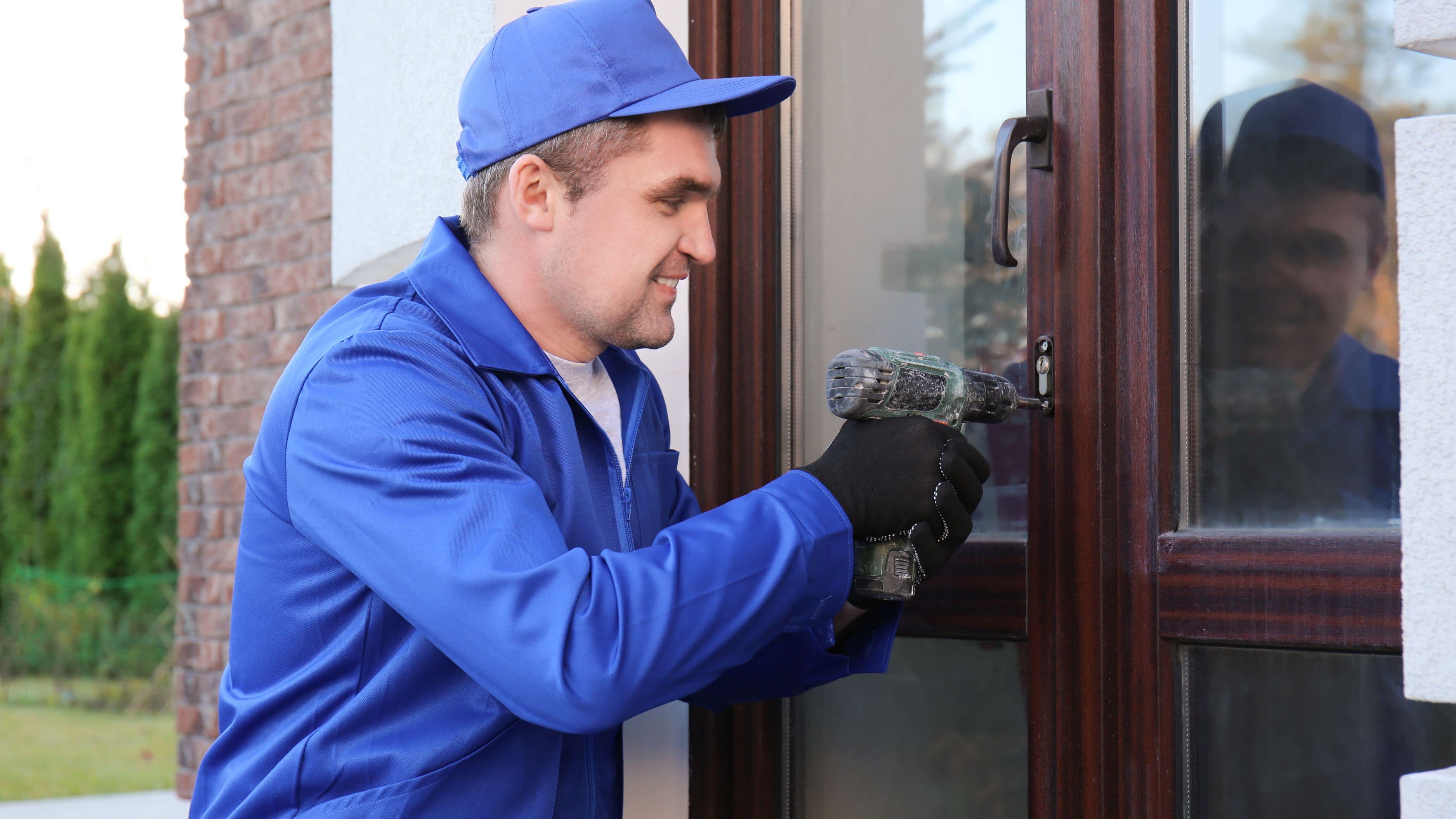
Security system installation — Install door and window sensors yourself with DIY security kits. Add motion-sensing exterior lights around all entry points. Mount a doorbell camera at your front entrance. Most insurers offer 5-15% discounts for monitored security systems, and even basic setups qualify.
Documentation: Your Secret Weapon
Take before and after photos of every repair, no matter how small. Save every receipt, even for a $5 tube of caulk. Create a simple spreadsheet listing the date, task, cost, and any product details. When you call your insurance agent, this documentation transforms you from "just another customer" into a low-risk homeowner who deserves better rates. Some insurers offer specific maintenance credits if you can prove regular upkeep with dated photos and receipts.
The Discount Hunt
Call your insurance company and specifically ask about these discounts: protective device credits, claims-free history rewards, home improvement incentives, multi-policy bundling, and loyalty discounts. Many insurers won't automatically apply discounts you qualify for—you have to ask. Mention every DIY improvement you've completed in the past three years. If they're not interested in rewarding your maintenance efforts, that's your signal to shop around. Other insurers will value your diligence.
When DIY Isn't Enough
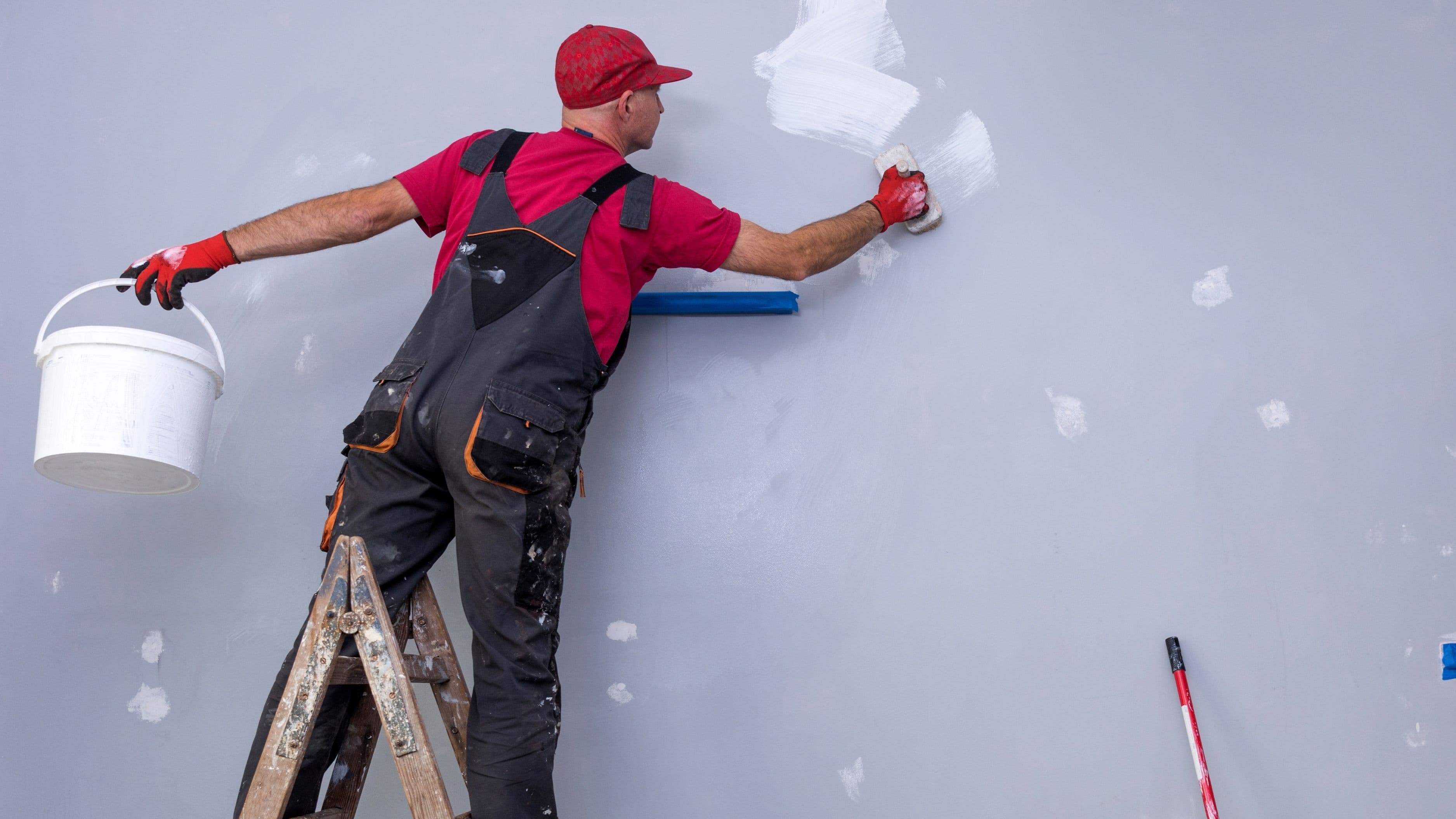
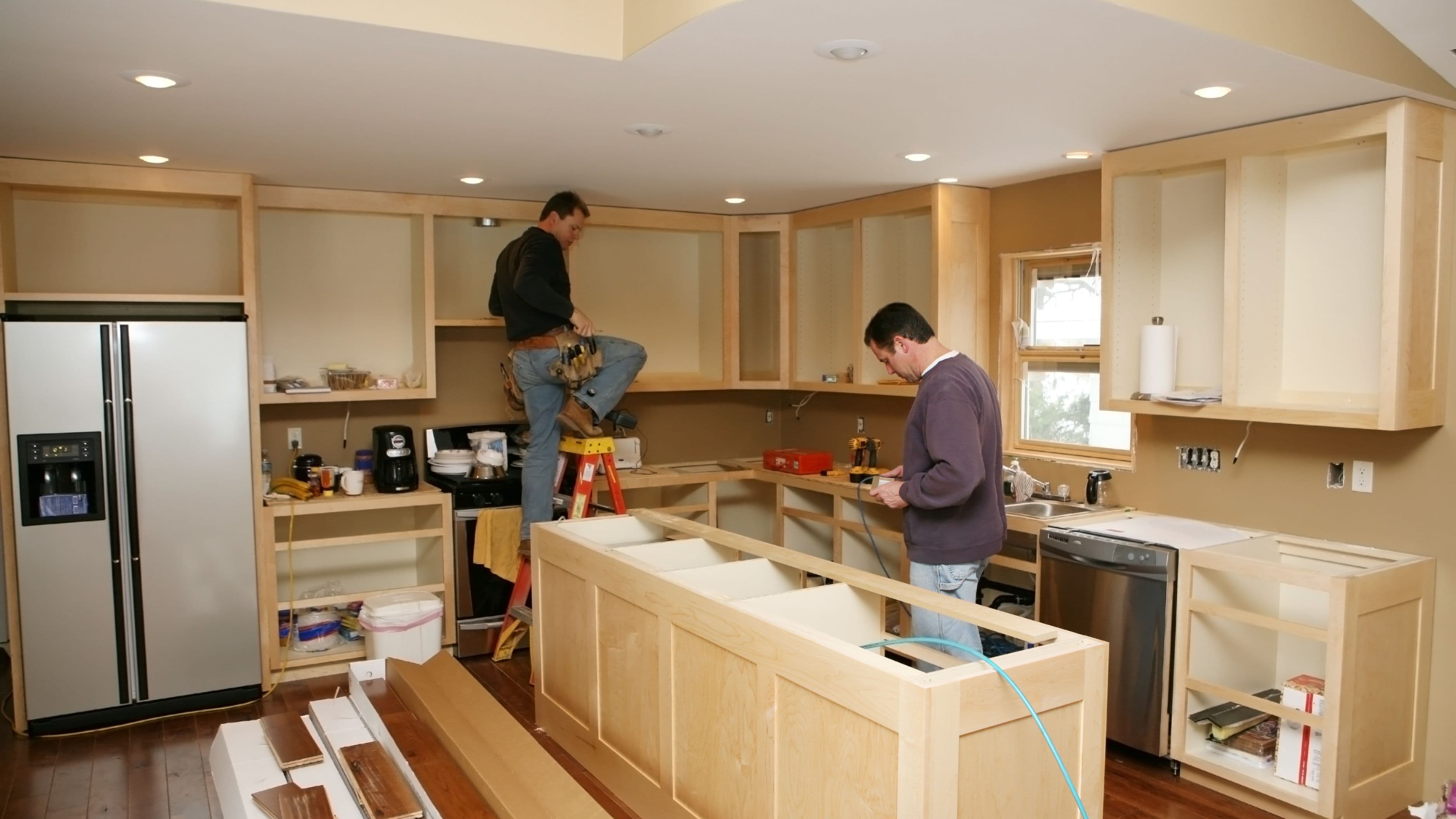
Some jobs need professionals, and insurers know it. Hire licensed contractors for major electrical work, structural repairs, and roof replacements. But you can still save money by doing the prep work yourself: clearing the area, removing old materials, or handling cleanup. Get a detailed invoice that itemizes materials and labor. Professional work on major systems often unlocks bigger insurance discounts than DIY fixes alone.
Start Small, Think Big
You don't need to tackle everything this weekend. Pick one item from this list and complete it today. Maybe it's replacing that washing machine hose or installing a water leak detector. Next weekend, choose another. By next renewal period, you'll have a portfolio of improvements that justify a serious conversation about lowering your premium. The compound effect of small, consistent maintenance doesn't just save insurance money—it prevents the catastrophic failures that lead to massive out-of-pocket costs and claim headaches.
Your home is already telling your insurance company a story. Make sure it's the right one. Every repair, upgrade, and maintenance task you complete rewrites that narrative from "risky property" to "well-maintained home." The savings aren't just hypothetical—they're sitting in your premium, waiting for you to claim them through simple, affordable action.
Pick one task and try it right now. Momentum starts small, but the savings add up fast.
📚 Sources
1. Insurance Information Institute (III). "Twelve Ways to Lower Your Homeowners Insurance Costs." III.org, 2024.
2. National Association of Insurance Commissioners (NAIC). "Understanding Homeowners Insurance Pricing Factors." NAIC.org, 2024.
-jhajrFUGfI3zCQGjpAWcxuNPi1zUTB.jpg&w=3840&q=75)