


The average homeowner spends between $300 to $800 annually on minor home repairs and touch-ups. When you hire professionals for tasks like patching drywall, repainting rooms, or fixing trim work, labor costs typically account for 70-85% of the total bill. That markup is where your savings hide, waiting to be discovered like loose change in couch cushions—except it's hundreds or even thousands of dollars instead of quarters.
Let's break down exactly how much money stays in your wallet when you roll up your sleeves and tackle these projects yourself.
The Real Cost Breakdown
Understanding where your money goes when you hire a professional versus doing it yourself reveals the staggering difference. Professional painters charge between $2 to $6 per square foot for interior painting, which means a modest 12x12 room could cost anywhere from $288 to $864 just for labor. Buy your own paint, brushes, and supplies for around $75 to $150, and you're looking at potential savings of $138 to $714 per room.
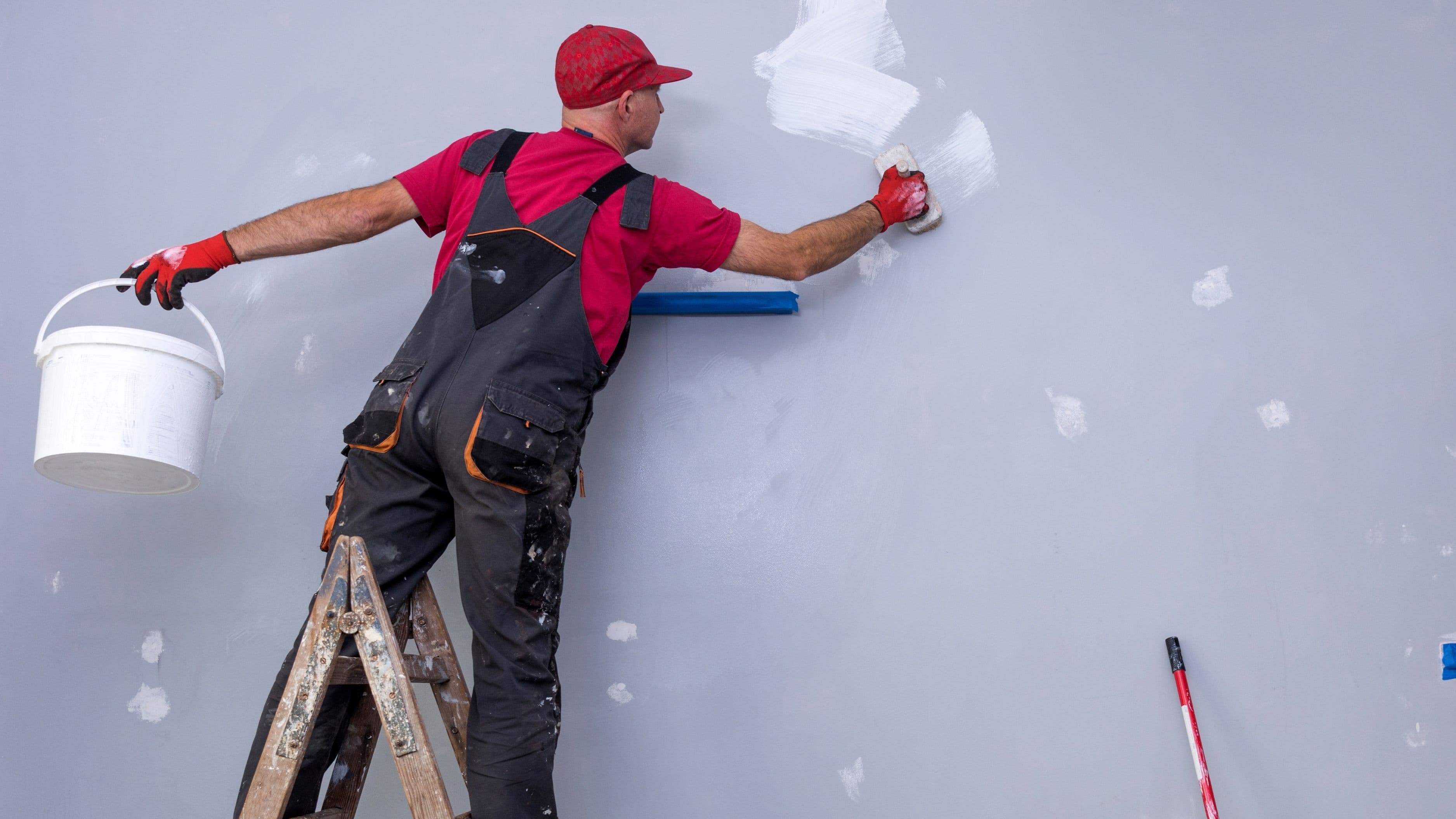
Drywall patching presents an even more dramatic contrast. A handyman might charge $150 to $300 to patch a few holes and imperfections in your walls. The materials? Maybe $20 for spackle, sandpaper, and a putty knife. That's a 650% to 1400% markup you're avoiding. Suddenly, spending a Saturday afternoon smoothing compound over nail holes doesn't seem so tedious when each swipe of your putty knife saves you enough for a nice dinner out.
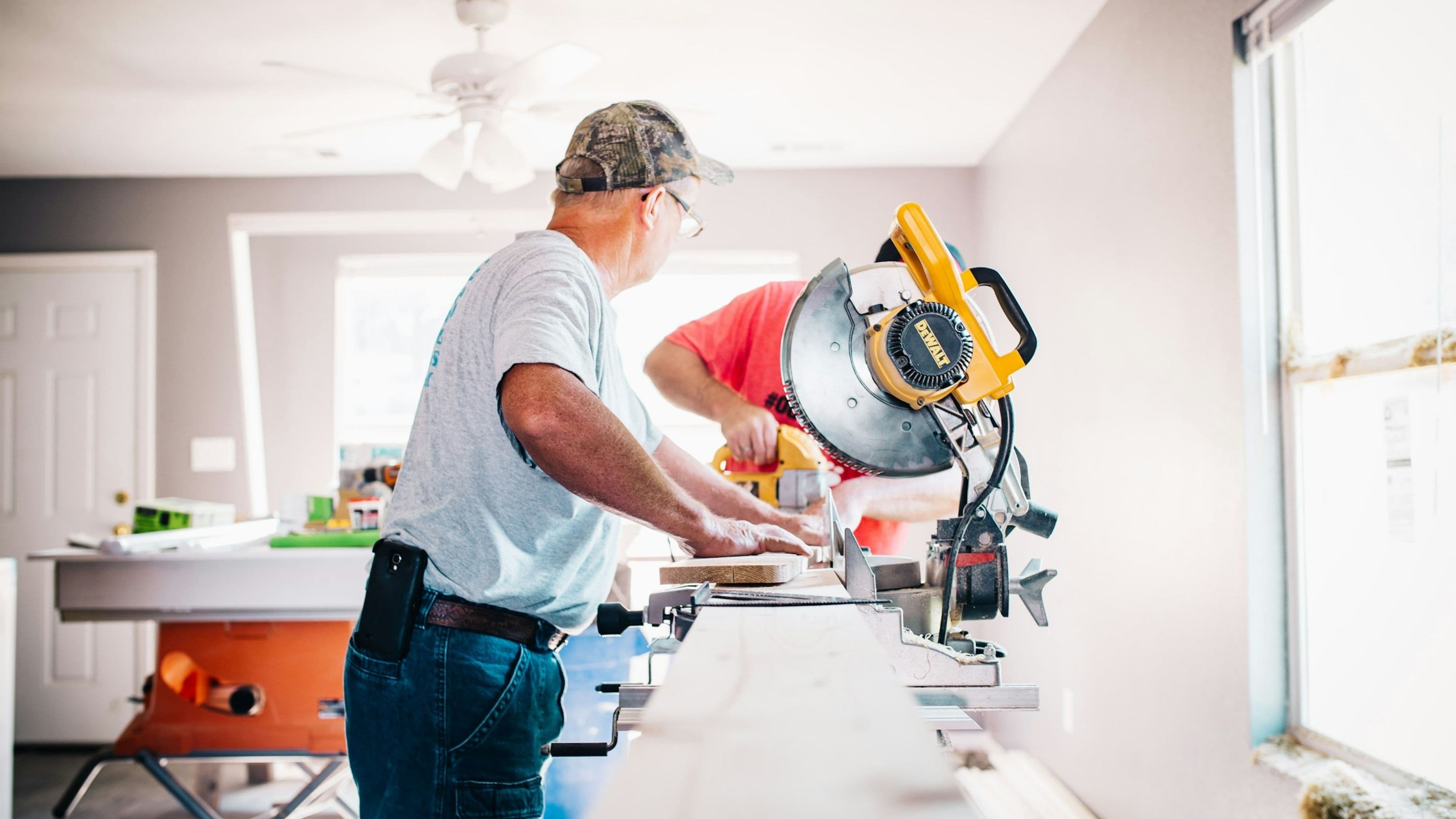
Baseboard and trim touch-ups tell a similar story. Professional carpenters charge $60 to $100 per hour, with most small trim projects taking two to four hours. Do it yourself with caulk, wood filler, and paint for under $40, and you've just saved yourself $80 to $360.
What You Actually Need to Get Started
The beauty of DIY interior touch-ups is that you don't need a garage full of professional-grade equipment. A basic toolkit costing $100 to $200 covers almost every common touch-up scenario you'll encounter. This includes quality paintbrushes and rollers, various grits of sandpaper, spackle and wood filler, painter's tape, drop cloths, a caulking gun, and basic hand tools.
This initial investment pays for itself after just one or two projects. Consider it like joining a gym—except instead of getting physically fit, your wallet gets financially fit. Plus, unlike that gym membership you haven't used since February, these tools actually deliver returns every time you use them.
Many homeowners worry they'll mess up and end up paying more to fix their mistakes than they would have spent hiring someone initially. This fear is overblown for most basic touch-ups. Modern materials are remarkably forgiving, with innovations like peel-and-stick caulk strips, paint-and-primer-in-one products, and color-matching technology making amateur mistakes increasingly rare.
The Learning Curve Investment
Your first DIY project might take three times longer than a professional would need, and that's perfectly normal. What matters is that your second project takes half the time of your first, and by your third, you're moving with surprising confidence. This learning curve represents an investment in a skill set that compounds over the lifetime of homeownership.
Think of it as building equity in your own capabilities. A professional painter completes your living room in five hours; you might need fifteen for your first attempt. But here's the math that matters: at $50 per hour for professional labor, that's $250 you saved. Even if you value your own time at $30 per hour (a generous estimate for weekend DIY work), you're still ahead by $100. And remember, professionals charge whether it's Tuesday at 2 PM or Saturday morning—your time on the weekend doesn't cost extra.
The psychological benefits deserve mention too. There's genuine satisfaction in stepping back from a freshly touched-up room knowing you created that improvement with your own hands. It's the same pride people feel when they cook a meal from scratch rather than ordering takeout, except this pride lasts months or years instead of disappearing with the last bite.
Where the Big Savings Hide
Painting remains the heavyweight champion of DIY savings. A professional interior paint job for an entire home averages $3,500 to $5,500 for a 1,500-square-foot house. Tackle it yourself, and you're looking at $400 to $800 in materials—a savings of $2,700 to $4,700. Even if you only paint two rooms per year instead of the whole house at once, you're still banking $1,000 to $1,500 annually.
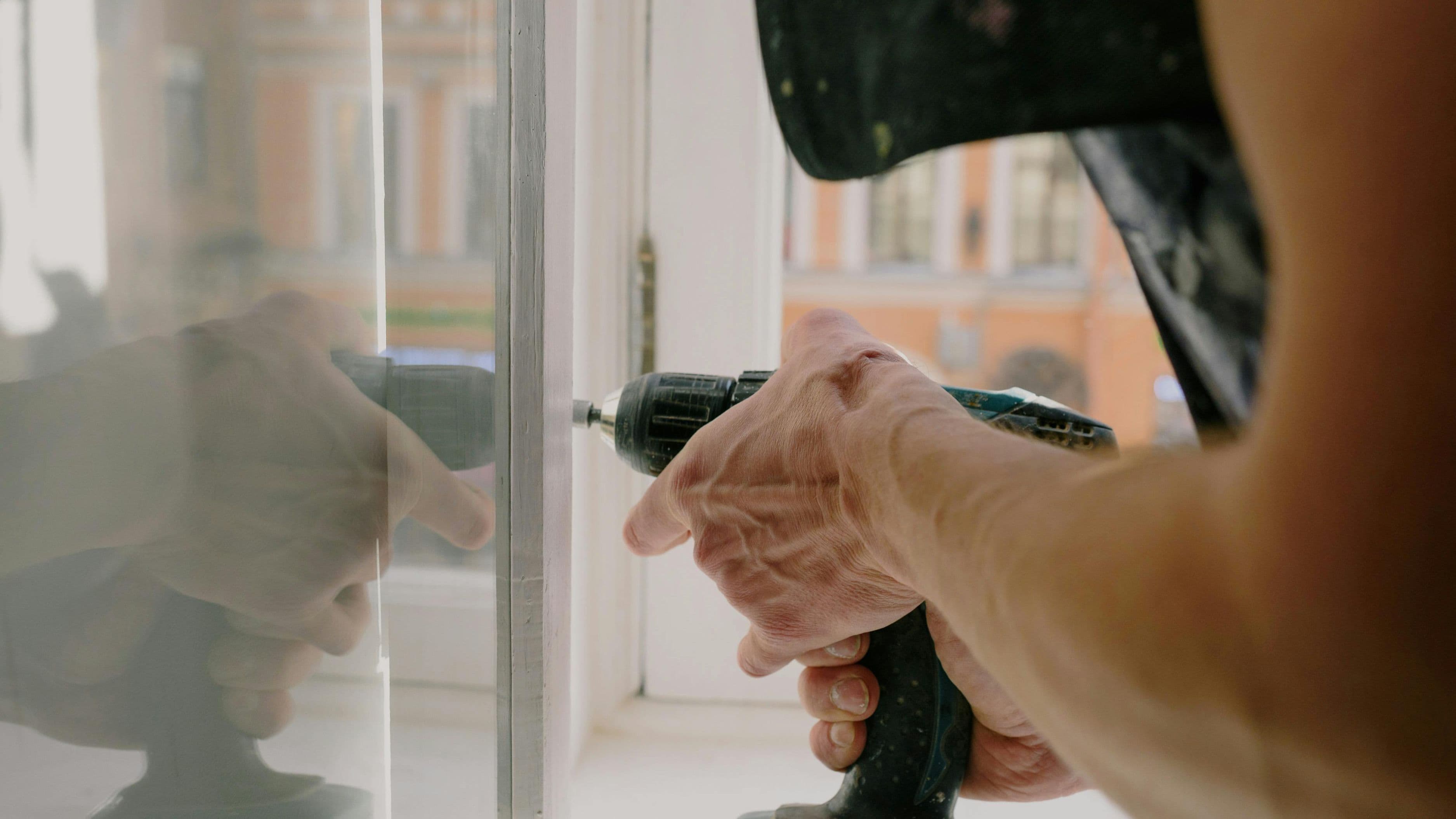
Door and cabinet hardware updates offer sneaky-big savings too. Replacing dated brass fixtures with modern brushed nickel or matte black hardware throughout a home costs $30 to $60 in materials but would run $200 to $400 if you hired a handyman to do it. Unscrew the old, screw in the new—you've just saved $140 to $340 for about ninety minutes of work.
Wall texture repair and touch-ups present another gold mine of savings. Those scuffs, dings, and nail holes from where you hung that painting you've since moved? A handyman charges $200 to $400 for a service call to address them throughout a typical home. A $15 container of spackle and two hours of your Saturday handles the same work.
When to Still Call a Professional
Not every home improvement task belongs in the DIY category, and knowing these boundaries saves you from expensive mistakes. Anything involving electrical work beyond swapping outlet covers requires a licensed electrician—full stop. The same applies to structural drywall damage extending beyond simple holes, extensive water damage requiring mold remediation, or repairs in areas with asbestos or lead paint concerns.
Major cracks in walls or ceilings might indicate foundation issues that need professional assessment before any cosmetic work. Textured ceiling repairs, especially popcorn ceilings, can look amateurish without experience and might contain asbestos in older homes. When your touch-up project crosses into these territories, the money you save on labor won't offset the cost of doing it wrong or, worse, creating safety hazards.
Think of professionals as your insurance policy for complex problems. The $300 you spend on an expert consultation or specialized repair protects you from the $3,000 mistake. Smart DIY-ers know when they've reached the edge of their comfort zone and call in reinforcements.
The Ten-Year ROI
Let's zoom out and look at the long game. The average homeowner who embraces DIY touch-ups saves $1,500 to $3,000 annually compared to hiring out all minor repairs and improvements. Over ten years, that's $15,000 to $30,000—enough for a substantial down payment on investment property, a complete kitchen renovation, or that dream vacation you've been postponing.
These savings compound when you consider that maintaining your home yourself means you're more likely to catch and address small problems before they become expensive disasters. The homeowner who paints their own baseboards notices the soft spot indicating water damage; the one who hires it out might miss that detail until it's a $5,000 floor replacement.
Your home becomes more than just a place to live—it transforms into a laboratory where you develop valuable skills, build confidence, and exercise creative control over your environment. Each successful project adds another layer of capability, turning you into someone who sees opportunities instead of obstacles when you spot a wall imperfection or outdated fixture.
Your Permission Slip to Start Small
You don't need to commit to painting your entire house next weekend. Start with a closet, a powder room, or even just touching up the scuffs around your light switches. Each small victory builds momentum and proves to yourself that you're more capable than you imagined. That closet project might save you $100 to $150, and more importantly, it gives you the confidence to tackle the hallway next month.
The internet has democratized home improvement knowledge in unprecedented ways. Detailed video tutorials walk you through every step, online communities answer questions and troubleshoot problems, and retailers offer free workshops on basic techniques. You're not figuring this out alone in your garage with a cryptic instruction manual—you've got millions of DIY enthusiasts and experts backing you up.
Your life doesn't need to be perfectly polished like an HGTV finale, with every corner magazine-ready and every surface flawless. But it can be more yours, more comfortable, and significantly less expensive when you embrace the power of DIY touch-ups. Those savings add up to freedom—freedom to invest in what matters, freedom from depending on others' schedules, and freedom to make your space truly reflect who you are. Now grab that paintbrush and start building your own renovation success story, one affordable touch-up at a time.
📚 Sources
1. HomeAdvisor, "Cost to Hire a Painter," 2024,
2. Thumbtack, "Interior Painting Cost Guide," 2024,
3. Angi (formerly Angie's List), "Handyman Service Costs," 2024,
-jhajrFUGfI3zCQGjpAWcxuNPi1zUTB.jpg&w=3840&q=75)