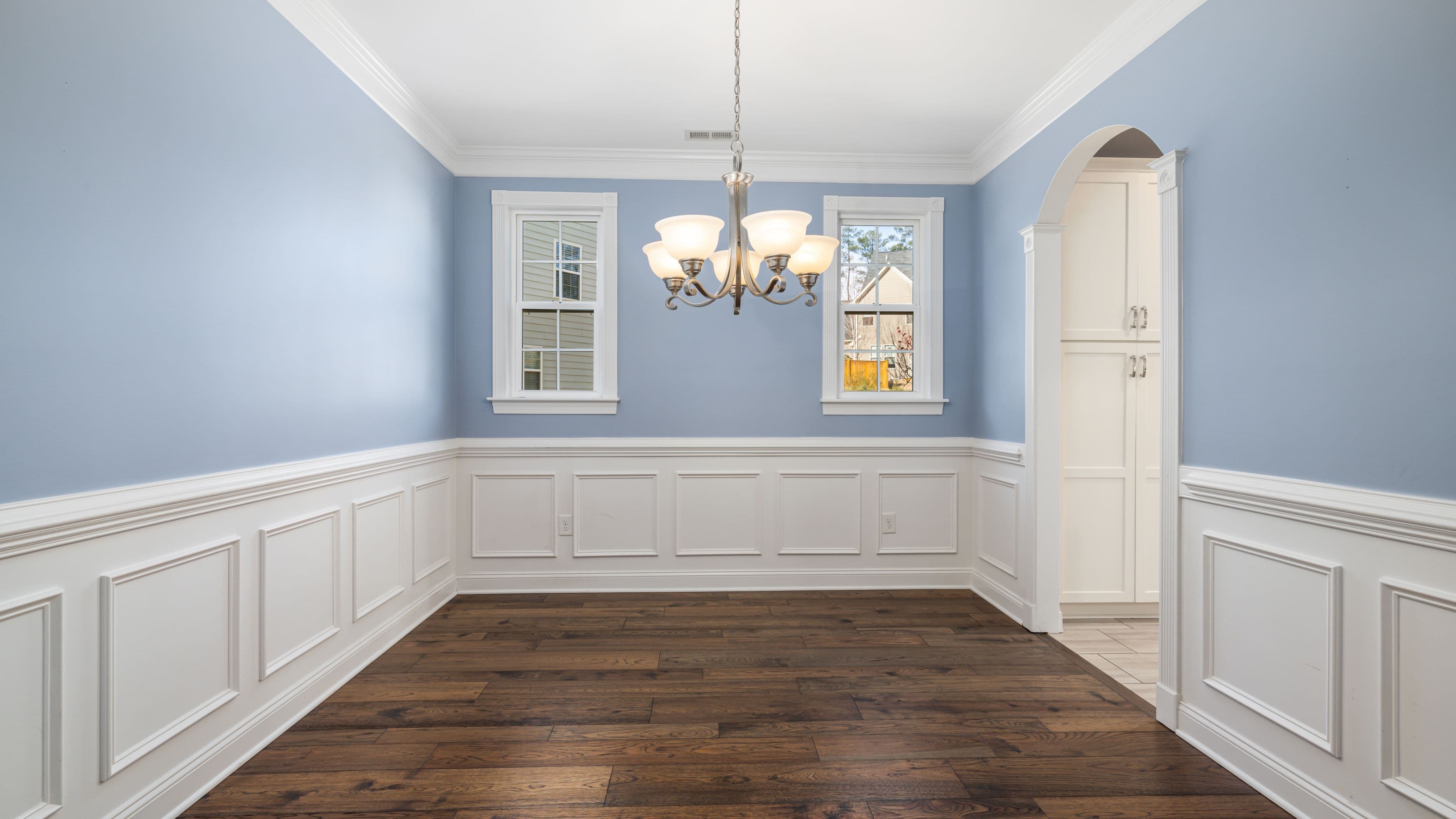



What Makes Shiplap and Tongue and Groove Different
Shiplap boards connect using a rabbet joint, an overlapping notch cut into the top and bottom edges of each board, which creates the small, distinctive gap or reveal between boards that's become closely associated with the modern farmhouse look. This overlapping connection allows for some natural expansion and contraction of the wood without the boards buckling.
Tongue and groove boards connect through an interlocking joint, a protruding "tongue" on one edge that fits snugly into a matching "groove" on the adjacent board. This creates a tighter, more seamless connection with little to no visible gap between boards, resulting in a cleaner, more finished appearance without the reveal lines shiplap is known for.
Visual and Style Differences
Shiplap's visible reveal lines create a more rustic, textured look that reads as intentionally casual, which is a big part of why it's become so associated with farmhouse and cottage-style interiors. The horizontal lines and small shadow gaps add a sense of dimension to a wall that a perfectly flat surface doesn't provide.
Tongue and groove offers a cleaner, more traditional or classic look, since the tight seams create a smoother overall wall surface. This makes it a versatile choice for a wider range of design styles, from traditional wainscoting to more modern, minimalist paneling applications, without the rustic association that shiplap carries.
Installation Differences and Difficulty
Shiplap is generally considered the more beginner-friendly option to install, since the overlapping joint is more forgiving of minor measurement inconsistencies and doesn't require boards to fit together as precisely. Most shiplap installations can be completed with basic tools, a level, a stud finder, and a nail gun, making it a realistic weekend DIY project for most homeowners with basic tool comfort.
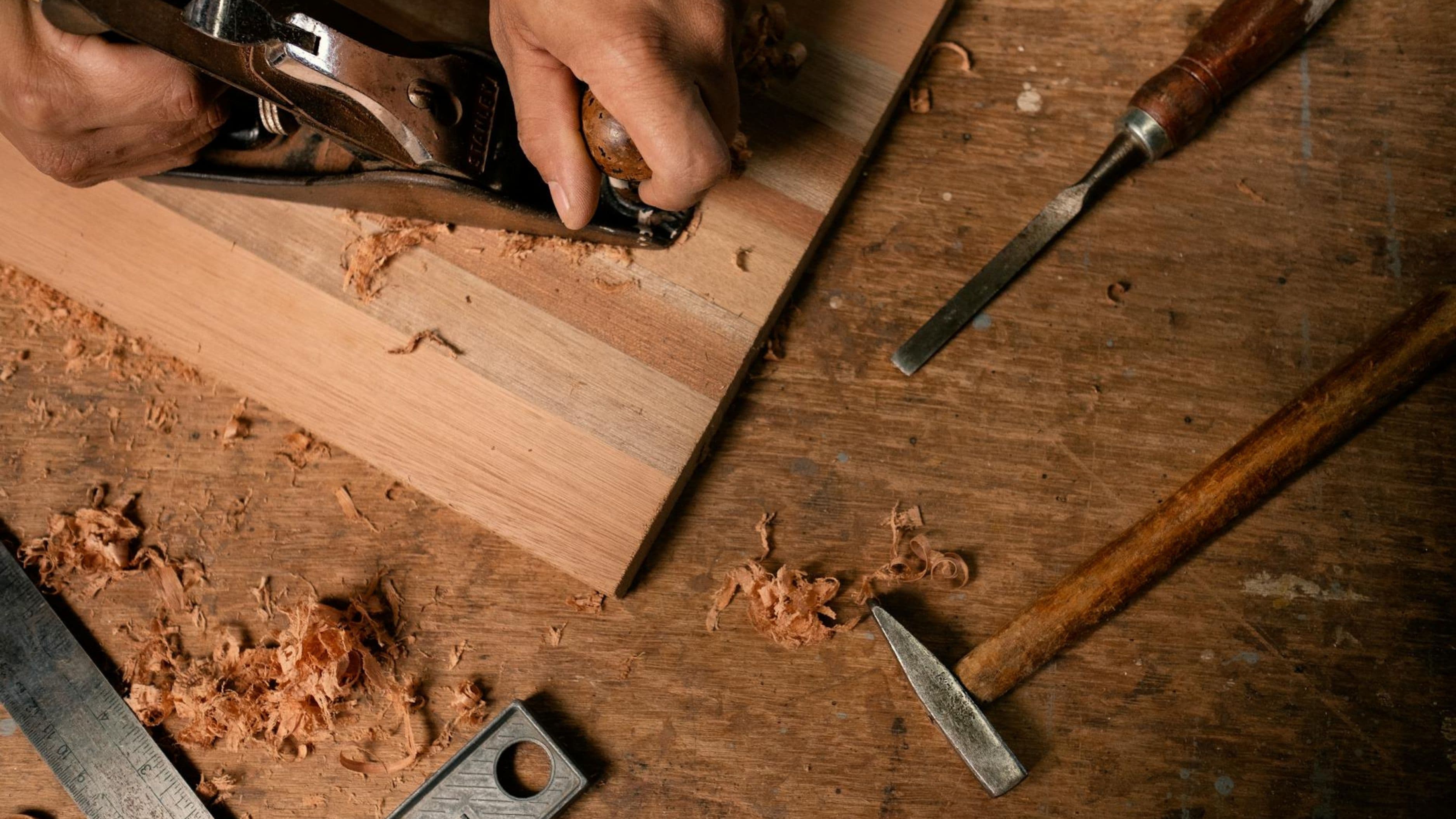
Tongue and groove requires more precision during installation, since the interlocking joints need to align correctly along the entire length of each board, and any warping or slight inconsistency in board dimensions can create fitting problems that are more noticeable than they would be with shiplap's more forgiving overlap. This generally makes tongue and groove a moderate rather than beginner-level DIY project.
Shiplap difficulty: Easy to moderate
Tongue and groove difficulty: Moderate
Cost Comparison
Material costs for both options vary significantly based on wood species, finish, and quality, but shiplap tends to run slightly less expensive on average, particularly for basic pine or MDF options, since the simpler joint design is generally less expensive to manufacture. Tongue and groove boards, particularly higher-quality solid wood options, often carry a somewhat higher material cost due to the more precise milling required for the interlocking joint.
Labor costs, if hiring a professional installer rather than doing it yourself, tend to run higher for tongue and groove given the additional precision and time required, though the difference is generally moderate rather than dramatic for a standard residential room.
Shiplap cost range: $2-8 per square foot for materials (low to medium)
Tongue and groove cost range: $3-12 per square foot for materials (medium)
Durability and Long-Term Performance
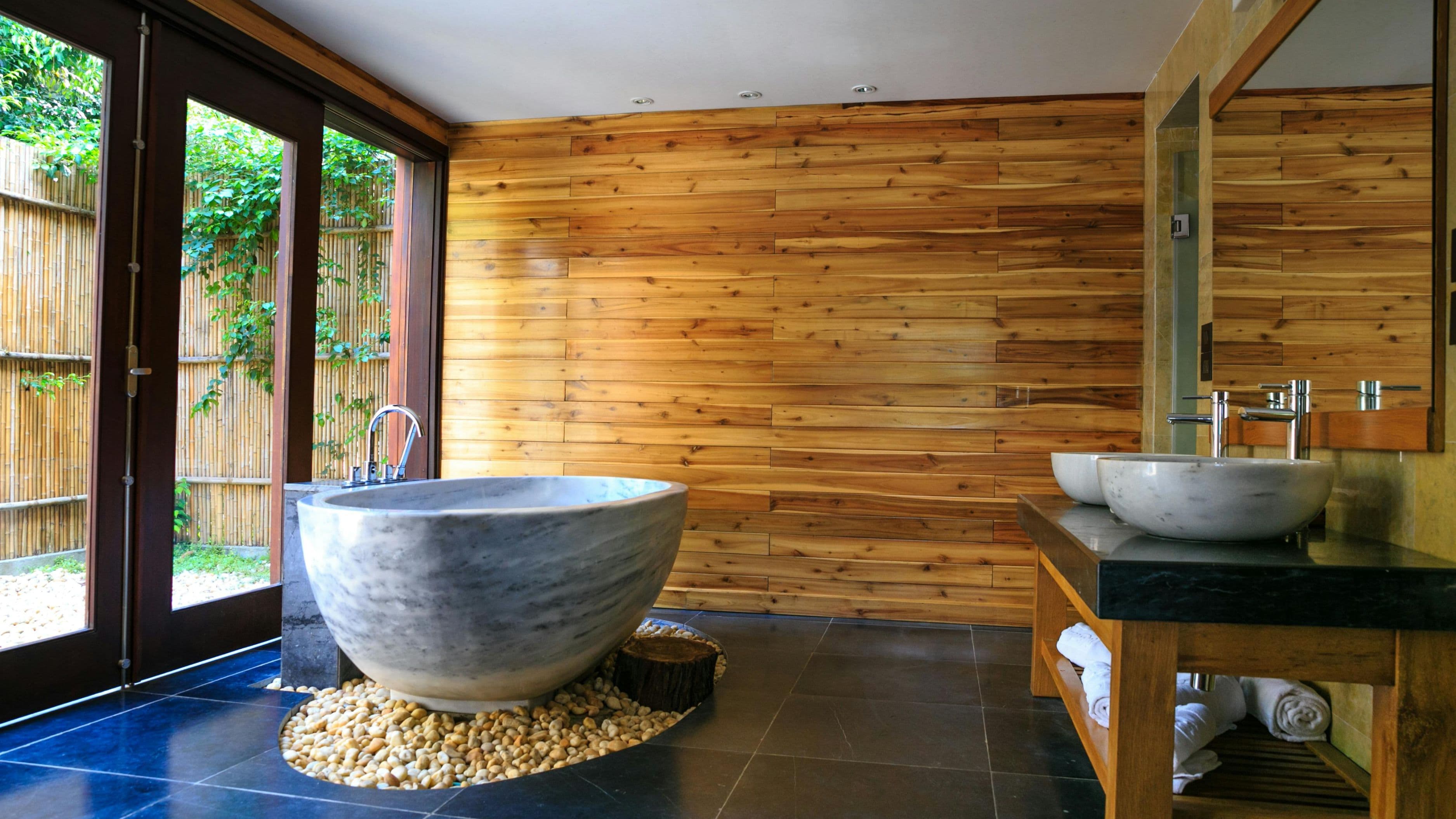
Tongue and groove's tighter seams generally provide better protection against drafts and minor moisture infiltration compared to shiplap's overlapping gaps, which makes it a somewhat better choice for exterior applications or rooms with higher humidity, like bathrooms, when properly sealed and finished.
Shiplap's small gaps between boards, while part of its visual appeal, can allow more dust and debris to accumulate along the reveal lines over time, requiring slightly more maintenance to keep those seams clean, particularly in kitchens or high-traffic areas.
Both materials perform well over the long term when installed correctly and properly finished, and neither has a significant durability disadvantage in a standard interior residential application away from direct moisture exposure.
Best Use Cases for Each
Shiplap works particularly well as an accent wall, a fireplace surround, or in spaces where you want to introduce texture and a farmhouse or cottage-inspired aesthetic without full-room paneling. It's also a strong choice for DIY renovators tackling their first paneling project, given its more forgiving installation process.
Tongue and groove is a better fit for full-room paneling, wainscoting, ceilings, and spaces where a cleaner, more traditional or seamless look is the goal. It also holds up somewhat better in higher-moisture areas when properly finished, making it a reasonable option for bathrooms or mudrooms where shiplap's gaps might be more of a maintenance concern.
Which One Should You Choose
If you're prioritizing a specific rustic or farmhouse aesthetic and want a more approachable DIY project, shiplap is generally the better fit. If you're aiming for a cleaner, more versatile look that works across a wider range of design styles, or you're paneling a space with moderate moisture exposure, tongue and groove is typically the stronger choice, provided you're comfortable with a slightly more involved installation process or are budgeting for professional installation.
Cost-sensitive projects covering a large wall area may lean toward shiplap given its generally lower material cost, while projects prioritizing a polished, seamless finish, particularly for a full room or a more formal design style, often favor tongue and groove despite the modest cost premium.
What to Avoid
Avoid installing either material directly against a damp or unfinished wall without a proper vapor barrier, since trapped moisture behind either paneling type can lead to mold growth or wood damage over time. Skip using solid wood shiplap or tongue and groove in a bathroom or other consistently high-humidity space without a specifically moisture-resistant finish, since standard interior wood finishes aren't designed to handle sustained humidity exposure well.
It's also worth avoiding mismatched board thickness when installing either material, since inconsistent board dimensions create a visibly uneven wall surface that's considerably more difficult to correct after installation than to prevent by carefully checking board consistency before starting.
FAQ
Can I install shiplap or tongue and groove over existing drywall? Yes, in most cases, provided the wall is structurally sound and boards are properly secured into wall studs rather than relying solely on the drywall itself for support.
Which option is better for a bathroom? Tongue and groove generally performs better in higher-moisture spaces due to its tighter seams, though either material requires a moisture-resistant finish and proper ventilation to hold up well in a bathroom environment over time.
Is MDF shiplap a good budget alternative to solid wood? MDF shiplap is generally less expensive and easier to achieve a smooth, paintable finish with, though it's more susceptible to moisture damage than solid wood or properly sealed engineered wood options, making it better suited to dry, low-humidity rooms.
📚 Sources
This Old House – Wall Paneling Buying Guide – https://www.thisoldhouse.com/walls
U.S. Department of Housing and Urban Development – Interior Finishes and Moisture Control – https://www.hud.gov/program_offices/healthy_homes