
Mirror Strategy Multiplies Space
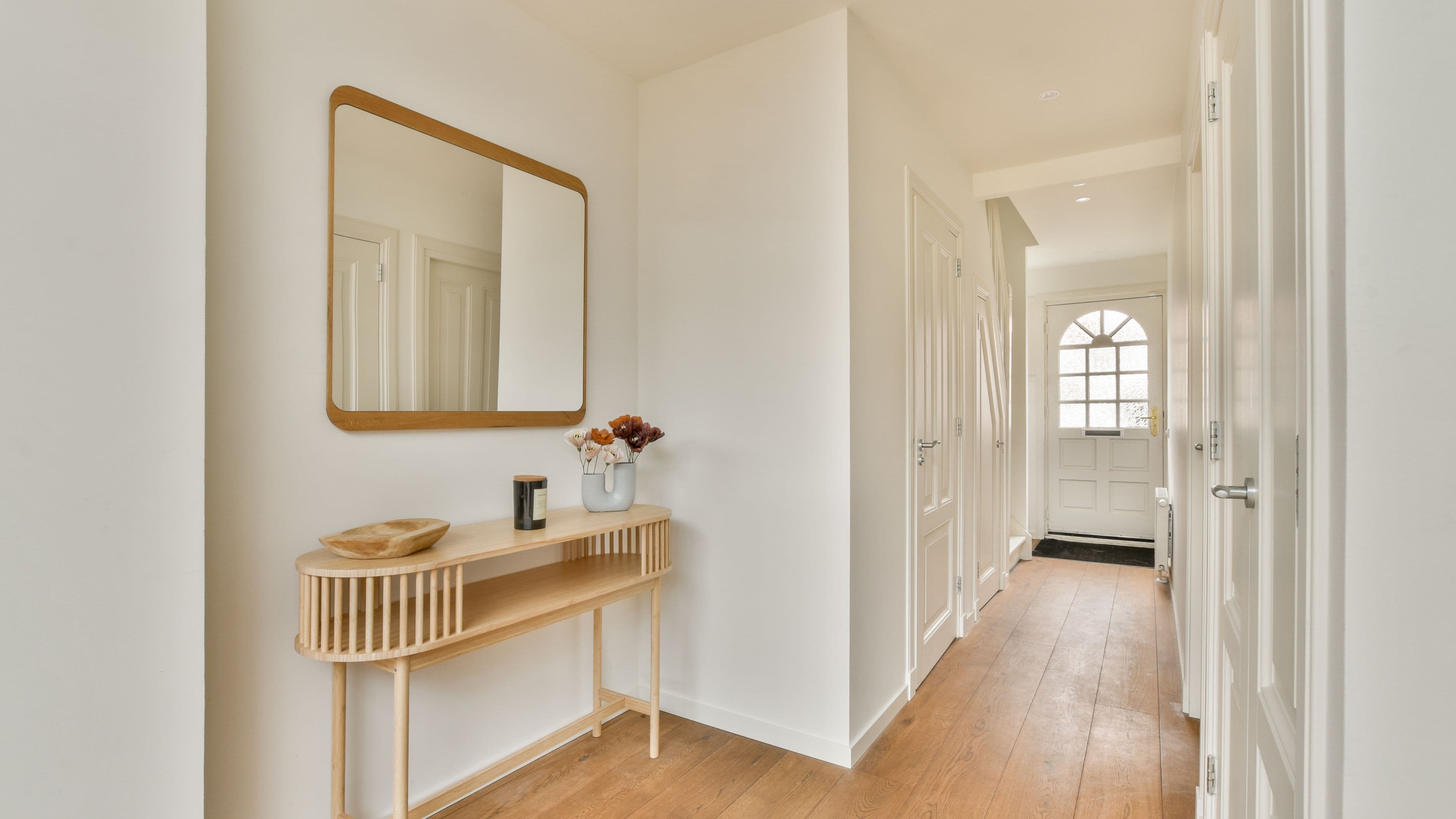
Install the largest mirror your wall can handle. Oversized mirrors reflect light and views, doubling perceived space instantly. A 36x48 inch mirror costs $80-150 but creates visual impact worth thousands in perceived property value.
Use mirrored medicine cabinets for dual functionality. These provide essential storage while maintaining the reflective surface that expands space, solving two problems with one $120-200 upgrade.
Consider mirror tiles or strips to extend reflection. Adding mirrored subway tiles as backsplash or decorative strips flanking the main mirror amplifies the space-expanding effect without overwhelming the design.
Position mirrors to reflect windows or light sources. Strategic placement bounces natural light deeper into rooms, making dark corners disappear while brightening the entire space organically.
Vertical Storage Maximizes Every Inch
Install floating shelves above the toilet. That dead wall space becomes prime storage real estate for $30-60 in shelving materials. Stack folded towels, display plants, or arrange decorative containers that add both function and style.
Add tall, narrow storage cabinets in corners. These $80-150 units exploit otherwise wasted vertical space without eating floor area, crucial in bathrooms where every square foot counts.
Use over-the-door organizers and hooks extensively. Door backs offer hidden storage for robes, towels, and cleaning supplies, keeping these essentials accessible but invisible when doors close.
Mount wall-mounted soap dispensers and toothbrush holders. Getting daily-use items off counters and sinks frees visual space that makes bathrooms feel dramatically less cluttered.
Light Color Palettes Expand Perception
Paint everything—walls, ceiling, trim—in light, unified tones. White, cream, pale gray, or soft beige eliminate visual breaks that chop small spaces into even smaller segments. Monochromatic schemes create continuous flow that tricks eyes into seeing more space than exists.
Choose light-colored flooring that matches walls. Continuity from floor to ceiling maximizes the expansive effect, while contrasting dark floors create visual stopping points that shrink rooms.
Use glass or clear acrylic accessories instead of opaque options. Transparent shower curtains, clear soap dishes, and glass shelving disappear visually while remaining functional, reducing visual clutter.
Add white or light fixtures, hardware, and accessories. Every element in light finishes contributes to the airy, spacious feeling that dark accents would diminish.
Smart Fixture Choices Create Breathing Room
Install wall-mounted toilets and sinks. These floating fixtures expose floor space underneath, creating unbroken sightlines that make rooms feel larger. The visible floor area tricks perception even though actual square footage stays identical.
Choose compact fixtures specifically designed for small spaces. Corner sinks, narrow-profile toilets, and space-saving vanities deliver full functionality in smaller footprints without compromising usability.
Use glass shower enclosures instead of curtains. Transparent barriers maintain visual continuity while curtains create solid walls that section off space and make bathrooms feel cramped.
Consider pocket doors that disappear into walls. Traditional swing doors consume precious square footage; pocket doors reclaim that space while creating cleaner sight lines.
Strategic Lighting Transforms Ambiance
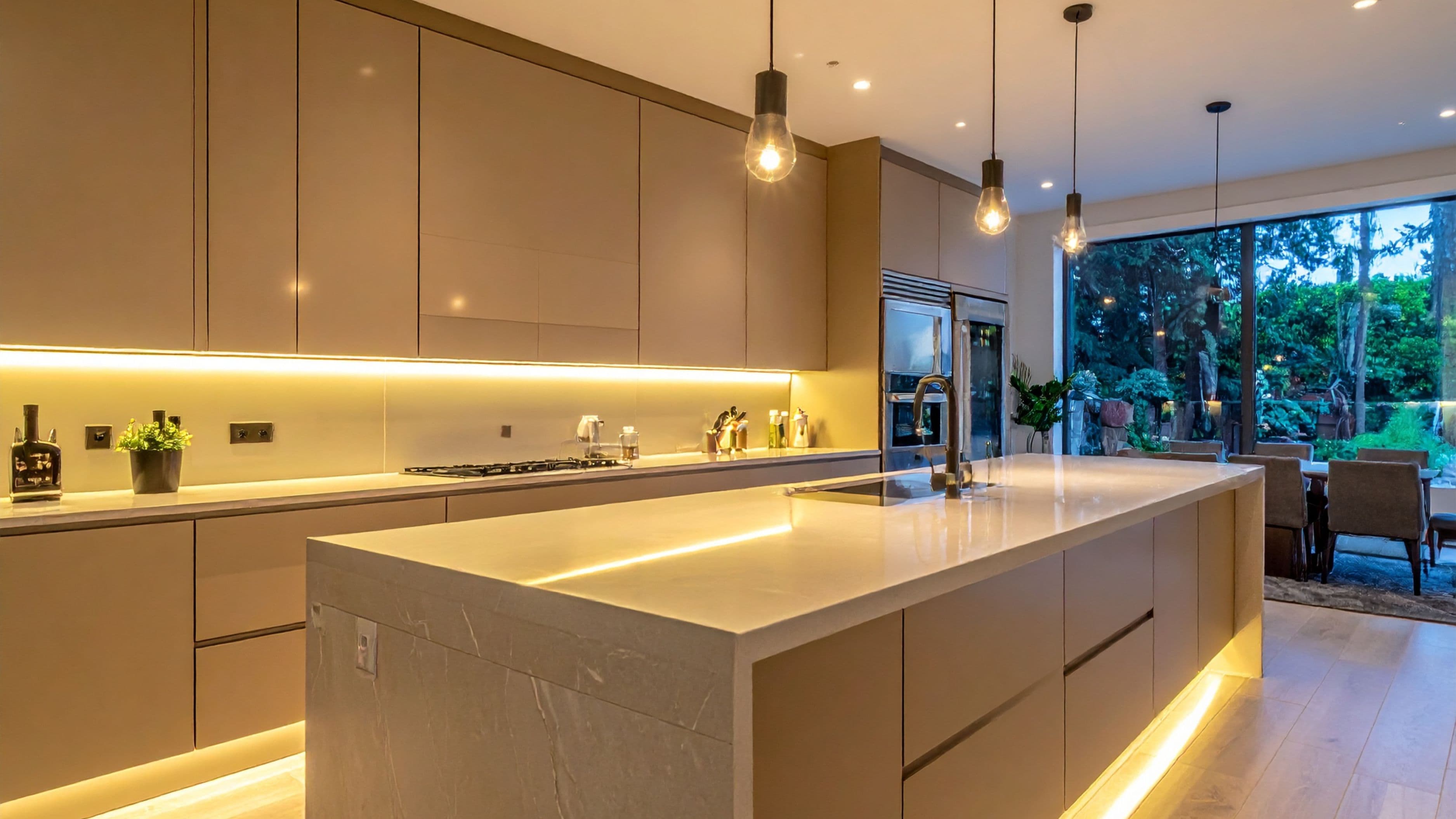
Layer multiple light sources at different heights. Overhead lighting alone creates harsh shadows; adding wall sconces, under-cabinet strips, or backlit mirrors provides even illumination that eliminates dark corners where spaces feel smaller.
Use recessed lighting to avoid visual clutter. Bulky fixtures extend into already-limited space; recessed options deliver brightness without physical or visual obstruction.
Install dimmer switches for mood versatility. The ability to adjust lighting intensity lets you brighten spaces when needed or create intimate ambiance, making single bathrooms serve multiple emotional functions.
Backlight mirrors for hotel-like luxury. LED strips behind mirrors create glowing halos that add depth while providing flattering illumination that makes users look and feel better.
Minimalist Approach Maximizes Impact
Limit visible items to absolute essentials. Every object left on counters or shelves consumes visual space—ruthlessly edit to just soap, hand towel, and maybe one small plant. Store everything else in cabinets or drawers.
Use uniform containers for necessary visible items. Matching soap dispensers, toothbrush holders, and storage jars create visual order that feels spacious compared to mismatched clutter.
Choose one statement piece instead of multiple decorations. A single beautiful mirror, artwork, or plant becomes a focal point; multiple small decorations create busy visual noise that shrinks space.
Eliminate shower caddies and counter organizers. Built-in niches, recessed shelves, or wall-mounted options provide storage without the visual bulk of freestanding organizers.
Cohesive Design Language Unifies Space
Match metals throughout—all chrome, brass, or matte black. Mixed finishes fragment visual attention; consistent hardware, fixtures, and accessories create harmony that expands perceived space.
Coordinate towels, mats, and shower curtains in complementary tones. Textiles that work together create intentional design rather than chaotic collection, signaling care and quality that elevates entire space.
Use repeating shapes or patterns subtly. Round mirrors echoed by round light fixtures or geometric tile patterns repeated in accessories create visual rhythm that feels sophisticated.
Clever Storage Hides Necessities
Install recessed medicine cabinets that sit flush with walls. These provide substantial storage without protruding into limited space, maintaining clean wall planes.
Use drawer dividers and cabinet organizers religiously. Organized storage feels more spacious than chaotic jumbles; every item with a designated spot makes limited storage work harder.
Add narrow rolling carts that slide into tight gaps. These $30-50 units exploit spaces between toilets and walls or beside vanities, providing hidden storage that pulls out when needed.
Mount magnetic strips inside cabinet doors for small metal items. Tweezers, nail clippers, and bobby pins organize vertically rather than jumbling in drawers, maximizing every cubic inch.
Tile and Pattern Strategy
Use large-format tiles instead of small ones. Fewer grout lines mean less visual interruption, making floors and walls feel more expansive. 12x24 inch tiles work better than traditional 4x4 inch squares.
Run tiles diagonally to widen narrow spaces visually. Diagonal patterns draw eyes along longer sight lines, counteracting the compressed feeling of tight dimensions.
Create vertical stripe effects with tile or paint. Vertical lines draw eyes upward, emphasizing ceiling height to compensate for limited floor space.
Avoid busy patterns that fragment attention. Subtle textures work better than bold patterns in small bathrooms—let solid colors or gentle variations create interest without overwhelming limited space.
Transparency and Openness
Replace solid shower doors with clear glass panels. Visual access to entire bathroom creates openness that opaque barriers destroy, even though functional privacy remains unchanged.
Use open shelving judiciously to maintain sight lines. Strategic open storage displays curated items while maintaining visual flow; closed cabinets work for less attractive necessities.
Choose furniture with exposed legs rather than solid bases. Vanities and storage pieces that show floor underneath feel lighter and less obstructive than solid floor-to-ceiling units.
Temperature and Comfort
Add heated towel racks for luxury that doesn't consume space. These $150-300 wall-mounted fixtures provide warmth and dry towels without requiring floor area, plus they function as supplemental heating in cold months.
Use small space heaters strategically in winter. Compact ceramic heaters take the edge off chilly mornings without permanent installation or space consumption when not needed.
Install exhaust fans to manage humidity efficiently. Proper ventilation prevents moisture buildup that makes small spaces feel stuffy and uncomfortable, maintaining freshness crucial in compact quarters.
Professional Polish Details
Caulk and grout must be pristine. Dingy caulk or stained grout screams neglect; fresh white caulking and clean grout lines cost minimal money but signal meticulous care that elevates entire spaces.
Address any water stains or mineral deposits immediately. Small bathrooms amplify every imperfection; maintaining surfaces in perfect condition prevents any single flaw from dominating attention.
Keep fixtures gleaming through regular maintenance. Shiny chrome, spotless mirrors, and polished surfaces reflect more light while signaling quality that makes spaces feel expensive regardless of actual investment.
Conclusion
Small bathrooms represent constraint, but constraint breeds innovation that unlimited space never demands. Every tactic here works because it exploits perception rather than fighting physical reality—you can't add square footage, but you can absolutely manipulate how space feels, functions, and photographs. Pick one strategy from this list and implement it this weekend: hang a large mirror, paint walls a lighter color, install floating shelves, or simply declutter counters completely. Momentum starts small, but each improvement compounds into bathrooms that command premium rates, generate positive reviews, and convince buyers they're getting more space than measurements suggest. Your competitors are ignoring these details—use that to your advantage.
📚 Sources
National Association of Realtors - "Bathroom Impact on Home Sale Decisions and Buyer Preferences" (2024)
Journal of Environmental Psychology - "Spatial Perception and Interior Design: Color and Light Effects on Perceived Room Size" (2023)