
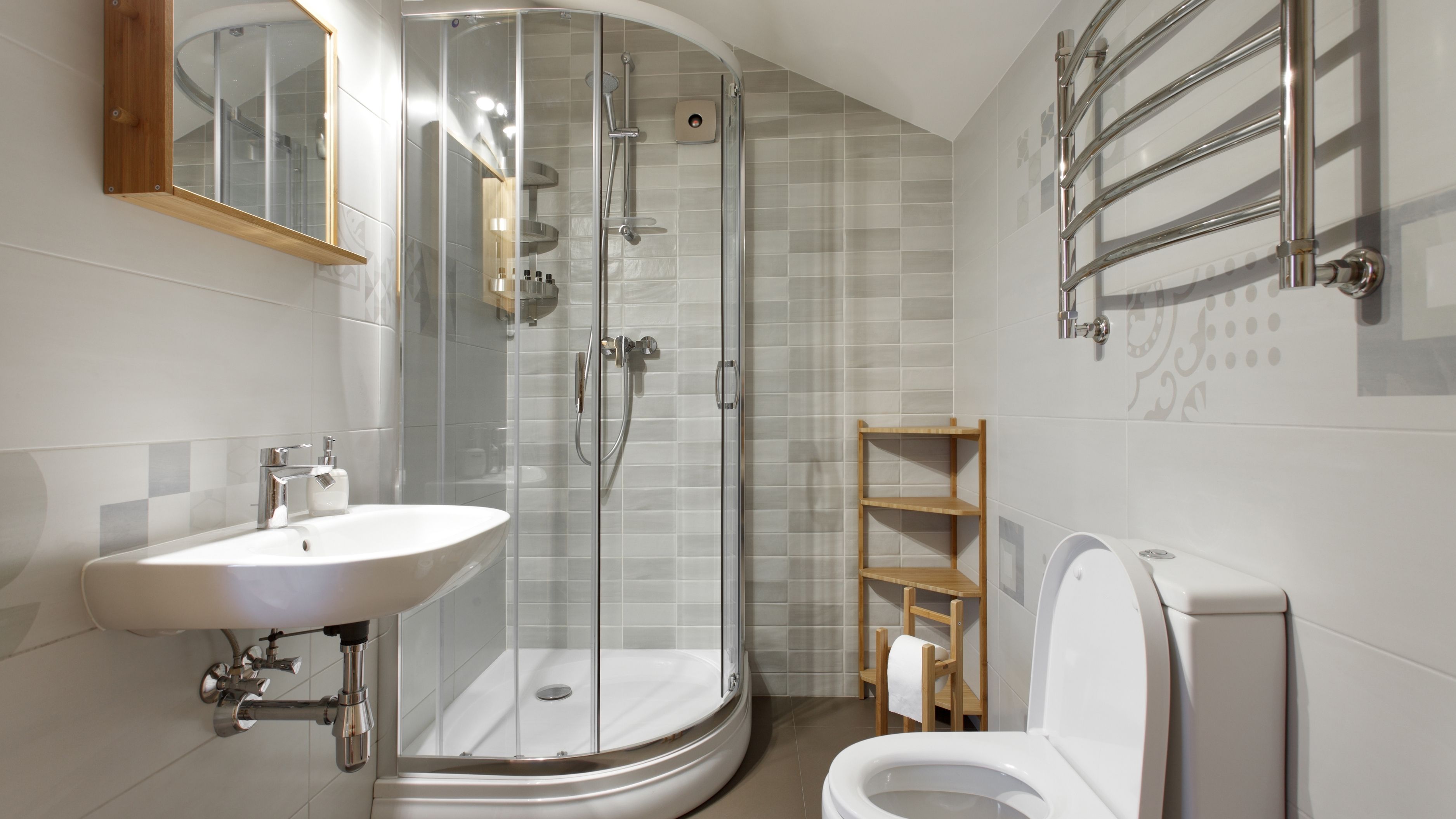
This guide covers the changes that make the biggest perceptual and functional difference, ordered from high-impact structural decisions down to finishing touches – with realistic cost notes for each.
Step 1: Start With Layout and Fixture Placement
Before you pick a tile or a vanity, the layout question deserves honest attention. In a small bathroom, where the toilet, vanity, and shower or tub are positioned relative to the door and to each other has a bigger impact on perceived space than almost any finish choice.
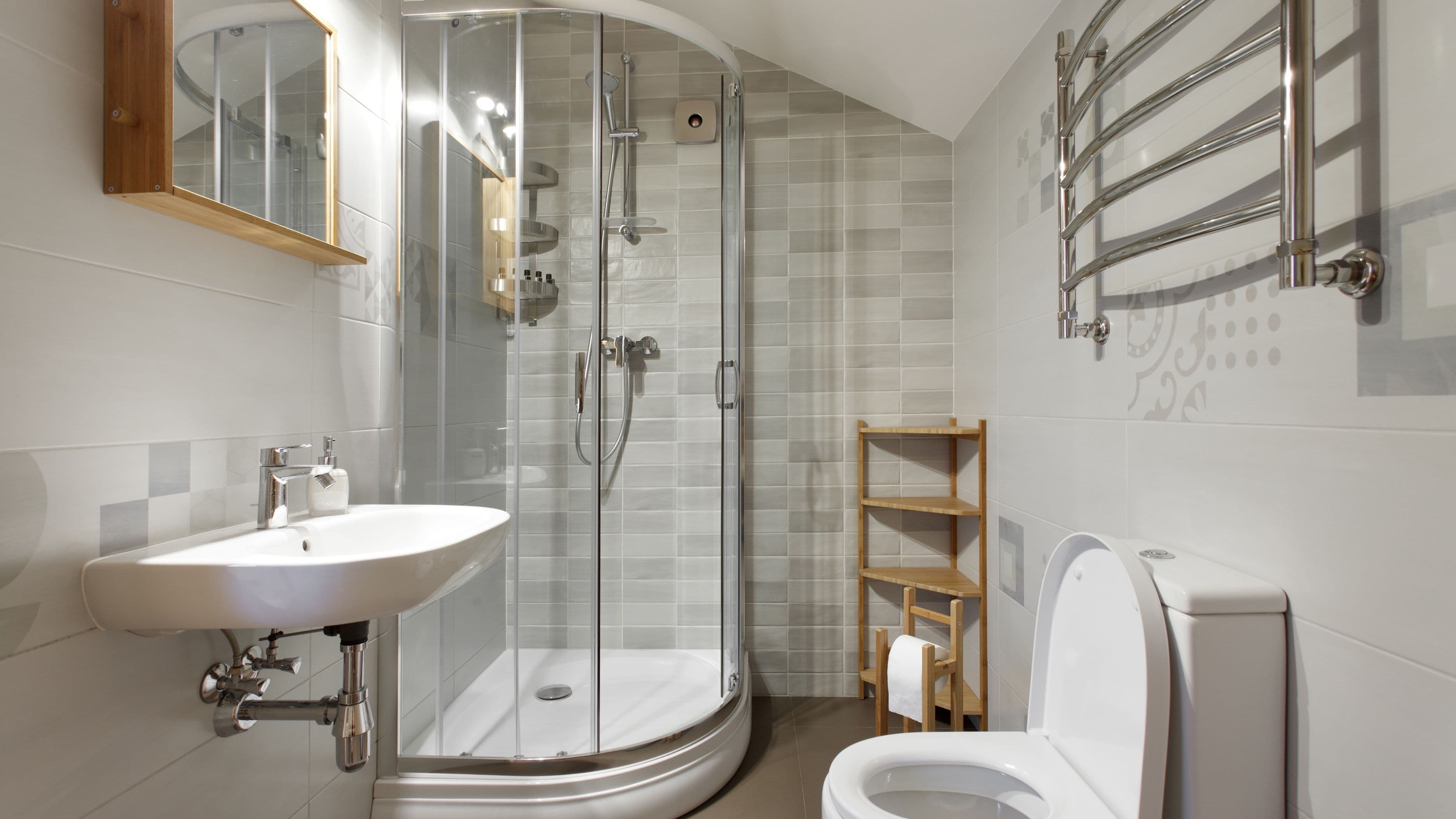
The single most impactful layout change in a small bathroom is often converting a tub-shower combination to a walk-in shower. A standard tub occupies roughly 13–15 square feet. A well-designed shower stall can fit in 7–9 square feet – and more importantly, a frameless glass shower enclosure makes the entire square footage of the bathroom visible at once. When your eye can travel through a surface rather than stopping at an opaque wall, the room reads as much larger. If the tub is rarely used, this is worth serious consideration.
The trade-off is that removing a tub can affect resale value in homes with only one bathroom, so weigh that against your plans.
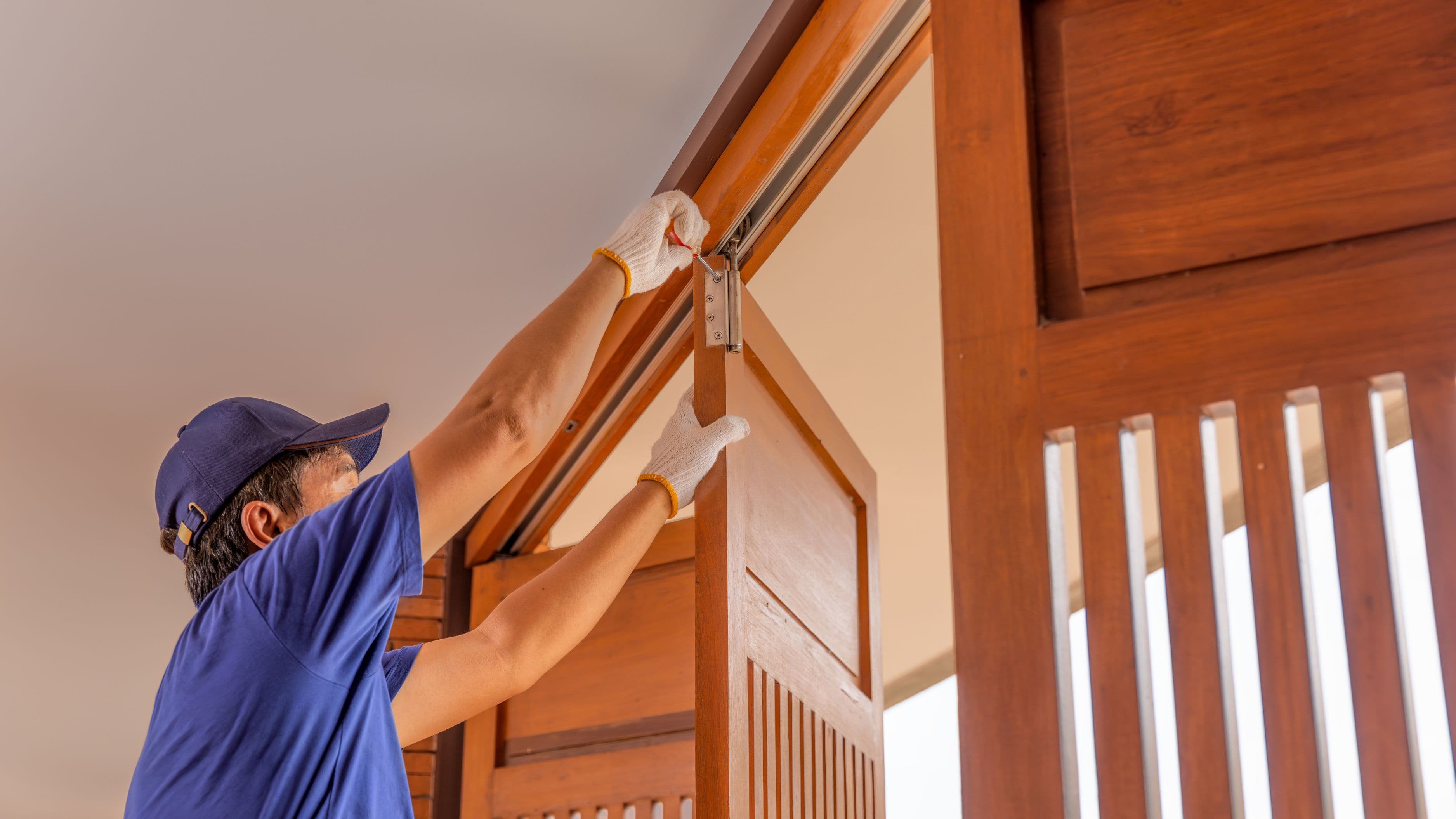
If layout changes aren't in scope, look at whether the door swing eats into the usable floor space. Replacing a swing-out door with a barn door, pocket door, or even a curtained entry frees up several square feet of functional room that would otherwise be permanently occupied by door clearance. Pocket doors in particular are underused in bathrooms and create a genuinely significant improvement in usability.
Estimated cost: pocket door installation runs $500–$1,500 depending on wall construction; barn door hardware and installation runs $300–$800.
Step 2: Choose a Vanity That Works With the Space, Not Against It
The vanity is usually the largest piece of furniture in a small bathroom, and the wrong choice can dominate the room visually and physically. A few specific decisions make a substantial difference.
Wall-mounted or floating vanities are one of the best investments in a small bathroom redesign. By lifting the cabinet off the floor and exposing the tile beneath it, you extend the visible floor plane – the same reason furniture with legs makes a room feel larger than furniture that sits flush to the ground. The open space beneath also allows for a floor-level accent light that adds depth. Floating vanities typically cost $300–$900 for the unit itself, plus installation, which can run $200–$600 depending on whether new wall blocking is needed.
If wall mounting isn't feasible, a pedestal sink or a smaller console-style vanity creates a similar visual opening by eliminating the cabinet bulk beneath the sink. The trade-off is storage: pedestal sinks have none, which means you'll need to plan alternative storage carefully. Corner vanities can also reclaim dead corner space in bathrooms where the standard side-wall placement leaves the room feeling cramped.
Avoid oversized double-sink vanities in small bathrooms. They're popular as a renovation aspiration, but in a tight space they often consume wall-to-wall footage and leave the rest of the bathroom functioning as a narrow corridor. One well-chosen single sink in the right position does more for the room than two sinks squeezed in.
Step 3: Use Large-Format Tiles and Fewer Grout Lines
Tile selection has an outsized impact on how large a bathroom reads, and the logic is consistent: more grout lines create more visual breaks, which chop the space into smaller perceived segments. Larger tiles with fewer seams let the eye travel across the surface without interruption, which reads as more expansive.
In a small bathroom, 12x24 inch or larger floor tiles are generally more effective than small mosaic or 4x4 tiles. The same logic applies to shower walls. Large-format porcelain tiles – 24x48 or even larger slabs – are increasingly affordable and can make a shower surround look like it was built for a much larger space. If you want to add visual interest, a single accent wall in a contrasting material or color is more effective than an all-over pattern that fragments the space further.
Extending the same tile from the floor into the shower (and ideally through the full room if budget allows) is one of the more impactful continuity moves you can make. When a single material runs uninterrupted from entry to back wall, it removes the visual "stop" that a transition between materials creates.
Estimated cost for tile: large-format porcelain runs $2–$6 per square foot for material; installation adds $8–$15 per square foot depending on tile size and layout complexity.
Grout color matters more than most people expect. Light grout on light tile blends into a continuous surface. Dark grout highlights the grid pattern of the tile, which visually breaks the surface into smaller blocks. For a small bathroom, matching grout to tile color is almost always the better spatial choice, even if a contrasting grout might look appealing in a showroom.
Step 4: Rethink Lighting to Add Depth and Height
Most small bathrooms are underlit in ways that make them feel smaller than they are. A single overhead light creates flat, even illumination with no shadows and no visual depth – the room looks the same from floor to ceiling, which compresses it perceptually.
Adding layers of light creates depth. A backlit mirror or illuminated mirror cabinet addresses the vanity zone while adding a warm glow that reads as more space behind the reflective surface. Recessed lighting in the shower – a waterproof fixture positioned to light the shower from above rather than from the main room – separates the shower zone visually and makes it feel like its own space within the bathroom rather than a corner. Small LED strip lights at floor level, under a floating vanity or along a toe kick, create a grounding accent that extends the perceived floor plane downward.
Vertical lighting is worth particular attention in bathrooms with standard or low ceilings. Sconces placed on either side of the mirror at eye height (rather than overhead) draw the eye sideways and reduce the sense of ceiling pressure. If you can add a ceiling detail – even a simple coffered element or a paint change above the shower – that vertical differentiation makes the ceiling feel higher than it is.
Estimated cost: recessed waterproof shower lights run $50–$150 per fixture plus electrician installation; illuminated mirror cabinets range from $150–$600.
Step 5: Maximize Mirrors Strategically
A well-placed mirror is the most cost-effective space-expanding move in a small bathroom, and most bathrooms underuse them. The principle is straightforward: mirrors reflect light and depth, making a room appear to continue beyond its actual walls.
A mirror that runs the full width of the vanity wall, from counter height to ceiling, is the most impactful single mirror choice. It doubles the perceived depth of that wall and bounces light from the opposite side of the room back in. This is more effective than a decorative framed mirror centered above the sink because it covers more surface area and eliminates the visual interruption of wall space on either side.
Some small bathrooms benefit from a secondary mirror on an adjacent wall – two mirrors facing or angling toward each other create reflective depth that can dramatically change how the room reads. This works best when the mirrors are reflecting interesting elements (good light, clean tile) rather than a blank wall or mechanical elements. Avoid placing mirrors so they reflect directly into the toilet, which is a common placement mistake driven by symmetry rather than effect.
Step 6: Address Storage Without Adding Visual Bulk
Storage is one of the genuine functional challenges of a small bathroom, and solving it with freestanding furniture or over-the-toilet shelving units typically makes the visual problem worse even as it addresses the practical one. The goal is to move storage into the walls and vertical planes rather than into the floor area.
Recessed niches in the shower wall – a niche cut between studs and tiled to match the surround – provide shampoo and soap storage without protruding into the shower space at all. They're one of the best dollar-per-impact improvements in a shower renovation and add a custom, finished look. Recessed medicine cabinets behind the mirror serve the same function for the vanity area: the storage disappears into the wall depth.
Tall, narrow cabinetry on an unused wall section above the toilet or beside the door takes advantage of vertical space that most bathrooms leave completely empty. A floor-to-ceiling cabinet 12 inches deep and 18–24 inches wide provides substantial storage while occupying a minimal floor footprint. Built-in feels better than freestanding in this application because it integrates visually rather than sitting in the space as an object.
Common Mistakes to Avoid
Overdoing pattern is one of the most consistent errors in small bathroom renovations. A boldly patterned floor, a feature wall tile, colorful wallpaper, and a decorative mirror frame can each be reasonable individually – together, they compete for attention and make the room feel busier and tighter. Pick one statement element and let the rest of the room support it rather than compete.
Ignoring ventilation is a practical mistake that compounds over time. A small bathroom with poor ventilation accumulates humidity that damages grout, warps cabinetry, and eventually creates mold issues. If you're already doing renovation work, upgrading to a properly sized exhaust fan (sized to the room's cubic footage) is a low-cost step that protects everything else you've invested in.
Skipping waterproofing in the shower is worth a specific warning. Improper waterproofing behind shower tile is the most common cause of costly structural damage in bathroom renovations. If you're re-tiling a shower, the membrane behind the tile is more important than the tile itself. Don't cut corners here.
Matching hardware and fixtures to a trend rather than to each other is a finishing mistake that shows. Matte black fixtures with brushed nickel towel bars and chrome faucets create a disjointed look that makes even a well-renovated bathroom feel unresolved. Choose one finish and apply it consistently.
FAQ
How much does a small bathroom redesign typically cost? Cosmetic updates – paint, mirror, lighting, hardware – can be done for $500–$2,000. A mid-range renovation involving new tile, vanity, and fixtures typically runs $5,000–$12,000 for a small bathroom. A full gut renovation with layout changes, shower conversion, and high-end finishes can reach $15,000–$25,000. Costs vary significantly by region and contractor rates.
Do I need a permit to redesign a bathroom? For cosmetic changes – tile, paint, fixtures in the same location – permits are typically not required. For layout changes that involve moving plumbing or electrical, a permit is almost always required. Check with your local building department before starting any work that involves relocating pipes or fixtures.
Is a walk-in shower really better than a tub for resale? In a home with at least two bathrooms, converting a secondary or primary bath tub to a walk-in shower rarely hurts resale and often helps in higher-end markets. In a home with only one bathroom, keeping at least one tub is generally recommended by real estate professionals to avoid limiting your buyer pool. If you're unsure, consult with a local realtor before removing the only tub in the home.
What's the best tile color for a small bathroom? Light, neutral tones – whites, light grays, warm creams – reflect more light and open up a small space more than dark colors. That said, a dark tile can work in a small bathroom if you use large format tiles, light grout, and excellent lighting. The principle is consistency: one dominant tone across floor and walls reads as more expansive than multiple competing colors.
How long does a small bathroom renovation take? A cosmetic update takes a weekend to a week. A full renovation involving tile work, vanity replacement, and new fixtures typically takes 2–4 weeks with a professional crew, accounting for tile curing time, inspection scheduling, and punch list work. Plan for bathroom unavailability during that period.
📚 Sources
National Kitchen and Bath Association – Bathroom Planning Guidelines: https://nkba.org/bathroom-planning-guidelines/
This Old House – Small Bathroom Remodel Ideas: https://www.thisoldhouse.com/bathrooms/21018011/small-bathroom-remodel-ideas
U.S. Department of Energy – Lighting Choices to Save You Money: https://www.energy.gov/energysaver/lighting-choices-save-you-money
Family Handyman – How to Tile a Shower: https://www.familyhandyman.com/project/how-to-tile-a-shower/
Houzz – Small Bathroom Design Trends and Ideas: https://www.houzz.com/magazine/small-bathroom-ideas-stsetivw-vs~101925