What a Smart Ceiling Fan Actually Adds
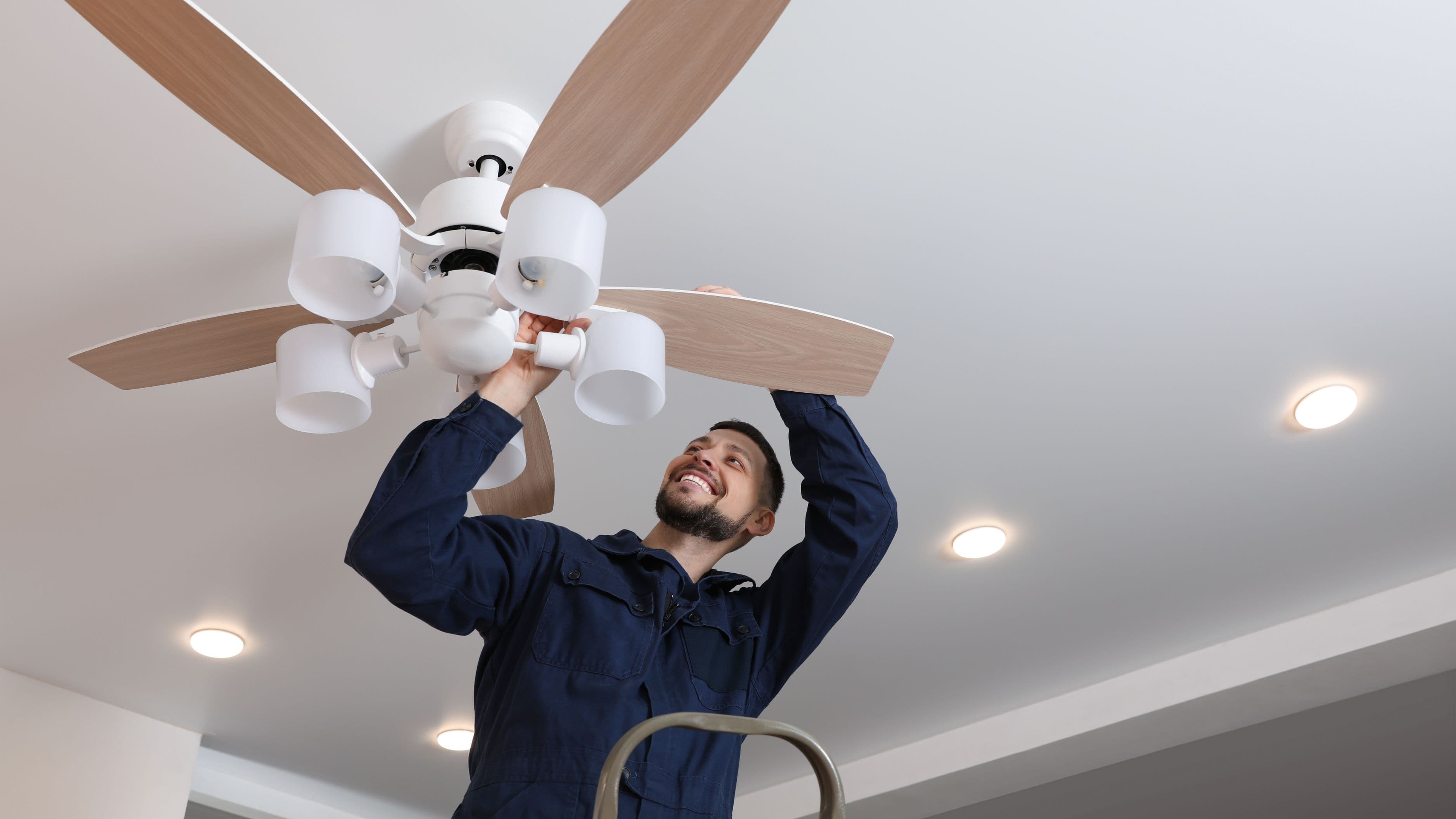
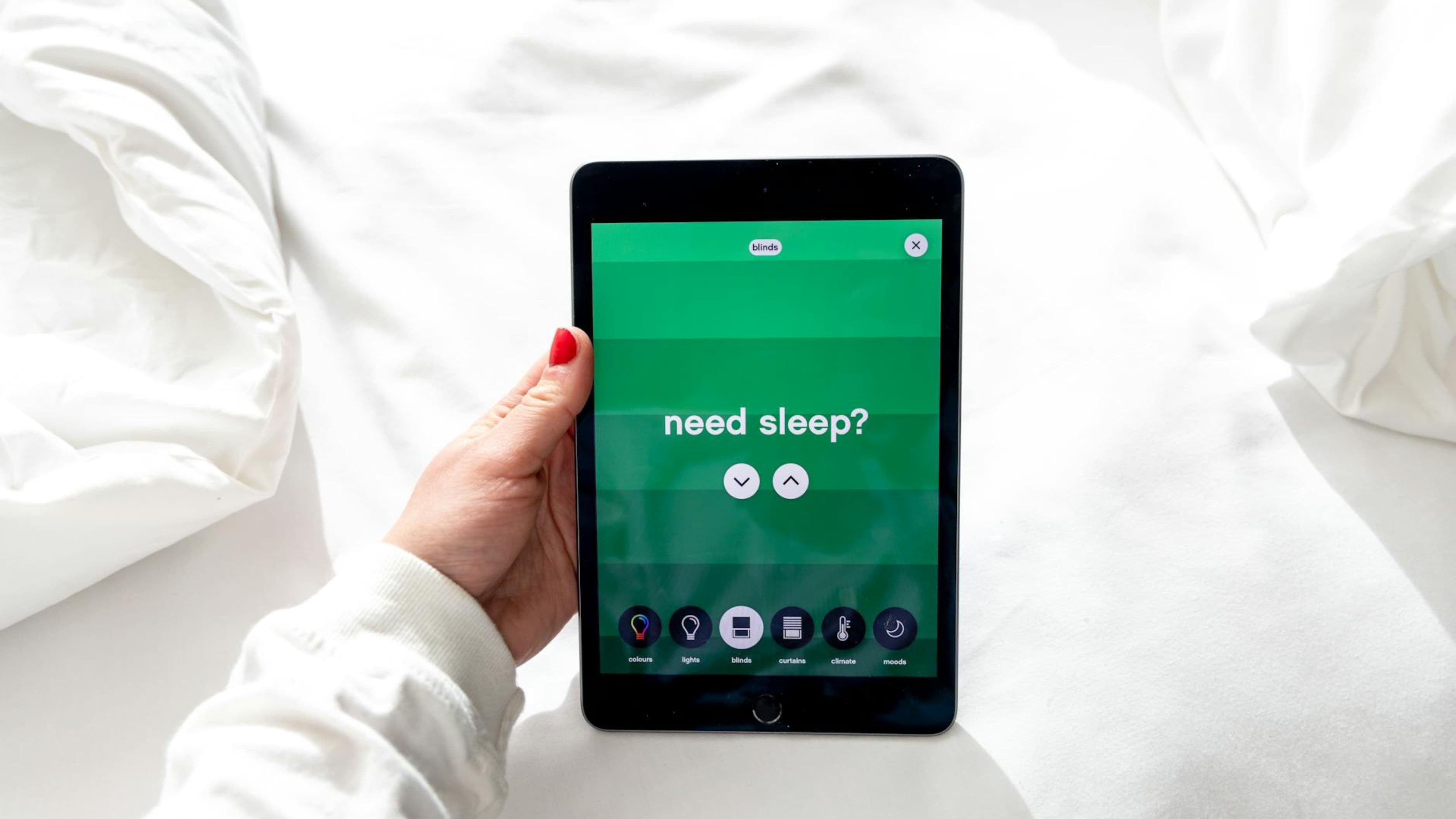
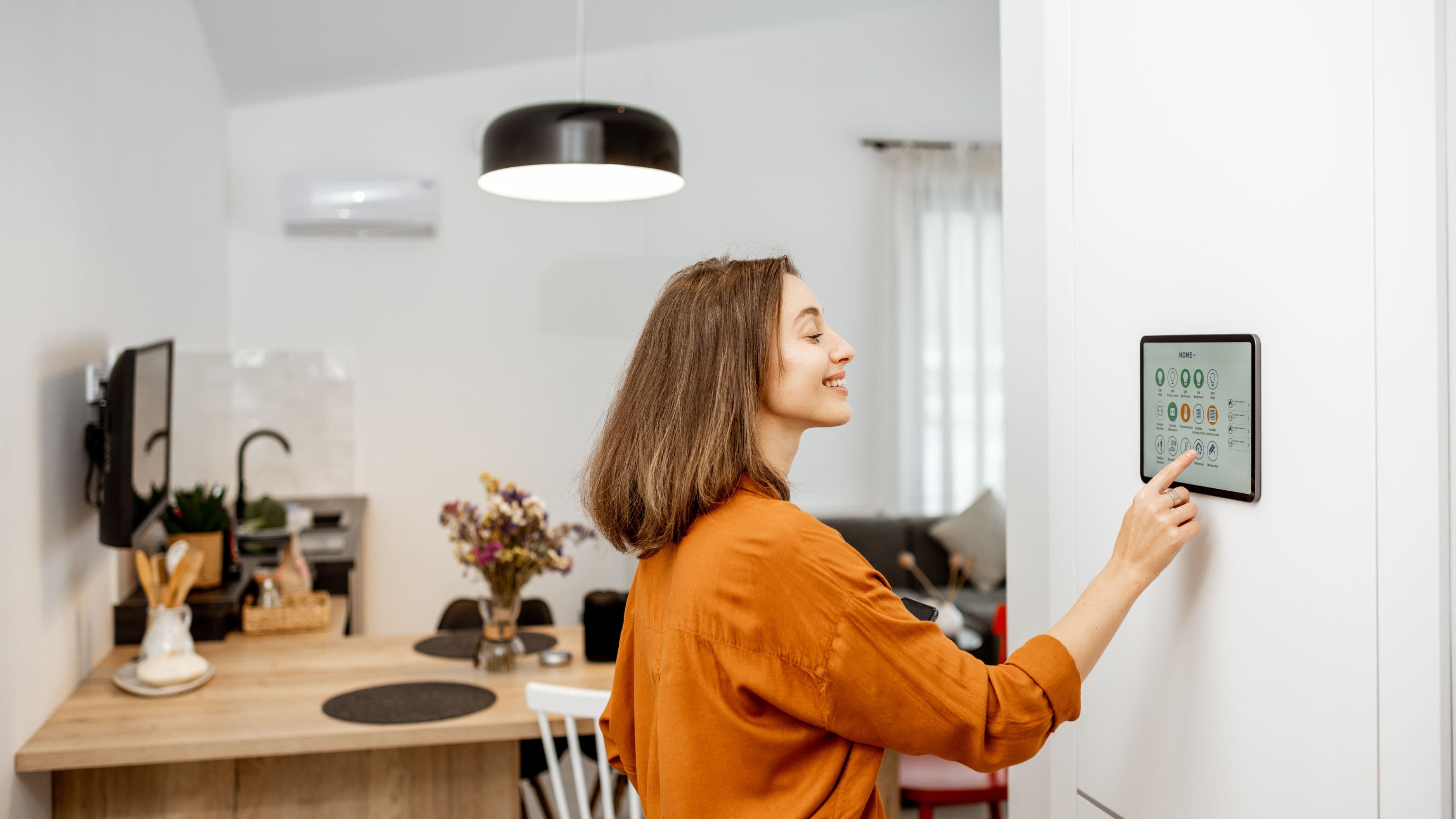
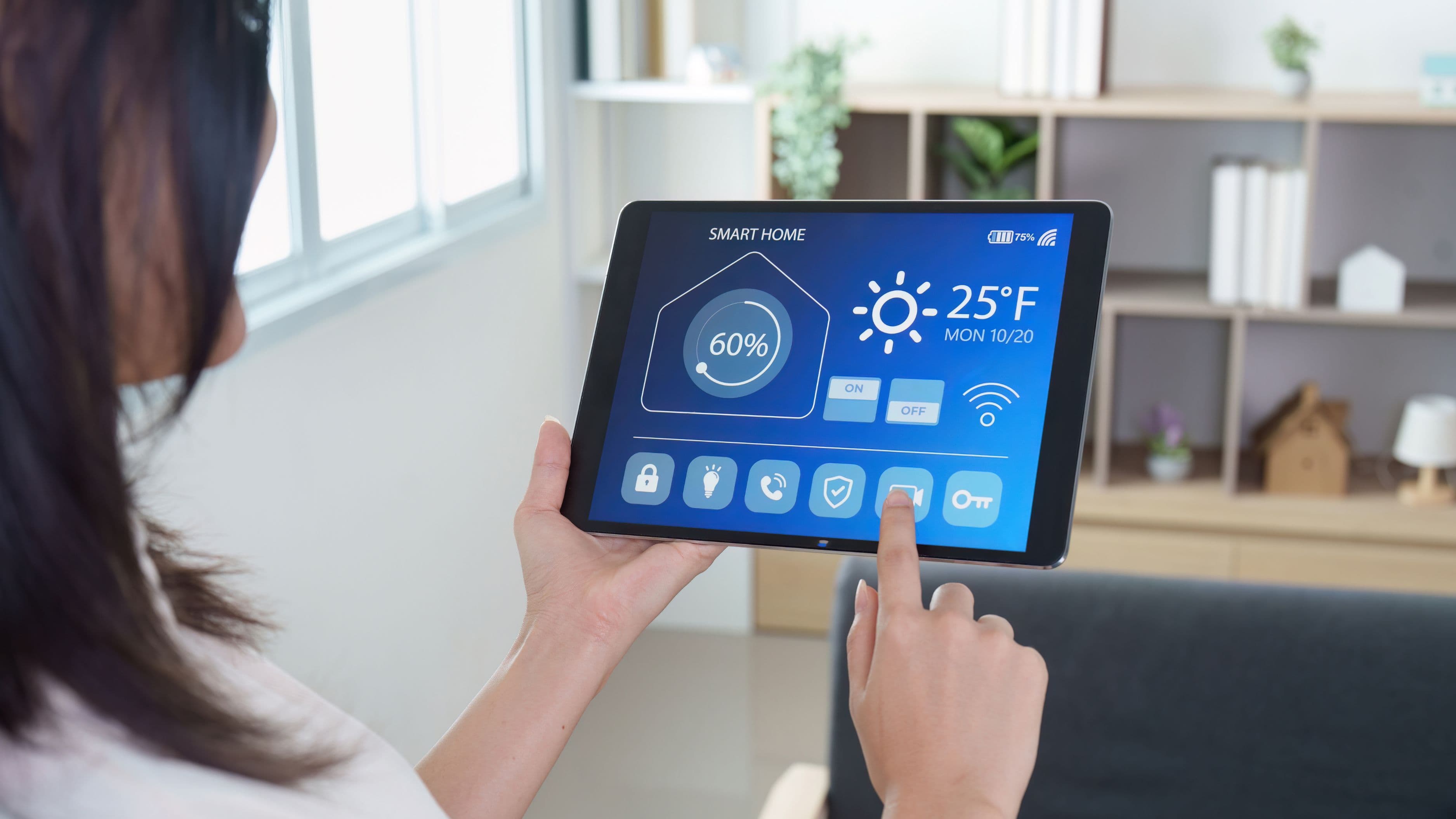
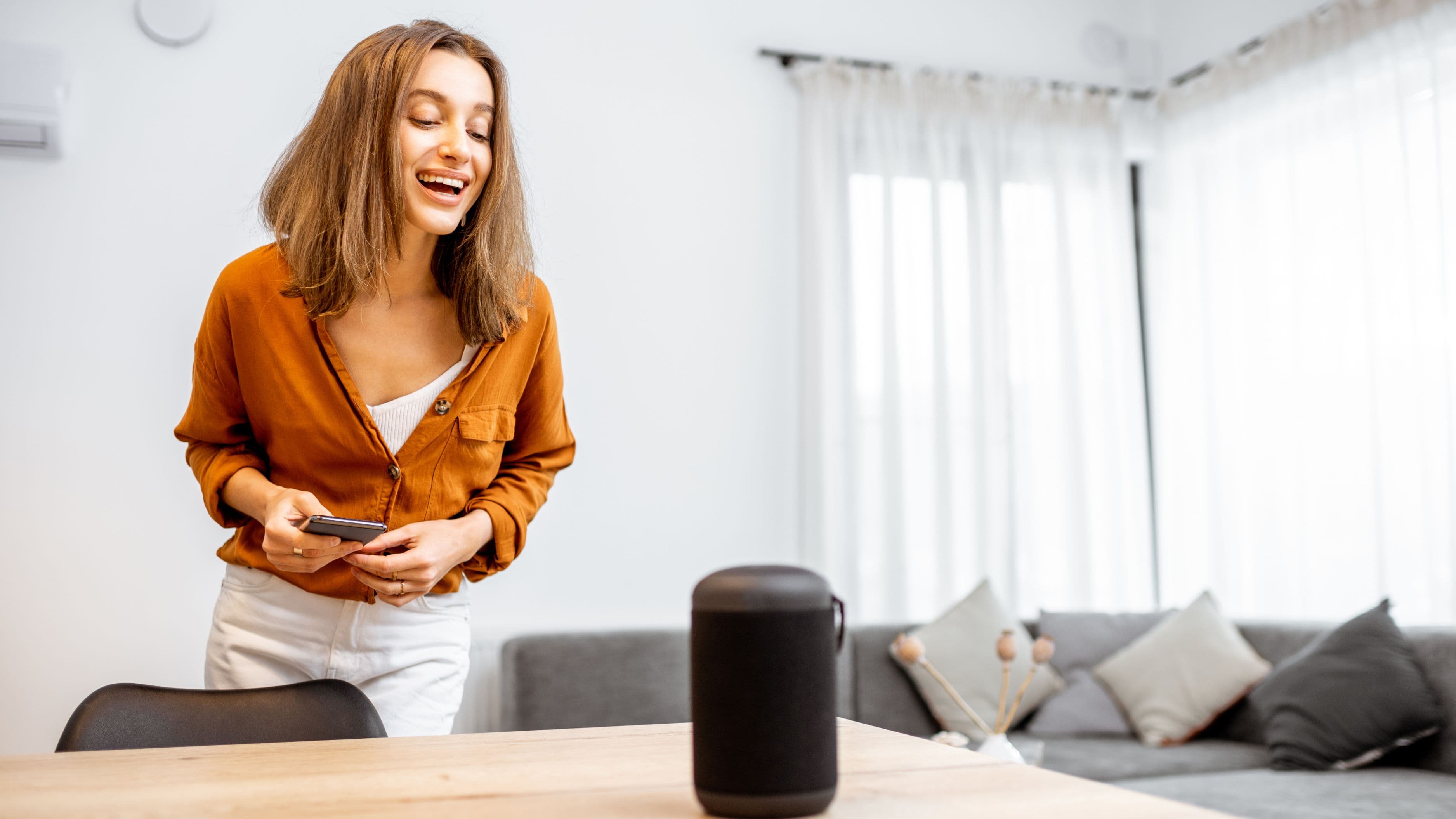
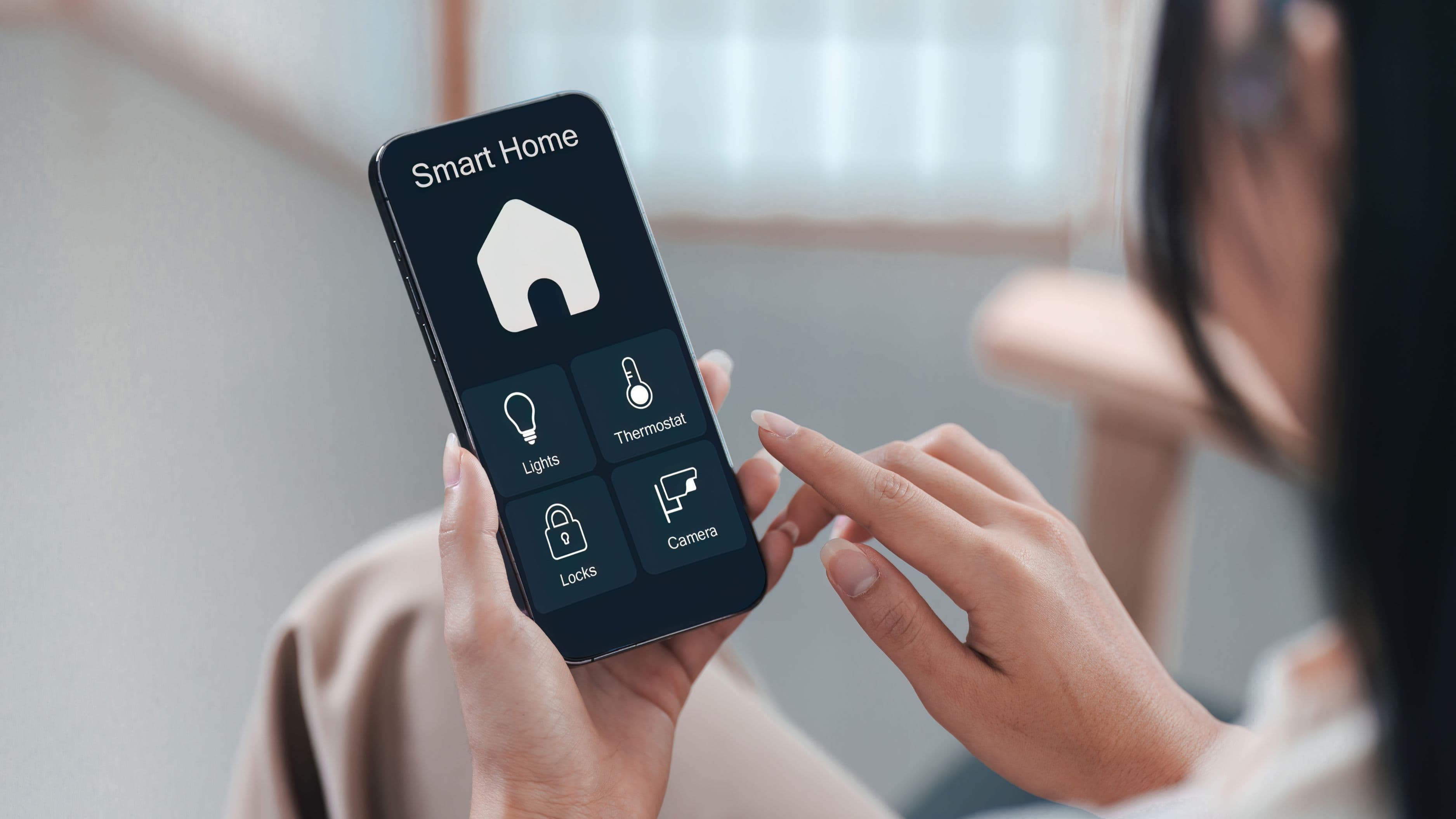
Smart ceiling fans typically add app or voice control, allowing you to adjust speed and direction without a wall switch or pull chain, scheduling features that automatically adjust the fan based on time of day, and in many models, integration with smart thermostats or home automation systems that can automatically run the fan based on room temperature rather than requiring manual adjustment. Some models also include reversible direction control accessible remotely, useful for the seasonal switch between counterclockwise operation for cooling in summer and clockwise for redistributing warm air in winter.
Cost level: Medium to high compared to standard fans, with the price difference driven primarily by the added electronics and, in many cases, integrated smart features beyond just fan control, like built-in lighting with adjustable color temperature.
When the Smart Upgrade Genuinely Makes Sense
Rooms with high ceilings or hard-to-reach pull chains. If your fan's pull chain or wall switch is genuinely inconvenient to access, a vaulted ceiling, a fan installed in a stairwell, or simply a switch located awkwardly relative to how you actually use the room, remote or app control solves a real, everyday friction point rather than just adding convenience for its own sake.
Households already invested in smart home automation. If you already use smart thermostats, voice assistants, or home automation routines, adding ceiling fans to that ecosystem creates genuine additional value, allowing fans to automatically respond to temperature changes or integrate into routines like "goodnight" scenes that adjust the whole home at once. The value here comes from the ecosystem effect, not from the fan feature in isolation.
Rooms where fan direction genuinely gets adjusted seasonally. If you're diligent about reversing fan direction between summer and winter for energy efficiency, but find yourself skipping this step because the switch is inconvenient or you simply forget, app-based control with reminders or scheduling can meaningfully increase how consistently you actually get this energy-saving habit done, which has a real, if modest, impact on heating and cooling costs over a full year.
Bedrooms where nighttime convenience matters. Being able to adjust fan speed from your phone or by voice without getting up, particularly useful for anyone dealing with mobility limitations or simply wanting to adjust airflow without disrupting a partner already asleep, is a genuinely practical benefit that's easy to underestimate until you've actually lived with it.
When a Standard Fan Is the More Sensible Choice
Rooms with easily accessible switches and infrequent adjustment needs. If your fan's controls are already conveniently located and you're not someone who adjusts fan settings frequently throughout the day, the smart features largely go unused, meaning you're paying a real price premium for functionality that doesn't meaningfully change your daily experience.
Budget-conscious renovations prioritizing other upgrades. Ceiling fans, even smart ones, are a relatively minor piece of a broader renovation budget, but if funds are tight, the price difference between a smart and standard fan is often better allocated toward upgrades with more direct impact on comfort or home value, better insulation, updated lighting throughout a space, or addressing more pressing functional issues first.
Households not otherwise using smart home technology. If you don't currently use a smart home hub, voice assistant, or app-based control for anything else in your home, adding a single smart ceiling fan in isolation often means underutilizing most of its actual feature set, since much of the value comes from integration with a broader smart home routine rather than standalone use.
What Smart Fans Don't Meaningfully Improve
It's worth being clear that a smart ceiling fan doesn't move air any differently or more effectively than a well-designed standard fan with the same blade size and motor quality. The core function, air circulation, is determined by blade design, motor power, and proper sizing for the room, not by whether the fan happens to be app-controlled. Don't expect a smart fan to outperform a comparable standard fan in actual cooling effectiveness; the upgrade is about convenience and integration, not raw performance.
What to Avoid
Avoid choosing a smart fan purely because it's a newer, more feature-rich option without honestly assessing whether you'll actually use the app control, scheduling, or automation features regularly. Avoid pairing a smart fan with an outdated or unreliable home Wi-Fi network, since connectivity issues can make the "smart" features frustratingly inconsistent, sometimes worse than simply using a standard pull chain or wall switch that always works regardless of network status.
It's also worth avoiding oversized or undersized fans regardless of whether you choose smart or standard, since correct sizing for your room's square footage affects actual cooling performance far more than the smart features do.
Realistic Expectations
A smart ceiling fan genuinely earns its added cost in households that either already use smart home automation broadly or have a specific, real convenience need, hard-to-reach controls, frequent seasonal direction switching, nighttime adjustment without disrupting a partner, that the technology directly addresses. Outside of those situations, a quality standard fan delivers essentially the same core comfort and air circulation benefit at a meaningfully lower cost, making the smart upgrade more of a lifestyle preference than a genuinely necessary improvement for most households.
FAQ
Do smart ceiling fans use more electricity than standard fans? The fan motor itself uses comparable electricity to a standard fan of similar size and power; any additional consumption comes from the smart control components themselves, which is generally minimal.
Can I retrofit a standard ceiling fan to add smart control? In some cases, yes, smart fan control modules exist that can be installed into compatible existing fans, offering a lower-cost path to some smart functionality without fully replacing the fan itself.
Is voice control reliable for adjusting fan speed? Generally yes, when connected to a stable home network and paired with a supported voice assistant, though reliability can vary based on your specific smart home ecosystem and network stability.
📚 Sources
U.S. Department of Energy – Ceiling Fans and Energy Efficiency: https://www.energy.gov/energysaver/ceiling-fans
Consumer Reports – Ceiling Fan Buying Guide: https://www.consumerreports.org/
🔍 Explore Related Topics