Share:

Loading...


Most smart home gadgets are about convenience. You can turn lights on with your voice, check who's at the door from your phone, and set the coffee maker from bed. That's all useful, but it doesn't actually save money. The devices that do reduce your energy bills work differently — they actively eliminate waste, optimize consumption based on real usage patterns, and make it easier to stay conscious of where your energy is actually going.

These five devices have legitimate energy-saving track records, not just marketing claims behind them. Here's what they do, how much they typically cost, and what realistic savings look like.
If there's one smart home device with the strongest and most consistent evidence behind it, it's the smart thermostat. Heating and cooling account for roughly 43% of the average US home's energy use according to the EIA — which makes it the single most impactful category to optimize.
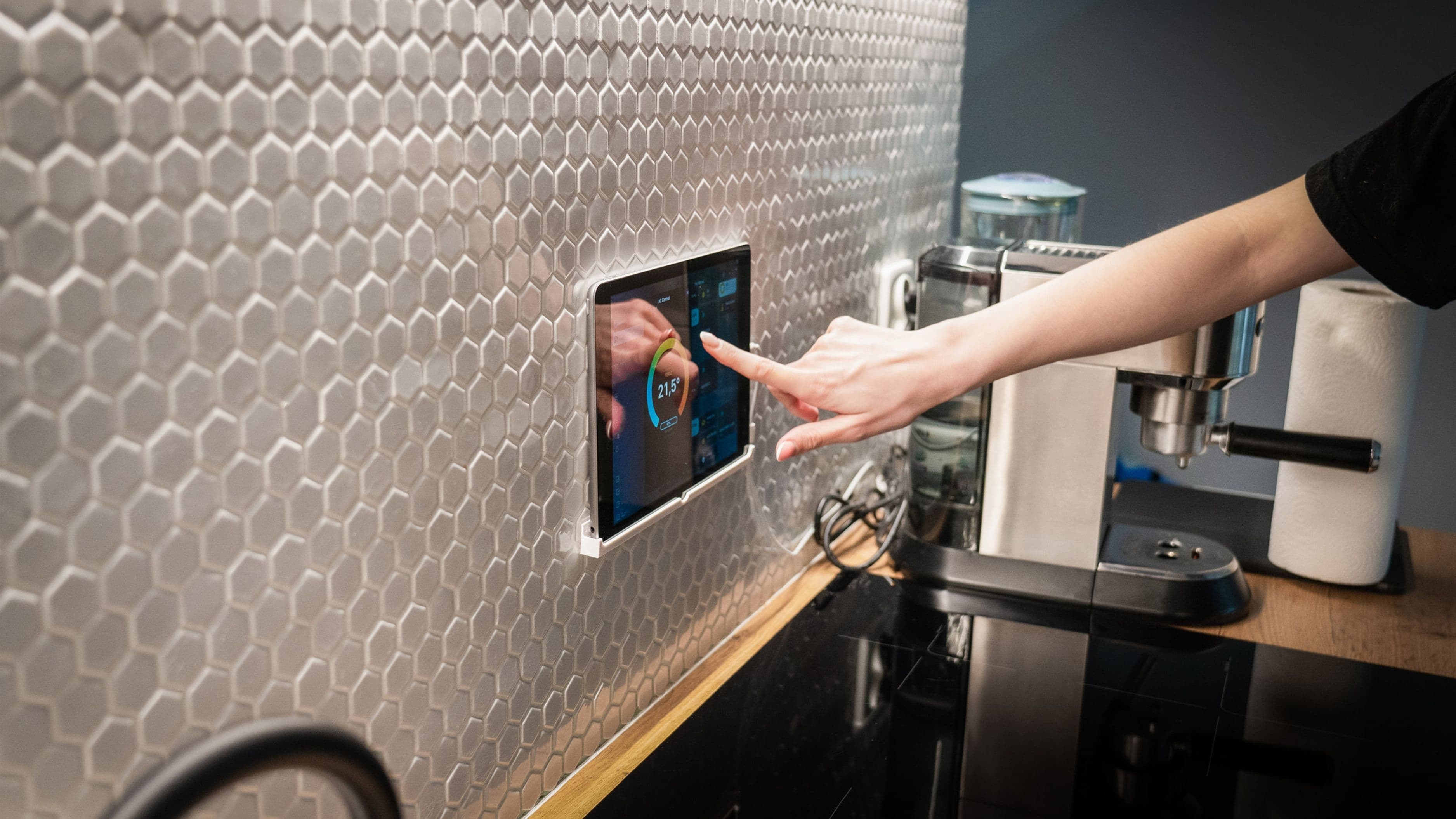
A smart thermostat reduces energy consumption primarily through learning and scheduling. It builds a model of when the home is occupied versus empty, adjusts temperatures automatically during unoccupied periods, and stops the common pattern of heating or cooling an empty house to full comfort temperature all day. Ecobee and Nest (Google) have both conducted independent studies of their devices' energy savings, and third-party research has generally confirmed real-world reductions in the range of 10–15% on heating and cooling costs. For a household spending $200/month on HVAC, that's $20–$30/month, or $240–$360 per year.
The more advanced feature that separates quality smart thermostats from basic programmable ones is occupancy sensing. Ecobee's SmartSensors detect whether people are actually in specific rooms and adjust accordingly. Nest uses the phone's location services to detect when household members are away and begins adjusting temperatures before anyone touches the app. These features turn a passive schedule into active optimization that responds to real behavior rather than assumptions.
Installation is straightforward for most forced-air systems with a C-wire. The hardware investment is $150–$250 for a quality device, with payback typically within 12–24 months.
Standby power — the electricity that devices draw while turned off or in idle mode — accounts for an estimated 5–10% of residential electricity use in the US according to Lawrence Berkeley National Laboratory. The culprits are everywhere: televisions, gaming consoles, desktop computers, chargers left plugged in, entertainment systems, and kitchen appliances with displays and clocks that never actually turn off. Each one draws a small amount continuously; across a whole household, it adds up.
Smart power strips address this at the outlet level. A strip with energy monitoring and scheduling capabilities can cut power completely to a group of devices on a schedule — your home office equipment powers down at midnight, your entertainment center stops drawing standby power when it's past your typical viewing hours. Some smart strips have a "master" and "controlled" socket arrangement: the TV is the master, and the strip automatically cuts power to the connected devices (soundbar, game console, streaming stick) when the TV is turned off, preventing those devices from drawing standby power independently.
Individual smart plugs with energy monitoring are worth using for specific high-draw appliances to understand what they're actually consuming. A smart plug with energy monitoring from TP-Link Kasa, Emporia, or similar costs $10–$20 and shows you the real-time and historical power draw of whatever is plugged into it. Identifying that your old second refrigerator in the garage is drawing $15–$20/month in electricity — which is common for older appliances — is the kind of information that drives actual decisions.
For a home with significant standby consumption, smart power management can realistically save $10–$25/month with minimal behavior change required.
Lighting is typically 10–15% of a home's electricity use, and smart lighting addresses this through a combination of automated schedules, occupancy-based control, and dimming. The LED conversion is the foundation — if you haven't switched entirely to LED bulbs yet, that step alone reduces lighting energy use by roughly 75% compared to incandescent. Smart controls build on that foundation.
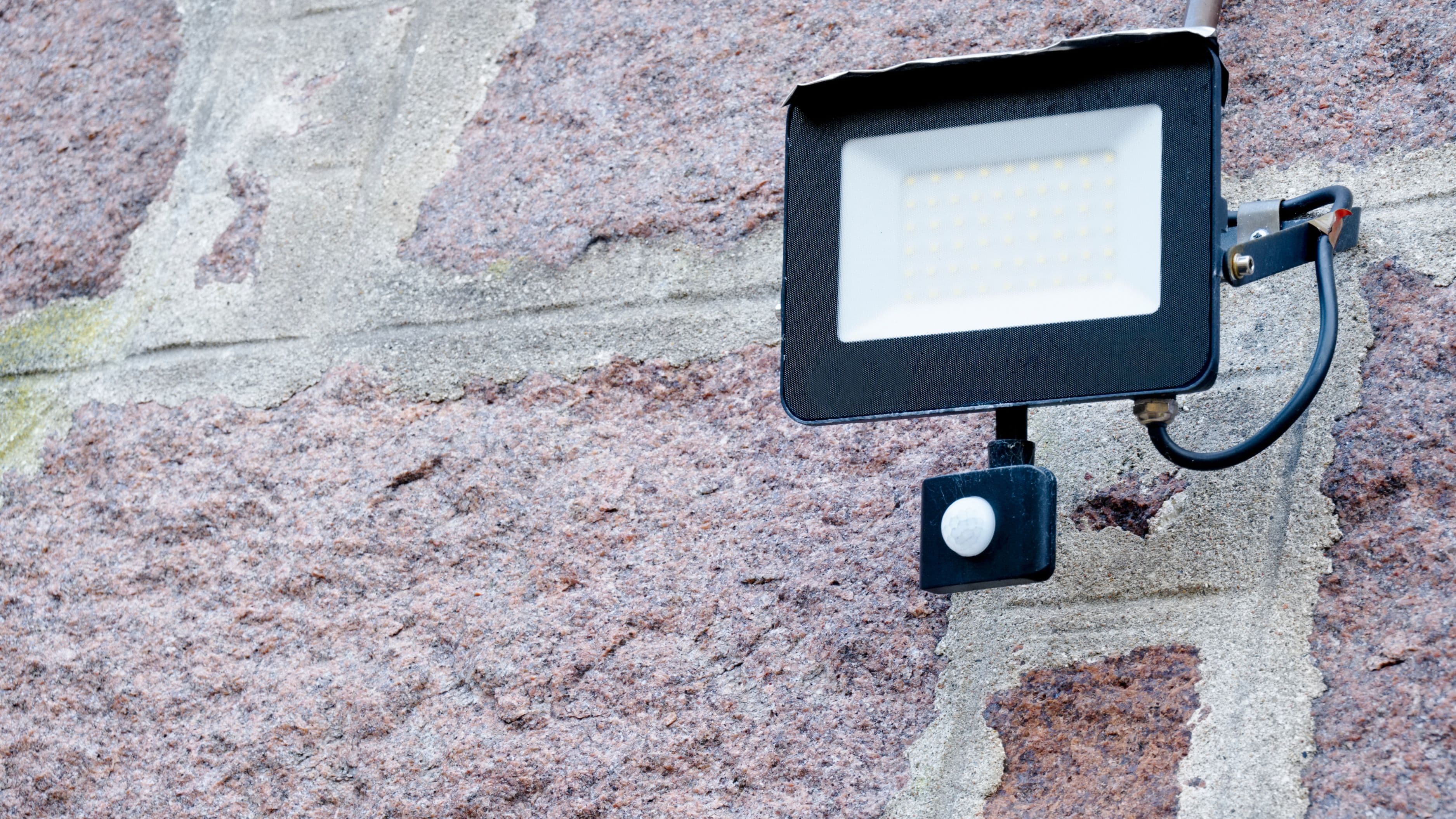
The energy-saving mechanism in smart lighting isn't the smart bulb itself — it's the automation that ensures lights aren't running when no one is there. A motion-triggered schedule that turns off the basement lights 10 minutes after the last detected motion is a set-and-forget system that eliminates the energy waste of lights being left on in empty rooms. The same logic applies to outdoor lighting: motion-activated smart lights replace either "always on" outdoor lights or the manual inconsistency of remembering to turn them off.
Dimming also has a real energy impact. An LED bulb dimmed to 70% uses roughly 70% of its rated power. Smart bulbs and smart switches with dimmer capability allow fine-grained control — ambient evening lighting at 40% instead of 100%, outdoor lighting at 50% during low-traffic overnight hours — that accumulates into meaningful savings over time.
The cost varies by approach. Replacing individual bulbs with smart LED bulbs (Philips Hue, IKEA Tradfri, or Sengled) runs $8–$20 per bulb. Smart light switches that work with existing non-smart bulbs — which is the more cost-effective approach for multi-bulb rooms — run $20–$50 per switch. A whole-home lighting conversion using switches rather than bulbs can be done for $300–$600 in hardware and is the approach that most renovation-focused homeowners prefer.
Water heating is the second-largest energy category in most homes after HVAC, accounting for roughly 18% of residential energy use according to the EIA. Unlike HVAC, it's one that most smart home systems completely ignore — which is exactly why it's an underrated opportunity.
A smart water heater controller connects to your existing electric or gas water heater and allows scheduling and remote control that most standard water heaters don't have. The core energy-saving mechanism is straightforward: there's no reason to heat a full tank of water during the 8 hours you're at work or the 8 hours you're asleep. Scheduling your water heater to run in a 2-hour window before your typical morning routine and again in the afternoon before evening use can reduce the energy spent maintaining water temperature during hours when it doesn't need to be hot.
Aquanta and Myenergi make dedicated smart water heater controllers that clamp onto most existing electric or gas water heaters without modifying the unit itself. These devices run $100–$150 and have no monthly subscription. The Aquanta app provides energy monitoring alongside scheduling so you can see what your water heater is actually consuming over time. US Department of Energy estimates suggest that smart water heater controls can reduce water heating costs by 10–15% through optimized scheduling alone.
If you have a newer heat pump water heater, many modern models have smart scheduling and grid-response features built in. Enabling those through the manufacturer's app is a zero-cost upgrade that can meaningfully reduce operating cost by shifting heating to off-peak electricity rate periods.
This one is different from the others because it doesn't directly control anything — it shows you exactly where your electricity is going in real time, which turns out to be one of the most effective ways to reduce consumption.
A whole-home energy monitor like the Emporia Vue or Sense installs in your electrical panel (a qualified electrician should install it, or a confident DIYer who's comfortable working in a live panel with proper precautions) and measures the current draw of every circuit in your home simultaneously. The companion app shows you a live dashboard of your whole-home consumption, identifies individual appliances by their power signatures, and breaks down your consumption by device category.
The practical value is eliminating assumptions. Most homeowners have no clear picture of where their electricity bill actually comes from beyond a vague sense that air conditioning is expensive. A whole-home monitor shows you that your 1990s refrigerator in the garage is drawing $22/month, that your hot tub is consuming $60/month when it's running constantly in winter, that your electric dryer costs $40/month during the peak holiday laundry months. These are decisions you can act on — replacing the old appliance, adjusting the hot tub's thermostat or run schedule, shifting dryer use to off-peak hours.
Research from Lawrence Berkeley National Laboratory found that energy monitoring combined with feedback consistently produces 5–15% reductions in household electricity use simply through behavioral change driven by awareness. The Emporia Vue 2 runs $170 with current monitoring for all circuits included; Sense runs $299. Professional installation if needed is typically $100–$200.
Buying smart devices without automation limits their value to remote control rather than genuine energy optimization. A smart bulb you manually turn off through an app saves the same energy as a regular bulb you turn off by hand. The savings come from automations and schedules that work without any human action required.
Prioritizing novelty over impact leads to smart home setups that cost more than they save. A smart coffee maker or smart refrigerator has almost no energy-saving benefit compared to a smart thermostat or water heater controller, which address the categories where energy use is actually concentrated.
Ignoring compatibility before buying causes integration frustration. Check that devices work with your existing smart home platform (Google Home, Amazon Alexa, Apple HomeKit, or Home Assistant) before purchasing. A collection of devices that each require their own separate app and don't communicate with each other is harder to automate and harder to maintain.
Expecting instant payback leads to disappointment with genuinely good investments. A smart thermostat that saves $25/month pays for itself in 8 months — that's a strong return — but it requires patience to get there. Calculate payback periods before buying and prioritize the devices with the strongest and fastest returns.
Which of these five devices saves the most money?
For most households, the smart thermostat has the highest and most consistent energy savings because it addresses the largest category of home energy use (HVAC). The whole-home energy monitor often produces the most total savings over time because it uncovers multiple opportunities, but it requires acting on what you learn.
Do smart devices themselves use significant electricity?
Most smart home devices have very low standby draws — a smart plug or switch typically uses 1–2 watts continuously. A smart thermostat, a Zigbee hub, and a whole-home monitor collectively use less than 10 watts 24/7, which adds roughly $0.50–$1/month to your bill. This is negligible relative to the savings they enable.
Can I install a whole-home energy monitor myself?
If you're comfortable working in an electrical panel, yes — both the Emporia Vue and Sense include installation instructions for DIY installation with the breakers on. If you're not comfortable, a qualified electrician can install either in 1–2 hours. Never work in a live panel without understanding the risks; the main service entrance remains live even with all breakers off.
Do these devices work with all utility providers?
Smart thermostats and energy monitors work with any utility provider. Some utilities actively partner with smart device programs and offer rebates — check your utility's website for rebate programs on smart thermostats and energy monitors. Some utilities offer time-of-use rates where electricity is cheaper at off-peak hours, which significantly amplifies the savings from scheduling-capable devices.
Is there a meaningful energy benefit to smart lighting if I already have all LED bulbs?
Yes, through automation rather than the technology itself. The energy benefit comes from lights not running when rooms are empty — which LED bulbs don't achieve on their own. Smart occupancy-triggered controls on LED bulbs reduce consumption by ensuring lights aren't running unnecessarily, which is a behavioral pattern most households struggle to maintain manually.
U.S. Energy Information Administration – "Use of energy in homes" – eia.gov https://www.eia.gov/energyexplained/use-of-energy/homes.php
Lawrence Berkeley National Laboratory – "Standby Power" – standby.lbl.gov https://standby.lbl.gov/
Ecobee – "Ecobee Energy Savings Report" – ecobee.com https://www.ecobee.com/en-us/newsroom/ecobee-energy-savings-report/
U.S. Department of Energy – "Water Heating" – energy.gov https://www.energy.gov/energysaver/water-heating
Lawrence Berkeley National Laboratory – "Residential Feedback and Behavior Change" – eta.lbl.gov https://eta.lbl.gov/publications/residential-consumer-directed-energy