


Smart mirrors have evolved from concept car curiosities to actual products you can install in your home. These aren't just mirrors with screens slapped on – they're sophisticated devices promising to revolutionize your daily routine. But before you mortgage your firstborn for a talking mirror, let's dive into whether these futuristic gadgets actually deliver on their sky-high promises.
1. The Digital Butler That Never Sleeps
Smart mirrors position themselves as your personal assistant, weather forecaster, and life coach all rolled into one reflective surface. These devices can display your calendar, show traffic conditions for your commute, and even provide gentle reminders about that dentist appointment you've been avoiding. The convenience factor is undeniable – imagine getting your daily briefing while brushing your teeth or applying makeup. For busy professionals juggling multiple responsibilities, this hands-free information access could genuinely streamline morning routines.
However, the question remains whether this convenience justifies spending more than most people's monthly rent. Your smartphone already provides all this information, and it fits in your pocket. The smart mirror's main advantage is the hands-free, ambient display of information, but you're essentially paying premium prices for a larger screen in a specific location.
2. The Fitness Motivation Machine
Many smart mirrors double as personal trainers, offering workout classes, form correction, and progress tracking. Companies like Mirror (now owned by Lululemon) and Tonal have built entire business models around this concept. These systems use AI to analyze your movements, provide real-time feedback, and create personalized workout plans. For fitness enthusiasts who struggle with gym consistency or prefer home workouts, this technology offers legitimate value.
The immersive experience of working out "with" virtual trainers can be surprisingly motivating. Users report feeling more accountable and engaged compared to following along with YouTube videos on their phones. The large display and quality audio create an experience that feels more like a boutique fitness class than a cramped living room workout. However, monthly subscription fees often add hundreds more to the already steep upfront costs.
3. The Vanity Validator (Or Destroyer)
Smart mirrors often include features that analyze your skin, suggest beauty routines, or even simulate different makeup looks using augmented reality. These capabilities tap into our natural relationship with mirrors while adding layers of technological sophistication. Some models can track changes in your appearance over time, monitor skin health, and recommend products based on your specific needs.
Yet this feature set ventures into psychologically tricky territory. Do we really need our mirrors offering unsolicited opinions about our appearance? The potential for these devices to either boost confidence or create new insecurities is significant. While some users appreciate the detailed skin analysis and personalized recommendations, others might find constant beauty feedback overwhelming or harmful to self-image.
4. The Smart Home Command Center
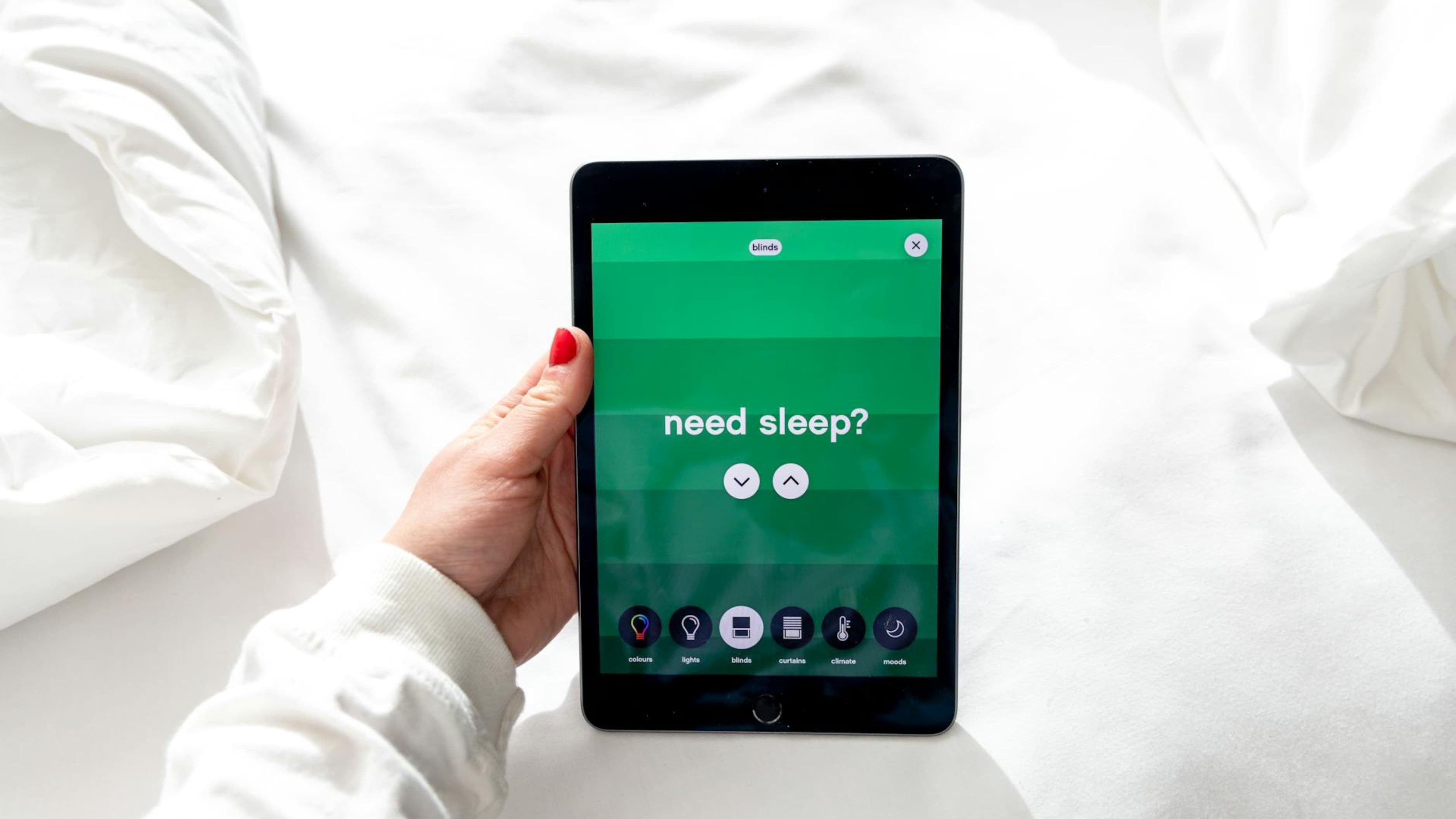
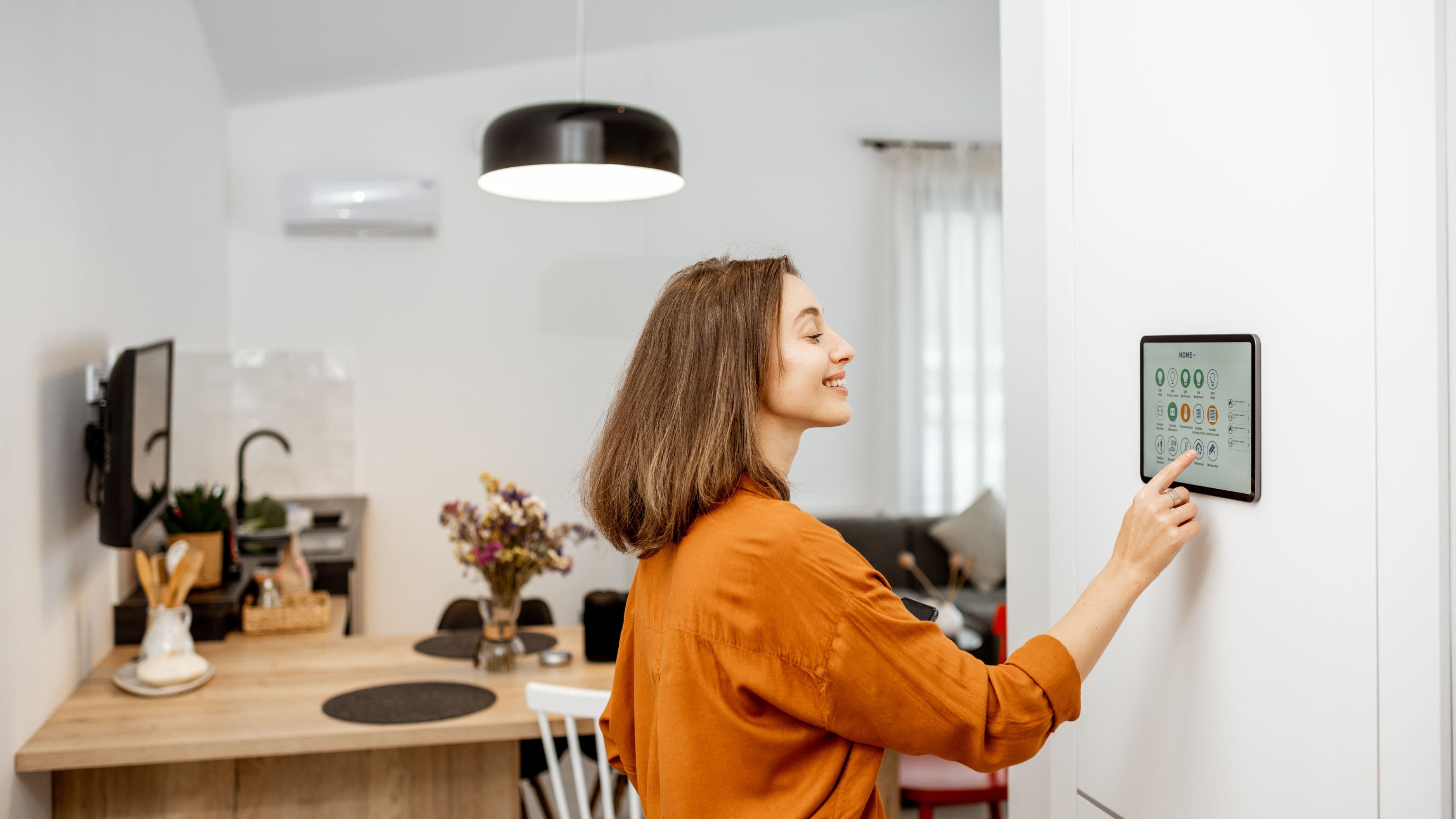
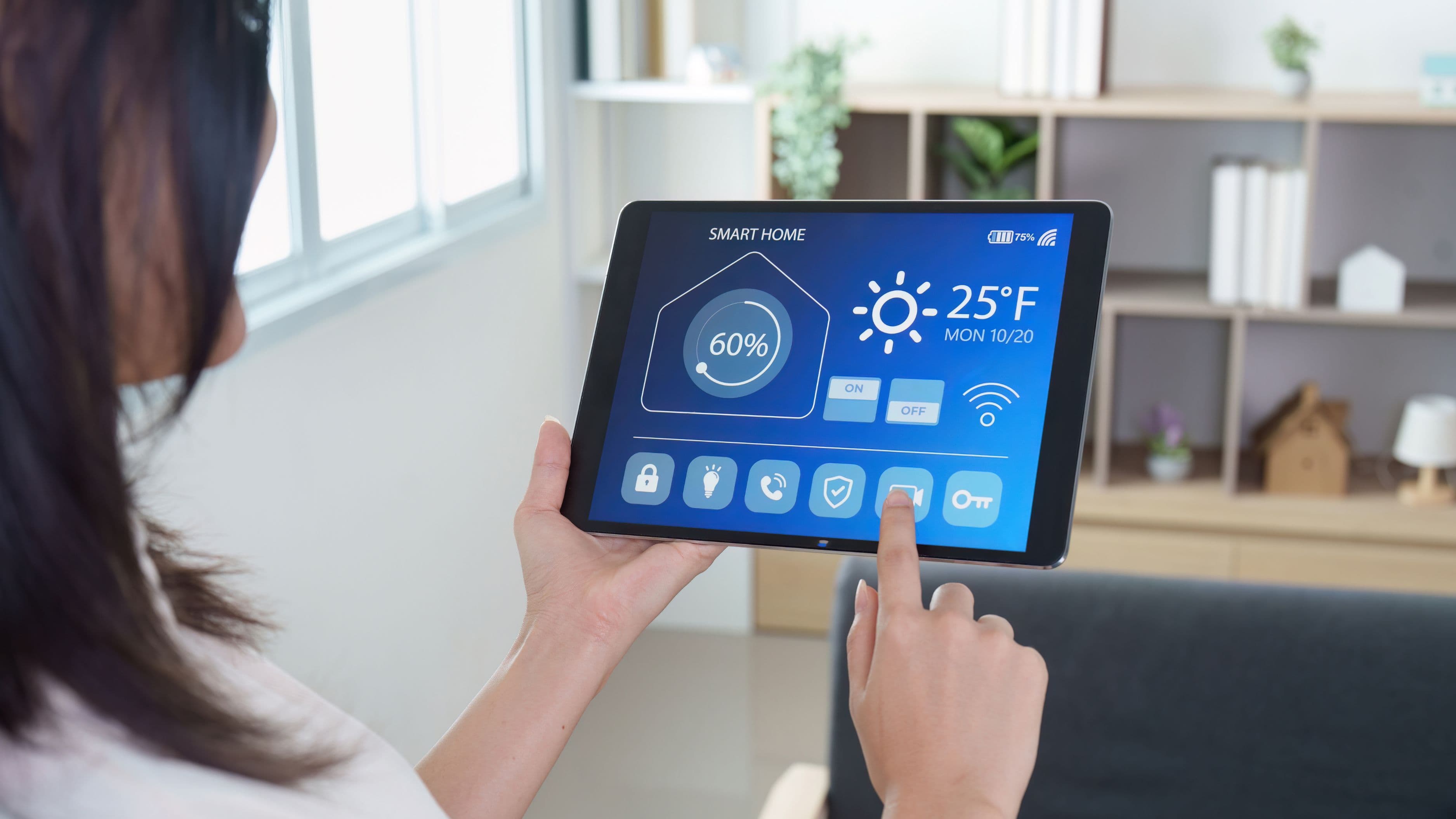
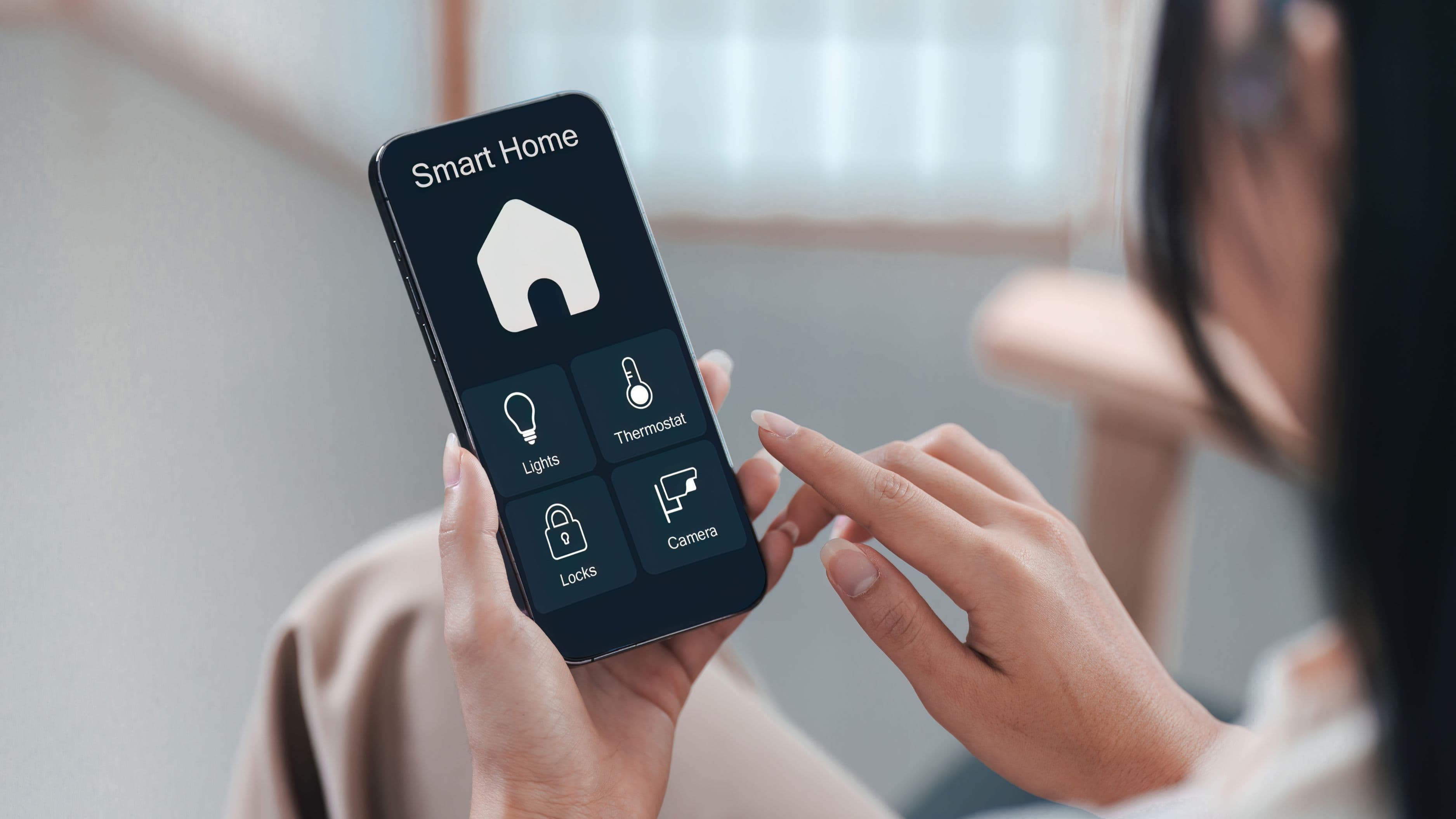
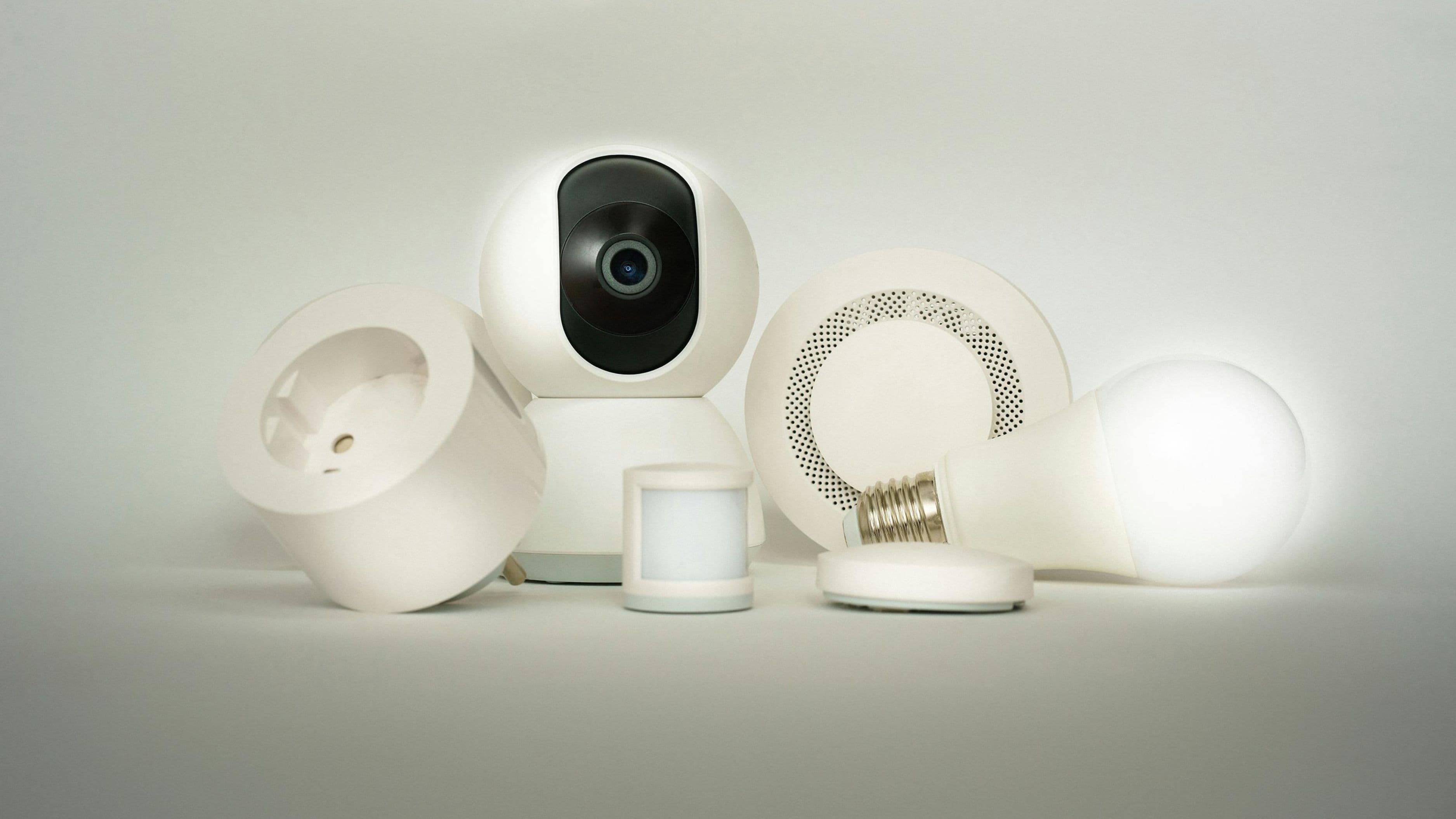
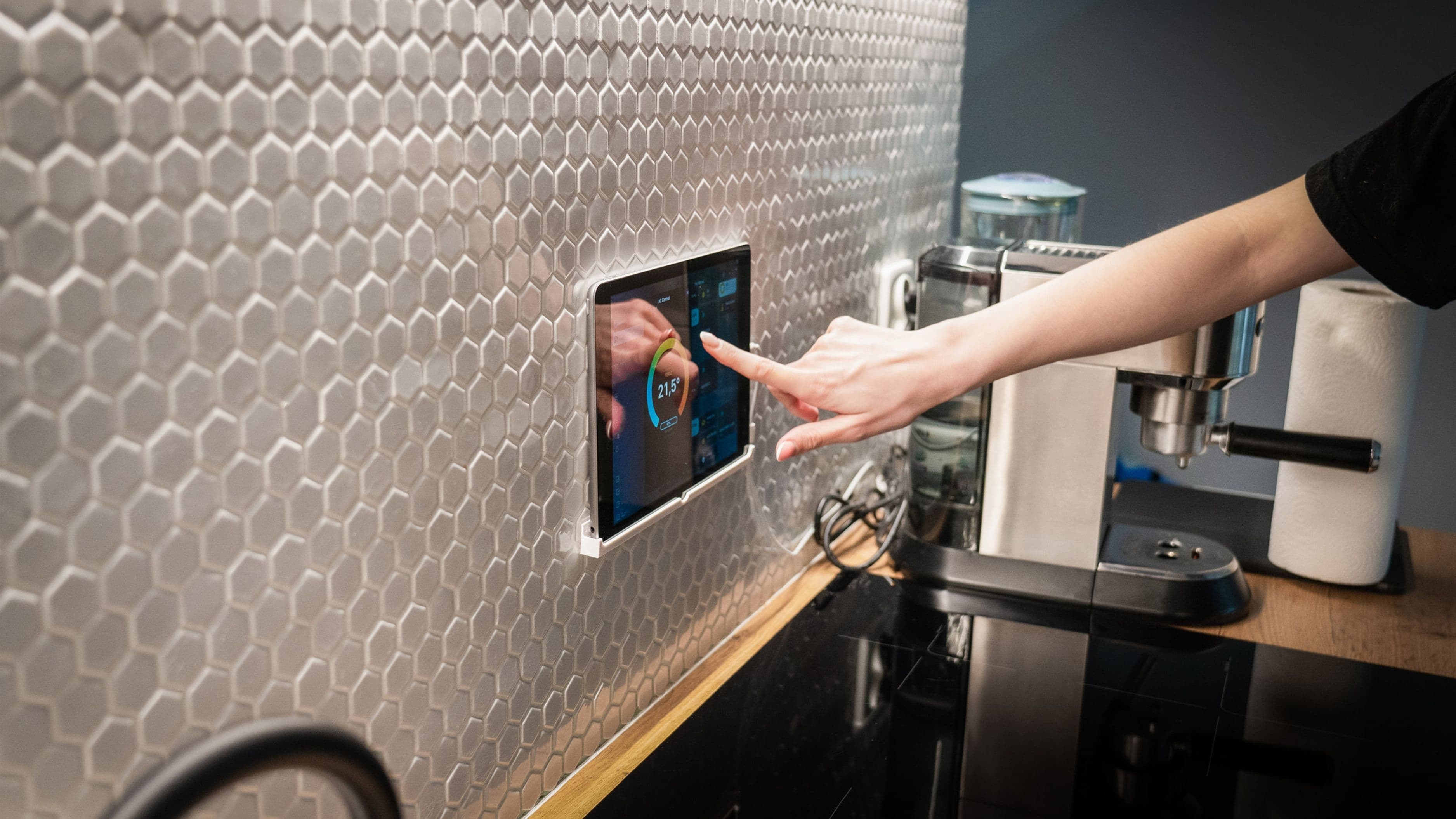
Premium smart mirrors often serve as central hubs for controlling other connected devices throughout your home. You can adjust lighting, set thermostats, check security cameras, or start your coffee maker – all through voice commands or touch interactions with your mirror. This integration creates a seamless smart home experience that feels genuinely futuristic.
The centralized control concept makes practical sense, especially in bedrooms or bathrooms where you're getting ready for the day. Instead of fumbling for multiple apps or devices, everything becomes accessible through one interface. For tech enthusiasts with extensive smart home setups, this consolidation offers real functional benefits. Still, smart speakers and tablets provide similar functionality at a fraction of the cost.
5. The Status Symbol Syndrome
Let's address the elephant in the room – smart mirrors are expensive toys that signal technological sophistication and disposable income. They're conversation starters, Instagram-worthy home features, and ways to demonstrate early adoption of cutting-edge technology. This aspirational aspect shouldn't be dismissed entirely; if you can afford it and it genuinely brings you joy, that has value.
The problem arises when people stretch their budgets for status rather than utility. A $2,000+ mirror that essentially replicates smartphone functionality might impress guests, but it won't transform your life. The novelty factor tends to wear off faster than the monthly payments, leaving you with an expensive reflection of buyer's remorse.
6. The Reality Check Factor
After the initial excitement fades, many smart mirror owners discover that their usage patterns don't match their initial expectations. The same way treadmills become expensive clothing racks, smart mirrors often become overpriced regular mirrors. The voice commands that seemed so convenient during demonstrations become awkward in practice, especially with roommates or family members around.
Maintenance and software updates add ongoing complexity that regular mirrors simply don't have. When your mirror needs a firmware update or experiences connectivity issues, you're reminded that you've introduced another potential point of failure into your daily routine. Technical support for a bathroom fixture feels absurd until you actually need it.
The Bottom Line : Luxury or Logic?
Smart mirrors represent genuine technological innovation, but they occupy an uncomfortable position between luxury and utility. For specific use cases – fitness enthusiasts with dedicated workout spaces, tech professionals with comprehensive smart homes, or people with accessibility needs that benefit from voice-controlled interfaces – the investment might make sense.
For most people, however, smart mirrors solve problems that don't really exist while creating new ones. Your smartphone already provides superior functionality, portability, and value. The money spent on a premium smart mirror could fund years of gym memberships, personal training sessions, or other investments with more tangible benefits.
The technology will undoubtedly improve and prices will eventually drop, but today's smart mirrors feel like expensive beta tests rather than mature products. Unless you're genuinely excited by the specific features and can afford the purchase without financial stress, your regular mirror probably reflects your needs just fine. Sometimes the most revolutionary thing about your morning routine is simply showing up consistently – no AI required.
Your life doesn't need to be perfect or high-tech to be fulfilling. Sometimes the best reflection is the one that simply shows you as you are, without commentary, suggestions, or subscription fees.
📚 Sources
1. Lululemon Mirror Product Analysis and User Reviews, Consumer Technology Association, 2024
2. Smart Home Market Research Report, Statista Smart Home Insights, 2024
3. "Consumer Behavior in Emerging Technology Adoption," Journal of Consumer Technology Research, 2024