
What a Smart Refrigerator Actually Is
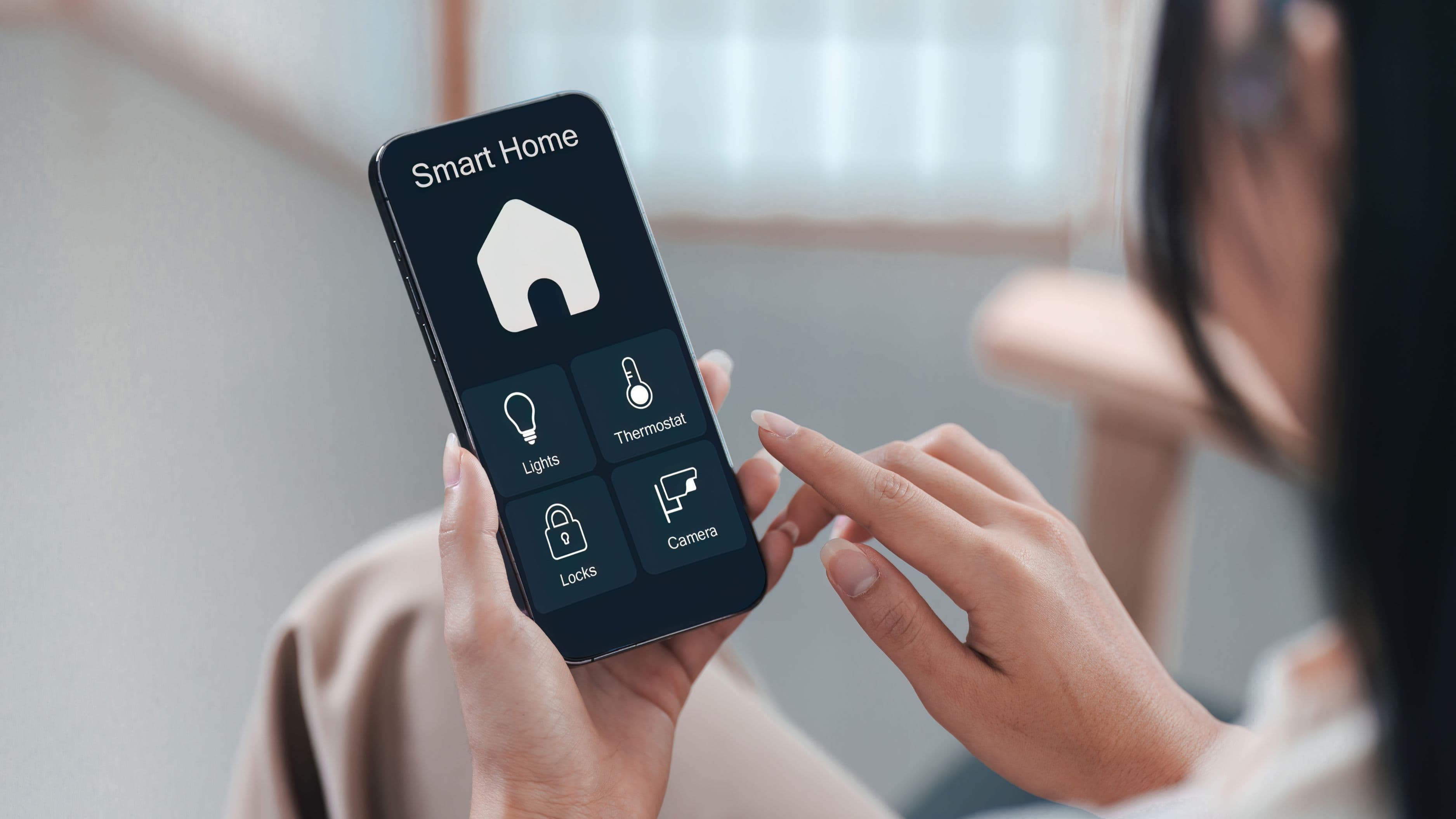
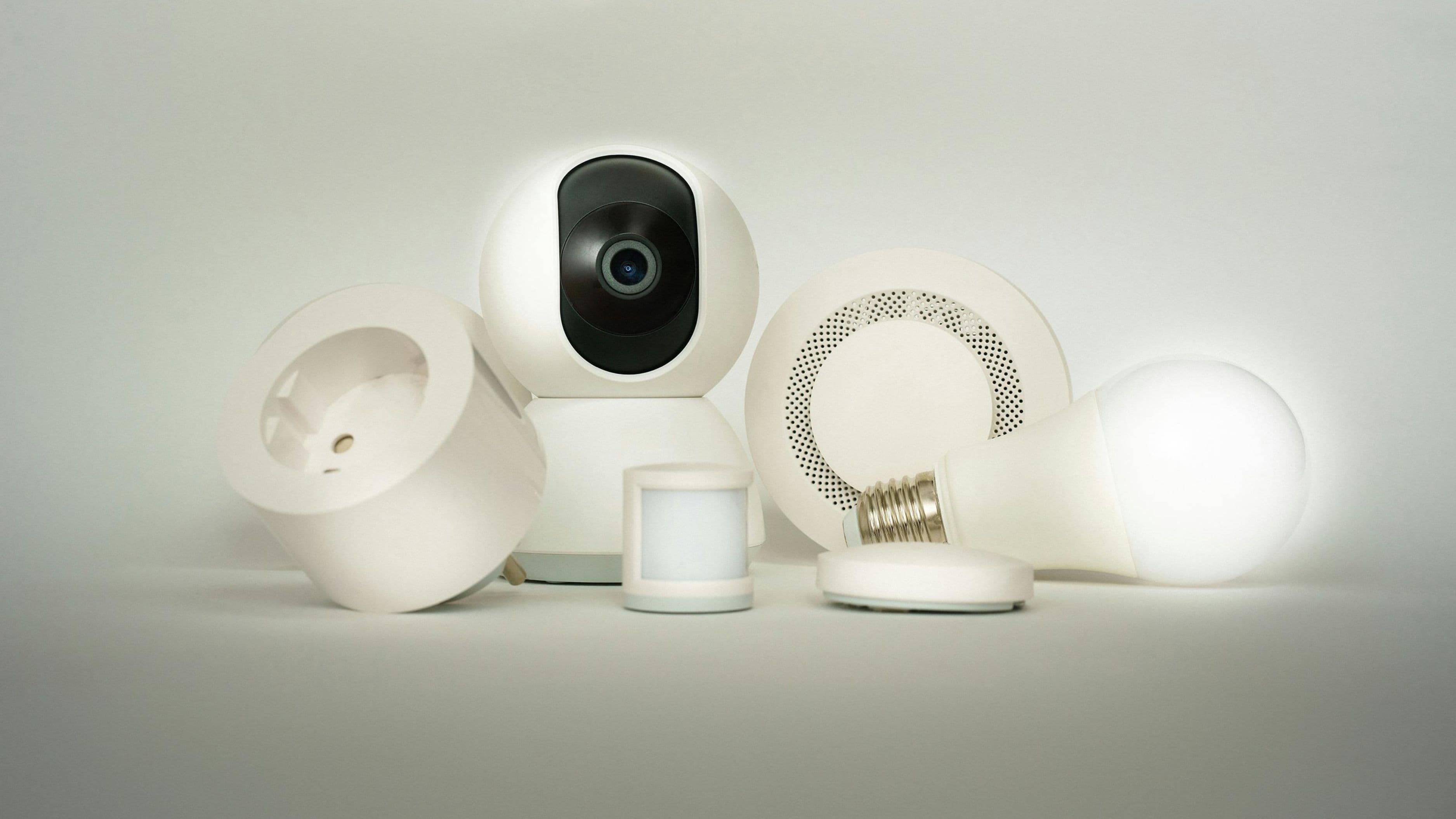
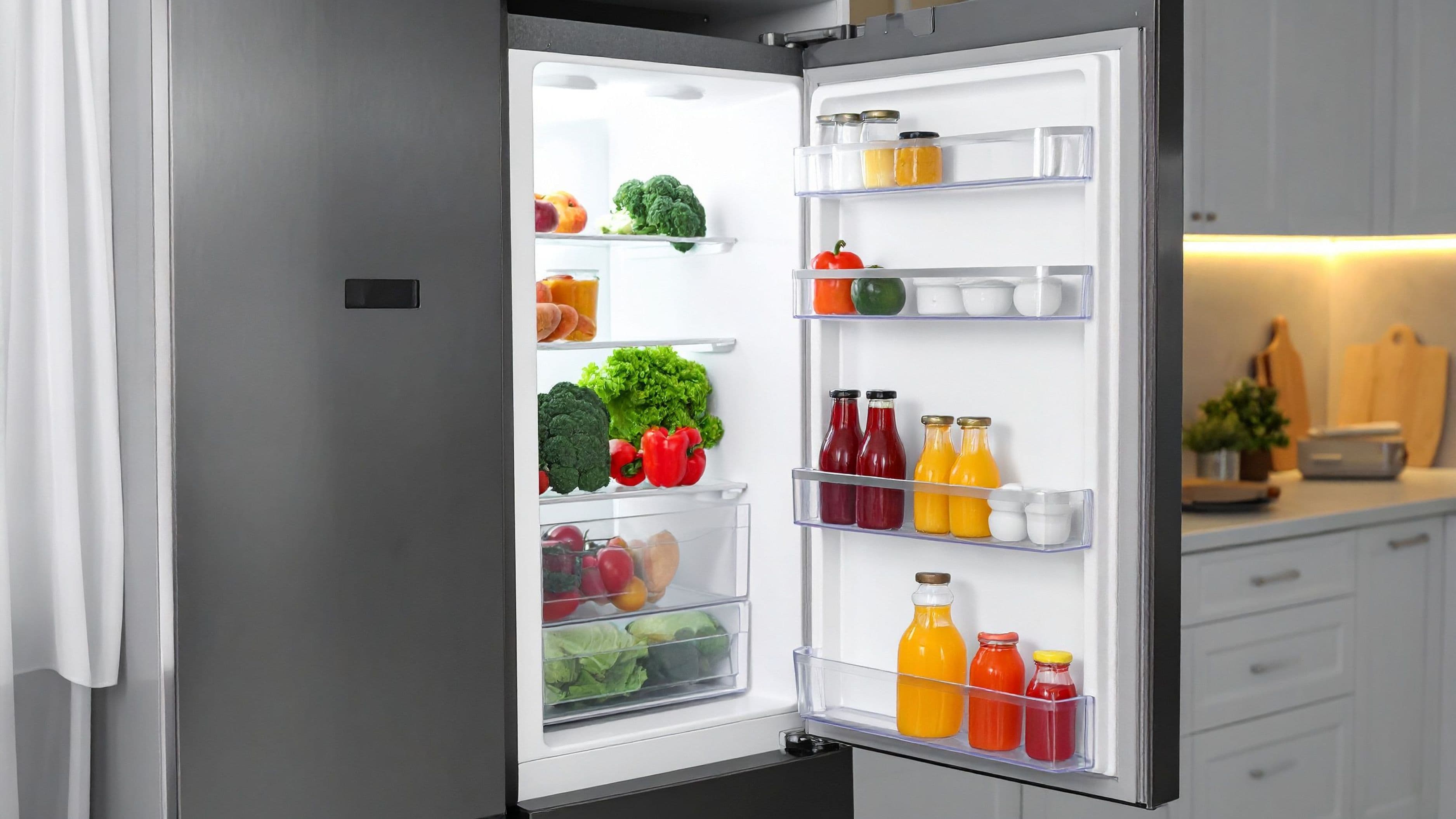
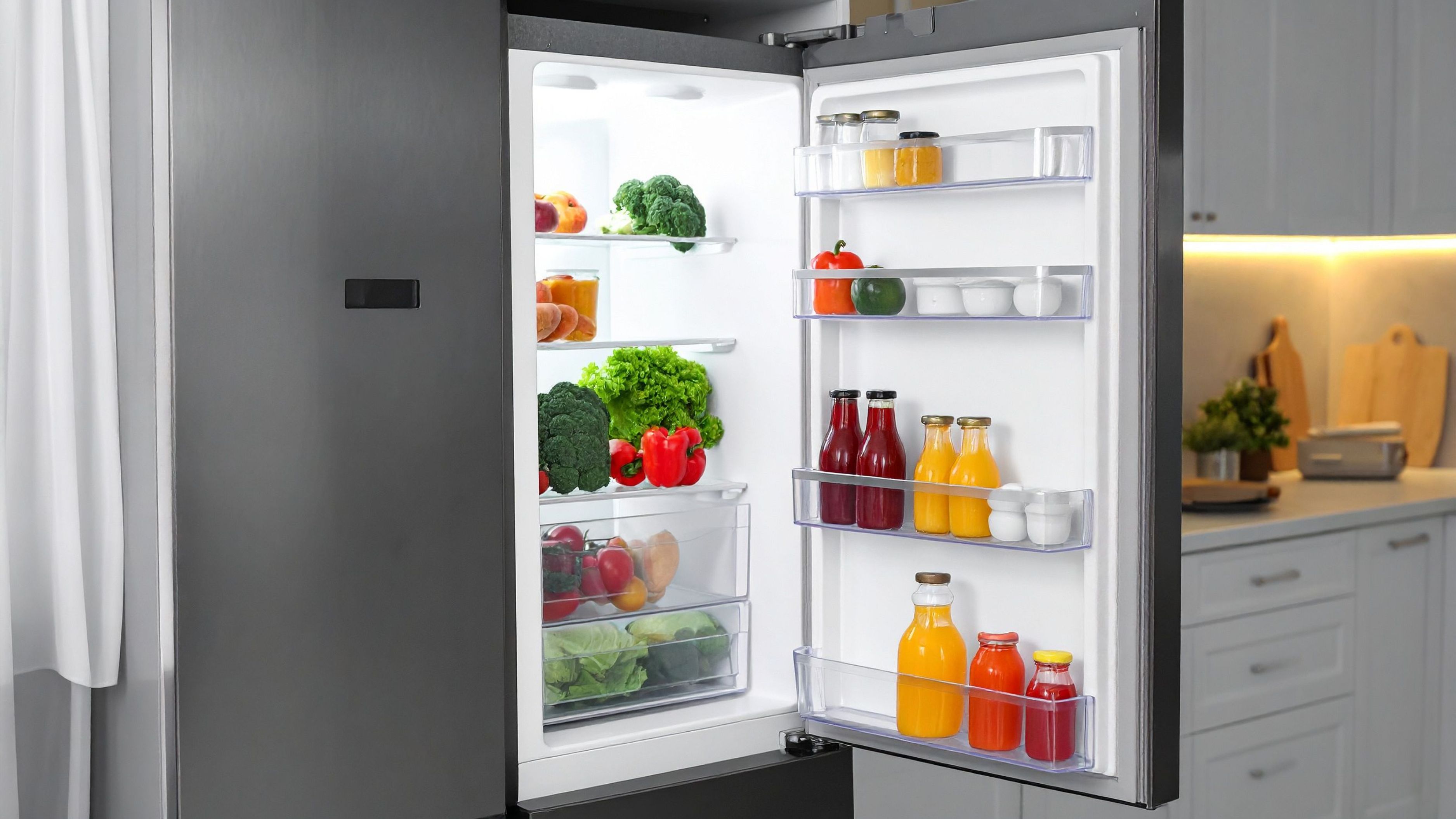
A smart refrigerator connects to your home Wi-Fi network and typically includes some combination of an interior camera system, a touchscreen interface, smartphone app integration, and sensors that track things like door openings, temperature consistency, and sometimes food inventory. This differs from a standard refrigerator primarily in connectivity and interface rather than core cooling technology, which means you're generally paying for convenience features layered onto otherwise comparable cooling performance to a traditional model in the same price tier.
Major manufacturers including Samsung, LG, and GE now offer smart refrigerator lines across a range of price points, meaning "smart refrigerator" covers a fairly wide spectrum from moderate upgrades with basic app connectivity to premium models with full touchscreen displays, internal cameras, and integration with broader smart home ecosystems.
Why It Matters
The core value proposition of a smart refrigerator comes down to reducing small daily frictions that add up over time: checking what's actually in your fridge while you're at the grocery store, getting alerted if a door is left ajar before you've noticed food spoiling, or seeing a family calendar and notes without needing to dig your phone out. None of these are dramatic, life-changing improvements individually, but for households that would genuinely use these features regularly, they represent real, repeated value rather than a one-time novelty.
The flip side is equally real: for many households, these same features get used a handful of times in the first month of ownership and then largely ignored, at which point you're left having paid a meaningful premium for capability that isn't actually being utilized. This is worth being honest with yourself about before making the purchase decision, since the premium involved is substantial enough that it should be justified by genuine, repeated use rather than initial excitement about the technology.
How It Improves the Home
For households that regularly forget items while grocery shopping, the interior camera feature genuinely solves a common, recurring frustration – being able to check your fridge's actual contents from the grocery store app rather than guessing or making a special trip back home. This is one of the more consistently useful smart refrigerator features reported by owners, since it addresses a specific, recurring pain point rather than adding a feature for its own sake.
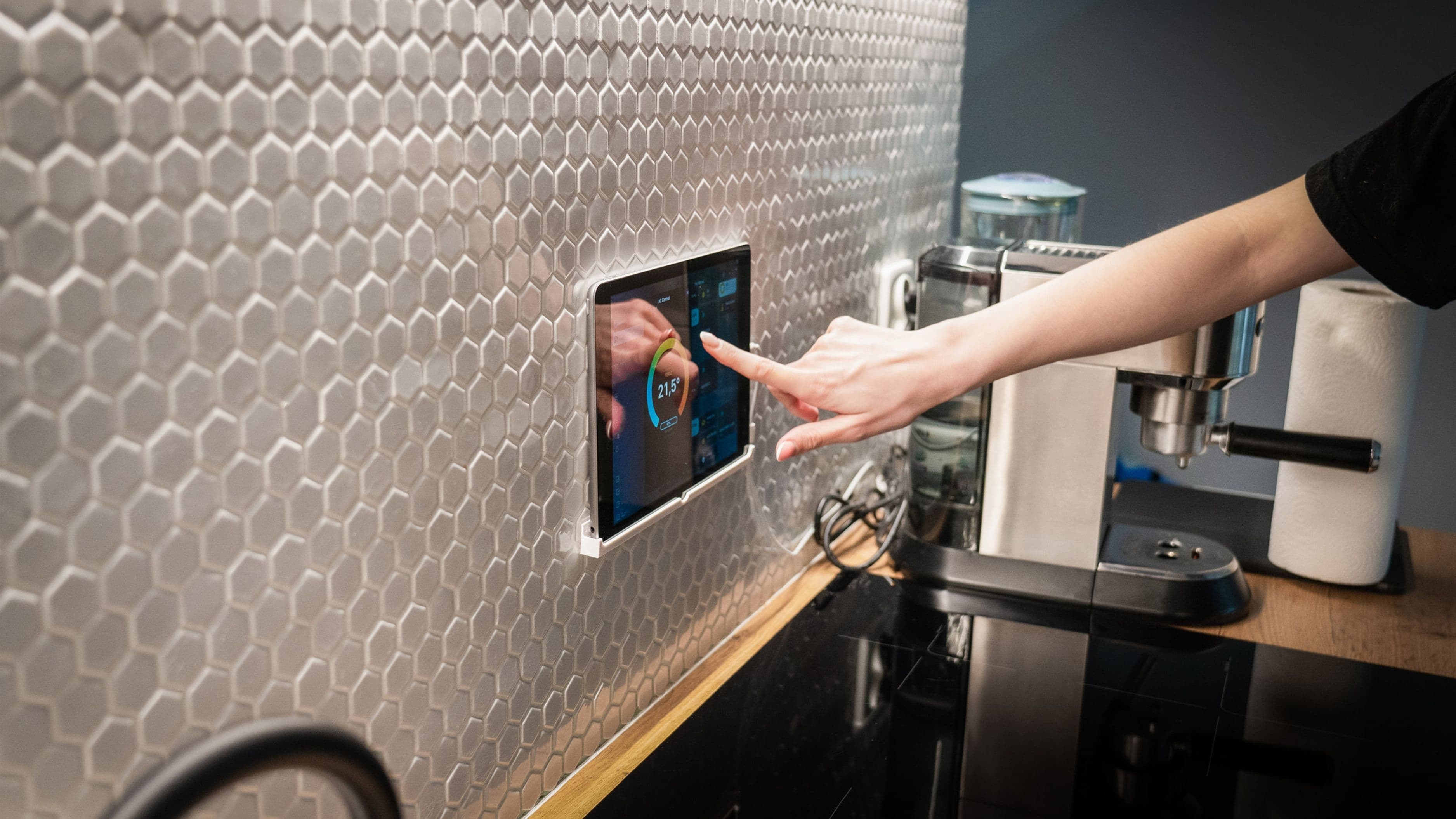
Families managing shared schedules can benefit from the touchscreen or connected display acting as a central household hub, showing calendars, notes, or reminders in a shared, always-visible location in the kitchen, which is a space most households naturally pass through multiple times daily. This can meaningfully reduce the friction of coordinating schedules across a household compared to relying entirely on individual phones or apps.
For households focused on reducing food waste, temperature and freshness monitoring features can provide earlier alerts about potential spoilage or inconsistent cooling than you'd typically notice on your own, particularly for less frequently checked areas like door bins or the back of shelves. This can translate into modest but real savings over time by catching food before it spoils rather than after.
Setup and Integration Basics
Most smart refrigerators connect to your home Wi-Fi network during initial setup through a guided process in the manufacturer's companion app, similar to setting up other smart home devices. This typically takes 15–30 minutes for the initial connection and account setup, though customizing notifications, camera views, and any smart home ecosystem integration (Alexa, Google Assistant, or a manufacturer's proprietary system) can take additional time depending on how deeply you want it integrated with your existing smart home setup.
It's worth confirming your home's Wi-Fi signal actually reaches your kitchen reliably before purchasing, since a weak connection undermines the entire smart feature set, turning what should be seamless app integration into a frustrating, unreliable experience. If your kitchen has historically had spotty Wi-Fi coverage, this is worth addressing as part of the overall purchase decision, not as an afterthought once the refrigerator is already installed.
Pros and Cons
The clearest advantages are the interior camera for remote inventory checking, the shared household display for coordinating schedules and notes, and more granular temperature monitoring than a standard refrigerator typically offers. For households that will actually use these features regularly, they represent genuine, repeated convenience rather than a one-time novelty that fades quickly.
The clearest downsides are cost, since smart refrigerators typically carry a premium of $500–1,500 or more over comparable non-smart models with similar cooling capacity and capacity, and the risk that features go unused after initial novelty wears off. There's also a longer-term consideration worth naming: connected appliances depend on manufacturer software support remaining active, and features like camera functionality or app connectivity can be affected if a manufacturer discontinues software support for an older model down the line, which is a real, if less immediate, consideration for a purchase meant to last a decade or more.
Real-World Use Case
A family of four that does a weekly grocery shopping trip and frequently second-guesses what's already in the fridge while at the store is a strong candidate for genuinely benefiting from the interior camera feature, since it directly addresses a specific, recurring friction point in their existing routine. Similarly, a household that already relies heavily on a shared family calendar or notes system in the kitchen may find real ongoing value in a touchscreen display serving that same function without needing a separate device.
Conversely, a single person or couple who shops for groceries more spontaneously, or a household that doesn't currently rely on centralized scheduling tools, is less likely to get proportional value from these premium features, since the core use cases the technology solves for don't map cleanly onto how that household already operates day to day.
Verdict
A smart refrigerator is worth the premium specifically for households that can identify a clear, recurring use case the technology solves – forgotten grocery lists, shared family scheduling, or a genuine interest in more granular food freshness monitoring. It's a harder case to justify purely on the appeal of the technology itself, since the premium is substantial and the features tend to see declining use over time if they don't map onto an existing household habit or genuine pain point.
If you're on the fence, it's worth considering that standard refrigerators with basic Wi-Fi connectivity and app-based temperature alerts, without the full camera and touchscreen suite, offer a middle-ground option at a smaller premium, letting you get some connected functionality without committing to the highest tier of smart refrigerator pricing.
FAQ
Do smart refrigerators cool food any differently than standard models? No – core cooling technology is generally comparable to non-smart models in the same price and capacity tier. The premium reflects added connectivity and interface features, not improved cooling performance itself.
What happens if my Wi-Fi goes down? The refrigerator continues functioning as a standard appliance for cooling purposes, but smart features like remote camera access and app notifications will be unavailable until connectivity is restored.
Are smart refrigerator features covered under standard appliance warranties? This varies by manufacturer, so it's worth specifically confirming what's covered for the smart components (touchscreen, camera, connectivity) versus standard mechanical and cooling components before purchasing.
Is it possible to add smart features to an existing standard refrigerator instead of replacing it? Not in a comparable way – third-party smart plugs can monitor power usage or send basic alerts, but they can't replicate interior cameras or the integrated app ecosystem that comes built into a dedicated smart refrigerator model.