
What You're Actually Comparing
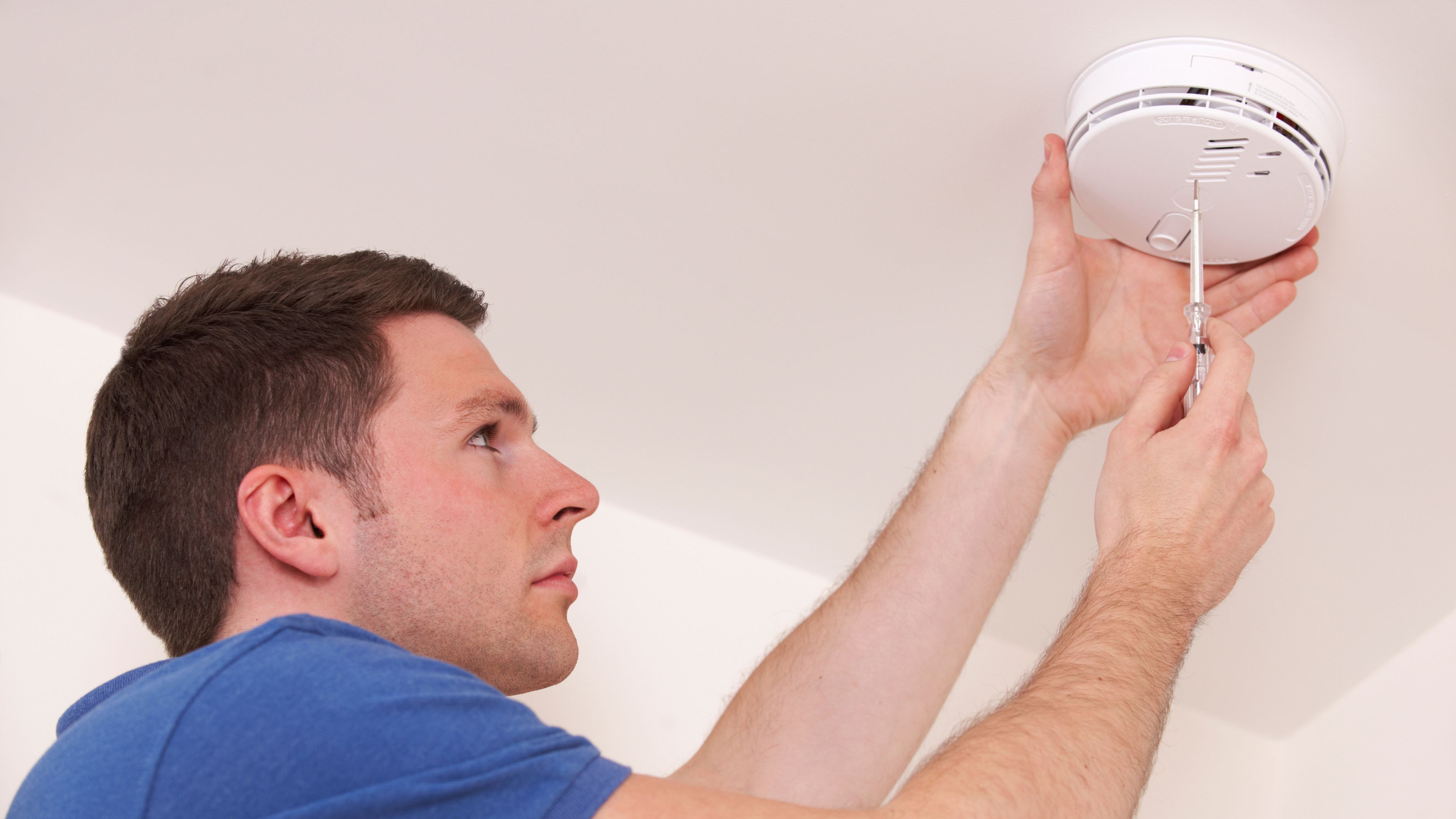
Standard smoke and CO detectors, whether battery-powered or hardwired, use the same core sensing technology that's been standard for decades, either photoelectric or ionization smoke sensing, paired with an electrochemical CO sensor. They sound a local alarm when triggered and require manual testing and battery replacement to stay functional.
Premium smart detectors, like Google Nest Protect or First Alert Onelink, use the same underlying sensor types in most cases, but add connectivity, phone notifications, self-testing features, and often more nuanced alerting that distinguishes between different alarm severities before triggering a full blaring alarm. The core detection technology isn't necessarily better, the surrounding system built around it is what's actually different.
Comparison Overview
Standard Smoke/CO Detectors
Cost: $15–$40 per unit
Connectivity: None, local alarm only
Testing: Manual, requires physically pressing a test button
Battery alerts: Local chirp only, easy to miss if you're not home
Smart home integration: None
Lifespan: 8–10 years before full unit replacement required
Premium Smart Detectors
Cost: $100–$130 per unit
Connectivity: Wi-Fi or Bluetooth with phone app alerts
Testing: Automatic self-testing, typically monthly
Battery alerts: Push notification to your phone before local battery dies
Smart home integration: Often compatible with Google Home, Amazon Alexa, or Apple Home
Lifespan: 8–10 years, similar to standard units, though sealed battery versions vary
Where Premium Detectors Genuinely Earn Their Price
The single most valuable feature in premium smart detectors is remote notification when you're not home. A standard detector going off in an empty house accomplishes nothing beyond alerting neighbors who happen to hear it, while a smart detector sends an immediate phone alert regardless of where you are, which matters significantly for anyone who travels frequently, has a vacation property, or has pets left alone during the workday. This single feature can meaningfully reduce property damage from a fire caught early, even when no one is physically present to hear a local alarm.
Interconnected alerting across multiple units is another genuine, practical advantage. Many premium systems link all detectors in your home together over Wi-Fi, so if a unit in the basement detects smoke, every other unit in the house announces the alert and location, not just the unit closest to the source. This is a real safety improvement over standard hardwired interconnection, which typically only sounds a generic alarm everywhere without indicating where the actual problem originated, costing you valuable time locating the source during an actual emergency.
The self-testing and battery monitoring features also solve a genuinely common real-world problem: detectors with dead or removed batteries going unnoticed for months. Studies on home fire fatalities consistently point to non-functional detectors, often due to dead or missing batteries, as a significant factor in fire deaths that proper working detectors could have prevented. Automatic self-testing with phone alerts removes the human error component of remembering to test manually, which is a meaningful safety benefit beyond just added convenience.
Where the Premium Price Doesn't Buy Much
The core smoke and CO sensing technology itself generally isn't more sensitive or reliable in premium units compared to a quality standard detector from a reputable manufacturer like Kidde or First Alert's non-smart line. If your primary concern is pure detection reliability, a well-reviewed standard unit meets the same safety standards and performs comparably at the actual moment of detecting smoke or carbon monoxide.
Smart home integration features, voice announcements, smartphone app dashboards, and compatibility with broader smart home routines, are genuinely nice conveniences but don't meaningfully improve core safety outcomes on their own. If you're not already invested in a smart home ecosystem, paying the premium primarily for these features is a harder case to justify purely on safety grounds, even though the convenience is real.
Best Use Cases for Each Option
Premium smart detectors make the strongest case in homes that are frequently empty for extended periods, vacation properties, homes with elderly residents living alone where remote monitoring by family members provides real peace of mind, or larger multi-story homes where interconnected location-specific alerts genuinely help during an actual emergency. They're also a reasonable fit if you're already building out a broader smart home system and want detectors integrated into that same ecosystem rather than managed separately.
Standard detectors remain a completely reasonable, safe choice for most homes, particularly smaller homes where everyone is typically present and can hear a local alarm directly, or for budget-conscious homeowners who'd rather put the price difference, easily $500 or more for a whole-home upgrade, toward other safety or renovation priorities. The safety floor with a quality standard detector is genuinely solid, this isn't a case of choosing between "safe" and "unsafe," it's a case of choosing between "safe" and "safe with more convenience and remote awareness."
Recommendation
For most homeowners, a hybrid approach makes the most practical sense. Install premium smart detectors in key areas, near bedrooms where early warning during sleep matters most, and in the kitchen or utility areas prone to false alarms where the more nuanced alerting reduces annoyance, then use quality standard detectors in less critical areas like hallways or basements where the added smart features matter less. This approach captures most of the genuine safety benefit without the full cost of upgrading every single detector in the home to the premium tier.
If budget allows and you frequently travel or have specific circumstances like young children, elderly family members, or pets home alone regularly, a full premium upgrade is a reasonable investment that delivers real, ongoing peace of mind beyond just the baseline safety standard maintained by any code-compliant detector.
Cost and Installation Notes
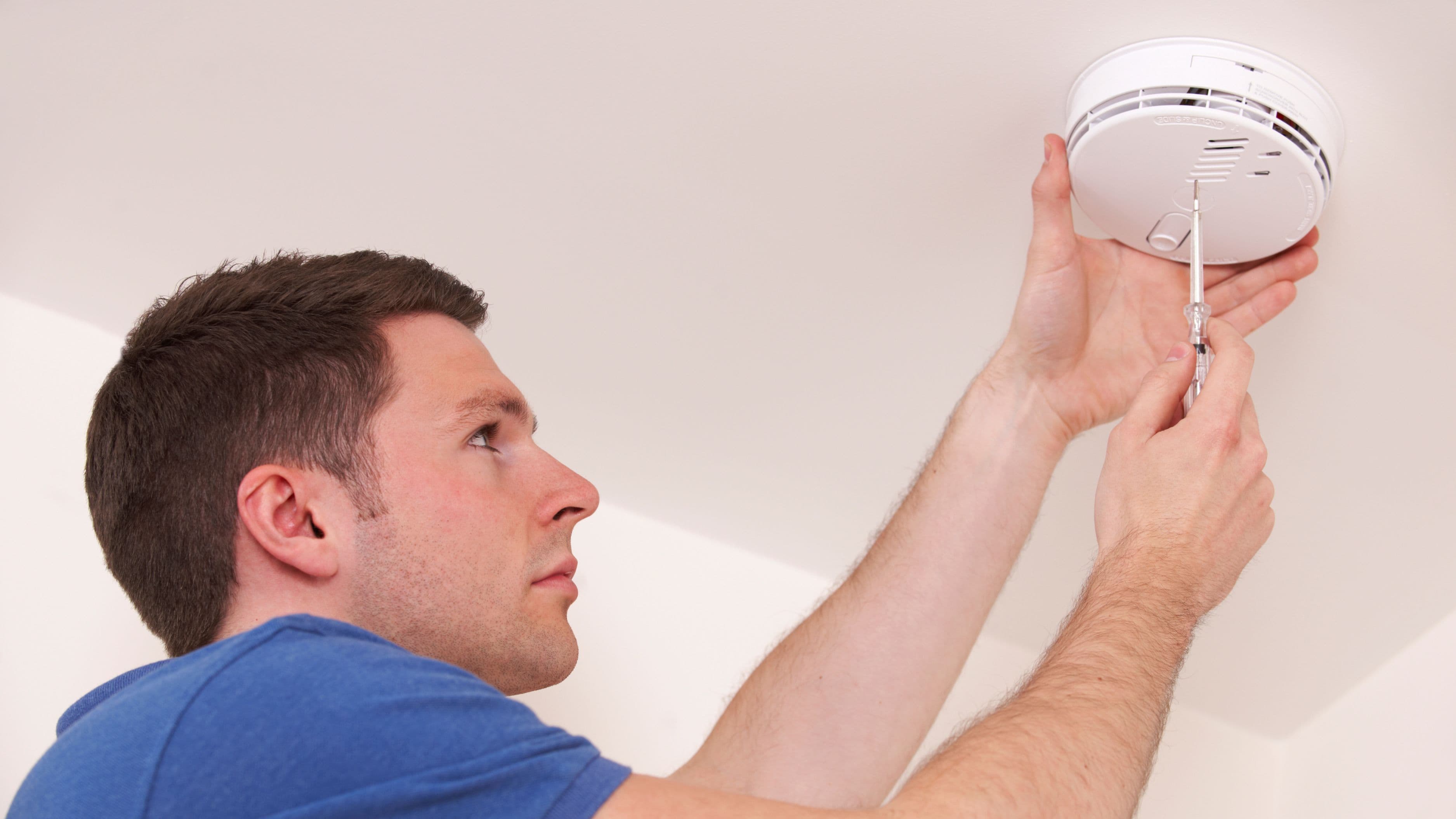
A full-home upgrade to premium smart detectors for an average home with 5 to 8 detector locations typically runs $500 to $1,000 total, plus installation time if you're not comfortable doing it yourself, generally low cost if hiring an electrician for a straightforward swap of existing hardwired units. Battery-only smart units can be installed without any electrical work in under 15 minutes per unit, while hardwired smart detectors replacing existing hardwired units require basic electrical comfort or a licensed electrician, particularly if your home's existing interconnect wiring is older or non-standard.
What to Avoid
Don't skip checking your local building codes before installing hardwired smart detectors yourself if you're not confident with basic electrical work. Interconnected smoke detector wiring has specific requirements, and improper installation can compromise the very safety system you're trying to upgrade.
Don't assume a smart detector eliminates the need for regular manual awareness entirely. While self-testing catches many issues, periodically checking the app and confirming all units show as active and connected is still a reasonable habit, since a Wi-Fi outage or app connectivity issue could theoretically delay a remote alert during an actual emergency.
Don't mix detector types within the same interconnected system without confirming compatibility first. Combining hardwired standard detectors with smart units on the same interconnect circuit doesn't always work seamlessly, and checking manufacturer compatibility before purchasing avoids a frustrating installation issue later.
FAQ
Are smart smoke detectors required by any building codes? No, standard smoke and CO detectors meeting basic safety certification requirements satisfy virtually all current building codes. Smart features are an optional upgrade, not a code requirement.
How long do premium smart detectors actually last before replacement? Similar to standard detectors, most manufacturers recommend replacement every 8 to 10 years regardless of smart features, since the underlying sensor technology degrades over time regardless of connectivity features.
Can I mix premium smart detectors with existing standard detectors in the same home? Yes, this is a common and reasonable approach, though detectors from different systems typically won't interconnect with each other for whole-home alerting unless they're compatible units within the same ecosystem.
Do smart detectors require a subscription fee to use the app features? Most major brands, including Nest Protect and First Alert Onelink, do not require an ongoing subscription for core alert functionality, though it's worth confirming with the specific manufacturer and model before purchasing.