
How Smart Sprinkler Systems Actually Work
Unlike a traditional timer-based system that runs on a fixed schedule you set once and often forget to adjust, smart controllers use real-time weather data, evapotranspiration rates, and in some cases soil moisture sensors to determine whether and how much to water on any given day. If a storm is forecast or recent rainfall has kept the soil adequately moist, the system automatically skips or reduces that day's watering cycle, something a traditional timer simply can't do on its own.
What the Evidence Shows on Water Savings
Field studies and utility-sponsored trials evaluating smart irrigation controllers have generally found meaningful reductions in outdoor water use, though the exact percentage varies considerably based on climate, the specific controller technology used, and how the previous irrigation schedule was managed before installation. Homes that were significantly overwatering under an old, rarely-adjusted timer system tend to see the largest improvements, since there's more inefficiency to correct. Homes that were already watering relatively efficiently under manual adjustment see smaller, though still real, gains.
Why the Savings Aren't Automatic
A smart sprinkler system's water savings depend heavily on proper initial setup, correctly specifying your soil type, plant types, sun exposure, and slope for each zone significantly affects how accurately the system calculates watering needs. A system installed with default or inaccurate zone settings won't perform meaningfully better than a well-managed traditional timer, since the "smart" calculations are only as good as the information they're working from. This is one of the most common reasons homeowners report disappointing results, not a flaw in the technology itself, but a setup issue.
Comparing System Types
Weather-based controllers, which adjust watering using local weather data and historical evapotranspiration rates, are generally more affordable and easier to install, making them a reasonable entry point for most homeowners. Soil moisture sensor-based systems, which directly measure actual ground moisture rather than estimating it from weather patterns, tend to be more precise and often produce somewhat better water savings, but at a higher upfront cost and more complex installation involving burying sensors in your yard. Hybrid systems combining both approaches offer the most accurate watering decisions but come with the highest price tag and installation complexity of the three options.
Which Option Makes Sense for Your Situation
If you're mainly trying to stop overwatering from a forgotten fixed schedule and want a straightforward upgrade, a weather-based smart controller offers solid savings at a manageable cost and installation effort. If you have a larger property with varied soil conditions across different zones, or you're aiming for the most precise water management possible, investing in soil moisture sensors alongside your controller will likely deliver better results, provided you're willing to pay more upfront and handle a more involved installation.
Setup Steps for Maximizing Water Savings
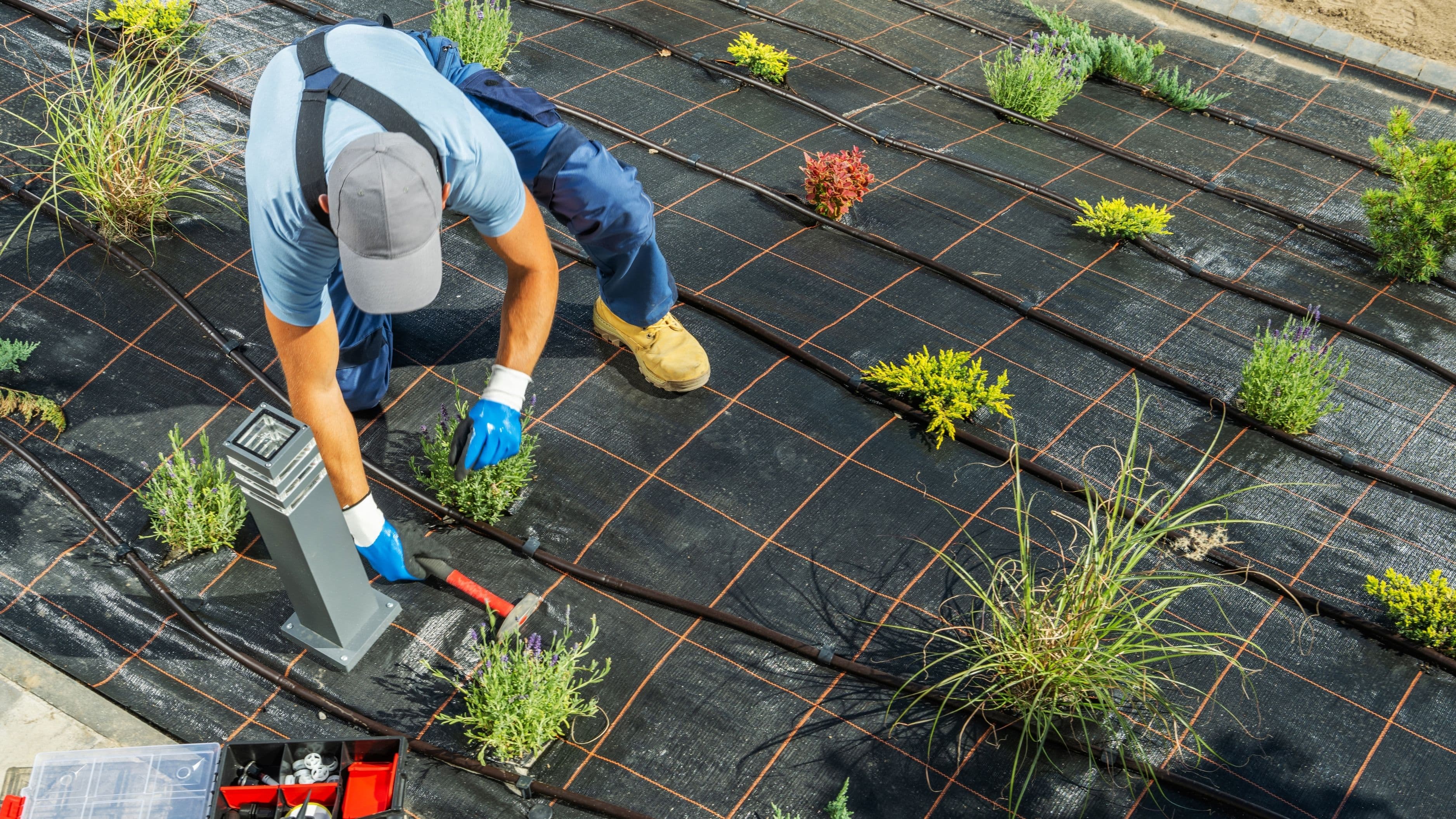
Start by accurately mapping your yard's zones, noting soil type, sun exposure, slope, and plant type for each one, since this data directly drives the system's watering calculations. Connect the controller to accurate local weather data, either through the system's built-in service or a connected weather station if your property's microclimate differs meaningfully from the nearest official weather station. Review the system's recommended schedule during the first few weeks and compare it against your plants' actual appearance, adjusting zone settings if you notice consistent over or under-watering, since even smart systems benefit from an initial calibration period based on real observation.
Realistic Cost and Impact Expectations
Weather-based smart controllers are a moderate-cost upgrade for most homes with existing sprinkler infrastructure, since you're typically replacing just the controller unit rather than the underlying irrigation system. Soil moisture sensor systems add meaningfully to the cost due to sensor hardware and installation labor. Water savings, and the resulting reduction in your water bill, tend to become noticeable within the first billing cycle after installation, though the most significant year-over-year savings show up as the system continues fine-tuning based on seasonal patterns.
What to Avoid
Don't install a smart controller and skip the zone setup process, relying on generic defaults undermines most of the water-saving benefit the technology is capable of delivering. Avoid choosing a system based purely on price without checking compatibility with your existing sprinkler valves and wiring, since retrofitting significantly mismatched systems can add unexpected costs. And don't assume the system requires zero ongoing attention, periodically reviewing your zones as plants mature or landscaping changes keeps the calculations accurate over time.
FAQ
Will a smart sprinkler system work with my existing sprinkler heads and valves? In most cases, yes, since these controllers typically replace just the control unit and connect to your existing valve wiring, though it's worth confirming compatibility with your specific existing hardware before purchasing.
How much of a water bill reduction should I realistically expect? This varies significantly based on your previous watering habits and local climate, homes that were previously overwatering under an old fixed schedule tend to see the most substantial reductions, while already-efficient setups see more modest gains.
Do I still need to manually check my system after installation? Yes, periodic review during the first few weeks and after any major seasonal or landscaping change helps ensure the zone settings remain accurate and the system continues delivering its full water-saving potential.
📚 Sources
U.S. Environmental Protection Agency – WaterSense Smart Irrigation Controllers: https://www.epa.gov/watersense/watersense-labeled-irrigation-controllers
University Cooperative Extension – Smart Irrigation Controller Performance Studies: https://www.usbr.gov/watersmart/