
What "Smart" Actually Means Across Different Appliances
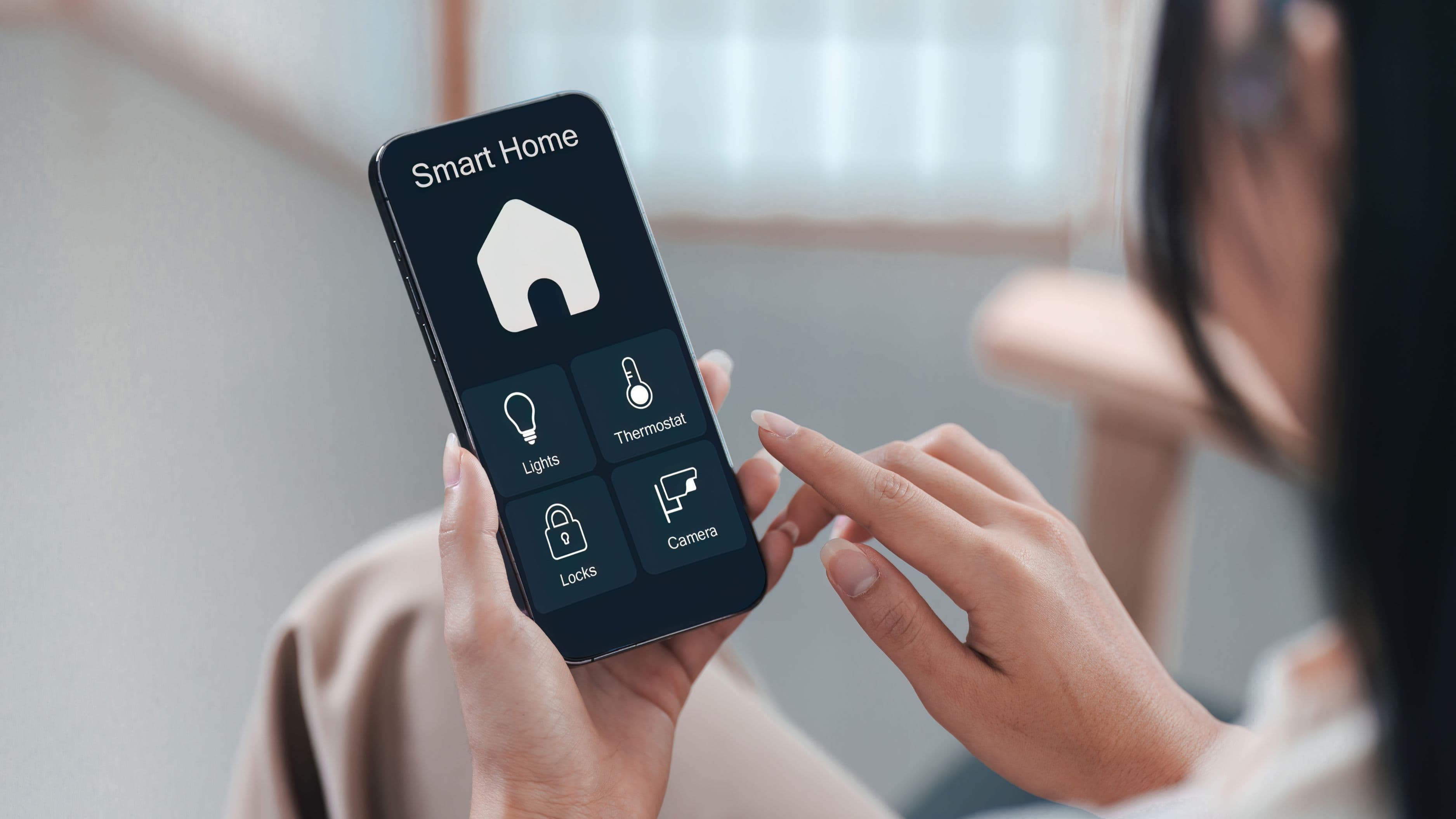
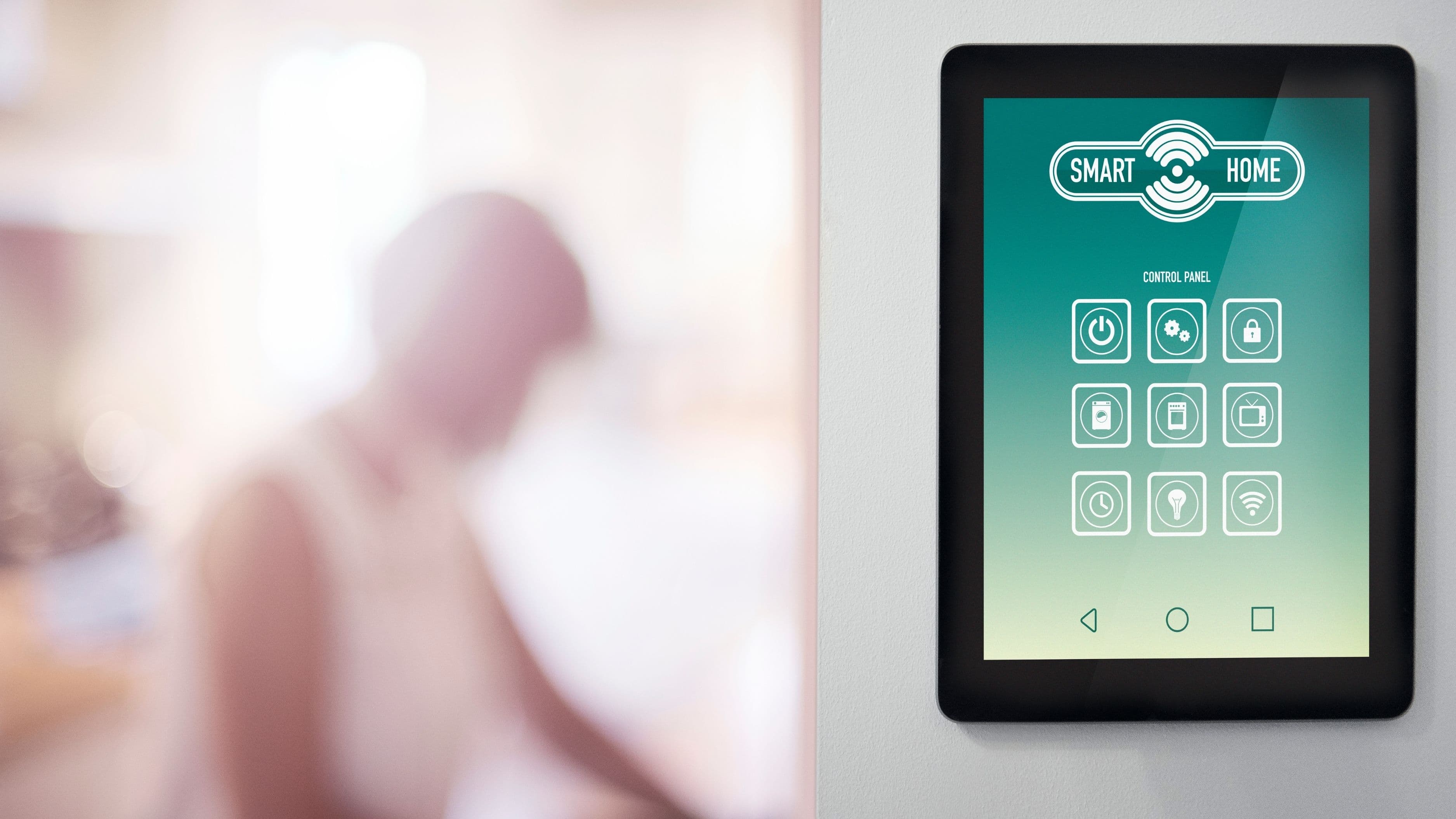
Smart appliances typically add Wi-Fi connectivity, app-based remote control, and sometimes voice assistant integration on top of an appliance's standard function. Beyond that baseline, the specific features vary enormously depending on the appliance category, which is exactly why a blanket "smart is worth it" or "smart is a gimmick" answer doesn't really hold up across every product type.
The honest way to evaluate this is category by category, looking at whether the connectivity solves a real, recurring friction point in how you actually use that specific appliance, or whether it's mostly a novelty feature layered on top of a product that worked fine without it.
Where Connectivity Genuinely Adds Value: Thermostats
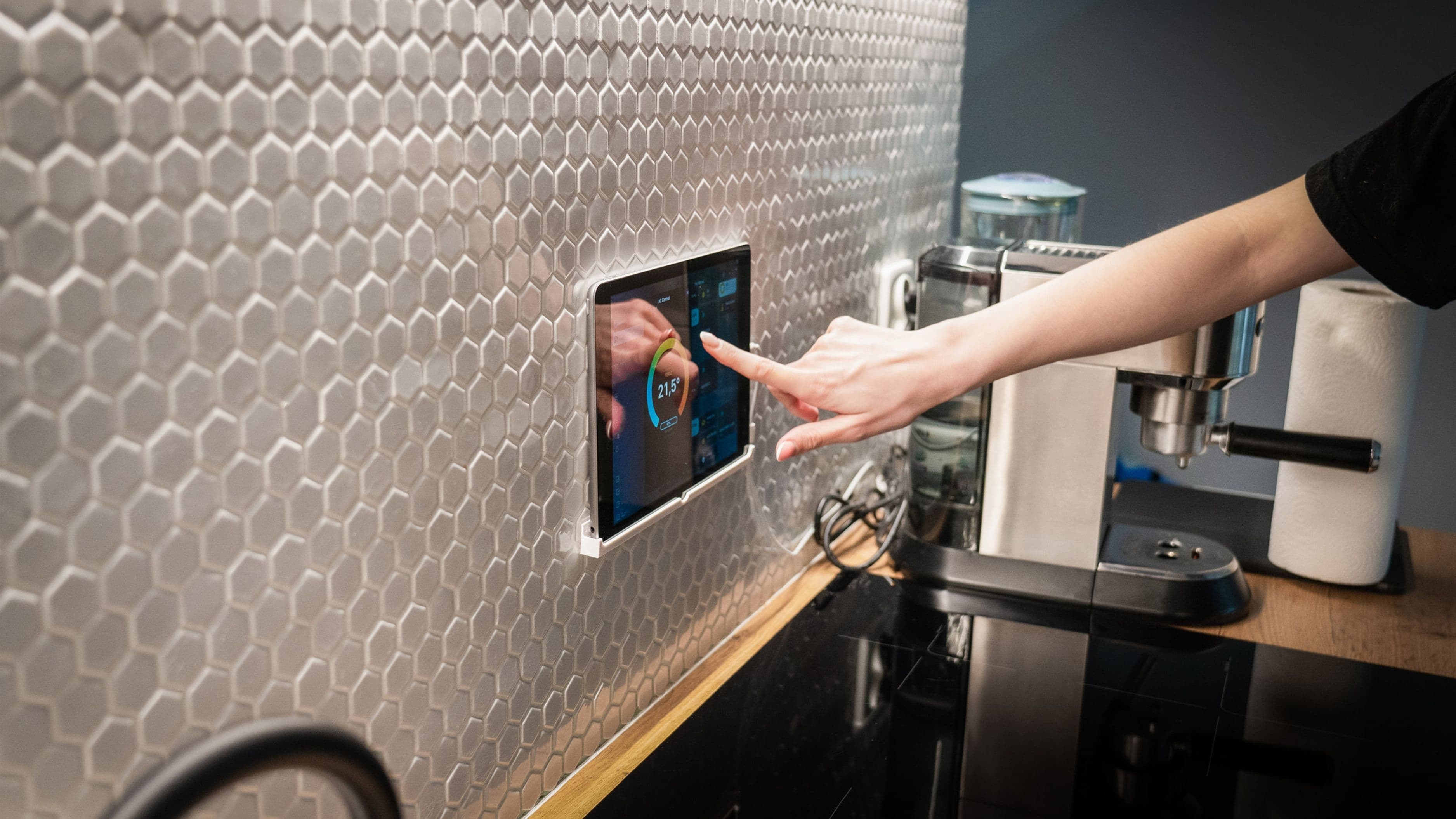
Smart thermostats are probably the clearest case where connectivity delivers real, measurable value rather than just convenience. Being able to adjust your home's temperature remotely before arriving back from a trip, combined with learning algorithms that optimize heating and cooling schedules based on your actual patterns, translates into real energy savings for most households, not just a nice-to-have feature.
Cost level: moderate, generally $150–$300 installed, with many utility companies offering rebates that offset a meaningful portion of that cost given the documented energy savings these devices produce. This is a case where the smart premium pays for itself over a reasonable timeframe for most households.
Where Connectivity Genuinely Adds Value: Security-Adjacent Appliances
Smart doorbells, garage door openers, and similar security-adjacent devices benefit significantly from connectivity because the core value proposition – knowing what's happening at your home when you're not physically there – is fundamentally about remote awareness. A "dumb" garage door opener simply can't tell you whether you left the door open after leaving for work, while a connected one can notify you and let you close it remotely.
Cost level: moderate, generally $50–$200 depending on the specific device, and the value here holds up consistently because the core use case genuinely requires connectivity to function, rather than connectivity being an add-on to a feature that worked fine offline.
Where Connectivity Is More Mixed: Refrigerators
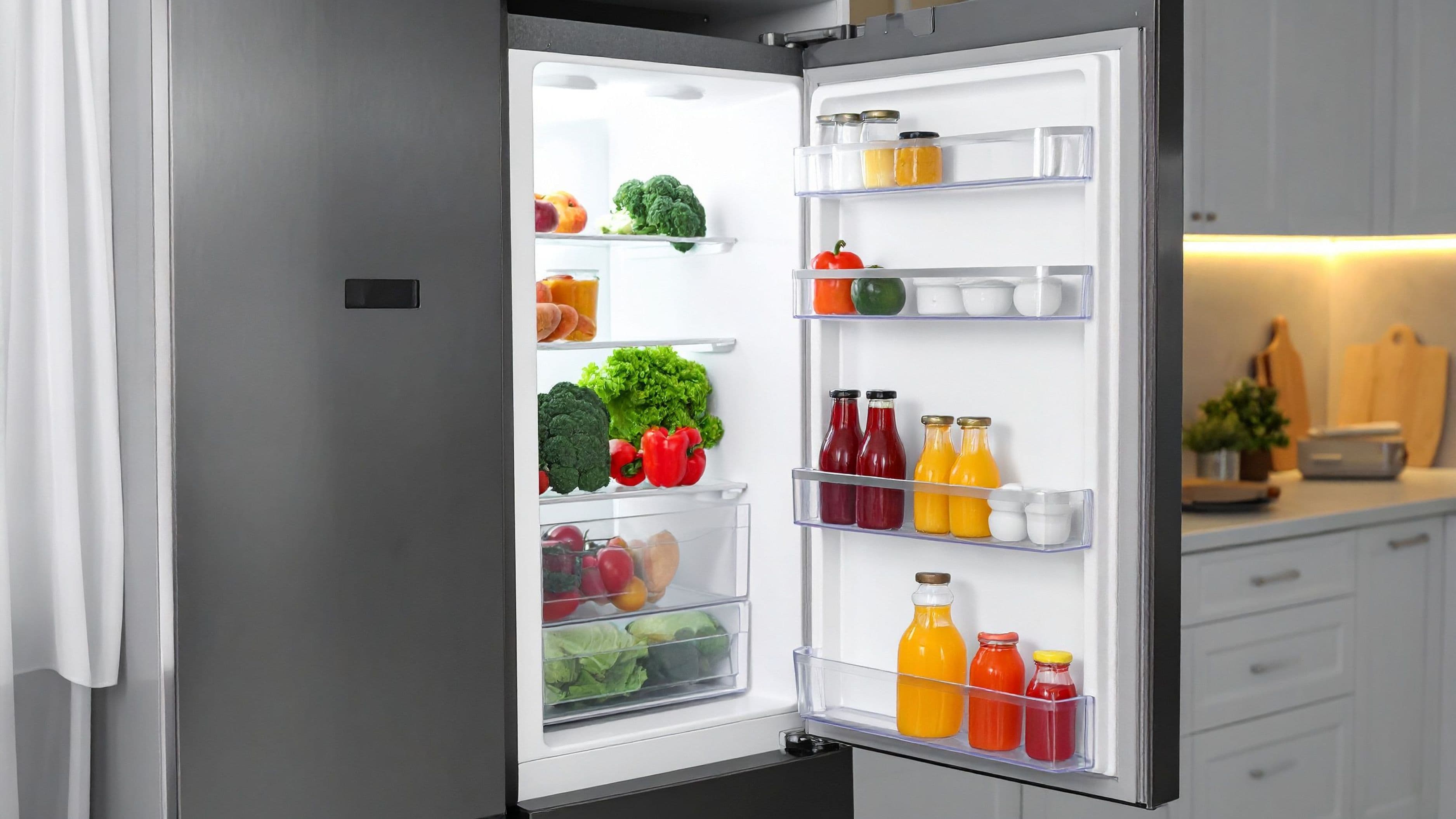
Smart refrigerators represent one of the more debated categories, since features like internal cameras (letting you check your fridge's contents while at the grocery store) and touchscreen displays add real cost, often $500 to $1,500 more than a comparable standard model, for benefits that depend heavily on your specific habits. If you frequently find yourself uncertain what's in your fridge while shopping, the camera feature solves a real, recurring problem. If you generally know your fridge's contents or shop with a list anyway, that same feature adds cost without adding much practical value.
The core refrigeration performance, meaning how well the appliance actually keeps food cold and fresh, is generally comparable between smart and standard models from the same manufacturer and price tier, meaning you're specifically paying for the connected features, not for better core performance.
Where Connectivity Rarely Justifies the Cost: Basic Small Appliances
Smart coffee makers, smart toasters, and similar small appliances tend to fall into the category where connectivity adds cost without addressing a genuine friction point for most users. Being able to start your coffee maker from an app rather than pressing a button on the machine itself saves perhaps a few seconds, and most of these appliances already include basic programmable timers that accomplish the same "ready when I wake up" convenience without any app or Wi-Fi connection required.
Cost level: the smart premium on these smaller appliances often adds 30 to 50% to the price for a feature most owners report using briefly before reverting to manual operation, based on general appliance industry usage patterns.
Where Connectivity Is Genuinely Useful But Often Overpriced: Washers and Dryers
Smart washers and dryers offer some genuinely useful features – notifications when a cycle finishes, remote start so you can begin a load before arriving home, and diagnostic alerts that flag maintenance issues before they become larger repair problems. These are real
conveniences, particularly the maintenance alerts, which can help you address a minor issue before it becomes an expensive repair.
The tradeoff is that these features are often bundled into higher-end product tiers where you're also paying for other upgrades unrelated to connectivity, like larger capacity or additional wash cycle options. It's worth separating out how much of the price premium is genuinely about the smart features versus other unrelated upgrades before assuming connectivity alone justifies the full cost difference.
A Practical Framework for Deciding
Ask whether the connected feature addresses something you actually experience as a recurring problem or friction point, not just something that sounds convenient in a showroom demo. Thermostats and security-adjacent devices tend to pass this test consistently because remote awareness is core to their actual function. Small appliances with simple, already-solved use cases, like a coffee maker's basic timer function, tend to fail this test, since the "smart" version solves a problem that barely existed in the first place.
Also factor in how often you'd realistically use the connected feature versus how much extra you're paying for it upfront. A $50 premium for a feature you'll use daily is a very different value proposition than a $500 premium for a feature you might use during the first week of ownership and rarely touch again.
What to Avoid
Don't buy a smart appliance purely because the connected version is the newer or more prominently displayed model in a showroom. Retailers often push smart tiers because of higher margins, not necessarily because they represent better value for your specific situation.
Avoid assuming smart automatically means better core performance. In most appliance categories, the fundamental function – cooling, washing, heating – is comparable between smart and standard models at the same price tier, and you're specifically paying for connectivity, not improved core performance.
Be cautious about appliances that require an ongoing subscription for full smart functionality, which some manufacturers have started introducing. Factor this recurring cost into your overall value calculation rather than just the upfront purchase price difference.
FAQ
Are smart thermostats worth the extra cost for most homeowners? Generally yes, given the documented energy savings and available utility rebates that offset much of the price premium, making this one of the more consistently justified smart appliance upgrades.
Do smart appliances typically last as long as standard models? Core mechanical components are generally similar in durability, though the added electronics and connectivity components introduce additional parts that could potentially fail or become outdated as software support ages, which is worth factoring into long-term reliability expectations.
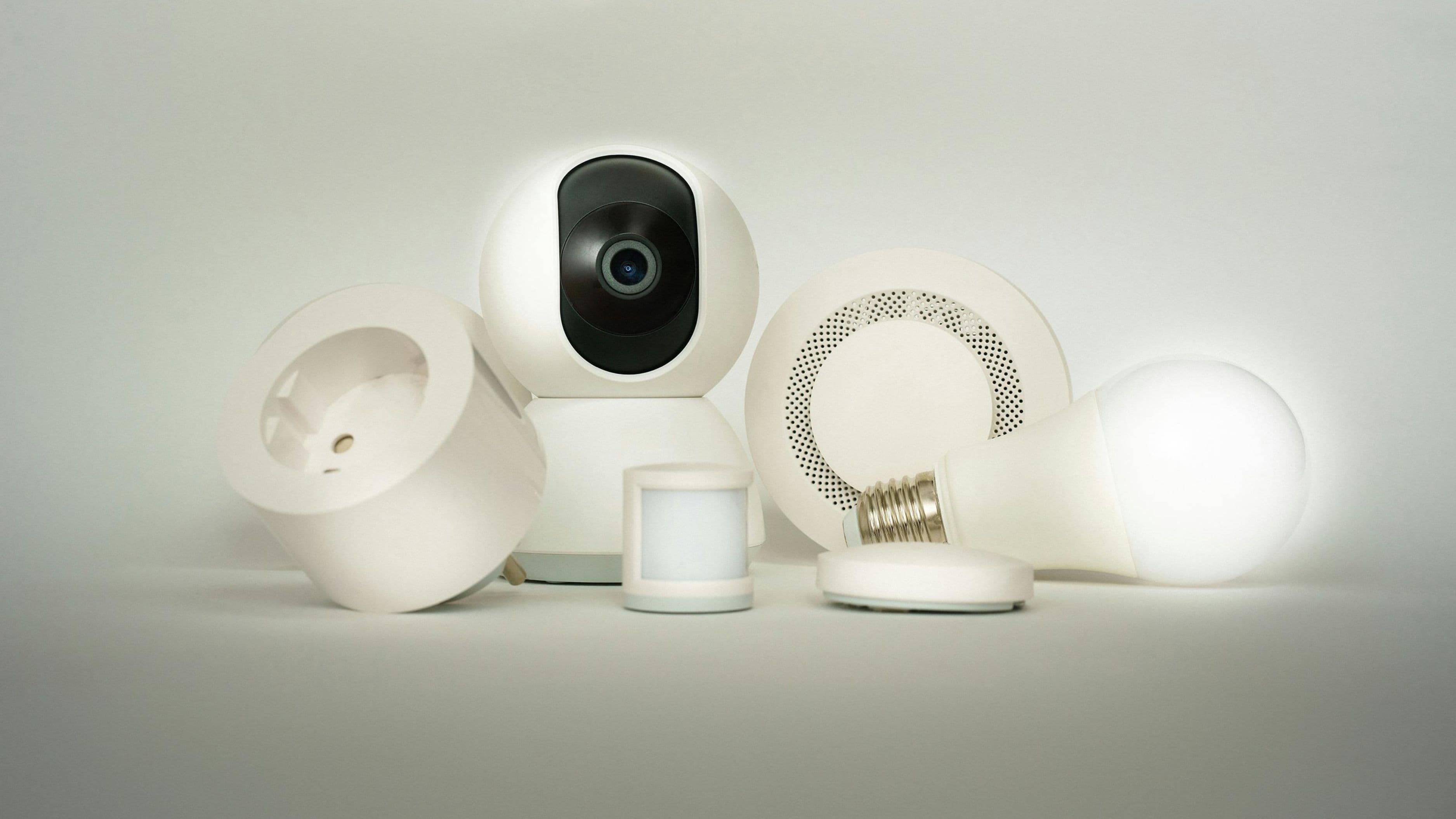
Can I add smart features to my existing "dumb" appliances instead of replacing them? For some appliance types, yes. Smart plugs can add basic remote on/off control to simpler appliances, and standalone leak detectors or diagnostic sensors can add some smart functionality without replacing the entire appliance.
📚 Sources
ENERGY STAR – "Smart Thermostats" – https://www.energystar.gov/products/smart_thermostats
Consumer Reports – "Smart Appliances Buying Guide" – https://www.consumerreports.org/appliances/