


The short answer: Yes, smart windows can significantly reduce energy bills, but the savings depend on your climate, home size, and current windows. Let's break down exactly how much you could save and whether the investment makes financial sense for your situation.
The Real Numbers Behind Energy Savings
Smart windows typically reduce heating and cooling costs by 15-40% annually. That translates to $200-800 per year for the average American household spending $1,200-2,000 on HVAC costs. The variation depends largely on your local climate—homes in Phoenix or Miami see bigger savings than those in Portland or Seattle.
These windows work by automatically darkening when sensors detect intense sunlight, blocking up to 99% of infrared heat while still allowing visible light through. In winter, they remain clear to capture free solar heating. This constant optimization means your air conditioner and heater don't have to work as hard to maintain comfortable temperatures.
Installation Costs vs. Long-Term Payback
The elephant in the room is upfront cost. Smart windows range from $50-150 per square foot installed, compared to $15-40 for high-quality traditional windows. For a typical home with 300 square feet of windows, you're looking at $15,000-45,000 versus $4,500-12,000 for premium conventional windows.
However, the payback period isn't as brutal as those numbers suggest. Factor in energy savings of $400-600 annually, plus potential increases in home value (studies show 3-5% boost in market price), and most homeowners break even within 8-15 years. Given that quality windows last 20-30 years, you'll likely see net positive returns over their lifetime.
Climate Makes All the Difference
Your location dramatically affects potential savings. Homes in hot, sunny climates like Arizona, Texas, and Southern California see the biggest benefits because smart windows excel at blocking unwanted heat gain. These regions can achieve the full 30-40% cooling cost reduction, making the investment worthwhile much faster.
Cold climates with long winters see more modest but still meaningful savings of 15-25%. The windows help retain heat during winter while still blocking excessive summer sun. Moderate climates with mild temperatures year-round typically see the smallest percentage savings, though absolute dollar amounts can still be substantial for larger homes.
Beyond Energy Bills: Hidden Financial Benefits
Smart windows deliver value beyond direct energy savings. They dramatically reduce glare without blocking natural light, potentially eliminating the need for expensive window treatments or motorized blinds. Many homeowners save $2,000-5,000 on custom shades and automated systems alone.
UV blocking protects furniture, flooring, and artwork from fading—preservation that can save thousands in replacement costs over time. The consistent temperature control also reduces hot and cold spots, improving comfort in previously unusable spaces and effectively increasing your home's functional square footage.
Tax Incentives Sweeten the Deal
Federal and state incentives can offset 25-30% of installation costs. The federal residential energy tax credit covers 30% of smart window costs through 2032 (then steps down to 26% in 2033). Many states offer additional rebates, and some utility companies provide cash incentives for energy-efficient upgrades.
These incentives effectively reduce your net investment from $15,000-45,000 to $10,500-31,500 for that typical home. When factored into payback calculations, break-even points drop to 6-12 years in most cases.
Smart Integration Amplifies Savings
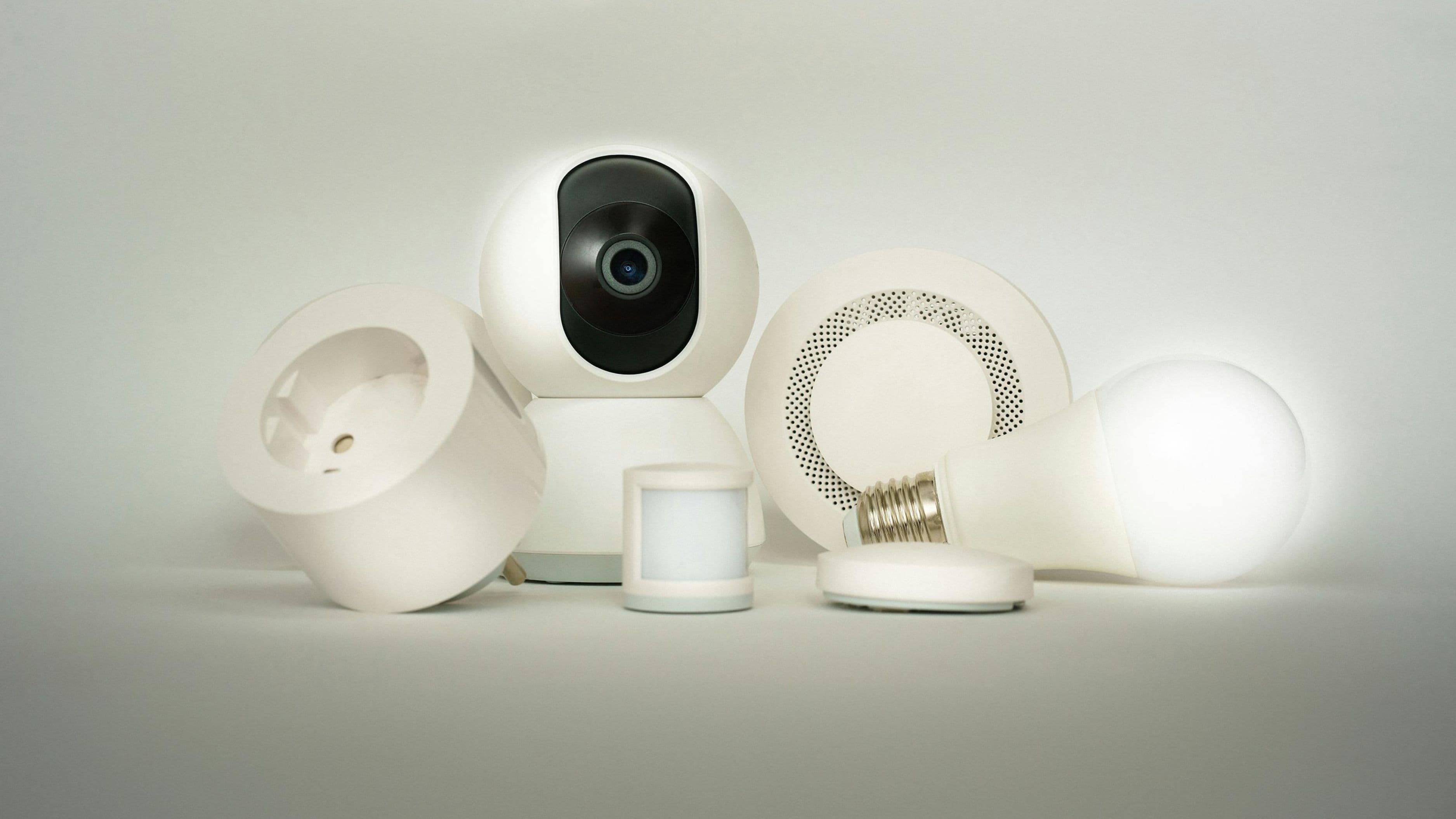
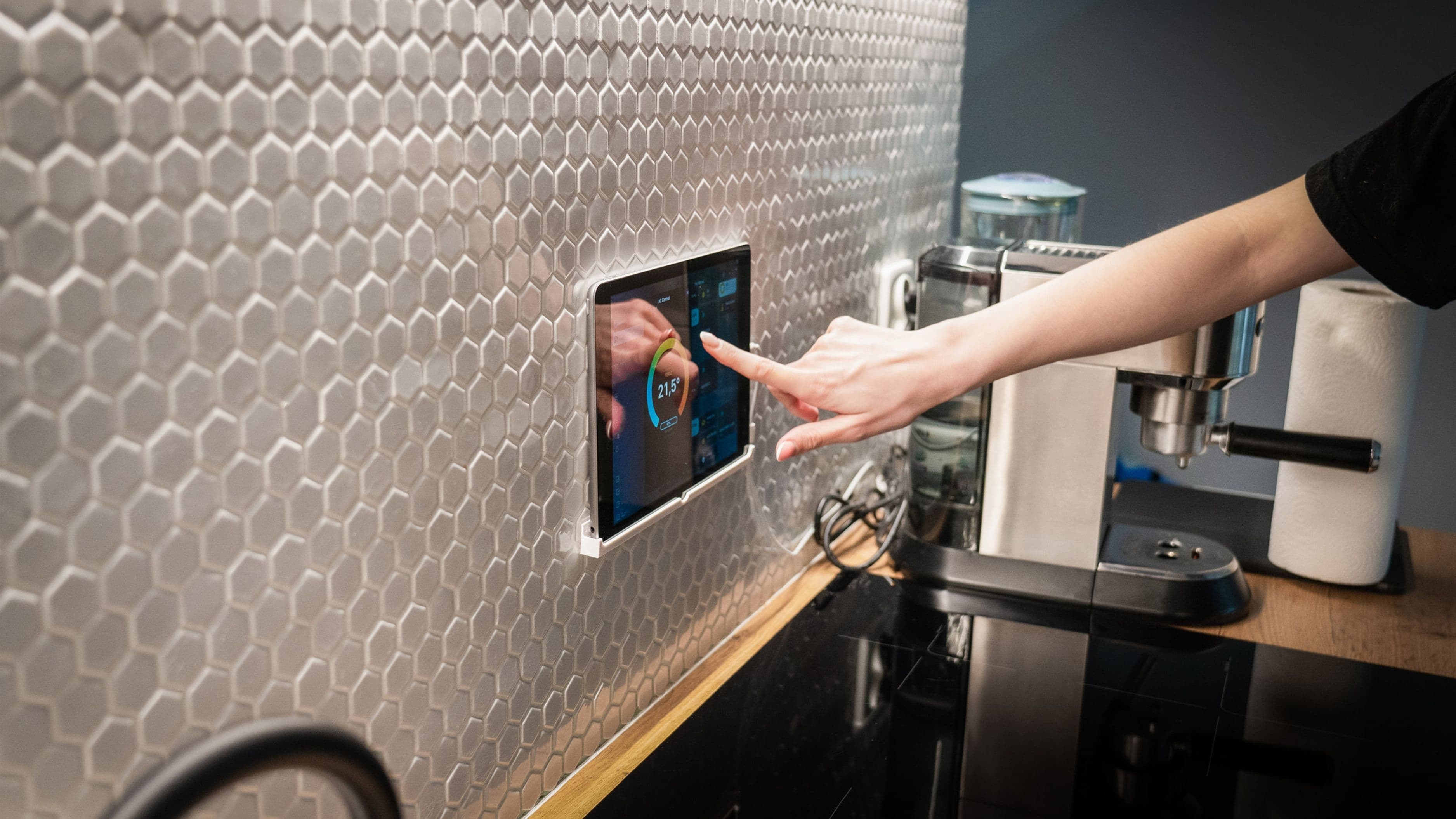
Smart windows become even more cost-effective when integrated with other smart home systems. They can communicate with smart thermostats to optimize heating and cooling schedules based on actual solar gain rather than outdoor temperature alone. This coordination can boost total HVAC efficiency by an additional 5-10%.
Integration with smart lighting systems automatically adjusts interior illumination based on natural light levels, reducing electricity consumption for lighting by 20-30%. These compounding effects mean the total energy savings often exceed what you'd get from upgrading windows alone.
Maintenance and Longevity Considerations
Unlike traditional windows that require regular cleaning and eventual seal replacement, smart windows are remarkably low-maintenance. The electrochromic coating is built into the glass itself, so there are no moving parts to break or films to peel. Most manufacturers offer 10-15 year warranties on the smart functionality and 20+ years on the glass unit itself.
The main maintenance requirement is keeping sensors clean and ensuring WiFi connectivity for app-controlled models. Annual maintenance costs typically run $50-100 per home—far less than the ongoing costs of maintaining motorized blinds or replacing UV-damaged furnishings.
When Smart Windows Don't Make Sense
Smart windows aren't a good investment for every situation. Homes with large, mature trees that already provide natural shading won't see dramatic cooling savings. Properties with small window areas relative to square footage also see limited impact since most heat gain and loss occurs through walls and roofing.
Renters obviously can't justify the investment, and homeowners planning to move within 5-7 years likely won't recoup installation costs. Very new homes with already-efficient windows and excellent insulation may not see enough additional savings to justify the premium.
Getting the Most from Your Investment
To maximize savings, prioritize south and west-facing windows that receive the most intense sun exposure. These installations deliver the biggest bang for your buck. East-facing windows provide moderate benefits, while north-facing windows in most climates see minimal energy impact.
Consider phased installation if budget is tight—start with the highest-impact windows and add others over time. Many installers offer financing options that let monthly payments align closely with energy savings, making the upgrade cash-flow neutral from day one.
The technology continues improving rapidly, with newer models offering faster switching times, better clarity, and lower costs. If you're on the fence, smart windows are becoming a smarter financial choice each year as prices drop and performance improves.
Pick one room with the most problematic sun exposure and get a professional assessment. Understanding your specific savings potential will help you make the smartest decision for your home and budget. Momentum starts small, but the long-term rewards can be substantial.
📚 Sources
National Renewable Energy Laboratory (NREL) - "Electrochromic Window Performance Analysis"
U.S. Department of Energy - "Residential Windows Technology Roadmap"
Lawrence Berkeley National Laboratory - "Energy Savings from Smart Windows in Commercial Buildings"
Database of State Incentives for Renewables & Efficiency (DSIRE)