Step 1: Understand What You're Actually Sizing For
Before looking at any specific battery model, get clear on what you're actually trying to accomplish, since this changes the target size significantly. Backup power for essential circuits during an outage – refrigerator, some lighting, medical equipment, internet – requires meaningfully less capacity than a goal of running your entire home, including major appliances like HVAC and an electric range, off battery power for an extended period.
What this means practically: clarifying this goal first prevents the common mistake of either underbuying for a whole-home backup goal, or overspending on capacity you don't need if your actual priority is just covering essential circuits during a typical outage.
Step 2: Calculate Your Actual Daily Energy Usage
Pull your utility bill's kilowatt-hour (kWh) usage for a representative month, and divide by the number of days to get your average daily consumption. Most US households average somewhere between 25–30 kWh per day, though this varies considerably based on home size, climate, and whether you have significant electric appliances like an electric water heater or EV charging at home.
If you're specifically sizing for backup of essential circuits rather than whole-home coverage, calculate the daily usage of just those specific circuits – refrigerator, key lighting, internet router, and any medical equipment – rather than your home's total average, since this is a meaningfully smaller number that changes your sizing target significantly.
Step 3: Match Battery Capacity to Your Actual Goal
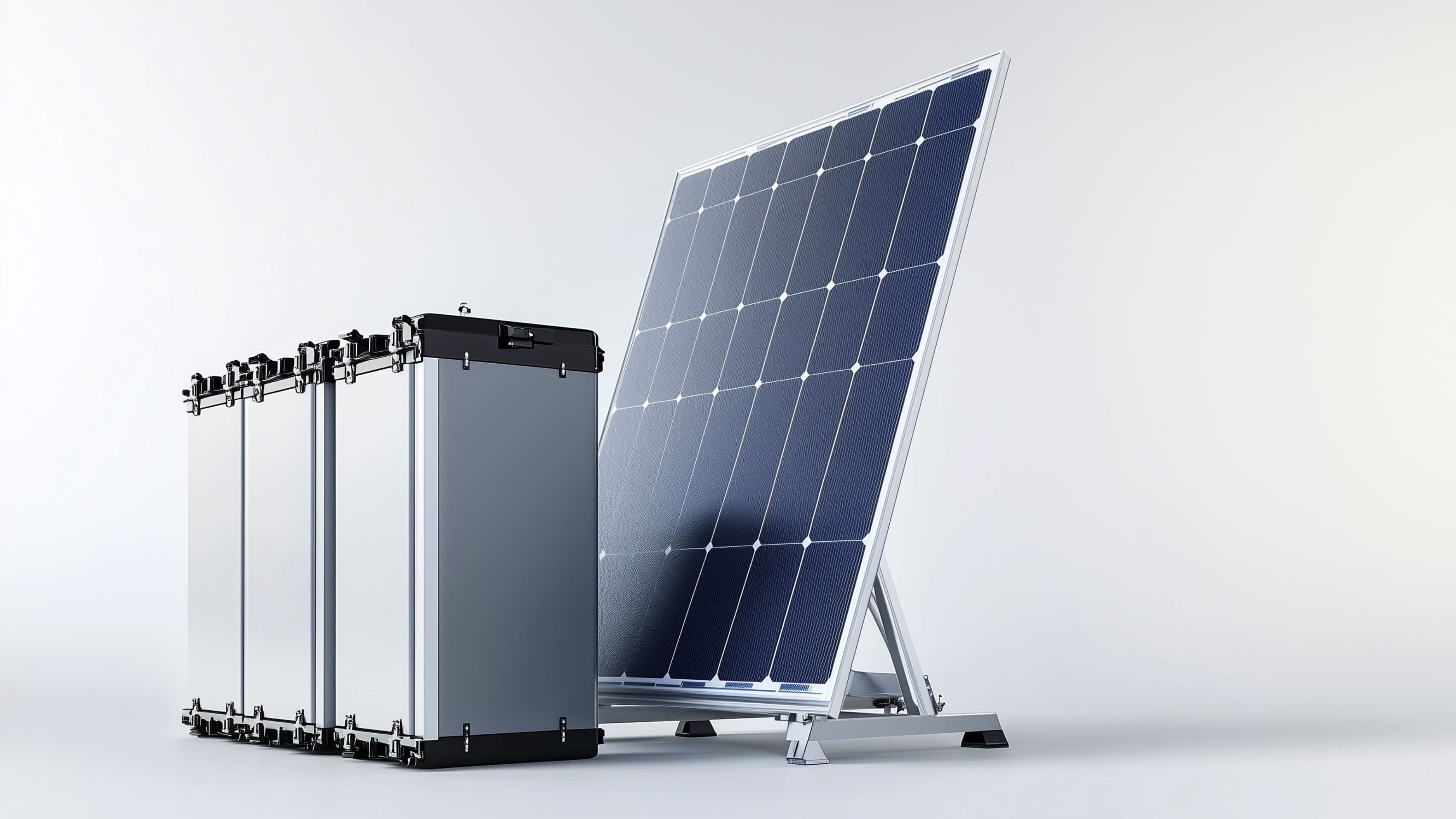
For whole-home backup during a multi-day outage, a general target is having enough battery capacity to cover at least one full day of your average household usage, which for many homes suggests a battery system in the 10–20 kWh range, though homes with higher usage or wanting multi-day coverage without any solar recharging may need proportionally more.
For essential-circuit backup only, a smaller battery in the 5–10 kWh range is often sufficient to cover critical loads for a day or more, since you're powering a much smaller subset of your home's total consumption.
Cost level: Battery systems generally run $800–$1,000 per kWh of capacity installed, meaning a whole-home 15 kWh system might run $12,000–$15,000 before incentives, while a smaller 6-8 kWh essential-circuit backup system runs considerably less, roughly $5,000–$8,000 before incentives.
Step 4: Factor In Your Solar System's Actual Production
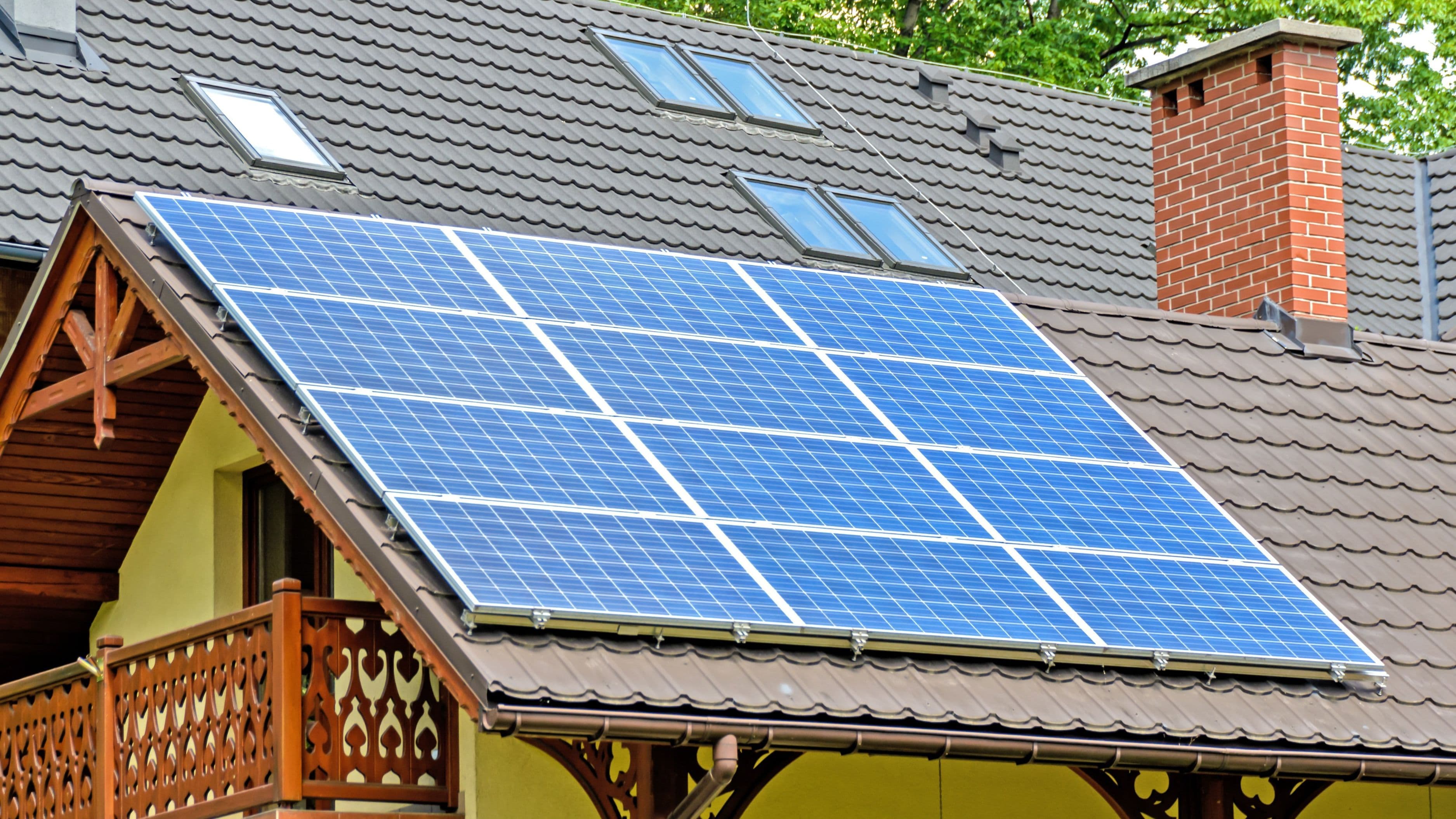
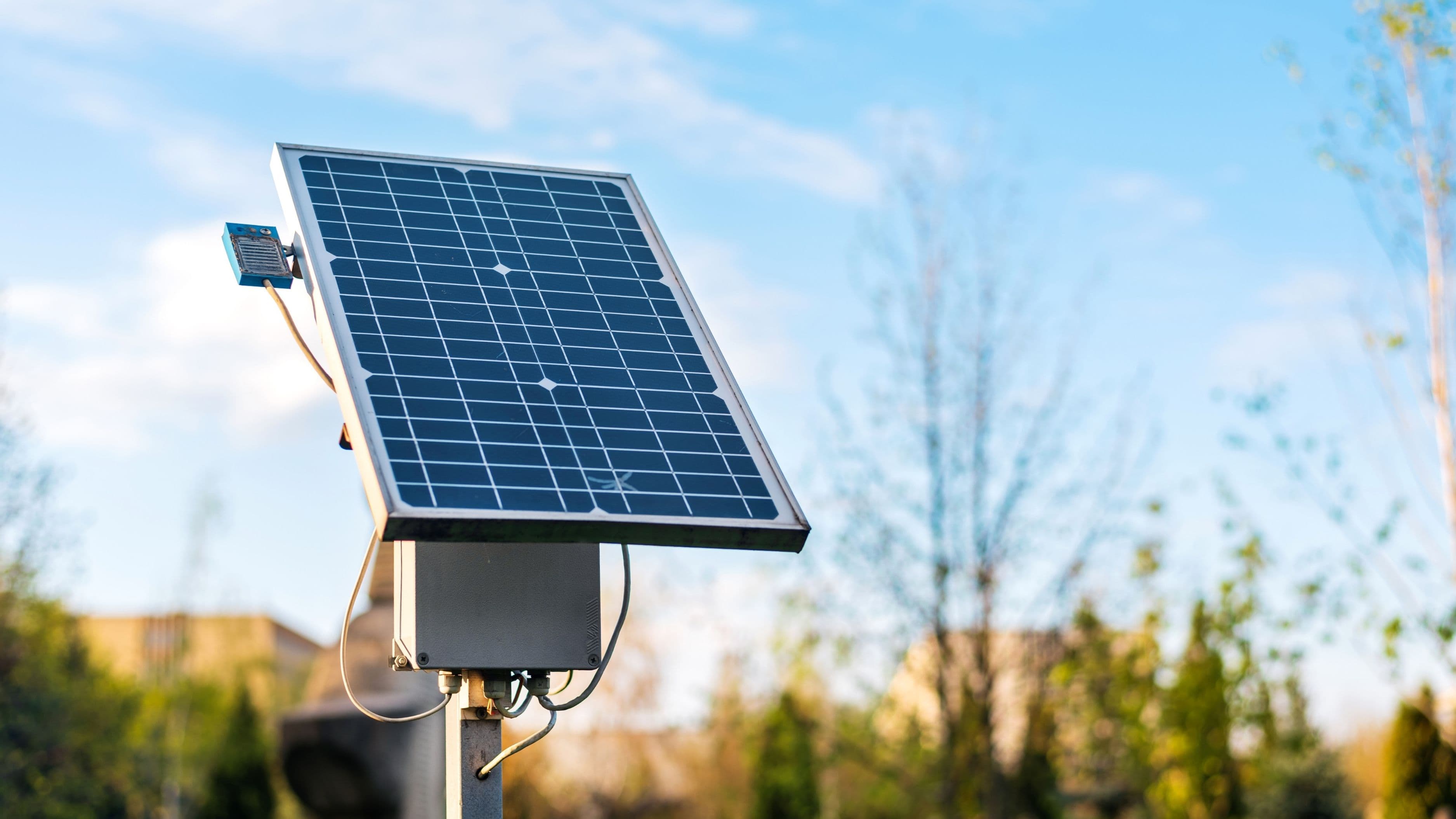
If your battery is meant to recharge from solar production between outages or overnight cycles, the size of your existing solar array matters directly – a battery sized larger than what your solar system can realistically recharge within a day leaves you without a meaningful way to refill capacity during an extended outage without grid power. Check your solar system's average daily production against your target battery capacity to confirm your array can reasonably recharge the battery within your expected usage cycle.
What to avoid: oversizing a battery well beyond what your solar array can recharge in a reasonable timeframe means you're paying for capacity that functions more like a one-time reserve than a genuinely rechargeable daily resource.
Step 5: Consider Your Region's Outage Patterns
Homes in areas with frequent, extended power outages – due to wildfire risk, severe storms, or grid instability – generally benefit from sizing toward the higher end of their calculated range, since the practical value of additional capacity increases meaningfully when outages regularly last multiple days rather than a few hours. In areas with rare, typically brief outages, a more conservative essential-circuit-focused sizing approach is often the more cost-effective choice.
Step 6: Plan for Future Needs, Within Reason
If you're planning to add an EV, a heat pump, or other significant electric load in the near future, it's worth discussing this with your installer when sizing your battery system, since retrofitting additional capacity later is generally more expensive than building in some reasonable headroom during initial installation. That said, avoid dramatically oversizing based on speculative future needs that aren't reasonably concrete, since the added cost of unused capacity sitting unused for years rarely makes financial sense.
Realistic Expectations
Even a well-sized battery system won't provide indefinite power during an extended outage without solar recharging or usage reduction, and most homeowners find that combining battery storage with some conscious load reduction during an outage – running fewer non-essential appliances – extends their effective backup time meaningfully beyond what battery capacity alone would suggest. Battery systems also degrade gradually in capacity over their lifespan, typically retaining 70-80% of original capacity after 10 years depending on the specific battery chemistry and usage patterns, which is worth factoring into long-term expectations rather than assuming day-one capacity remains constant indefinitely.
What to Avoid
Avoid sizing your battery purely based on a sales estimate without independently calculating your actual usage from your utility bill first, since installer recommendations can sometimes lean toward larger, more expensive systems without a clear connection to your specific, actual needs.
Don't assume battery storage alone eliminates the value of continued grid connection in most residential situations – for the vast majority of homeowners, battery storage is best understood as a backup and optimization tool working alongside grid power, not a full grid-independence solution, unless you've specifically designed and sized an off-grid system with a much more substantial investment.
FAQ
How long will my battery actually last during a power outage? This depends entirely on your specific capacity and how much load you're running during the outage – calculating your essential circuit usage against your battery's kWh capacity gives a reasonable estimate, though actual results vary based on real-time usage patterns.
Do I need a whole-home battery system, or is essential-circuit backup enough? This depends on your specific outage risk, budget, and what you consider essential – many homeowners find essential-circuit backup provides meaningful peace of mind at a substantially lower cost than a full whole-home system.
Can I add more battery capacity later if I undersize initially? In many cases yes, though this depends on your specific system's compatibility for expansion, so it's worth discussing this possibility with your installer during initial sizing to keep that option open if you're uncertain about future needs.
Choosing the right solar battery size comes down to clearly defining your actual goal – essential backup or whole-home coverage – and calculating real usage numbers from your utility bill rather than guessing or relying solely on a sales estimate. Getting this sizing right the first time avoids both the cost of unnecessary oversizing and the frustration of a system that can't actually meet your needs when you rely on it most.
📚 Sources
U.S. Department of Energy: Home Energy Storage Guide – https://www.energy.gov/energysaver/battery-storage-your-home
Energy Information Administration: Residential Electricity Usage Data – https://www.eia.gov/consumption/residential/
National Renewable Energy Laboratory: Battery Storage Sizing – https://www.nrel.gov/research/re-storage.html
🔍 Explore Related Topics