


How Solar Panels Are Actually Priced
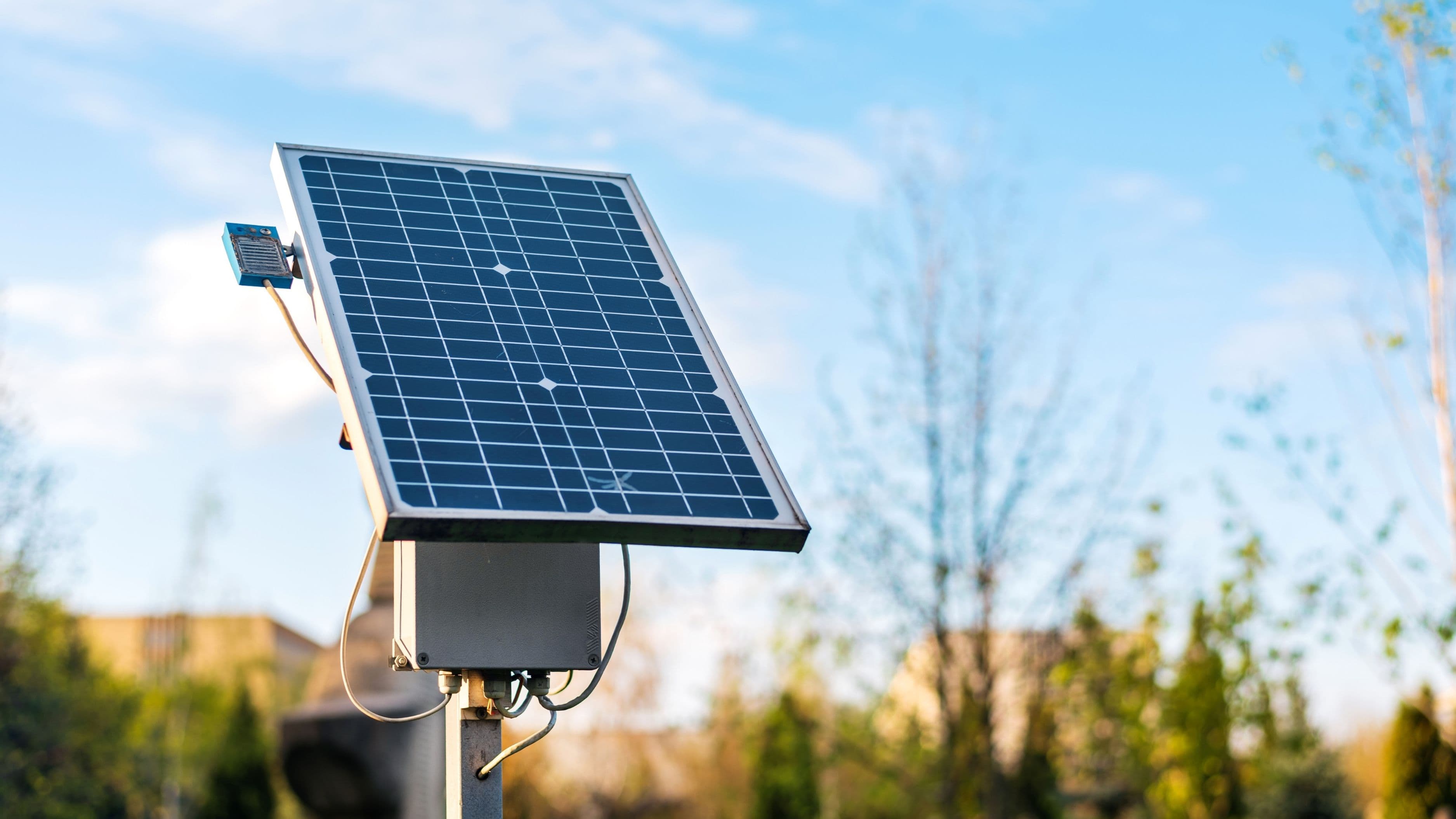
Solar installations are priced by the watt – specifically, by the total kilowatt (kW) capacity of the system. As of 2024–2025, the average installed cost for a residential solar system in the US sits at roughly $2.50 to $3.50 per watt before any incentives are applied. That means a typical 8 kW system – which is enough to cover average electricity consumption for a medium-sized US home – runs $20,000 to $28,000 before federal and state credits.
That per-watt price bundles together several distinct cost components. The solar panels themselves typically account for 25–30% of the total. The inverter – the component that converts the direct current (DC) electricity your panels generate into usable alternating current (AC) electricity for your home – accounts for another 10–15%. The remaining 55–65% covers installation labor, mounting hardware, wiring, permits, and the installer's overhead and profit margin. This breakdown matters because it explains why two quotes for the "same" system can differ by several thousand dollars – labor rates, permit fees, and installer margins vary significantly by region and company.
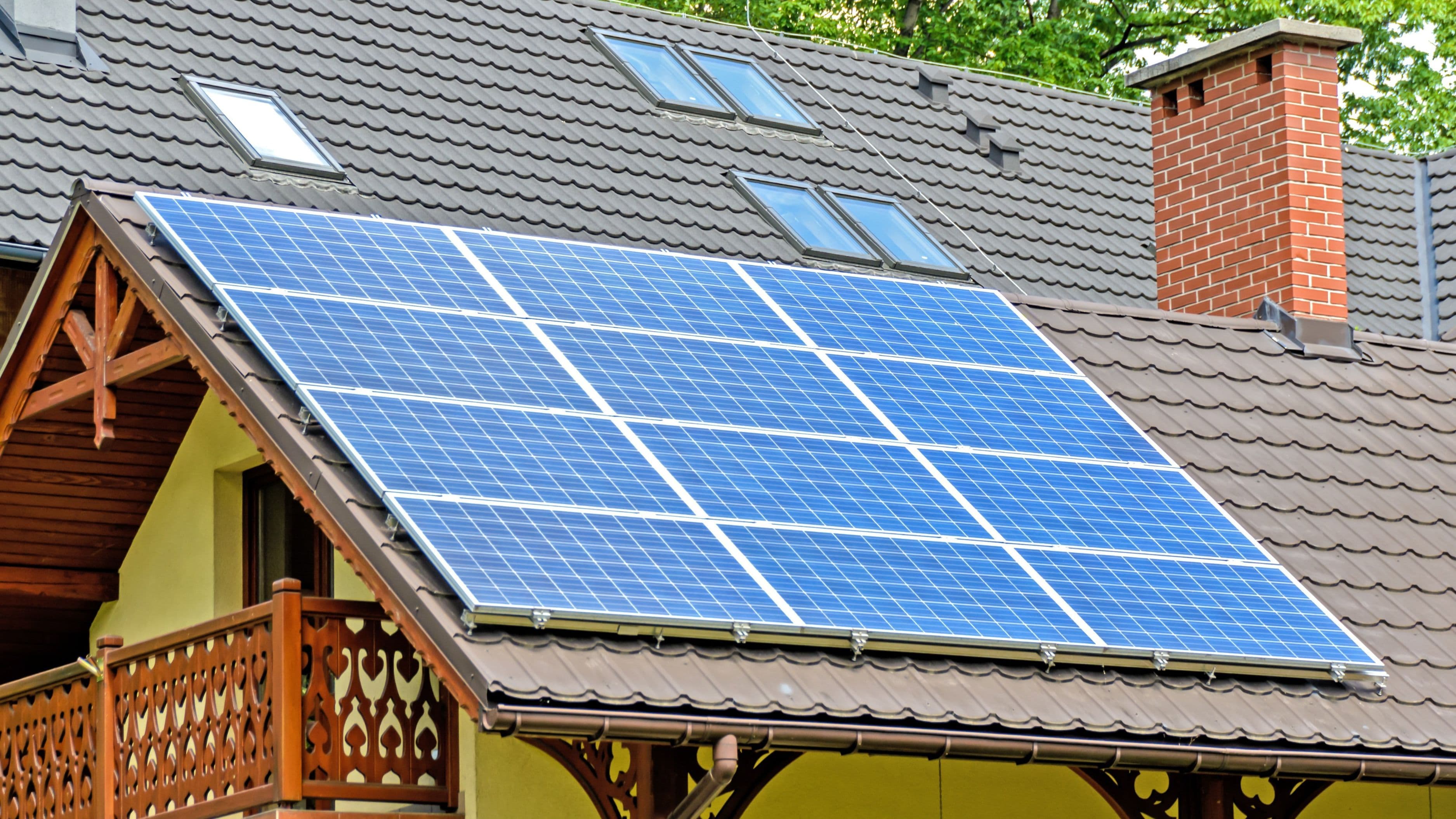
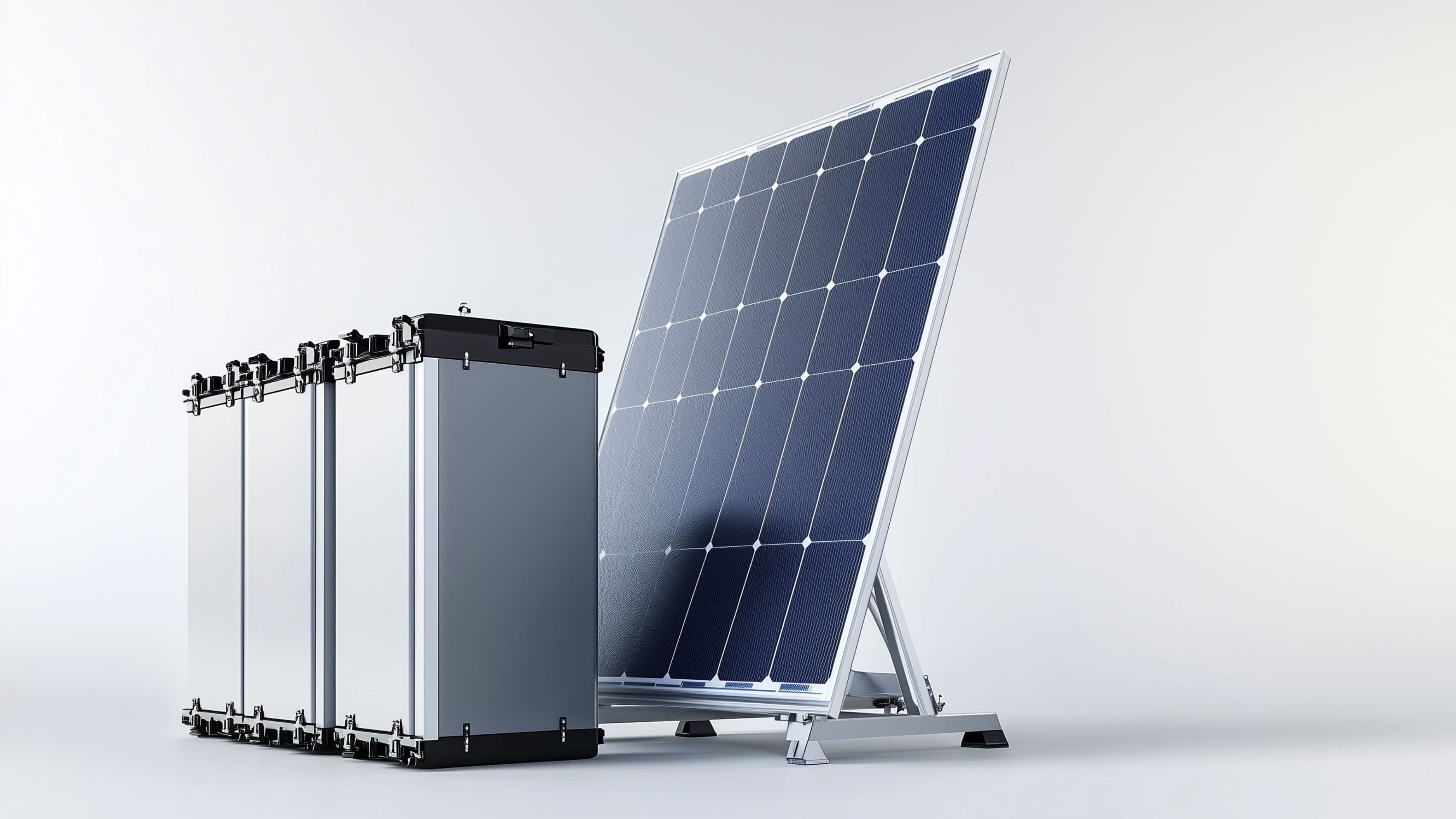
Several factors shift the final price up or down from that average range. A simple south-facing roof with a mild pitch installs faster and costs less than a complex multi-plane roof requiring custom mounting solutions. A system that requires a panel upgrade to your electrical service adds $1,000–3,000. Premium panel brands like LG, Panasonic, or REC command higher per-watt prices than mid-tier panels from Jinko or Canadian Solar. Battery storage, if you choose to add it, is a separate cost typically running $8,000–15,000 for a single Tesla Powerwall or comparable unit.
The Tax Credit and Incentives Landscape
The single most important number to understand when evaluating solar pricing right now is the federal Investment Tax Credit (ITC). Under the Inflation Reduction Act passed in 2022, the ITC was extended and increased to 30% of your total installed system cost, and it remains at that level through 2032 before stepping down. This credit applies directly to your federal tax liability – not as a deduction, but as a dollar-for-dollar reduction in what you owe.
On a $24,000 system, the federal ITC alone reduces your net cost by $7,200, bringing the effective cost to $16,800. Crucially, the credit applies to battery storage too if it's charged by the solar system, which significantly improves the economics of adding storage. The ITC doesn't cap out at a system size limit for residential installations – the full 30% applies regardless of system size.
Many states stack additional incentives on top of the federal credit. Massachusetts, New York, New Jersey, and California offer state tax credits or direct rebates that can take another $1,000–5,000 off the cost. Some utilities offer their own rebates for solar installations, and net metering policies – which determine how much your utility pays for excess power your system sends back to the grid – vary significantly by state and can substantially affect your payback period. Checking your state's policy through the Database of State Incentives for Renewables and Efficiency (DSIRE) before you get quotes is a step that's genuinely worth the ten minutes it takes.
Understanding Payback Period and Long-Term Value
The payback period is the most useful single metric for evaluating whether solar is financially worth it for your situation. It's the number of years it takes for your accumulated energy savings to equal your net installation cost after incentives.
The national average payback period for residential solar currently sits between 6 and 10 years, depending primarily on your electricity rate, your consumption, and your state's net metering policy. In states with high electricity rates – California, Hawaii, Massachusetts, Connecticut – payback periods as short as 5–7 years are achievable for well-designed systems. In states with low electricity rates – Louisiana, Oklahoma, Washington – the math is harder and payback periods of 10–14 years are more common.
After the payback period, the value calculus shifts dramatically. Solar panels carry manufacturer performance warranties of 25 years and typically produce at 80–90% of original capacity after 25 years. Everything your system generates after the payback period represents pure savings – free electricity against a grid rate that has historically increased 2–3% annually. Over a 25-year system life, a homeowner in a high-electricity-cost state who hits a 7-year payback period might see lifetime savings of $40,000–70,000 compared to buying all electricity from the utility. That's not a guaranteed number – it depends on future electricity rates, your consumption patterns, and how well the system performs – but the directional math is compelling in the right markets.
There's also the home value dimension. A Lawrence Berkeley National Laboratory study found that solar installations add an average of $4 per watt to a home's resale value – meaning an 8 kW system adds approximately $32,000 to the appraised value. That premium isn't universal and varies by market, but it's a consistent finding across multiple research efforts and worth factoring into the overall picture.
When the Economics Work Best (and When They Don't)
Solar works best when several conditions align. High electricity rates make the savings per kilowatt-hour generated more valuable. A roof with good solar exposure – ideally south-facing at 15–40 degrees pitch with minimal shading – produces more energy and pays back faster. Owning rather than renting is essentially required; solar adds value to the asset and the financing usually ties to the property. And having sufficient tax liability to use the ITC matters – if your federal tax liability is less than 30% of the system cost, you won't be able to use the full credit in one year, though it can be carried forward.
The economics are more challenging in a few specific situations. If you're planning to sell the home within 3–5 years, the payback period likely extends beyond your ownership horizon, and while solar adds value, the premium at resale is harder to quantify precisely. If your home uses natural gas for heating and cooking and your electric bill is already modest – say, below $80–100 per month – the annual savings may be small enough that the payback period becomes uncomfortably long. And if your roof needs replacement within the next 5–10 years, it almost always makes sense to replace the roof first or budget the replacement into the solar project – re-mounting panels later costs $1,500–4,000 for labor and is avoidable.
Leasing vs. Buying: The Trade-Off Worth Understanding
If the upfront cost is a barrier, two alternatives exist: solar loans and solar leases/power purchase agreements (PPAs). They work very differently and lead to very different long-term outcomes.
A solar loan lets you own the system from day one and claim the full federal tax credit. You pay monthly on the loan (typically 5–25 year terms at 3–8% depending on credit), and the loan payment is ideally lower than your monthly electricity savings from the start. You own the equipment, benefit from any home value increase, and can pay off early if you refinance or have excess cash. Most solar companies offer loans directly or through financing partners.
A solar lease or PPA means a third-party company owns the panels on your roof. You pay them monthly (a lease payment or a per-kWh rate on a PPA), typically at a rate below your utility rate. The appeal is no upfront cost and no responsibility for system maintenance. The downside is significant: you don't own the asset, you don't get the tax credit (the financing company does), and the lease transfers complications when you sell the home – the buyer has to assume the lease or you have to buy out the system, which can complicate real estate transactions. Leases made more sense before the ITC was as generous as it is now. For most homeowners who can finance a purchase, owning rather than leasing is the better long-term decision.
What to Avoid
The most common mistake is accepting the first quote without getting at least two or three comparisons. Solar installation pricing is not regulated, and markup practices vary widely. Getting three quotes from installers who can pull permits in your jurisdiction takes a few days and can realistically save $3,000–8,000 on a mid-sized system. Use the EnergySage marketplace, which lets installers compete for your business online, as a benchmark even if you ultimately go with a local company.
Avoid installers who pressure you to sign the same day, quote systems in terms of monthly payment only without disclosing the full system cost and interest rate, or can't provide references from nearby completed installations. High-pressure tactics and opaque pricing are more common in the solar industry than in most home improvement categories.
Be realistic about energy offset. Installers sometimes quote system sizes that cover 100% or more of your annual consumption, but actual production depends on weather, seasonal variation, and shading patterns that can't always be predicted precisely. A system designed to offset 85–95% of your usage is often more realistic than a 100% offset pitch.
Finally, don't overlook net metering policy before committing. Several states have recently reduced the compensation rate for excess solar power fed back to the grid, which lengthens payback periods compared to older estimates. Your state's current net metering rules should be part of every financial analysis you do before signing a contract.
FAQ
Does my roof direction matter that much? Yes, significantly. A south-facing roof at a pitch between 15–40 degrees is ideal and produces the most energy annually in the continental US. East or west-facing roofs produce roughly 15–20% less than an equivalent south-facing array. North-facing roofs are generally not viable for solar in most US markets. Shading from trees or neighboring structures has a disproportionate effect because even partial shading on one panel can reduce output of the string it's connected to.
How long do solar panels actually last? Most manufacturers warrant their panels to produce at least 80% of rated output after 25 years. Real-world degradation is typically around 0.5% per year, meaning most panels are still producing close to 90% of their original capacity at the 20-year mark. Inverters typically need replacement once during that span, usually at 10–15 years, at a cost of $1,000–2,500.
Is a battery worth adding to a solar system? It depends on your grid situation and goals. If your utility has time-of-use (TOU) pricing – where electricity costs more during peak hours in the evening – a battery lets you store solar energy generated during the day and use it during expensive peak periods rather than drawing from the grid. It also provides backup power during outages. The 30% ITC now applies to batteries installed with solar, which improves the economics considerably. If your main goal is simply reducing your electricity bill and your grid is reliable, a battery adds complexity and cost that may not pay back as quickly as the panels themselves.
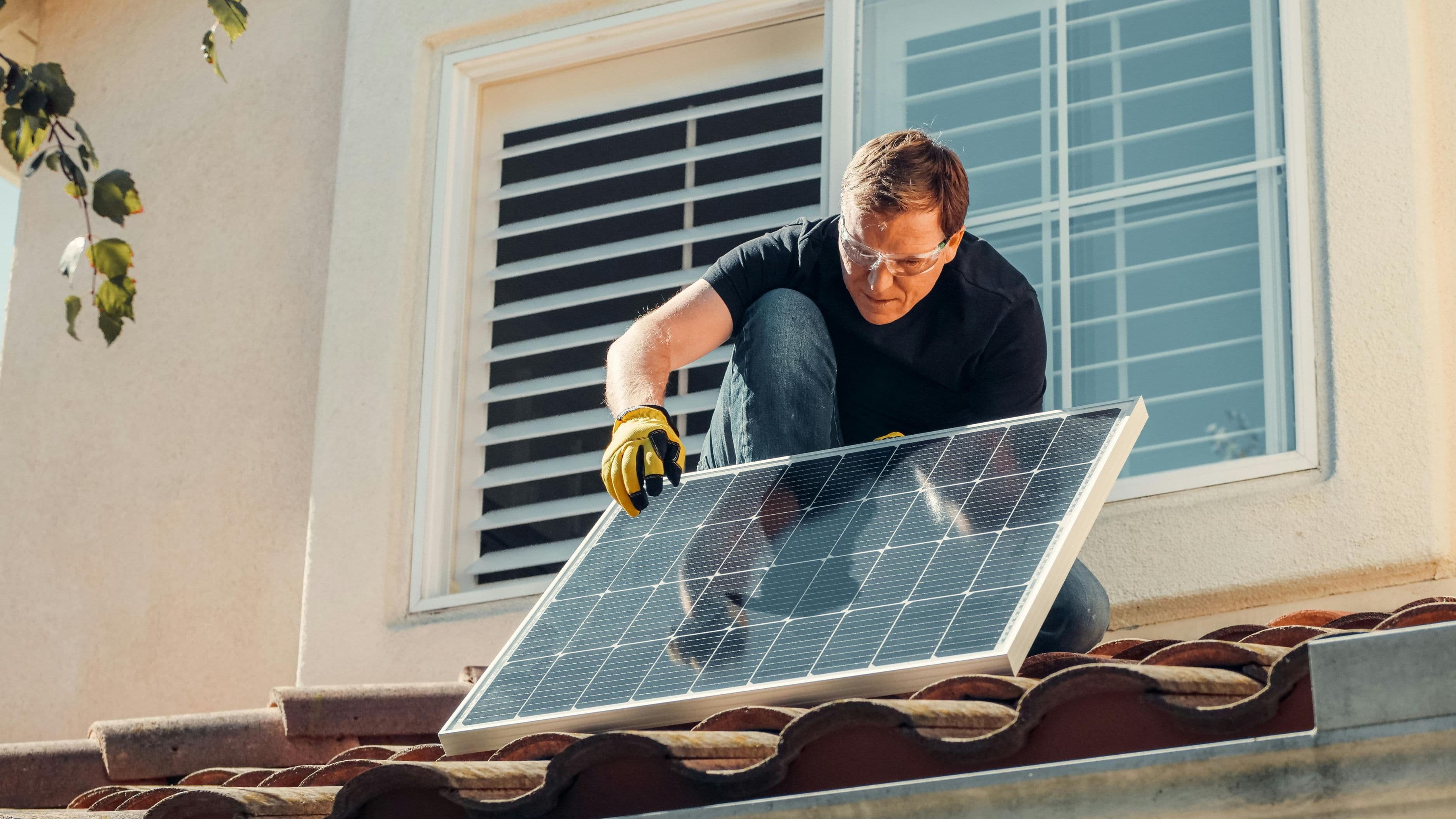
Can I install solar panels myself? Technically possible for some homeowners with significant electrical knowledge, but it's rarely advisable. Permits are required in virtually every jurisdiction, and most permitting authorities require licensed electrical contractor sign-off. Roof penetrations done incorrectly void roofing warranties. And DIY installations typically aren't eligible for utility net metering programs. The labor component of a solar install is one of the smaller cost items relative to the total – saving it while taking on those risks and complications usually doesn't pencil out.
What's the best way to get accurate quotes? Use a combination of the EnergySage marketplace (which gets you multiple competing installer quotes in a single place) and one or two local installers for comparison. Give every installer the same inputs – last 12 months of electric bills, your current roof age and material, and your net metering situation – so the quotes are directly comparable. Don't compare quotes that include different system sizes, panel brands, or warranty terms without adjusting for those differences.
📚 Sources
National Renewable Energy Laboratory – Residential Solar Installed Price Trends – https://www.nrel.gov/docs/fy24osti/87792.pdf
U.S. Department of Energy – Homeowner's Guide to the Federal Tax Credit for Solar Photovoltaics – https://www.energy.gov/eere/solar/homeowners-guide-federal-tax-credit-solar-photovoltaics
Database of State Incentives for Renewables and Efficiency – DSIRE – https://www.dsireusa.org/
Lawrence Berkeley National Laboratory – Selling Into the Sun: Price Premium Analysis of a Multi-State Dataset of Solar Homes – https://emp.lbl.gov/publications/selling-sun-price-premium-analysis
EnergySage – Solar Panel Cost and Payback Period Data – https://news.energysage.com/how-much-does-the-average-solar-panel-installation-cost-in-the-u-s/
Solar Energy Industries Association – Solar Investment Tax Credit (ITC) – https://www.seia.org/initiatives/solar-investment-tax-credit-itc