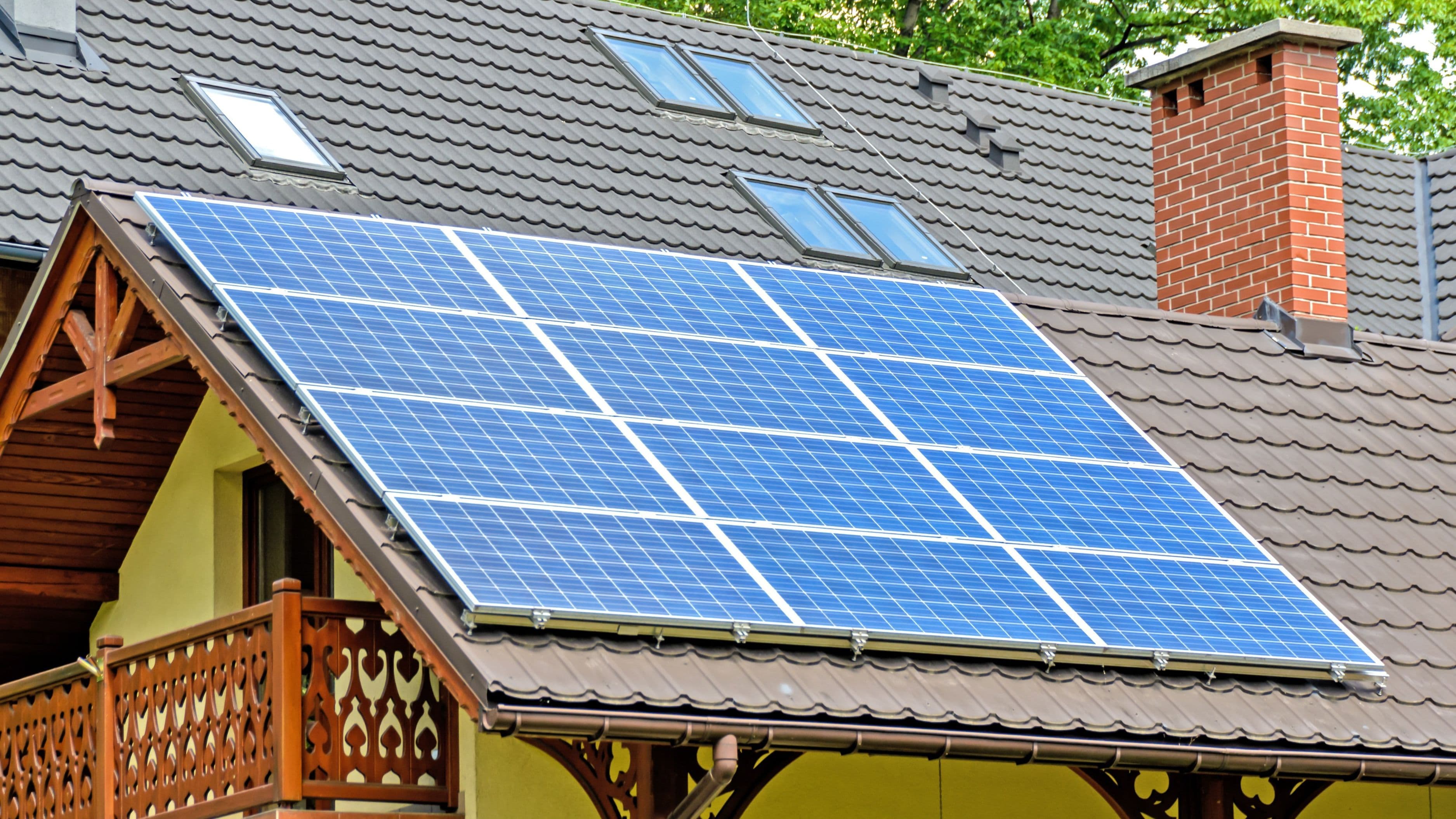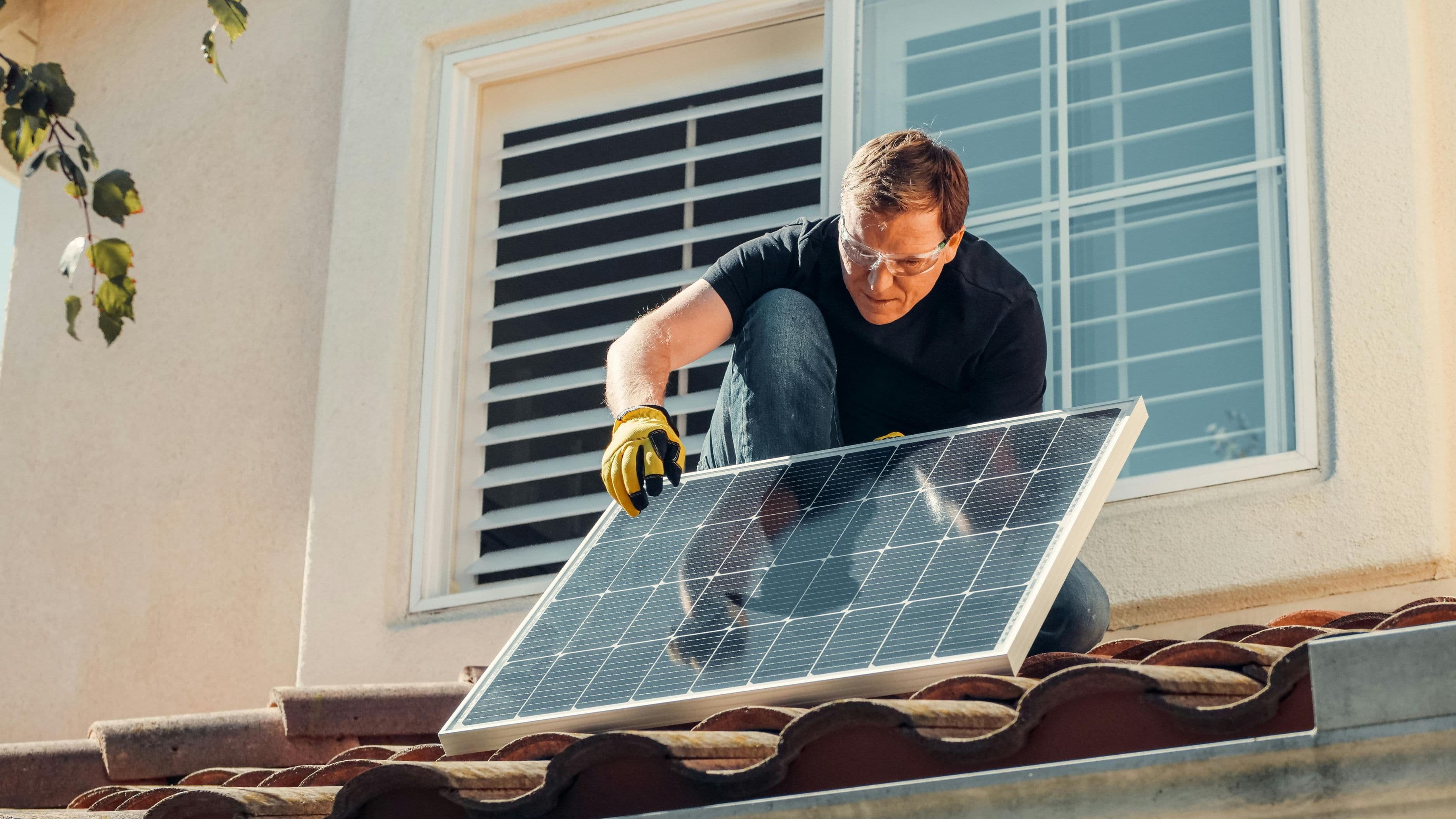



The truth is, your roof isn't just shelter anymore — it's potential real estate that could be earning you money every single month. But here's the kicker: the traditional solar industry has been selling you only half the story, focusing on savings while completely overlooking the income-generating possibilities that savvy homeowners are already capitalizing on.
The Big Solar Lie Everyone Believes
Myth : Solar panels only save you money on electricity bills
Truth : Solar systems can actually generate multiple income streams beyond just reducing your utility costs
Most people think solar is a simple equation: install panels, use less grid electricity, save money. But this narrow view misses the revolutionary potential of what experts call "solar arbitrage" — the practice of strategically timing when you use, store, and sell your solar energy back to the grid. In states with net metering programs, your excess solar production doesn't just zero out your bill; it literally spins your meter backward, creating credits you can bank or sell.
Smart homeowners are discovering they can time their energy usage around peak pricing periods, essentially buying low and selling high with their own electricity. When utility rates spike during summer afternoons, your panels are producing maximum power that you can sell back at premium prices while you're at work.
The Hidden Goldmine in Time-of-Use Rates
Myth : All electricity costs the same throughout the day
Truth : Energy prices fluctuate dramatically, creating profit opportunities for solar owners
Here's where it gets interesting: utility companies charge different rates depending on when you use electricity. Peak hours (typically 4-9 PM) can cost 3-4 times more than off-peak rates. Most homeowners blindly pay these variable rates, but solar owners with battery storage can game this system like day traders.
During cheap morning hours, you can charge your batteries with grid electricity at rock-bottom prices. Then, when peak rates kick in, you're running your home on stored power while simultaneously selling your live solar production back to the utility at peak prices. It's like having a personal power plant that automatically buys low and sells high.
Some California homeowners report earning $200-400 per month during peak summer months using this strategy. The key is understanding your local utility's rate structure and sizing your battery system to maximize arbitrage opportunities rather than just backup power.
Virtual Power Plants : Your Ticket to Energy Independence
Myth : Individual solar systems can't make a real impact on the grid
Truth : Aggregated home solar systems are becoming virtual power plants that utilities actually pay to participate in
The energy landscape is shifting toward what experts call "virtual power plants" — networks of distributed solar and battery systems that work together to stabilize the grid. Tesla, Sunrun, and other companies are paying homeowners to join these networks, essentially turning your solar system into a revenue-generating asset that helps balance supply and demand.
When you join a virtual power plant program, your battery system automatically responds to grid signals, discharging stored power during peak demand periods and earning you payments for this service. It's completely passive income — your system handles everything automatically while you collect checks for helping stabilize the electrical grid.
Early adopters in Vermont, California, and Texas are already earning $10-50 per month just for allowing their batteries to participate in grid balancing services. As more utilities recognize the value of distributed energy resources, these payment programs are expanding rapidly across the country.
Solar Leasing : The Rental Property You Never Considered
Myth : You need to own expensive solar equipment to benefit
Truth : Solar leasing and power purchase agreements can generate immediate cash flow without upfront investment
Think of solar leasing like becoming a landlord for your roof space. Companies will install and maintain solar systems on your property at no cost, then pay you monthly rent for the privilege of using your roof. Meanwhile, you get reduced electricity bills and often additional cash payments on top of the savings.
Some innovative homeowners are taking this concept further by partnering with community solar developers. Your property becomes a host site for a larger solar installation that serves multiple customers, generating substantial monthly lease payments that can range from $500 to $2,000 depending on your roof size and location.
The beauty of this approach is zero maintenance responsibility — the solar company handles all repairs, cleaning, and insurance while you collect passive income from an asset you already own: your roof space.
Solar Credits : The Government Money Tree
Myth : Solar incentives are too complicated and not worth pursuing
Truth : Federal, state, and local solar incentives can stack to create immediate cash returns exceeding your investment
The federal solar tax credit alone covers 30% of your system cost, but that's just the beginning. Many states offer additional rebates, and some utilities provide cash incentives for solar installations. When you stack these programs strategically, your total incentives can actually exceed your out-of-pocket costs.
Maryland homeowners, for example, can combine the federal credit with state grants and utility rebates to achieve negative net costs — meaning they get paid to install solar. Similarly, Massachusetts offers Solar Renewable Energy Credits (SRECs) that trade like stocks, providing ongoing income for every megawatt-hour your system produces.
The key is understanding that these aren't just savings — they're actual cash payments and credits you can use for other investments or expenses. Some homeowners use their solar incentive windfalls to invest in additional income-generating assets, creating a compound effect from their initial solar decision.
Energy Storage Arbitrage : Banking Sunshine for Profit
Myth : Solar batteries are just expensive backup power systems
Truth : Battery storage enables sophisticated energy trading strategies that generate consistent monthly profits
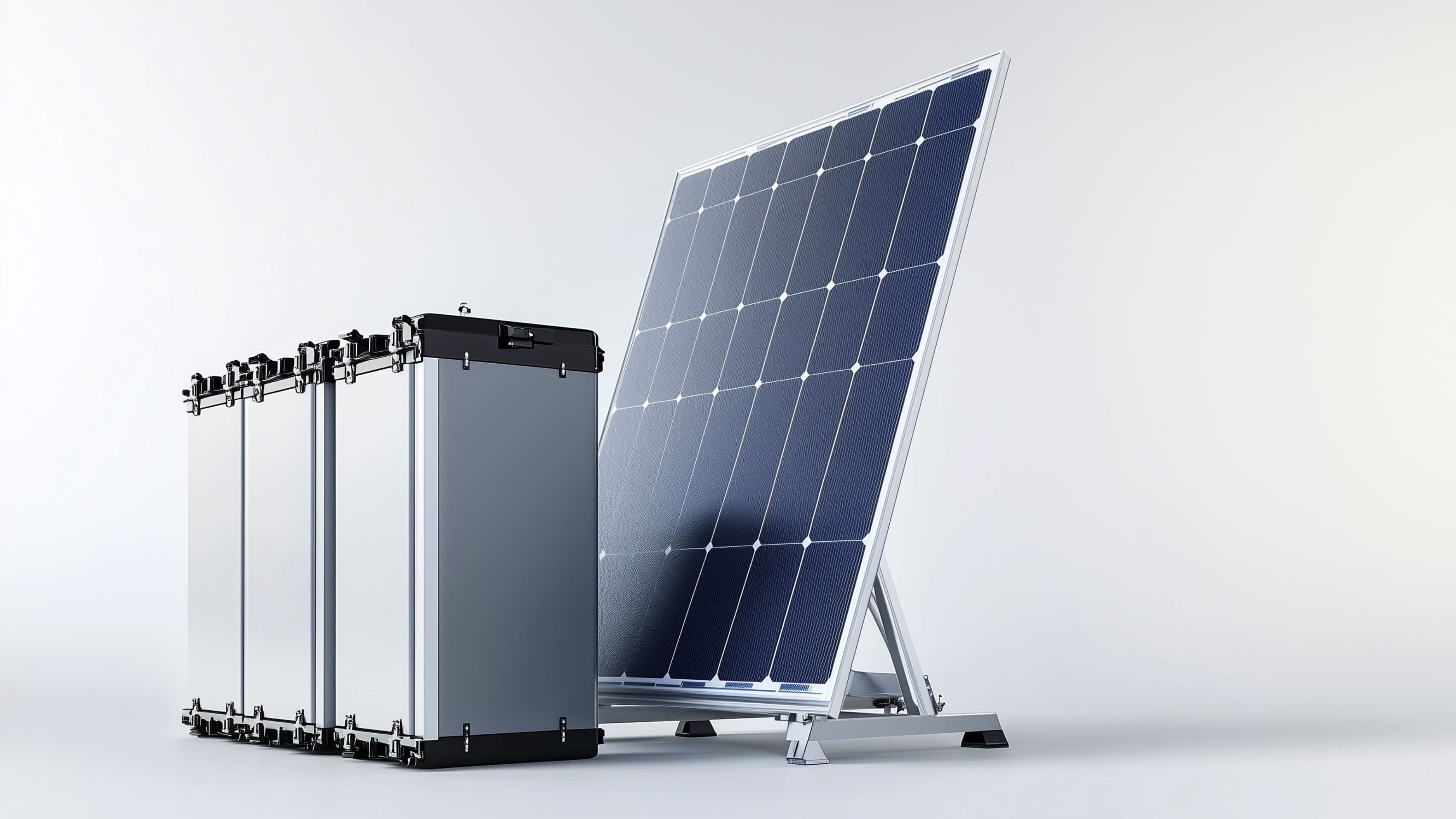
Battery technology has reached a tipping point where storage systems pay for themselves through energy arbitrage alone, without considering backup power benefits. Tesla Powerwalls, Enphase batteries, and other systems can be programmed to automatically buy electricity when rates are low and discharge when prices spike.
In Hawaii, where electricity rates exceed 30 cents per kilowatt-hour, homeowners with solar-plus-storage systems often achieve complete energy independence while generating surplus income. The key is oversizing your battery capacity relative to your daily usage, creating excess storage that can be cycled multiple times per day for maximum arbitrage profits.
Advanced battery management systems can even predict weather patterns and grid demand, automatically adjusting charging and discharging schedules to optimize revenue. It's like having an AI trader managing your personal energy portfolio 24/7.
The Community Solar Revolution
Myth : You need perfect roof conditions to benefit from solar
Truth : Community solar programs let anyone invest in solar projects and receive monthly energy credits regardless of their property situation
Not everyone has an ideal roof for solar, but community solar opens up solar investment opportunities for renters, condo owners, and anyone with shading issues. These programs let you purchase or lease shares in large solar installations, then receive credits on your utility bill proportional to your investment.
What most people don't realize is that community solar shares often appreciate in value over time, creating both monthly cash flow and long-term capital appreciation. Some programs allow you to sell your shares to other participants, essentially creating a secondary market for solar investments.
Innovative investors are building portfolios of community solar shares across multiple projects and states, diversifying their clean energy investments while generating predictable monthly income streams that often exceed traditional dividend stocks.
Power Purchase Agreements : The Ultimate Passive Income
Myth : Solar requires significant upfront investment and ongoing maintenance
Truth : Power Purchase Agreements (PPAs) provide immediate savings and often additional income with zero upfront costs
PPAs represent the ultimate passive solar income strategy: a company installs and maintains a solar system on your property, sells you the power at a discounted rate, and often pays you additional rent for roof space usage. You get lower electricity bills plus monthly payments without any investment or maintenance responsibilities.
The most sophisticated PPA structures include escalator clauses that increase your monthly payments over time, providing inflation protection for your passive income stream. Some agreements even include profit-sharing provisions that give you a percentage of excess energy sales back to the utility.
Forward-thinking property investors are specifically seeking homes with PPA-suitable roofs, recognizing that these agreements can add $100-300 per month in immediate cash flow to rental properties while reducing operating expenses through lower utility costs.
Conclusion : Escape the Solar Savings Trap
Let go of the outdated belief that solar is just about reducing your electricity bill — and start recognizing your roof as untapped income-generating real estate. The energy companies banking billions in profits understand something most homeowners don't: electricity isn't just a commodity to consume, it's an asset to trade, store, and monetize strategically.
The solar revolution isn't coming — it's here, and the early adopters are already building wealth while traditional homeowners remain stuck paying ever-increasing utility bills. Your roof receives the same sunshine that could be generating multiple income streams, from grid arbitrage to virtual power plant payments to community solar investments.
Stop thinking like an energy consumer and start acting like an energy entrepreneur. The sun rises every day whether you're capturing its profit potential or not — but only one choice builds wealth while protecting the planet.
📚 Sources
1. U.S. Energy Information Administration. "Electric Power Monthly." December 2024.
2. National Renewable Energy Laboratory. "Solar Futures Study." September 2021.
3. Rocky Mountain Institute. "The Economics of Battery Energy Storage." 2015.
4. Solar Power World Magazine. "Virtual Power Plants Market Analysis." November 2024.