
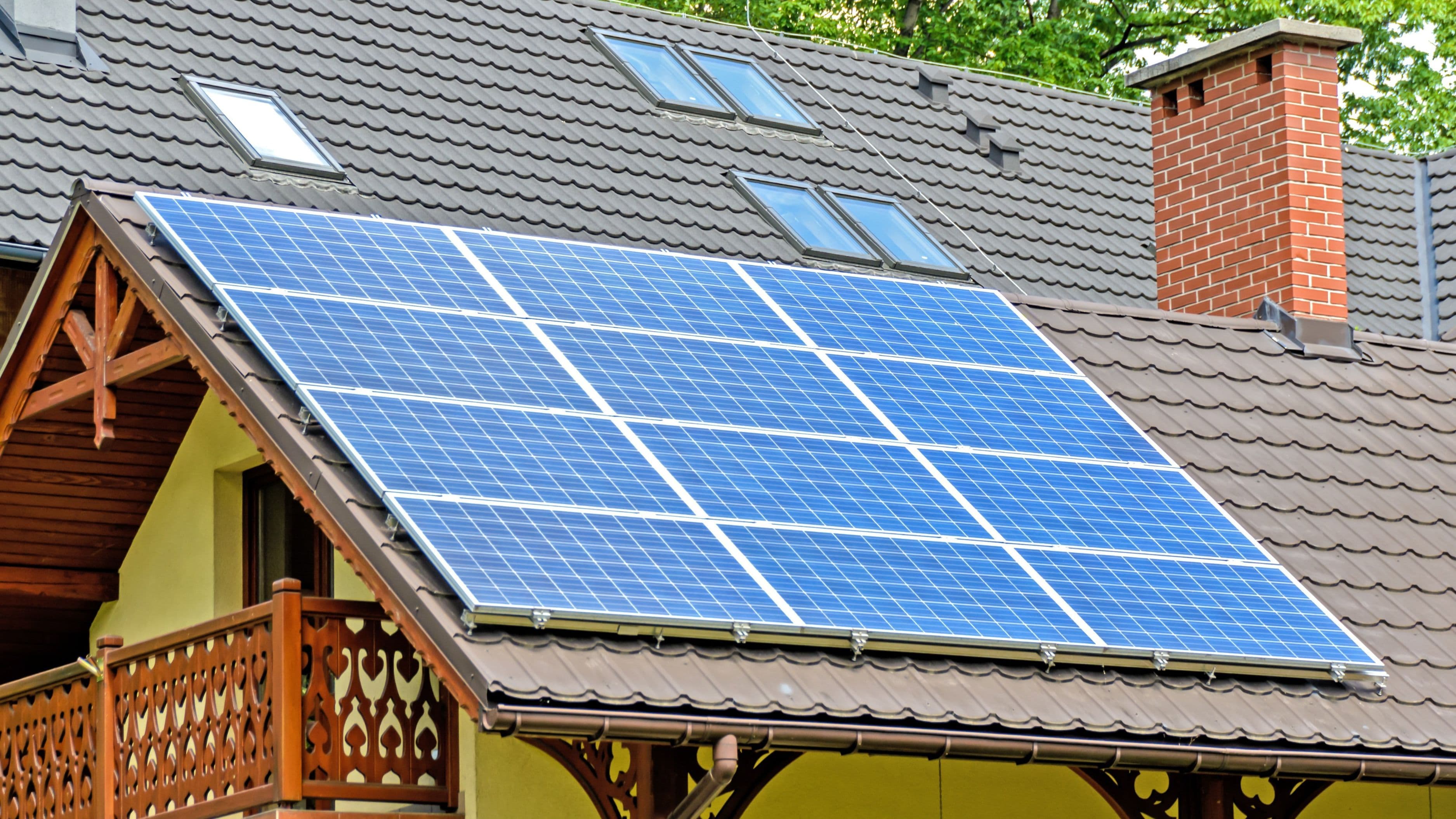
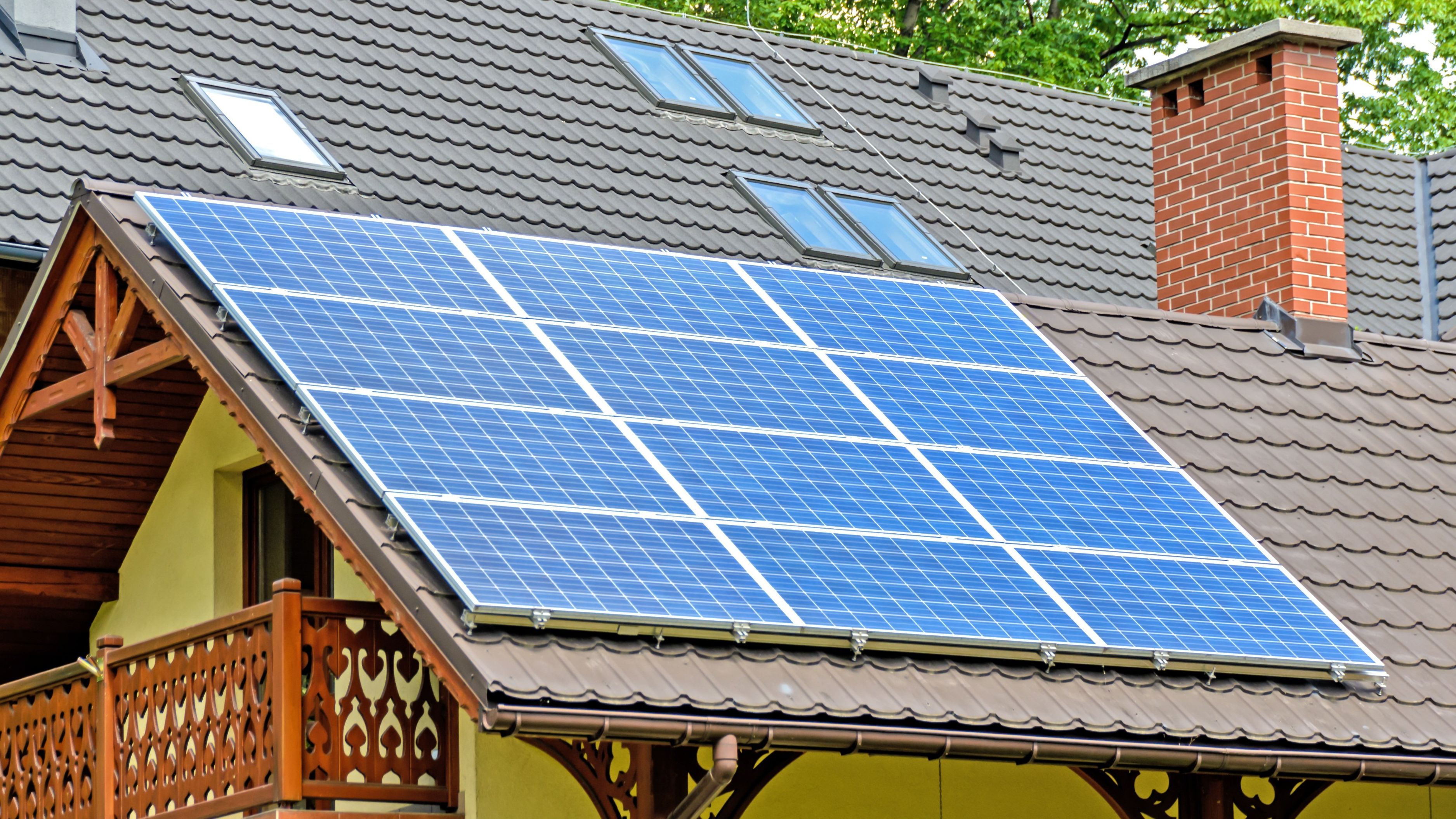
While traditional solar panels have dominated the renewable energy conversation for decades, a new player has emerged from the shadows: solar shingles. These aren't just futuristic concepts anymore. They're real products being installed on real homes, and they're challenging everything we thought we knew about residential solar energy. The question isn't whether solar shingles work — it's whether they're finally ready to dethrone the clunky panels that have monopolized our rooftops for so long.
Myth : Solar shingles are just expensive gimmicks → Truth : They're becoming cost-competitive game-changers
For years, solar shingles carried the reputation of being luxury items for tech enthusiasts with deep pockets. Tesla's initial Solar Roof launch in 2016 reinforced this perception with eye-watering price tags that made homeowners wince. But here's what most people don't realize: the economics have shifted dramatically.
Today's solar shingles cost between $15-25 per square foot installed, while traditional panels run $10-15 per square foot. That gap might seem significant, but it shrinks considerably when you factor in the hidden costs of panel installation — roof reinforcement, mounting systems, and aesthetic compromises that can hurt your home's resale value. When you're replacing an aging roof anyway, solar shingles become the smart money move, essentially giving you a new roof and energy generation system for the combined price.
The real kicker? Solar shingles qualify for the same federal tax credits as traditional panels, and some states offer additional incentives specifically for integrated solar products. Massachusetts, for instance, provides extra rebates for building-integrated photovoltaics, making the total cost surprisingly competitive.
Myth : Solar shingles don't generate enough power → Truth : Modern efficiency rivals traditional panels
The early solar shingles were admittedly underwhelming performers, converting sunlight at rates that made traditional panels look like energy-harvesting champions. But dismissing today's solar shingles based on yesterday's technology is like judging smartphones by the original iPhone's capabilities.
Current solar shingles achieve 15-20% efficiency ratings, putting them squarely in traditional panel territory. GAF Energy's Timberline Solar shingles, for example, generate 45 watts per shingle and can power an average home with about 350 shingles. Tesla's latest Solar Roof tiles hit similar numbers while maintaining the seamless aesthetic that made them famous.
The secret sauce lies in improved photovoltaic cell technology and better integration methods. Instead of trying to cram traditional solar cells into roofing materials, manufacturers now design the cells specifically for building integration, optimizing for both energy production and durability under weather conditions that would challenge conventional panels.
Myth : Installation is a nightmare → Truth : Professional installation is becoming standardized
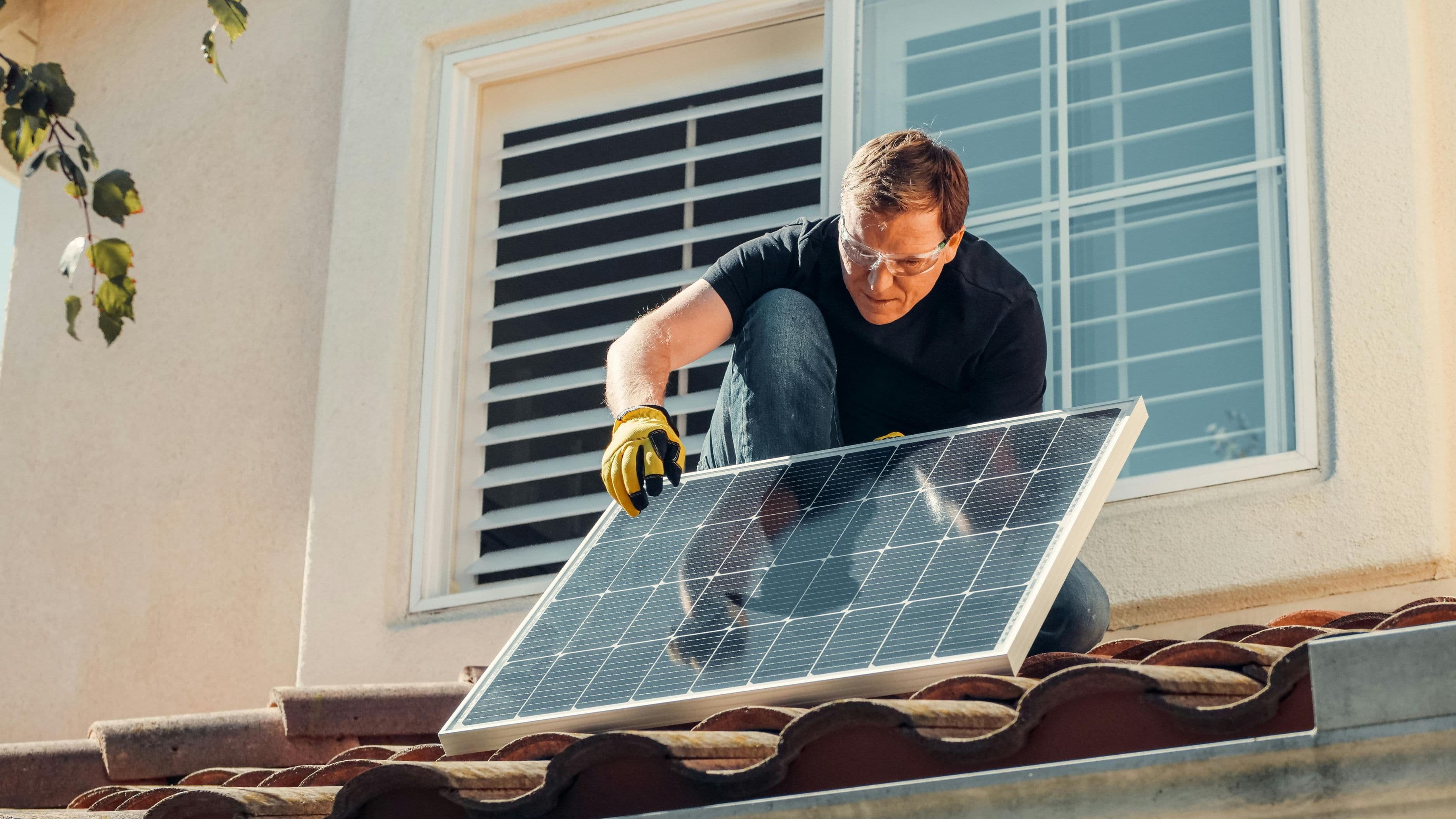
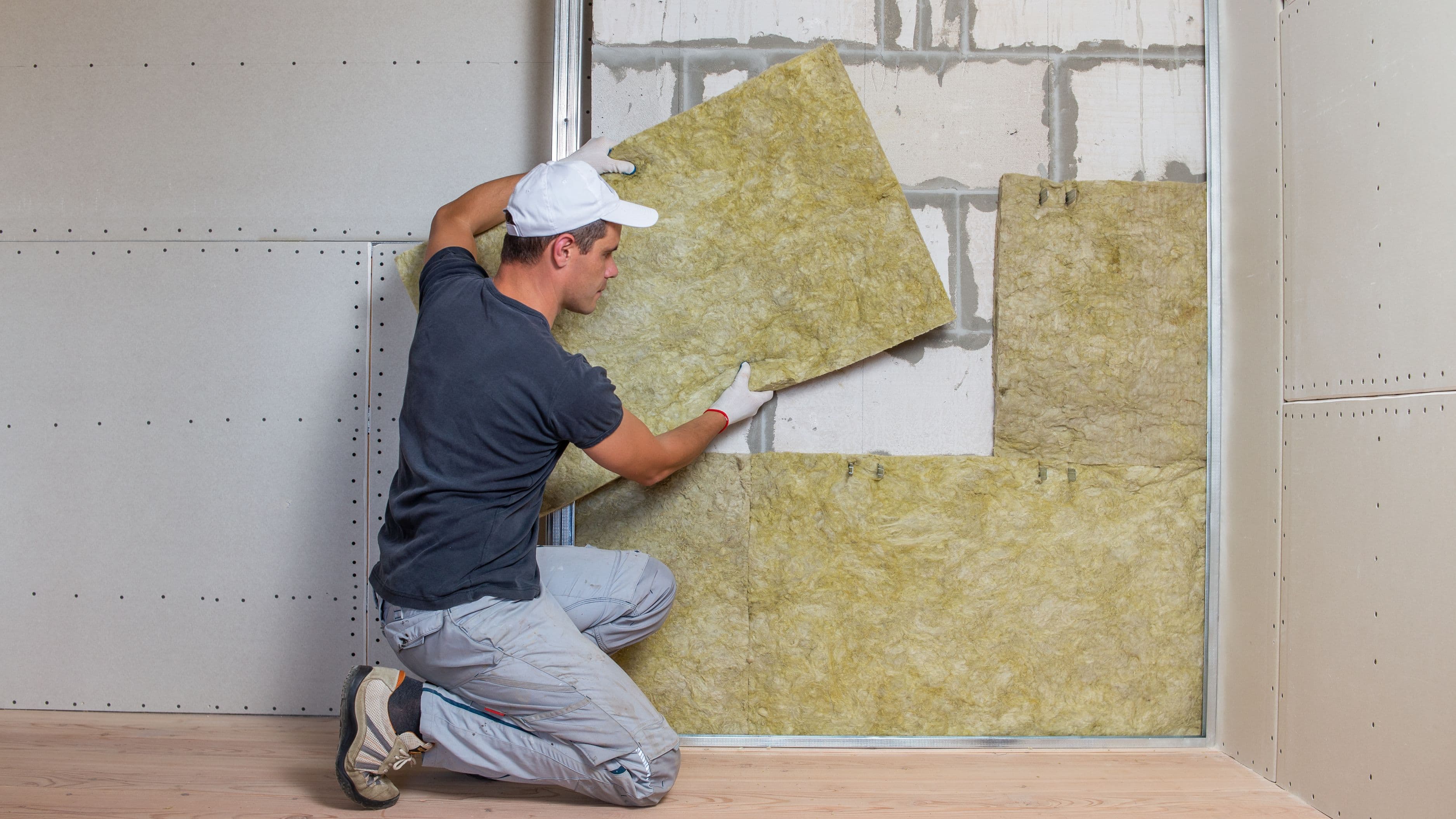
Remember when installing traditional solar panels required specialized crews, complex permitting, and weeks of disruption? Solar shingles initially suffered from similar complexity issues, with installation times that stretched projects into months-long ordeals. Those days are rapidly becoming history.
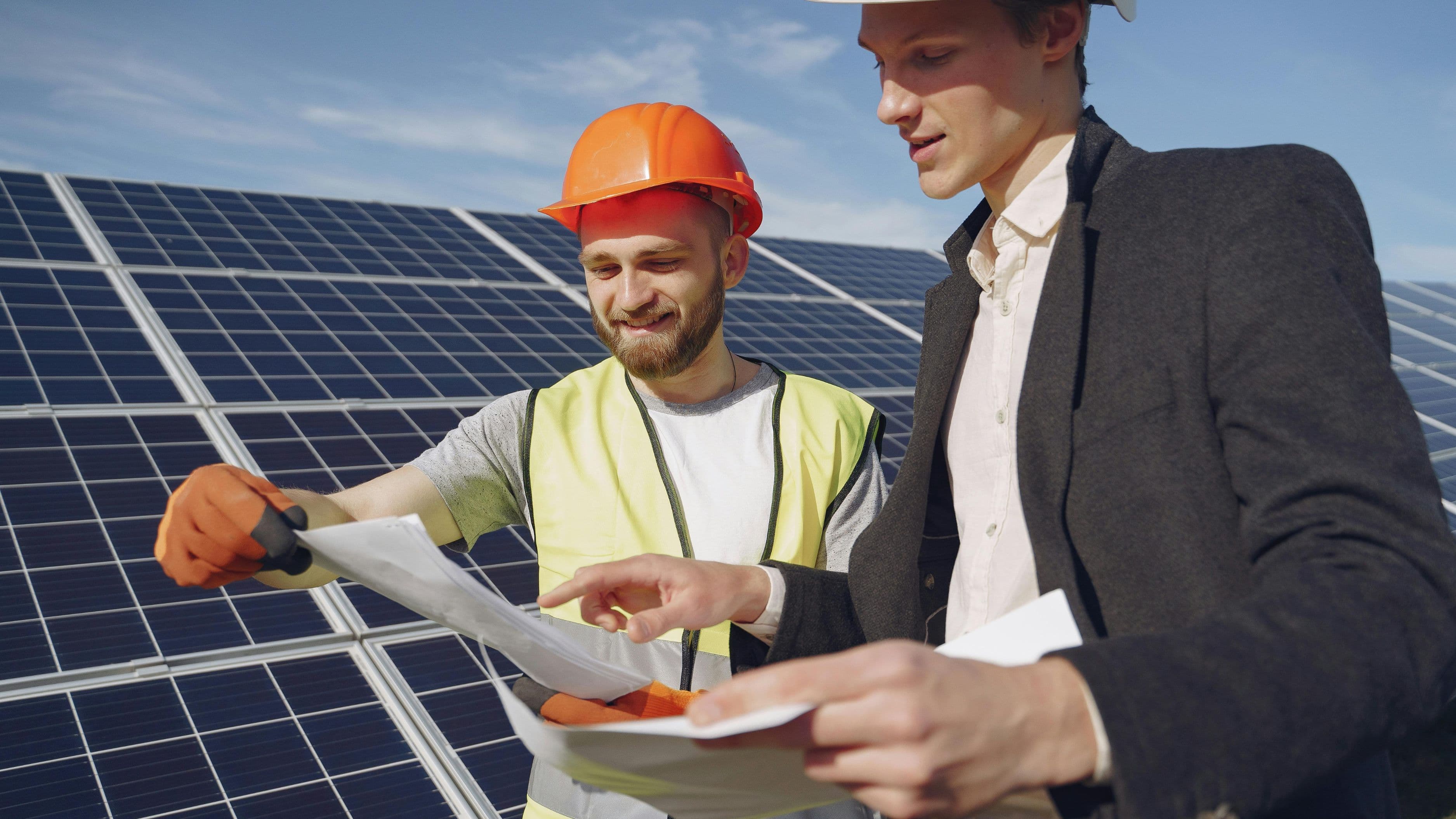
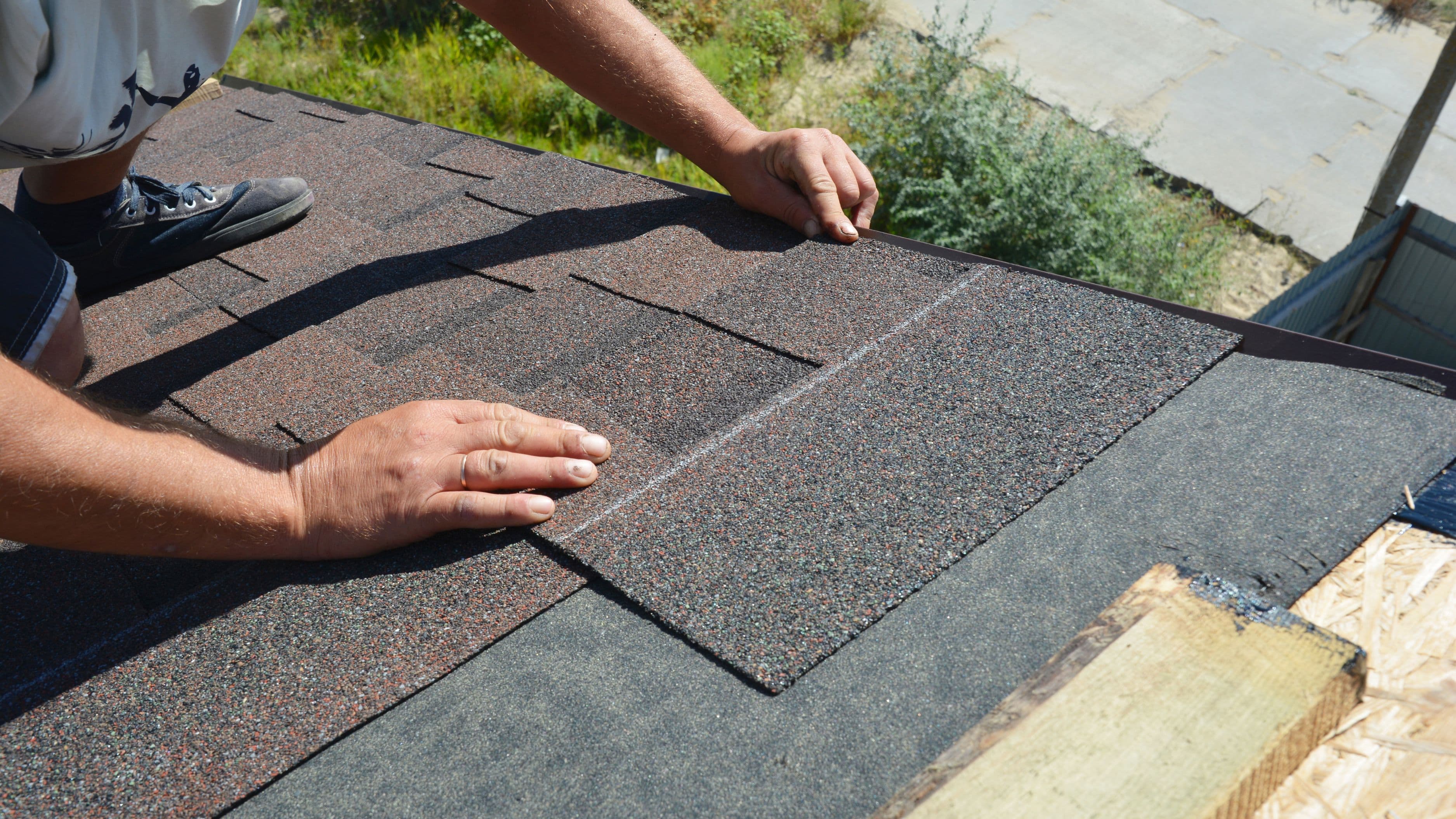
Major manufacturers have invested heavily in installer training programs and standardized procedures that streamline the process. GAF Energy partners with certified contractors who can complete typical installations in 3-5 days, compared to the 6-8 weeks early solar shingle projects required. The key breakthrough came from treating solar shingles as roofing products first, leveraging the existing expertise of roofing contractors rather than requiring entirely new skill sets.
Most importantly, the permitting process has caught up with the technology. Building departments that once viewed solar shingles as exotic experiments now have clear guidelines and approval processes, eliminating the bureaucratic delays that plagued early adopters.
Myth : They're not durable enough for harsh weather → Truth : They're engineered to outlast traditional roofing
If you're picturing delicate solar cells that crack under hail or peel away in windstorms, you're thinking of prototypes from a decade ago. Modern solar shingles undergo the same rigorous testing as premium roofing materials, because that's exactly what they are — roofing materials that happen to generate electricity.
Tesla's Solar Roof tiles carry Class A fire ratings and withstand hail impacts up to 1.75 inches in diameter. They're designed to last 25+ years with warranties that cover both energy production and weather protection. This isn't just marketing speak; it's engineering reality backed by extensive testing in wind tunnels, hail chambers, and accelerated aging laboratories.
The durability advantage actually goes beyond traditional panels in some ways. While panels sit on top of your roof, potentially creating leak points and wind uplift issues, solar shingles integrate directly into the roof structure. They become the weather barrier, eliminating the dual-system complexity that can create failure points over time.
Myth : Solar shingles look too futuristic for most homes → Truth : They complement virtually any architectural style
Perhaps the biggest misconception about solar shingles is that they only work on ultra-modern homes designed by architects with names you can't pronounce. Walk through any established neighborhood, and you'll likely spot solar shingles without even realizing it — and that's exactly the point.
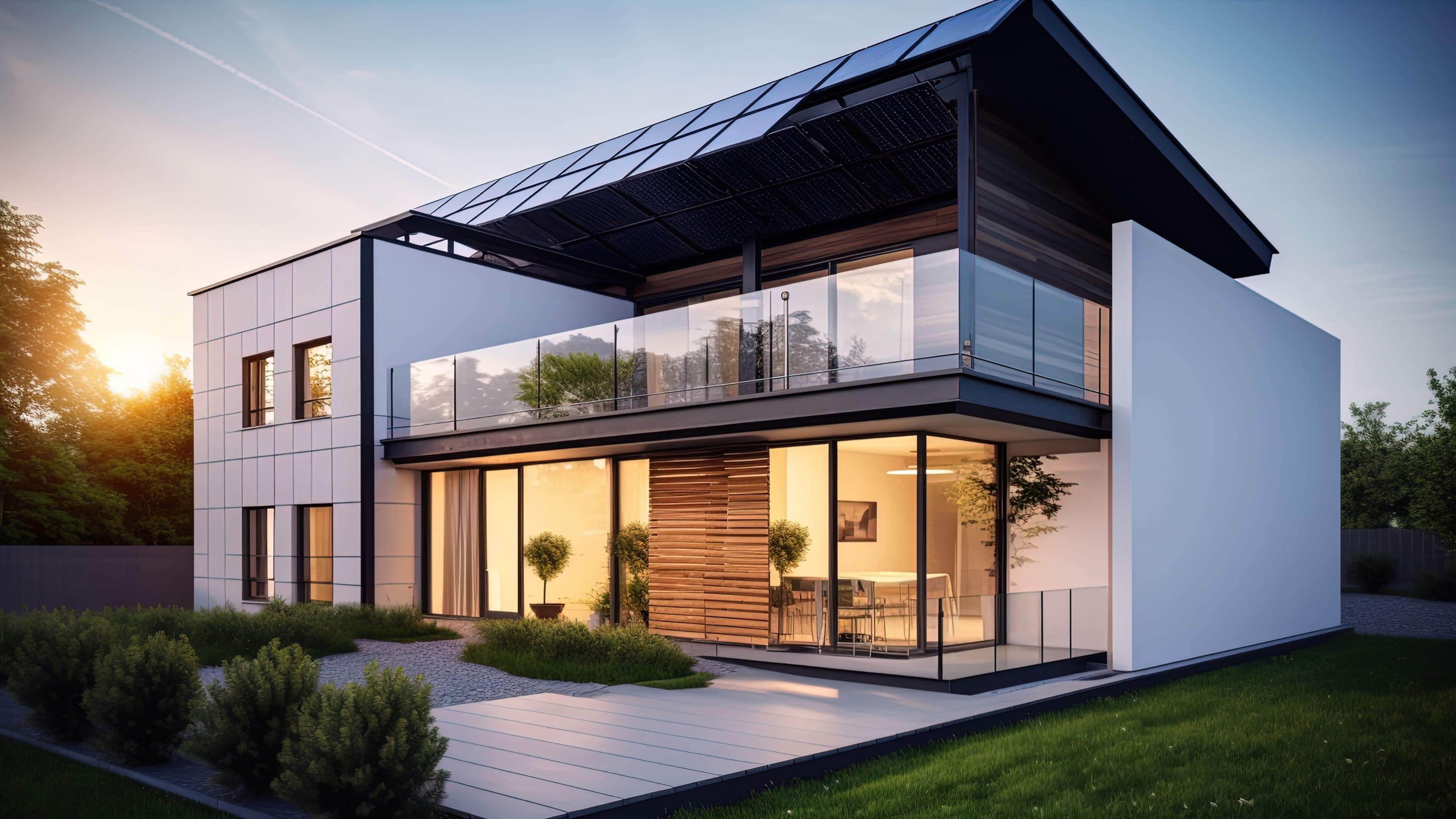
Unlike traditional panels that announce their presence from three blocks away, quality solar shingles blend seamlessly with conventional roofing materials. They come in multiple colors and textures that complement everything from Colonial revivals to contemporary designs. Some manufacturers offer shingles that perfectly mimic slate, cedar, or asphalt, maintaining your home's original character while adding energy independence.
The aesthetic advantage extends beyond curb appeal to neighborhood harmony. Homeowners associations that restrict traditional solar panels often welcome solar shingles because they maintain the visual continuity that preserves property values. It's solar energy that doesn't look like solar energy — a win for both your electric bill and your neighborhood's aesthetic standards.
Myth : The technology isn't proven in real-world conditions → Truth : Thousands of homes provide solid performance data
Skeptics love to point out that solar shingles are "too new" to trust, but the technology has been quietly proving itself on thousands of rooftops across diverse climates and conditions. We're not talking about lab tests or theoretical models — we're talking about real families generating real power in real weather.
Homeowners in everything from Arizona's desert heat to Minnesota's frigid winters report consistent performance that matches manufacturer projections. The data shows that properly installed solar shingles maintain their efficiency ratings even after years of temperature cycling, UV exposure, and weather extremes. Some early installations from 2018-2019 are actually performing above initial estimates as the technology has matured.
Performance monitoring systems now provide granular data on energy production, system health, and maintenance needs. This real-world feedback loop has accelerated improvements and given manufacturers the confidence to offer comprehensive warranties that protect both your investment and your peace of mind.
The Bottom Line : It's Time to Rethink Your Roof
Let go of the assumption that solar means compromise — whether aesthetic, financial, or practical. Solar shingles have quietly solved the problems that kept them on the sidelines, evolving from expensive experiments to viable alternatives that deserve serious consideration for your next roofing project.
The sweet spot for solar shingles isn't necessarily every home, but it's broader than most people realize. If you're facing roof replacement in the next few years, live in a neighborhood with aesthetic restrictions, or simply value the clean lines that solar shingles provide, the technology has finally caught up with the promise. Start thinking of your roof not just as protection from the elements, but as a power plant that happens to keep the rain out.
The future of residential solar isn't just about efficiency and cost — it's about integration. And solar shingles are leading that charge, one invisible installation at a time.
📚 Sources
1. U.S. Department of Energy, Solar Energy Technologies Office - Building-Integrated Photovoltaics Report 2024
2. National Renewable Energy Laboratory (NREL) - Residential Solar Shingle Performance Analysis 2023
3. Massachusetts Clean Energy Center - Solar Incentive Programs Database 2024