What Each System Actually Does
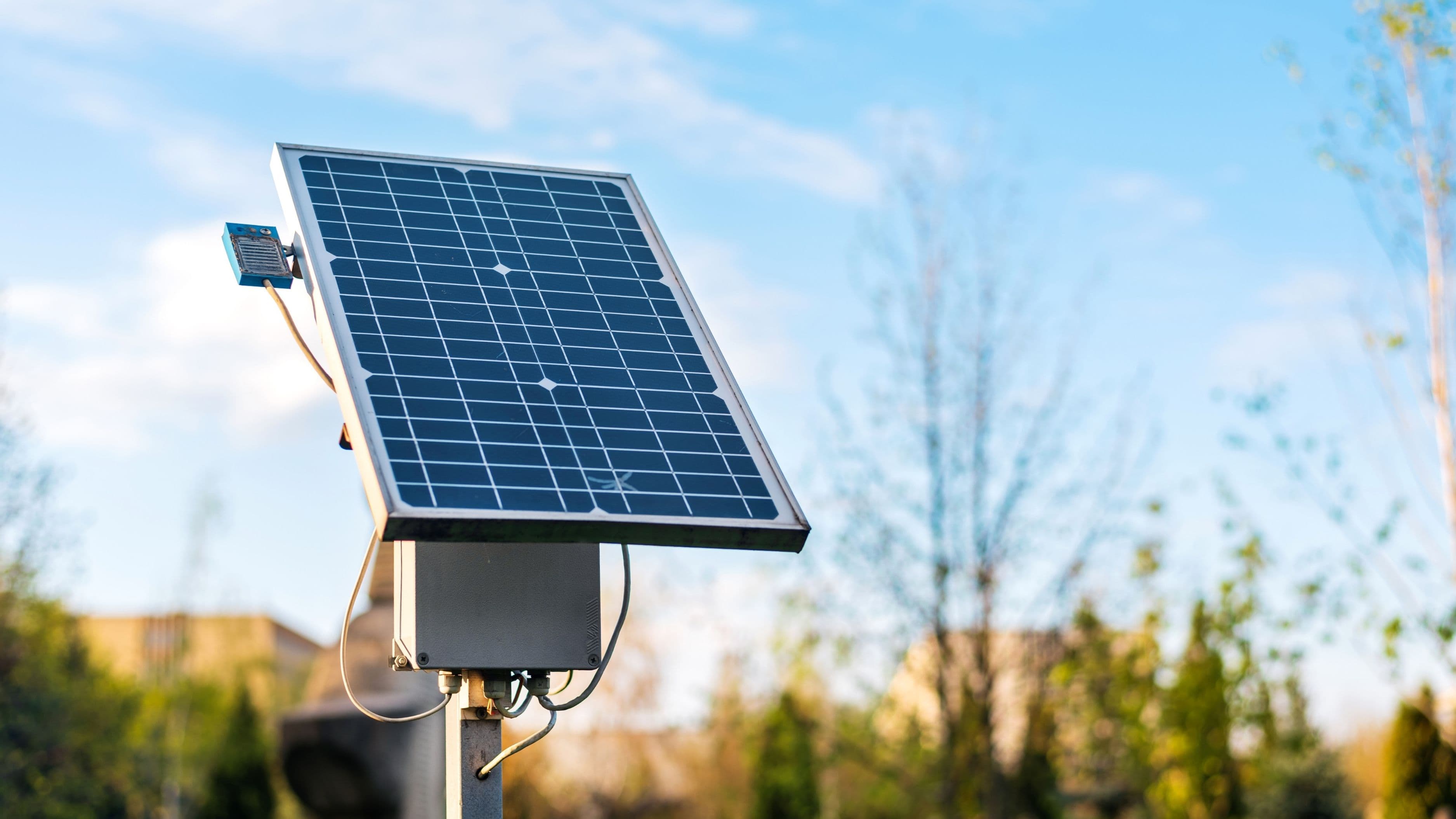
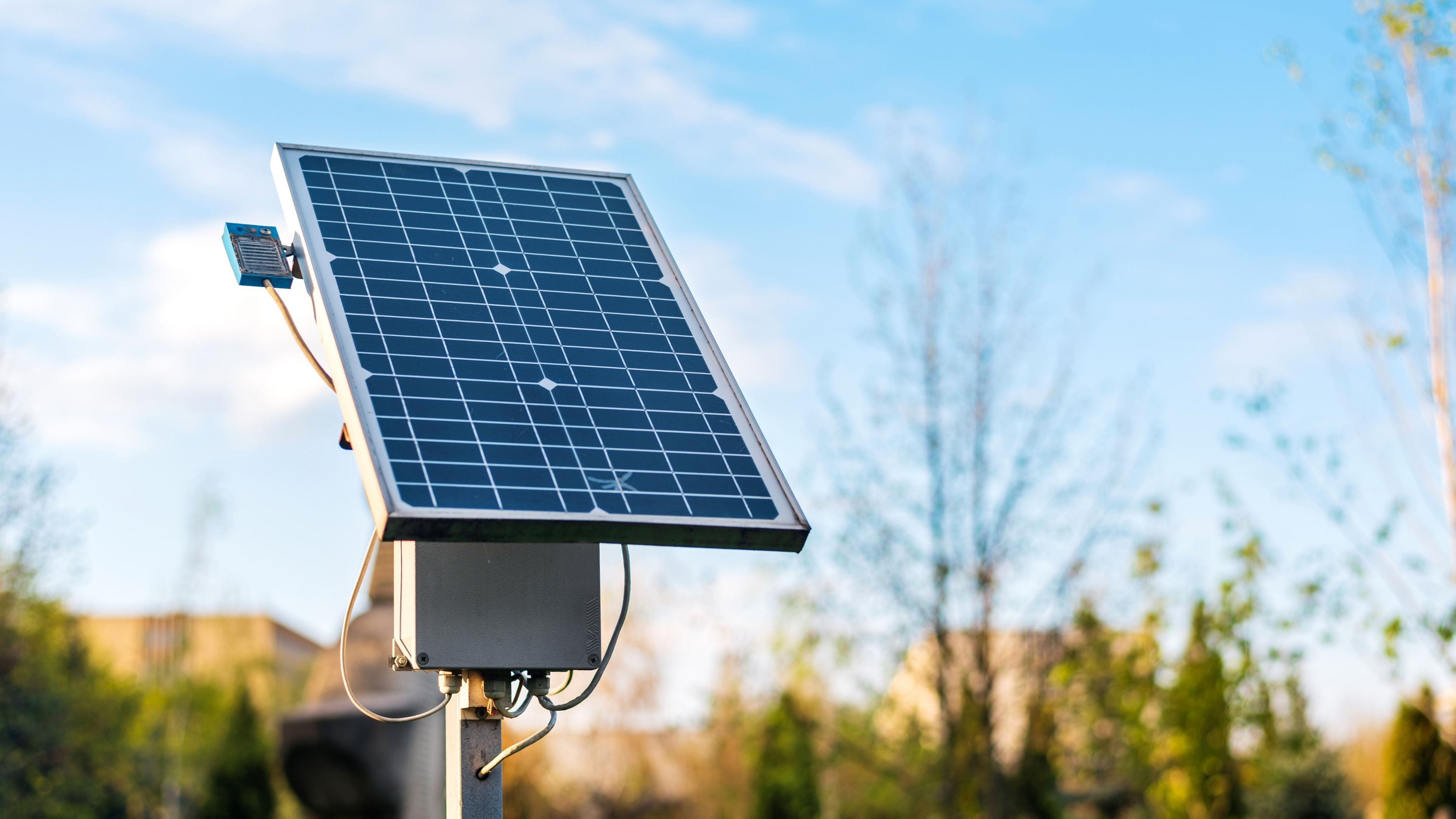
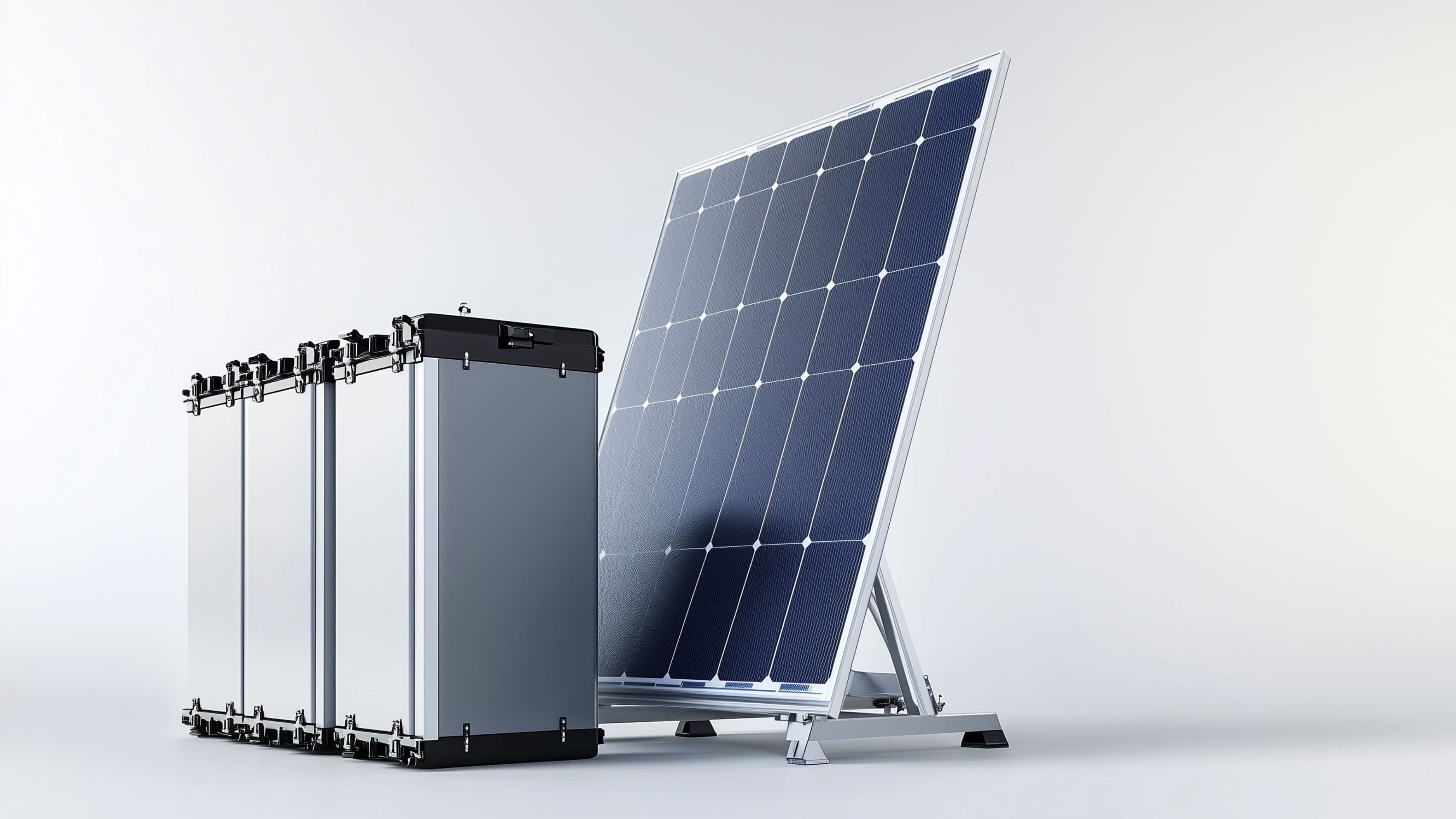
Solar panels generate electricity from sunlight. When your panels are producing more electricity than you're using, the excess flows back to the grid (if you're grid-connected) or gets wasted if you have nowhere to store it. When you're using more than your panels produce – at night, on cloudy days, or during high-demand periods – you pull from the grid and pay standard utility rates. The financial case for solar is built on the difference between what you'd otherwise pay the utility and what your panels produce, along with net metering credits if your utility offers them.
A home battery system stores electricity so you can use it later. Without solar, a battery charges from the grid, typically during off-peak hours when electricity is cheapest, and discharges during peak rate periods or outages. With solar attached, a battery captures the surplus your panels produce during peak sunlight hours and holds it for evening use, reducing your dependence on grid power further. A battery on its own doesn't generate any electricity – it's a storage and timing tool, not a generation tool.
The distinction matters because the two technologies serve different primary functions. Solar reduces how much electricity you buy from the grid over time. A battery gives you control over when you use electricity and provides backup capability during outages. Both can save you money, but through different mechanisms and under different conditions.
When Solar Panels Make More Sense First
For the majority of homeowners who are primarily motivated by reducing energy costs over time, solar panels are the logical starting point. The financial case for solar is more straightforward and more broadly applicable than the case for battery storage alone.
Your electricity bill is high. If you're paying $150 or more per month for electricity, solar typically delivers a meaningful and relatively predictable return. The more electricity you buy from the utility, the more value your panels generate by replacing that purchased electricity.
In states with strong net metering policies – where your utility credits you at or near the retail rate for excess power you export to the grid – the financial case for solar is particularly strong even without storage, because you're effectively using the grid as a free battery during the day.
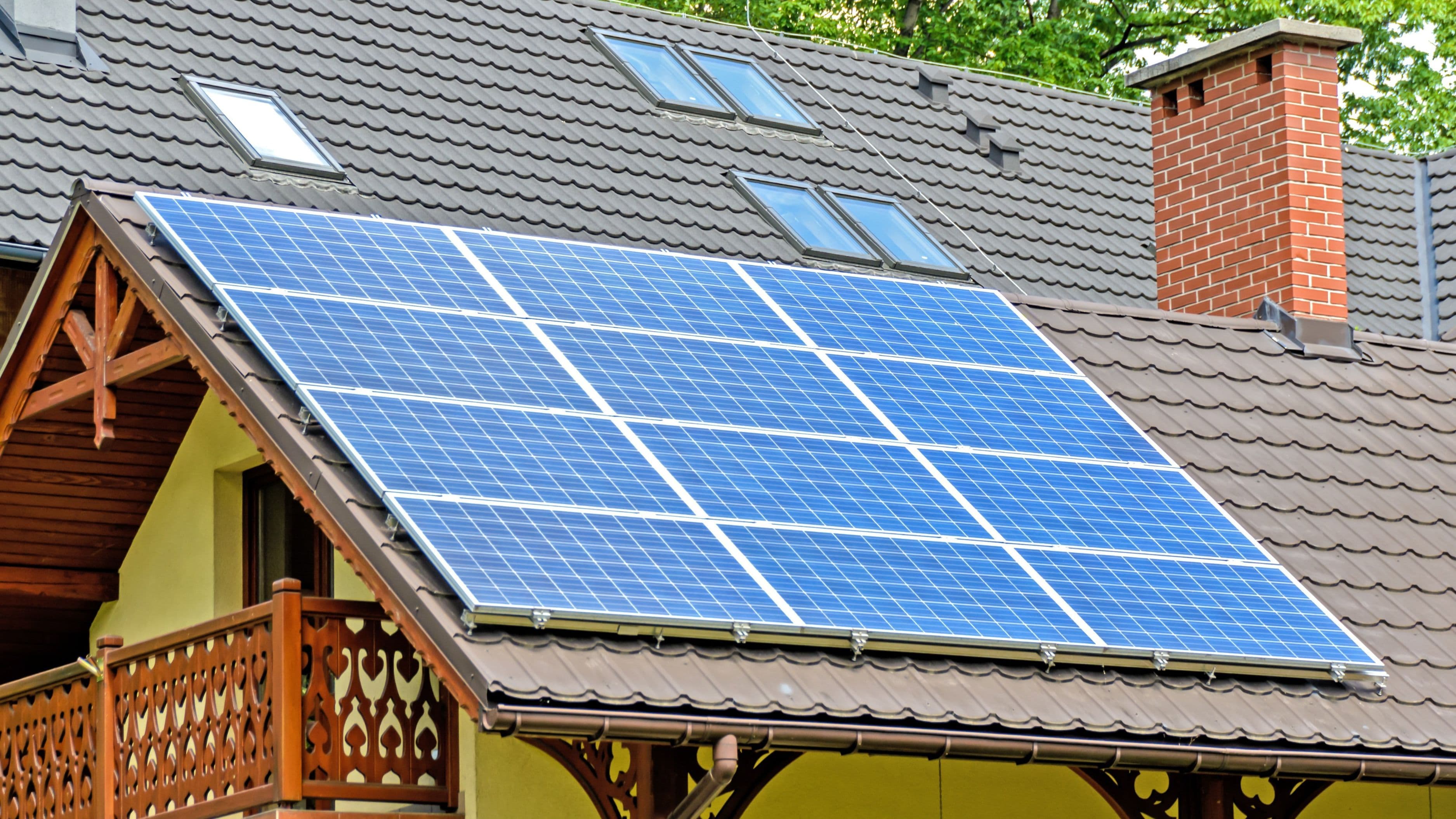
You have good solar access. A south-facing roof with minimal shading during peak sun hours is the best-case scenario. East or west-facing roofs work but produce less. Significant shading from trees or neighboring buildings reduces output enough to affect payback period meaningfully. A reputable solar installer will provide a site assessment and production estimate; comparing that estimate against your actual utility bills tells you what the math looks like for your specific home.
Your utility has favorable net metering. Net metering policies vary significantly by state and utility. In states where utilities credit solar exports at full retail rates, you can offset your entire annual electricity cost without a battery, because daytime surplus exports offset nighttime grid purchases dollar for dollar. In states where net metering has been reduced or where exports are credited at wholesale rather than retail rates, the case for pairing solar with storage becomes stronger – because the battery lets you consume more of what you generate rather than exporting it at a lower credit rate.
Cost estimate: A typical residential solar installation runs $15,000 to $30,000 before incentives, depending on system size and region. The federal solar Investment Tax Credit currently covers 30% of installation costs, reducing a $20,000 system to an effective net cost of $14,000. Many states offer additional incentives. Payback periods typically range from six to twelve years depending on local electricity rates, solar access, and available incentives.
When Battery Storage Makes More Sense First – or Alongside Solar
Battery storage addresses problems that solar panels don't solve on their own. If any of the following apply to your situation, a battery may be worth prioritizing or adding sooner rather than later.
You experience frequent power outages. Solar panels alone do not provide backup power during a grid outage. This surprises many people, but it's standard for safety reasons – grid-tied solar systems are required to shut down during outages to protect utility workers on the lines. A battery system with backup capability can keep essential circuits running during an outage, regardless of whether you have solar. If your area has unreliable grid power from storms, aging infrastructure, or wildfire-related shutoffs, a battery provides something solar alone cannot.
Your utility uses time-of-use pricing. Many utilities charge significantly higher rates during peak demand hours – typically late afternoon through early evening – and lower rates overnight. A battery charged during off-peak hours and discharged during peak hours can reduce your bill meaningfully even without solar. This arbitrage model works best when the peak-to-off-peak rate differential is large enough to justify the battery's cost.
You already have solar with poor net metering. If you installed solar under a favorable net metering policy that has since changed, or if you're in a market where utility export credits are below retail rates, adding storage makes your solar more valuable by shifting self-consumption from exports to direct use. Instead of sending surplus to the grid at a discounted rate, you store it and use it when your panels aren't producing.
You want energy independence as a primary goal. Some homeowners prioritize grid independence beyond what the financial math strictly justifies – either for resilience reasons, environmental reasons, or both. A battery paired with solar moves you meaningfully toward self-sufficiency in a way that solar alone cannot.
Cost estimate: A home battery system like the Tesla Powerwall, Enphase IQ Battery, or LG RESU runs $10,000 to $15,000 installed for a single unit (roughly 10–13.5 kWh of usable capacity). The federal tax credit applies to battery storage installed with solar or, as of 2023, to standalone storage as well. Multiple batteries can be stacked for larger homes or greater backup coverage, which adds to the cost proportionally.
The Case for Both Together
The strongest combination for most homeowners who want both reduced bills and outage protection is solar plus storage installed together. Doing both simultaneously is often more cost-effective than two separate projects because installation labor is partially shared, permits are filed together, and system design is optimized as an integrated unit from the start.
In markets with poor net metering, solar plus storage can achieve bill reduction and self-consumption rates that solar alone can't reach. A well-sized combined system in a good solar market with time-of-use rates can cover the majority of a home's annual electricity needs from generation and storage, with grid power serving as a backup for extended cloudy periods or unusually high-demand months.
The trade-off is upfront cost. A combined solar and storage system for a medium-sized home typically runs $25,000 to $45,000 before incentives. After the 30% federal tax credit, and potentially state and utility incentives, that range shifts to roughly $17,500 to $31,500.
Financing options through solar lenders can spread that over ten to twenty-five years, often at rates that make the monthly payment less than the current electricity bill for homeowners with high utility costs.
What to Avoid When Making This Decision
Buying based on outage fear alone is a common mistake that leads to oversized, overpriced systems. A single battery unit provides backup for essential loads – a refrigerator, some lighting, phone charging, a medical device – but won't run a central air conditioner or an electric vehicle charger for more than a few hours. If backup power is your primary motivation, be specific about what you actually need to run during an outage and size the system accordingly rather than defaulting to the largest available option.
Choosing an installer before checking net metering policy is also a frequent oversight. The financial case for solar or storage changes significantly based on your utility's rules. Look up your state's current net metering status through the Database of State Incentives for Renewables & Efficiency (DSIRE) before meeting with installers, so you're evaluating quotes with an accurate understanding of the policy environment.
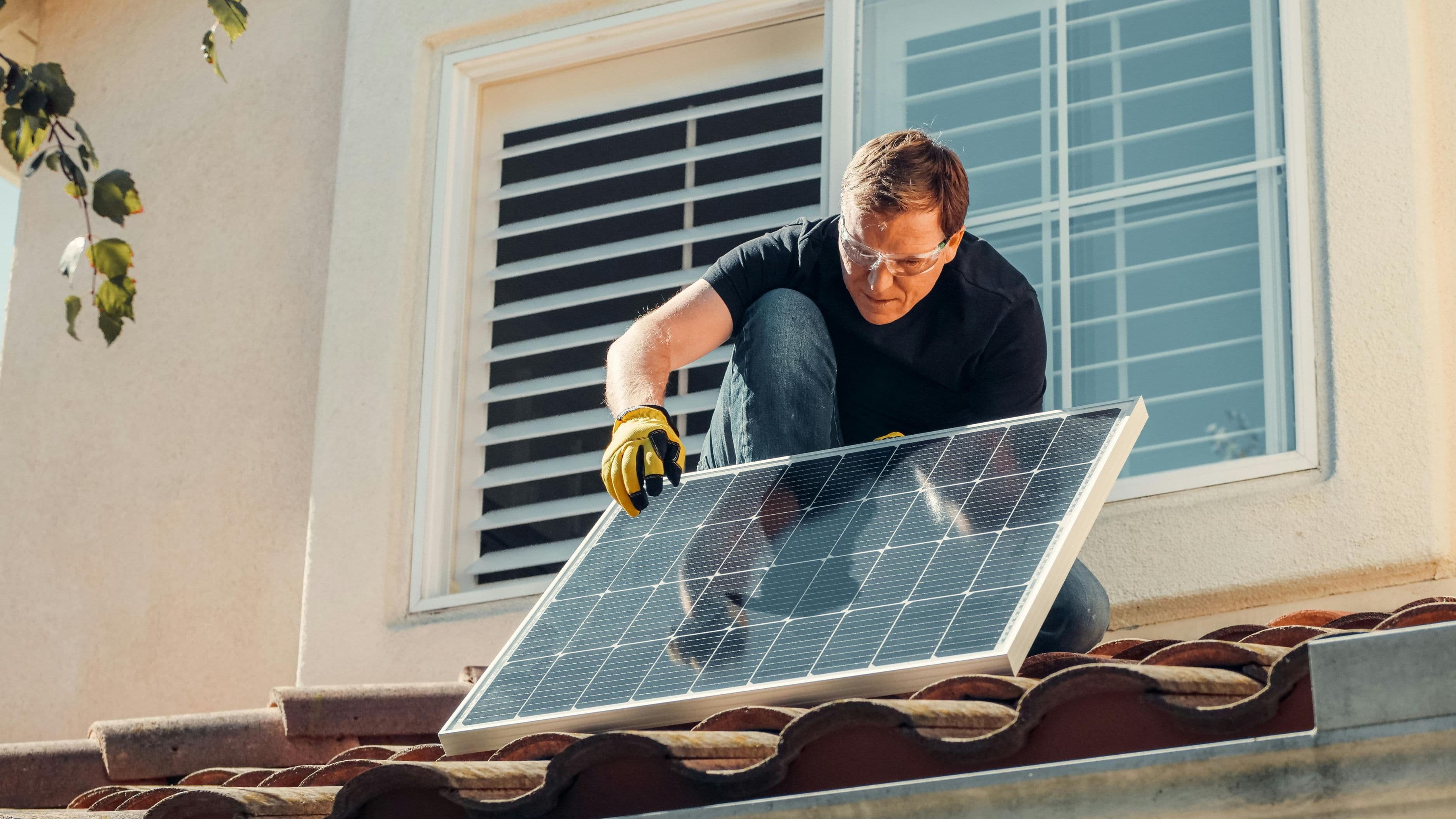
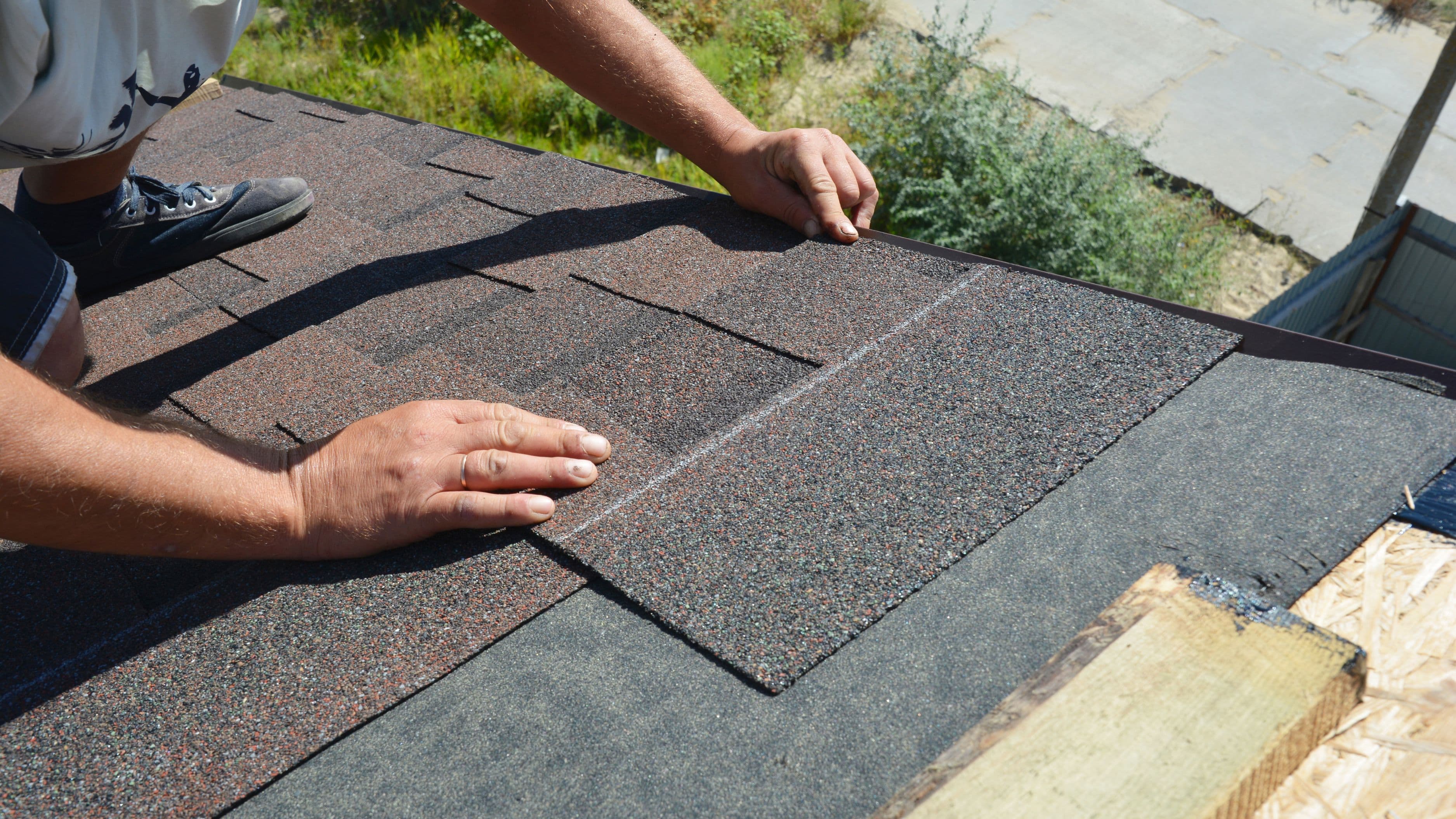
Ignoring roof condition is a practical mistake with real consequences. Installing solar on a roof that will need replacement in five to eight years means the panels will have to come off and go back on – at significant additional cost. If your roof is more than fifteen years old, get a roofing assessment before proceeding with solar. Replacing the roof first, then installing solar, is almost always the better sequence.
Relying solely on the installer's financial projections is worth flagging as well. Installers have a commercial interest in presenting the most favorable payback scenario. Ask for the assumptions behind any production or savings estimates, check them against your actual utility bills and local solar irradiance data, and consider getting quotes from at least three installers before committing.
FAQ
Can I add a battery to my existing solar system? Yes, in most cases. Adding a battery to an existing solar system is called a retrofit and is a common project. Compatibility between the battery and your existing inverter matters – some batteries are designed to work with specific inverter brands. AC-coupled battery systems can be added to virtually any existing solar installation, while DC-coupled systems require inverter compatibility. An installer can assess your existing system and recommend compatible options.
How long do solar panels and batteries last? Quality solar panels carry twenty-five to thirty-year performance warranties and typically maintain eighty percent or more of their rated output for that period. Home batteries have shorter cycle lives – most carry ten-year warranties, and capacity degrades gradually over time with use. Planning for a battery replacement at or after the ten-year mark is a reasonable financial assumption.
Will solar and battery storage increase my home's value? Research consistently shows that solar panels add value to homes, with a commonly cited estimate of around $15,000 added value for a typical residential system. Battery storage's effect on home value is less studied but generally viewed positively, particularly in markets where outage risk is higher. Both are considered high-return upgrades in most markets.
Do I need to go off-grid to benefit from solar and storage? No. Most residential solar and battery installations remain grid-connected, which provides the reliability of grid backup without giving up the financial benefit of exporting surplus solar or drawing from the grid during extended low-production periods. True off-grid systems require much larger battery banks and careful load management – they're appropriate for remote properties without grid access, but unnecessary and more expensive for most homes.
What size system do I need? Start with twelve months of utility bills to calculate your average monthly and annual electricity consumption in kilowatt-hours. A reputable solar installer will use that data along with your roof's solar access to size a system appropriately. For battery storage, identify the specific loads you want to back up and for how long – that determines the kilowatt-hour capacity you need, independent of what your solar panels produce.
📚 Sources
U.S. Department of Energy – Homeowner's Guide to the Federal Tax Credit for Solar Photovoltaics: https://www.energy.gov/eere/solar/homeowners-guide-federal-tax-credit-solar-photovoltaics
Database of State Incentives for Renewables & Efficiency (DSIRE): https://www.dsireusa.org
Lawrence Berkeley National Laboratory – Tracking the Sun Report: https://emp.lbl.gov/tracking-the-sun
National Renewable Energy Laboratory – Solar + Storage Basics: https://www.nrel.gov/solar/solar-home.html
U.S. Energy Information Administration – Electricity Explained: https://www.eia.gov/energyexplained/electricity/
🔍 Explore Related Topics