
Here's what actually reduces noise, what doesn't live up to its marketing, and how to set realistic expectations for what a non-invasive approach can accomplish.
Understanding the Two Types of Noise You're Fighting
Before picking a method, it helps to know what kind of sound problem you're actually dealing with. Airborne noise – voices, music, TV sound – travels through the air and can be reduced significantly with mass and sealing. Impact noise – footsteps, furniture scraping, someone dropping something upstairs – travels through the physical structure of the building itself, and is considerably harder to address without structural changes.
Most non-invasive soundproofing methods work best on airborne noise. If your main issue is impact noise from footsteps above you, manage your expectations accordingly, since a full fix for that typically does require structural intervention like adding an isolated subfloor.
1. Acoustic Panels and Soft Furnishings
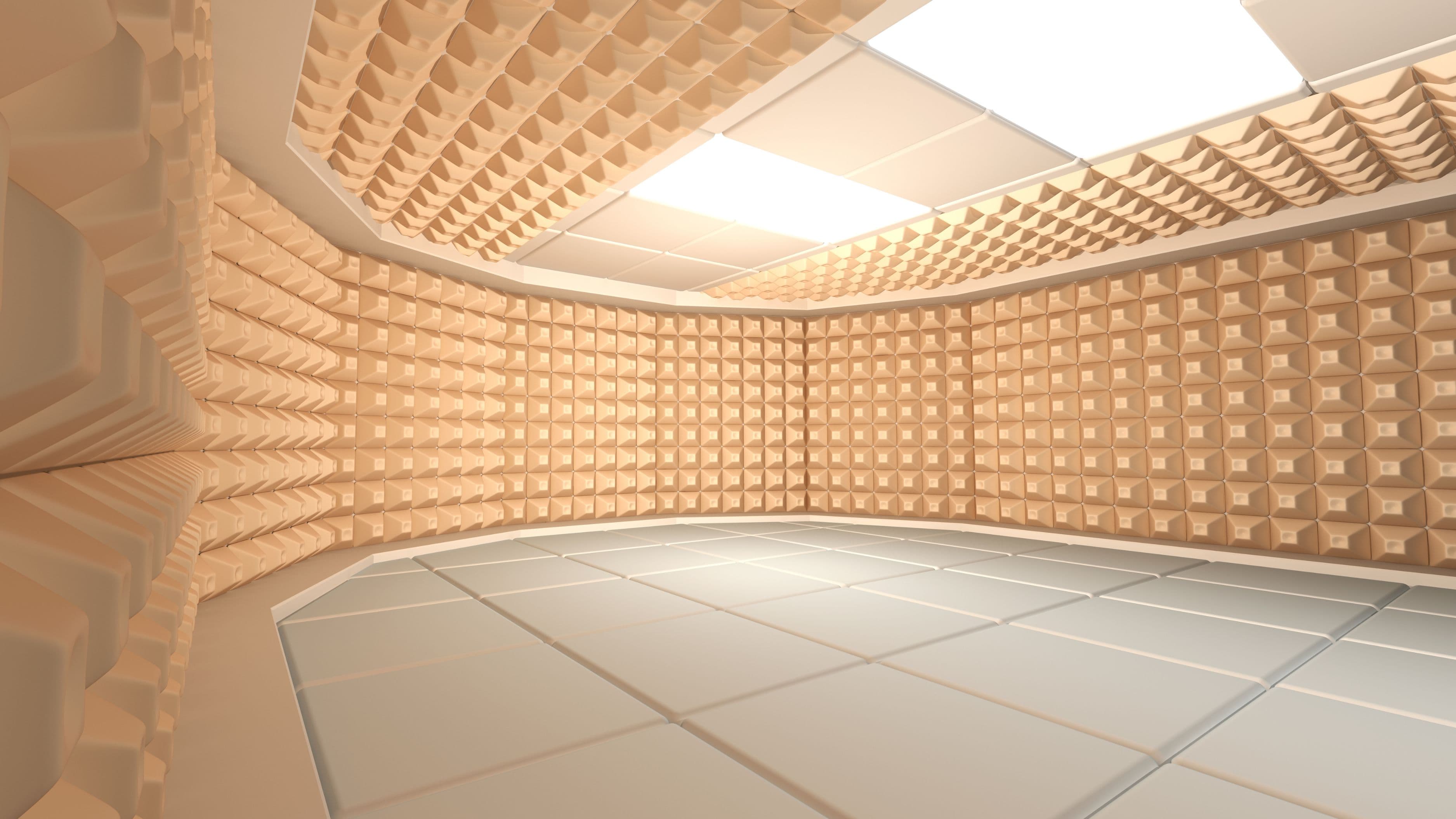
Acoustic panels absorb sound reflections within a room, which helps reduce echo and can noticeably soften how loud a room feels overall, even though they don't block sound from passing through walls to another room. They're most effective for improving how a room sounds internally – useful for home offices, media rooms, or spaces where echo makes conversations or calls feel harsher than they should.
Beyond dedicated panels, thick curtains, upholstered furniture, and area rugs all contribute meaningfully to sound absorption. A room with hard floors, bare walls, and minimal furniture will always sound "louder" and more reflective than one with soft surfaces, regardless of what's happening on the other side of the wall.
Cost level: Low to medium, depending on panel quality and coverage. Impact: Improves in-room acoustics significantly; does little to block sound between rooms.
2. Door and Window Sealing
Gaps around doors and windows are often the single biggest source of sound leakage in a room, since even a small, unsealed gap can let a surprising amount of noise through compared to a solid wall section. Weatherstripping and door sweeps – the same materials used for energy efficiency – double effectively as sound barriers when properly installed around the full perimeter of a door or window.
Check for daylight visible around your door frame when it's closed; if you can see light coming through, sound is passing through too. Adding a door sweep at the bottom and adhesive weatherstripping around the sides and top addresses this directly, and it's one of the most cost-effective improvements on this list relative to the noise reduction it delivers.
Cost level: Low. Impact: High relative to cost, particularly for rooms with older doors or windows.
3. Soundproof Curtains and Window Inserts
Standard curtains offer minimal sound blocking, but dedicated soundproof curtains – made from dense, layered fabric – can meaningfully reduce noise coming through windows, especially street noise or sound from an adjacent unit's window. These work by adding mass and reducing the direct path sound takes through the glass.
Window inserts, which are removable secondary panes installed inside your existing window frame, offer a more significant upgrade if window noise is your primary issue. These create an air gap between the insert and your existing window, which is genuinely effective at reducing sound transmission, and they can be removed without any permanent modification to the window itself.
Cost level: Medium for curtains; medium to high for custom window inserts. Impact: High specifically for window-transmitted noise.
4. Door Sweeps and Solid-Core Door Upgrades
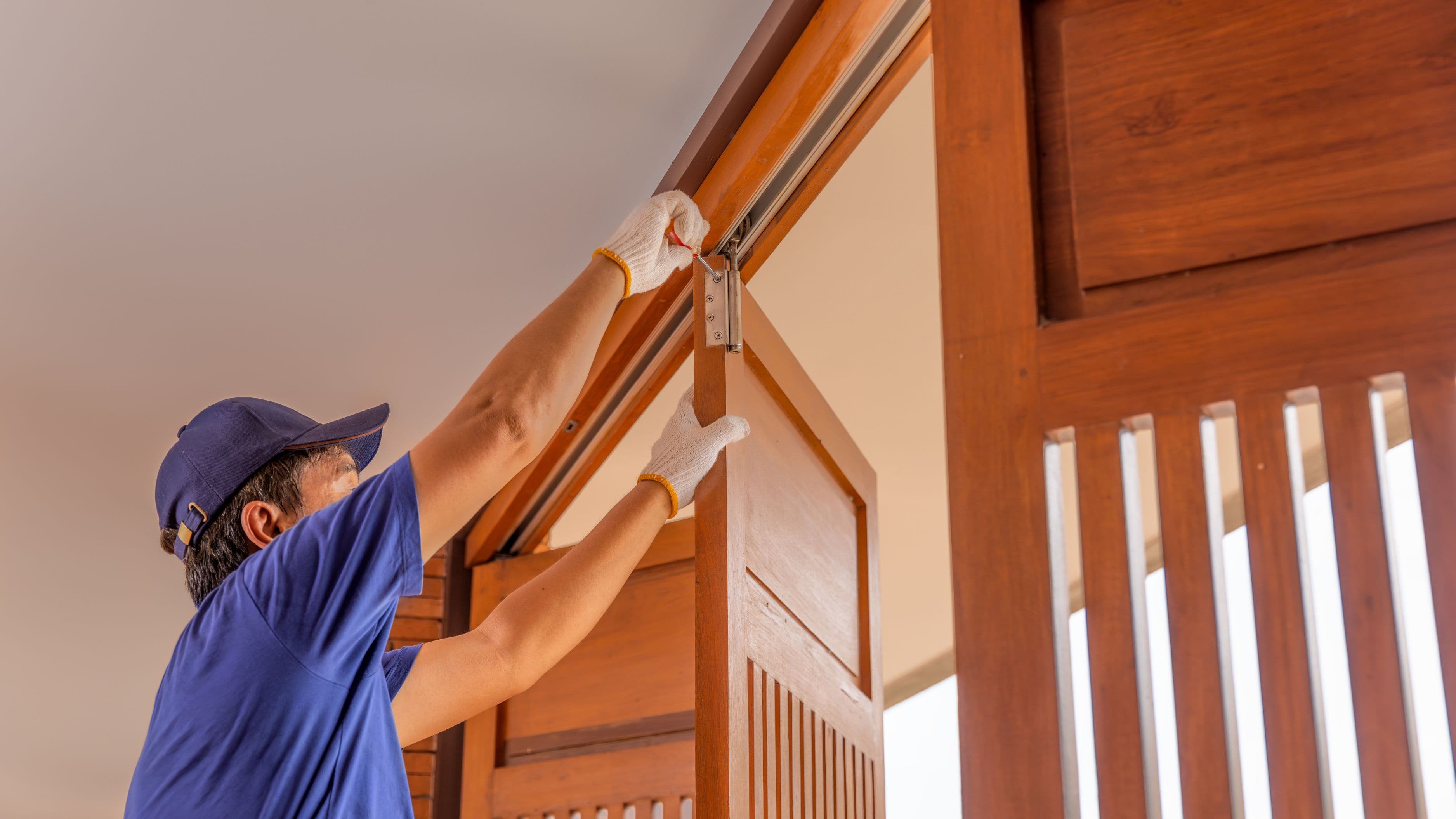
If your interior doors are hollow-core, which is standard in most homes built for cost efficiency, they offer very little sound blocking compared to a solid-core door. Swapping a hollow-core door for a solid-core one, without any wall modification required, can meaningfully reduce sound transmission between rooms, particularly for a home office or bedroom where privacy matters.
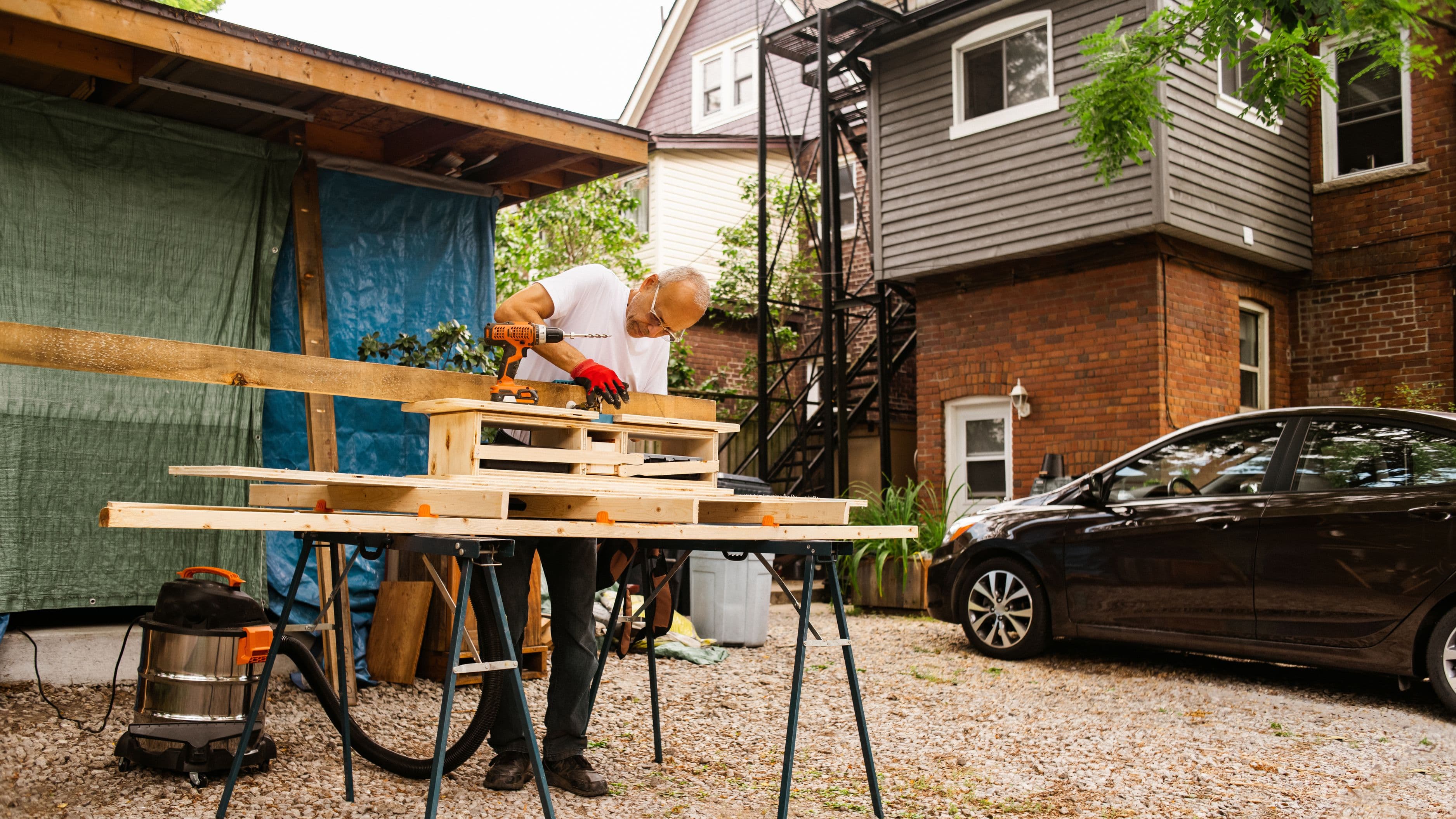
This is a moderate-effort upgrade, since it involves removing and rehanging a door, but it doesn't require any wall demolition and can typically be done in an afternoon with basic tools.
Cost level: Medium. Impact: Meaningful for room-to-room sound transmission, especially combined with proper door sealing.
5. Furniture Placement Against Shared Walls
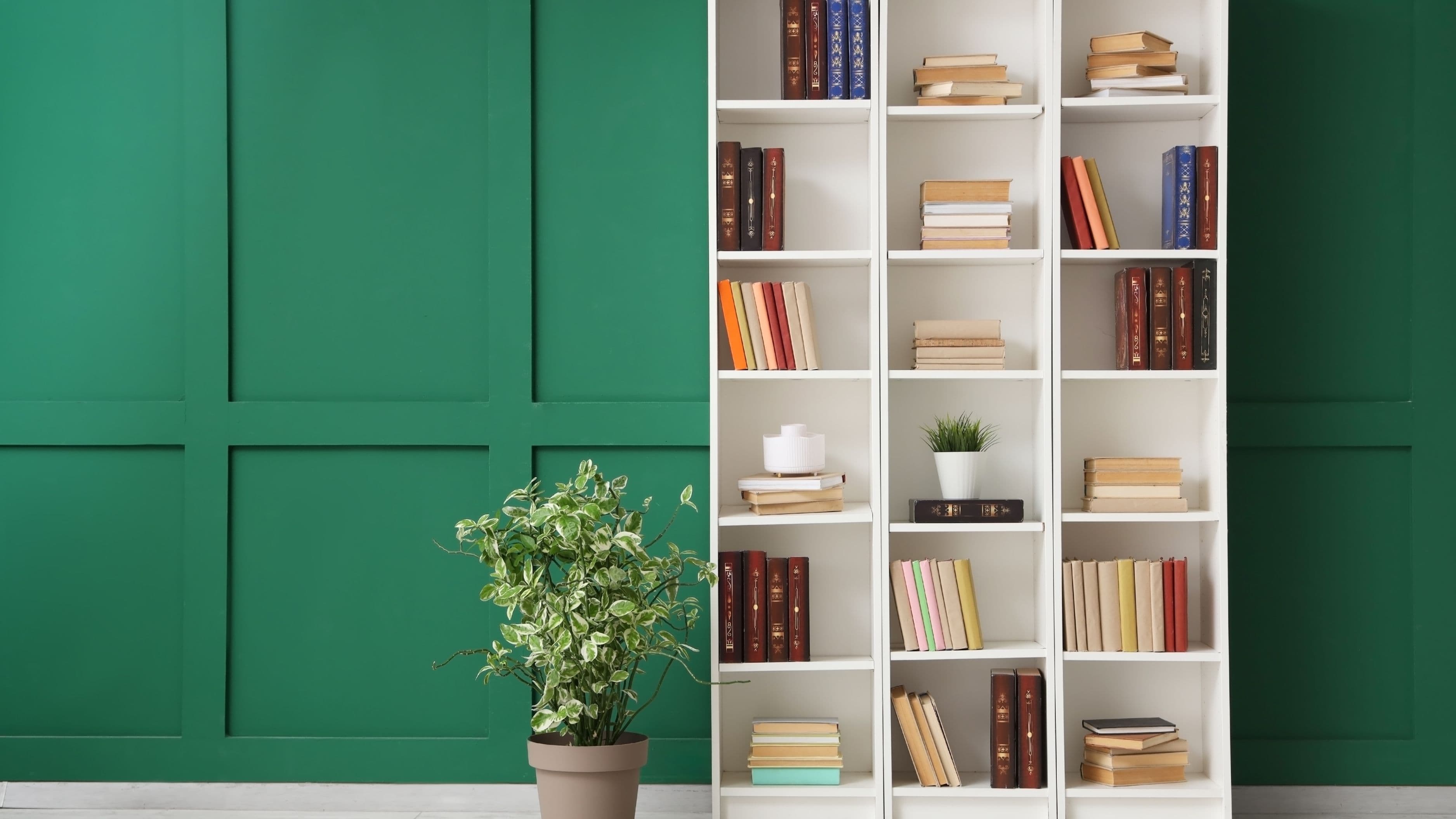
Simply rearranging furniture to add mass against a shared wall – a bookshelf, a wardrobe, or a dense piece of furniture – adds an extra layer that sound has to pass through, providing a modest but genuinely measurable reduction in transmitted noise. This is essentially free if you already own suitable furniture, just requiring some rearranging.
This won't fully solve a serious noise problem on its own, but combined with sealing gaps and adding soft furnishings, it contributes meaningfully to an overall noise reduction strategy without touching the wall itself.
Cost level: Free to low. Impact: Modest on its own, meaningful as part of a combined approach.
6. Removable Acoustic Wall Panels or Fabric Wall Coverings
Beyond standard acoustic panels focused on echo reduction, denser mass-loaded acoustic panels designed specifically for sound blocking (rather than just absorption) can be mounted using adhesive strips or a removable frame system, avoiding permanent wall damage while still adding a genuine sound-blocking layer to a problem wall.
This sits at a higher cost and effort level than the other options here, but it's worth considering for a persistent, specific noise problem – like a shared wall with a consistently noisy neighbor – where lighter interventions haven't provided enough improvement.
Cost level: Medium to high, depending on coverage area. Impact: Meaningful, particularly for airborne noise through a specific shared wall.
What to Avoid
Don't expect egg cartons, foam mattress toppers, or other DIY internet hacks to meaningfully block sound between rooms. These materials are primarily absorptive, reducing echo within a room, not blocking transmission through a wall – a common and persistent misunderstanding online.
Avoid assuming any of these methods will fully solve impact noise, like footsteps from an upstairs neighbor. That type of noise travels through the building structure itself and generally requires structural intervention – like adding an isolated underlayment beneath flooring – that goes beyond a non-invasive approach.
Don't over-invest in expensive acoustic treatment for a room where the actual noise problem is a single unsealed door or window gap. Address the cheapest, highest-impact fixes first – sealing gaps – before spending significantly on premium acoustic panels or window inserts.
Realistic Expectations
Combining door and window sealing with a solid-core door upgrade and some strategic furniture placement can meaningfully reduce airborne noise – often noticeably better within a weekend of focused effort, at a cost typically well under $500 depending on your specific choices. Full elimination of sound transmission isn't realistic without structural changes, but a genuinely noticeable improvement, often in the range of a moderate but meaningful reduction, is achievable with the methods above.
FAQ
Can I fully soundproof a room without any wall modification? You can meaningfully reduce airborne noise using the combined methods above, but complete sound isolation typically requires structural intervention, particularly for low-frequency or impact noise.
Which single method gives the best return for the effort? Sealing gaps around doors and windows consistently offers the best ratio of cost and effort to noise reduction, since these gaps are often the primary path sound is taking into the room.
Do soundproof curtains actually work? Yes, to a meaningful degree for airborne noise, particularly through windows, though they work best combined with proper window sealing rather than as a standalone solution.
Reducing noise without tearing into your walls is genuinely achievable if you focus on sealing gaps first, then layer in mass and absorption strategically. Set realistic expectations based on the type of noise you're dealing with, and you'll likely find a combination here that meaningfully improves your space.
📚 Sources
U.S. Department of Energy: Weatherization and Sealing Guidance - https://www.energy.gov/energysaver/weatherize
Acoustical Society of America: Sound Transmission Basics - https://acousticalsociety.org/