What Each Material Actually Is
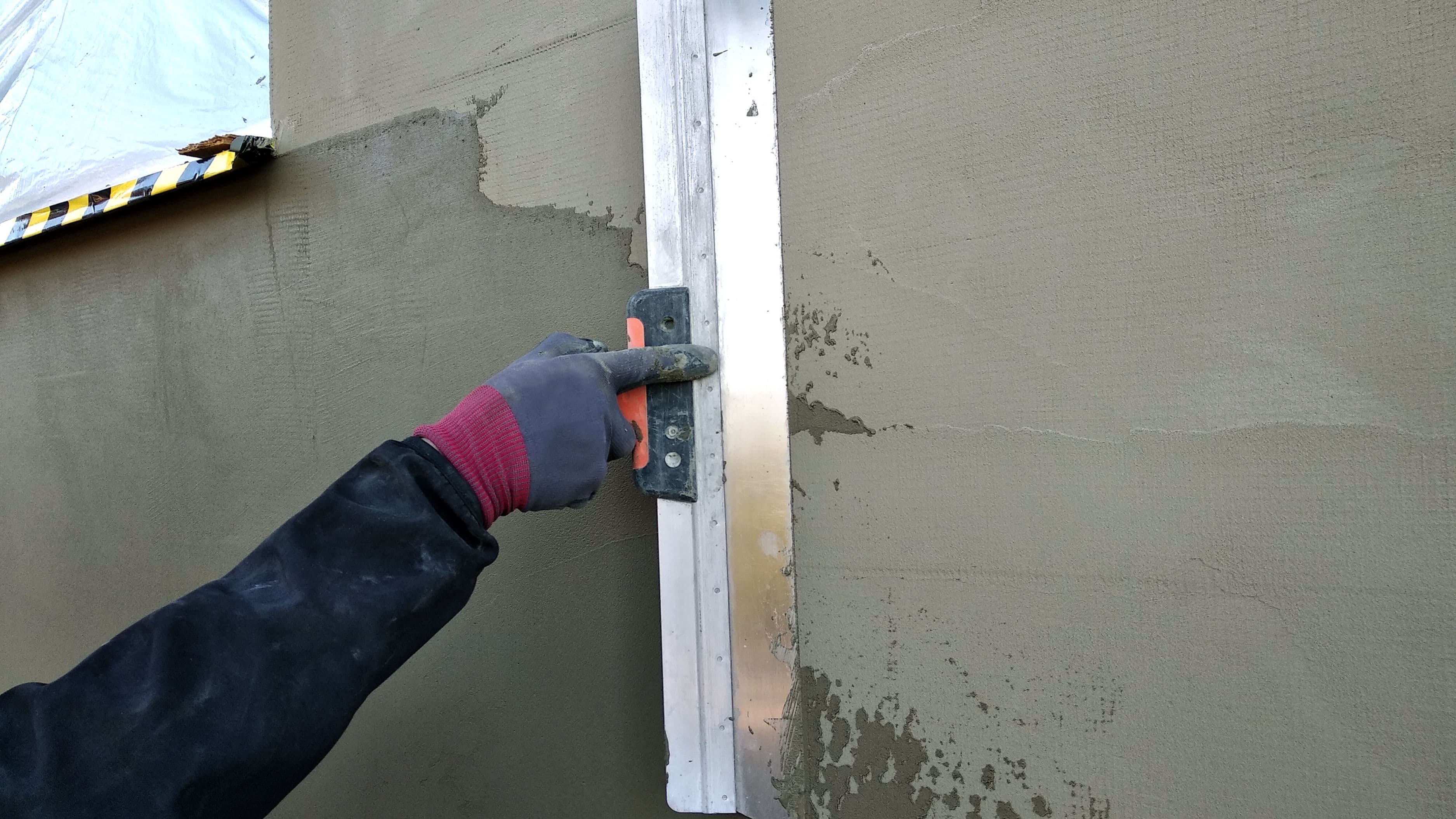
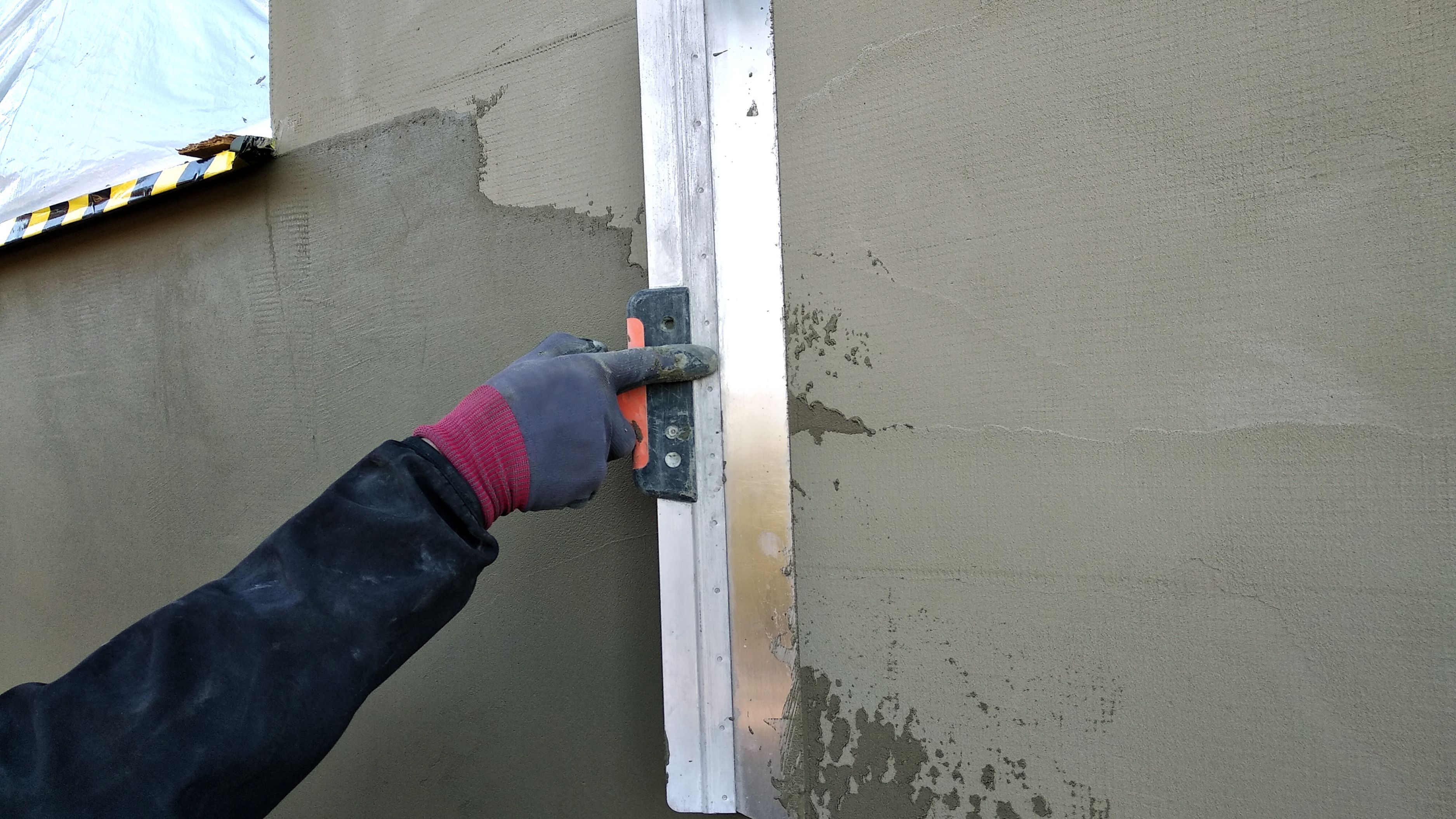
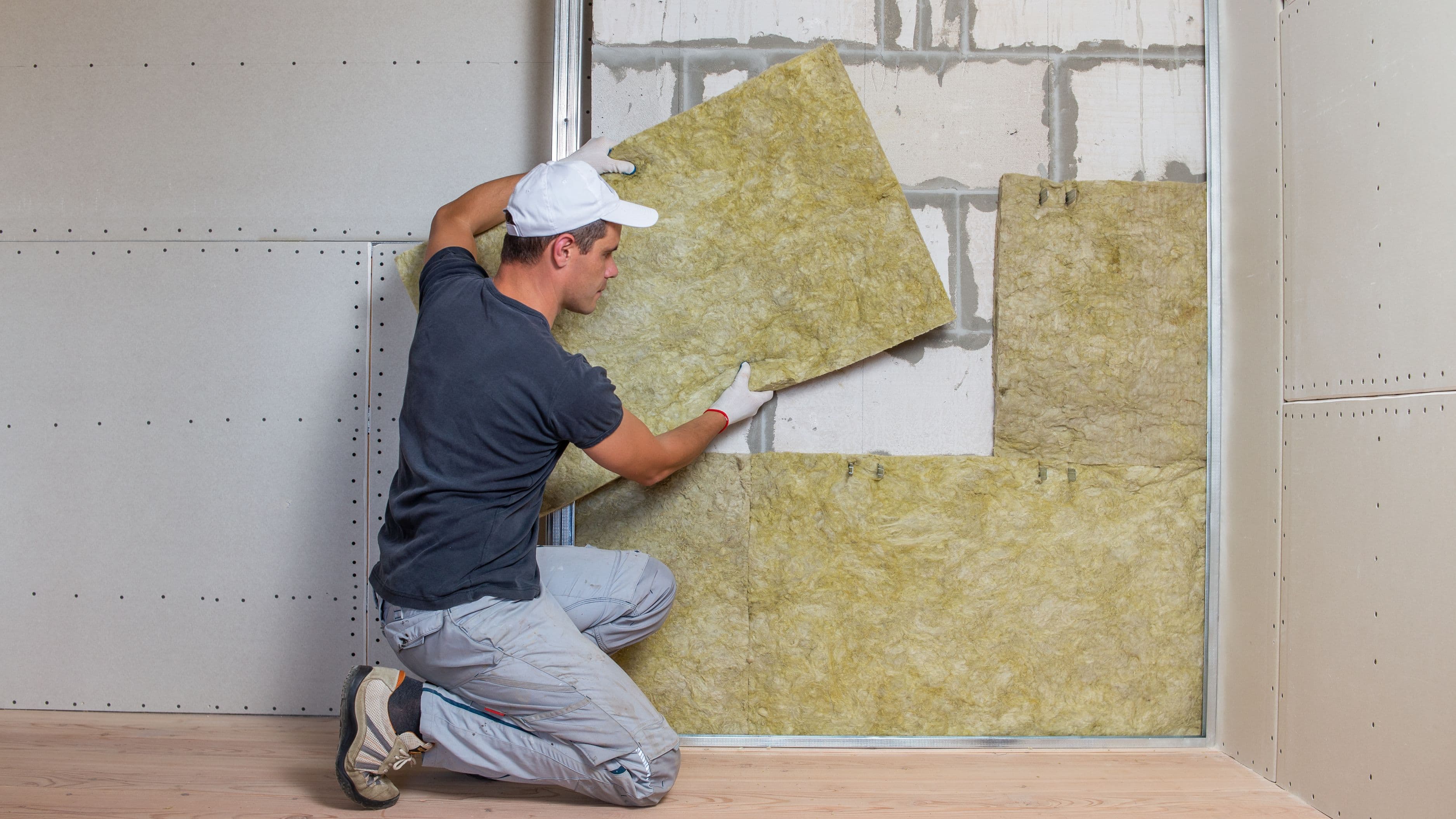
Stucco is a cement-based plaster applied wet directly over a wire mesh or lath base attached to your home's exterior sheathing, cured into a hard, monolithic surface once dry. Fiber cement siding, by contrast, is a manufactured product made from a mixture of cement, sand, and cellulose fibers, produced in individual boards or panels that are installed similarly to traditional wood siding, overlapping and fastened directly to the home's exterior.
This fundamental difference – a wet-applied monolithic surface versus individual manufactured boards – explains most of the practical differences in installation, repair, and long-term durability between the two materials.
Lifespan Comparison
Properly installed stucco can last 50 to 80 years or more with appropriate maintenance, making it one of the longest-lasting exterior finishes available when applied correctly in a climate suited to its properties. Fiber cement siding typically carries a manufacturer-rated lifespan of 30 to 50 years, still a genuinely long-lasting option, though somewhat shorter than well-maintained stucco's upper range in ideal conditions.
What this means practically: in the right climate with quality installation, stucco has the edge in maximum potential lifespan, though this comes with important caveats around climate suitability and installation quality that matter as much as the material itself.
Climate Suitability Is a Bigger Factor Than Many Homeowners Realize
Stucco performs exceptionally well in dry, arid climates, which is why it's so strongly associated with homes in the Southwestern US, but it's considerably more prone to problems in consistently wet or humid climates, where moisture can become trapped behind the surface if the underlying moisture barrier and installation weren't done correctly, leading to issues that can require expensive remediation.
Fiber cement siding handles moisture and humidity considerably better than stucco across a wider range of climates, since its manufactured board construction with proper installation and caulking is specifically engineered to shed water effectively, making it a more versatile choice across different regional climate conditions.
What this means practically: if you're in a genuinely wet or humid climate, fiber cement siding is generally the more reliably durable choice long-term, while stucco's impressive lifespan potential is more fully realized specifically in drier climates where it was traditionally developed and remains most common.
Maintenance Requirements Compared
Stucco requires periodic recaulking around windows, doors, and any penetrations, along with occasional recoating or painting, typically every 5 to 10 years depending on climate exposure and the specific stucco finish used. Cracks, even hairline ones, need to be addressed promptly, since they can allow water infiltration that leads to more significant damage behind the surface if left unaddressed.
Fiber cement siding requires repainting roughly every 10 to 15 years depending on the specific product and climate exposure, generally a longer interval than stucco's recoating needs, along with periodic caulking maintenance at joints and openings similar to most siding materials.
Cost level: Both materials involve moderate ongoing maintenance costs, though stucco's more frequent recoating interval and greater sensitivity to crack repair generally results in somewhat higher cumulative maintenance costs over a multi-decade timeframe compared to fiber cement.
Repair Considerations
Stucco repair, when done correctly, can blend seamlessly with the surrounding surface, though achieving a good color and texture match requires real skill, and a poorly executed patch is often visibly noticeable against original, weathered stucco. Fiber cement board repair typically involves replacing individual damaged boards rather than patching, which can be more straightforward in terms of achieving a clean repair, though matching the weathering and color of surrounding boards after years of sun exposure presents its own similar challenge.
Installation Cost Comparison
Stucco installation costs typically run $6–$9 per square foot, varying based on the number of coats and finish texture chosen, while fiber cement siding installation generally runs $5–$10 per square foot depending on the specific product line and installation complexity. The two materials land in a broadly similar cost range upfront, making long-term maintenance and climate suitability more decisive factors than initial installation cost alone.
Which Option Makes More Sense for Your Home
If you're in a dry, low-humidity climate and value stucco's distinctive aesthetic and exceptional longevity potential, and you're comfortable with a somewhat more frequent maintenance schedule involving recoating and prompt crack repair, stucco remains an excellent long-term choice. If you're in a climate with meaningful humidity, rain, or seasonal moisture, or you prefer a longer interval between required maintenance and repainting, fiber cement siding generally offers more reliable, lower-maintenance durability across a broader range of conditions.
What to Avoid
Avoid choosing stucco in a consistently wet or humid climate without a well-designed moisture barrier system installed by an experienced, reputable contractor specifically familiar with stucco installation in that climate type, since this is where the majority of serious, costly stucco failures originate. Don't ignore small stucco cracks assuming they're purely cosmetic, since even hairline cracks can become entry points for moisture that causes more significant, expensive damage behind the surface over time.
For fiber cement, avoid skipping proper caulking maintenance at board joints and openings, since this is where most moisture infiltration issues with this material tend to originate if left unaddressed over the years.
FAQ
Which material is better for a coastal climate? Fiber cement generally performs more reliably in coastal, humid, or salt-air conditions than stucco, given its stronger inherent moisture resistance across a wider range of climate conditions.
Does stucco crack more than fiber cement over time? Stucco is somewhat more prone to hairline cracking as a home settles over time, given its monolithic application method, while fiber cement's individual board construction tends to handle minor structural movement with less visible cracking.
Is one material significantly cheaper than the other? Installation costs for both materials land in a broadly similar range, making climate suitability and long-term maintenance costs the more meaningful factors in the overall cost comparison rather than upfront installation price alone.
Both stucco and fiber cement siding can genuinely last decades when properly installed and maintained, but climate suitability matters more than most homeowners initially expect, and it's often the deciding factor in which material will actually deliver its full potential lifespan on your specific home.
📚 Sources
This Old House: Stucco vs Fiber Cement Siding – https://www.thisoldhouse.com/siding
James Hardie: Fiber Cement Siding Durability – https://www.jameshardie.com/
National Association of Home Builders: Exterior Cladding Lifespan Guide – https://www.nahb.org/
🔍 Explore Related Topics