

Here's an honest breakdown of what switching actually costs, what you get in return, and who this upgrade makes the most sense for.
How They Actually Compare
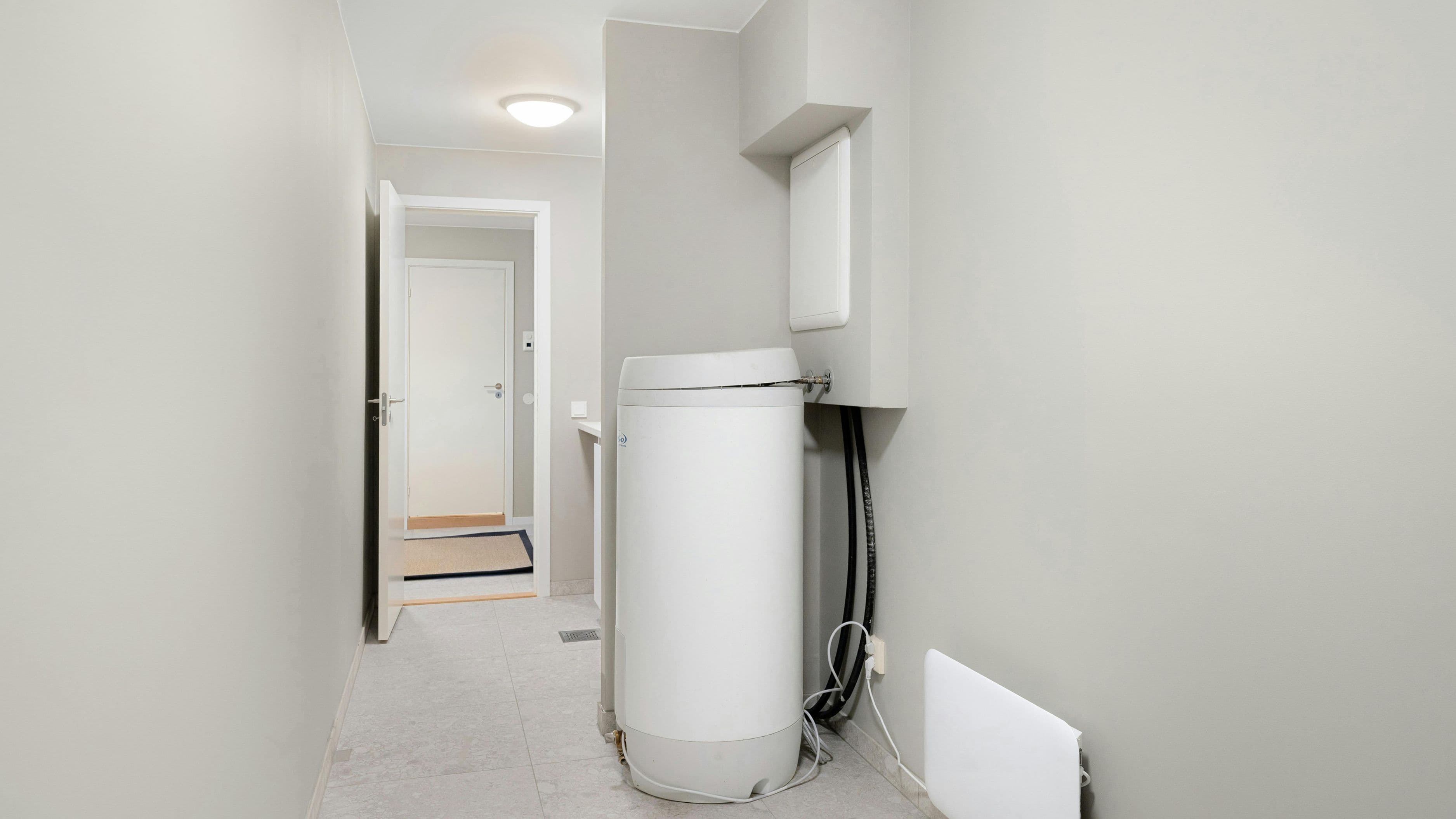
Tank water heaters store and continuously heat 30 to 80 gallons of water, keeping it ready at all times. This means consistent, well-understood performance, but it also means the unit is using energy to maintain that temperature around the clock, even during hours when nobody's using hot water. Once the tank runs out during heavy use, you're waiting for it to reheat before more hot water is available.
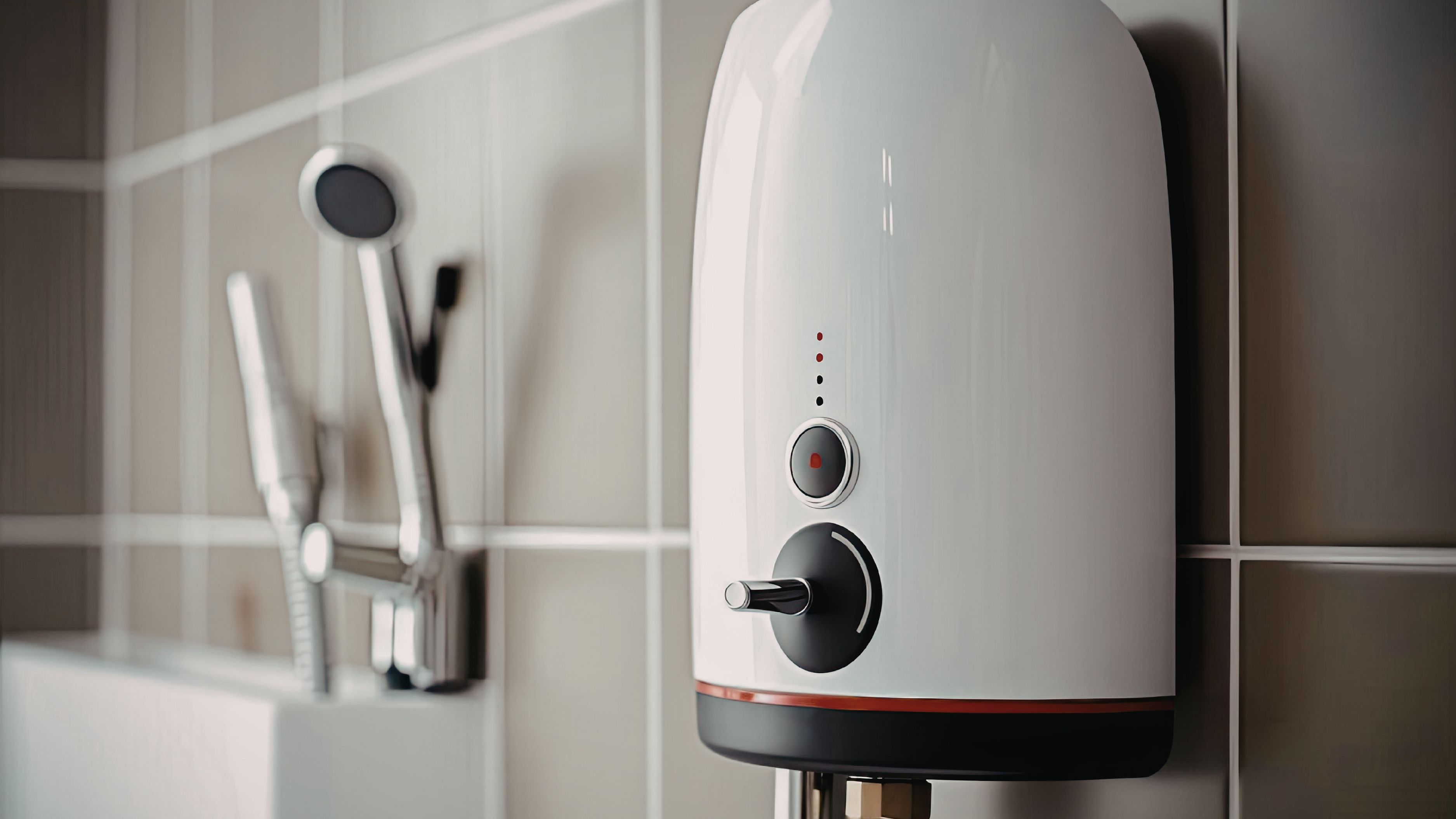
Tankless water heaters heat water on demand as it flows through the unit, rather than storing a reserve. This eliminates standby energy loss and theoretically provides unlimited hot water, since there's no tank to deplete, only a flow rate limit on how many fixtures can run hot water simultaneously.
Upfront Cost Comparison
A standard 50-gallon gas tank water heater typically costs $800 to $1,800 installed, including the unit and standard installation labor, making it the lower upfront cost option in nearly every case. A tankless gas unit runs higher, generally $1,500 to $3,500 installed for a straightforward replacement where your existing gas lines and venting are already compatible.
The real cost variable with tankless units is what happens when your home's existing infrastructure isn't already set up for one. If your gas line needs to be upsized to handle the higher flow rate a tankless unit requires, or if your venting needs to be reconfigured for the different exhaust requirements, installation costs can climb significantly, sometimes pushing total project costs to $4,000 to $5,000 or more for homes requiring substantial modifications.
Operating Cost Comparison
This is where tankless units typically pull ahead over time. The U.S. Department of Energy estimates tankless water heaters can be 24% to 34% more energy efficient than tank-style units for homes using less than 41 gallons of hot water daily, with the efficiency gap narrowing somewhat for higher-usage households. That efficiency comes specifically from eliminating standby heat loss, the energy a tank heater spends keeping stored water hot even when it's not being used.
For a typical household, this efficiency difference translates to meaningful but not dramatic annual savings, often in the range of $100 to $200 per year depending on your local energy rates and household hot water usage. It's a real, ongoing benefit, but it's worth being clear-eyed that this savings alone often takes years to offset the higher upfront installation cost, especially if your home requires infrastructure upgrades to accommodate the new unit.
Lifespan and Maintenance
Tankless water heaters typically last 20 years or more with proper maintenance, compared to 10 to 15 years for a standard tank unit, which meaningfully changes the long-term cost math in their favor. Over a 20-year period, you might be replacing a tank-style heater once or even twice, while a single tankless unit could cover that same span.
Maintenance requirements differ too. Tankless units need periodic descaling, especially in areas with hard water, since mineral buildup can reduce efficiency and shorten the unit's lifespan if neglected. This typically means an annual flush, either done yourself with a basic kit or through a professional service call, adding a modest but real ongoing maintenance cost that tank units don't require to the same degree.
Real-World Use Case
A family of four in a moderate-usage household, replacing a 12-year-old tank unit that's starting to show signs of wear, is a fairly typical candidate for considering the switch. If their existing gas line and venting are already adequate for a tankless unit, the upfront cost premium is more modest, and the combination of lower operating costs and a longer lifespan can make the math work out favorably over a 15 to 20 year horizon.
A different household with high simultaneous hot water demand (multiple bathrooms running at once regularly, for example) needs to pay closer attention to a tankless unit's flow rate rating, since exceeding it means inconsistent temperature rather than the unlimited hot water often advertised. In these situations, either a higher-capacity tankless unit, or in some cases a hybrid heat pump tank system, may be a better fit than a standard tankless model.
Best Use Cases by Situation
Homes with existing gas infrastructure compatible with tankless requirements, moderate to average hot water usage, and a long-term ownership horizon tend to see the clearest financial benefit from switching. Homes needing significant gas line or venting modifications, or homes where the current tank system isn't actually failing or underperforming, often see a much longer payback period that may not justify the switch purely on cost grounds.
If your priority is primarily space savings rather than long-term cost, tankless units do offer a meaningful footprint advantage, mounting on a wall rather than occupying floor space, which matters more in smaller homes or tight utility closets than the financial comparison alone might suggest.
Common Mistakes
Underestimating installation costs by only budgeting for the unit itself, without accounting for potential gas line or venting upgrades, is one of the most common and costly surprises homeowners run into mid-project. Choosing a tankless unit's capacity based purely on the cheapest available model, without checking its flow rate against your household's actual simultaneous hot water needs, is another frequent issue that leads to disappointing real-world performance.
It's also worth avoiding the assumption that tankless automatically means "set it and forget it." Skipping the recommended annual descaling, especially in hard water areas, can meaningfully shorten the unit's lifespan and erode the long-term cost advantage that's central to the upgrade's value proposition in the first place.
FAQ
How long does it take to recoup the cost of switching to tankless? This varies widely based on installation complexity and household usage, but a straightforward installation with compatible existing infrastructure often sees a payback period in the range of 8 to 15 years through energy savings alone, not accounting for the longer lifespan advantage.
Do tankless water heaters really provide unlimited hot water? They provide continuous hot water as long as demand stays within the unit's flow rate capacity, but exceeding that capacity (running multiple showers and a dishwasher simultaneously, for example) can result in reduced water temperature rather than true unlimited supply.
Is it worth switching to tankless if my current tank heater still works fine? If your existing tank isn't failing or significantly underperforming, the financial case is weaker, since you'd be paying full installation cost upfront to capture savings that take years to materialize, making this a better fit for a planned replacement than an early swap-out.
Are electric tankless water heaters a good option? Electric tankless units have lower upfront and installation costs in homes without existing gas service, but they often require significant electrical panel capacity and may not be efficient enough for whole-home use in colder climates, making them better suited to smaller applications like a single bathroom or point-of-use setup.
Tankless water heaters aren't a universal upgrade that pays off for everyone, but for the right household with compatible existing infrastructure and a long-term ownership horizon, the combination of efficiency and lifespan can genuinely outweigh the higher upfront cost. Run the real numbers for your specific home and gas or electrical setup before committing, rather than relying on the general marketing claims alone.
📚 Sources
U.S. Department of Energy – Tankless or Demand-Type Water Heaters - https://www.energy.gov/energysaver/tankless-or-demand-type-water-heaters
ENERGY STAR – Water Heater Buying Guide - https://www.energystar.gov/products/water_heaters