
This isn't a question with one universally correct answer. Both materials can work well in a kitchen, and both have real weaknesses that the other doesn't share. What follows is an honest breakdown of how each holds up across the factors that actually matter when you're deciding where to put your money.
How Each Material Handles the Kitchen Environment
Kitchens are demanding in specific ways: water exposure, grease, temperature fluctuations, dropped heavy objects, and constant foot traffic. Understanding how tile and hardwood respond to each of these is where the comparison gets practical.
Water and moisture is where the gap between the two materials is widest. Ceramic and porcelain tile are essentially impervious to water. You can mop them repeatedly, let a spill sit for an hour, and run a steam mop over them without concern. Hardwood is fundamentally a different material – wood expands and contracts with moisture, and repeated exposure to standing water causes cupping (where the edges of boards rise), warping, and eventually structural damage to the floor itself. Even "water-resistant" hardwood finishes slow moisture absorption; they don't eliminate it. Near the sink and dishwasher, this difference has practical consequences every single day.
Grease and staining favours tile again, with one caveat. Tile itself doesn't stain, and cleaning oil and grease from a glazed tile surface is straightforward. The caveat is grout. Standard grout is porous and will absorb grease and food residue over time, discolouring and becoming difficult to clean. Epoxy grout largely solves this problem but costs more. Hardwood, with a quality polyurethane finish, handles surface grease and food residue reasonably well as long as it's cleaned promptly – it's not impervious, but it's more manageable than many people expect for daily cooking use.
Impact resistance flips the comparison. Tile is hard and brittle, which means it resists scratches from chairs and pet claws exceptionally well – but it chips and cracks under significant impact. Drop a cast-iron skillet on tile and you may crack the tile. Hardwood dents rather than cracks under impact, which is a more repairable failure mode for most people. A dented board can be sanded and refinished; a cracked tile requires replacement of that tile and sometimes adjacent ones if the crack runs through grout lines.
Temperature and underfoot comfort is often overlooked in flooring comparisons. Tile is cold underfoot in winter and stays cold because of its thermal mass. In a kitchen where you stand for extended periods – cooking a long meal, doing dishes – this matters more than people anticipate. Hardwood is closer to room temperature, warmer underfoot, and softer underfoot over extended standing. If you add radiant floor heating, tile becomes an excellent conductor and takes full advantage of it; hardwood can work with radiant heat but requires careful temperature control to avoid excessive expansion.
Durability Over Time
Both materials are long-lasting when properly installed and maintained, but they age differently.
Porcelain tile, in particular, is one of the most durable flooring materials available for residential use. With proper installation on a solid substrate, a tile floor can last decades without significant deterioration. The vulnerabilities are installation-related: a poorly prepared subfloor, insufficient adhesive coverage, or incorrect grout joint spacing leads to cracked tiles and failed grout lines well before the material itself would give out. The tile itself isn't the weak point – the installation is.
Hardwood floors are also durable over the long term, with the added benefit that they can be completely restored through sanding and refinishing. A solid hardwood floor that's been scratched, worn, and dented over fifteen years can be returned to essentially new condition with a professional sand and refinish – something tile cannot offer. Engineered hardwood, which has a thin real wood veneer over a plywood or HDF core, is more dimensionally stable than solid hardwood (less expansion and contraction with humidity changes) and handles kitchen conditions somewhat better, though it can only be refinished once or twice before the veneer is exhausted.
The long-term durability comparison favours tile in kitchens specifically because the moisture exposure issue is ongoing and unpredictable. A hardwood floor that's well maintained and never exposed to significant moisture can last as long as tile. But kitchen floors regularly face conditions that test hardwood's moisture tolerance in ways that other rooms don't.
Cost Comparison
Tile (ceramic/porcelain):
Material cost: $2–$10 per square foot for ceramic; $3–$15 per square foot for porcelain
Installation cost: $4–$10 per square foot (labour-intensive due to substrate prep, cutting, and grouting)
Total installed cost: $6–$25 per square foot depending on tile choice and complexity
Refinishing/repair: Individual tile replacement is $5–$20 per tile plus labour; full floor replacement is a major project
Hardwood (solid/engineered):
Solid hardwood material: $5–$15 per square foot; engineered hardwood: $4–$12 per square foot
Installation cost: $3–$8 per square foot
Total installed cost: $8–$23 per square foot
Refinishing: $3–$5 per square foot for a professional sand and refinish; extends floor life significantly
At comparable quality levels, the installed costs of tile and hardwood are similar. The long-term cost picture favours hardwood slightly if refinishing extends its life without replacement; it favours tile if the kitchen sees significant moisture exposure and hardwood requires early replacement.
Maintenance Reality
Tile is easy to clean and hard to damage through cleaning methods. The grout, however, requires regular sealing (annually or every two years, depending on grout type) to prevent staining and discolouration. Without maintenance, grout lines in a kitchen become progressively harder to clean as they absorb grease and food pigments. This is the primary maintenance burden of tile floors, and it's one that many homeowners underestimate at installation time.
Hardwood requires regular sweeping and damp mopping with hardwood-specific cleaners. Excess water – wet mopping, steam mopping – damages the finish and eventually the wood itself. Periodic recoating of the finish every three to five years extends its life without full refinishing. The maintenance discipline required is higher than tile in the sense that the consequences of neglect or incorrect cleaning methods are more visible and harder to reverse.
Resale and Home Value
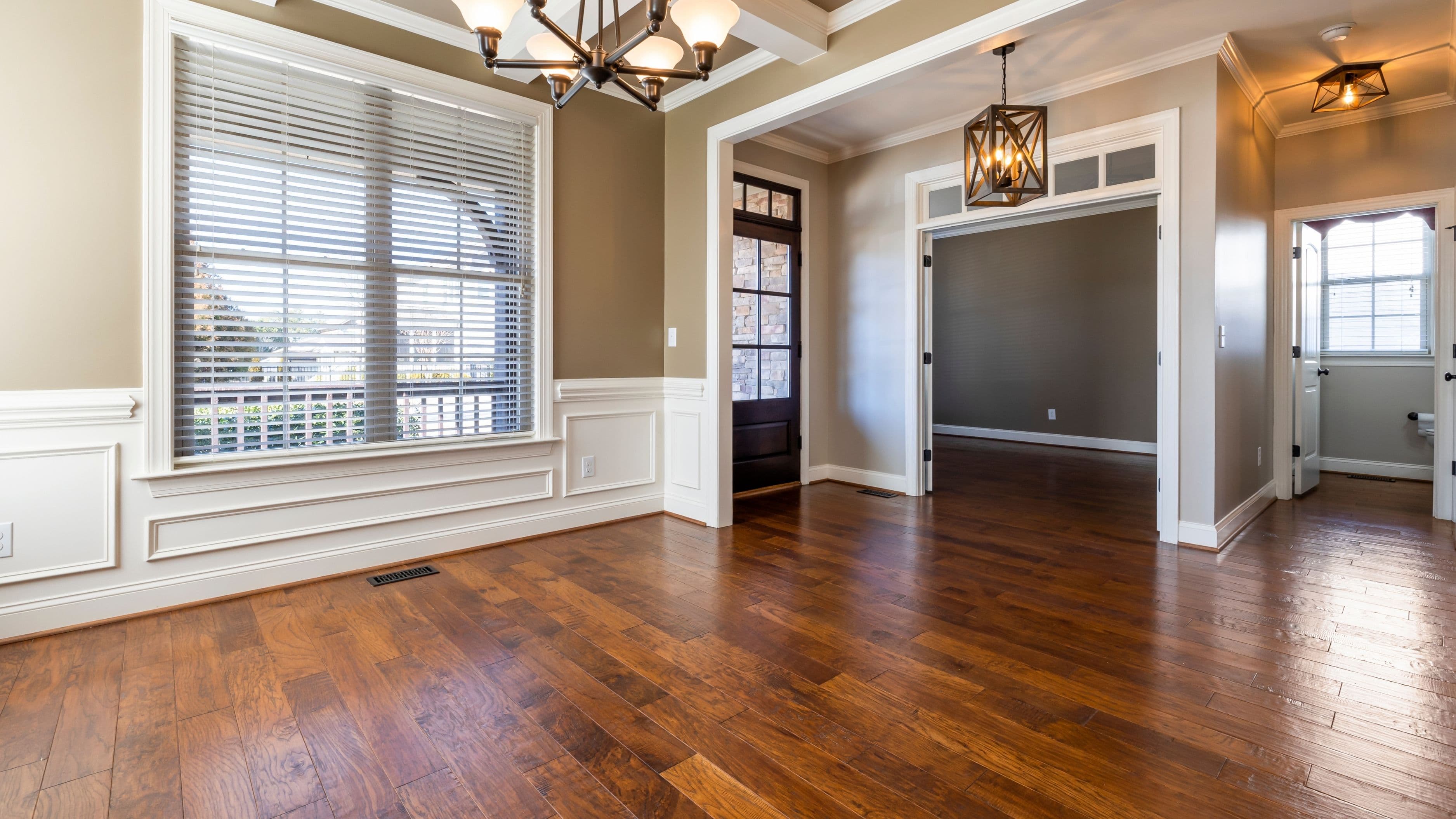
Both materials are viewed positively by buyers and appraisers, but there's a nuance worth knowing. Hardwood flooring has broader appeal and tends to be mentioned specifically in real estate listings as a selling feature. In markets where open-plan kitchens flow into living and dining spaces, continuous hardwood flooring creates a visual unity that buyers respond to strongly.
Tile in a kitchen is neutral to positive – it's expected, respected, and rarely cited as a negative. It doesn't typically carry the premium association that hardwood does in most US markets, but it doesn't detract from value either, and in wet climates or homes with heavy family use, buyers may actively prefer it.
If resale value is a primary driver of the decision, a continuous hardwood floor running through kitchen, dining, and living areas typically scores higher with buyers than a tile kitchen with different flooring in adjacent rooms.
The Recommendation
Choose tile if: you have a high-moisture kitchen (young children, frequent cooking, a dishwasher that occasionally leaks), you prefer low long-term maintenance, you're installing radiant floor heating, or your kitchen is a standalone space where flooring continuity with other rooms isn't a factor.
Choose hardwood (or engineered hardwood) if: your kitchen flows visually into adjacent living spaces and continuity matters to you, underfoot comfort during extended cooking is a priority, you're willing to maintain the floor correctly and avoid excessive moisture exposure, or resale appeal in your specific market is a significant consideration.
The practical middle ground: Engineered hardwood in a kitchen is the compromise that addresses many of hardwood's moisture weaknesses while preserving its warmth and appearance. Species choice matters too – harder woods like hickory or white oak resist denting better than softer species like pine or cherry, making them a more practical choice for a high-traffic kitchen floor.
Common Mistakes to Avoid
Using solid hardwood near the sink or dishwasher without sealing it properly. The area within two feet of the sink receives far more water exposure than the rest of the floor. If you're committed to hardwood in a kitchen, a high-quality finish and prompt cleanup of spills in this zone are non-negotiable.
Choosing large-format tile without adequate subfloor preparation. Large tiles – 24x24 inches or bigger – are popular for their clean look, but they're unforgiving on subfloors that aren't perfectly flat. Any flex or unevenness in the substrate causes large tiles to crack at the corners or along unsupported spans. Larger tiles require a more thorough subfloor assessment and often additional preparation.
Ignoring grout colour and type. Light grout in a kitchen looks beautiful in photos and discolours quickly in real life. Dark grout or mid-tone grout hides staining between cleanings. Epoxy grout costs more upfront and is harder to work with during installation, but it's dramatically easier to maintain over years of kitchen use.
Installing hardwood in a kitchen without acclimating it to the space. Hardwood needs to sit in the room it's being installed in for several days before installation so it can adjust to the home's humidity levels. Skipping this step leads to boards that expand after installation, causing buckling or tight seams that open up as the wood adjusts.
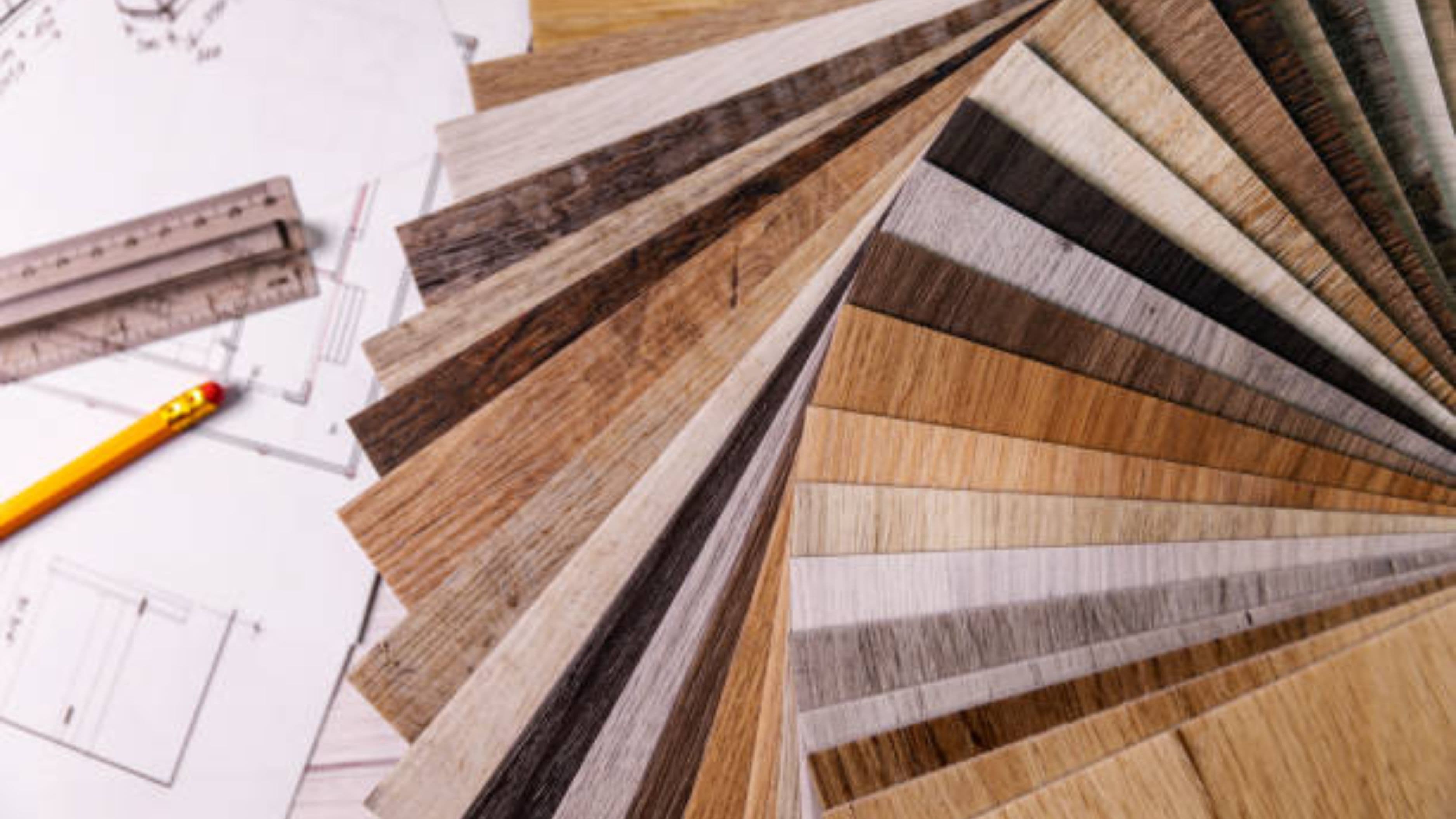
Choosing flooring in isolation from the rest of the kitchen. Tile and hardwood each look very different under different lighting conditions and against different cabinet and countertop colours. Get samples of the actual flooring material and live with them in your kitchen for a few days before committing.
FAQ
Can you use hardwood flooring in a kitchen? Yes, and many homeowners do successfully. The key is engineered hardwood over solid hardwood for better dimensional stability, a high-quality finish, prompt cleaning of spills, and avoiding steam mopping. It requires more care than tile in a kitchen environment but is a viable choice with appropriate maintenance.
How long does tile flooring last in a kitchen? Porcelain tile floors properly installed on a solid substrate can last 20–50 years or longer. The grout typically needs attention sooner – resealing every 1–2 years and potentially re-grouting at some point in the floor's life.
Is heated flooring possible under hardwood? Yes, but it requires care. Engineered hardwood handles radiant heat better than solid hardwood because it's more dimensionally stable. The system needs to be set to a maximum temperature (typically no higher than 80°F at the floor surface) and ramped up gradually to avoid stressing the wood. Consult the specific manufacturer's guidelines before installing radiant heat under any hardwood product.
Which is easier to repair – tile or hardwood? They require different repair approaches. A cracked or chipped tile can be replaced individually if you have matching tile, though matching older tile can be difficult. Hardwood floors can be sanded and refinished to remove surface damage. For isolated deep gouges or damaged boards, individual boards can be replaced in either material, with hardwood matching generally easier due to natural finish variation.
Is luxury vinyl plank (LVP) a better option than either for kitchens? LVP has become a genuinely competitive third option that addresses many of the limitations of both tile and hardwood in kitchens. It's 100% waterproof, more comfortable underfoot than tile, highly durable, and available in convincing wood and stone looks. The trade-off is that it doesn't carry the same perceived value as real wood or stone, it can't be refinished, and it has a shorter lifespan than well-maintained tile or hardwood. For budget-conscious renovations where moisture resistance is a priority, it's worth serious consideration.
📚 Sources
This Old House – Hardwood vs tile flooring comparison: https://www.thisoldhouse.com/flooring/21015692/hardwood-floors-vs-tile-floors
Family Handyman – Best kitchen flooring options: https://www.familyhandyman.com/list/best-kitchen-flooring-options/
National Wood Flooring Association – Hardwood in kitchens and wet areas: https://www.nwfa.org/hardwood-flooring-101/hardwood-in-wet-areas/
Tile Council of North America – Grout and tile installation standards: https://www.tcnatile.com/faqs/61-grouting.html
Bob Vila – Tile flooring cost guide: https://www.bobvila.com/articles/tile-flooring-cost/
Architectural Digest – Kitchen flooring ideas and trends: https://www.architecturaldigest.com/story/kitchen-flooring-ideas