
What Each Option Actually Is
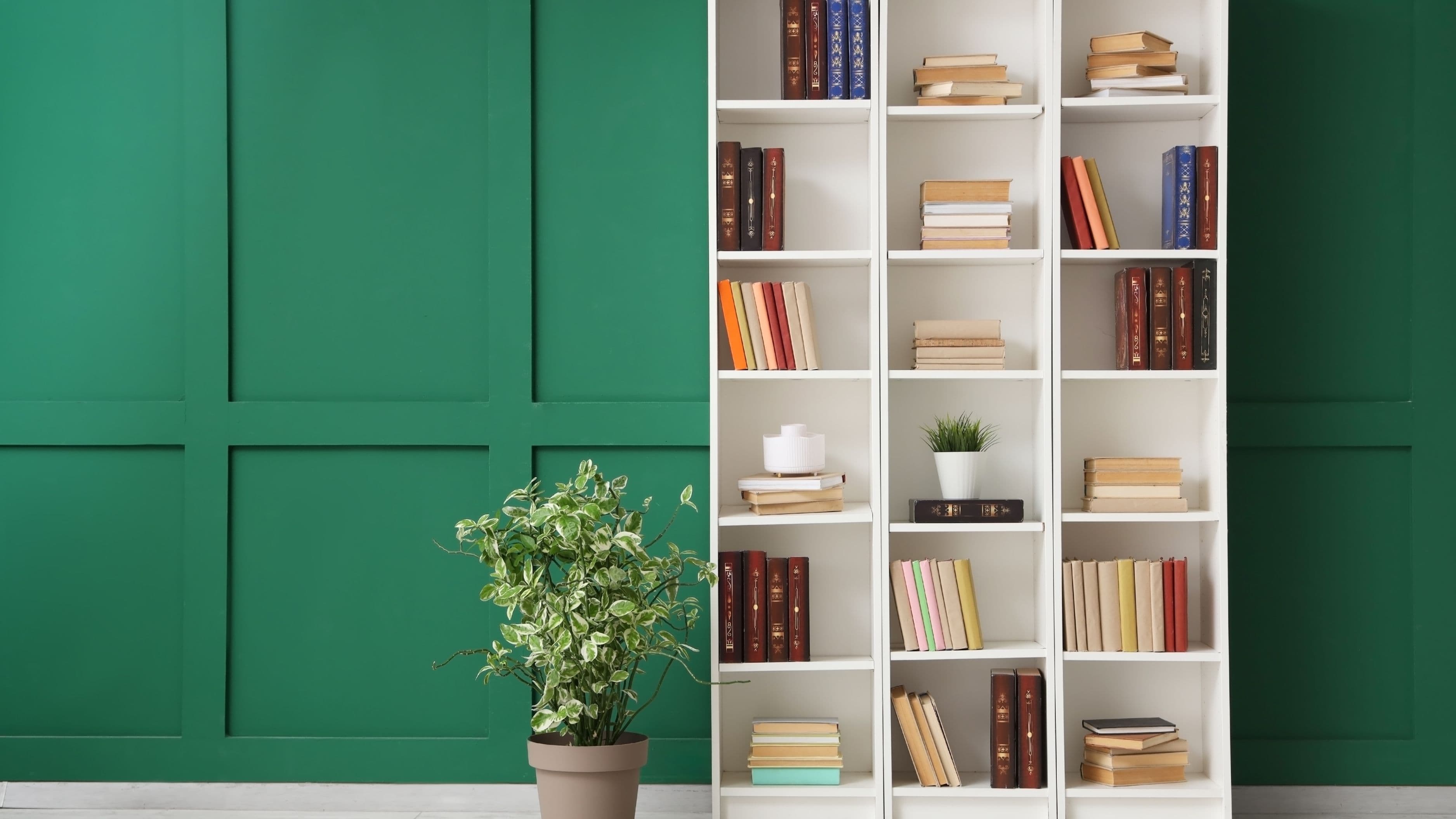
Over-the-toilet storage refers to a freestanding or wall-mounted unit – typically a shelving structure or cabinet – installed in the vertical space above your toilet tank. It's an add-on piece of furniture rather than a structural change to the room.
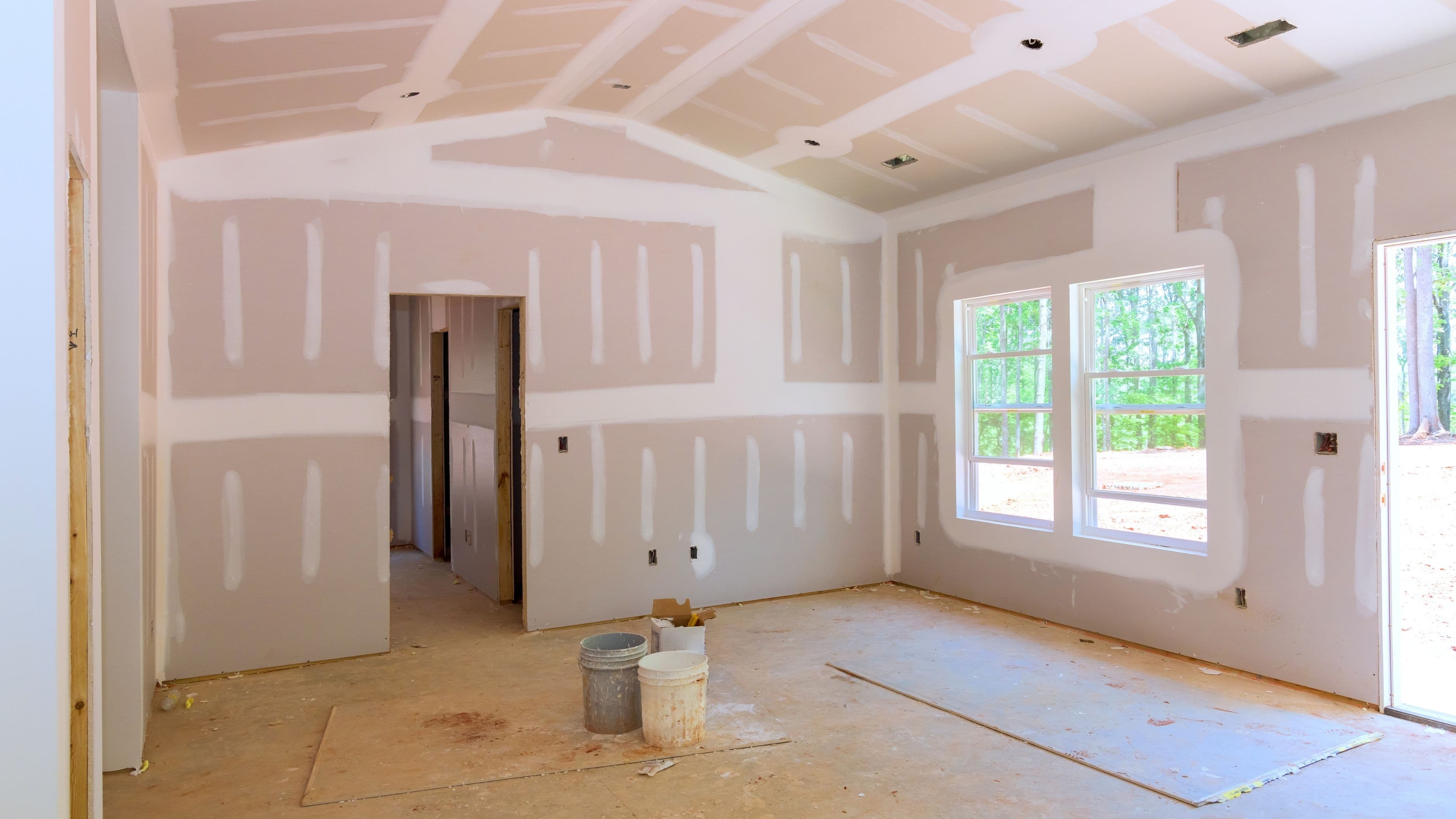
A wall niche is a recessed opening built directly into the wall, usually between wall studs, that creates a built-in shelf space flush with the wall surface. This requires cutting into drywall and, in many cases, working around or relocating plumbing or electrical if the wall isn't a simple, unobstructed cavity.
Breakdown: Over-the-Toilet Storage
What it is: A shelving unit or cabinet that mounts to the wall above the toilet, using otherwise wasted vertical space.
Pros:
Installation is straightforward, often achievable in an afternoon with basic tools
Available in a wide range of styles and price points, making it easy to match existing decor
Fully reversible – ideal for renters or anyone not ready to commit to permanent changes
Requires no drywall work, so there's no risk of hitting plumbing or wiring inside the wall
Cons:
Adds visual bulk to the room rather than blending into the wall
Weight capacity is often limited compared to what a built-in niche can support
Can look like an obvious add-on rather than an integrated design element, depending on style
Best for: Renters, budget-conscious homeowners, or anyone wanting a quick storage fix without committing to construction.
Breakdown: Wall Niches
What it is: A recessed shelf built into the wall cavity, often used in showers for toiletries but equally functional built into a wall near the toilet or vanity for towels, extra tissue, or decor.
Pros:
Creates a clean, built-in look that reads as a permanent design feature rather than an add-on
Doesn't intrude into the room's floor or wall footprint, since it sits flush with the surface
Tends to add perceived home value as a design upgrade, particularly in a fuller bathroom remodel
Can be tiled or finished to match the surrounding wall for a cohesive appearance
Cons:
Requires opening the wall, checking for plumbing, electrical, or structural obstructions before cutting
Meaningfully more expensive than a storage unit, especially if professional installation is needed
Permanent – not a realistic option for renters or anyone planning to move soon
Mistakes (cutting into a pipe or wire) can turn a storage project into a costlier repair
Best for: Homeowners doing a broader bathroom renovation who want a built-in, permanent storage solution and are prepared for the additional cost and construction involved.
Cost and Time Comparison
Over-the-toilet units are typically a same-day project with a low-to-medium cost, especially if you're installing a pre-made unit rather than building one from scratch. Wall niches require significantly more time – locating studs and plumbing, cutting drywall, framing the opening, and finishing the interior – and are best scheduled as part of a broader bathroom project rather than a standalone weekend task, given the higher cost and skill level involved, particularly around confirming there's no plumbing or wiring in the wall cavity before cutting.
How to Choose
If your bathroom is a rental, or you're working with a tight budget, or you simply want a fast fix, over-the-toilet storage is the more practical and lower-risk choice. If you're already planning a fuller bathroom renovation, own your home long-term, and want storage that looks intentional rather than added-on, a wall niche is generally the better long-term investment, provided the wall in question doesn't have plumbing or structural elements that complicate the build.
What to Avoid
Don't attempt to cut a wall niche without first confirming there's no plumbing, electrical, or structural framing in that specific section of wall – a stud finder and, ideally, a look at your home's plumbing layout are worth the extra time before cutting. Avoid overloading an over-the-toilet unit beyond its stated weight capacity, since these units are generally not built to the same load-bearing standard as a built-in structure. And don't choose a wall niche purely for resale value if you're planning to move soon – the cost and disruption may not be worth it compared to a simpler, reversible storage solution.
FAQ
Can I install a wall niche myself, or do I need a professional? It depends on your comfort level with drywall work and your confidence in locating plumbing and wiring accurately – many homeowners hire a professional specifically because the risk of hitting a pipe is a costly mistake to make.
Do over-the-toilet units work with all toilet heights and tank sizes? Most standard units are designed to fit typical tank heights, but it's worth measuring your specific toilet before purchasing, since tank height and width vary between models.
Is a wall niche worth it if I'm not renovating the whole bathroom? It can be, but the cost and disruption are harder to justify as a standalone project – it's most cost-effective when done alongside other wall work you're already planning.