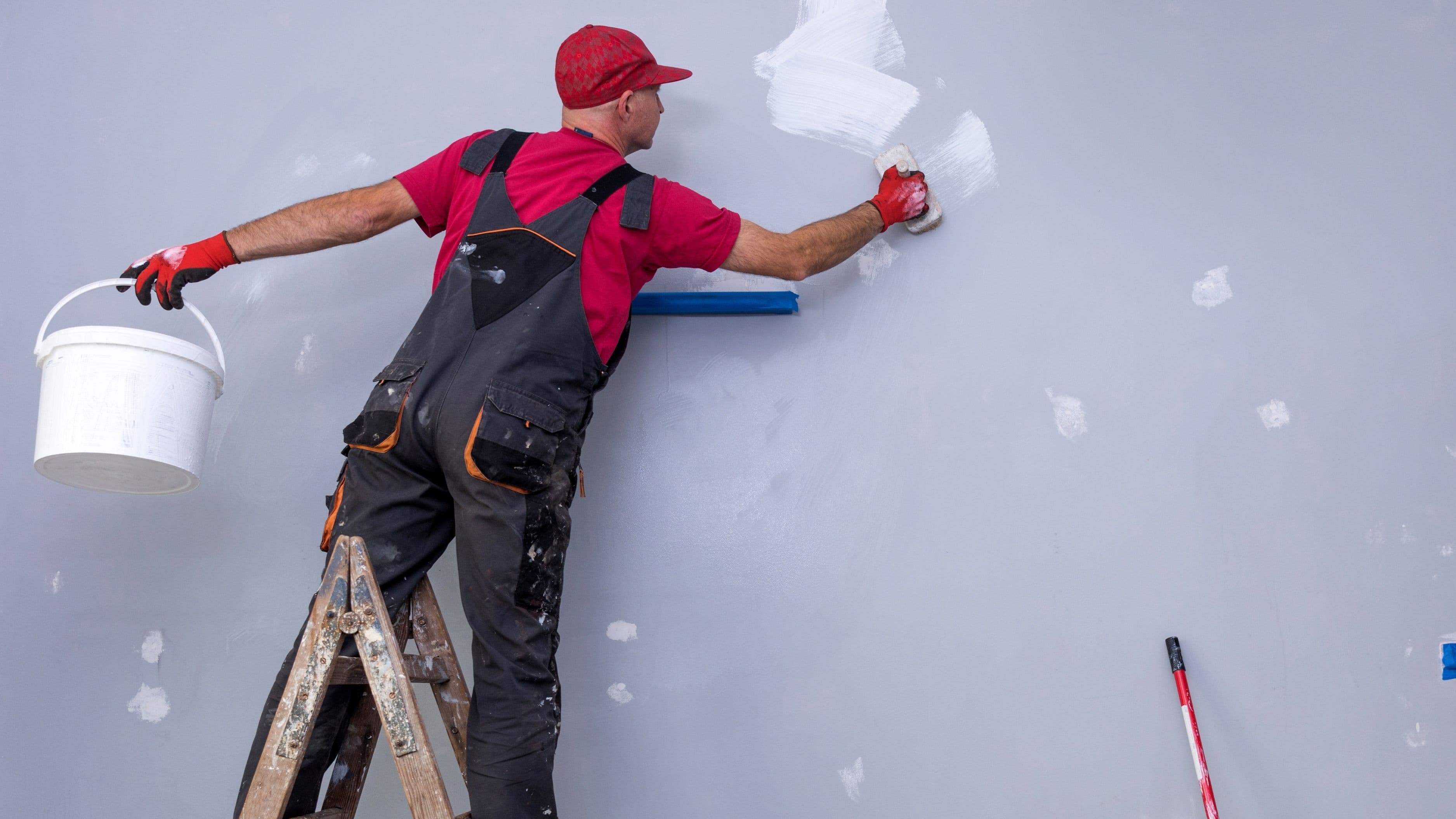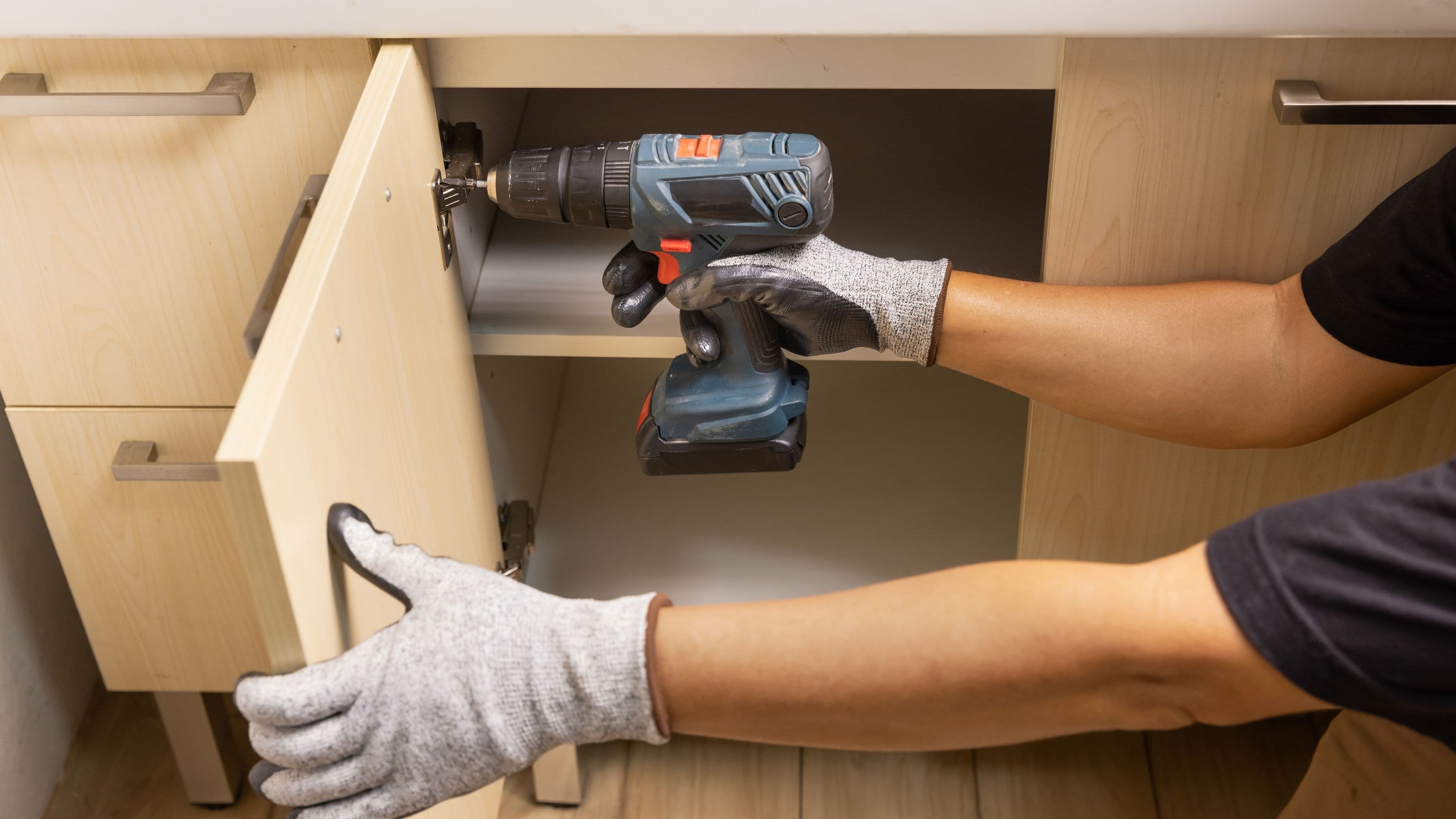



Whether you're patching drywall or replacing a door hinge, knowing where your money goes transforms you from a reactive fixer to a strategic homeowner. Let's explore the smartest ways to track your DIY repair costs without turning your kitchen table into an accounting office.
1. Start With a Simple Spreadsheet System
Before you reach for fancy apps, consider the humble spreadsheet—your most flexible friend in expense tracking. Create columns for the date, project name, materials purchased, store name, cost, and a notes section for lessons learned. This bare-bones approach lets you customize everything to match your brain's natural organization style, whether that means color-coding by room or adding columns for "time invested" and "sanity preserved."
The beauty of spreadsheets lies in their instant calculation capabilities. Set up formulas to automatically total your monthly spending, compare costs across similar projects, or calculate your price per square foot for that deck staining project. You'll quickly spot patterns, like realizing you're spending twice as much at the big-box store compared to your local hardware shop, or discovering that electrical repairs consistently eat up more budget than plumbing fixes.
Cloud-based options like Google Sheets mean you can update your tracker right from the hardware store parking lot, preventing those "wait, did I already buy wood glue?" moments that plague every DIYer's existence.
2. Photograph Every Receipt Immediately
Let's be honest—paper receipts are designed to self-destruct. They fade faster than your motivation on a Monday morning, disappear into coat pockets, and somehow multiply into an overwhelming pile right when you need to find that one specific purchase from three weeks ago. Combat this chaos by snapping a photo of every receipt the moment you receive it, ideally before you even leave the store.
Your smartphone's camera roll becomes an instant backup system, searchable by date and easily organized into albums by project. Many phones now include built-in document scanning features that automatically enhance receipt images, making that thermal paper readable even months later. Create a simple naming convention like "2025-09-Kitchen-Faucet-Hardware" so you can locate specific purchases without scrolling through vacation photos and random screenshots.
Consider enabling automatic cloud backup for these photos. When your phone inevitably takes a swim in the toilet during that bathroom renovation, your receipt archive remains safe and sound, ready to prove to your skeptical spouse exactly how much you spent on "absolutely necessary" tools.
3. Embrace Receipt Scanning Apps
If photographing receipts feels too primitive, level up with dedicated receipt scanning apps that transform pictures into organized, searchable data. Apps like Expensify, Receipt Bank, or the free Google Keep automatically extract key information—merchant name, date, total amount—and categorize expenses for you. The optical character recognition technology reads your crumpled receipts better than you ever could.
These apps shine when tax season arrives or when you're calculating the total investment in a room renovation before selling your home. Export everything into spreadsheets or PDFs with a few taps, creating professional documentation that would make an accountant weep with joy. Many apps also set spending alerts, warning you when this month's repair budget is about to go off the rails.
The real game-changer? Integration with your bank accounts and credit cards. Some apps automatically import transactions, matching them with your scanned receipts to create complete financial records without manual data entry. Suddenly, tracking expenses feels less like homework and more like having a personal assistant who actually enjoys paperwork.
4. Create a Dedicated DIY Repair Folder
Physical organization matters, even in our digital age. Designate one specific spot—a labeled folder, a drawer, an accordion file—exclusively for DIY repair documentation. Toss in receipts, warranty cards, instruction manuals, paint color samples, and handwritten notes about which sandpaper grit worked best for your deck refinishing project.
This centralized system prevents the frantic Sunday morning search when you need to return that wrong-sized pipe fitting or claim a warranty on a failed power tool. Include a simple inventory list taped inside the folder cover, updating it each time you add documentation. The five minutes spent filing now saves hours of archaeological digs through junk drawers later.
Make your folder mobile-friendly by keeping it in an easily accessible location, not buried in the basement storage room. When inspiration strikes for a weekend project, grab your folder and review past expenses for similar jobs. You'll make smarter purchasing decisions when you can see at a glance that the premium paint costs more upfront but covers better, ultimately requiring fewer coats and less time.
5. Track Time Alongside Money
Your most valuable resource isn't lurking in your wallet—it's ticking away on the clock. Every DIY project devours hours that could be spent differently, and tracking this time investment provides crucial context for cost analysis. That $30 you saved by changing your own oil suddenly looks less appealing when you realize it consumed two hours, three YouTube tutorials, and a thorough shower afterward.
Use your phone's stopwatch or a simple time-tracking app to record active project hours. Include prep time, actual repair work, cleanup, and those inevitable extra trips for forgotten supplies. After several projects, you'll build a realistic database of time requirements, helping you decide which future repairs warrant DIY treatment and which justify calling a professional.
Calculate your effective hourly rate by dividing money saved by time invested. If hiring a handyperson costs $150 and takes them two hours, but your DIY version costs $50 in materials and eight hours of your weekend, you've essentially paid yourself $12.50 per hour. Sometimes that trade-off makes perfect sense; other times, it reveals that your time might be better invested elsewhere while a professional handles the work.
6. Maintain a Tool Investment Log
Tools represent significant upfront costs that benefit multiple projects over years, yet they're often left out of repair tracking systems. Start a separate log documenting every tool purchase with its price, date, and intended use. This information becomes invaluable when calculating true project costs and deciding whether that specialized gadget really earns its keep.
Review your tool log quarterly to identify spending patterns. Are you accumulating five versions of the same screwdriver because you can't find the original? Perhaps better tool organization deserves priority over new purchases. Notice tools you've barely touched since buying them? Consider returning them if still possible, or listing them for sale to recoup costs and fund more useful equipment.
Your tool log also justifies purchases to skeptical household members. When questioned about that "unnecessary" compound miter saw, calmly explain that it's already paid for itself across four projects and will serve the household for decades. Numbers don't lie, and your detailed tracking provides all the ammunition needed for future tool acquisition campaigns.
7. Calculate Cost Per Project Type
As your tracking system matures, you'll accumulate enough data to calculate average costs for different repair categories. Compile all expenses for similar projects—say, every drywall patch job or fence repair—then divide the total by the number of completed projects. This average cost becomes your benchmark for budgeting future work.
These benchmarks transform guesswork into informed planning. When your teenager accidentally punches a hole in the bedroom wall during an enthusiastic video game celebration, you'll instantly know to budget around $25 for materials rather than panicking about unknown costs. This predictability reduces stress and prevents the feast-or-famine budgeting that plagues many households.
Benchmark costs also illuminate which repairs consistently exceed expectations, signaling areas where professional help might be worth considering. If every electrical project balloons to double your estimate while plumbing repairs stay on target, you've identified both your strengths and your kryptonite.
8. Set Up a Repair Reserve Fund
Tracking expenses reveals something crucial—repairs never stop coming. Water heaters fail, roofs develop leaks, and door handles break at the least convenient moments. Use your historical data to calculate monthly average repair spending, then establish a dedicated savings account that automatically receives this amount each month.
This repair reserve transforms emergencies into inconveniences. When the dishwasher starts making that ominous grinding noise, you're not scrambling to rearrange credit cards or skipping other expenses. The money sits ready, specifically designated for keeping your home functional and comfortable. Your tracking data determines the right funding level, preventing both over-saving that ties up cash unnecessarily and under-saving that leaves you vulnerable.
Consider separating your reserve into two categories: regular maintenance and emergency repairs. Regular maintenance covers predictable expenses like furnace filter replacements and gutter cleaning, while emergency funds handle surprise disasters. This distinction helps you feel comfortable spending the maintenance portion without anxiety about depleting emergency resources.
9. Review and Reflect Monthly
Raw data means nothing without analysis. Set a monthly date with yourself—perhaps the first Sunday of each month—to review your tracking system. Total your expenses, review your receipts, and identify patterns or surprises. Did this month's spending spike because of one major project, or is there a steady increase that warrants attention?
Use these monthly sessions to clean up your tracking system. Transfer receipt photos into your permanent filing system, update your spreadsheet with any missing information, and reconcile app data against bank statements. This routine maintenance prevents the overwhelming pile-up that makes people abandon tracking systems entirely.
Monthly reviews also create natural opportunities for celebration. Completed that bathroom renovation under budget? Acknowledge your planning skills and smart shopping. Finished three small repairs using only materials already in your garage? Recognize how your growing tool collection and leftover supplies are paying dividends. These small victories motivate continued diligence with tracking.
10. Learn From Your Mistakes
Your expense tracker isn't just about money—it's a learning laboratory documenting your DIY evolution. That notes column in your spreadsheet becomes invaluable when you record what went wrong, what worked better than expected, and what you'd do differently next time. Future projects benefit from this institutional knowledge, preventing repeated mistakes that drain both budget and morale.
Review your most expensive mistakes specifically. Did you buy the wrong part three times before getting it right? Note the correct specification in your tracker for future reference. Discover that cheap paintbrushes cost more in the long run because they require replacement mid-project? Document the better brand that's worth the extra few dollars. These lessons, captured when fresh, save money and frustration on future projects.
Share your tracking insights with other DIYers in your life. Your carefully documented experiences help friends and family avoid similar pitfalls, while their stories add to your knowledge base. This community approach to learning accelerates everyone's DIY competence and creates a support network for when projects inevitably go sideways.
Conclusion: Building Your DIY Legacy
Tracking your repair costs transforms scattered projects into a comprehensive record of home stewardship. Each logged expense, photographed receipt, and calculated benchmark represents more than money—it's evidence of skills developed, problems solved, and independence earned. Over time, your tracking system becomes a personal reference library, a financial planning tool, and a source of genuine pride in your growing capabilities.
The effort required for diligent tracking pales compared to the benefits it delivers. You'll make smarter purchasing decisions, avoid budget-busting surprises, and develop realistic expectations for future projects. More importantly, you'll build confidence in your ability to maintain and improve your living space without constantly reaching for your credit card or phone to call professionals.
What will your tracking system reveal about your DIY journey a year from now? Perhaps you'll discover hidden talents in areas you never expected, or identify skills worth developing further. Either way, the data you collect starting today becomes the foundation for smarter, more satisfying home repair experiences tomorrow. Start with whatever system feels manageable, then let your needs guide its evolution. Your future self—and your wallet—will thank you.
📚 Sources
HomeAdvisor's True Cost Report, 2024 - Annual survey of homeowner spending on repairs and maintenance across major U.S. metropolitan areas
"The Psychology of Home Maintenance: Why Tracking Matters" - Journal of Consumer Research, Vol. 48, 2023
National Association of Home Builders Research Center - Lifecycle Cost Analysis for Common Home Repairs, 2024
-jhajrFUGfI3zCQGjpAWcxuNPi1zUTB.jpg&w=3840&q=75)