
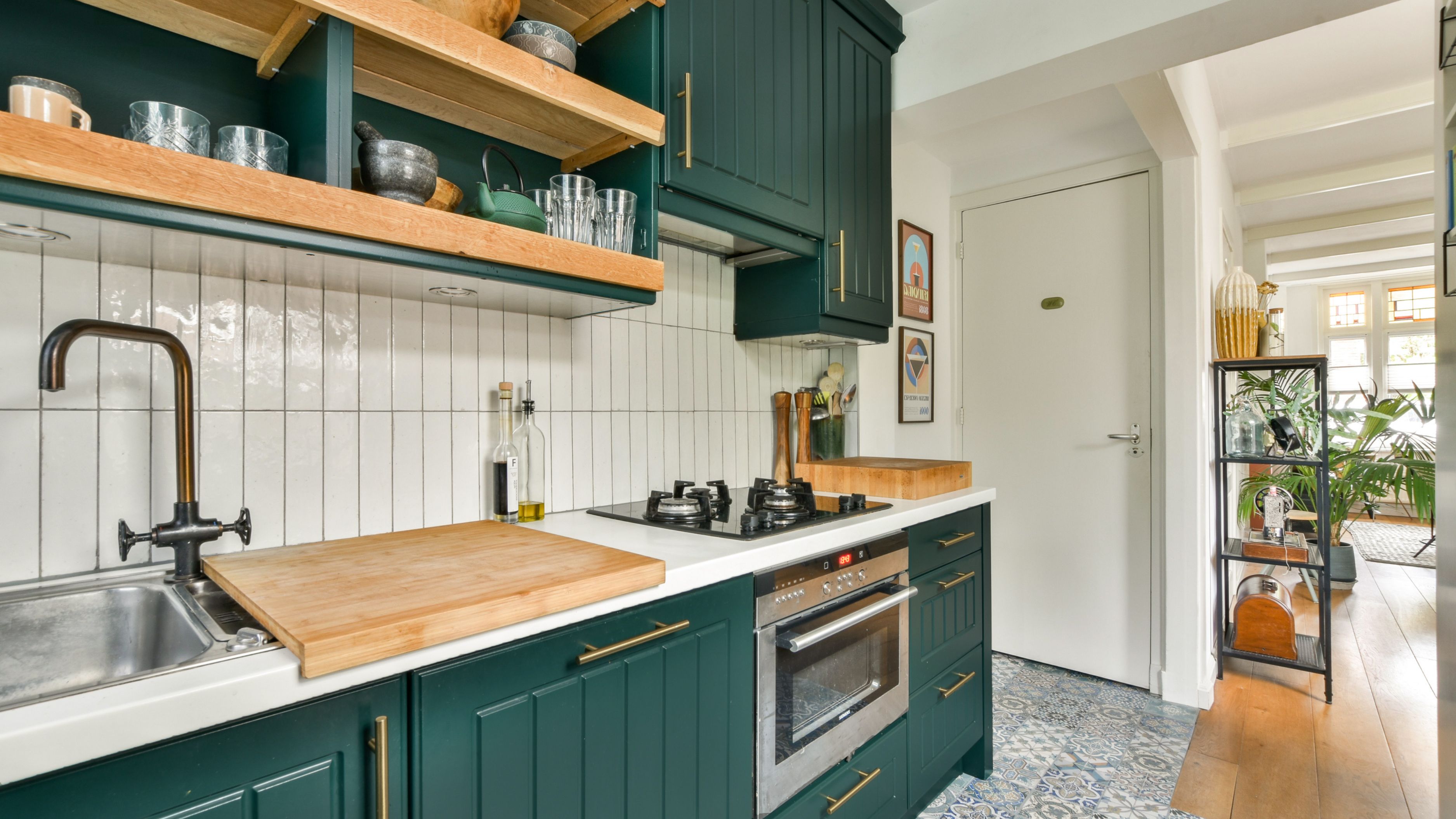
What Makes a Kitchen "Transitional" in the First Place
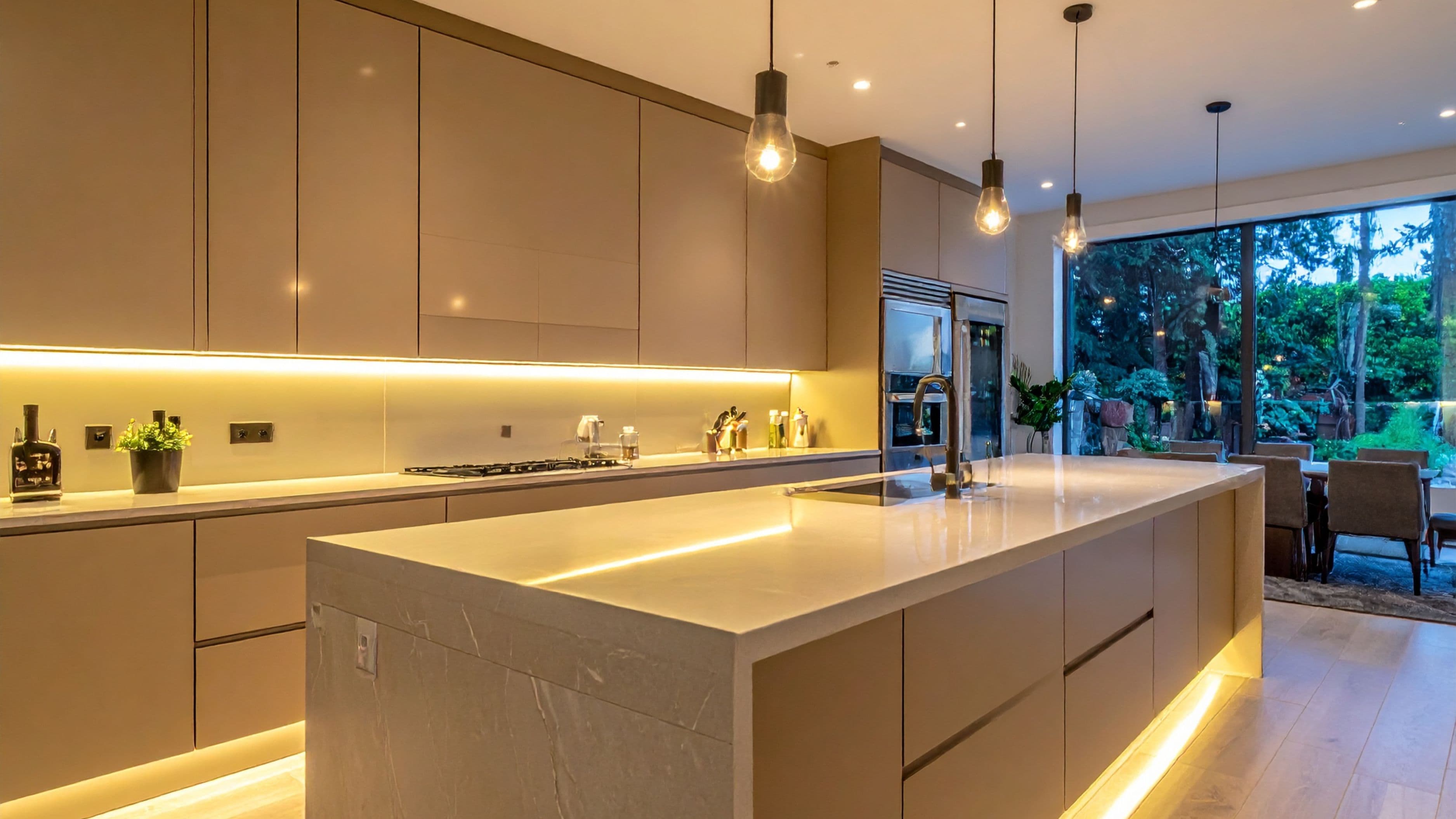
Transitional design sits deliberately between traditional and contemporary styles, borrowing the warmth and detail of traditional cabinetry and finishes while keeping the cleaner lines and simplicity of modern design. The goal is a kitchen that feels current without leaning so hard into any single trend that it becomes instantly dated once that trend fades.
This middle-ground approach is exactly why it tends to hold up well over time. Extremely trendy choices – a specific bold cabinet color, an ultra-minimalist all-white aesthetic, or heavy ornate traditional detailing – tend to feel distinctly tied to whatever era they were popular in. Transitional design avoids both extremes, favoring choices that read as intentional and timeless rather than trend-driven.
Key Elements That Keep a Transitional Kitchen Feeling Current
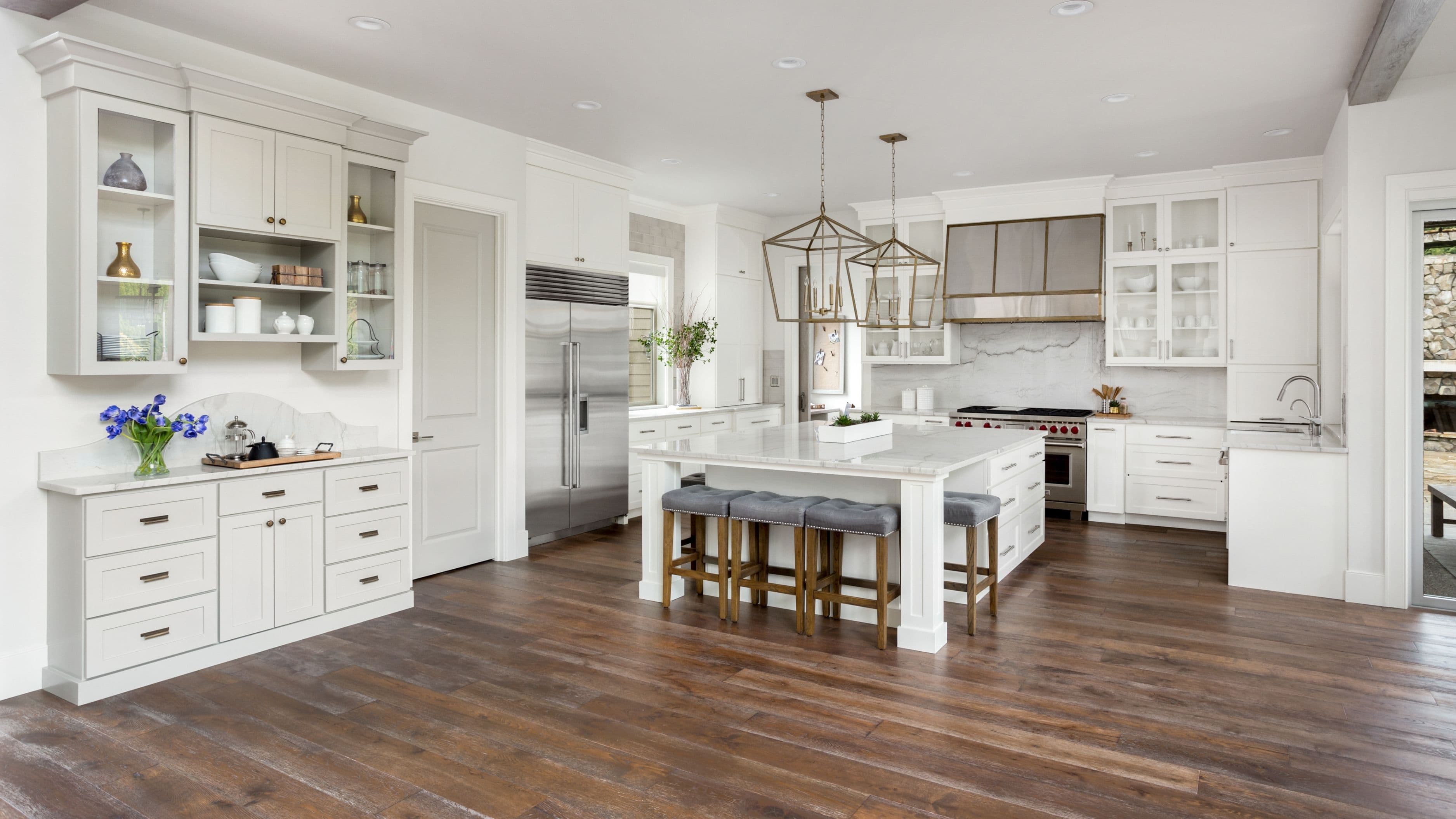
Simple, shaker-style cabinetry. Shaker cabinets have remained a design staple for decades precisely because their clean, flat-panel design with a simple frame reads as neither strictly traditional nor aggressively modern. This neutrality is a major reason they show up so consistently across both budget and high-end kitchen designs.
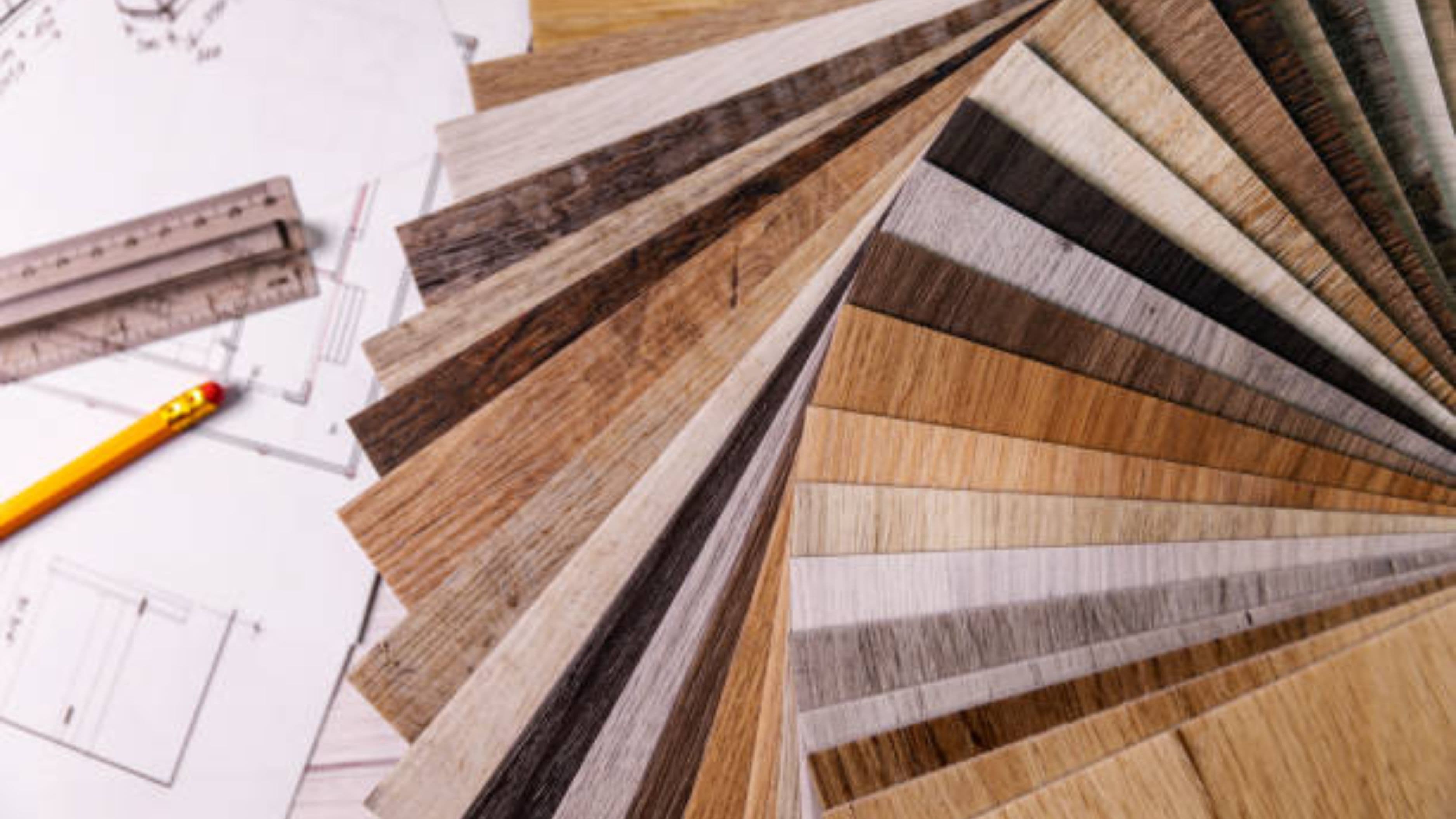
A mix of warm and cool material tones. Rather than committing entirely to stark white and gray (which has already started to feel dated as a defining "2010s kitchen" look) or heavy dark wood (associated more with older traditional kitchens), a transitional approach often blends warmer wood tones with cooler stone or metal accents, creating a balance that doesn't lean hard into either era's signature look.
Neutral, durable countertop materials. Quartz and natural stone in neutral tones – soft whites, warm grays, subtle veining – tend to age better than heavily patterned or trend-driven countertop choices. A countertop with a bold, statement-making pattern can feel exciting initially but risks looking distinctly tied to a specific design moment a few years later.
Understated hardware. Simple bar pulls or knobs in a warm metal finish like brushed brass or matte black tend to outlast more ornate or heavily trend-specific hardware choices. Hardware is also one of the most affordable elements to update later if your taste shifts, so it's a lower-risk area to take small style risks if you want.
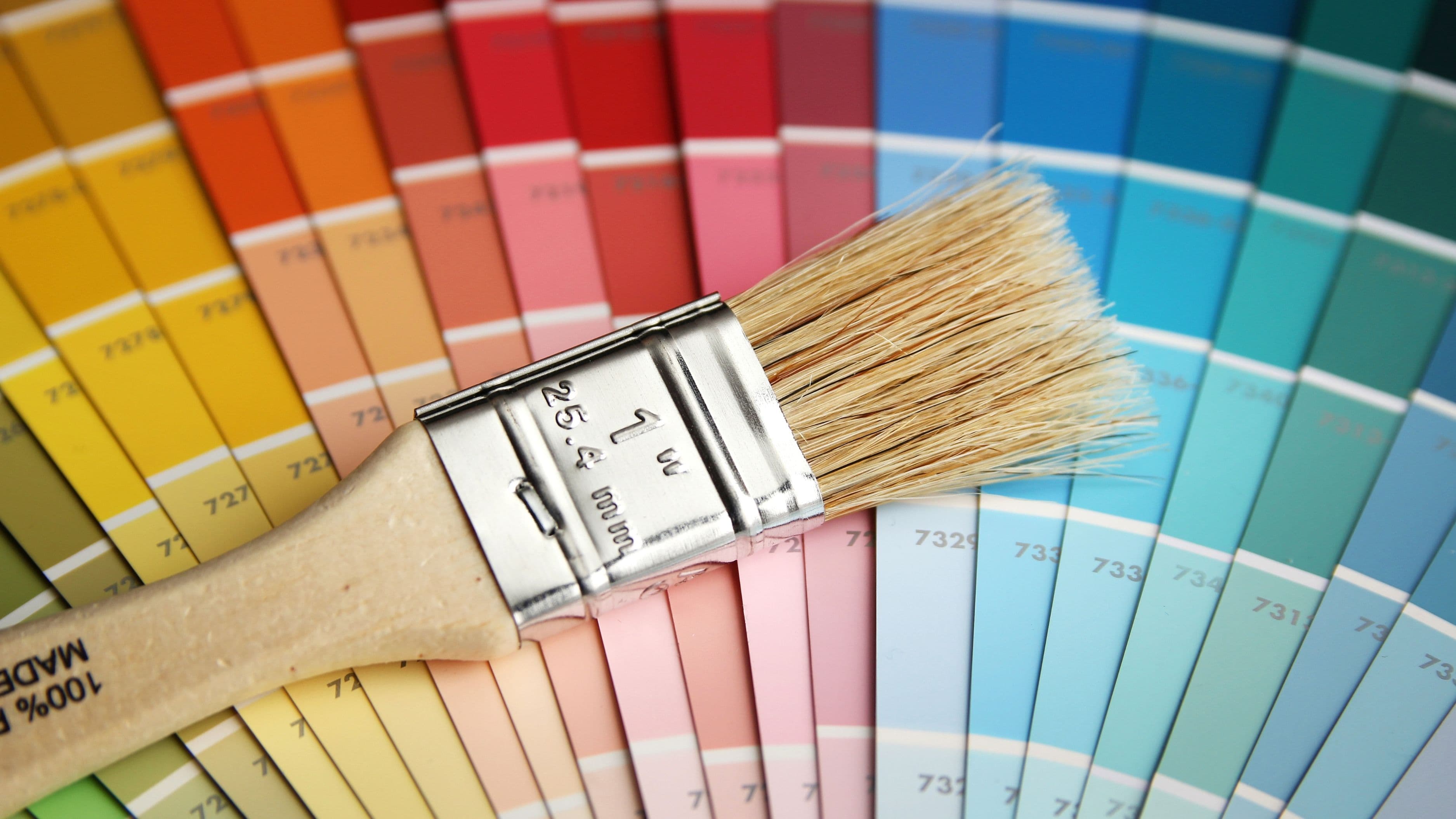
A balanced color palette. Sticking to neutral base tones (off-whites, warm grays, soft greiges) for large surfaces like cabinets and walls, while reserving bolder colors for smaller, easily changeable elements like an island, backsplash accent, or décor, keeps the kitchen's core structure adaptable if trends shift.
Step-by-Step Planning Approach
Step 1: Define your non-negotiables versus your flexible elements. Big-ticket, hard-to-change items (cabinetry, countertops, flooring) should lean toward the more timeless, neutral end of the spectrum. Smaller, easier-to-update elements (paint accents, light fixtures, hardware, décor) are a safer place to take more current, trend-forward risks.
Step 2: Choose a cabinet style and finish first. This is the anchor of the whole kitchen's feel. Shaker-style cabinets in a warm neutral (soft white, warm gray, or a muted greige) give you the most flexibility to evolve the rest of the space over time without needing to redo the cabinets themselves.
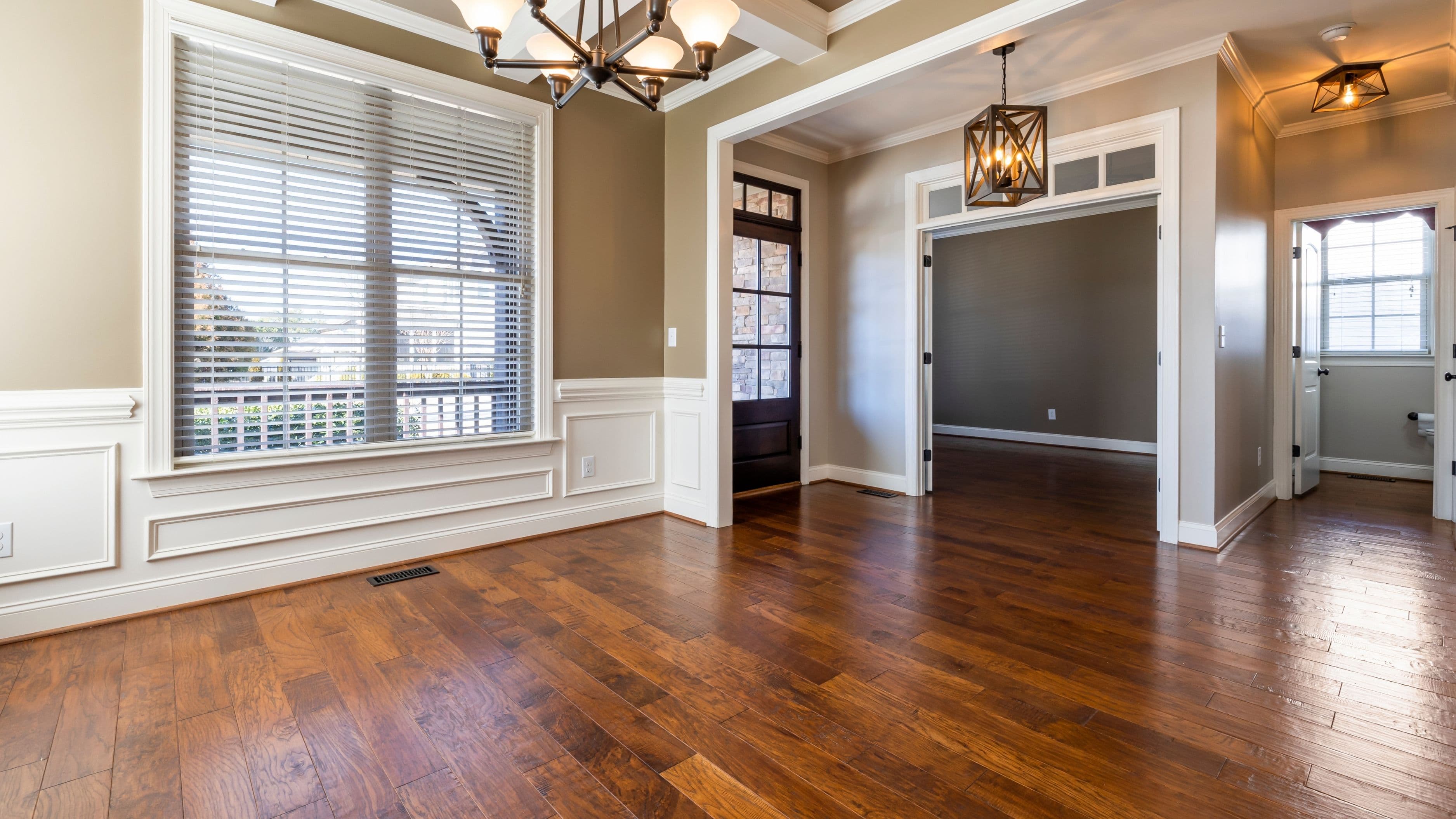
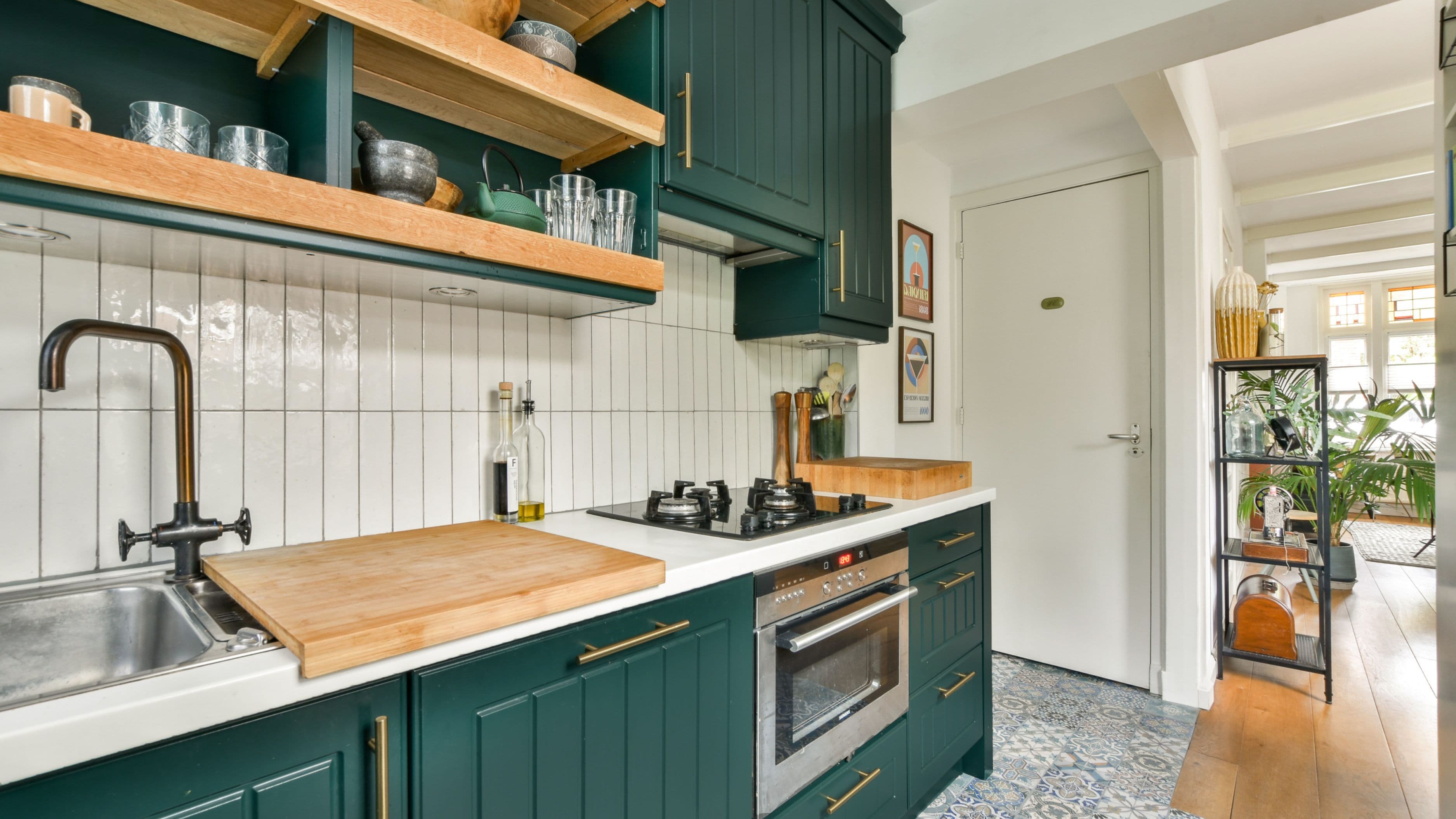
Step 3: Layer in material warmth. Add natural wood elements – open shelving, a wood island, wood floors – to prevent the space from leaning too cold or clinical, which is one of the more common reasons all-white, all-modern kitchens start to feel dated and sterile after a few years.
Step 4: Select countertops and backsplash with restraint. Choose a countertop with subtle, timeless veining rather than a bold, high-contrast pattern, and consider a simple, classic backsplash (like a subway tile variation or a soft natural stone) that won't compete for attention or feel overly specific to a passing trend.
Step 5: Save personality for the easily changeable layer. Light fixtures, bar stools, rugs, and small décor are the right place to express current trends or personal style, precisely because they're inexpensive and simple to swap out later if your taste shifts.
Cost and Time Expectations
A full transitional kitchen renovation, including cabinetry, countertops, and finishes, typically falls into a medium-to-high cost range depending on square footage and material choices, with timelines generally running four to eight weeks for a full renovation once materials are ordered and contractors are scheduled. Choosing quality but not ultra-premium materials at the structural level (cabinets, countertops) while saving splurges for smaller, swappable elements is a practical way to manage cost without compromising the timeless goal.
What to Avoid
Avoid overcommitting to a highly specific, currently trending color or pattern on a major surface like cabinetry or countertops, since these are the most expensive and disruptive elements to change later if the trend fades. Also avoid mixing too many competing finishes (multiple metal tones, multiple wood tones, multiple strong patterns) in the same space, which can make a kitchen feel busy rather than intentionally layered.
Don't sacrifice function for the sake of a clean, minimalist look either. A transitional kitchen should still prioritize practical storage, workflow, and lighting – aesthetics that come at the cost of usability tend to feel like a mistake regardless of how "timeless" the style is meant to be.
FAQ
Is transitional design more expensive than a purely modern or purely traditional kitchen? Not inherently. Cost depends more on material and finish choices than on style category, though transitional kitchens often use higher-quality but simpler materials (like solid wood shaker cabinets) rather than heavily ornate or ultra-trendy options.
Can I update an existing kitchen to a transitional style without a full renovation? Yes, to a meaningful degree. Repainting cabinets in a neutral tone, updating hardware, and swapping light fixtures can shift an existing kitchen noticeably toward a transitional feel without a full gut renovation.
How do I keep a transitional kitchen from feeling boring or too neutral? Layer in warmth through natural wood tones, textured elements like an open shelf display, and a few intentional accent colors in the easily changeable layer (décor, stools, art) to keep the space feeling personal rather than flat.
Bottom Line
A transitional kitchen holds up well over time because it deliberately avoids the extremes that make other styles feel dated quickly. By anchoring the space with timeless, neutral choices on the big-ticket items and saving bolder, trend-forward decisions for the smaller, easily updated layer, you get a kitchen that feels intentional now and adaptable later, without needing a full renovation again in just a few years.
📚 Sources
National Kitchen & Bath Association – Kitchen Design Trends Report. nkba.org
This Old House – Transitional Kitchen Design Guide. thisoldhouse.com