This guide focuses on upgrades with the strongest track record for return on investment, what each one realistically costs, and where the traps are.
1. Fresh Interior and Exterior Paint
Cost: Low–Medium | ROI: High
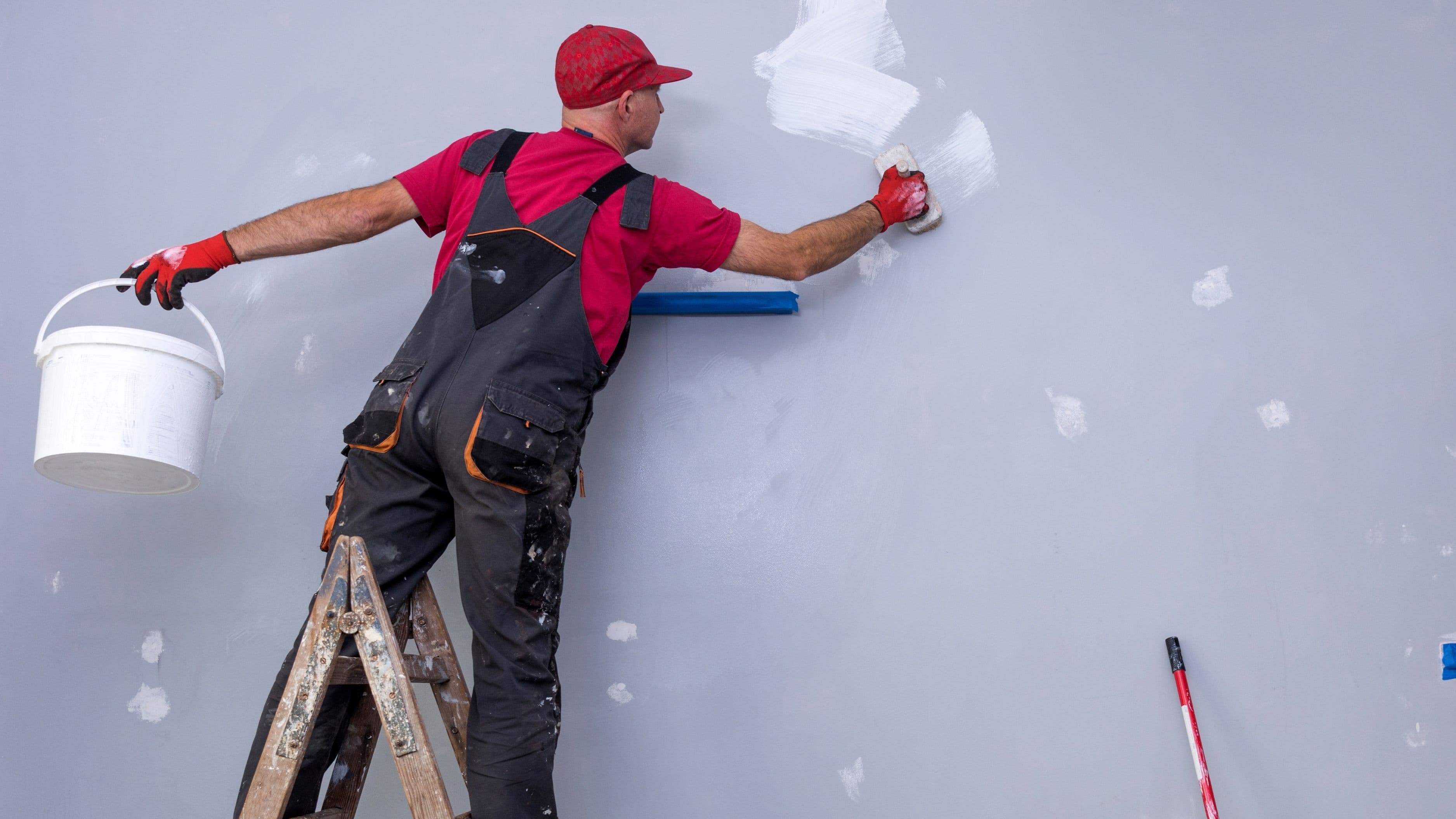
Fresh paint is one of the most consistently high-return investments you can make before listing. It costs relatively little – a full interior paint job on a 2,000 sq ft home runs $3,000–$6,000 professionally, less if you DIY – and the impact on first impressions is substantial. Buyers notice worn, dated, or bold paint choices immediately, and they mentally calculate the cost and hassle of fixing it. Neutral, contemporary colors – warm whites, soft greiges, light grays – give buyers a blank canvas and photograph better, which matters enormously in an era where most home searches start with online listings.
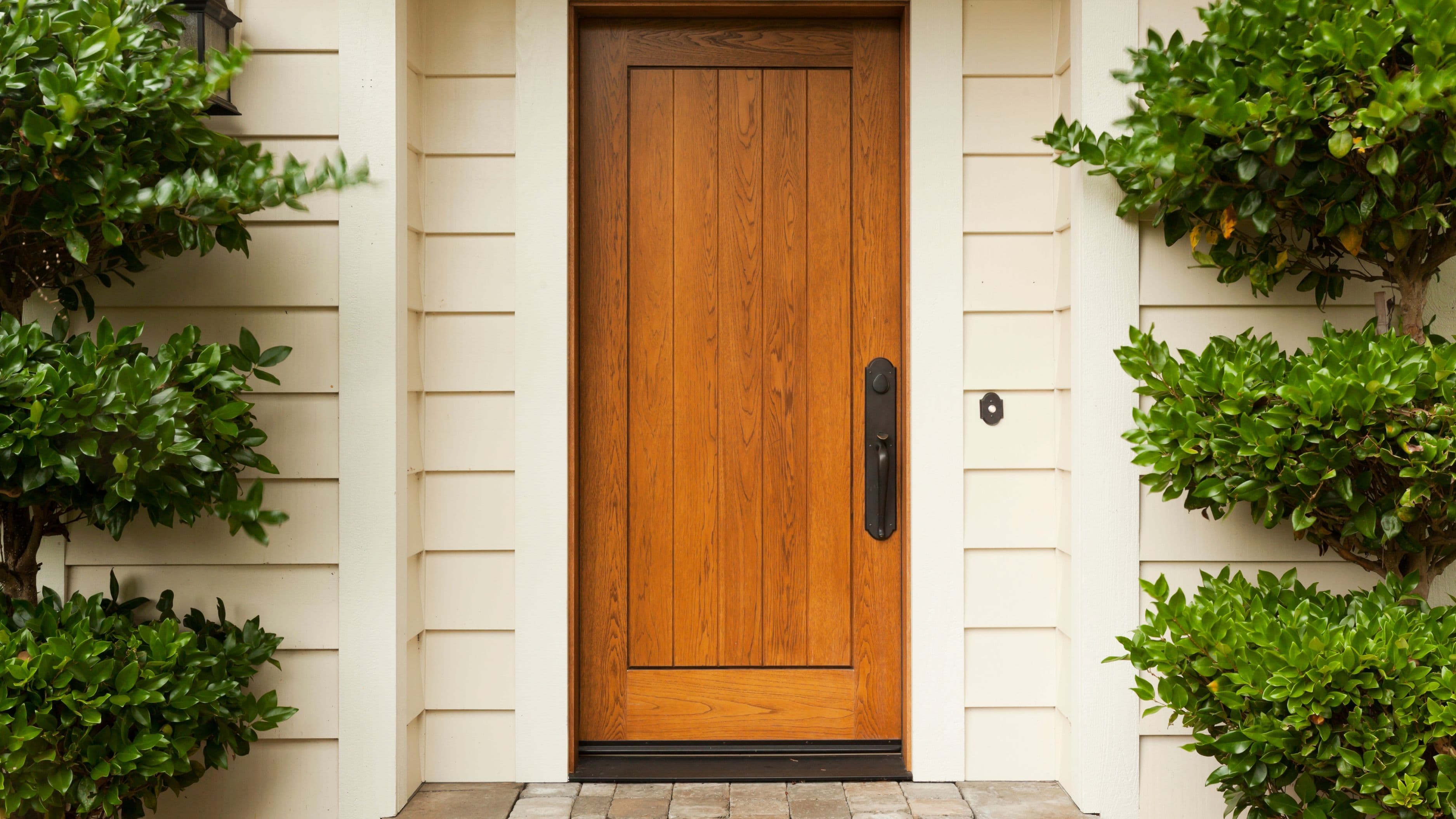
Exterior paint or a fresh coat on the front door and trim is just as important. Curb appeal is the first real impression a buyer has of your home, and peeling or dated exterior paint signals deferred maintenance before they've stepped through the door. If full exterior repainting isn't in the budget, focus on the entry: front door, shutters, and trim make an outsized difference for a modest investment.
2. Minor Kitchen Updates (Not a Full Remodel)
Cost: Low–Medium | ROI: High
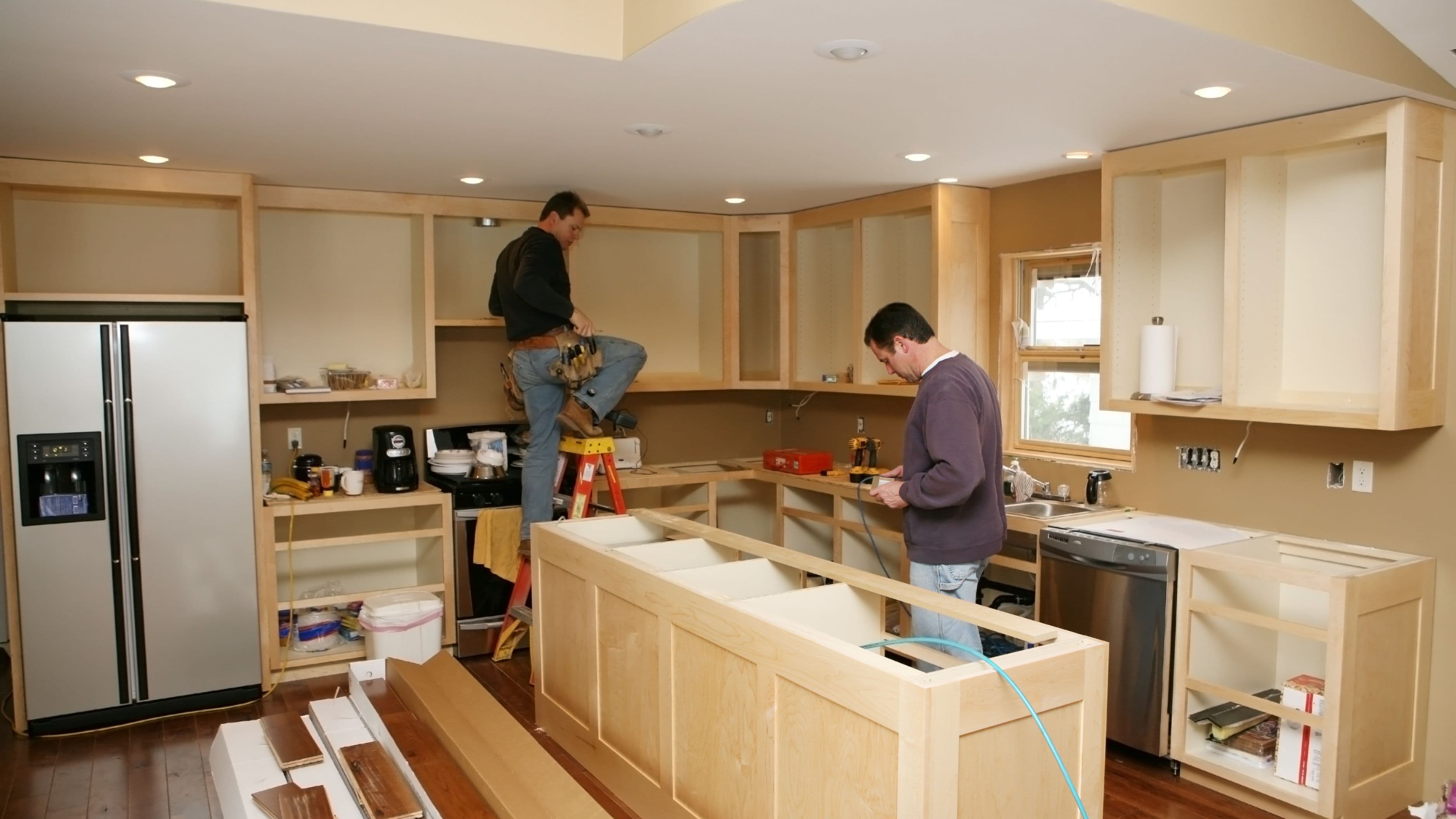
Full kitchen remodels have notoriously poor ROI – the average major kitchen remodel returns roughly 50–60 cents on every dollar spent, according to Remodeling Magazine's annual Cost vs. Value report. That doesn't mean you should ignore the kitchen. It means you should be surgical about it.
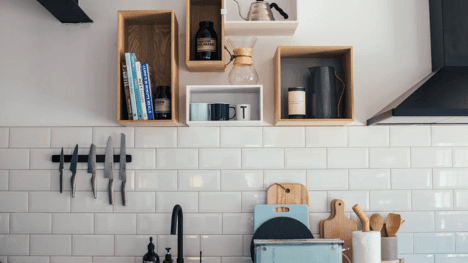
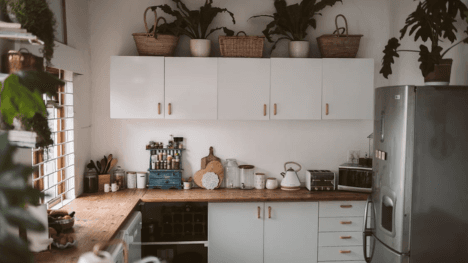
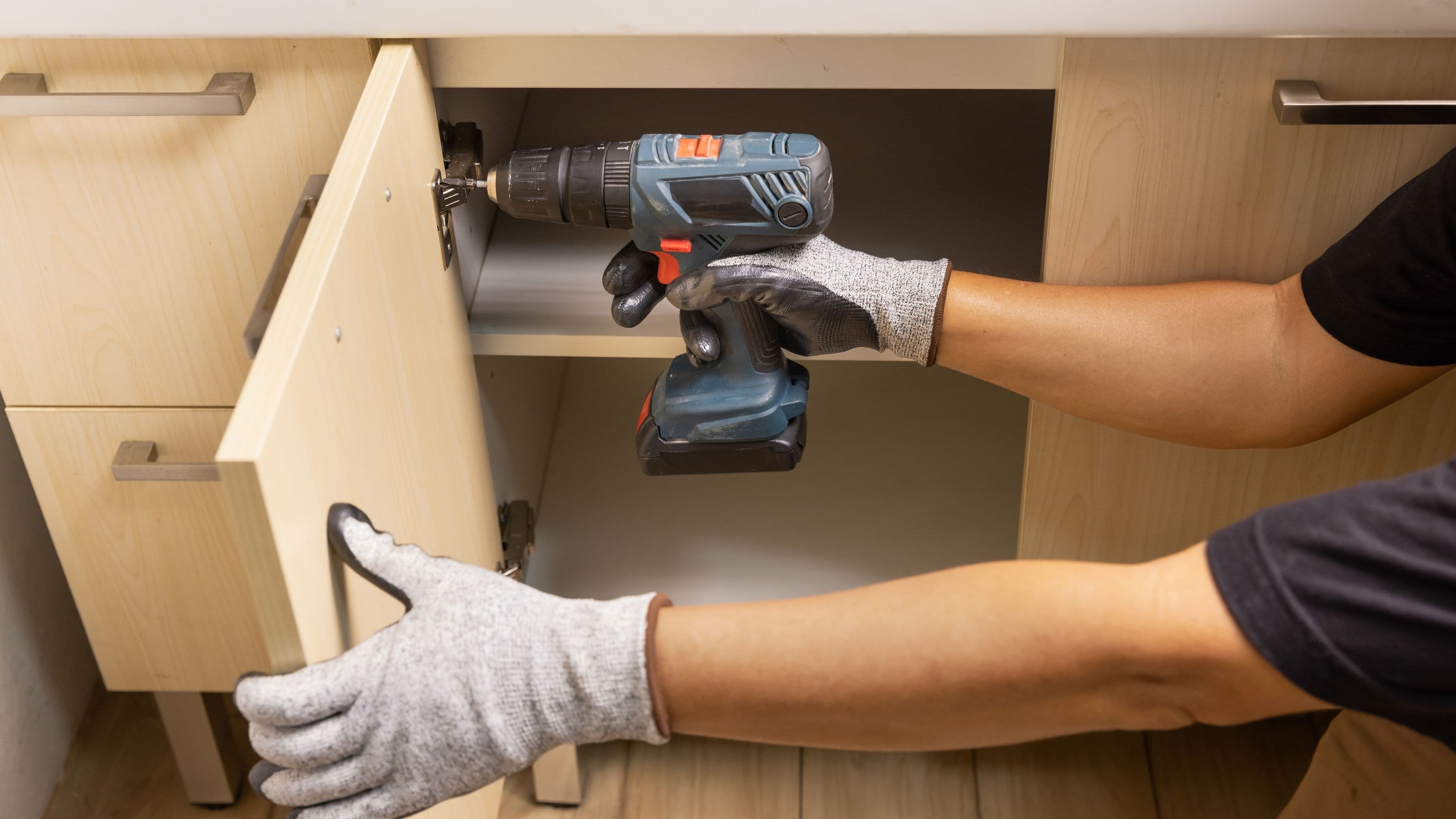
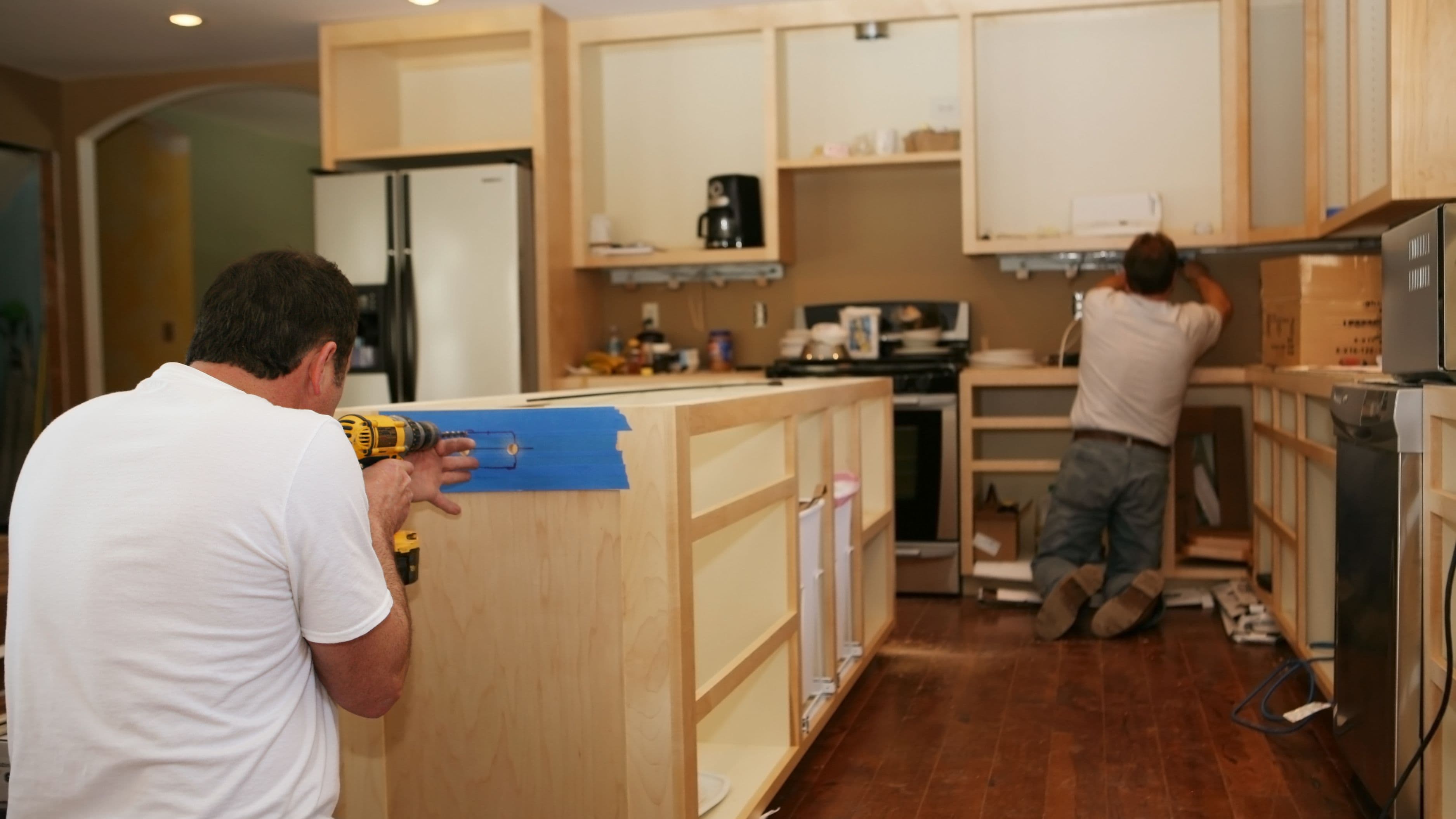
The updates that deliver the best return are the ones that make the kitchen look refreshed without touching the layout or major appliances. Replacing hardware on cabinets and drawers ($100–$300 DIY) has an almost immediate visual impact. Painting or refinishing cabinet fronts rather than replacing them can transform the feel of the kitchen for $1,000–$4,000 versus $10,000–$30,000 for new cabinets. New light fixtures update the look significantly for $200–$600. If the countertops are badly worn, replacing them with quartz or butcher block provides a strong visual upgrade for $2,000–$5,000 depending on size.
The goal is a kitchen that reads as clean, functional, and updated – not one that reads as a recent renovation that the seller expects to recoup in full.
3. Bathroom Refresh
Cost: Low–Medium | ROI: High
Like the kitchen, full bathroom remodels rarely return what they cost. But an outdated or worn bathroom is a genuine obstacle to a strong offer. The difference between a full remodel and a strategic refresh matters here.
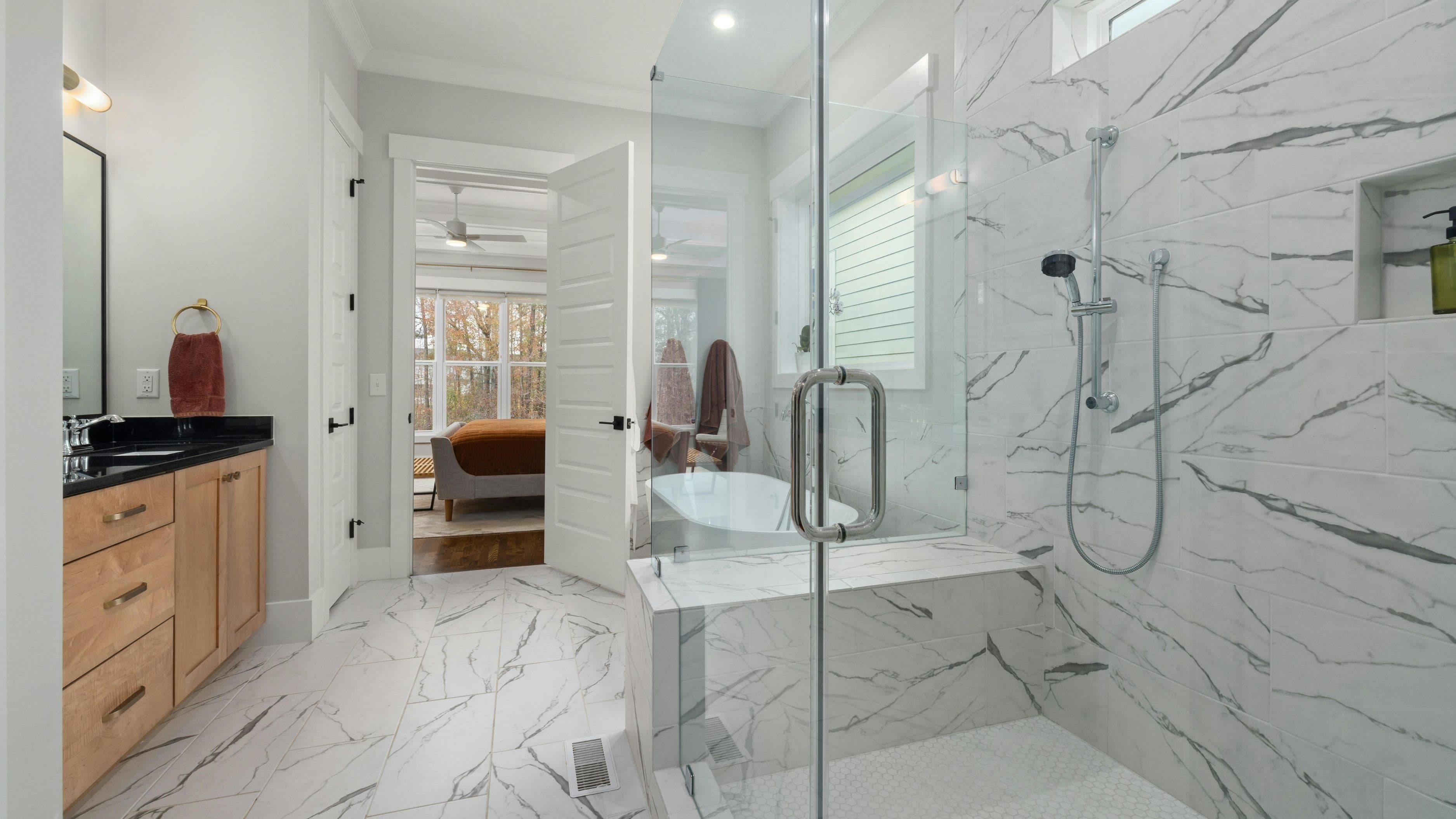
A bathroom refresh focuses on the elements buyers notice most: fixtures, lighting, and surfaces. Replacing a dated vanity and faucet ($400–$1,200 installed) immediately modernizes the space. New light fixtures over the mirror change the entire feel of the room for under $300. Re-grouting or recaulking the shower and tub – often a DIY project under $100 – makes an old bathroom look significantly cleaner. If tile is cracked, replacing individual pieces or adding a simple tile surround to an existing tub is far more cost-effective than a full retile.
In secondary bathrooms especially, the bar is cleanliness and functionality rather than luxury. Buyers want a bathroom that works and looks well-maintained. That standard is achievable for $1,500–$4,000 without replacing a single tile wall or relocating a fixture.
4. Hardwood Floors or Quality Flooring
Cost: Medium | ROI: High
Flooring is one of the most noticed elements in any home and one of the most influential on how buyers feel walking through it. Worn carpet – especially in living areas and bedrooms – reads as a cost and a hassle to buyers, even when they could simply replace it themselves. If you have hardwood floors under carpet, uncovering and refinishing them ($3–$5 per sq ft) is one of the highest-ROI moves in residential renovation.
If there's no hardwood underneath and carpet is in poor condition, replacing it with a quality neutral carpet ($3–$5 per sq ft installed) is a solid option. Luxury vinyl plank (LVP) flooring has become an increasingly popular alternative that looks strong in listings, handles moisture well, and runs $4–$8 per sq ft installed. Avoid cheap laminate – it photographs poorly and buyers notice the difference. Whatever you choose, consistency across main living areas makes the home feel larger and more cohesive.
5. Improve Curb Appeal
Cost: Low–Medium | ROI: Very High
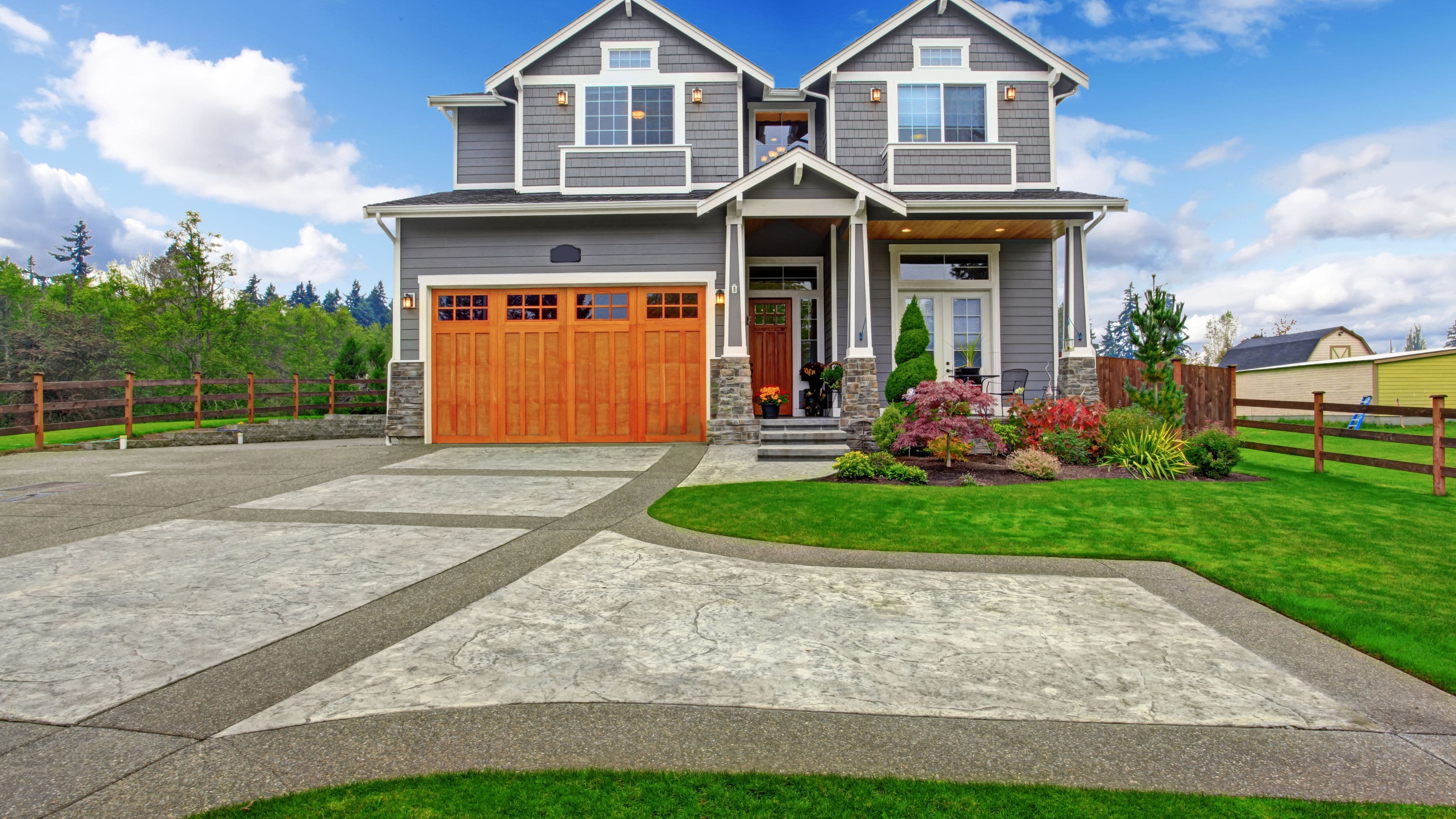
Studies on home buyer behavior consistently show that curb appeal influences initial offer pricing, sometimes significantly. A home that photographs well from the street gets more online engagement, more showings, and less resistance to asking price before buyers have even seen the interior.
The components of curb appeal that matter most are condition (not decoration): a well-maintained lawn, trimmed hedges, clean walkways, and no visible deferred exterior maintenance. Beyond the baseline, strategic additions make a strong impression – a new front door ($800–$2,000 installed) consistently ranks as one of the highest-ROI exterior upgrades in real estate data. Adding mulch to planting beds, simple seasonal flowers near the entry, and updated house numbers and mailbox cost very little and read as care and attention to detail.
Power washing the driveway, walkways, and exterior siding is one of the best value-to-impact ratios in all of home prep. A pressure washer rental runs about $50–$75 for a half day, and the difference before and after is dramatic enough that it often shows up in listing photos.
6. Energy Efficiency Upgrades
Cost: Medium–High | ROI: Steady + Marketable
Energy efficiency upgrades are increasingly valued by buyers, particularly in markets where utility costs are high or buyers are environmentally motivated. The ROI here works differently than cosmetic upgrades – some of it comes through at resale, but a meaningful portion comes through in utility savings and in the marketability of the home.
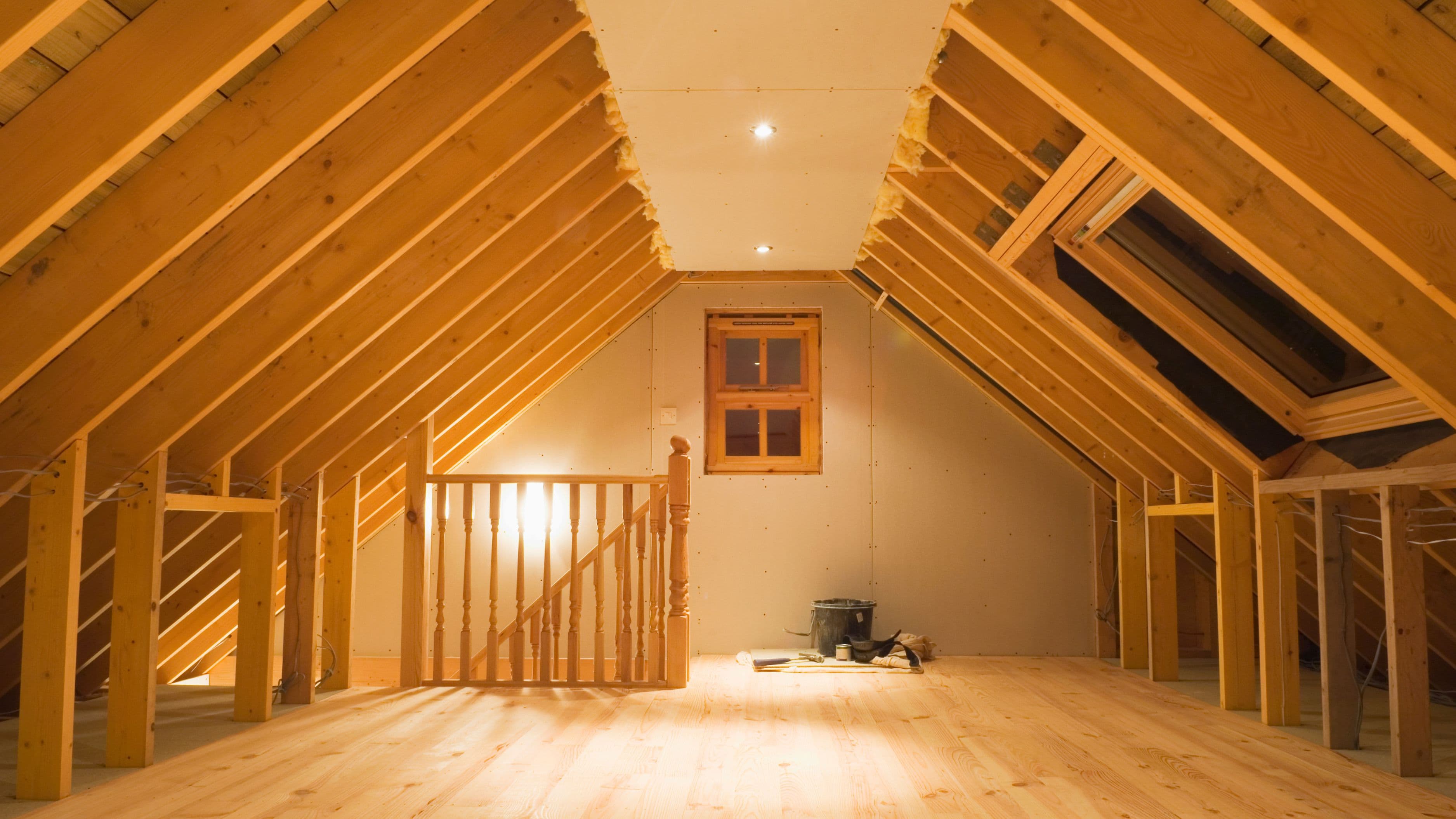
Adding attic insulation is one of the highest pure-ROI upgrades in the building science data – the Department of Energy estimates it returns more than 100% of cost in energy savings alone, and it's something home inspectors often flag. Smart thermostats ($150–$300 installed) signal modern, energy-conscious living and are a feature many buyers now expect. Upgraded windows return roughly 68% on average at resale but are worth considering if current windows are genuinely drafty or failing.
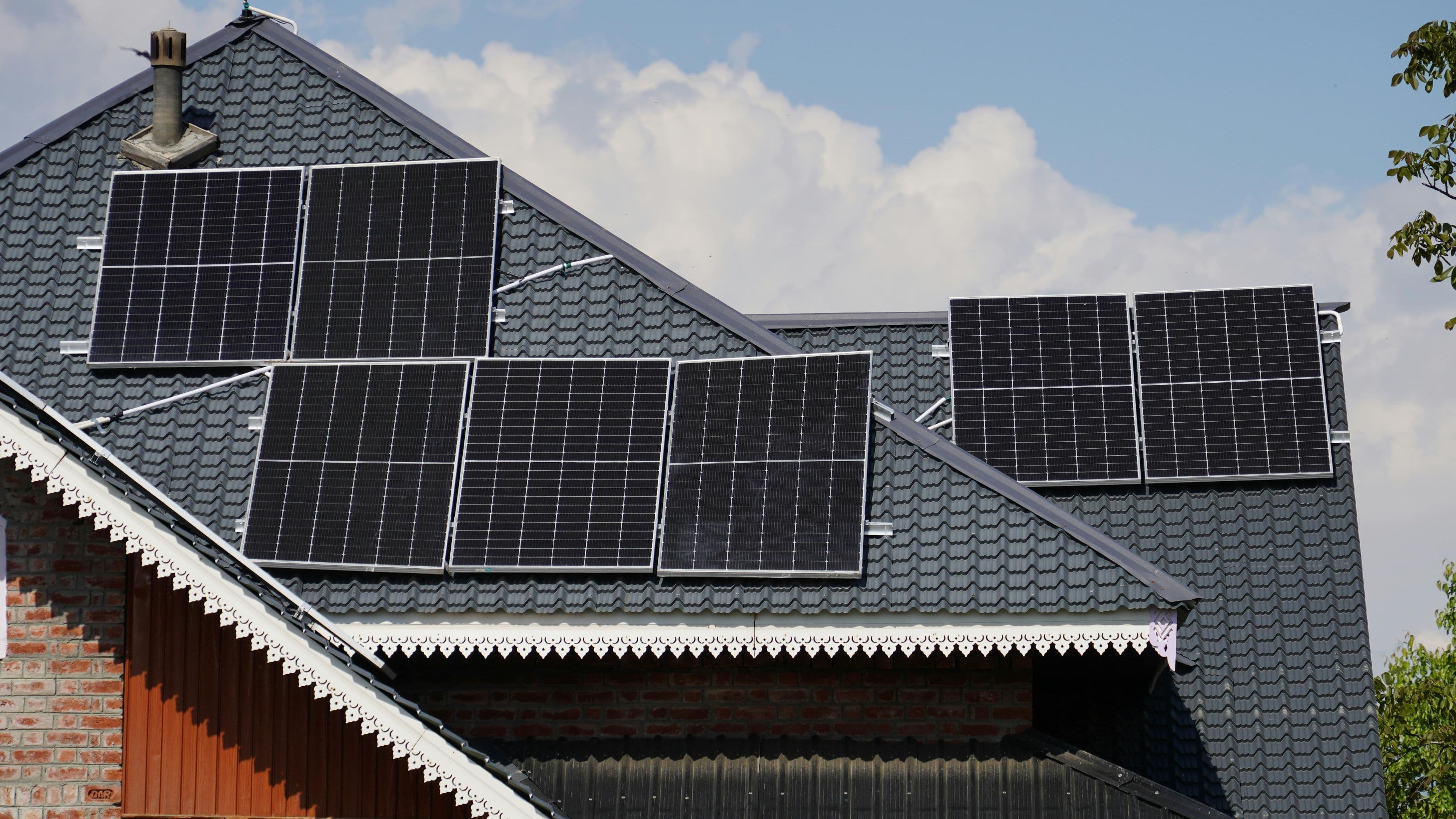
Solar panels are a more complex calculation – they add value in some markets and are perceived as a liability (or at least a complexity) in others due to lease agreements. If you own your system outright, it's a marketable asset. Leased panels require buyer qualification and transfer, which complicates sales.
7. Update Lighting Throughout
Cost: Low | ROI: High
Lighting is chronically underestimated as a resale upgrade. Outdated fixtures – brass chandeliers, fluorescent kitchen lights, basic builder-grade ceiling fans from 20 years ago – date a home more than most sellers realize and show up prominently in listing photos.
Replacing fixtures throughout a home is a relatively modest investment ($1,500–$4,000 for a full home professionally, less DIY) with a disproportionate visual impact in photos and in person. LED recessed lighting in kitchens and living areas makes spaces feel larger and more current. Pendant lighting over a kitchen island signals a kitchen that's been thoughtfully updated. Dimmer switches on living room and dining room fixtures are a $15–$30 upgrade per switch that buyers notice.
Pay attention to bulb color temperature across the home – warm white (2700–3000K) photographs warmer and more inviting than cool white. Mismatched bulb temperatures across a room look dated in listing photos.
What to Avoid
A few upgrade patterns consistently fail to deliver the returns sellers expect.
Swimming pools add value in specific markets (warm climates, high-end neighborhoods) and subtract it in others. In moderate climates, a pool can narrow your buyer pool and add liability concerns that reduce net offers.
Highly personalized renovations – bold wallpaper, unconventional color palettes, themed rooms – reflect the seller's taste rather than the buyer's possibilities. Buyers see these as work to undo, not value added.
Over-improving for the neighborhood. The ceiling on what a home can sell for is partly set by comparable sales in the immediate area. Investing $40,000 in upgrades on a home in a neighborhood where the comps are $250,000 won't push your sale to $290,000 regardless of how well the renovation is done.
Cutting corners on work that affects inspections. Deferred maintenance and code issues surfaced during inspection create renegotiation pressure that costs more than the repair would have. Roof condition, HVAC function, electrical panel safety, and plumbing integrity are the categories where inspection findings hurt offers most.
FAQ
Which single upgrade returns the most at resale? It varies by home and market, but fresh paint – interior and exterior – and curb appeal improvements consistently appear at the top of ROI rankings in real estate data. They're also among the lowest cost options, which is part of why the return ratio is strong.
Should I renovate before listing or sell as-is? It depends on the condition of the home and your timeline. Cosmetic updates (paint, flooring, lighting, curb appeal) almost always pay off. Major renovations are riskier and timeline-dependent. If you're tight on time, a price adjustment often delivers more than a rushed renovation.
How do I know what buyers in my area value most? Talk to a local real estate agent before you renovate – not after. Agents who actively sell in your neighborhood know what features consistently appear in buyer feedback, what's holding back offers on comparable homes, and what upgrades have actually shown up in recent sale prices.
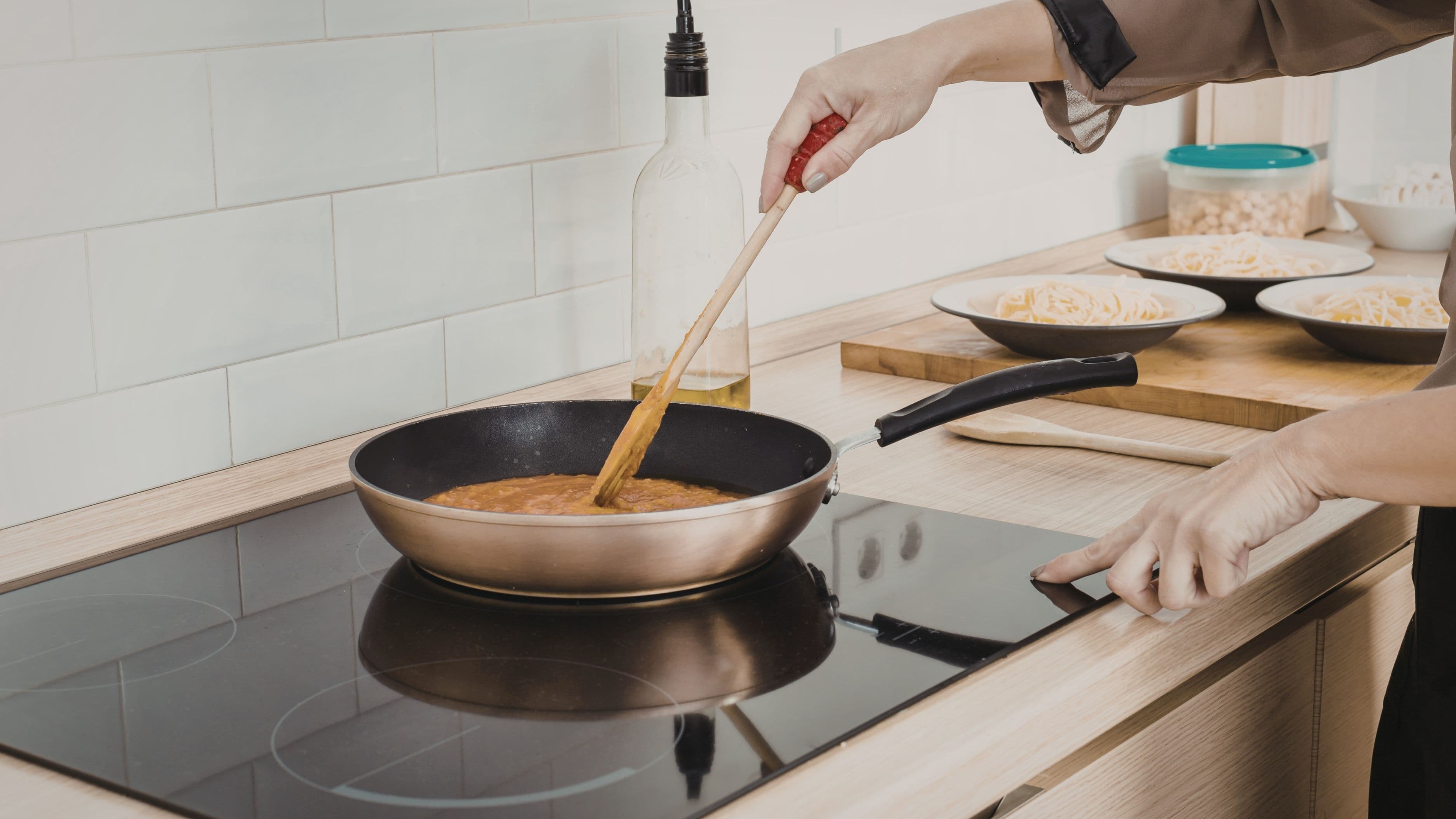
Is it worth replacing appliances before selling? If appliances are visibly old or in poor condition, yes – mismatched or aging appliances drag down the impression of an otherwise updated kitchen. A matched set of stainless steel appliances ($2,000–$4,000) returns well against the alternative of buyers mentally pricing in replacements and deducting from their offer.
What's the fastest high-impact thing I can do before listing? Deep clean and declutter, then fresh paint in the main living areas and entry. These two things cost the least and move the needle the most in terms of how buyers experience a home at showings and how it photographs for listings.
📚 Sources
Remodeling Magazine – Cost vs. Value Report 2024: https://www.remodeling.hw.net/cost-vs-value/2024/
National Association of Realtors – Remodeling Impact Report: https://www.nar.realtor/research-and-statistics/research-reports/remodeling-impact
U.S. Department of Energy – Home Insulation and Energy Efficiency: https://www.energy.gov/energysaver/insulation
Harvard Joint Center for Housing Studies – Improving America's Housing: https://www.jchs.harvard.edu/research-areas/remodeling
Consumer Reports – How to Increase Home Value Before Selling: https://www.consumerreports.org/home-garden/home-improvement/how-to-increase-home-value/
🔍 Explore Related Topics




-jhajrFUGfI3zCQGjpAWcxuNPi1zUTB.jpg&w=3840&q=75)