This isn't a complex renovation. With the right panel system and a few hours of work, you can transform a flat, forgettable outdoor surface into something that genuinely changes how the space feels to be in. Here's how to do it properly.
What Vertical Garden Panels Are
Vertical garden panels are modular planting systems designed to mount directly onto walls, fences, or freestanding frames. They hold plants in pockets, cells, or trays arranged in a grid or staggered layout, allowing you to grow foliage, herbs, flowers, or trailing plants at eye level and above rather than at ground level.
The category spans a wide range of systems. At the simpler end, fabric pocket panels are flexible sheets with rows of planting pockets sewn in – affordable, lightweight, and easy to hang. Rigid modular systems use interlocking plastic or metal frames that allow individual cells to be replaced or rearranged. Living wall systems designed for longer-term installation include built-in irrigation channels and are more involved to install but more sustainable to maintain over time.
For most small outdoor spaces, a fabric pocket or modular plastic panel system is the right starting point. They're inexpensive, forgiving for beginners, and can be removed or relocated without damage to the underlying surface.
Step 1: Assess Your Wall or Fence Surface
Before you buy anything, spend time evaluating the surface you're working with. The surface material determines how you mount the panels and whether additional preparation is needed.
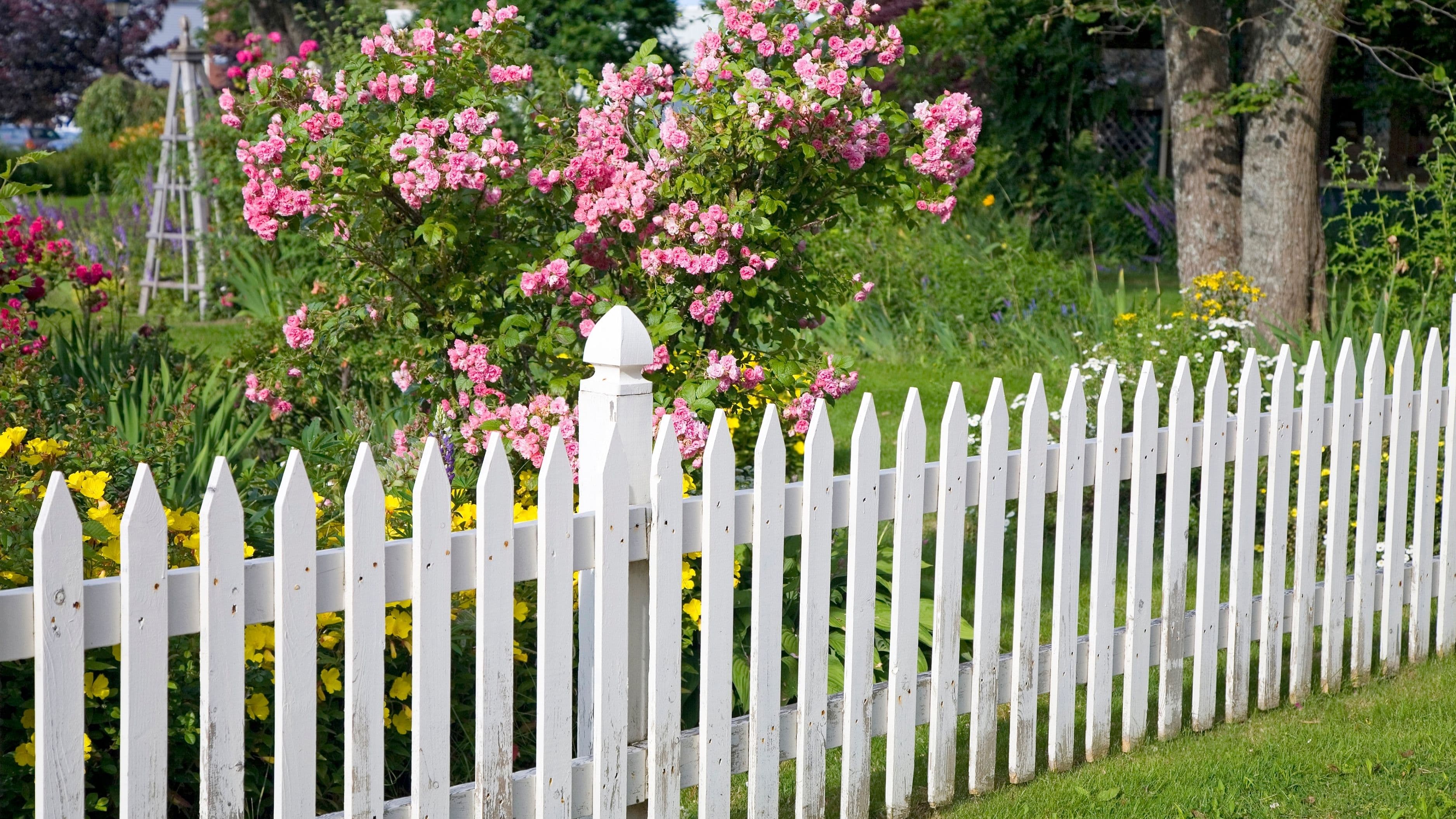
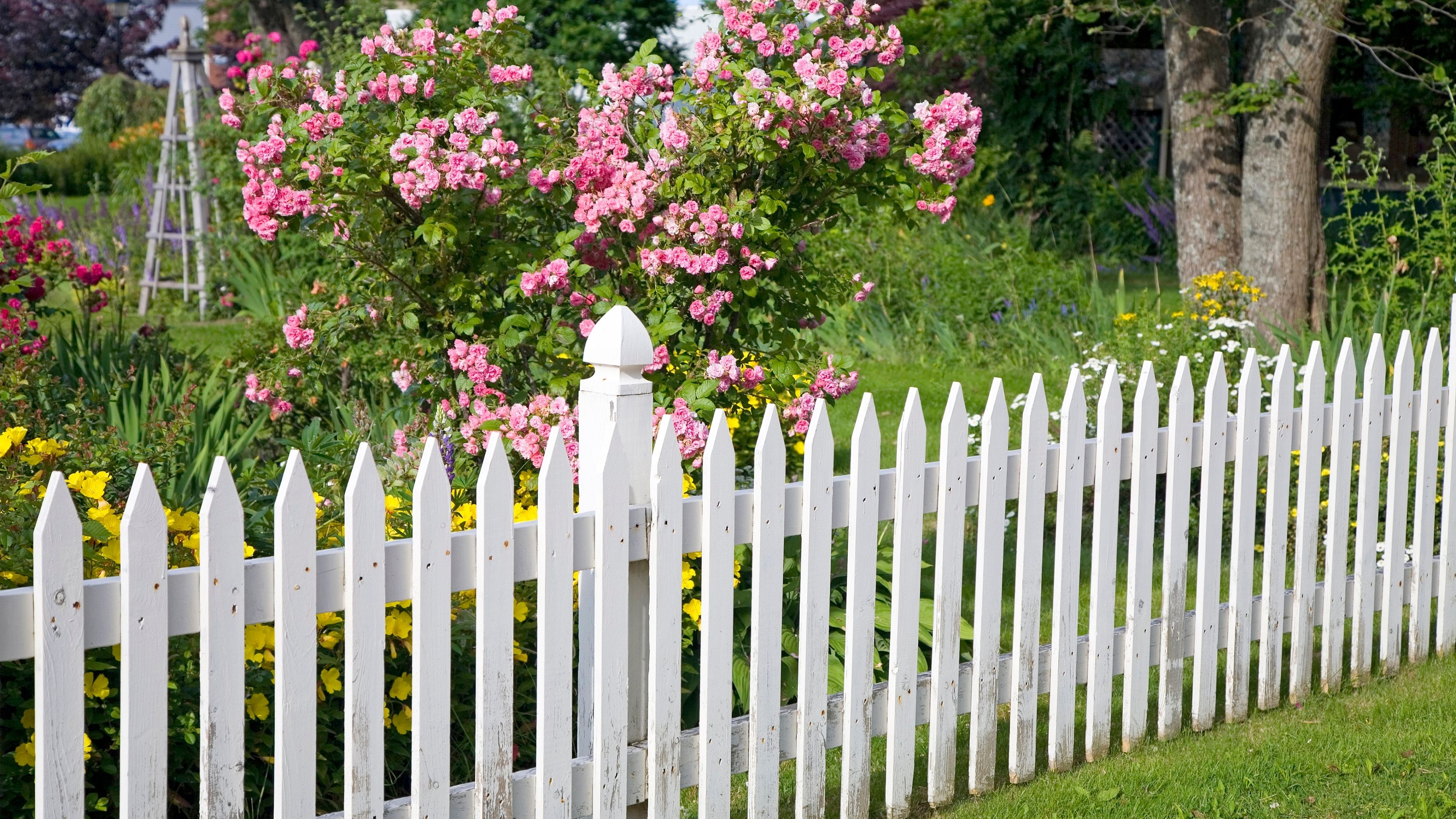
Wood fences are the most forgiving. Panels can be screwed directly into fence posts or horizontal rails using stainless steel or galvanized screws that won't rust through contact with wet soil and plant moisture. Check that the fence structure is solid – a weathered or partially rotten fence won't hold the weight of planted panels, which can be heavier than expected once soil is saturated after watering.
Masonry and brick walls require masonry anchors or wall plugs drilled into the mortar joints. Drilling into the brick face itself is fine for structural brick but should be avoided on decorative or heritage brickwork. If you're renting, check with your landlord before drilling into any permanent structure.
Vinyl or composite fencing can be trickier. Many of these materials don't hold screws well under repeated load. A freestanding frame that leans against or clips to the fence without penetrating it is often a better solution.
Shade and sun exposure is a factor that's easy to overlook at the planning stage. Note how much direct sun the wall receives and at what time of day – this determines what plants will thrive, not just survive.
Step 2: Choose the Right Panel System
The panel system you choose should match your surface, your climate, your maintenance tolerance, and your budget. A few categories to understand:
Fabric pocket panels (cost: $20–60 for a standard panel) are the easiest entry point. They're hung on a few hooks or screws and filled with potting mix and plants. The fabric allows excess moisture to drain, which helps prevent root rot. Downside: fabric degrades over two to three years in outdoor conditions and may need replacing. Best for: beginners, renters, low-commitment setups, and herb gardens.
Modular plastic panel systems (cost: $60–200+ depending on size) use interlocking grid sections that attach to a wall-mounted frame. Individual cells can be replanted without disturbing the whole panel. More durable than fabric, and the modular format makes it easy to expand. Best for: homeowners who want a longer-term installation and the flexibility to change plant layouts over time.
Metal frame living wall systems (cost: $150–500+ for DIY kits) are designed for more permanent installations. They typically include a backing frame, planting cells, and sometimes an integrated drip irrigation channel. More involved to install, but significantly easier to maintain once set up. Best for: dedicated feature walls where you want a polished, long-lasting result.
Freestanding vertical planters (cost: $50–200) are standalone units that don't mount to the wall at all – they lean, stand, or use weighted bases. These are worth considering if you don't want to drill or if the surface isn't suitable for mounting. Less visual impact than a full wall panel, but zero installation complexity.
Step 3: Plan Your Plant Selection
The most common mistake in vertical garden projects is choosing plants based on appearance alone without considering the conditions the panel actually offers. Vertical planting changes the moisture dynamics significantly compared to ground-level containers – panels dry out faster because of air circulation on all sides, drainage is more aggressive, and sun exposure at different heights within the same panel can vary enough to affect plant health.
For sunny walls: Succulents, sedums, lavender, thyme, and trailing rosemary handle heat and dryness well. Most herbs – basil, oregano, sage – also do well in full sun. Avoid plants that need consistent moisture in a hot-wall location.
For shaded or partially shaded walls: Ferns, hostas, ivy, impatiens, and begonias are well-suited to lower-light conditions. Many shade-tolerant plants also prefer more consistent moisture, which actually works in their favor since shaded panels dry out more slowly.
For mixed use – herbs and edibles: Strawberries, lettuce, spinach, chives, mint, and parsley all work well in vertical pocket systems and are particularly rewarding in small outdoor spaces where ground-level growing isn't practical. Keep mint isolated in its own pocket or container – it spreads aggressively and will outcompete neighboring plants if given the chance.
Plant density: Don't overfill the panel at installation. Plants fill in quickly, and overcrowding from the start leads to competition for moisture and nutrients. Leave room for growth.
Step 4: Install the Panel
With your surface assessed and your panel system chosen, installation is straightforward for most systems. The general process applies across most wall-mounted panel types:
Mark your mounting points using a level to ensure the panel will hang straight. For stud or post mounting on wood, predrill pilot holes to prevent splitting. For masonry, use a hammer drill with the appropriate masonry bit and set wall anchors before driving screws.
Hang the panel frame or backing – most systems use a top-rail hanging approach where the weight distributes along a horizontal bar rather than relying on a single central point. Confirm it's level and secure before loading it with soil and plants, which will add significant weight.
Fill planting cells with a lightweight potting mix designed for containers. Avoid using garden soil or topsoil – both are too dense for vertical planting, will compact in the cells, and impede drainage. A mix formulated for containers, amended with perlite for additional drainage, is the right choice.
Plant from the top down. Starting at the bottom means soil and water from upper cells will disturb plants you've already placed. Working top to bottom keeps the installation cleaner.
Water gently but thoroughly after planting, and check that drainage is working as expected. Puddles or pooling at the base of the panel suggest the cells are too dense or drainage channels are blocked.
Step 5: Set Up a Watering Routine
Watering is where most vertical gardens succeed or fail in the first season. The combination of small soil volume per plant, air circulation on exposed sides, and the wicking effect of fabric backing in pocket systems means vertical panels dry out significantly faster than ground-level beds or large containers.
In warm weather, most vertical panel plants will need watering every one to two days. A moisture check before watering – pressing a finger an inch into the soil – tells you whether watering is actually needed on any given day, and prevents overwatering which causes root rot in poorly draining cells.
For panels with more than two to three rows, a simple drip irrigation setup is worth the investment. Even a basic timer-controlled drip line threaded through the cells eliminates the daily watering requirement and ensures more even moisture distribution throughout the panel. Kits are available for around $30–80 and connect to a standard outdoor tap.
Common Mistakes to Avoid
Choosing the wrong mounting hardware. Standard drywall screws aren't appropriate for outdoor use or wet environments. Use stainless steel or hot-dipped galvanized hardware throughout to prevent rust streaking on your wall or fence surface.
Underestimating weight. A 4-square-foot fabric panel filled with moist potting mix and plants can weigh 20 to 30 pounds. Make sure your mounting points are anchored into structural members – fence posts, wall studs, or masonry anchors set in solid material – not just surface cladding.
Using the wrong growing medium. Regular garden soil in vertical cells compacts under watering, blocks drainage, and starves roots of oxygen. Lightweight container mix is non-negotiable for long-term plant health.
Planting without considering water access. If your panel is more than a few steps from a water source or hose connection, you're setting yourself up for inconsistent watering. Either run a drip line or position the panel where hand-watering is genuinely practical.
Overcrowding at installation. It takes time for new plants to establish, and the temptation is to fill every cell immediately for a lush result. Plants that are too close together struggle for moisture and nutrients and look worse within a few weeks than a well-spaced panel would.
Realistic Expectations: Cost and Time
A basic fabric pocket panel setup for a standard fence section (roughly 3 feet wide by 4 feet tall) costs $20–80 for the panel plus $20–40 for plants and potting mix. Installation time is one to two hours including prep.
A mid-range modular plastic system with a full planted display runs $100–250 including plants and materials. Installation time is two to four hours depending on surface prep and mounting complexity.
A full living wall system with drip irrigation for a feature wall runs $300–600 for DIY materials, with installation taking a half to a full day. This tier makes most sense for permanent installations on walls you intend to keep long-term.
FAQ
Do vertical garden panels damage walls or fences? Properly installed panels with appropriate hardware cause minimal damage – a few screw holes at mounting points. Fabric panels held on hooks cause less than that. The more significant risk is moisture damage to wood surfaces if panels are mounted flush against the surface without a gap for airflow. Mount panels with a small standoff gap to allow air to circulate behind them.
Can vertical panels survive winter outdoors? It depends on the panel system and your climate. Fabric pocket panels generally shouldn't be left outside through hard freezes – the fabric degrades faster when repeatedly frozen and thawed, and frozen soil expands in the cells in ways that damage plant roots. Modular plastic and metal systems are more durable, but plants will need to be seasonal or cold-tolerant. In cold climates, treat vertical garden panels as a warm-season feature and plan to empty and store the panels over winter.
What's the best vertical garden panel for a shaded balcony? Fabric pocket panels or modular plastic systems both work in shade. The key is plant selection – focus on shade-tolerant varieties (ferns, begonias, impatiens, hostas) and avoid anything that requires significant sun. Shaded panels also retain moisture longer, so you'll water less frequently and root rot is a greater risk than drying out.
How do I prevent soil falling out of the cells? Use a potting mix with enough structure to hold its shape – avoid very fine or sandy mixes. In fabric pocket systems, the pockets themselves contain the soil. In open-cell modular systems, a layer of coir liner behind the cells helps retain soil while allowing drainage.
Can I grow vegetables in a vertical panel on a small balcony? Yes, with realistic expectations. Leafy greens, herbs, strawberries, and cherry tomatoes (in larger cells or a dedicated container alongside the panel) are all achievable. Root vegetables and large fruiting plants like peppers or squash don't adapt well to the cell sizes in most vertical panel systems. Stick to shallow-rooted edibles for the best results in this format.
📚 Sources
RHS (Royal Horticultural Society) – Vertical gardening and living walls guidance: https://www.rhs.org.uk/garden-design/living-walls
University of Florida IFAS Extension – Container gardening for small spaces: https://edis.ifas.ufl.edu/publication/EP472
Gardener's World – How to make a vertical garden: https://www.gardenersworld.com/plants/how-to-make-a-vertical-garden/
This Old House – How to build a living wall: https://www.thisoldhouse.com/gardening/21017128/how-to-build-a-living-wall
Old Farmer's Almanac – Vertical gardening tips: https://www.almanac.com/vertical-gardening
🔍 Explore Related Topics