
What Each Treatment Actually Is
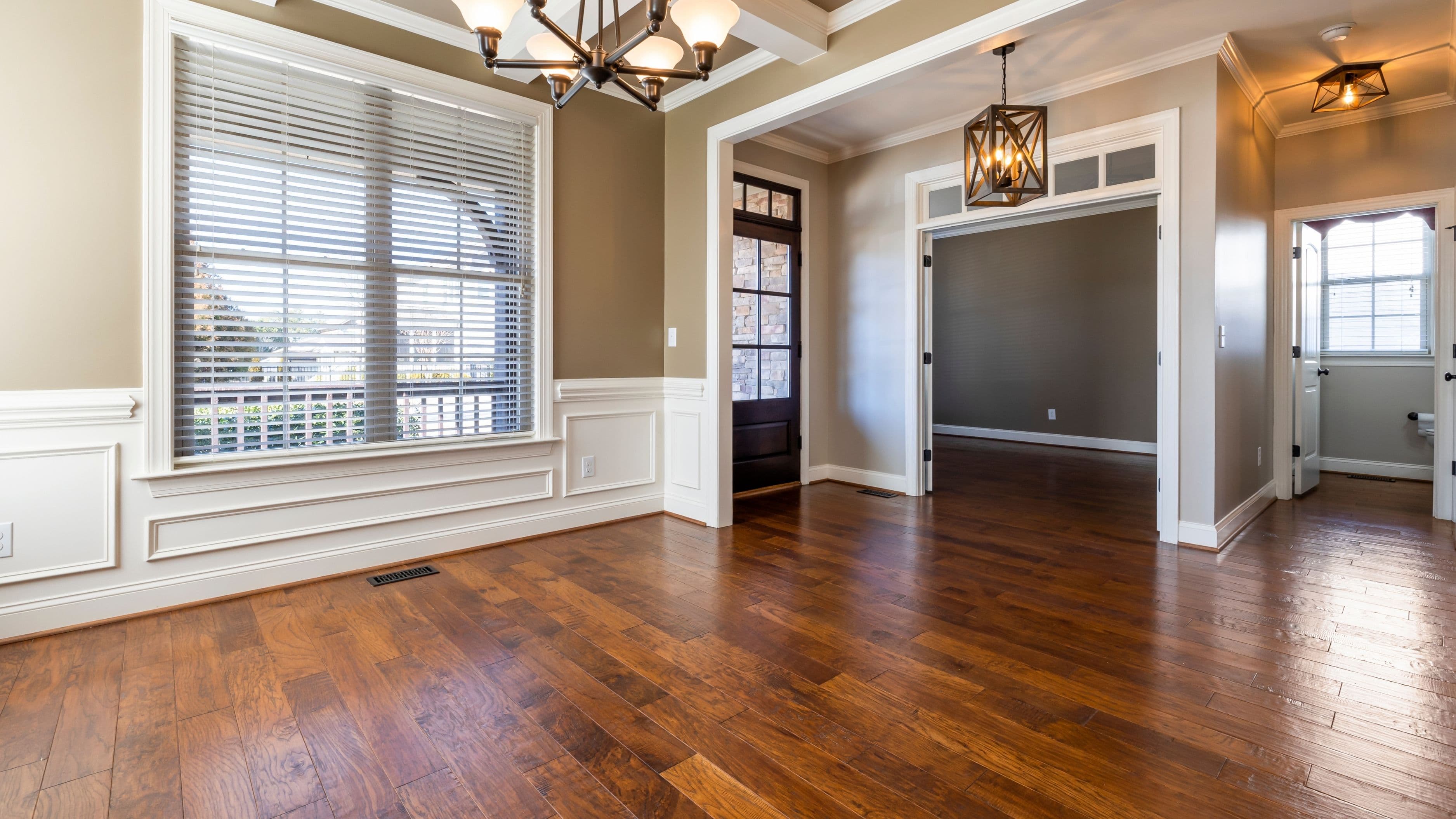
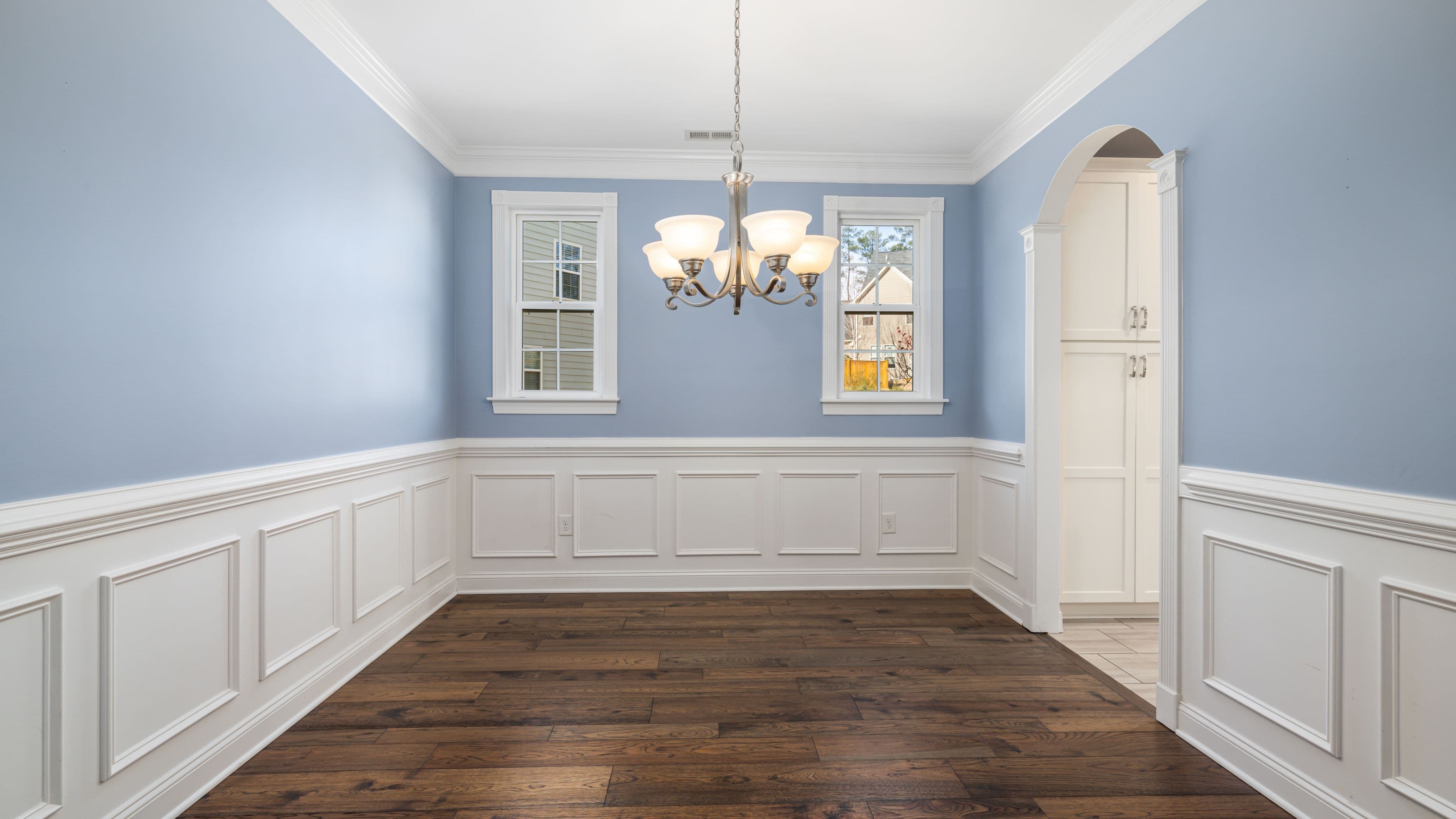
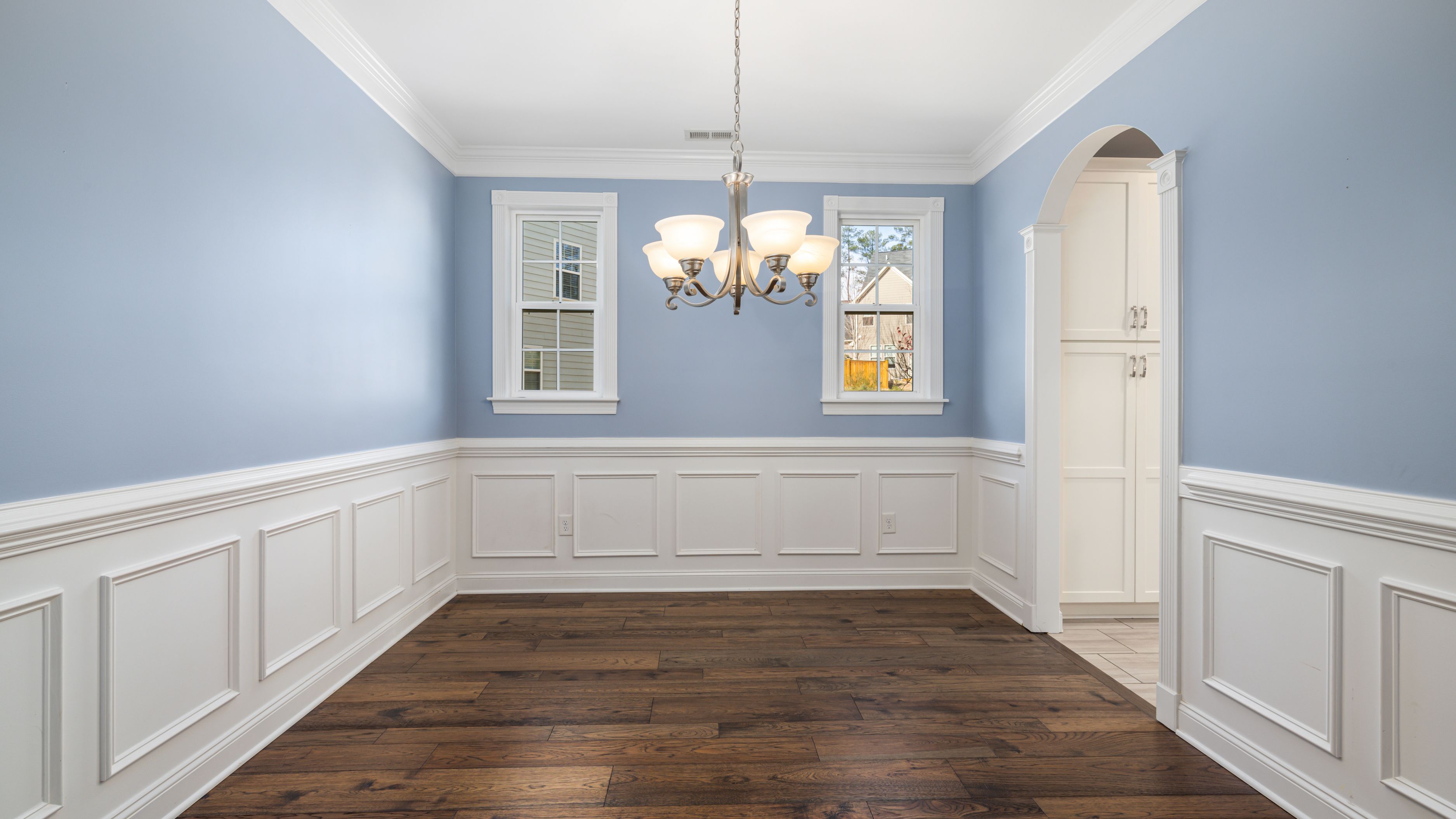
Wainscoting traditionally refers to a wood paneling system installed on the lower portion of a wall, typically topped with a decorative chair rail, often featuring raised or recessed panel details that create depth and shadow lines across the surface. It has strong ties to traditional and formal interior styles, evoking a more historic, classically detailed look.
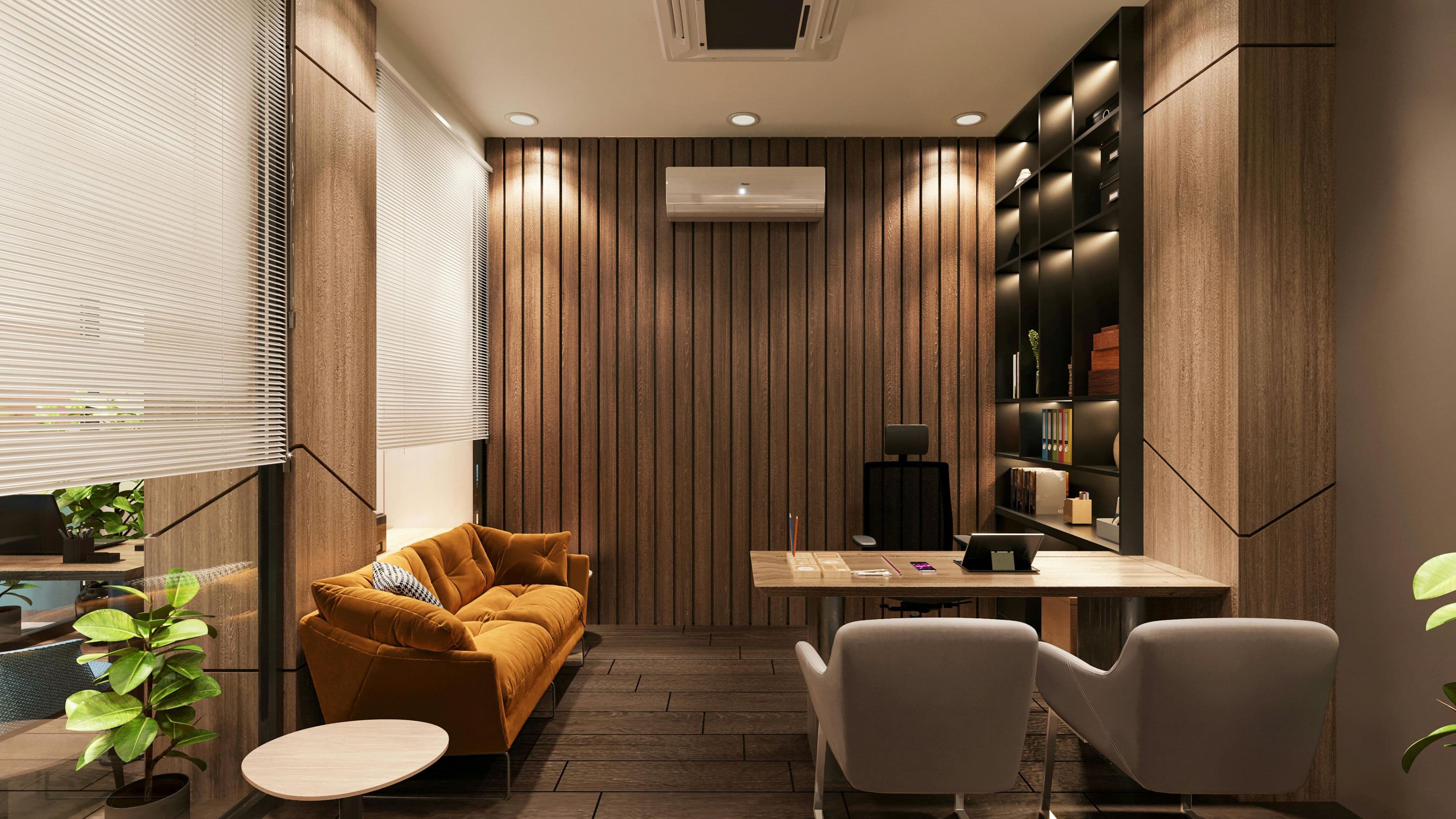
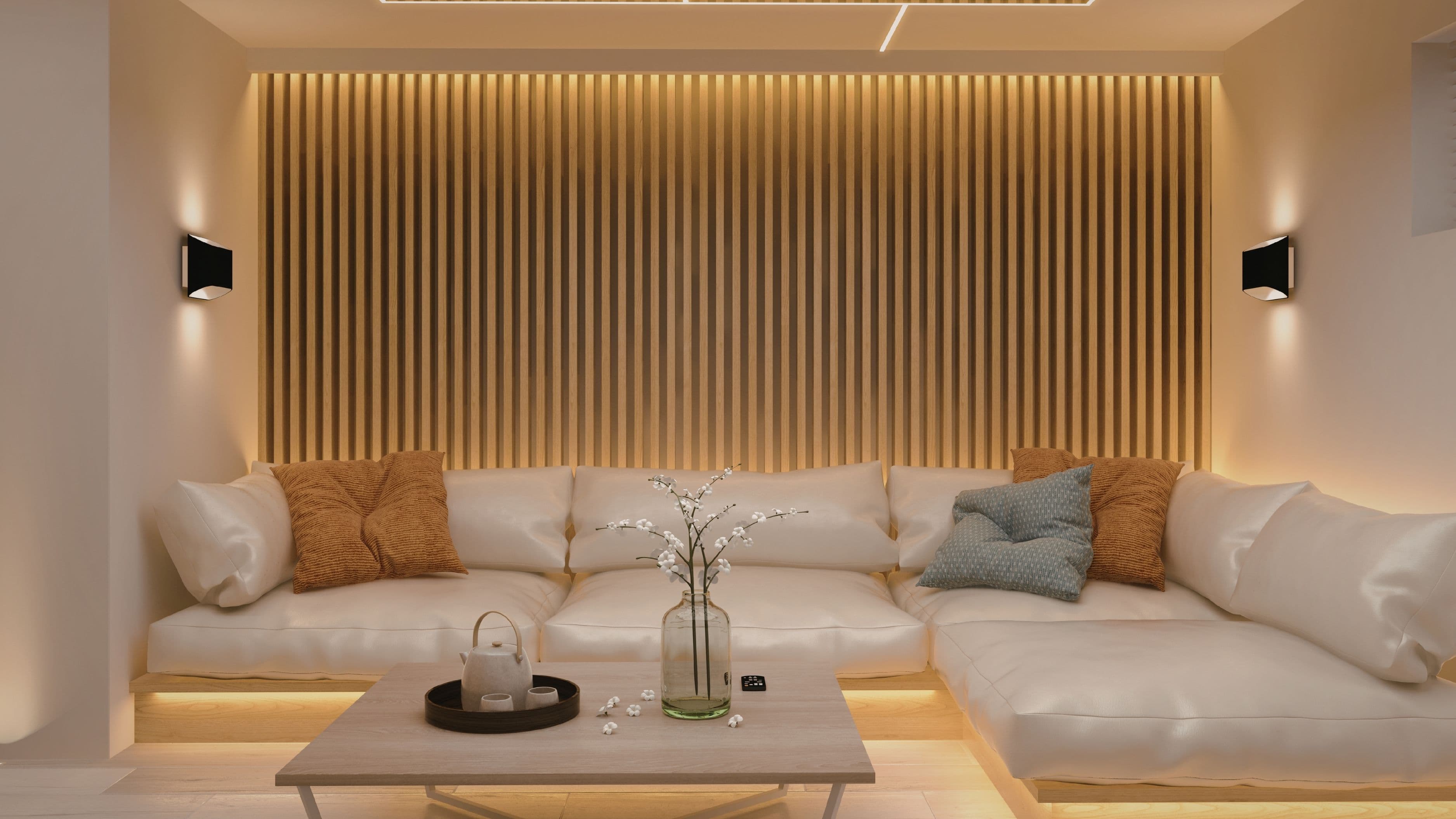
Board and batten is a simpler construction method using flat vertical boards (battens) applied over a base layer, creating a rhythmic pattern of raised lines across the wall, usually without the more elaborate panel details wainscoting can include. It reads as a cleaner, more modern-farmhouse or transitional style, and has become significantly more popular in recent renovation trends due to its relative simplicity to install.
Visual Impact: Which Reads as More Expensive
Traditional raised-panel wainscoting generally reads as more formally expensive due to the depth, shadow lines, and craftsmanship implied by its more complex panel construction. This makes it a strong fit for formal dining rooms, studies, or entryways in homes leaning toward a traditional or classic architectural style, where the goal is a sense of established, historic detail.
Board and batten, while simpler in construction, can look equally expensive, and sometimes more current, when executed with attention to proportion and paint quality. Its clean, linear pattern reads as intentional and architectural, particularly in modern farmhouse, transitional, or coastal-style homes, where the simpler geometry actually fits the aesthetic better than more ornate paneling would. In these home styles, wainscoting can occasionally look mismatched or overly formal, undercutting rather than enhancing the perceived value of the space.
The key takeaway: "more expensive-looking" depends heavily on matching the treatment to your home's existing architectural style, rather than either option being universally more upscale than the other.
Cost and Installation Comparison
Board and batten is generally the more budget-friendly and DIY-accessible option. It typically uses standard lumber or MDF boards installed in a straightforward vertical pattern, requiring fewer specialized cuts and less overall material complexity than true raised-panel wainscoting. A motivated DIYer with basic carpentry tools can often complete a board and batten installation in a weekend for a standard-sized room.
Cost level: low to medium, depending on material choice (MDF is more budget-friendly than solid wood) and room size.
Traditional wainscoting, particularly raised-panel styles, is more complex to install correctly, often involving mitered corners, more precise measurements, and sometimes pre-fabricated panel kits that still require careful fitting. This generally means either a longer DIY timeline with a steeper learning curve, or hiring a professional installer, which adds to the overall project cost.
Cost level: medium to high, depending on panel complexity, material, and whether installation is DIY or professional.
Durability and Maintenance
Both treatments are generally durable when installed with quality materials and proper caulking and painting, but their maintenance needs differ slightly. Board and batten's simpler geometry with fewer recessed areas tends to be easier to clean and less prone to trapping dust compared to wainscoting's more intricate panel details, which can accumulate dust and grime in recessed areas over time, particularly in high-traffic rooms.
Both treatments require proper caulking at seams and careful paint application to prevent a cheap, unfinished appearance, and this step matters more for long-term durability and appearance than the choice between the two styles themselves. Poor caulking or rushed paint application will make either treatment look less expensive regardless of the underlying construction quality.
Which Rooms Suit Each Treatment Best
Board and batten tends to work particularly well in mudrooms, bathrooms, bedrooms, and hallways, where its cleaner, more casual geometry complements everyday living spaces without feeling overly formal. It also pairs well with shiplap and other farmhouse-adjacent design elements if that's a broader theme in your home.
Wainscoting tends to suit more formal spaces, dining rooms, entryways, home offices, or studies, particularly in homes with classic or traditional architectural details elsewhere, like crown molding or built-in bookcases, where the more ornate panel style complements rather than clashes with the home's existing character.
Common Mistakes to Avoid
A frequent mistake with both treatments is choosing a height that doesn't match the room's proportions, wainscoting or board and batten installed too high can make a room feel visually top-heavy and closed in, while installing it too low can make the effort look incomplete or accidental rather than intentional. As a general guideline, one-third of the wall height is a commonly used starting point, adjusted based on ceiling height and the room's specific proportions.
Another common mistake is skipping proper surface preparation before installation. Uneven walls or inadequate caulking at seams will telegraph through the paint finish on either treatment, undermining the polished look both styles are meant to achieve. Take the time to properly prep, caulk, and prime before the final paint coat, regardless of which treatment you choose.
What to Avoid
Avoid mismatching the treatment style to your home's existing architecture purely based on current trend popularity. Board and batten has become extremely popular in recent renovation content, but installing it in a home with strongly traditional architectural details elsewhere can create a visual disconnect that reads as trend-chasing rather than a cohesive design choice. Similarly, ornate wainscoting in a clean, contemporary or minimalist home can feel unnecessarily formal and out of place.
FAQ
Which option is better for a rental or budget renovation? Board and batten is generally the more budget-friendly and faster option, making it a practical choice for renters (where permitted) or homeowners working with a tighter renovation budget.
Can I combine both treatments in the same home? Yes, many homes use board and batten in casual spaces like mudrooms or bedrooms while reserving more formal wainscoting for dining rooms or entryways, as long as the overall style transition between rooms feels intentional rather than random.
Do I need to hire a professional for either installation? Board and batten is generally manageable for a confident DIYer with basic tools. Traditional raised-panel wainscoting often benefits from professional installation, particularly for rooms with detailed trim work or unusual wall dimensions, to ensure clean, precise results.
📚 Sources
This Old House – Wainscoting Styles and Installation Basics: https://www.thisoldhouse.com/walls/21017080/how-to-install-wainscoting
Family Handyman – Board and Batten Installation Guide: https://www.familyhandyman.com/project/how-to-install-board-and-batten/
National Association of Home Builders – Interior Trim Trends: https://www.nahb.org/