
This comparison breaks both options down honestly: what each does well, where each falls short, what they cost, and how to decide which layout makes more sense for your specific situation.
What You're Actually Choosing Between
Before diving into pros and cons, it helps to be precise about what each option involves.
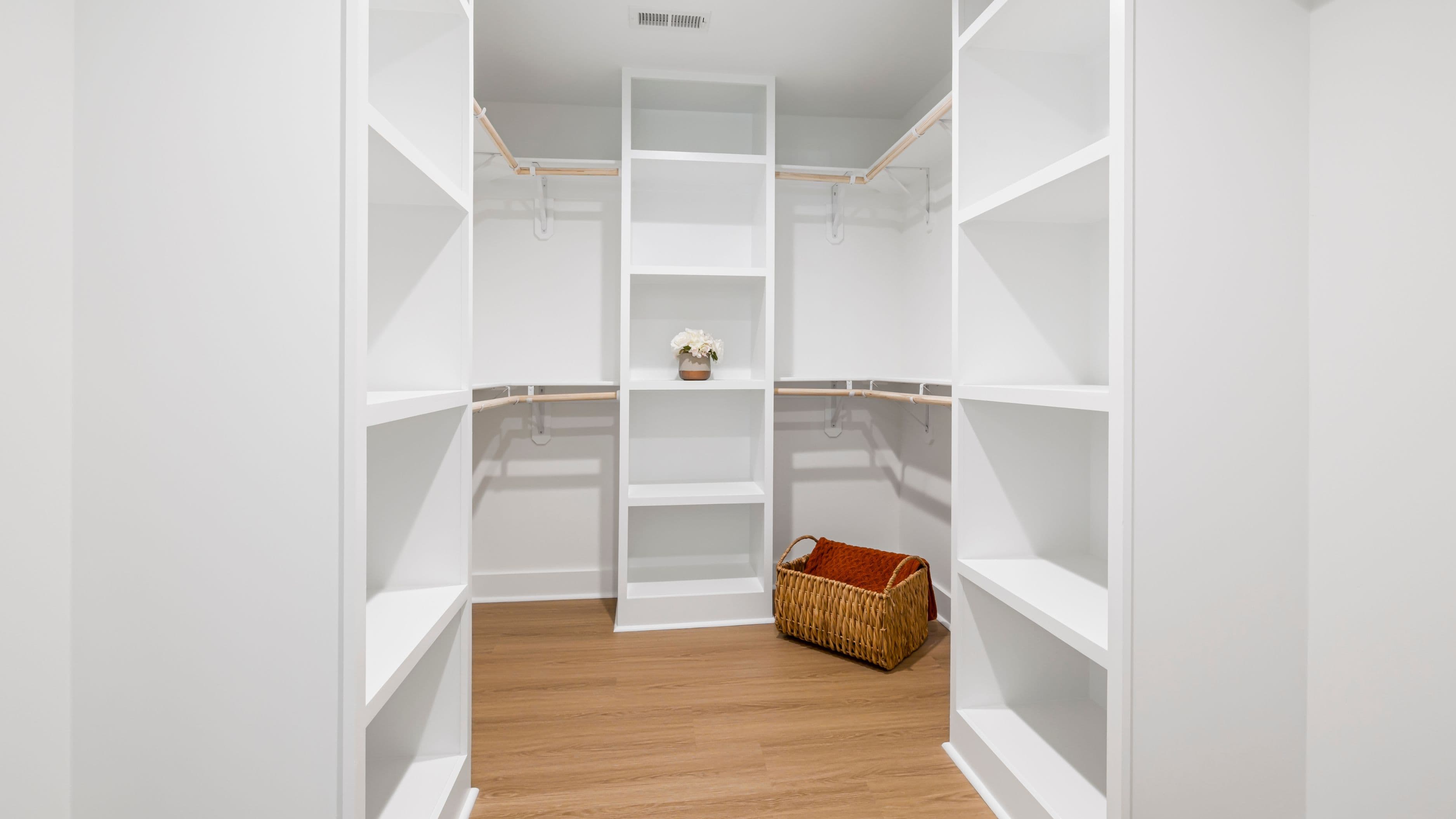
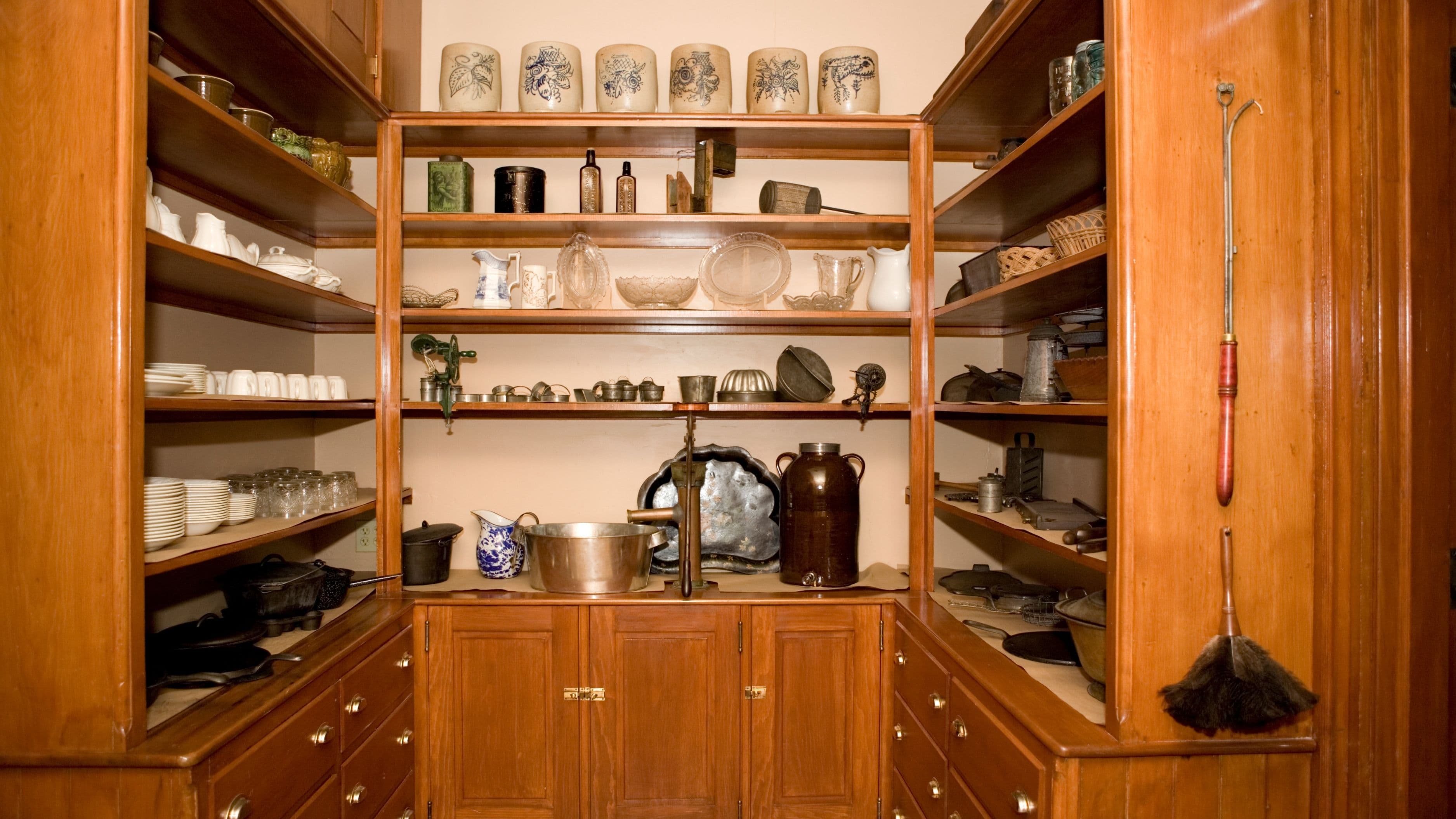
Walk-in pantry refers to a dedicated storage room – typically 5 to 12 square feet of floor space – accessible through a door, usually adjacent to the kitchen or just off it. It provides shelf storage on three walls, potentially floor storage for bulk items, and sometimes a countertop or pull-out work surface. It's a separate room dedicated almost entirely to food and kitchen supply storage.
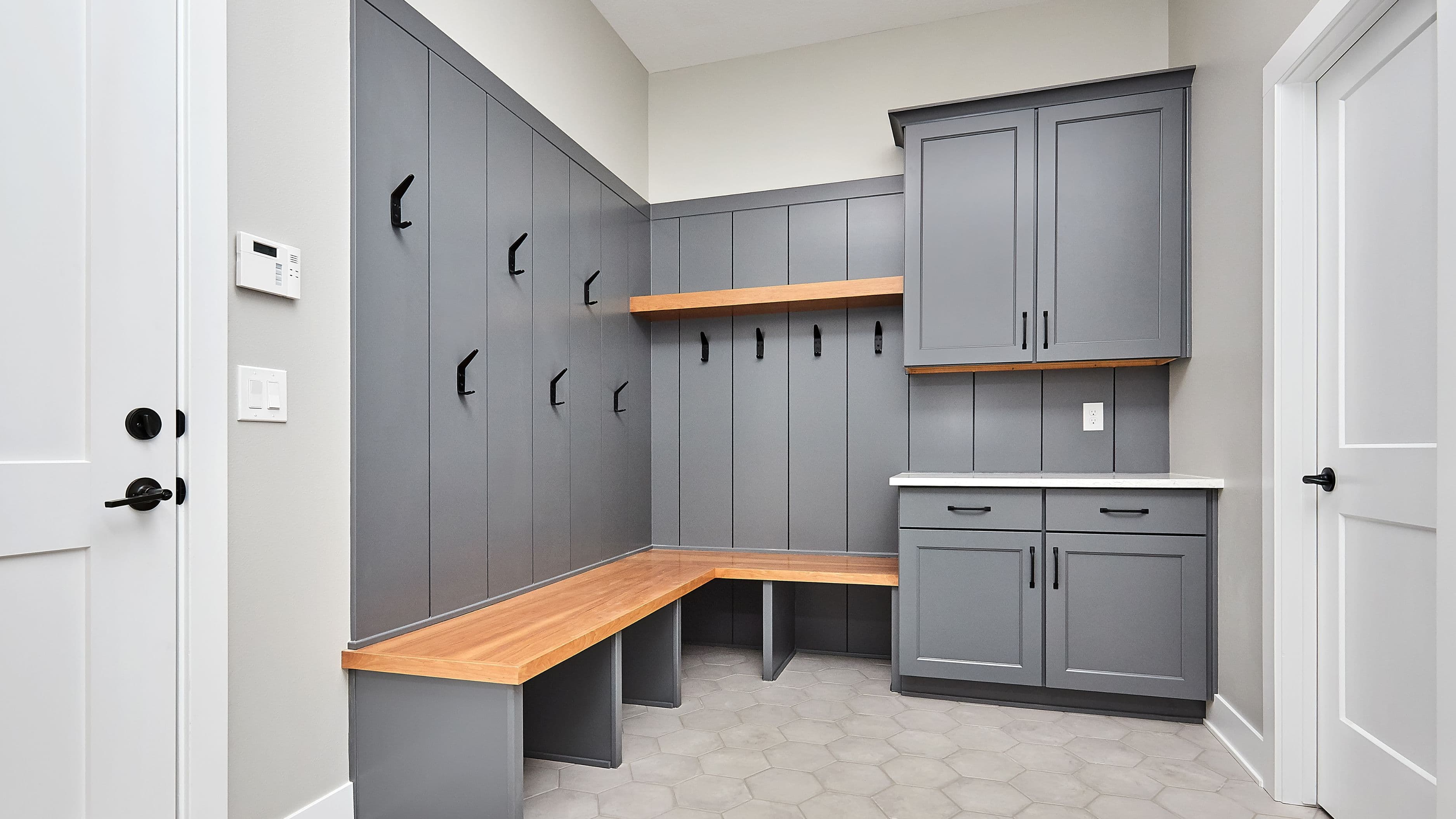
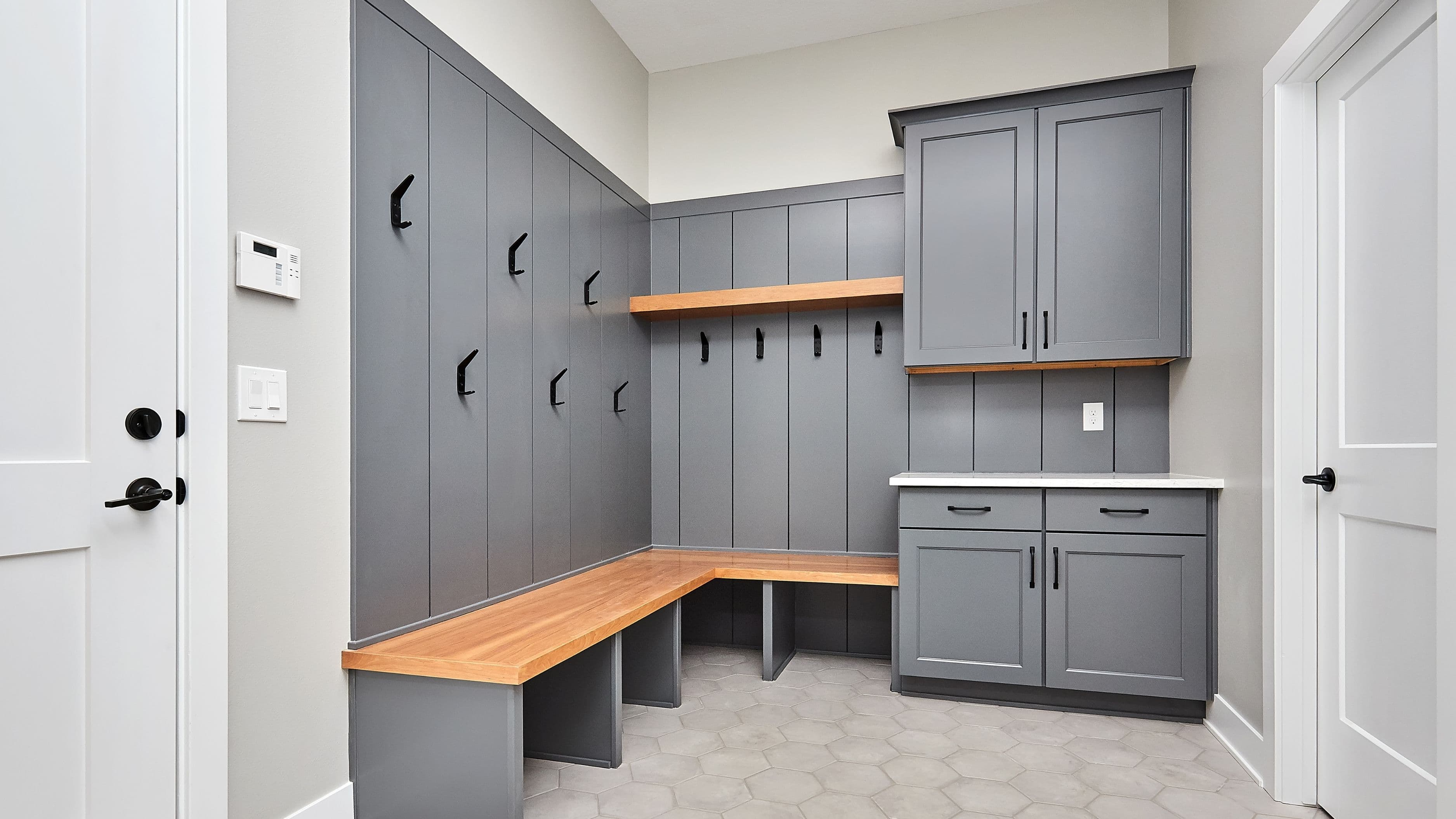
Cabinet storage means incorporating all pantry and dry goods storage into the kitchen layout itself, using floor-to-ceiling pantry cabinets, deep base cabinets, upper cabinets, and pull-out organizers integrated within the kitchen footprint. No separate room – everything lives in the kitchen cabinetry.
Some kitchen renovations include elements of both, using a reach-in pantry closet alongside cabinet storage rather than a full walk-in room. That hybrid approach is worth keeping in mind as you work through this comparison.
Walk-In Pantry: The Real Advantages
The clearest advantage of a walk-in pantry is raw storage capacity. A walk-in with shelving on three walls can hold significantly more than any equivalent footprint of cabinetry. For households that buy in bulk, entertain frequently, or simply accumulate more food and kitchen supplies than standard cabinetry handles, a dedicated walk-in pantry solves a storage problem that no amount of clever cabinet organization can fully match.
Visibility is the second major advantage. In a walk-in pantry, you can see almost everything at once. Step in, scan the shelves, and you know what you have and what you need. In a cabinet-only kitchen, your dry goods are distributed across multiple doors and drawers, often stacked and obscured. The number of times you buy something you already own because you couldn't find it is a genuine cost that a well-organized walk-in pantry reduces significantly.
A walk-in pantry also keeps kitchen clutter out of sight. Counters stay cleaner because appliances, bulk bags, overflow supplies, and the general chaos of a well-stocked kitchen has a home outside the main cooking zone. For open-plan kitchens where the kitchen is visible from the living or dining area, this is a meaningful aesthetic benefit as well as a functional one.
The space also doubles as a staging area. Canned goods, rarely used appliances, specialty cookware, party supplies, and backup supplies all find a natural home in a walk-in pantry without competing for space in the main kitchen. Some larger walk-ins include a small countertop that functions as a prep area for baking or serving – an additional working surface that doesn't exist in a cabinet-only layout.
Walk-in pantry works best for: Larger kitchens with adjacent square footage available, households that cook frequently and buy in quantity, and renovations where the existing layout already has a closet or nook that could be repurposed.
Walk-In Pantry: The Real Limitations
Square footage is the central constraint. A walk-in pantry requires 20–40 square feet of total space including door clearance and the room itself, which in many homes means taking space from somewhere else. In a mid-size home with a compact kitchen, dedicating a chunk of the floor plan to a pantry room may not be realistic without affecting other rooms, the hallway, or the dining area.
A walk-in pantry that's poorly located also loses its appeal quickly. If the pantry door is on the opposite side of the kitchen from where you cook, or if you have to walk around an island every time you need an ingredient, the convenience advantage disappears. The ideal walk-in pantry is immediately adjacent to the kitchen's prep and cooking zones, easily reachable mid-recipe without a significant detour.
Maintenance is worth thinking about honestly. A large pantry is only useful when it's organized. When shelves fill with expired goods, random overflow, and items that don't have a designated spot, the walk-in becomes a room you avoid opening because it's overwhelming. The upside of visibility depends on the discipline to keep things organized – a quality that varies significantly from household to household.
Estimated construction cost for a basic walk-in pantry addition: $3,000–$8,000 for a space converted from an existing closet with professional shelving. $8,000–$25,000 for a purpose-built pantry room added to the layout through structural modification, depending on scope and finishes.
Cabinet Storage: The Real Advantages
Cabinet storage works with the kitchen footprint you already have. It doesn't require converting a closet, borrowing space from another room, or structural modification. For kitchens where the existing layout doesn't include a natural spot for a walk-in, a well-designed cabinet storage system is the only viable option short of a major remodel.
Modern pantry cabinet options are significantly more functional than they were a generation ago. Floor-to-ceiling pantry cabinets with pull-out drawers, deep base cabinets with pull-out shelf systems, lazy susans in corner cabinets, and spice pull-outs beside the range all dramatically increase the usability of what used to be static shelf-behind-a-door storage. When you configure cabinetry around how you actually cook and where you actually reach, the functionality gap between cabinets and a walk-in closes considerably.
Cabinet storage also keeps food and cooking supplies immediately at hand during meal prep. Everything is within the cooking zone – pull the pot from the base cabinet, grab the spices from the drawer beside the stove, reach up for the canned tomatoes without leaving the kitchen. That immediacy is a real convenience advantage in a well-designed cabinet layout, particularly in a smaller kitchen where distances are short and workflow efficiency matters.
From a resale perspective, a kitchen with high-quality, well-organized cabinetry is universally attractive to buyers regardless of whether it includes a walk-in pantry. A walk-in pantry is a bonus that many buyers appreciate, but a kitchen with insufficient cabinetry is a clear negative that affects perceived value. Getting the cabinet storage right is always the foundation.
Walk-in pantry replacement cost in cabinetry: A 5-foot pantry cabinet run with full-extension pull-out drawers, a tall pantry cabinet, and deep base cabinets costs approximately $2,000–$6,000 in semi-custom cabinetry, installed. Custom cabinetry runs higher.
Cabinet Storage: The Real Limitations
The fundamental limitation of cabinet storage is that it hides everything. Items behind closed doors, especially in upper cabinets or deep lower cabinets, get lost. Canned goods get stacked in front of other canned goods. Packages get pushed to the back and forgotten. The "what did I already buy?" problem is endemic to cabinet-only kitchens and drives more food waste than most people realize.
Upper cabinets have a usability issue that rarely gets discussed directly in renovation planning: the items stored above eye level are functionally inconvenient for most people. If you need a step stool to access 30% of your kitchen storage, that storage isn't as useful as it appears on a floor plan. Deep base cabinets without pull-out systems have a similar problem – the items at the back are effectively invisible and inaccessible without getting on hands and knees.
Storage capacity also has a ceiling. A cabinet-only kitchen in a typical mid-size home stores what fits in the cabinets. There's no overflow option, no room for bulk purchases, and no space for the appliances and specialty items that might otherwise clutter counters. For households that like to stock up or cook ambitious meals requiring many ingredients and tools, the fixed capacity of cabinet storage creates real constraints.
Side-by-Side: Key Factors
Space Requirements
Cabinet storage works within existing footprint. A walk-in pantry needs 20–40 sq ft of dedicated floor space. If your home doesn't have a natural candidate space – a nearby closet, an underused corner, a bump-out option – cabinet storage is the answer by default.
Storage Capacity
Walk-in pantry wins, particularly for bulk storage and appliance overflow. Cabinet storage is sufficient for most households but hits its ceiling faster in larger families or frequent entertainers.
Workflow and Accessibility
Cabinet storage keeps everything within the cooking zone. A well-located walk-in is nearly as convenient; a poorly located one adds friction to meal prep.
Organization and Visibility
Walk-in pantry wins clearly. Open shelving in a dedicated room beats closed-door cabinet storage for visibility and ease of inventory management.
Cost
Converting an existing closet to a walk-in pantry is competitive with high-quality cabinetry. Purpose-built pantry additions are considerably more expensive.
Maintenance
Cabinet storage is lower maintenance to keep looking organized. A walk-in pantry requires consistent discipline to avoid becoming a catch-all.
How to Decide
Start with your floor plan, not your preference. If your kitchen doesn't have an adjacent space that could become a walk-in pantry without sacrificing something you value more, cabinet storage is your answer regardless of which option sounds more appealing. There's no point designing toward a walk-in if achieving it requires borrowing a room you need for something else.
If you do have available adjacent square footage, consider how you actually cook. High-frequency cooks who buy in bulk, meal prep, and keep a well-stocked kitchen will use a walk-in pantry constantly and find it pays for itself in daily convenience. Households that cook occasionally with modest stock levels may find a walk-in pantry underwhelming – more room than they realistically need to fill, and more maintenance than the benefit justifies.
Also consider whether the hybrid approach fits your situation. A reach-in pantry closet – essentially a standard closet fitted with adjustable shelving and a well-organized layout – provides most of the visibility benefits of a walk-in at a fraction of the space and cost. In many kitchens, a well-designed reach-in alongside a moderately upgraded cabinet layout is the most practical outcome.
If you're planning a kitchen renovation rather than building from scratch, the most valuable move before committing to either option is to spend two weeks tracking what frustrates you most about your current kitchen storage. Is it that you can't find things? A walk-in or better cabinet organization solves that. Is it that you don't have room for what you need? You need more total capacity, which a walk-in provides. Is it that your counters are always cluttered with overflow? A dedicated pantry room addresses that specifically. The answer to what kind of storage you need is already in how you use your kitchen today.
What to Avoid
Don't choose a walk-in pantry location that requires walking around the island or across the kitchen to reach during meal prep. The convenience advantage of a walk-in depends almost entirely on it being immediately accessible from the cooking zone.
Don't build a walk-in pantry without adequate lighting. A dimly lit pantry loses most of its visibility advantage. Recessed ceiling lighting or a simple under-shelf LED strip makes the contents easy to see and the space genuinely pleasant to use.
Don't configure cabinet storage without pull-out drawers in deep base cabinets. Static shelves in deep lower cabinets are a reliable way to lose track of half of what's stored there. Pull-out systems cost more but recover usable storage that static shelves effectively waste.
Don't skip adjustable shelving in either option. Your storage needs change over time, and shelves you can't reconfigure will eventually stop matching how you use the space.
FAQ
How much space do I realistically need for a functional walk-in pantry? A usable walk-in pantry needs a minimum of 5 feet by 5 feet (25 square feet) to have functional shelving on two or three walls and room to stand and reach comfortably. Smaller than that and it functions more like a deep reach-in closet. A 5-by-8 or 6-by-8 footprint is more comfortable and provides significantly more usable shelf space.
Can I add a walk-in pantry without a major renovation? Sometimes yes. If your home has a closet adjacent to the kitchen – a coat closet, linen closet, or underused storage room – converting it to a pantry requires removing the existing closet system, adding appropriate shelving, and potentially widening or relocating the door. This is a moderate DIY or contractor project that costs $1,500–$4,000 depending on finishes and doesn't require structural modification.
What's the best shelving system for a walk-in pantry? Adjustable shelving is essential. Wire shelving systems are inexpensive and allow visibility and airflow, but items tip and fall through the gaps. Solid wood or MDF shelves on adjustable standards give a cleaner look and better usability. For a built-in finished look, custom or semi-custom pantry systems from IKEA (PAX system), The Container Store's elfa system, or a custom carpenter provide the best result.
Do walk-in pantries add resale value? Generally yes, particularly in mid-size to larger homes where adequate kitchen storage is a common buyer concern. A walk-in pantry is considered a premium feature in most markets. However, if achieving it requires compromising something buyers also value – like losing a bedroom, reducing living space, or creating an awkward floor plan – the net effect on resale value may be neutral or negative.
What are the best pull-out systems for cabinet pantry storage? Rev-A-Shelf and Häfele both make well-regarded pull-out drawer systems for base cabinets that are available through kitchen cabinet dealers and home improvement stores. Full-extension pull-outs that extend completely out of the cabinet are significantly more useful than partial-extension versions. For corner cabinets, a pull-out Lazy Susan or a blind corner pull-out system recovers storage that static corner shelves waste almost entirely.
📚 Sources
National Kitchen & Bath Association – "Kitchen Planning Guidelines": https://nkba.org/store/guidelines-and-access-standards/kitchen-planning-guidelines-with-access-standards/
This Old House – "Kitchen Storage Solutions": https://www.thisoldhouse.com/kitchens/21017033/kitchen-storage-ideas
Houzz – "Pantry Design Ideas and Inspiration": https://www.houzz.com/photos/pantry-ideas-phbr1-bp~t_716
Family Handyman – "How to Build Pantry Shelves": https://www.familyhandyman.com/project/how-to-build-pantry-shelves/
National Association of Realtors – "Remodeling Impact Report": https://www.nar.realtor/research-and-statistics/research-reports/remodeling-impact