How Each Option Actually Works
A wall bed, often still called a Murphy bed, is a full-size mattress mounted to a hinge mechanism that folds up vertically into a cabinet or wall unit when not in use, completely clearing the floor space for daytime use. A studio sofa bed, by contrast, functions as a regular sofa for daily use, with a mattress mechanism – typically a pull-out frame or a fold-out design – that converts it into a sleeping surface when needed, without requiring you to fully clear the room of the furniture itself.
This fundamental difference – full floor clearance versus a dual-function piece of furniture that's always present – is the starting point for most of the practical differences between the two options.
Sleep Quality Comparison
Wall beds use a genuine full-size or queen-size mattress, identical in comfort to a standard bedroom mattress, since the wall unit exists purely to store the bed vertically rather than compress or fold the mattress itself. This means sleep quality on a quality wall bed is essentially equivalent to a standard bedroom setup, since nothing about the actual sleeping surface differs from a normal bed.
Sofa beds, even higher-end models, generally involve some compromise in mattress quality and thickness compared to a standard mattress, largely due to the mechanical folding or pull-out frame requiring a thinner, more flexible mattress design. Higher-quality sofa beds with a proper innerspring or memory foam mattress insert have improved considerably over older, notoriously uncomfortable pull-out designs, but even the better models typically don't match a genuine full-size mattress in comfort for regular, frequent use.
What this means practically: if the space will host guests frequently or for extended stays, a wall bed provides meaningfully better sleep quality; for occasional overnight guests, a quality sofa bed is often a reasonable enough compromise given its dual-function convenience.
Cost Comparison
Wall bed units range considerably based on size and cabinet finish quality, typically running $1,500–$4,000 for a well-built unit including professional installation, with basic DIY kits available at the lower end of that range for handy homeowners comfortable with the installation process. Quality studio sofa beds range from roughly $800–$2,500 depending on the mattress mechanism quality and upholstery, generally landing at a lower overall cost than a comparable-quality wall bed setup, particularly once installation costs are factored in.
Cost level: Wall beds are medium to high cost including installation; sofa beds are generally low to medium cost with no installation requirement beyond standard furniture delivery.
Space Efficiency Comparison
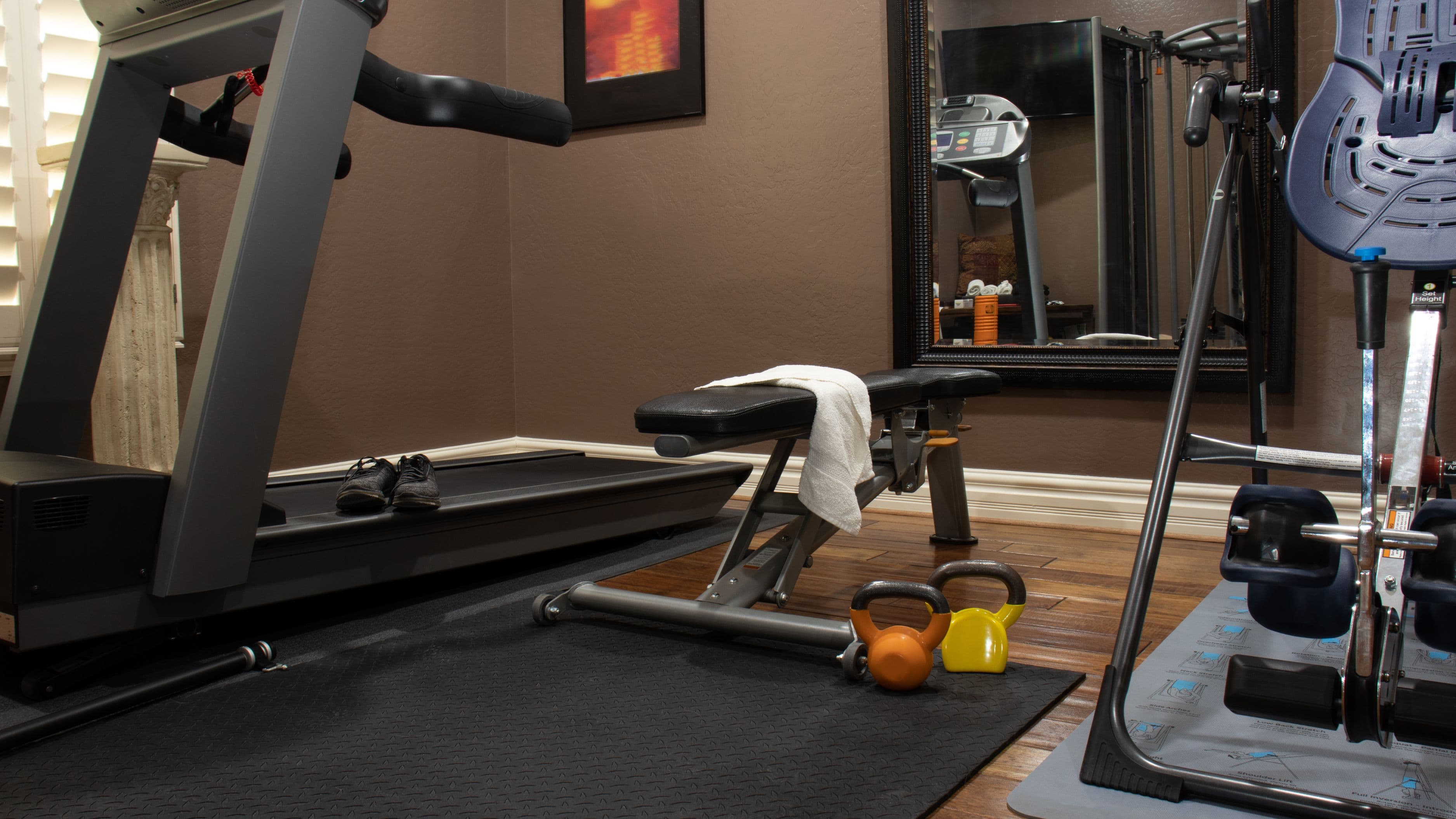
A wall bed, once folded up, completely clears the floor space, making the room fully usable for its daytime function – a home office, a workout space, a craft room – without any furniture footprint at all during the day. A sofa bed, even in its folded, daytime sofa configuration, still occupies a permanent footprint in the room, since it functions as a regular sofa the rest of the time rather than disappearing from the space entirely.
What this means practically: if maximizing genuinely open floor space during non-sleeping hours is the priority – for a home office or fitness space that needs a completely clear floor – a wall bed provides a meaningfully larger daytime footprint gain than a sofa bed does.
Installation and Structural Considerations
Wall beds require secure mounting into wall studs or a dedicated frame, given the weight and mechanical folding action involved, and improper installation carries genuine safety risk, which is why professional installation is strongly recommended over a fully DIY approach unless you have direct relevant experience. Sofa beds require no installation beyond standard furniture assembly and placement, making them the simpler option if you want to avoid any construction or mounting work entirely.
Which Option Makes More Sense for Your Situation
If the room needs to function as a genuinely clear, dedicated daytime space – a home office, studio, or gym – and you're willing to invest in a higher upfront cost and proper installation, a wall bed provides the better overall solution, particularly if guests stay often or for extended periods where sleep quality matters more. If the room functions as a living or lounge space daily where having a sofa present makes sense regardless of overnight guests, and guest stays are more occasional, a quality sofa bed offers a more cost-effective, simpler solution without sacrificing the room's everyday furniture function.
What to Avoid
Avoid a cheap, entry-level sofa bed if you expect frequent or extended guest stays, since the mattress quality difference becomes much more noticeable and uncomfortable with regular use rather than occasional overnight visits. Don't attempt a full DIY wall bed installation without genuine confidence in wall stud location and proper mounting hardware, given the safety implications of a heavy, mechanically operated bed frame not being securely anchored.
FAQ
Do wall beds require a specific wall type or thickness? Most wall beds can be installed into standard residential walls provided the mounting hardware is anchored into studs, though it's worth confirming your specific unit's requirements with the manufacturer or installer before purchase.
Can a sofa bed mattress be upgraded after purchase? In some cases, yes – certain sofa bed frames accept aftermarket mattress replacements designed specifically for that mechanism type, though this varies significantly by model, so check compatibility before assuming an upgrade is straightforward.
Which option adds more resale value to a home? A built-in wall bed unit can be viewed as a genuine functional feature by some buyers, particularly in smaller homes or apartments, though this varies by market and buyer preference, and a sofa bed as freestanding furniture doesn't factor into home value at all.
Both options solve the same core problem, but they solve it differently – a wall bed prioritizes genuine floor space and sleep quality at a higher cost and installation commitment, while a sofa bed offers simpler, cheaper dual-function furniture with a real but manageable comfort trade-off. Matching the choice to how the room actually gets used day to day, and how often it hosts guests, is the more useful way to decide than treating this as a universal best option.
📚 Sources
This Old House: Small Space Furniture Solutions – https://www.thisoldhouse.com/furniture
Consumer Reports: Sofa Bed Buying Guide – https://www.consumerreports.org/
Family Handyman: Installing a Murphy Bed – https://www.familyhandyman.com/
🔍 Explore Related Topics